Massachusetts City Gardeners Are Creating Stunning Patio Blooms — Here’s How It Starts
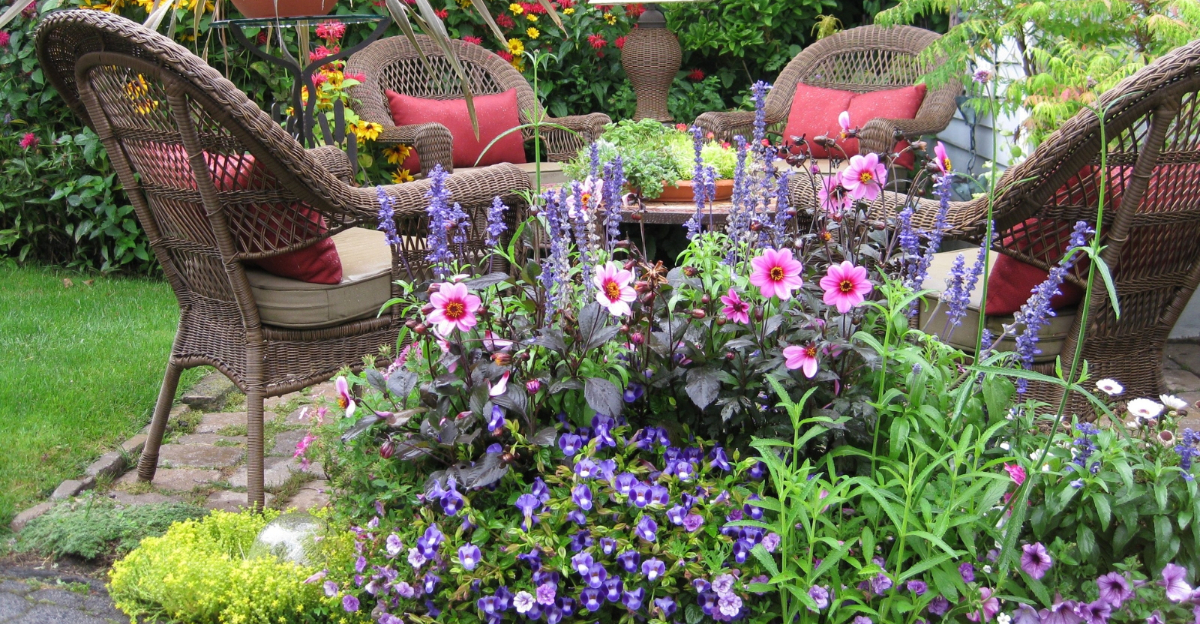
Massachusetts city patios are turning into unexpected pockets of color, even in spaces that once felt too small or too shaded to grow much of anything.
What looks effortless from the sidewalk usually starts with a very deliberate first decision. That early choice shapes everything that follows.
Urban gardeners across Massachusetts are learning that patio success has less to do with size and more to do with strategy.
Wind patterns, reflected heat, and limited soil volume all play a role long before the first bloom opens.
Instead of copying garden beds, city growers are approaching patios as their own environment with their own rules.
The most successful displays begin with plants chosen for performance, not just looks.
Container choice, placement, and timing quietly determine whether blooms struggle or explode with color.
Once that foundation is right, the rest of the season becomes far easier to manage.
That’s how Massachusetts city gardeners are turning ordinary patios into standout bloom-filled spaces from the very start.
1. Starting With Containers That Handle Urban Conditions
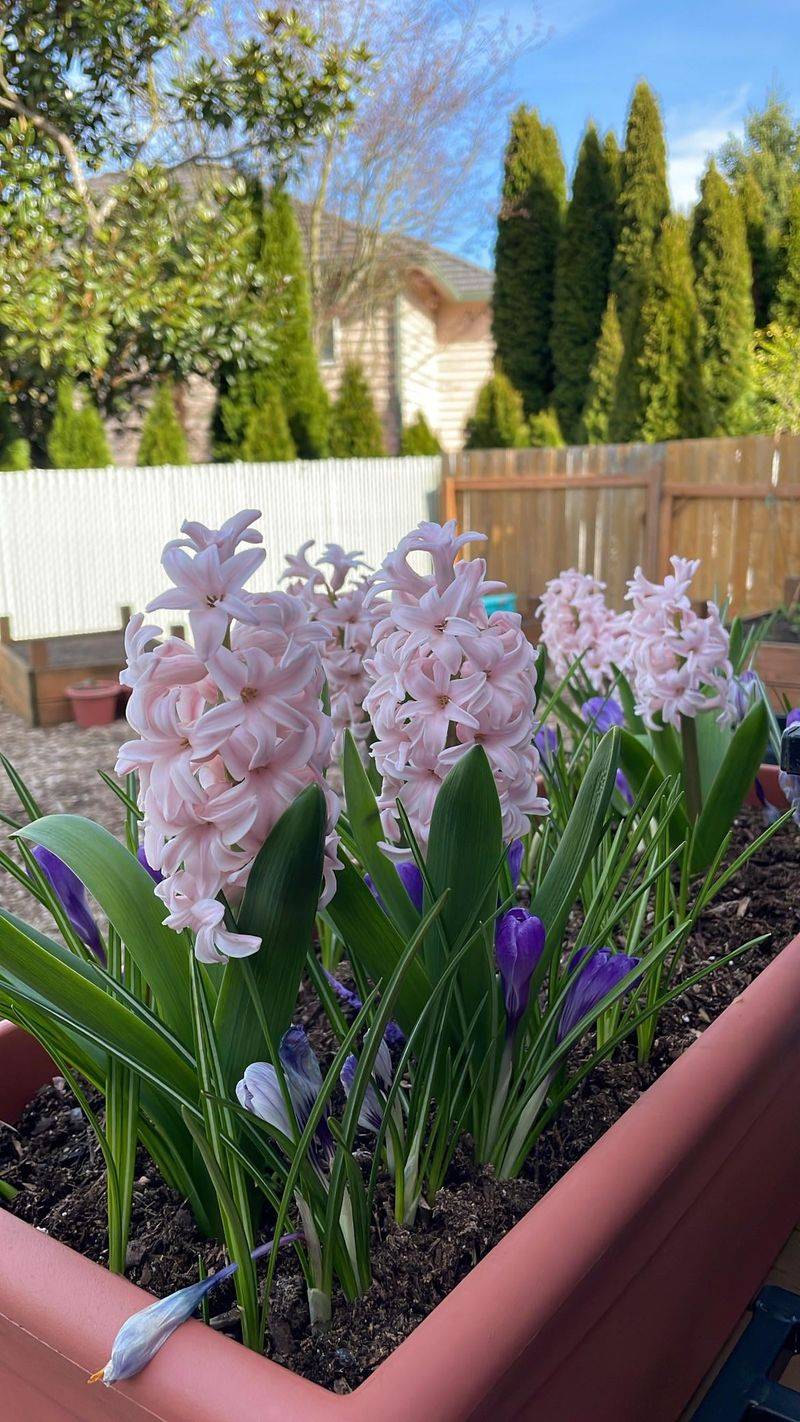
Urban patios face challenges that suburban gardens rarely encounter. Wind, reflected heat from buildings, and limited drainage options mean containers need to be tougher than average.
Plastic pots might seem convenient, but they often crack after one harsh winter in Massachusetts. Clay and ceramic options breathe better and stay cooler during summer heat waves, which helps roots stay healthy.
Weight matters too, especially on balconies where load limits are real concerns.
Drainage holes are non-negotiable for container success. Without proper drainage, water pools at the bottom and roots suffocate, leading to poor growth and wilting plants.
Adding a layer of gravel or broken pottery pieces at the base helps water flow freely.
Some gardeners in Boston elevate their pots on small feet or bricks to improve air circulation underneath.
This simple trick prevents water from sitting stagnant and reduces the chance of mold or rot.
Size plays a bigger role than most beginners realize.
Tiny pots dry out fast, requiring constant watering that becomes exhausting by mid-summer. Larger containers hold more soil, which retains moisture longer and gives roots room to spread.
Aim for pots at least twelve inches deep for most flowering plants.
Massachusetts summers can swing from rainy weeks to dry spells, so bigger containers buffer those extremes. Investing in quality containers from the start saves money and frustration down the road.
2. Choosing Plants That Perform Well In Limited Space
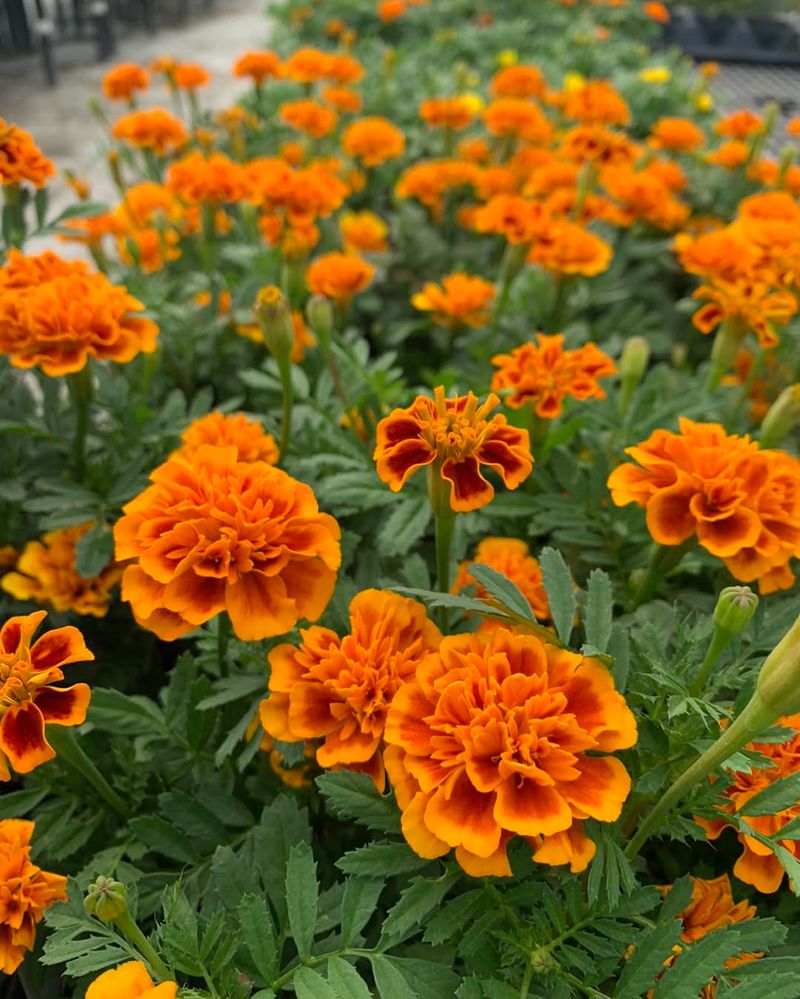
Not every plant thrives when confined to a pot on a windy balcony. Compact varieties bred specifically for containers deliver better results than their garden-grown cousins.
Petunias, calibrachoa, and geraniums are popular choices among Massachusetts city gardeners because they bloom heavily without sprawling everywhere. Dwarf zinnias and marigolds add bursts of color while staying manageable in tight quarters.
Selecting plants that naturally stay small means less pruning and more time enjoying the view.
Foliage plants deserve attention too, not just flowers.
Coleus, sweet potato vine, and ornamental grasses add texture and fill in gaps between blooms. Mixing different plant types creates visual interest and keeps the display looking fresh all season long.
Gardeners in Cambridge often combine trailing plants with upright bloomers for a layered effect.
This approach maximizes every inch of space without making the patio feel cluttered or chaotic.
Reading plant tags carefully saves disappointment later.
Tags list sun requirements, mature size, and whether the plant tolerates wind or heat. Ignoring these details leads to leggy, struggling plants that never quite look right.
Massachusetts weather can be unpredictable, so choosing adaptable varieties increases your chances of success. Local nurseries often carry plants suited to regional conditions, making them better sources than big-box stores.
Asking staff for recommendations based on your specific patio setup can point you toward winners right from the start.
3. Using Quality Potting Mix For Consistent Results
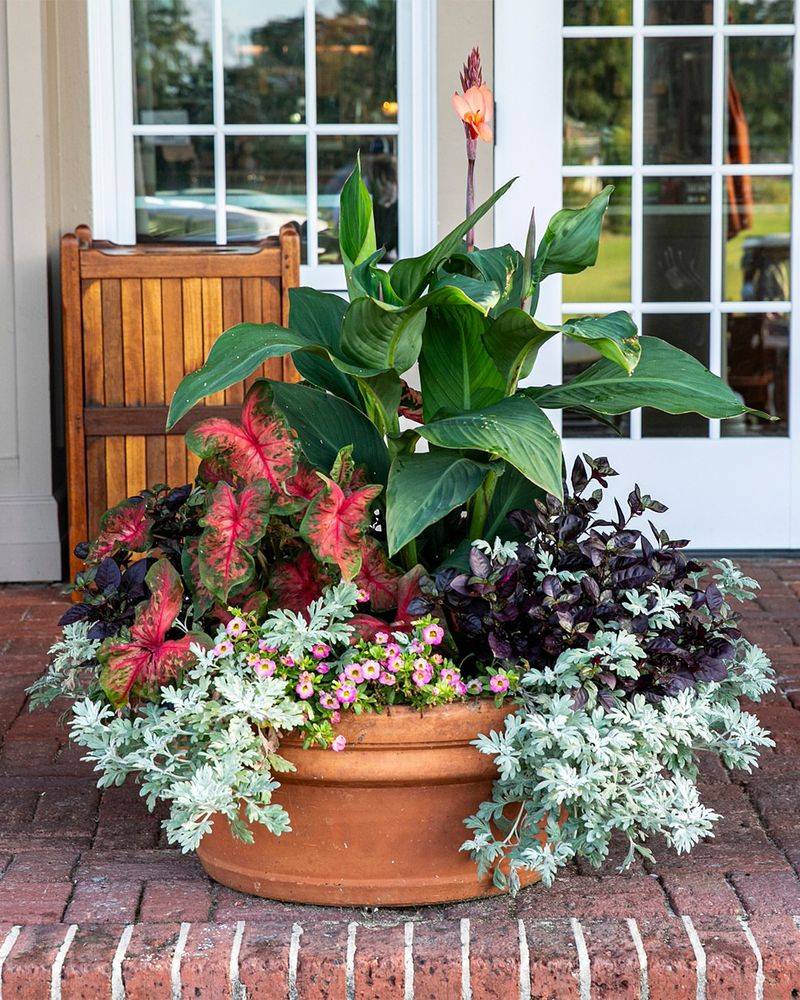
Soil from the backyard seems like a free solution, but it’s a mistake that sets up failure. Garden soil compacts in containers, cutting off oxygen to roots and causing drainage problems.
Potting mix, on the other hand, is specially formulated to stay loose and fluffy even after weeks of watering. It contains ingredients like peat moss, perlite, and vermiculite that hold moisture while allowing excess water to escape.
Massachusetts gardeners who switch to quality potting mix notice stronger plants and longer-lasting blooms almost immediately.
Cheap potting mix often disappoints because it contains too much wood fiber or sand. These materials break down quickly, leaving plants sitting in dense, soggy clumps by mid-summer.
Spending a bit more on premium brands pays off with better texture and added nutrients. Some mixes include slow-release fertilizer, which feeds plants gradually over several months.
This reduces the need for frequent feeding and simplifies maintenance, especially for busy city dwellers juggling work and other commitments.
Refreshing potting mix each spring keeps containers productive year after year. Old mix loses its structure and nutrients, making it harder for new plants to establish strong roots.
Dumping out last year’s soil and starting fresh gives plants the best possible foundation.
Mixing in compost or worm castings adds organic matter that improves water retention and feeds beneficial microbes. Gardeners in Worcester find that this annual reset makes a noticeable difference in plant vigor and bloom quantity throughout the growing season.
4. Positioning Patios For The Best Light Exposure
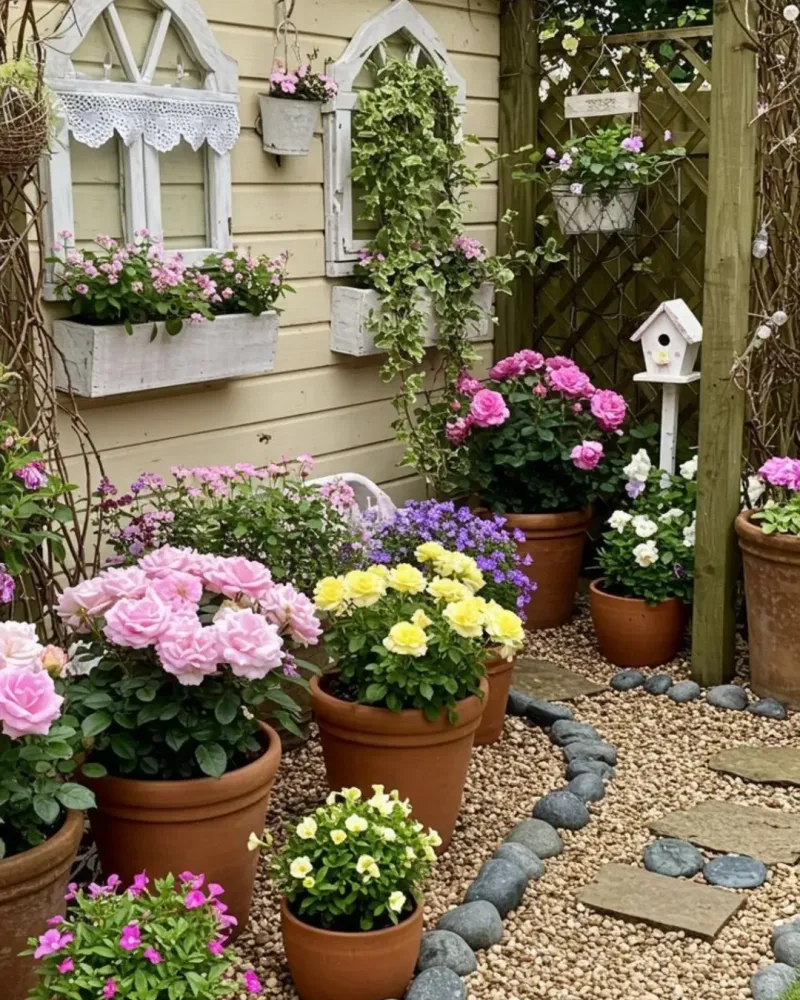
Light availability determines what you can grow more than any other factor. Most flowering plants need at least six hours of direct sunlight daily to bloom well.
Balconies facing south or west typically receive the most intense light, perfect for sun-loving petunias and geraniums.
East-facing spaces get gentler morning sun, which suits plants like impatiens and begonias that prefer cooler conditions. North-facing patios stay shaded most of the day, limiting options but not eliminating them entirely.
Massachusetts gardeners learn to observe their spaces throughout the day before buying plants.
Shadows from nearby buildings shift as the sun moves across the sky.
What seems sunny at noon might be shaded by four o’clock, cutting into the total light hours plants receive.
Tracking sunlight patterns over a week or two reveals the true conditions your patio offers. This information guides plant selection and prevents wasted money on varieties that won’t perform.
Gardeners in Springfield often use smartphone apps that calculate sun exposure based on location and surrounding structures, taking the guesswork out of the equation.
Reflective surfaces can boost light levels in partially shaded areas. Light-colored walls, white furniture, or even strategically placed mirrors bounce sunlight back onto plants.
This trick won’t turn a shady corner into full sun, but it can make a noticeable difference for borderline situations.
Containers on wheels offer flexibility too, allowing you to move plants around as seasons change and shadows shift. Experimenting with placement helps you discover the sweet spots where your plants will truly thrive all summer long.
5. Balancing Watering In Windy City Settings
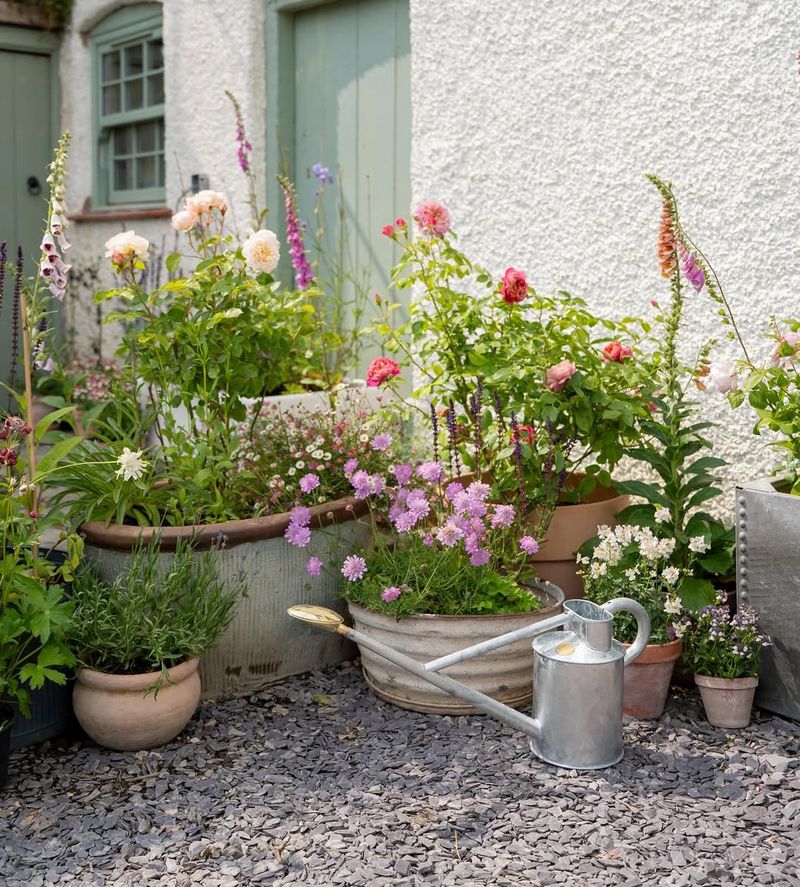
Wind dries out containers faster than most people anticipate. Air moving constantly across soil surfaces pulls moisture away, leaving plants thirsty even after a recent watering.
Petals and leaves lose water through evaporation too, especially on hot, breezy days common in Massachusetts during summer. Checking soil moisture daily becomes essential, particularly for smaller pots that hold less water to begin with.
Sticking a finger an inch down tells you whether the soil feels dry or still damp from the last watering.
Mulching container surfaces helps slow evaporation significantly.
A layer of shredded bark, cocoa hulls, or even decorative stones creates a barrier between soil and air. This simple addition can cut watering frequency in half during peak summer heat.
Gardeners in Lowell swear by this method, noting that their plants stay hydrated longer and look healthier overall.
Mulch also gives containers a polished, finished appearance that enhances the overall patio aesthetic.
Watering deeply once is better than sprinkling lightly every day. Shallow watering encourages roots to stay near the surface, making plants more vulnerable to drought stress.
Soaking the soil until water runs out the drainage holes ensures moisture reaches the entire root zone.
Morning watering works best because it gives foliage time to dry before nightfall, reducing disease risks.
Automatic drip systems or self-watering containers take the guesswork out of the process, delivering consistent moisture even when you’re away for a few days. These tools are especially valuable for busy urban gardeners who can’t always stick to a strict watering schedule.
6. Feeding Plants Without Overdoing It
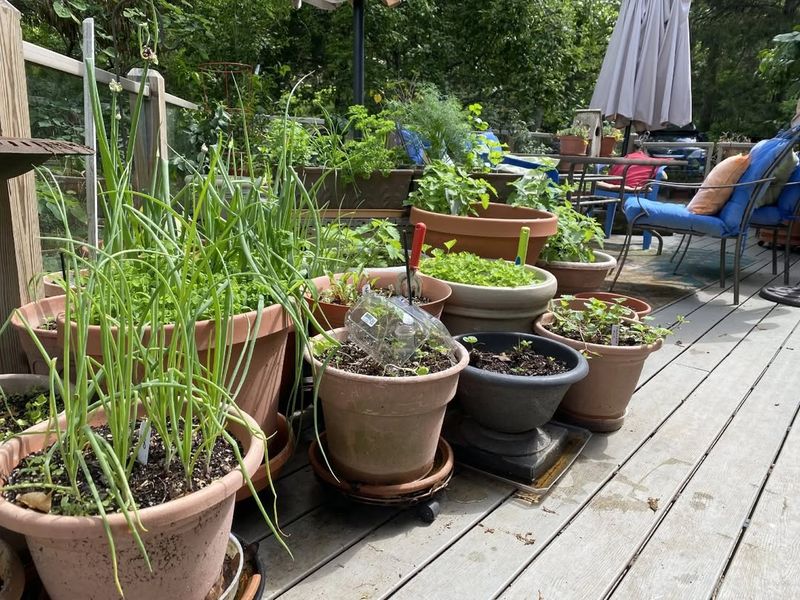
Container plants rely entirely on you for nutrients since they can’t send roots into the ground. Potting mix provides some initial nutrition, but it runs out quickly as plants grow and bloom.
Fertilizing becomes necessary to keep flowers coming and foliage looking vibrant. Liquid fertilizers work fast, delivering nutrients directly to roots with each watering.
Many Massachusetts gardeners use a half-strength solution weekly rather than full-strength monthly, finding this approach produces steadier growth without the risk of burning tender roots.
Granular slow-release fertilizers offer a low-maintenance alternative. Sprinkled on the soil surface, they break down gradually over weeks or months, feeding plants with every watering.
This method suits people who prefer a set-it-and-forget-it routine.
Reading package directions carefully prevents overfeeding, which causes more harm than underfeeding.
Too much fertilizer leads to excessive leaf growth at the expense of flowers, and it can build up salts that damage roots over time.
Organic options like fish emulsion, compost tea, or worm castings provide gentle, slow-acting nutrition. They improve soil health while feeding plants, supporting beneficial microbes that help roots absorb nutrients more efficiently.
Some gardeners in Quincy mix their own fertilizer blends, combining kelp meal, bone meal, and other natural ingredients. This hands-on approach gives them precise control over what goes into their containers.
Whichever feeding method you choose, consistency matters more than intensity. Regular, moderate feeding produces healthier, more resilient plants than sporadic heavy doses that stress the root system.
7. Refreshing Containers As The Season Progresses
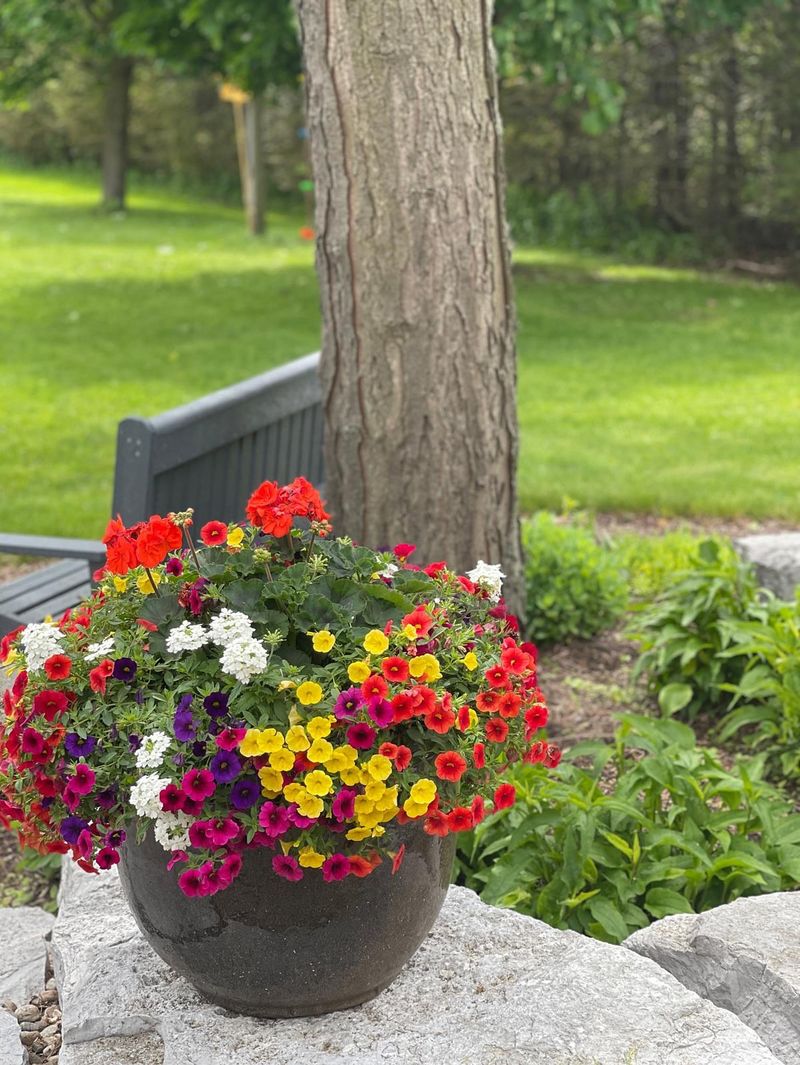
Early bloomers often fade by mid-summer, leaving gaps in your display. Replacing tired plants with fresh ones keeps the patio looking vibrant from May through October.
Nurseries stock different varieties throughout the season, so there’s always something new to try. Swapping out spent petunias for heat-loving zinnias or late-season mums extends the show without starting from scratch.
Massachusetts gardeners who refresh their containers mid-season enjoy color well into fall, long after neighbors’ patios have gone dormant.
Deadheading spent flowers encourages plants to produce more blooms instead of setting seed. Pinching off faded petals takes just a few minutes each week and makes a dramatic difference in overall appearance.
Some plants, like geraniums and marigolds, respond especially well to regular deadheading, pumping out fresh flowers all summer long. Trimming back leggy stems promotes bushier growth and prevents containers from looking straggly or unbalanced.
These small maintenance tasks add up to big improvements in curb appeal.
Adding new plants doesn’t mean tossing everything out. Tucking in fresh annuals around existing plants fills bare spots and introduces new colors or textures.
This layered approach creates a more natural, garden-like feel than perfectly matched containers. Gardeners in Newton often combine spring bulbs with summer annuals and fall chrysanthemums, rotating plants in and out as each finishes its peak.
This strategy maximizes every container’s potential and keeps the patio interesting all season. A little creativity and willingness to experiment turns a static display into an ever-changing garden that always feels fresh and inviting.
8. Managing Temperature Swings On Patios
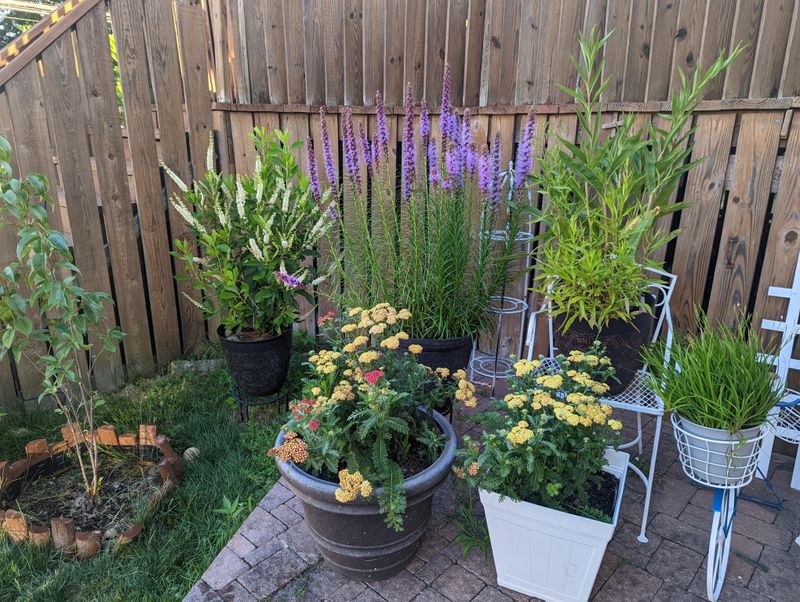
Exposed patios experience more extreme temperatures than ground-level gardens. Concrete and brick surfaces absorb heat during the day and radiate it back at night, creating a microclimate that can stress plants.
Dark-colored containers amplify this effect, cooking roots in the afternoon sun.
Choosing light-colored pots or wrapping dark ones in reflective fabric helps keep soil temperatures more stable. Massachusetts gardeners notice that plants in lighter containers need less frequent watering and show fewer signs of heat stress during summer hot spells.
Grouping containers together creates a buffer zone that moderates temperature fluctuations. Plants huddle together, shading each other’s pots and creating a cooler, more humid environment.
This clustering also makes watering more efficient since you’re not running back and forth across the patio. Placing taller plants on the sunny side provides shade for smaller, more delicate varieties.
Containers freeze faster than garden beds because roots are surrounded by air on all sides. Moving pots closer to the building or covering them with fabric on chilly nights protects tender plants from unexpected frosts.
Gardeners in Somerville keep an eye on weather forecasts and act quickly when temperatures threaten to plunge. A little vigilance during shoulder seasons extends the growing period by weeks, allowing you to enjoy blooms earlier in spring and later into fall than you might expect otherwise.
9. Building A Setup That Stays Attractive Longer
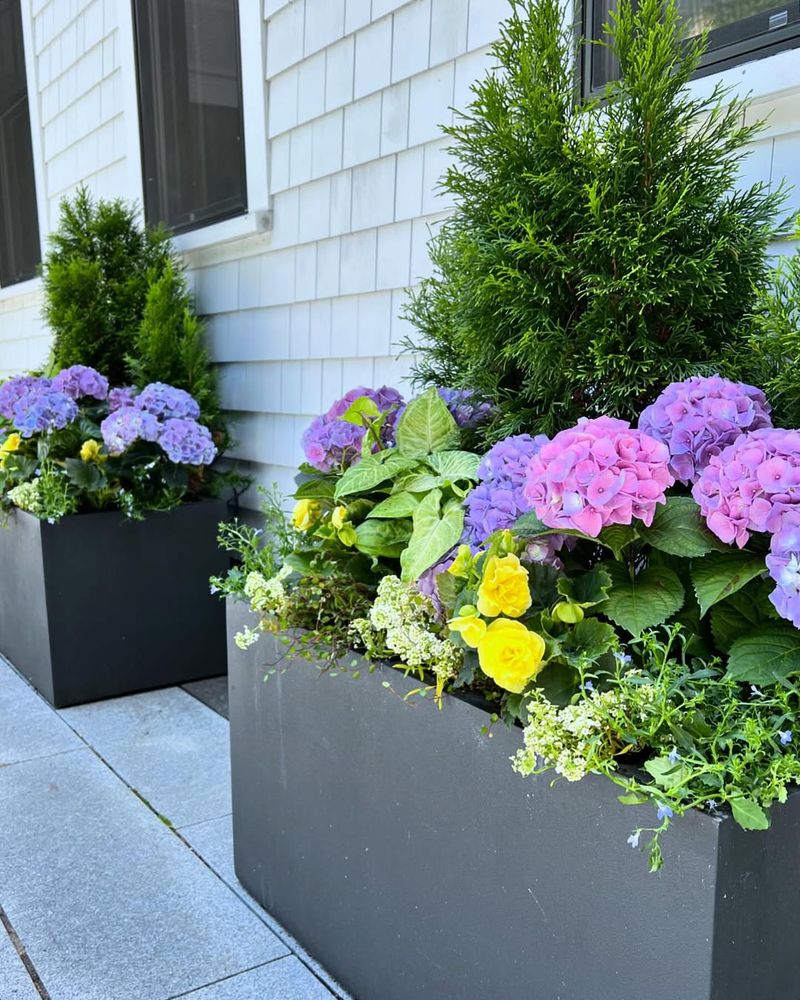
Planning for the entire growing season from the start prevents disappointment later. Choosing a mix of early, mid, and late-season bloomers ensures continuous color from spring through fall.
Combining plants with different bloom times means something is always flowering, even as individual varieties take breaks. Massachusetts gardeners who think ahead create displays that evolve naturally, with each wave of blooms complementing the next.
This approach requires a bit more initial planning but delivers far better results than grabbing whatever looks good at the moment.
Foliage plants provide structure and interest when flowers fade. Ornamental grasses, coleus, and trailing vines keep containers looking full even between bloom cycles.
These workhorses fill space, add texture, and create a backdrop that makes flowers stand out more dramatically.
Mixing foliage and flowers in each container produces a more sophisticated, layered look than pots filled with a single plant type. Gardeners in Brookline often use a thriller, filler, spiller formula: one tall focal plant, several mid-height bloomers, and a trailing plant to cascade over the edge.
Durability matters when selecting containers, furniture, and accessories. Cheap plastic fades and cracks after one season, while quality materials last for years with minimal care.
Investing in timeless designs rather than trendy colors keeps your patio looking current longer.
Neutral container colors like terracotta, gray, or white allow you to change plant combinations without clashing. This flexibility means you can experiment with different color schemes each year while keeping the same basic setup.
A well-designed patio becomes an extension of your living space, a place you’ll actually want to spend time enjoying the fruits of your gardening efforts.