8 Materials Arizona Gardeners Add To Raised Beds For Stronger Growth
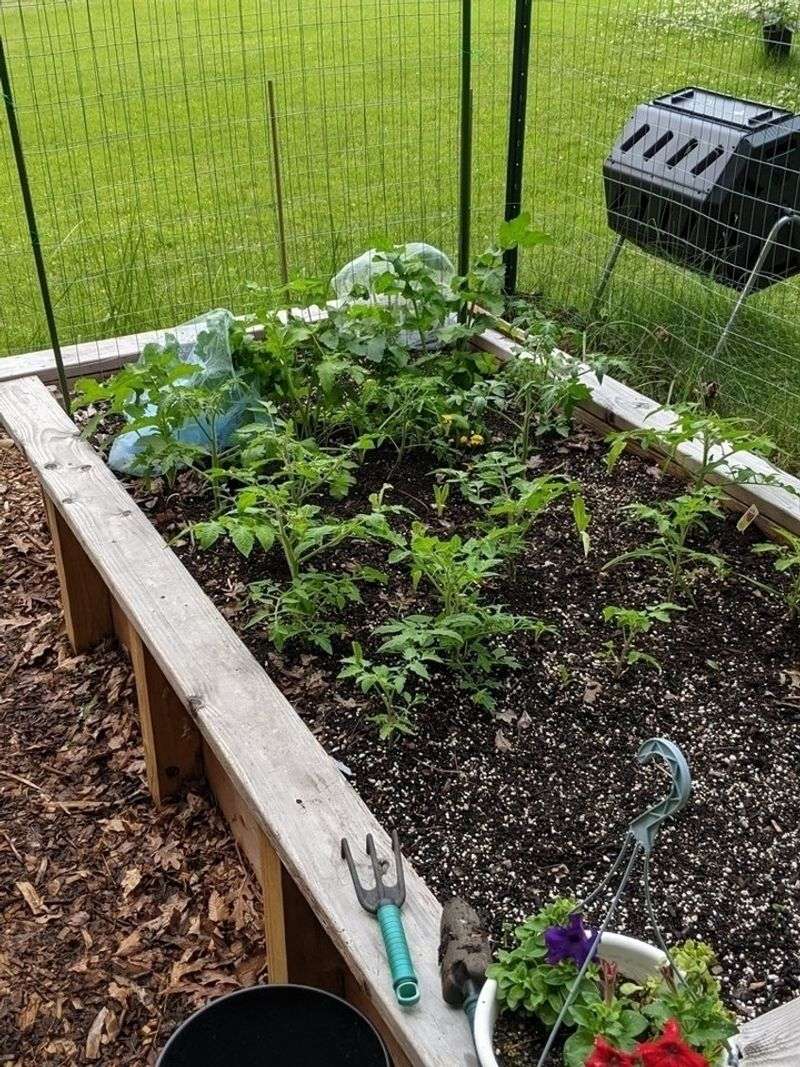
Raised beds in Arizona do not perform well on soil alone. Desert heat, fast drainage, and alkaline conditions can limit root development before plants even reach their stride.
What goes into the bed matters just as much as what gets planted.
Strong growth begins beneath the surface. The right materials improve drainage without stripping moisture too quickly, support beneficial microbes, and help roots move freely instead of fighting compacted soil.
Organic matter, mineral balance, and structure all influence how well vegetables and flowers establish in extreme conditions.
Arizona gardeners who build their raised beds with intention often see deeper roots, steadier growth, and fewer midseason setbacks.
The foundation you create below the surface determines how strong everything grows above it.
1. Compost Improves Soil Structure And Nutrient Availability
Nothing transforms Arizona’s challenging soil quite like well-made compost. When you blend decomposed organic matter into your raised beds, you’re creating a living ecosystem that feeds plants naturally while improving how water and air move through the soil.
Arizona’s native soil tends toward clay or caliche, both of which resist root penetration and proper drainage. Compost breaks up these dense materials, creating spaces for roots to explore and expand.
Plants grown in compost-enriched soil develop stronger root systems that can access water and nutrients more efficiently.
The microbial life in compost acts as a natural fertilizer factory. Beneficial bacteria and fungi break down organic matter continuously, releasing nitrogen, phosphorus, and potassium exactly when plants need them.
This slow-release process prevents the nutrient burn common with synthetic fertilizers.
Gardeners throughout Phoenix and Tucson add 2-3 inches of compost to their raised beds each spring. This practice maintains soil fertility without expensive chemical inputs.
The dark color of compost also helps moderate soil temperature during Arizona’s scorching summers.
Quality matters when selecting compost for desert gardening. Look for fully decomposed material with an earthy smell and crumbly texture.
Avoid compost containing weed seeds or uncomposted wood chips, which can temporarily tie up nitrogen as they break down.
Many Arizona municipalities offer free or low-cost compost made from yard waste, giving gardeners an affordable way to build healthier soil year after year.
2. Aged Manure Adds Slow-Release Organic Matter
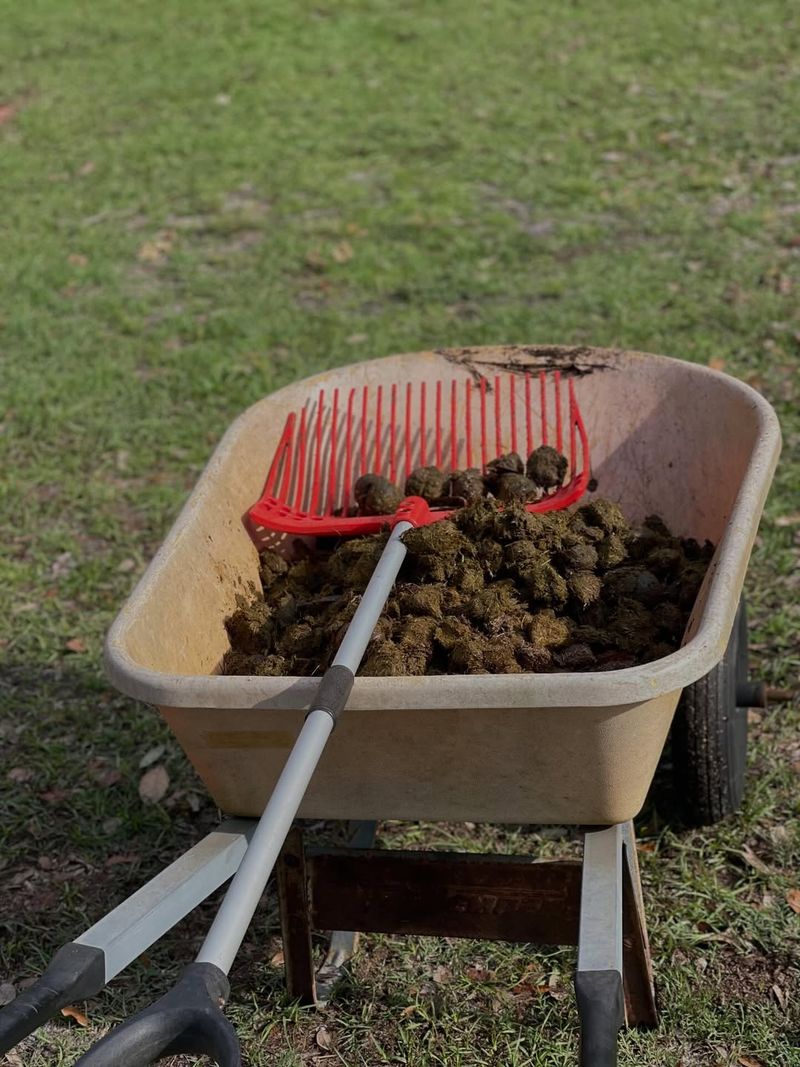
Aged manure delivers plant nutrition in a form that Arizona’s heat won’t quickly burn away.
Fresh manure contains too much nitrogen and can actually harm tender seedlings, but properly aged manure becomes one of the most valuable amendments for desert raised beds.
The aging process mellows manure’s intense nutrient concentration while eliminating harmful pathogens and weed seeds. Most Arizona gardeners prefer manure that’s been composted for at least six months.
During this time, beneficial microorganisms transform raw waste into stable organic matter that won’t shock plant roots.
Steer and horse manure are widely available throughout Arizona ranch country. These materials add essential trace minerals often lacking in desert soils, including calcium, magnesium, and sulfur.
Plants use these minerals to build strong cell walls and produce chlorophyll.
Mixing aged manure into raised beds improves water-holding capacity significantly. The organic particles act like tiny sponges, capturing moisture during irrigation and releasing it gradually as soil dries.
This buffering effect helps plants survive between waterings in Arizona’s arid climate.
Apply a 1-2 inch layer of aged manure to raised beds before each growing season. Work it into the top 6-8 inches of soil for best results.
Gardeners in rural Arizona areas often source manure directly from local stables and farms, while urban gardeners can purchase bagged versions at nurseries.
The slow nutrient release supports steady plant growth without the peaks and crashes associated with chemical fertilizers.
3. Coconut Coir Improves Moisture Retention In Desert Heat
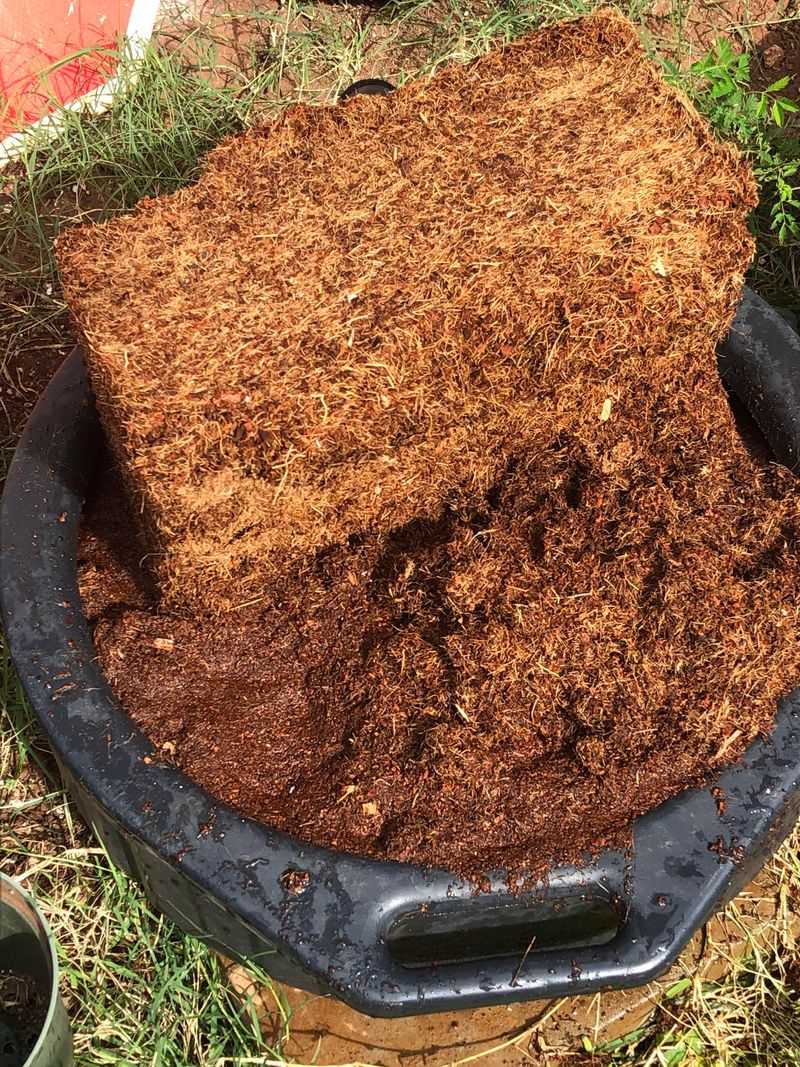
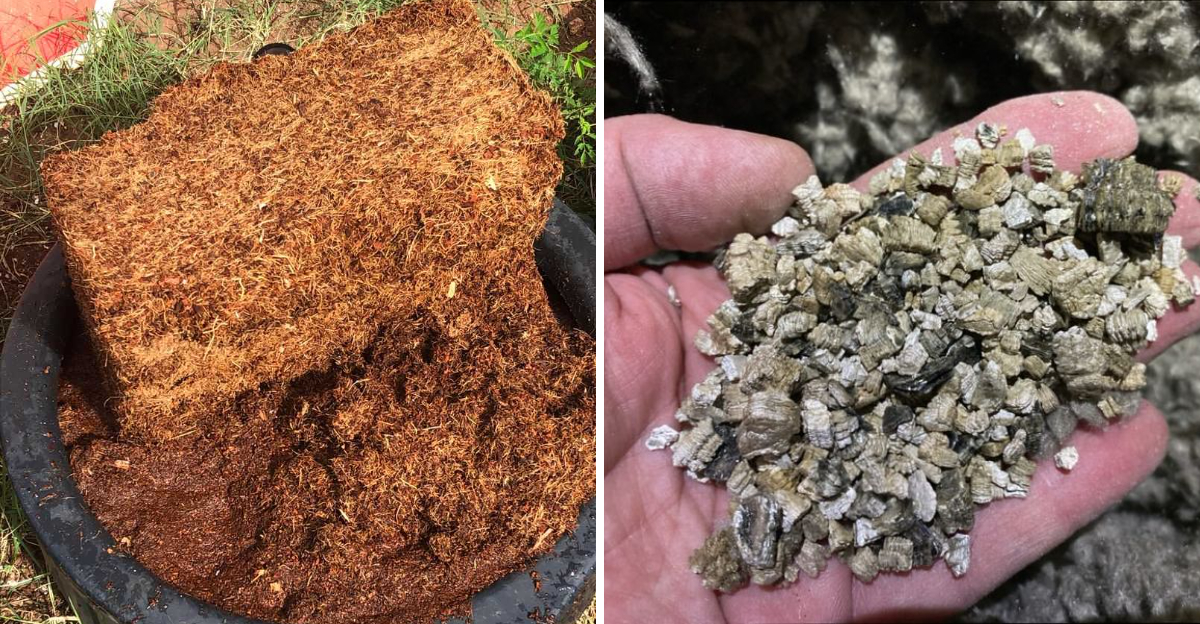
Coconut coir has become a secret weapon for Arizona gardeners fighting constant moisture loss. Made from coconut husk fibers, this sustainable material holds water far better than standard potting soil while remaining light and fluffy even when wet.
Desert gardeners appreciate coir’s neutral pH, which helps balance Arizona’s naturally alkaline soil. Unlike peat moss, which acidifies soil over time, coir maintains stability while improving texture.
The fibrous structure creates air pockets that prevent compaction even after years of use.
Water retention makes coir especially valuable in raised beds exposed to Arizona’s intense sun. The material can hold up to ten times its weight in water, releasing moisture gradually as plants draw it up through their roots.
This extended availability reduces irrigation frequency and helps plants withstand heat stress.
Coir breaks down slowly in Arizona’s climate, lasting several growing seasons before needing replacement. The fibers resist decomposition better than many organic materials, maintaining soil structure through multiple plantings.
This longevity makes coir cost-effective despite higher initial prices compared to other amendments.
Mix coir at a ratio of one part coir to three parts native soil when building new raised beds. Rehydrate compressed coir bricks with water before blending them into your beds.
Many Tucson and Phoenix gardeners combine coir with compost for maximum benefit, creating a growing medium that holds moisture while still draining excess water.
The combination works particularly well for vegetables and herbs that need consistent moisture levels throughout Arizona’s long growing season.
4. Perlite Increases Drainage And Prevents Compaction
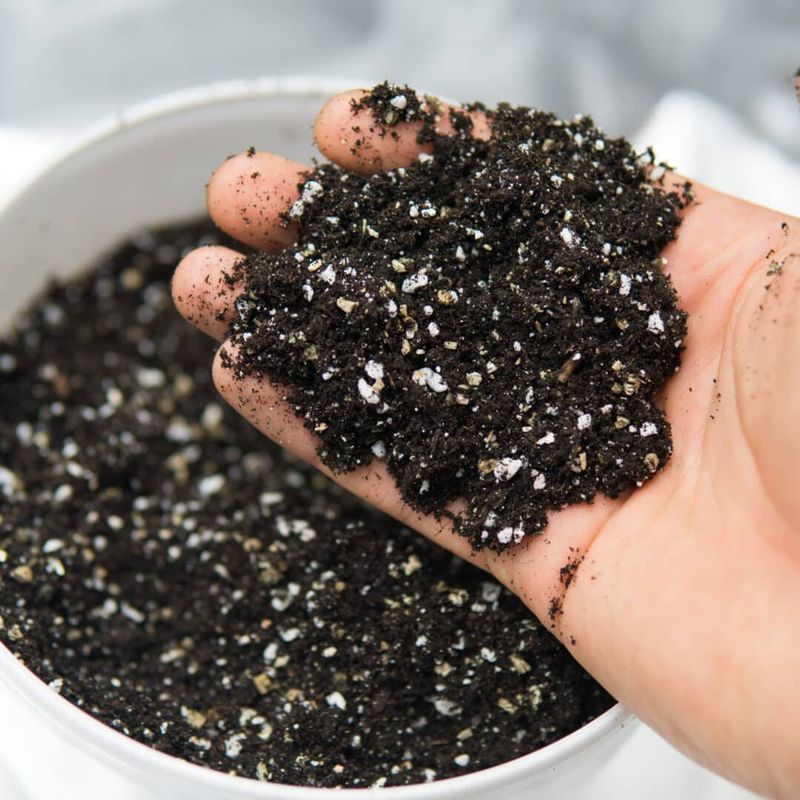
Those little white pebbles you see in potting mixes do serious work in Arizona raised beds. Perlite, made from heated volcanic glass, creates permanent air channels that prevent soil from turning into concrete under the desert sun.
Compacted soil becomes a major problem in Arizona raised beds, especially those built with heavy clay or native caliche. Roots need oxygen to function properly, and compacted soil suffocates them by eliminating air spaces.
Perlite particles don’t break down or compress, maintaining drainage pathways indefinitely.
The porous structure of perlite provides another benefit for Arizona gardeners. While the material improves drainage, it also captures water within its many tiny cavities.
This dual action prevents both waterlogging and rapid drying, creating more consistent moisture levels in raised beds.
Lightweight perlite makes raised bed soil easier to work with during planting and maintenance. Heavy soil mixes strain backs and make transplanting difficult, but adding perlite reduces weight without sacrificing volume.
This matters when you’re filling multiple beds or working in Arizona’s heat.
Add perlite at approximately 10-15% of your total soil volume for general vegetable gardening. Plants requiring excellent drainage, like rosemary and lavender, benefit from higher percentages.
Mix perlite thoroughly throughout the bed rather than layering it, ensuring consistent drainage from top to bottom.
Arizona gardeners often combine perlite with compost and native soil to create a balanced growing medium that drains well while retaining enough moisture to support plant growth through hot summer months.
5. Vermiculite Helps Hold Moisture And Nutrients
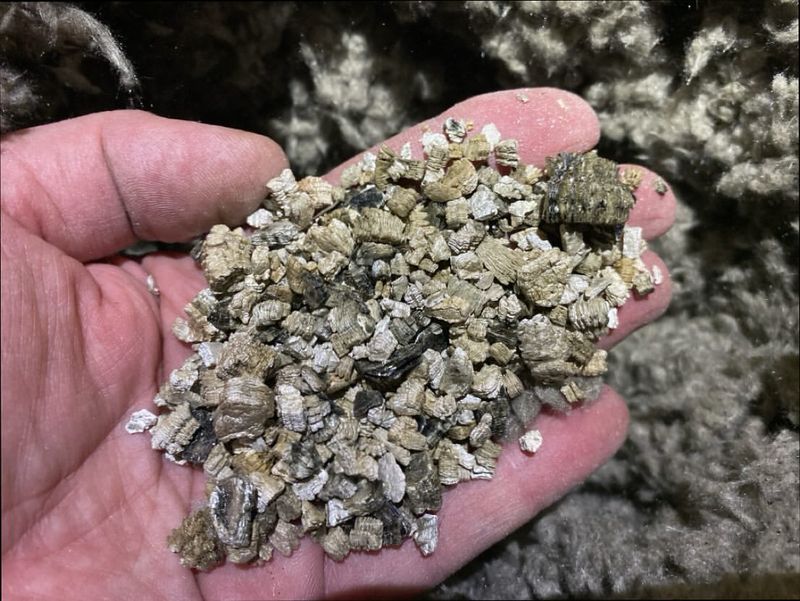
Vermiculite works differently than perlite, focusing on moisture retention rather than drainage.
This expanded mineral looks like tiny golden accordions, and its layered structure traps both water and dissolved nutrients that might otherwise leach away in Arizona’s sandy soils.
Arizona’s low humidity and high temperatures cause rapid moisture evaporation from raised beds. Vermiculite slows this process by holding water within its plate-like layers, then releasing it slowly as surrounding soil dries.
Plants access this stored moisture during the hottest parts of the day when transpiration rates peak.
The mineral also has a high cation exchange capacity, meaning it holds onto positively charged nutrients like calcium, magnesium, and potassium. These nutrients remain available to plant roots instead of washing away during irrigation.
This retention property reduces fertilizer needs and prevents nutrient waste.
Vermiculite improves seed starting success in Arizona raised beds. The fine texture provides good seed-to-soil contact while maintaining the consistent moisture seeds need for germination.
Many Phoenix-area gardeners use vermiculite-enriched soil for starting tomatoes and peppers in early spring.
Blend vermiculite into raised beds at 10-20% of total volume, depending on your soil’s natural water-holding capacity. Sandy soils benefit from higher percentages, while heavier soils need less.
Vermiculite works particularly well when combined with compost and aged manure, creating a complete growing medium that balances drainage with moisture retention.
The material remains effective for several years before breaking down, making it a worthwhile investment for Arizona gardeners dealing with challenging desert conditions throughout the growing season.
6. Worm Castings Boost Microbial Activity Naturally
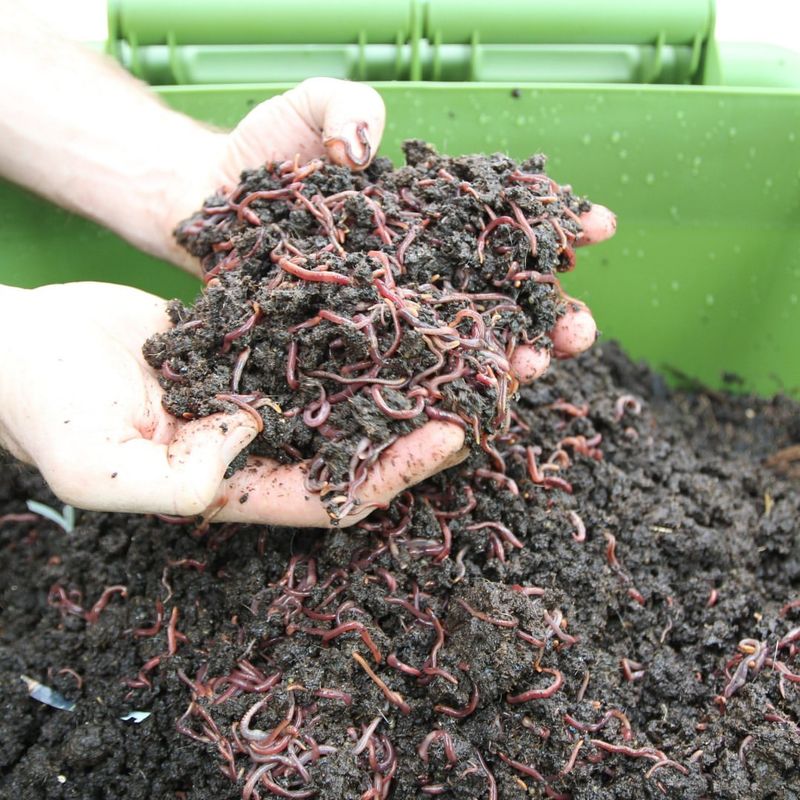
Worm castings represent the gold standard of natural fertilizers for Arizona raised beds.
These tiny pellets of digested organic matter contain concentrated nutrients in forms plants absorb immediately, plus beneficial microbes that improve soil health with every application.
Red wiggler worms process organic material through their digestive systems, creating castings that contain higher concentrations of plant-available nutrients than most native desert soils.
Arizona plants respond quickly to these nutrients, showing deeper green foliage and increased flowering within weeks of application.
The microbial populations in worm castings establish beneficial soil ecosystems that suppress plant diseases naturally. These microscopic helpers outcompete harmful fungi and bacteria, protecting roots from pathogens common in Arizona’s warm soil.
Gardeners using worm castings regularly report fewer problems with root rot and damping off.
Castings also contain natural plant growth hormones that stimulate root development and overall vigor. These compounds help vegetables and flowers establish quickly after transplanting, reducing shock and improving survival rates.
The gentle nature of castings means you can’t overapply them, unlike synthetic fertilizers that burn plants when overused.
Top-dress raised beds with a quarter-inch layer of worm castings every 4-6 weeks during the growing season. Work them lightly into the soil surface or let irrigation carry nutrients down to root zones.
Many Arizona gardeners maintain their own worm bins, converting kitchen scraps into valuable castings year-round. The castings produced locally are already adapted to Arizona conditions and contain microbes suited to desert soils.
7. Shredded Leaves Add Organic Matter Over Time
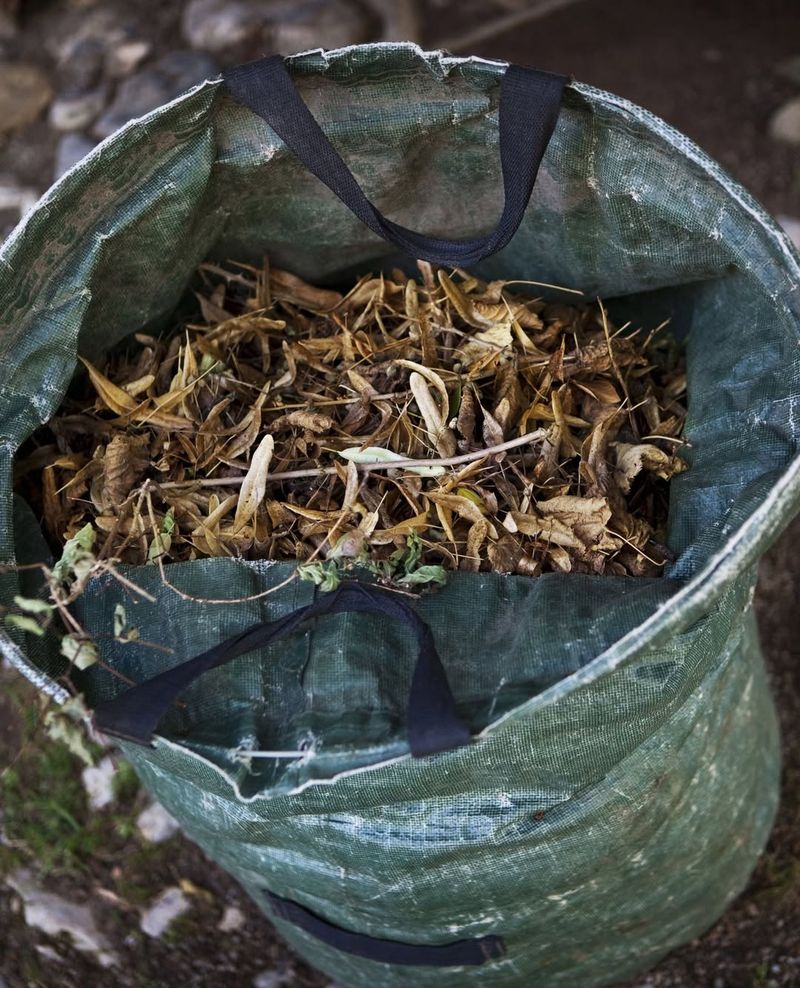
Free organic matter falls from trees every autumn, and smart Arizona gardeners capture this resource for their raised beds. Shredded leaves break down gradually, feeding soil organisms while improving structure over multiple growing seasons.
Whole leaves mat together and shed water, but shredded leaves integrate beautifully into raised bed soil. The smaller pieces decompose faster while maintaining air spaces that prevent compaction.
Arizona’s dry climate slows decomposition compared to humid regions, meaning shredded leaves provide long-lasting benefits.
Leaf matter adds carbon to raised beds, balancing the nitrogen from manures and fertilizers. This carbon feeds beneficial fungi that form partnerships with plant roots, extending their reach and improving nutrient uptake.
The fungal networks created in leaf-enriched soil help plants withstand Arizona’s environmental stresses.
Different tree species offer varying benefits. Mulberry and ash leaves, common in Arizona landscapes, decompose relatively quickly and add good mineral content.
Oak leaves break down more slowly but contribute valuable tannins that some plants prefer. Avoid using oleander or eucalyptus leaves, as these contain compounds that can inhibit plant growth.
Collect leaves in fall and run them through a shredder or mower before adding them to raised beds. Mix shredded leaves into the top few inches of soil or use them as mulch on the surface.
As you water throughout the season, the leaves gradually incorporate themselves into the soil profile.
Arizona gardeners in established neighborhoods with mature trees often have access to abundant free leaves that would otherwise go to landfills, turning waste into valuable soil amendments.
8. Pine Bark Fines Improve Drainage And Root Aeration
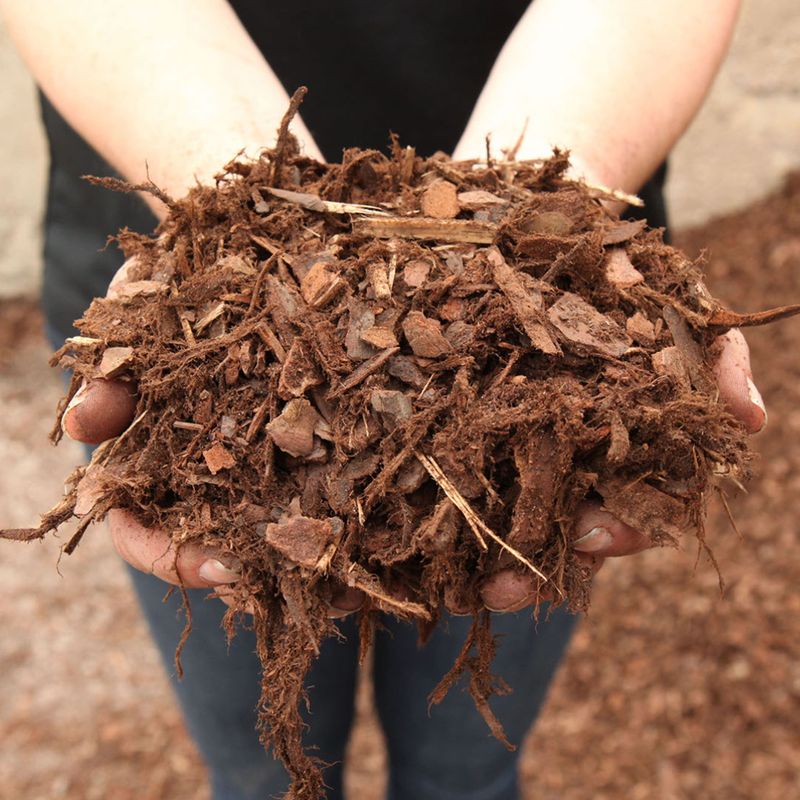
Pine bark fines solve drainage problems while adding a slow-release source of organic matter to Arizona raised beds. These small, uniform pieces of aged pine bark create stable air channels that last for years without breaking down into mush.
Root health depends on oxygen availability, and Arizona’s tendency toward heavy, compacted soil often starves roots of this essential element. Pine bark fines maintain their structure even when wet, keeping air flowing through the root zone.
Plants grown in bark-amended soil develop more extensive, healthier root systems.
The slightly acidic nature of pine bark helps neutralize Arizona’s alkaline soil over time. While the effect is gradual, regular applications can lower pH enough to make certain nutrients more available to plants.
This matters especially for acid-loving plants like blueberries and azaleas that struggle in desert conditions.
Bark fines also suppress weeds by creating a physical barrier at the soil surface. The chunky texture makes it difficult for weed seeds to establish, reducing maintenance time in raised beds.
As the bark slowly decomposes, it feeds soil organisms without causing the nitrogen tie-up associated with fresh wood chips.
Incorporate pine bark fines at 15-20% of your total soil volume when building new raised beds. For established beds, work 1-2 inches into the top layer annually.
Choose fines that are fully aged and have a dark, rich color rather than fresh, light-colored bark.
Arizona garden centers stock bark products year-round, and many gardeners find that combining bark fines with compost creates an ideal growing medium that drains quickly while supporting robust plant growth throughout the intense summer months.