12 Memorial Flowers That Grow Beautifully In North Carolina Gardens
In North Carolina, gardens often tell stories that words cannot.
Memorial flowers, in particular, carry meaning that runs deep, offering comfort, remembrance, and beauty all at once.
From quiet backyard corners to peaceful cemetery plots, these blooms stand as living tributes that weather the seasons and keep memories close to home.
The Tar Heel State’s warm days, gentle winters, and long growing season give many flowers a real leg up.
Still, not every plant is cut from the same cloth.
Some struggle in the summer heat, while others fade when soil and rainfall do not line up just right.
Choosing flowers that truly thrive in North Carolina gardens can make all the difference between a planting that barely hangs on and one that flourishes year after year.
Well-chosen memorial flowers offer more than good looks.
They bring steady color, return reliably, and hold their own with minimal fuss.
Once established, they become part of the landscape, quietly doing their job through sun, rain, and time.
For gardeners who want beauty that lasts and meaning that grows stronger with each season, the right flowers can speak volumes without saying a word.
1. Forget-Me-Nots
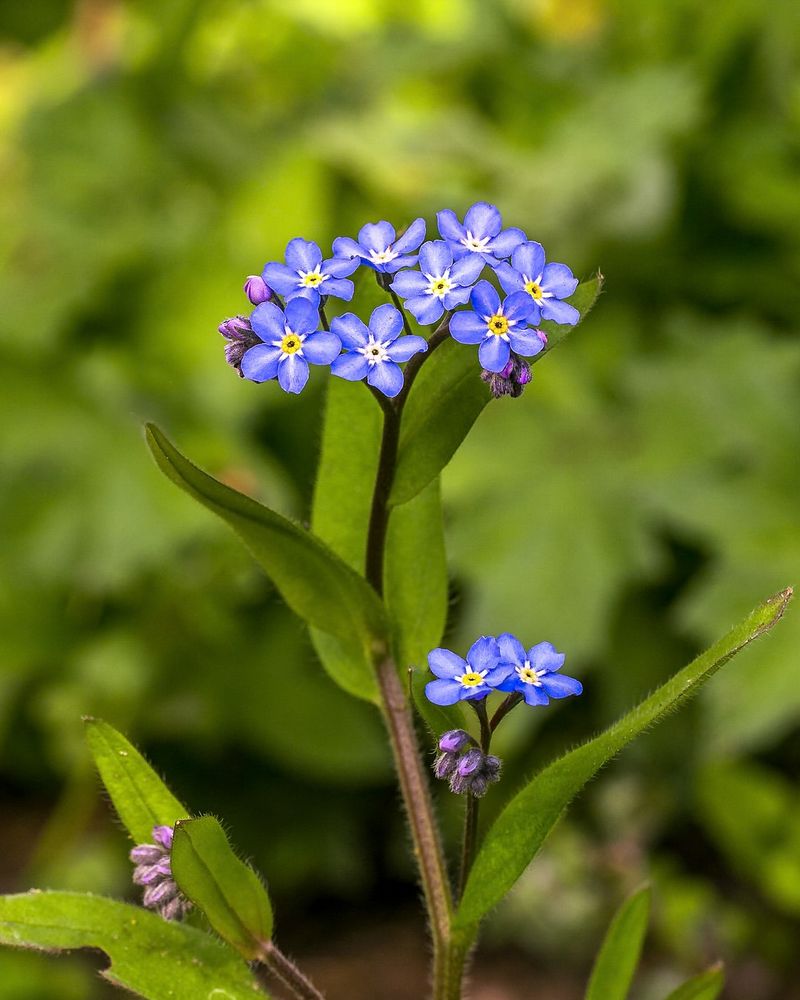
Tiny blue blossoms carry powerful meaning in gardens throughout North Carolina, where these delicate flowers spread naturally once established.
Forget-me-nots bloom abundantly in spring, creating carpets of sky-blue petals that seem to whisper memories of cherished moments.
Their name alone makes them perfect for memorial plantings, serving as gentle reminders of those we hold dear.
These charming plants prefer partial shade and moist soil, conditions easily found in many North Carolina yards.
They self-seed readily, returning year after year without much effort from gardeners.
The flowers grow low to the ground, making them excellent border plants or ground covers beneath taller memorial plantings.
Their spreading habit means one small planting can eventually fill an entire garden bed with touching blue blooms.
North Carolina’s spring weather provides perfect temperatures for these cool-season favorites.
They handle the state’s occasional late frosts with ease, bouncing back quickly when warmer days return.
Gardeners in the Piedmont and mountain regions find particular success with forget-me-nots, though coastal areas can grow them with adequate moisture.
Their simple care requirements and profound symbolism make them beloved choices for remembrance gardens across the state.
2. White Roses
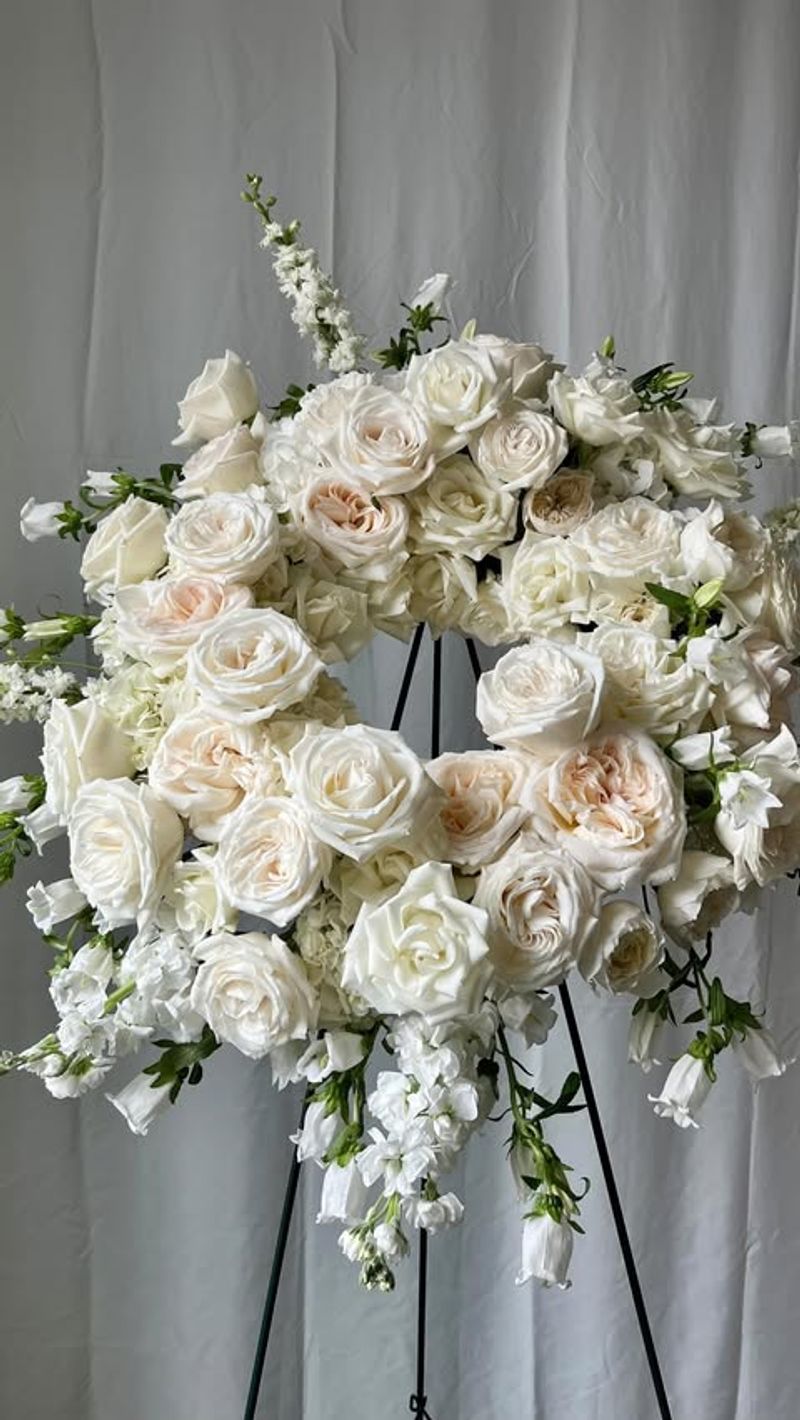
Pristine white petals have symbolized reverence and remembrance for centuries, making roses an enduring choice for meaningful plantings.
North Carolina’s climate supports numerous rose varieties, with white cultivars offering particular elegance in memorial settings.
Their classic beauty and sweet fragrance create sensory experiences that connect us to precious memories.
Hybrid tea roses produce large, formal blooms perfect for cutting and bringing indoors.
Shrub roses offer easier maintenance while still delivering abundant white flowers throughout the growing season.
The state’s long growing season allows roses to bloom from late spring through fall in most regions.
Regular watering and full sun exposure help these plants reach their full potential in North Carolina gardens.
Mountain gardeners should choose cold-hardy varieties, while coastal residents can grow nearly any white rose with proper care.
The Piedmont region offers ideal conditions for most rose types, with moderate temperatures and adequate rainfall.
White roses pair beautifully with other memorial plants, creating focal points in remembrance gardens.
Their timeless appeal ensures they remain meaningful for generations, with proper care allowing individual plants to thrive for decades in North Carolina landscapes.
3. Daylilies
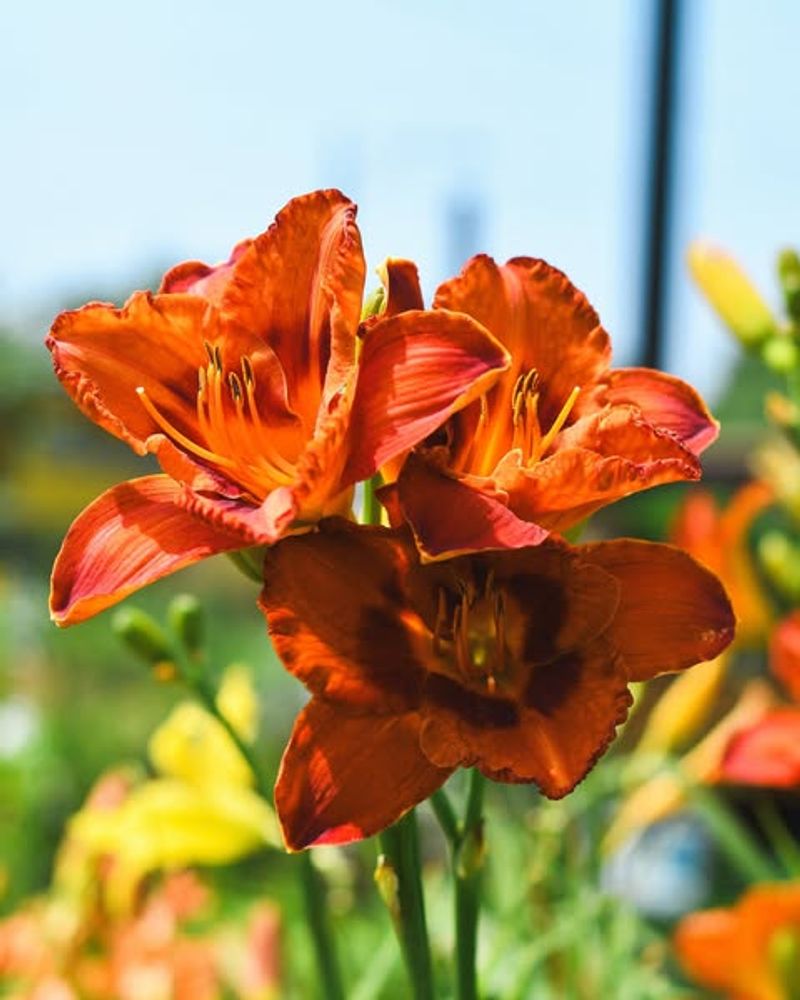
Reliable bloomers bring joy season after season, requiring minimal attention while delivering maximum beauty across North Carolina.
Daylilies earn their place in memorial gardens through their remarkable toughness and stunning variety of colors.
Each flower lasts just one day, but plants produce so many buds that blooms continue for weeks.
These perennials handle North Carolina’s summer heat with impressive resilience.
They tolerate drought once established, though regular watering encourages more prolific flowering throughout the season.
Hundreds of varieties grow successfully throughout the state, from pale yellows to deep purples.
Orange and gold cultivars offer particularly vibrant displays that brighten memorial spaces with warm, welcoming colors.
North Carolina gardeners appreciate how daylilies multiply over time, creating larger clumps that can be divided and shared.
This spreading nature allows memorial plantings to expand, with divisions gifted to family members who want their own living tributes.
The plants thrive in full sun but tolerate partial shade, adapting to various garden locations.
Their grassy foliage remains attractive even when flowers aren’t present, providing year-round structure to memorial beds.
From the coast to the mountains, daylilies prove themselves as dependable, beautiful choices for North Carolina remembrance gardens.
4. Purple Coneflowers

Native wildflowers bring natural beauty and ecological benefits to memorial gardens throughout North Carolina’s diverse regions.
Purple coneflowers, also called Echinacea, feature striking pink-purple petals surrounding distinctive cone-shaped centers.
These tough perennials thrive in the state’s climate, requiring little maintenance once their roots establish in garden soil.
Butterflies and bees adore these flowers, bringing life and movement to memorial spaces.
Watching pollinators visit the blooms creates peaceful moments of connection with nature and reflection on life’s cycles.
The plants bloom from early summer through fall in North Carolina, providing months of color and interest.
Their sturdy stems hold flowers upright even during summer thunderstorms, and seed heads remain attractive through winter months.
North Carolina’s native plant advocates especially appreciate purple coneflowers for their regional authenticity.
Growing plants indigenous to the area honors both the land and those we remember, creating gardens rooted in place.
These perennials handle the state’s hot summers remarkably well, actually preferring full sun and tolerating dry conditions.
They grow successfully from mountain elevations to coastal plains, adapting to various soil types found across North Carolina.
Their medicinal history adds another layer of meaning, as many cultures have used coneflowers for healing purposes throughout generations.
5. Peonies

Luxurious blooms arrive each spring like clockwork, offering spectacular displays that mark the passage of seasons in North Carolina gardens.
Peonies develop into long-lived perennials that can outlast human lifespans, making them profound symbols for memorial plantings.
Their massive, fragrant flowers create breathtaking moments each May and June across the state.
North Carolina gardeners find particular success with peonies in the Piedmont and mountain regions, where winter chill hours meet the plants’ needs.
Coastal areas present more challenges, though some varieties adapt with proper variety selection and placement.
These plants demand patience, often taking three years to reach full blooming potential.
However, once established, they reward gardeners with decades of reliable spring beauty, increasing in size and flower production annually.
Pink, white, and red varieties all grow well in North Carolina, with double-flowered types offering the most dramatic displays.
Their heavy blooms sometimes need staking, but the extra effort proves worthwhile when flowers open to dinner-plate sizes.
Ants often crawl on peony buds before blooming, but they cause no harm and actually help flowers open properly.
This natural relationship reminds us how memorial gardens connect us to the broader natural world surrounding North Carolina landscapes.
6. Hydrangeas
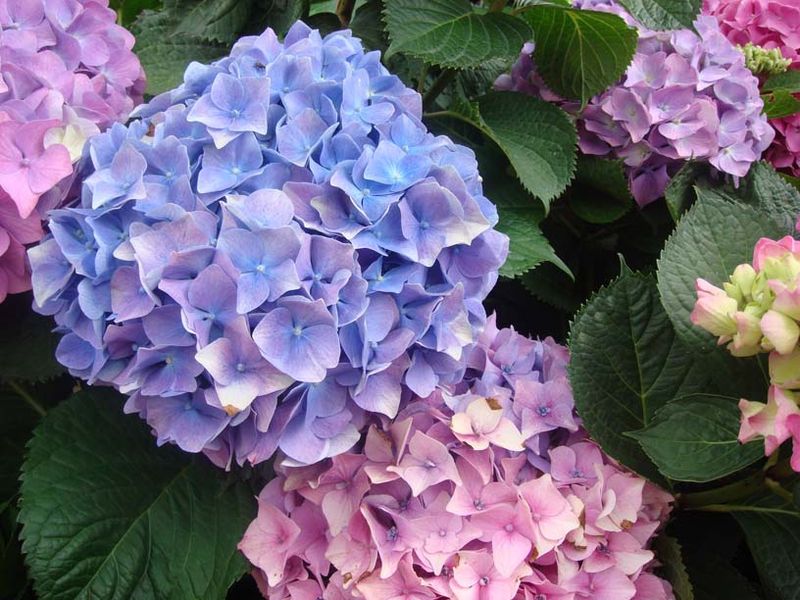
Massive flower clusters transform shaded areas into stunning memorial spaces throughout North Carolina’s gardens.
Hydrangeas thrive in the state’s climate, producing enormous blooms from early summer through fall.
Their ability to change colors based on soil pH adds fascinating dimension to memorial plantings, with blue flowers in acidic soil and pink in alkaline conditions.
North Carolina’s naturally acidic soils often produce the coveted blue hydrangeas without any amendments.
Gardeners wanting pink blooms can add lime to adjust pH levels, creating personalized color schemes in remembrance gardens.
These shrubs prefer morning sun and afternoon shade, conditions common under tall trees in North Carolina yards.
They need consistent moisture, especially during the state’s hot summer months, but reward attentive care with spectacular flowering.
Several hydrangea species grow successfully across North Carolina, from bigleaf varieties to oakleaf types with interesting foliage.
Mountain gardeners can grow nearly any hydrangea, while coastal residents should choose heat-tolerant cultivars for best results.
The flowers dry beautifully on the plant, providing interest well into winter months.
Many people preserve hydrangea blooms as keepsakes, creating lasting mementos from memorial garden plantings.
Their substantial size makes hydrangeas excellent focal points, anchoring memorial spaces with presence and seasonal beauty throughout North Carolina landscapes.
7. Iris
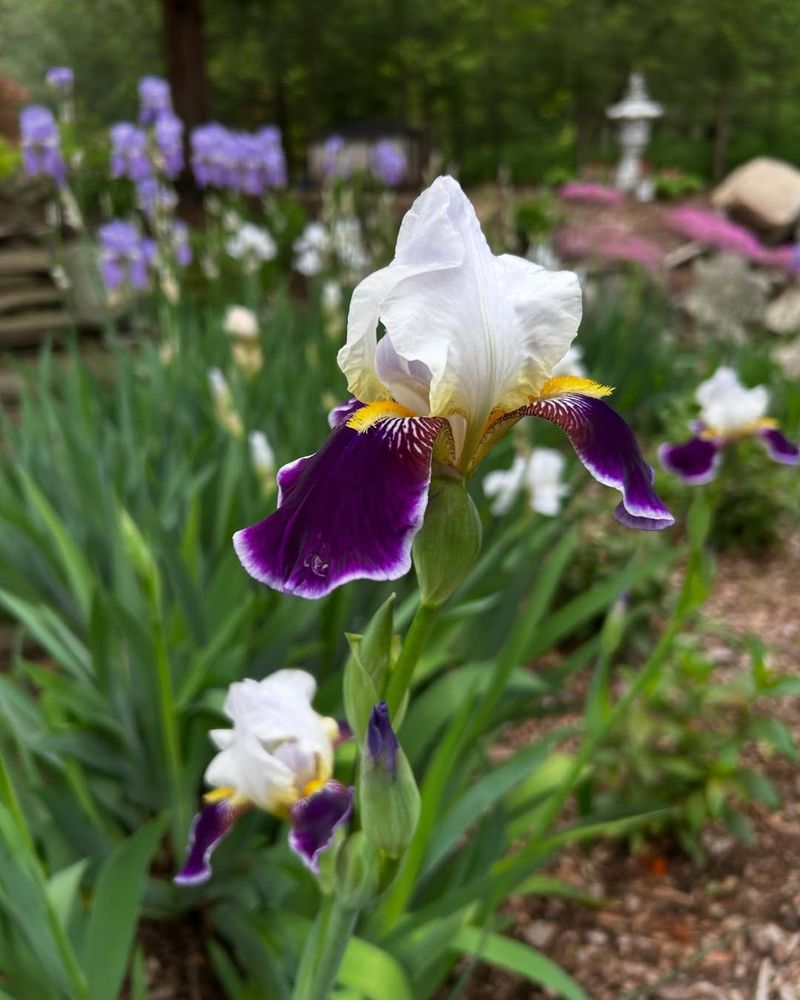
Sword-like leaves and elegant blooms bring architectural interest to North Carolina memorial gardens each spring.
Iris flowers feature intricate petal patterns and rich colors ranging from deep purples to soft yellows and whites.
Their distinctive form makes them instantly recognizable, creating memorable focal points in remembrance plantings.
North Carolina’s climate suits bearded iris particularly well, with cold enough winters for proper dormancy and warm springs for robust flowering.
These rhizomatous perennials multiply steadily, forming larger clumps that can be divided every few years.
The plants bloom in mid to late spring across the state, often coinciding with meaningful dates for memorial purposes.
Their flowers last about a week, with multiple blooms opening in succession from each stalk.
Iris prefer full sun and well-drained soil, making them perfect for sunny memorial beds throughout North Carolina.
They tolerate the state’s summer heat well once flowering finishes, with foliage remaining attractive through the growing season.
Japanese iris and Louisiana iris varieties thrive in wetter conditions, offering options for gardeners with moisture-rich areas.
These water-loving types grow beautifully near ponds or in rain gardens across North Carolina landscapes.
The flower’s historical symbolism spans many cultures, representing faith, hope, and wisdom.
This rich meaning adds depth to their use in memorial plantings throughout the state.
8. Bleeding Heart

Heart-shaped flowers dangle from graceful arching stems, creating deeply symbolic displays in North Carolina’s shaded memorial gardens.
Bleeding hearts bloom in spring, producing chains of pink or white heart-shaped flowers that seem to float above ferny foliage.
Their unique form and touching name make them especially meaningful for remembrance plantings across the state.
These shade-loving perennials thrive in North Carolina’s woodland garden settings, particularly in mountain and Piedmont regions.
They prefer cool, moist conditions and often go dormant during hot summer months, retreating until the following spring.
Gardeners should plant bleeding hearts where their summer dormancy won’t leave noticeable gaps.
Pairing them with hostas or ferns that expand as bleeding hearts fade creates seamless transitions in North Carolina memorial gardens.
The plants handle the state’s winter cold easily, emerging reliably each spring as temperatures warm.
Their early blooming schedule means they flower before tree canopies fully leaf out, taking advantage of spring sunshine filtering through branches.
White varieties offer elegant alternatives to traditional pink forms, with both colors growing equally well in North Carolina gardens.
The flowers attract early-season pollinators, bringing gentle activity to memorial spaces during spring months.
Their romantic appearance and symbolic shape create emotional connections, making bleeding hearts cherished additions to remembrance plantings throughout the state’s diverse regions.
9. Chrysanthemums
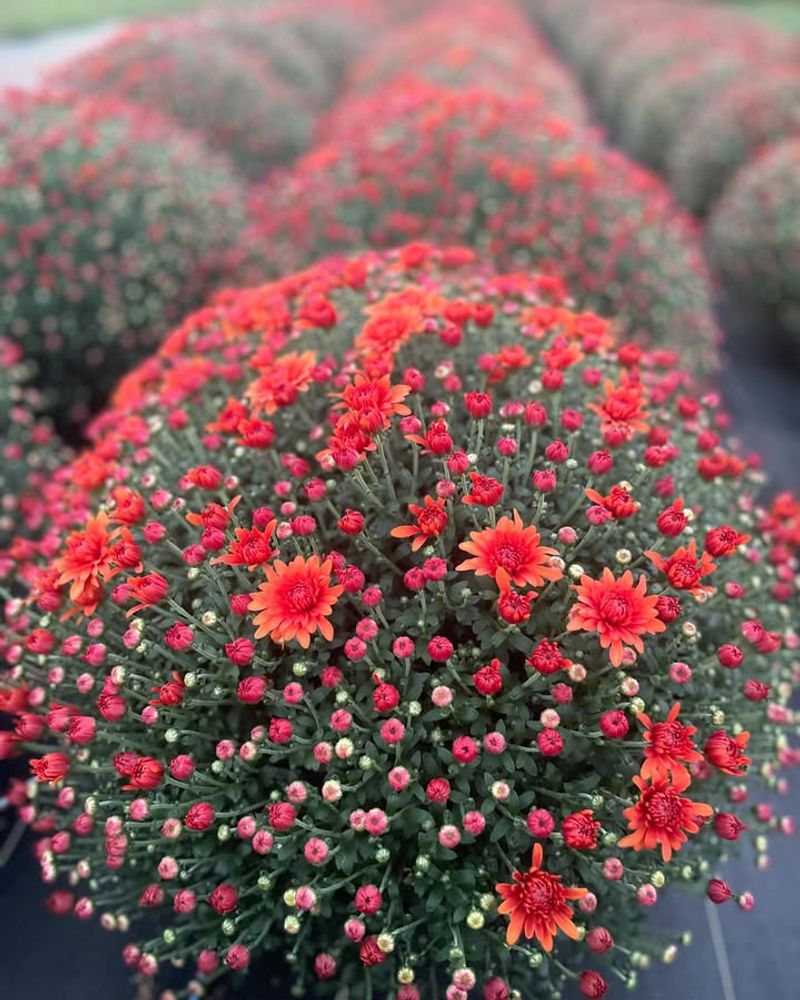
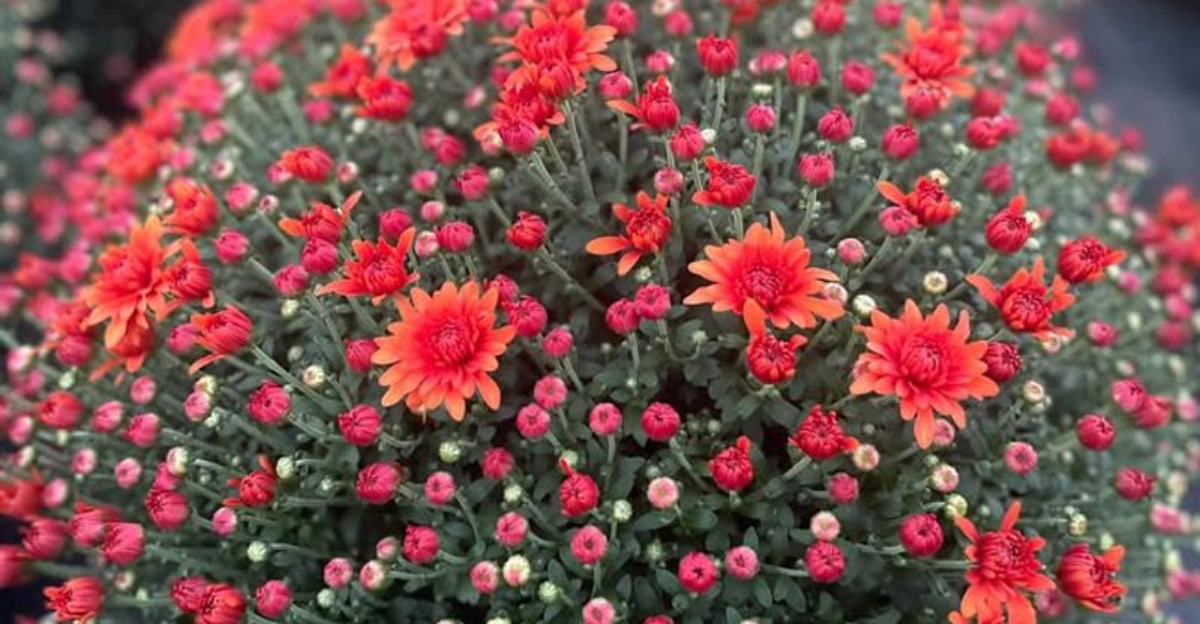
Fall gardens burst with color when chrysanthemums bloom, offering vibrant displays during North Carolina’s beautiful autumn months.
Mums provide crucial late-season interest in memorial gardens, flowering when most other plants have finished for the year.
Their abundant blooms come in nearly every color except blue, allowing personalized color choices for remembrance plantings.
North Carolina gardeners should plant mums in spring rather than fall for best perennial performance.
Spring-planted specimens establish strong root systems that survive winter, returning for many years in the state’s moderate climate.
The plants need pinching back in early summer to encourage bushy growth and maximum flower production.
This simple maintenance step creates fuller plants covered in blooms come September and October across North Carolina.
Hardy garden mums differ from potted gift mums, with garden varieties bred specifically for perennial performance.
Choosing the right type ensures memorial plantings return reliably in North Carolina landscapes year after year.
These flowers thrive in full sun with well-drained soil, conditions common in many state gardens.
They handle North Carolina’s summer heat well, though consistent watering during dry spells promotes healthier plants and better fall flowering.
Chrysanthemums symbolize joy and optimism in many cultures, bringing positive energy to memorial spaces during autumn’s contemplative season throughout North Carolina’s regions.
10. Lavender
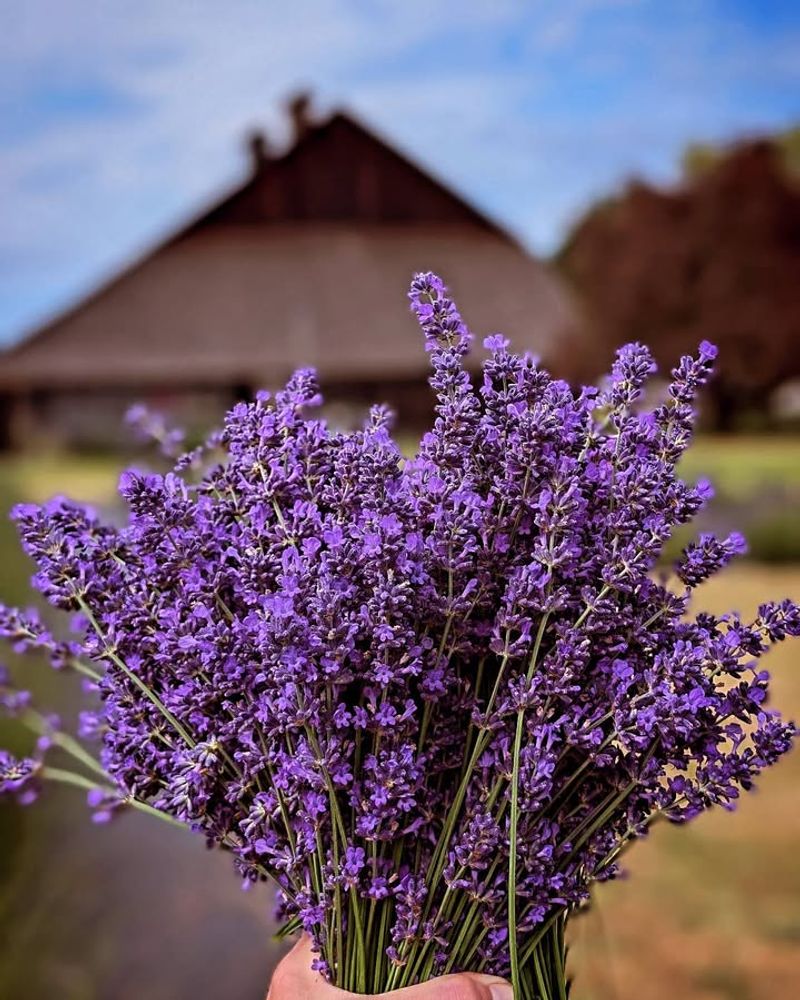
Fragrant purple spikes fill North Carolina gardens with soothing scent and calming beauty perfect for peaceful memorial spaces.
Lavender’s aromatic qualities make it especially meaningful in remembrance plantings, engaging the sense of smell to trigger memories and create contemplative moments.
The plant’s association with peace and tranquility enhances its memorial garden appeal across the state.
North Carolina gardeners find success with English lavender in mountain regions, while Spanish and French varieties handle heat and humidity better in Piedmont and coastal areas.
Choosing appropriate types for specific locations ensures thriving plants throughout the state.
These Mediterranean natives need excellent drainage and full sun, conditions sometimes challenging in North Carolina’s clay soils.
Amending planting areas with gravel or sand improves drainage, helping lavender roots stay healthy in the state’s occasionally wet climate.
The plants bloom in early summer, attracting bees and butterflies that add gentle movement to memorial gardens.
Their silvery foliage remains attractive year-round, providing evergreen structure even during North Carolina’s winter months.
Harvesting lavender for drying allows gardeners to preserve memorial garden flowers for indoor enjoyment.
Dried lavender sachets carry garden memories indoors, extending the connection to memorial plantings throughout the year.
Lavender’s compact growth habit makes it suitable for smaller memorial spaces or container plantings on North Carolina patios and porches.
11. Azaleas
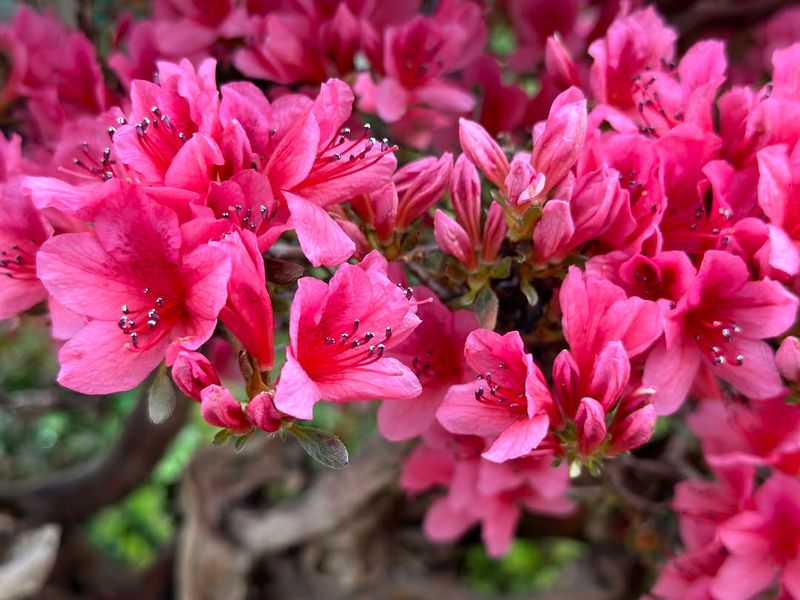
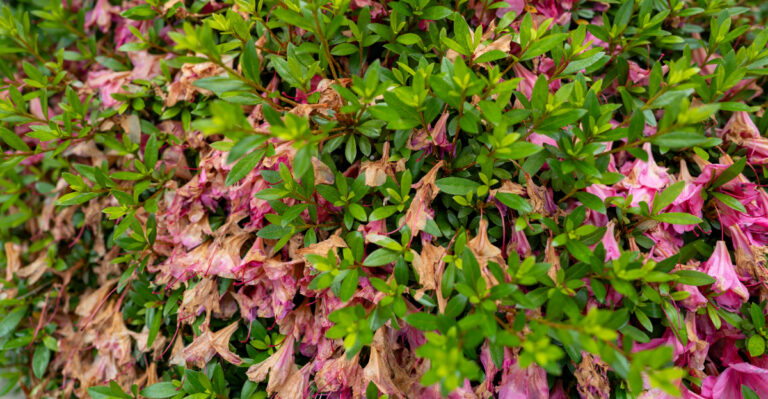
Spring arrives in spectacular fashion when azaleas burst into bloom across North Carolina’s memorial gardens and landscapes.
These flowering shrubs create breathtaking displays of pink, white, red, or purple flowers that completely cover plants for several weeks.
Their dramatic spring show makes them beloved choices for memorial plantings throughout the state.
North Carolina’s acidic soils naturally suit azaleas perfectly, giving local gardeners a significant advantage in growing these acid-loving plants.
The state’s moderate climate allows both native deciduous varieties and evergreen southern types to flourish in memorial gardens.
Native azaleas offer particular appeal, connecting memorial spaces to North Carolina’s natural heritage.
Flame azalea, with its brilliant orange blooms, grows wild in mountain regions and adapts beautifully to cultivated memorial gardens.
These shrubs prefer partial shade and consistent moisture, conditions easily provided under tall pines or hardwoods common in North Carolina yards.
They bloom in mid to late spring depending on variety, with some fragrant types offering additional sensory appeal.
Azaleas require little pruning when given adequate space, making them relatively low-maintenance memorial plants.
Their evergreen varieties provide year-round structure and winter interest in North Carolina landscapes.
The plants can live for decades with proper care, becoming cherished landmarks in memorial gardens that grow more beautiful as years pass throughout North Carolina’s diverse regions.
12. Black-Eyed Susans
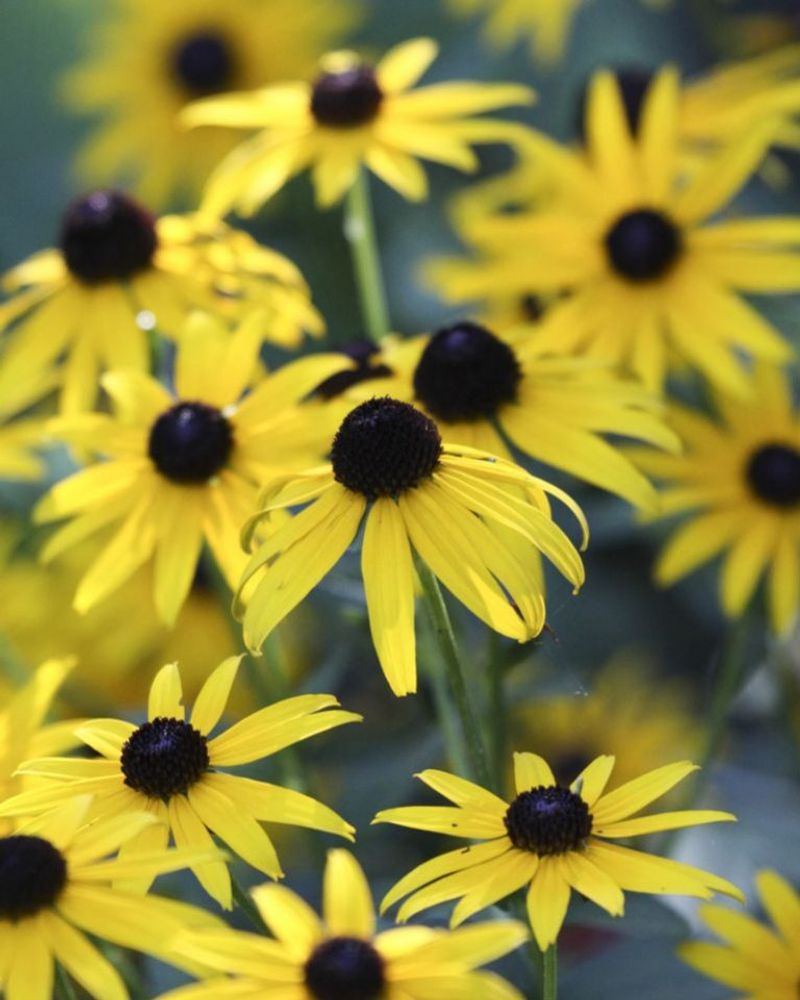
Cheerful golden petals surrounding dark centers bring sunshine to North Carolina memorial gardens from summer through fall.
Black-eyed Susans grow as native wildflowers throughout the state, making them authentically connected to North Carolina’s natural landscape.
Their bright, optimistic appearance creates uplifting memorial spaces that celebrate life and cherished memories.
These tough perennials handle the state’s summer heat and occasional drought with remarkable resilience.
Once established in North Carolina gardens, they require minimal care while providing maximum visual impact for months.
The flowers attract butterflies and goldfinches, bringing delightful wildlife activity to memorial plantings.
Watching birds feast on seed heads in fall creates peaceful moments of connection with nature in North Carolina gardens.
Black-eyed Susans self-seed readily, naturalizing over time to create meadow-like effects in memorial spaces.
This spreading habit allows plantings to expand organically, filling areas with golden blooms without additional effort from gardeners.
They thrive in full sun and tolerate poor soil, making them perfect for challenging garden spots throughout North Carolina.
Their adaptability means they grow successfully from mountain elevations to coastal regions across the state.
The flowers also make excellent cut flowers, bringing memorial garden beauty indoors for arrangements.
Their long-lasting blooms provide weeks of enjoyment in vases, extending the garden’s reach into North Carolina homes.