6 Michigan Fruit Trees You Can Safely Prune This March And 4 You Should Leave Alone
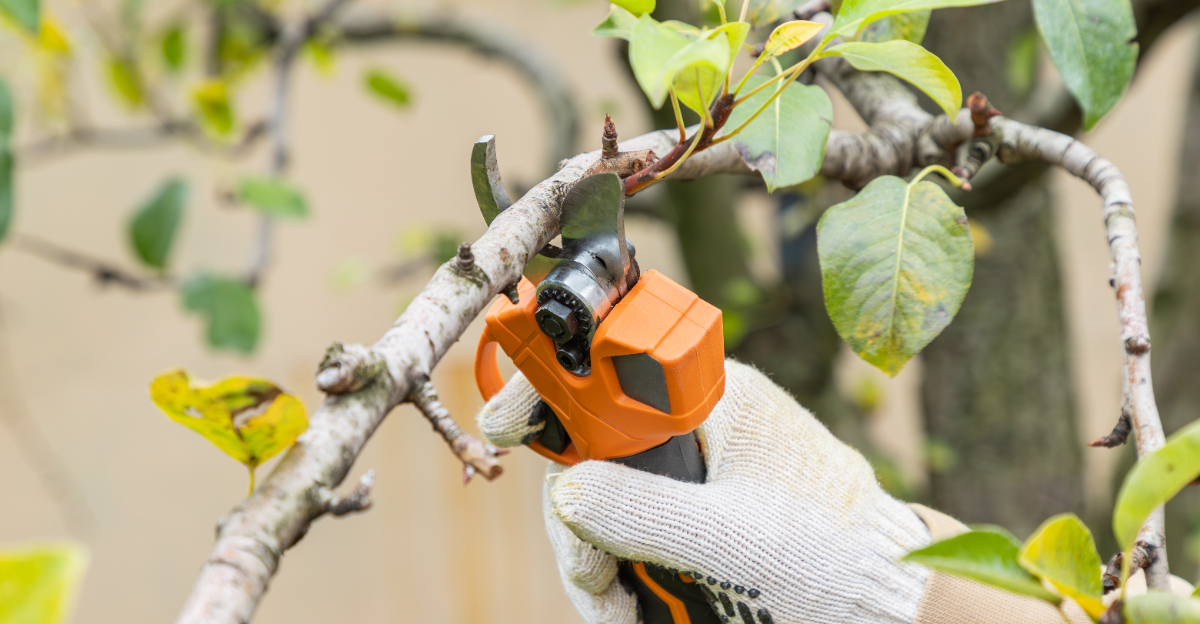
March is when backyard orchards across Michigan begin to stir back to life. Snow starts to melt, sunlight grows stronger, and fruit trees slowly wake from their long winter rest.
For many gardeners in both the Upper and Lower Peninsulas, this short window before full spring growth is one of the most important times to care for their trees.
Pruning at the right moment helps shape the tree, improve airflow, and encourage stronger fruit production later in the season. But timing matters.
Some trees benefit greatly from a careful trim in early spring, while others can lose valuable blossoms if they are cut back at the wrong time.
Knowing which fruit trees to prune in March and which ones should be left alone can make a huge difference.
With the right approach, Michigan gardeners can set their orchards up for healthier growth and a far better harvest.
1. Apple Trees
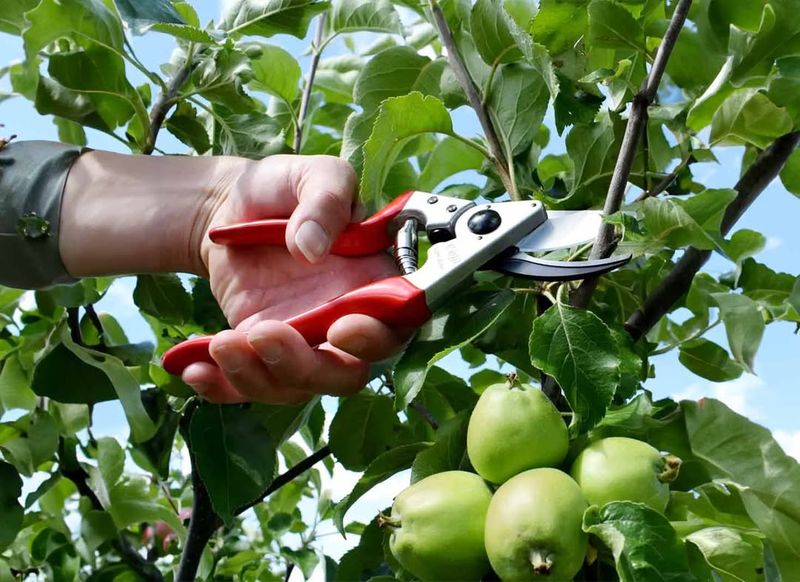
Apple trees are practically made for March pruning in Michigan.
When the tree is still dormant and buds have not yet broken open, you have a perfect window to shape the canopy and remove any branches that are crossing, crowded, or showing signs of disease.
Michigan State University Extension recommends late winter pruning for apple trees precisely because it reduces stress on the tree and encourages strong new growth in spring.
Start by standing back and looking at the whole tree before making any cuts. You want good airflow moving through the center, which helps reduce fungal problems during the humid Michigan summers.
Remove branches that grow inward toward the trunk, and clip any that rub against each other, since those friction points can create wounds that invite pests.
Use clean, sharp pruning shears and make your cuts just outside the branch collar, that slightly raised ring where the branch meets the trunk.
Never leave a long stub sticking out, and avoid removing more than about 25 percent of the canopy in one season.
Apple trees respond beautifully to consistent annual pruning, rewarding you with larger, juicier fruit and a healthier structure season after season.
Southeast Michigan growers especially benefit from this timing, as March pruning sets the stage for a productive summer ahead.
2. Pear Trees

Pear trees have a naturally upright growth habit, which means they can get crowded and shaded out pretty quickly without regular attention.
March is a great time to prune them in Michigan because the trees are still dormant, buds are just beginning to swell, and you can clearly see the branch structure without leaves blocking your view.
Pruning now helps sunlight reach deep into the canopy, which directly improves fruit size and sweetness come harvest time.
Focus on thinning out the interior branches rather than cutting back the tips. Pear trees tend to produce a lot of upright, competing shoots called water sprouts, and removing those is one of the most valuable things you can do in early spring.
Aim for an open center or a modified central leader shape, depending on the variety you are growing in your Michigan yard.
One thing to keep in mind is fire blight, a bacterial disease that hits pear trees hard in the Great Lakes region.
Pruning during cooler, drier March weather actually lowers the risk of spreading it compared to pruning in warm, wet conditions.
Sterilize your tools between cuts using a diluted bleach solution or rubbing alcohol. Healthy, well-pruned pear trees in Southeast Michigan can produce abundant crops for decades with just a little consistent care each late winter.
3. Peach Trees

Peach trees are a little more demanding than apples or pears, but the reward is absolutely worth it.
Growing Prunus persica successfully in Southeast Michigan requires smart timing, and March pruning is one of the most important steps you can take.
Peaches fruit on one-year-old wood, meaning you need to encourage fresh growth every single season to keep production strong and consistent.
When you prune in March, remove any old, gray, unproductive wood and focus on keeping young, reddish shoots that formed last summer. Those are the branches that will carry your peaches this year.
A good rule of thumb is to cut back about one-third of the previous year’s growth, which keeps the tree from getting too tall while pushing out vigorous new fruiting wood lower down in the canopy.
Peach trees in Michigan also benefit from an open center pruning style, sometimes called a vase shape.
This lets sunlight flood into the middle of the tree and keeps air circulating freely, which is especially important for disease prevention in Michigan’s humid growing season. Remove any branches that point straight up or cross through the center.
Consistent March pruning year after year builds a strong, productive peach tree that handles Michigan winters better and delivers bigger, sweeter fruit every summer.
Southeast Michigan growers often find that well-maintained peach trees outperform neglected ones by a wide margin.
4. Nectarine Trees
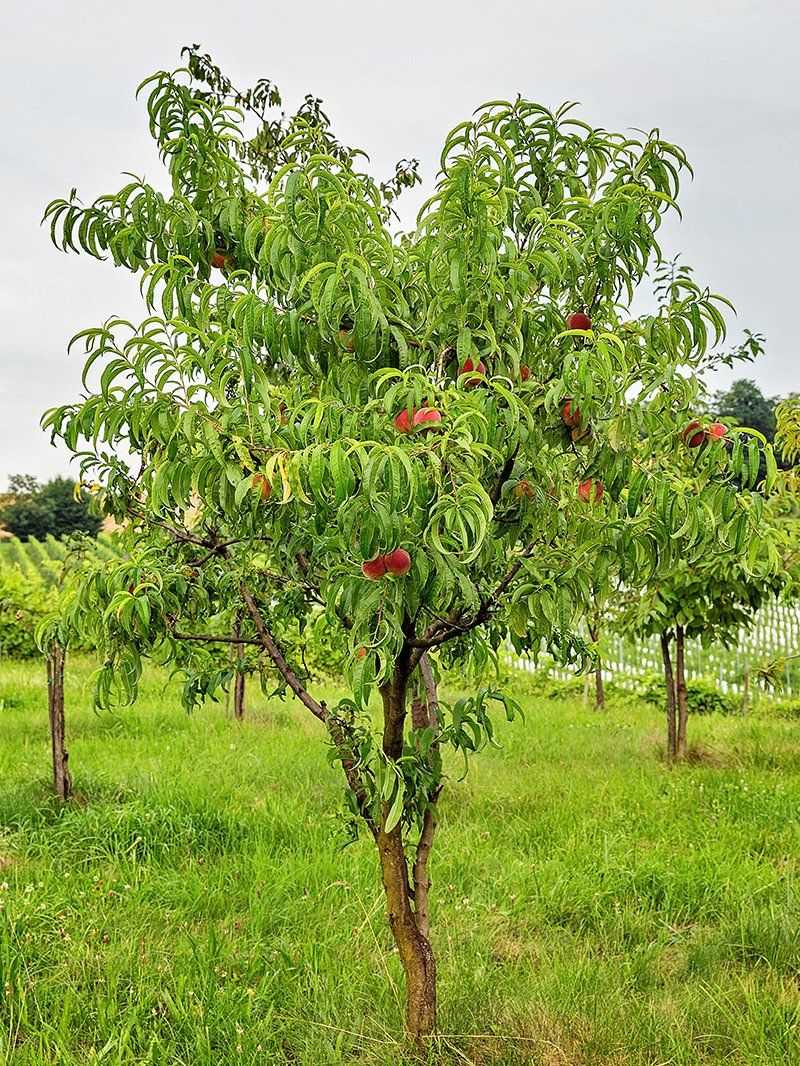
Nectarines are essentially smooth-skinned peaches, and they follow the exact same pruning rules.
Prunus persica var. nucipersica thrives in Southeast Michigan when given proper late-winter attention, and March is right on target for getting those cuts in before sap flow ramps up.
Pruning at this stage helps the tree put its energy into producing strong fruiting wood rather than wasting resources on weak or overcrowded branches.
Nectarine trees fruit on wood that grew the previous summer, so your goal is to remove older, less productive branches while encouraging fresh, vigorous shoots.
Thin out the canopy so that sunlight can reach the interior, and cut back long branches to encourage compact, strong growth.
An open center shape works just as well for nectarines as it does for peaches, and Michigan growers should aim for that structure from the tree’s early years.
One practical tip that many Southeast Michigan gardeners swear by is pruning on a dry, calm day in March when temperatures are above freezing.
This reduces the chance of cold injury to fresh cuts and helps wounds begin healing before any late-season cold snaps arrive. Keep your tools sharp and clean, and do not rush the process.
A well-pruned nectarine tree has a more balanced branch structure, better fruit sizing, and noticeably improved airflow, all of which add up to a healthier, more productive tree through the Michigan growing season.
5. Plum Trees (European Varieties)
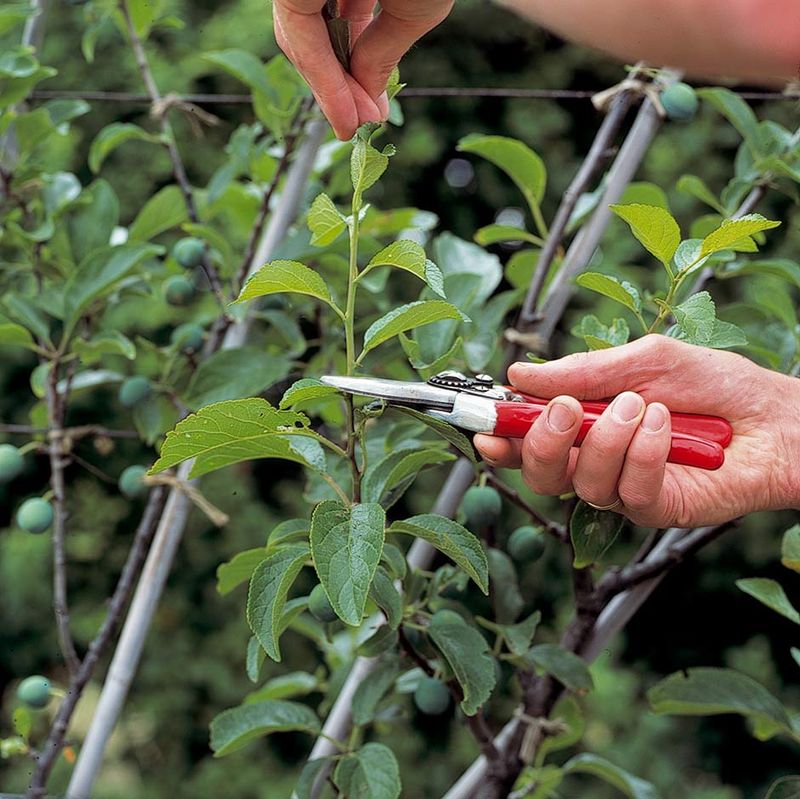
European plum varieties like Stanley and Damson are well-suited to Michigan’s climate, and they respond really well to late-winter pruning.
Prunus domestica should be pruned in March before buds swell too far, giving you a clean window to reshape the tree and remove any branches that are crowding out the productive ones.
Michigan orchardists have relied on this timing for generations because it consistently delivers better fruit quality and tree health.
One of the most common issues with plum trees is that they tend to grow lots of shoots from the base of the trunk, called suckers.
Pull those off by hand or cut them as close to the root as possible in March, since they rob energy from the fruiting branches above.
Also look for any branches that cross through the center of the canopy or grow at sharp downward angles, as those are usually the first to go.
European plums produce fruit on both year-old wood and older spurs, so you do not need to be quite as aggressive with your pruning as you would with a peach.
Light to moderate thinning each March keeps the tree productive without shocking it. Aim for a balanced, open structure that lets Michigan’s summer sun reach every part of the canopy.
With a little attention each late winter, your plum tree can produce heavy crops of sweet, juicy fruit year after year right in your Southeast Michigan backyard.
6. Sour Cherry Trees

Sour cherry trees, particularly the beloved Montmorency variety, are one of Michigan’s most iconic fruit crops.
The state produces more tart cherries than anywhere else in the country, and pruning in late winter is a big part of why those trees stay so productive.
Prunus cerasus can be safely pruned in late February through early March before new growth begins, making it one of the friendlier trees to work with at this time of year.
The goal with sour cherries is to thin out crowded branches so that light and air can move freely through the canopy.
Sour cherry trees naturally grow in a rounded shape, and they can get quite dense over time without regular pruning.
Removing crossing branches, water sprouts, and any weak or damaged wood each March keeps the tree vigorous and reduces the risk of fungal diseases that love Michigan’s moist spring weather.
Sour cherry trees fruit on one-year-old wood as well as older spurs, so a balanced approach works best.
You want to preserve some of that younger wood while thinning out older, less productive sections.
Keep cuts clean and just outside the branch collar, and avoid leaving stubs that could invite disease. Many Southeast Michigan gardeners find that a consistent annual pruning routine in late winter keeps their sour cherry trees producing bumper crops decade after decade.
These trees are tough, reliable, and incredibly rewarding when given just a little care each spring.
7. Apricot Trees
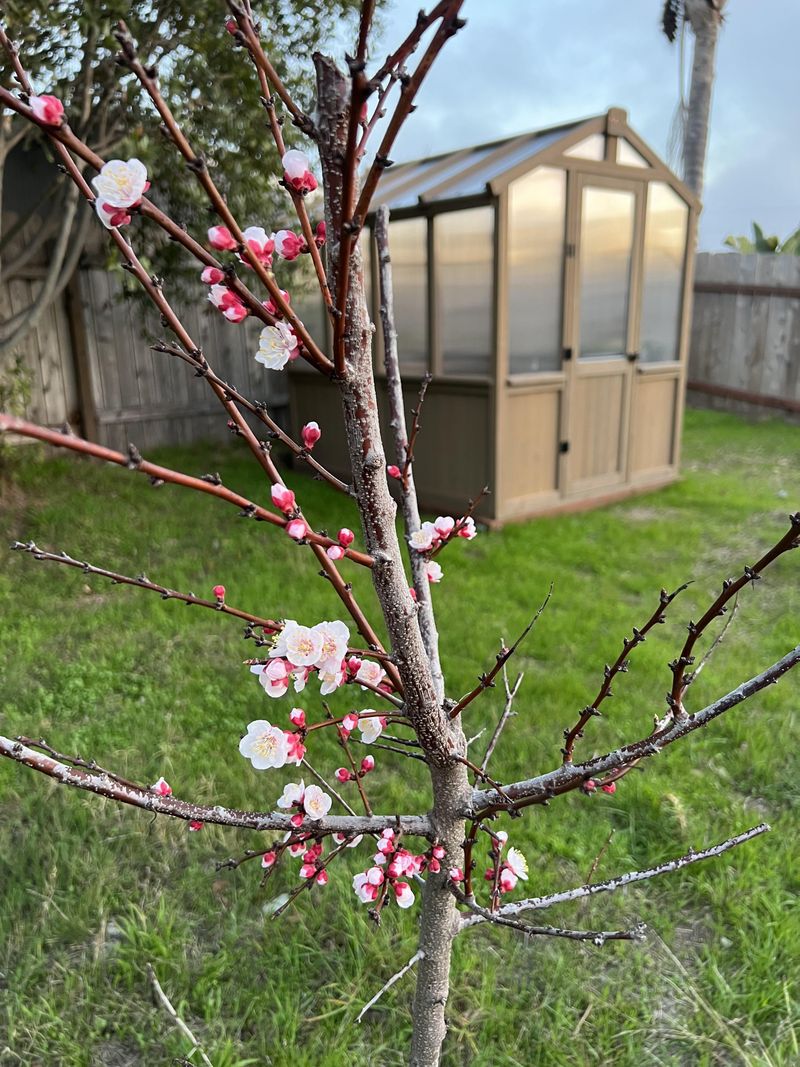
Apricot trees are gorgeous in spring, but they come with a catch for Michigan growers. Prunus armeniaca blooms earlier than almost any other fruit tree in the region, sometimes breaking into full flower before other trees even show a hint of bud swell.
If you prune your apricot tree in March, there is a very real chance you will be cutting off flower buds that were already set and ready to open, which means fewer fruits or possibly no harvest at all that season.
Michigan’s late winter and early spring weather is notoriously unpredictable, and apricots are already fighting the odds every year.
A late frost can wipe out an apricot bloom in a single night, so protecting as many flower buds as possible is critical.
Pruning in March just adds another unnecessary risk on top of the frost danger that Michigan growers already deal with each spring.
The best time to prune apricot trees in Michigan is after harvest in late summer, typically in July or August.
By that point, the tree has finished fruiting, and you can shape it without sacrificing any blossoms or fruit.
Some growers also do light cleanup pruning right after the flowers drop in spring. Either way, patience pays off with apricots.
Skipping the March pruning and waiting for the right window will protect your crop and keep your tree healthy and productive for many seasons to come in Southeast Michigan.
8. Early Blooming Sweet Cherry Trees
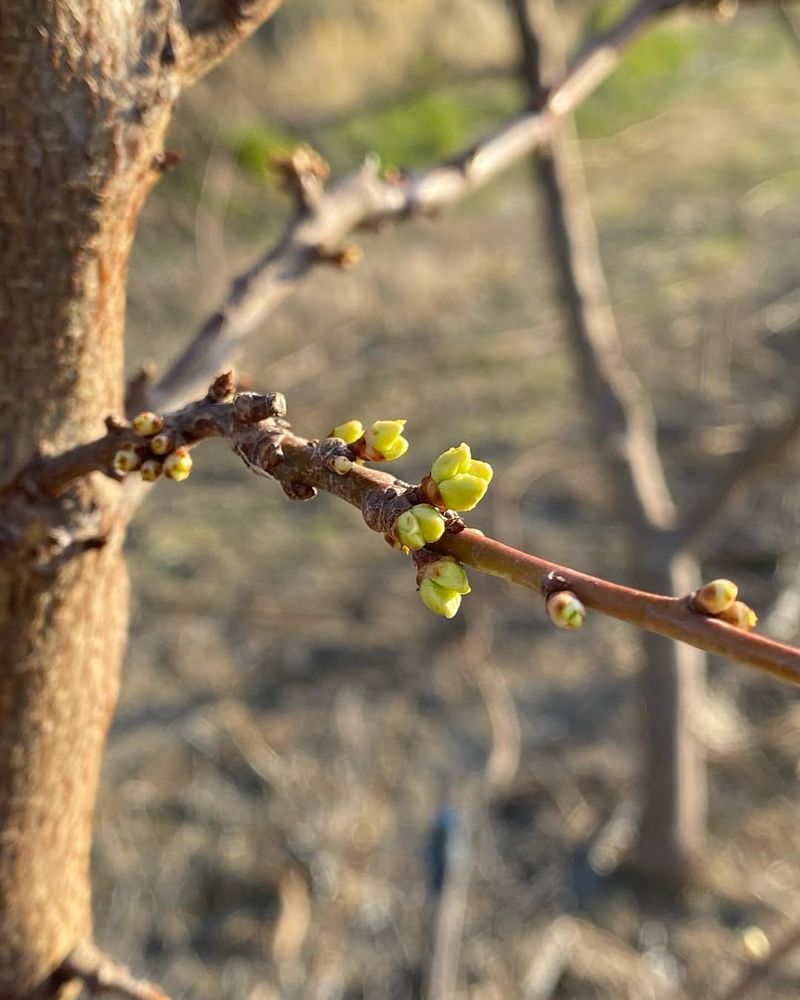
Sweet cherry trees are a different story from their sour cousins when it comes to March pruning in Michigan.
Certain sweet cherry cultivars, especially early-blooming varieties, can push into flower surprisingly quickly once temperatures begin to climb in late winter.
Pruning these trees during or just before their bloom window risks removing flower buds and significantly cutting into your fruit set for the season.
Sweet cherries are already among the trickier fruit trees to grow in Michigan because of late frost risk and their sensitivity to wet conditions around harvest time. Adding pruning stress right before or during bloom just compounds those challenges.
If you catch your sweet cherry tree showing any sign of bud movement or swollen flower buds in March, put the pruning shears away and wait until after the flowers have fully dropped.
The recommended window for pruning sweet cherries in Michigan is after bloom in late spring, or alternatively in summer after harvest is complete.
Summer pruning actually has an added benefit for sweet cherries because the tree is actively growing and can seal pruning wounds much faster than in cold weather.
This reduces the risk of fungal and bacterial infections entering through fresh cuts. Southeast Michigan growers who follow this schedule consistently report healthier trees, better fruit sizing, and fewer disease problems over time.
A little patience in March goes a long way toward a much sweeter cherry harvest later in the year.
9. Plumcot Or Aprium Hybrids

Plumcots and apriums are fascinating hybrid fruits that blend the best qualities of plums and apricots, but they bring the same early-blooming challenges to Michigan gardens that apricots do.
Because these hybrids carry strong apricot genetics, they tend to flower early in the season, often before the risk of frost has passed in Southeast Michigan.
Pruning in March can easily remove flower buds that were set during the previous fall, costing you a significant portion of your potential harvest.
These hybrids are not as commonly grown in Michigan as apples or cherries, but interest in them has been growing among adventurous backyard orchardists in recent years.
If you are lucky enough to have one, treat it with the same caution you would an apricot when it comes to spring pruning.
The window between dormancy and bloom can be very short, sometimes just a couple of weeks in a warm March, leaving almost no safe time to prune without risking the flowers.
Wait until after harvest in late summer to do any major shaping or thinning on your plumcot or aprium.
Light cleanup of obviously damaged or broken branches can be done carefully in early spring if needed, but avoid any heavy structural pruning until the tree has finished fruiting.
Michigan’s unpredictable spring weather already puts early-blooming hybrids at risk each year, so protecting every flower bud you can is the smartest strategy for getting a rewarding crop from these unique and flavorful trees.
10. Mulberry Trees

Mulberry trees are fast growers, and anyone who has one in their Michigan yard knows just how quickly they can take over a space.
Morus spp. leaf out surprisingly early in spring, often ahead of many other fruit trees, which is exactly why March pruning is a bad idea.
By the time March rolls around in Southeast Michigan, mulberry buds may already be swelling or even beginning to open, meaning pruning now could remove those early growth points and reduce the tree’s fruiting potential for the season.
There is another practical reason to avoid pruning mulberries in late winter. When cut during or just before active growth begins, mulberry trees can bleed sap heavily from fresh wounds.
This excessive sap flow does not necessarily harm the tree permanently, but it is messy, stressful for the tree, and makes healing slower.
Waiting until later in the season avoids this issue entirely. The best time to prune mulberry trees in Michigan is in late spring after the tree has fully leafed out, or in summer when growth has slowed.
At that point, you can clearly see the structure of the canopy, identify any crowded or problem branches, and make clean cuts that heal quickly.
Mulberries are tough, resilient trees that do not need a lot of pruning to stay productive, but when you do trim them, timing matters.
Choosing the right season protects the tree and keeps your Michigan yard looking great while the fruit ripens through early summer.