Michigan Gardeners Guide To Growing Beautiful Fuchsia Plants Successfully
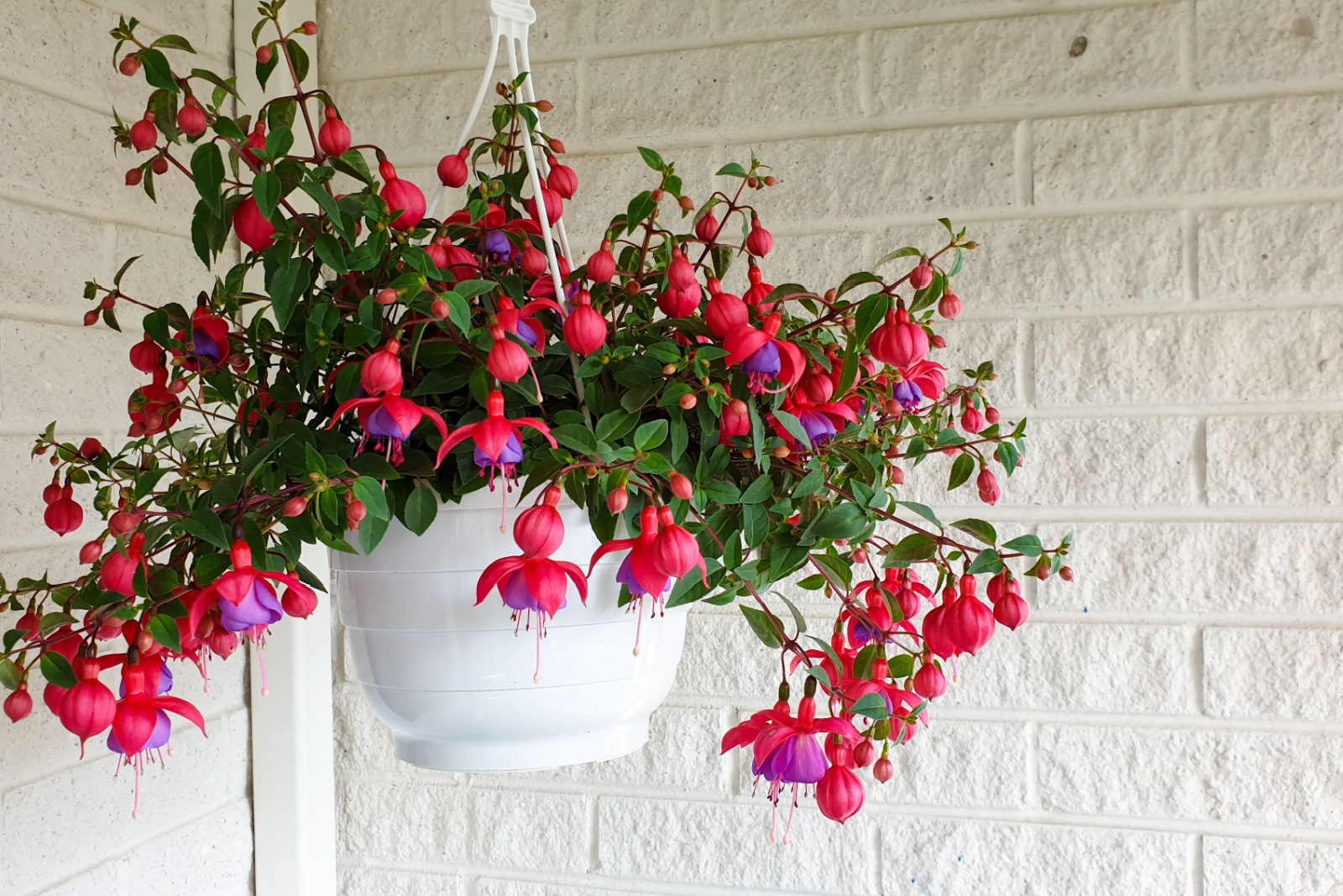
Fuchsia plants are famous for their elegant, dangling blooms and vibrant color combinations, and many Michigan gardeners love growing them for porch baskets, patios, and bright garden corners.
While they may look delicate, fuchsias can thrive beautifully when you understand what they need.
Michigan’s cool springs and mild summers can actually suit them well, but heat waves, watering mistakes, and winter care often trip up beginners. The good news is growing lush, bloom-filled fuchsia plants is much easier once you learn a few key habits.
From choosing the right light and soil to encouraging nonstop flowering, small adjustments can make a big difference in plant health and appearance.
Whether you are new to fuchsias or trying to improve your results, this guide will help you grow fuller plants, richer color, and stunning blooms that keep your space looking lively all season long.
1. Choose Hardy Or Suitable Varieties
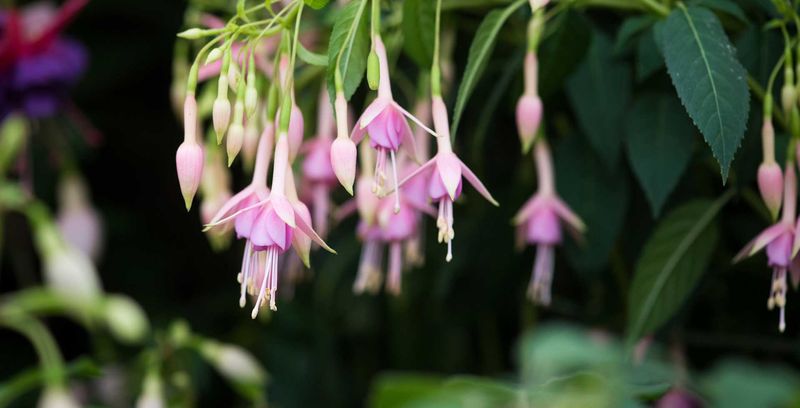
Michigan’s climate presents unique challenges for fuchsia lovers, but selecting the right varieties makes all the difference. Fuchsia magellanica stands out as one of the hardiest options, capable of surviving cooler temperatures better than tropical cousins.
This variety can even handle light frosts that sometimes surprise Michigan gardeners in late spring or early fall.
Bedding fuchsias offer another excellent choice for Michigan conditions. These compact plants work beautifully in containers and hanging baskets.
They produce abundant blooms throughout the summer months when given proper attention and care.
Consider your growing space carefully before making selections. Some fuchsias grow best indoors during Michigan’s harsh winters. Others can survive outdoors with adequate protection and mulching around their base.
Hardy varieties typically feature smaller flowers but compensate with incredible resilience. They bounce back quickly from environmental stress. Tropical varieties produce larger, showier blooms but require more pampering and winter protection.
Visit local nurseries in spring to see which cultivars perform best in your specific Michigan region. Northern parts of the state need hardier selections than southern areas.
Talking with experienced local gardeners provides invaluable insights about which fuchsia varieties truly thrive in Michigan’s unpredictable weather patterns and growing conditions year after year.
2. Start Seeds Or Cuttings Early
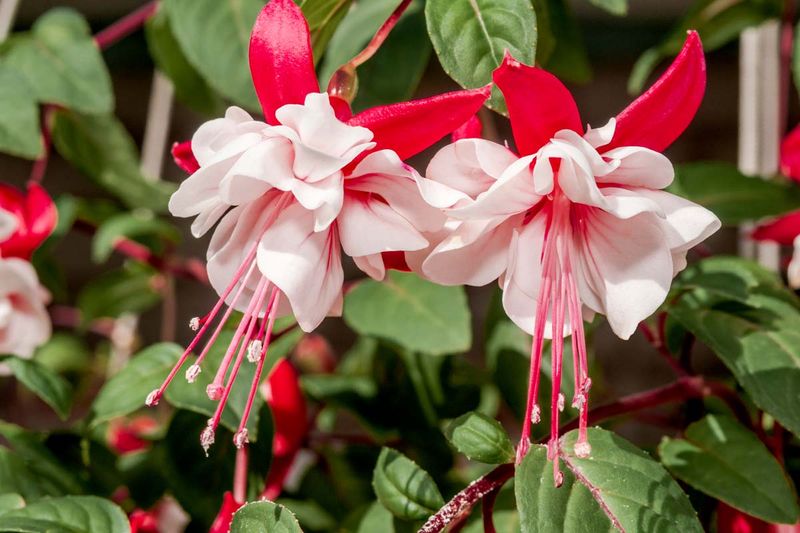
Timing makes the difference between mediocre and magnificent fuchsia displays in Michigan gardens. Starting your propagation efforts in late winter gives plants the head start they need.
By the time warm weather arrives, your fuchsias will be strong and ready to explode with colorful blooms.
Seeds require patience and careful attention during germination. Sow them indoors around February or early March. Keep the soil consistently warm and moist for best results.
Softwood cuttings offer a faster, more reliable propagation method for most gardeners. Take three to four inch cuttings from healthy parent plants.
Remove the lower leaves and dip the cut end in rooting hormone before planting. Place your cuttings in small pots filled with sterile potting mix. Cover them with plastic bags to maintain humidity.
Roots typically develop within three to four weeks under proper conditions. Gradually acclimate your young plants to outdoor conditions before transplanting. This hardening-off process prevents shock and strengthens stems.
Start by placing them outside for a few hours daily, then gradually increase exposure time over ten days until they’re ready for their permanent summer home in your beautiful Michigan landscape.
3. Use Well-Draining Soil
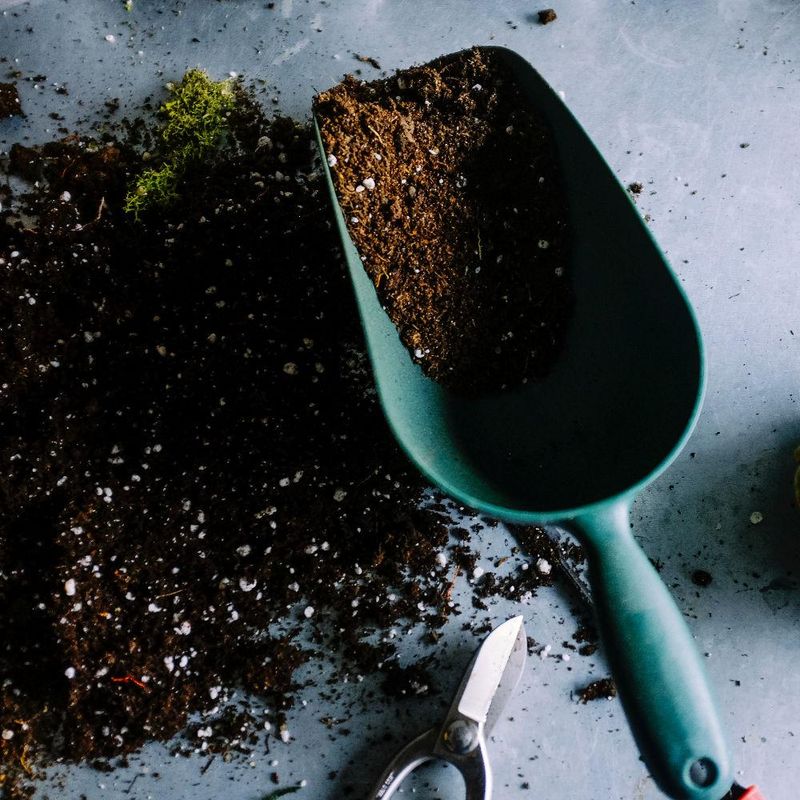
Root health determines whether your fuchsias flourish or struggle throughout the growing season. These plants absolutely despise sitting in waterlogged soil.
Their delicate roots rot quickly when drainage is poor, leading to disappointing results despite your best efforts.
Loamy soil provides the ideal foundation for fuchsia success in Michigan gardens. This balanced mixture contains sand, silt, and clay in perfect proportions. It holds moisture without becoming soggy or compacted over time.
Amending your soil with quality compost transforms average dirt into fuchsia paradise. Work in several inches of well-rotted organic matter before planting.
This addition improves both drainage and nutrient availability simultaneously. Container-grown fuchsias need special attention to soil composition. Use commercial potting mixes designed for flowering plants.
These products drain freely while retaining enough moisture to keep roots happy. Check drainage before planting by digging a test hole and filling it with water. The water should disappear within an hour or two.
Slower drainage indicates the need for amendments or raised beds. Adding perlite or vermiculite to heavy Michigan clay soils creates air pockets that roots love.
These lightweight materials prevent compaction and ensure oxygen reaches the root zone where it’s needed most for vigorous growth and abundant flowering.
4. Provide Partial Shade Outdoors
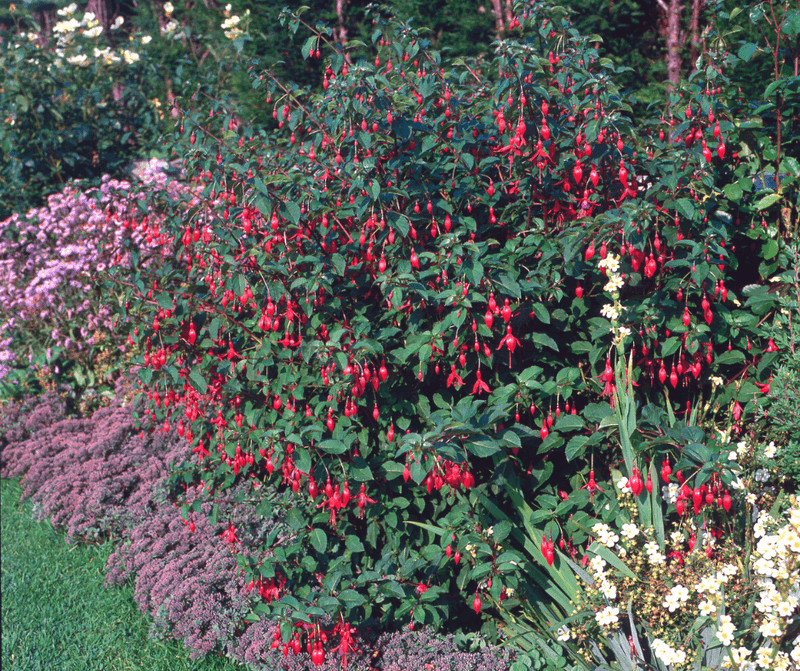
Finding the sweet spot for light exposure can feel tricky at first, but fuchsias communicate their preferences clearly. These shade-loving beauties perform best when protected from intense afternoon sun.
Michigan’s summer heat, while not extreme, still stresses fuchsias placed in full sun locations.
Morning sunlight provides gentle energy without overwhelming delicate petals. East-facing locations work wonderfully for fuchsia plantings. Plants receive several hours of soft light before retreating into cooling shade.
Filtered light through tree canopies creates ideal conditions for spectacular blooms. The dappled patterns mimic fuchsias’ natural forest habitat. This protection prevents flower fade and leaf scorch during hot spells.
North-facing walls or porch overhangs offer excellent placement options in Michigan landscapes. These spots provide bright indirect light throughout the day. Your fuchsias will reward such thoughtful positioning with continuous flowering.
Watch your plants for signs of improper light exposure. Pale leaves and sparse blooms indicate too much shade. Crispy brown edges and drooping flowers signal excessive sun exposure.
Experiment with different locations if your first choice doesn’t produce desired results. Moving container-grown fuchsias is easy and lets you fine-tune their environment.
Remember that light patterns change as summer progresses and trees leaf out fully across Michigan’s diverse landscapes.
5. Maintain Consistent Moisture
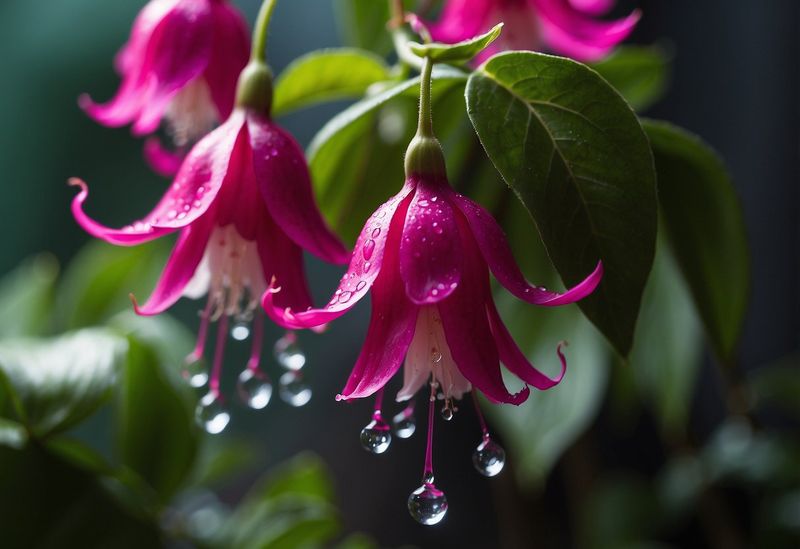
Water management separates successful fuchsia growers from frustrated ones every single season. These thirsty plants demand regular attention to moisture levels.
Their shallow root systems dry out quickly, especially during Michigan’s occasional hot, dry summer stretches.
Consistency matters more than quantity when watering fuchsias. Soil should feel like a wrung-out sponge at all times. Never let it become bone dry or soggy wet.
Container-grown fuchsias need daily watering during peak summer heat. Hanging baskets dry out fastest because air circulates around all sides.
Check them twice daily during hot spells to prevent wilting. Garden-planted fuchsias require less frequent watering than container specimens. Their roots access deeper soil moisture reserves.
Still, monitor them closely during dry periods and water deeply when needed. Early morning watering gives plants time to absorb moisture before heat arrives. Wet foliage dries quickly in morning sun.
This timing reduces disease risks while keeping roots properly hydrated. Mulching around fuchsias conserves soil moisture remarkably well. Apply two to three inches of organic mulch around plants.
This protective layer moderates soil temperature and reduces watering frequency throughout Michigan’s variable summer weather patterns while keeping weeds at bay and roots consistently comfortable for optimal flowering performance.
6. Fertilize Regularly During Growth
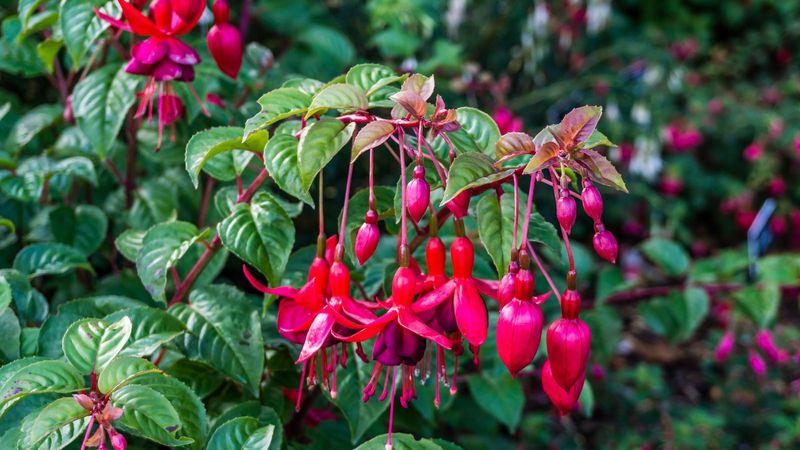
Heavy bloomers like fuchsias need consistent nutrition to maintain their impressive flower production all season long. These plants burn through nutrients quickly when actively growing.
Without regular feeding, blooms diminish and foliage loses its vibrant green color. Balanced liquid fertilizers work best for fuchsia feeding schedules. Look for formulas with equal nitrogen, phosphorus, and potassium ratios.
These provide complete nutrition without pushing excessive leafy growth at the expense of flowers.
Begin fertilizing when new growth appears in spring. Continue feeding every two to three weeks through late summer. Stop fertilizing in early fall to let plants prepare for dormancy.
Dilute fertilizer to half the recommended strength for more frequent applications. This gentle approach prevents root burn. It also provides steady nutrition rather than feast-or-famine cycles.
Container-grown fuchsias need more frequent feeding than garden specimens. Nutrients leach from pots with each watering. Compensate with weekly applications of diluted fertilizer during peak growing season.
Watch for signs of over-fertilization like brown leaf tips or salt buildup on soil surfaces. Flush containers thoroughly with plain water if this occurs.
Michigan’s relatively cool summers make nutrient burn less common than in hotter regions, but vigilance still pays off with healthier plants and better blooming throughout the entire growing season.
7. Pinch Back And Prune
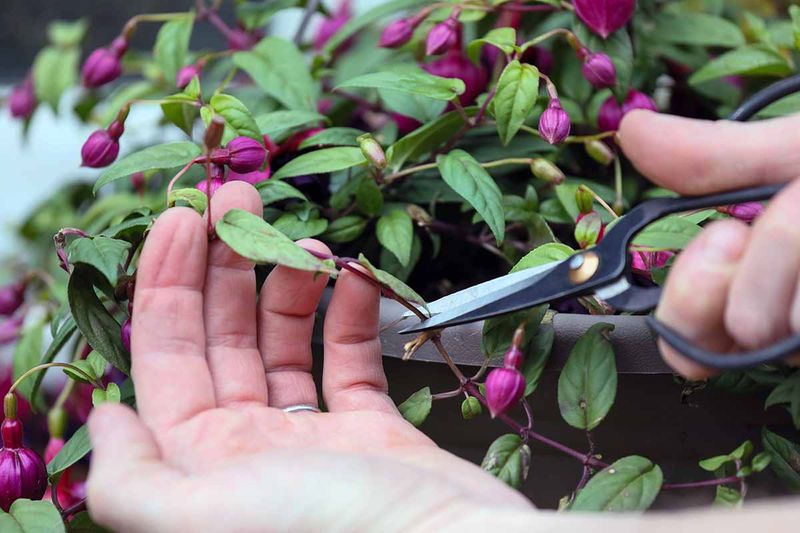
Shaping fuchsias through strategic pruning transforms lanky plants into full, flower-covered specimens. Pinching encourages branching at every point where you remove growing tips.
More branches mean exponentially more flowers throughout the season. Start pinching when young plants reach four to six inches tall. Remove the top half-inch of each stem.
This simple action forces plants to branch rather than growing tall and sparse. Continue pinching new growth every few weeks during spring. Stop about six weeks before you want major blooming to begin.
This timing allows flower buds to develop on all those new branches you’ve created. Removing spent blooms keeps energy focused on new flower production. Faded flowers form seed pods if left on plants.
This seed development diverts resources away from making new blooms. Deadhead regularly by snipping off flowers just below the swollen ovary. This task takes only minutes but dramatically extends the flowering period.
Your Michigan fuchsias will bloom continuously rather than in sporadic flushes. Prune out any damaged or crossing branches throughout the season. Good airflow through the plant center prevents disease problems.
Clean cuts heal quickly and don’t harm overall plant health or vigor when done correctly with sharp, sanitized tools.
8. Protect From Pests
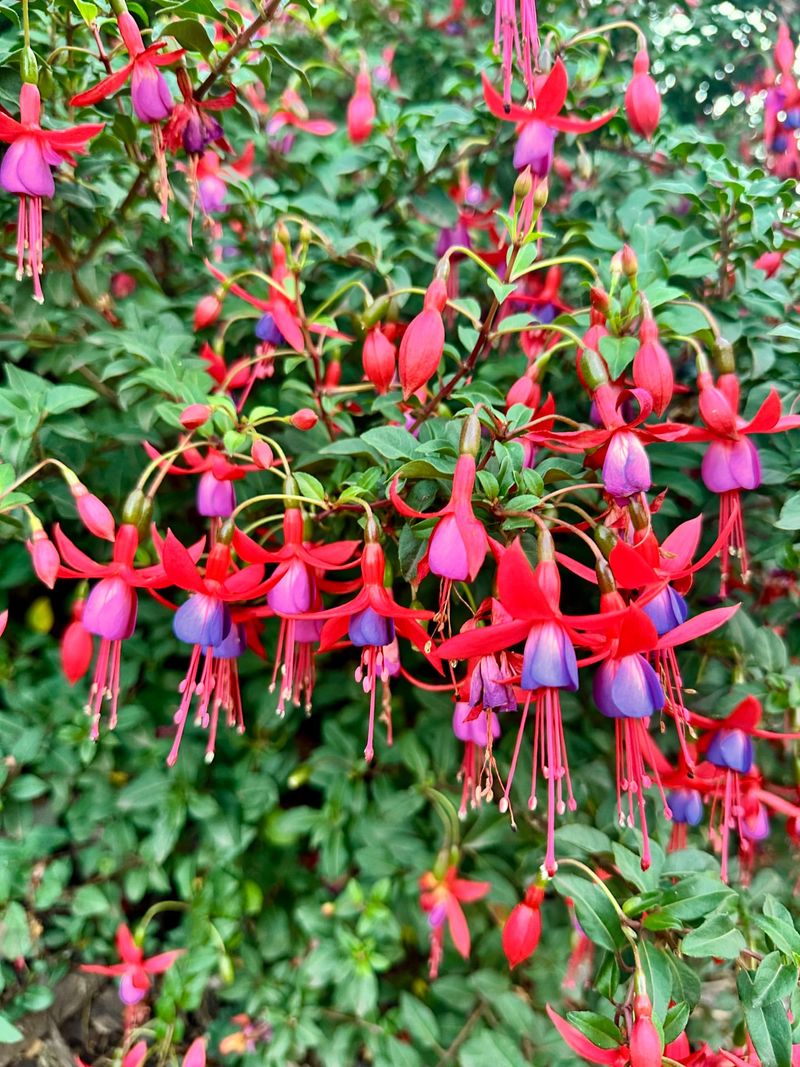
Pest problems can devastate fuchsia displays faster than you might imagine if left unchecked. Aphids cluster on tender new growth, sucking plant juices and leaving sticky honeydew behind.
These tiny insects multiply rapidly in warm weather conditions. Whiteflies flutter up in clouds when you disturb infested plants. They congregate on leaf undersides and weaken plants gradually.
Heavy infestations cause yellowing leaves and stunted growth patterns. Spider mites thrive during hot, dry periods in Michigan gardens. These microscopic pests create fine webbing on leaves.
Affected foliage develops a stippled, bronze appearance before eventually dropping off. Regular inspection catches pest problems before they become severe. Check plants at least twice weekly during the growing season.
Look carefully at leaf undersides where many pests hide from view. Insecticidal soap provides effective, safe control for most fuchsia pests. Spray thoroughly, covering all plant surfaces.
Repeat applications every five to seven days until pests disappear completely. Neem oil works wonderfully as both treatment and preventative measure. This natural product disrupts pest life cycles without harming beneficial insects.
Apply in early morning or evening to prevent leaf damage from sun exposure on wet foliage in Michigan’s variable summer conditions for best results.
9. Overwinter Indoors
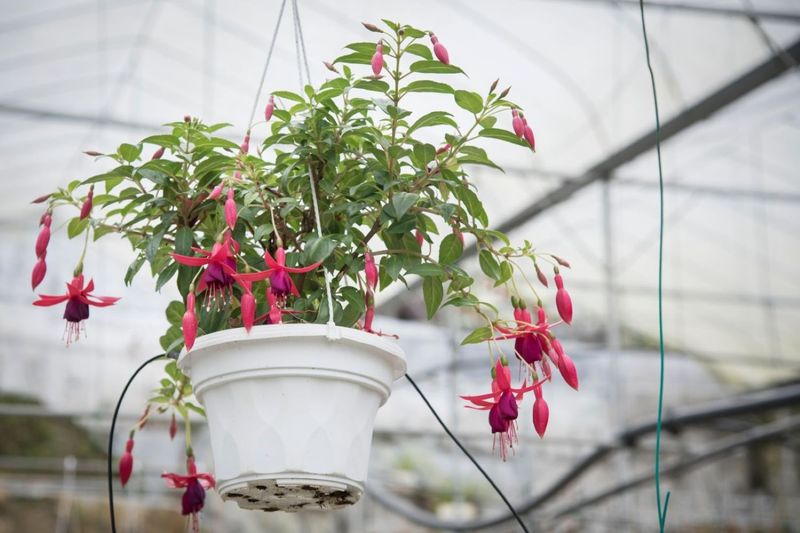
Michigan winters spell certain doom for fuchsias left outdoors without protection. Freezing temperatures destroy these tender plants completely.
Bringing containers inside before frost preserves your investment for next season’s garden display.
Timing matters when transitioning fuchsias indoors for winter. Move plants inside before nighttime temperatures drop below forty degrees. This prevents cold damage and helps plants adjust more easily to indoor conditions.
Cool storage locations work better than warm living spaces for dormant fuchsias. Basements, attached garages, or cool spare rooms maintain ideal temperatures. Aim for fifty to sixty degrees throughout winter months.
Reduce watering significantly during winter dormancy. Water only when soil becomes quite dry to the touch. Overwatering dormant plants causes root rot and other serious problems.
Plants may drop leaves during winter storage. This normal response to reduced light shouldn’t cause alarm. New growth emerges vigorously when spring arrives and conditions improve.
Prune fuchsias back by about one-third before bringing them indoors. This reduction makes plants more manageable and encourages fresh growth later. Remove any remaining flowers and buds to signal dormancy time.
Check stored plants monthly for pest problems or excessive drying. Michigan’s indoor winter air can be quite dry, so occasional light watering prevents complete dehydration while maintaining proper dormancy conditions.
10. Encourage Air Circulation
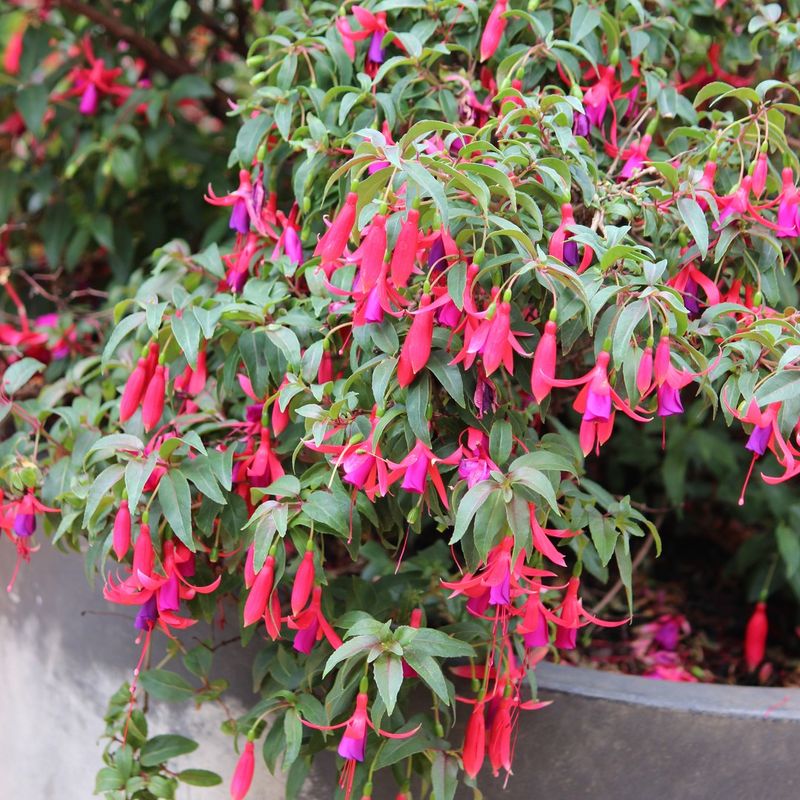
Stagnant air around fuchsias creates perfect conditions for fungal diseases that can ruin your plants quickly. Powdery mildew appears as white patches on leaves and stems. Botrytis causes brown, fuzzy decay on flowers and foliage during humid Michigan weather.
Space plants adequately when arranging containers or garden beds. Leave several inches between pots and other plants. This gap allows breezes to flow freely through and around foliage.
Avoid crowding fuchsias against walls or in tight corners. These sheltered spots trap moisture and limit air movement. Position plants where gentle breezes can reach them throughout the day.
Prune out dense interior growth to open up plant centers. Thinning creates pathways for air circulation through the canopy. Better airflow dries leaves quickly after rain or watering.
Indoor fuchsias benefit from small oscillating fans during winter storage. Gentle air movement prevents fungal problems in enclosed spaces. Keep fans on low settings to avoid drying plants excessively.
Remove fallen leaves and spent flowers from around plants promptly. This debris harbors disease organisms and pests. Maintaining cleanliness reduces problems significantly throughout the growing season.
Michigan’s humid summer weather makes air circulation especially important for fuchsia health. Good airflow combined with proper spacing creates an environment where diseases struggle to establish while your beautiful flowering plants thrive magnificently.