Michigan Homeowners Are Replacing These Popular Plants For A Reason
Michigan gardens can be tough places for the wrong plants. Long, cold winters, curious wildlife, and shifting rules about invasive species have many homeowners rethinking what truly belongs in their landscape.
Some once popular favorites struggle to survive freezing temperatures, while others attract deer or require constant care just to stay alive. Over time, these challenges can turn a beautiful garden into more work than reward.
The good news is that understanding why certain plants fail in Michigan conditions makes it much easier to choose smarter, more reliable alternatives. When your plant choices match the climate and environment, everything changes.
Gardens become stronger, easier to maintain, and far more enjoyable through every season. A little insight now can save years of frustration and help you build a landscape that thrives naturally with less effort and worry.
1. Boxwood Because Of Winter Damage
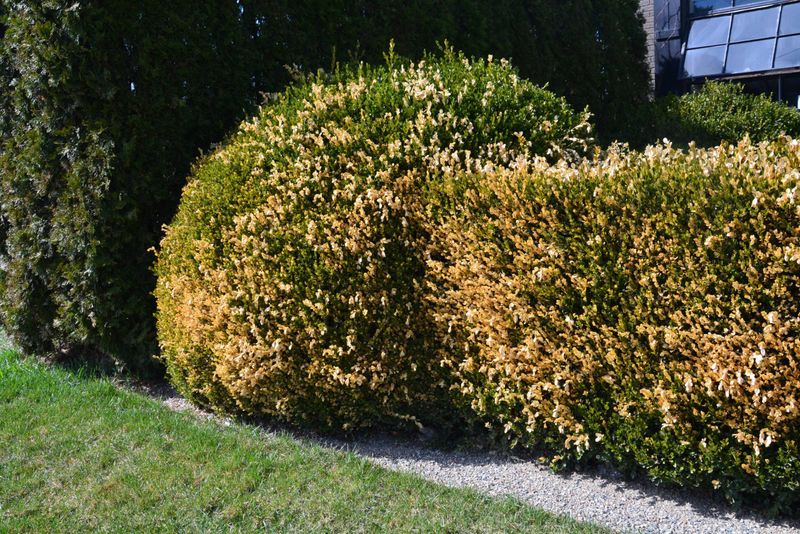
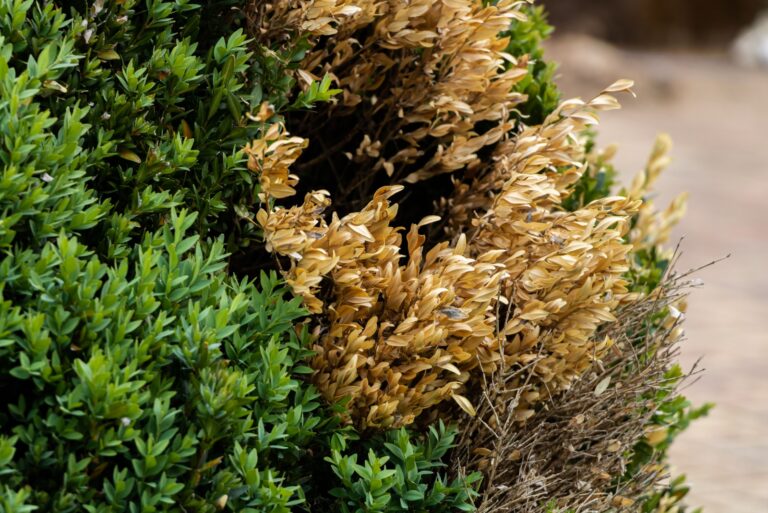
Winter winds and freezing temperatures can turn beautiful boxwoods into brown, damaged shrubs by spring. Many varieties simply cannot handle Michigan’s harsh cold snaps and temperature swings.
The damage often appears as brown patches or entire branches that look scorched. Homeowners grow tired of watching their carefully shaped hedges turn unsightly each winter.
Non-hardy cultivars experience significant dieback that ruins their formal appearance. Recovery takes months, and some shrubs never fully bounce back to their original shape.
Replacing struggling boxwoods with cold-tolerant cultivars makes gardening much easier. Varieties bred for northern climates maintain their green color and healthy growth through winter.
These tougher options require less fussing with burlap wraps and anti-desiccant sprays. Consider alternatives like winterberry holly or northern bayberry for similar structure without the winter worry.
Both handle Michigan weather beautifully and offer seasonal interest beyond just evergreen foliage. Your garden will look better year-round when you choose plants matched to local conditions.
The right plant selection saves time, money, and frustration. Cold-hardy shrubs eliminate the annual cycle of winter damage and spring disappointment.
Your landscape investment deserves plants that perform reliably through every Michigan season.
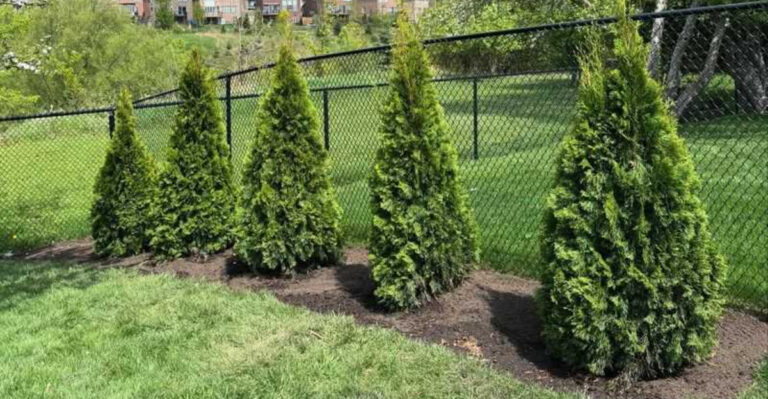
2. Arborvitae ‘Green Giant’ Due To Deer Browsing
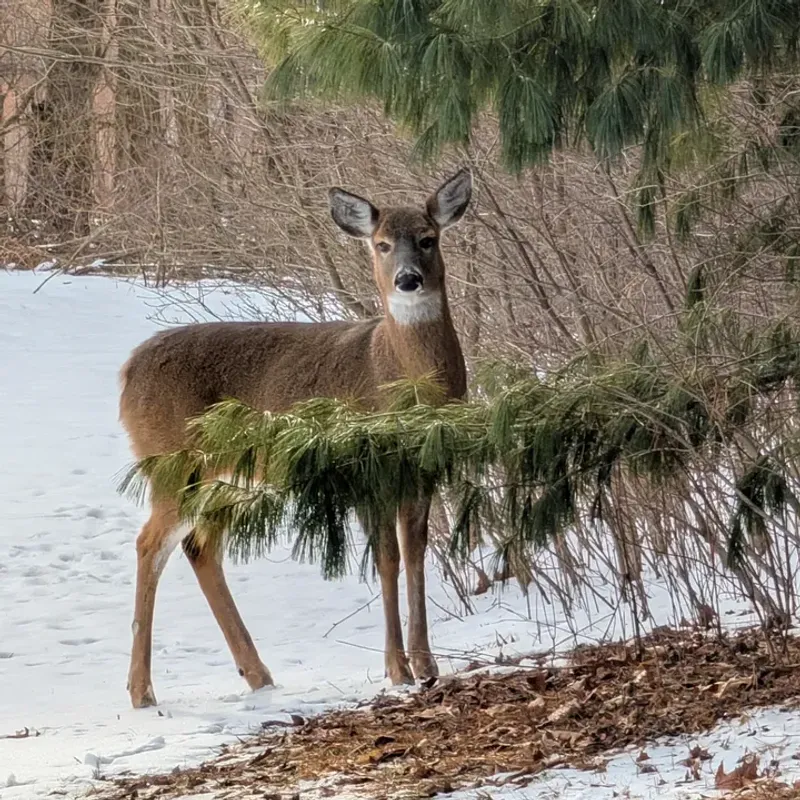
Deer find Green Giant arborvitae absolutely irresistible, especially during winter when other food sources disappear. These fast-growing evergreens become a deer buffet rather than the privacy screen you planted.
Stripped lower branches create an awkward, leggy appearance that defeats the purpose of a dense hedge.
The rapid growth that makes this variety popular also produces tender new shoots deer love to munch. Homeowners watch their investment get nibbled away season after season. Even tall specimens suffer damage as deer stand on hind legs to reach higher branches.
Protective measures like fencing or repellents add ongoing expense and effort. Many gardeners simply grow weary of the constant battle to keep deer at bay. Replacing these arborvitae with less palatable options brings peace of mind.
Consider planting spruce varieties or juniper, which deer typically avoid due to their prickly needles and strong scent. Native white pine also provides excellent screening without attracting hungry wildlife.
These alternatives establish beautiful privacy barriers that actually last. Choosing deer-resistant plants from the start saves countless hours of frustration. Your screening plants should protect your property, not serve as a wildlife feeding station.
Smart plant selection creates the landscape you envisioned without the ongoing deer drama.
3. Hydrangea Macrophylla For Its Winter Bud Sensitivity
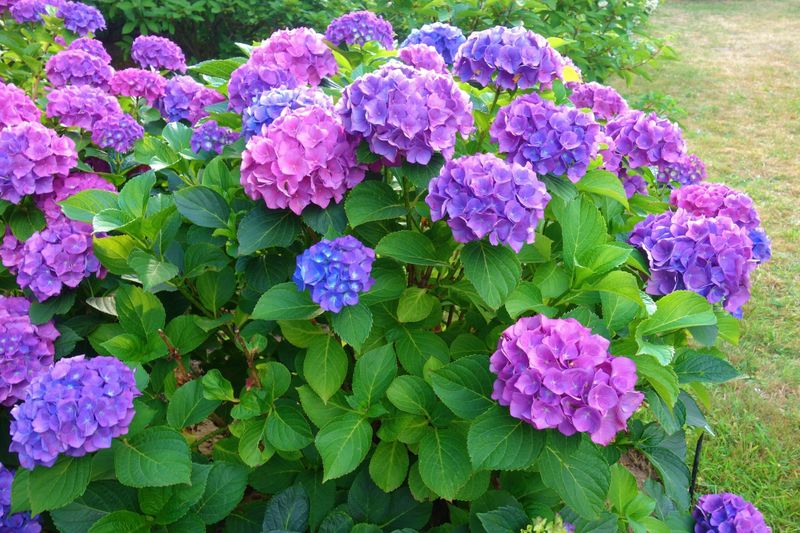
Few garden disappointments match the frustration of hydrangeas that refuse to bloom year after year. Hydrangea macrophylla sets its flower buds on old wood during late summer and fall.
Michigan’s unpredictable late frosts often damage or eliminate these precious buds before they can open.
Gardeners pamper these shrubs with careful placement, winter protection, and proper pruning, yet still see minimal flowering. The lush green foliage looks healthy, but the missing blooms leave gardens feeling incomplete.
This variety simply faces too many challenges in northern climates to perform reliably. Cold-hardy hydrangea varieties transform the growing experience completely.
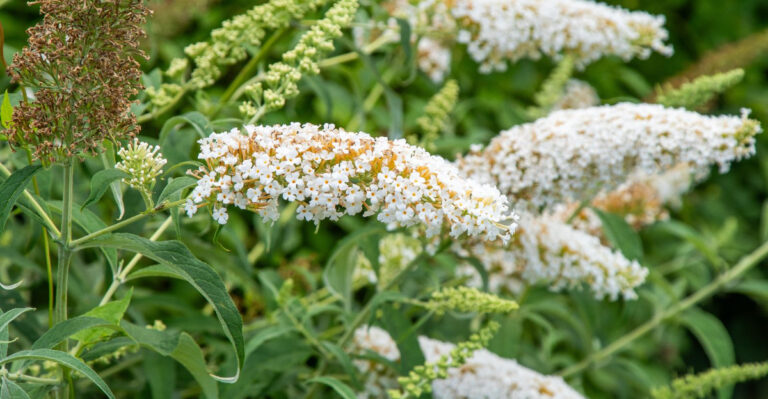
Panicle hydrangeas bloom on new wood produced each spring, guaranteeing flowers regardless of winter severity. Smooth hydrangeas like Annabelle also bloom reliably on current season’s growth.
These tougher alternatives provide the same romantic garden appeal without the disappointment. Their flowers appear predictably each summer, creating the display you’ve always wanted.
Many also offer stunning fall color and interesting winter seed heads for extended seasonal interest.
Switching to dependable bloomers changes your relationship with hydrangeas from frustrating to joyful.
Reliable flowering makes these shrubs garden stars rather than garden question marks. Your landscape deserves plants that deliver on their promise every single year.
4. English Ivy Because Of Invasive Growth
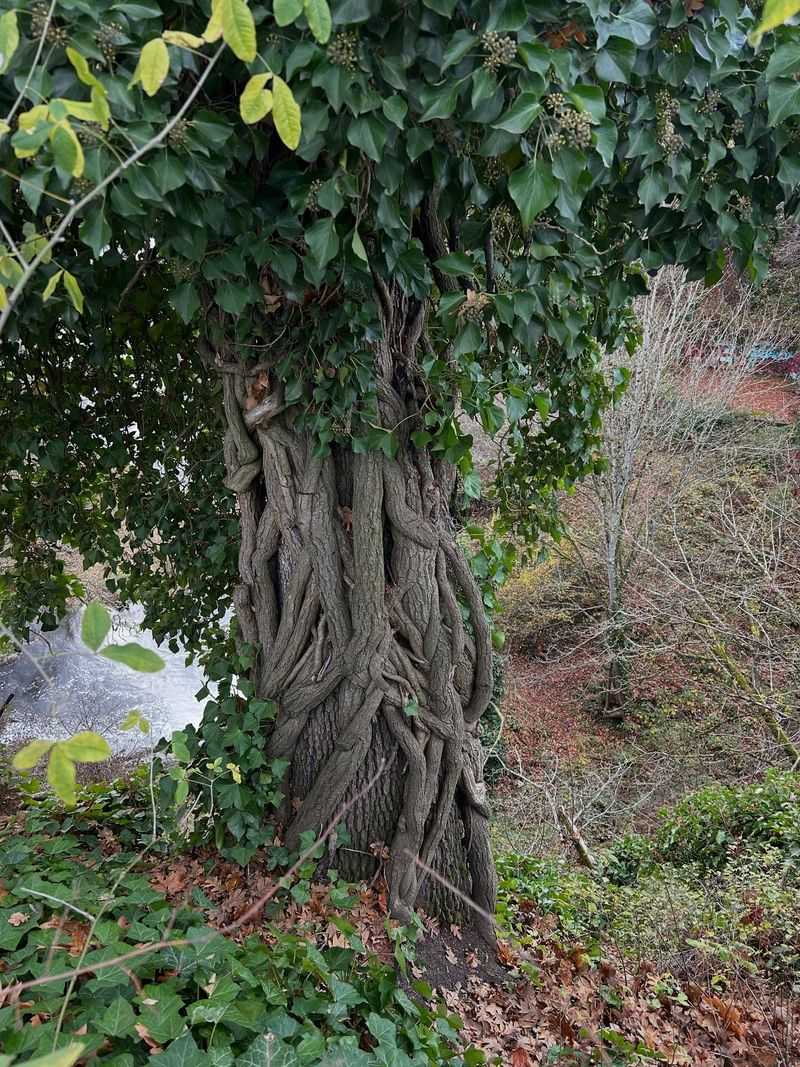
English ivy starts as an innocent groundcover but quickly becomes a garden nightmare. This aggressive grower spreads relentlessly across the ground, up trees, and over structures.
What seemed like a solution for bare spots transforms into a constant maintenance headache.
The thick mats smother native plants and prevent new growth from establishing. Ivy climbing trees blocks sunlight and adds dangerous weight to branches.
It damages building foundations, siding, and mortar as its rootlets burrow into every tiny crack. Removing established ivy requires serious effort and persistence. The roots regenerate from tiny fragments left in the soil.
Many homeowners simply want low-maintenance groundcover, not a plant that demands constant battle to keep under control.
Native alternatives like wild ginger or Pennsylvania sedge provide attractive groundcover without the aggression. These well-behaved plants fill spaces beautifully while supporting local wildlife.
They stay where you plant them and coexist peacefully with other garden residents. Replacing invasive ivy with appropriate groundcovers restores balance to your landscape. Native plants require less water, no fertilizer, and minimal maintenance once established.
Your garden becomes a healthier, more sustainable space that enhances rather than harms the local environment.
5. Japanese Barberry Due To Regulatory Concerns
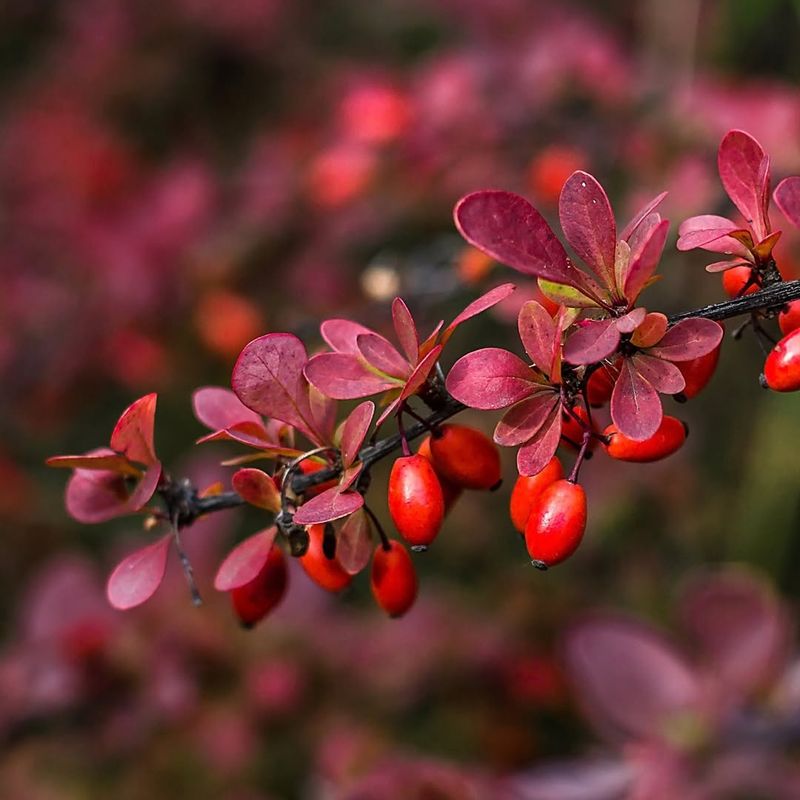
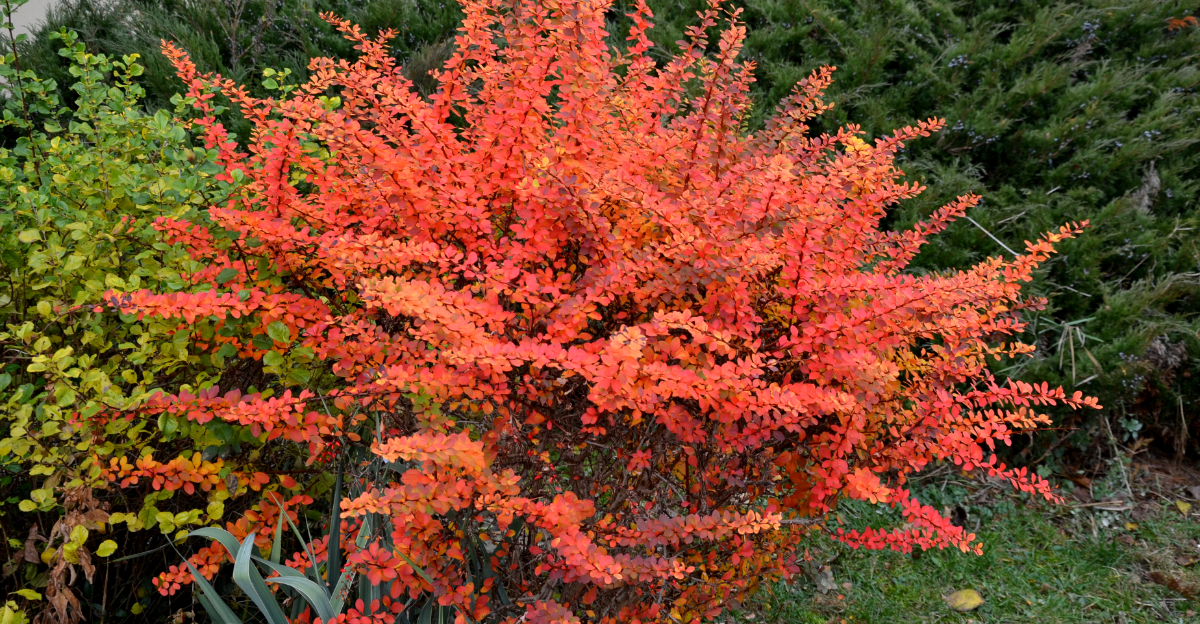
Japanese barberry once ranked among the most popular landscape shrubs for its compact size and colorful foliage. Times have changed as environmental concerns have caught up with this invasive plant.
Michigan and neighboring states have implemented regulations restricting or banning certain barberry cultivars.
These shrubs spread aggressively into natural areas, forming dense thickets that crowd out native species. Birds eat the berries and deposit seeds throughout woodlands and parks.
The resulting monocultures reduce biodiversity and alter forest ecosystems significantly. Research also links barberry thickets to increased tick populations, including those carrying Lyme disease.
The dense, humid microclimate under barberry branches creates ideal tick habitat. Homeowners concerned about family health find this connection particularly troubling.
Native alternatives like American cranberrybush viburnum offer similar compact growth with seasonal interest. Dwarf fothergilla provides gorgeous fall color without invasive tendencies.
These replacements enhance landscapes while supporting local ecology instead of harming it. Choosing non-invasive shrubs demonstrates environmental responsibility and complies with current regulations. Your landscape choices ripple beyond your property boundaries.
Selecting plants that benefit rather than damage natural areas makes you part of the solution to ecological challenges.
6. Lilac For Its Susceptibility To Disease
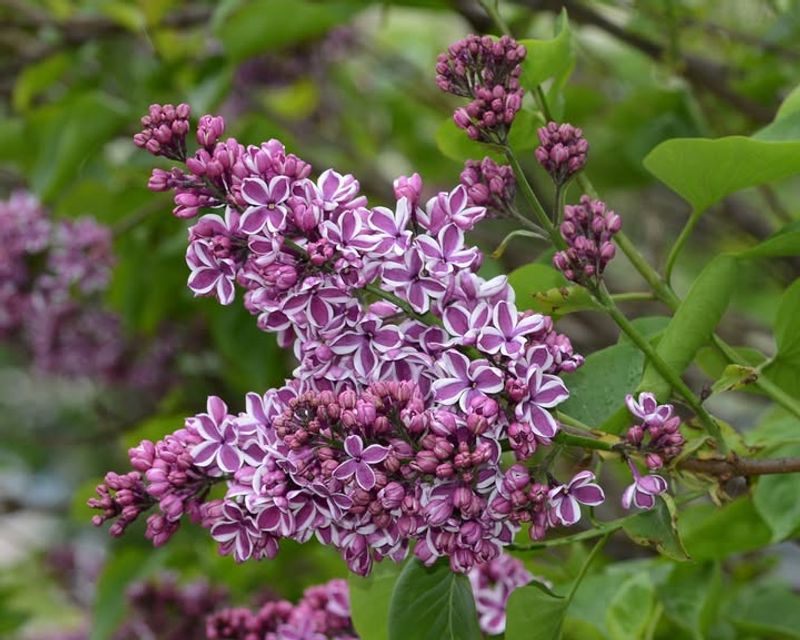
Grandma’s lilac bush bloomed beautifully for decades, but modern landscapes present different challenges. Older lilac varieties struggle with powdery mildew that coats leaves in ugly white fuzz by midsummer.
Bacterial blight causes branches to wilt and turn brown, creating unsightly dead zones throughout the shrub.
These disease issues intensify as lilacs age and become overcrowded. Poor air circulation and stress make older specimens increasingly vulnerable.
The once-glorious spring blooms become overshadowed by months of diseased, unattractive foliage.
Treating diseases requires regular fungicide applications and careful pruning, adding ongoing maintenance tasks. Many homeowners prefer spending garden time enjoying plants rather than doctoring sick ones.
The romantic appeal of lilacs diminishes when they demand constant attention. Disease-resistant cultivars bred specifically for modern gardens solve these problems beautifully.
Varieties like Bloomerang and Tinkerbelle offer improved health along with extended or repeat blooming. These newer selections maintain the beloved lilac fragrance while delivering better overall performance.
Upgrading to healthier lilac varieties preserves the tradition without the frustration. Your spring garden can still feature those iconic purple blooms and intoxicating scent.
Modern breeding has created options that honor lilac heritage while meeting contemporary expectations for low-maintenance beauty.
7. European Beech Because Of Poor Winter Hardiness
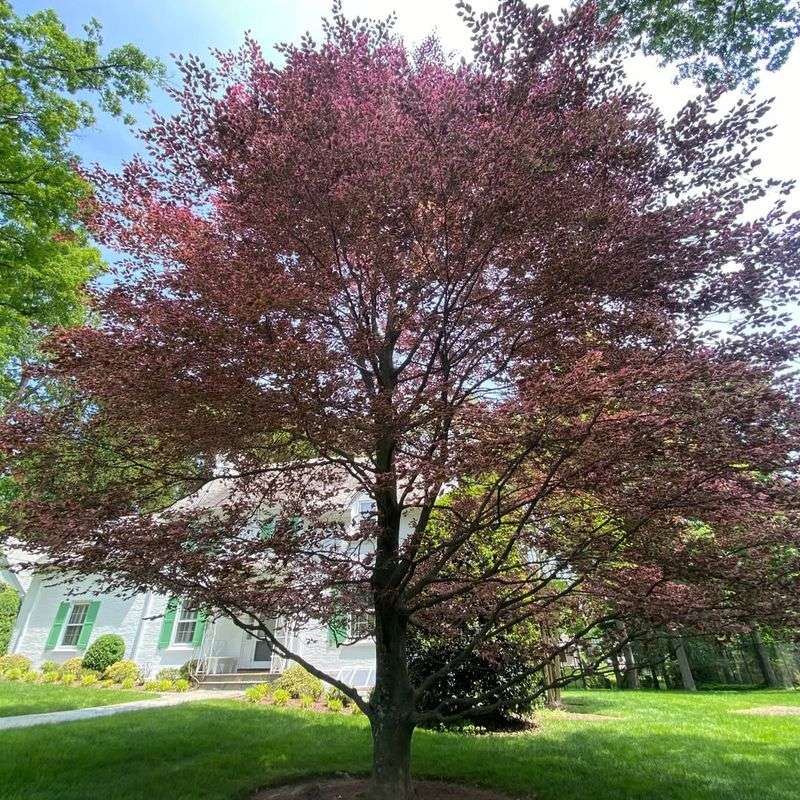
European beech trees create magnificent specimens in moderate climates but struggle mightily in Michigan winters. These elegant trees suffer significant damage during harsh cold snaps and late spring frosts.
Branch dieback and bark splitting mar their appearance and compromise their structural integrity.
Young trees prove particularly vulnerable, often failing to establish successfully despite careful planting and care. Even mature specimens show stress through thinning canopies and reduced vigor.
The investment in these impressive trees often ends in disappointment and removal. Temperature fluctuations cause the most damage as bark expands and contracts rapidly.
Sunscald on southwest-facing trunks creates wounds that invite disease and insect problems. These cumulative stresses shorten the tree’s lifespan considerably compared to its potential in warmer regions.
American beech and other cold-hardy native trees provide similar majesty without the vulnerability. Sugar maples offer comparable size and stunning fall color with proven Michigan hardiness.
These alternatives establish reliably and live long, healthy lives in local conditions. Selecting trees suited to Michigan’s climate zone ensures your landscape investment matures as planned.
Cold-hardy species handle temperature extremes without suffering damage or requiring special protection. Your shade trees should grow stronger each year, not struggle to survive each winter.
8. Daylily For Its Overcrowding And Reduced Bloom
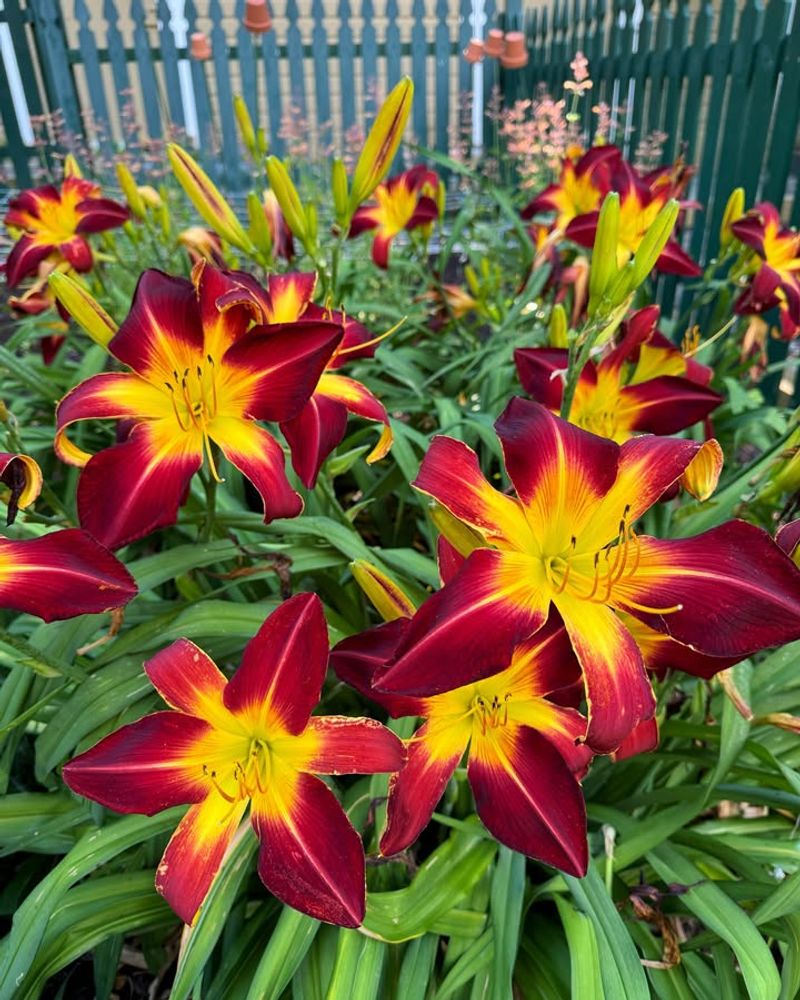
Daylilies earn their reputation as carefree perennials, but even these tough plants eventually demand attention. Established clumps become so congested that bloom production drops dramatically.
What once provided weeks of colorful flowers may produce only sparse blooms hidden among dense foliage.
The crowded roots compete intensely for water and nutrients, leaving none for flower production. Center portions of old clumps often weaken or stop growing entirely.
The overall appearance shifts from lush and floriferous to tired and overgrown. Division revitalizes daylilies, but the task requires significant physical effort. Digging and separating massive root clumps challenges even experienced gardeners.
Many homeowners prefer replacing exhausted clumps with fresh divisions or trying different perennials entirely.
Newer daylily cultivars with improved rebloom characteristics offer better long-term performance. Alternatively, exploring other easy perennials like coneflowers or black-eyed Susans brings fresh interest to garden beds.
These alternatives also support pollinators more effectively than daylilies. Refreshing tired perennial beds restores the abundant blooms you remember from earlier years.
Whether dividing existing plants or trying new varieties, renewal brings energy back to your landscape.
Your garden should provide continuous beauty without requiring Herculean maintenance efforts every few years.
9. Box Elder Due To Weak Structure And Messy Seedpods
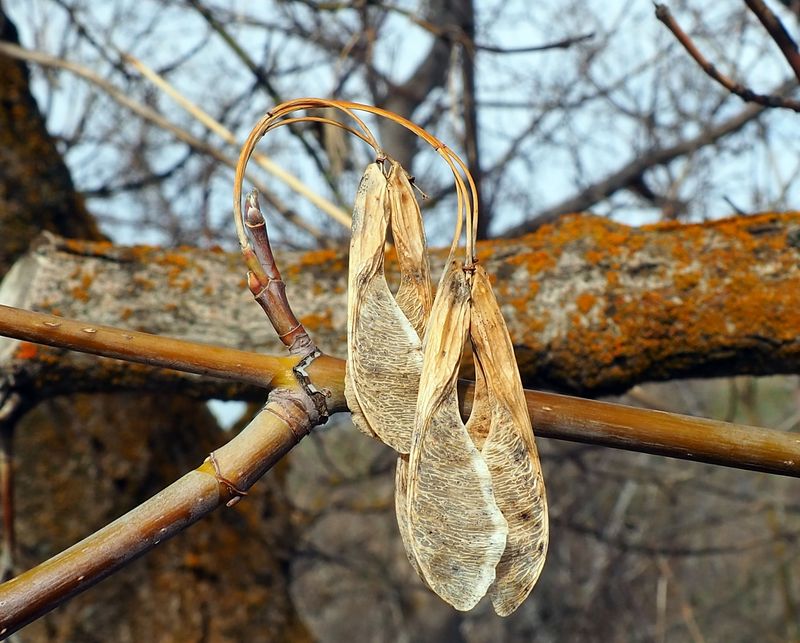
Box elder trees grow remarkably fast, which seems appealing until you experience the consequences. This rapid growth produces weak, brittle wood that breaks easily in storms and heavy snow.
Fallen branches create constant cleanup work and potential damage to property or vehicles.
The tree’s seedpods create another significant nuisance, carpeting lawns and gardens in spring. These helicopter-shaped seeds germinate enthusiastically, producing countless unwanted seedlings throughout your yard.
The mess continues through summer as twigs and small branches drop regularly. Box elder bugs congregate on these trees in huge numbers, then invade homes seeking winter shelter.
The combination of weak structure, messy habits, and pest attraction makes this tree more trouble than it’s worth. Most homeowners eventually tire of the ongoing maintenance demands and insect issues.
Ornamental maples like red sunset or autumn blaze provide beautiful form without the problems. These cultivars offer stunning fall color, stronger branch structure, and far less mess.
They grow at a reasonable pace that produces durable wood capable of withstanding Michigan weather.
Replacing problematic trees with quality ornamental varieties transforms your landscape experience. Strong, attractive trees enhance property value and require minimal maintenance.
Your yard becomes a source of pride rather than a source of constant chores and frustration.
10. Hostas Because Of Deer And Slug Damage
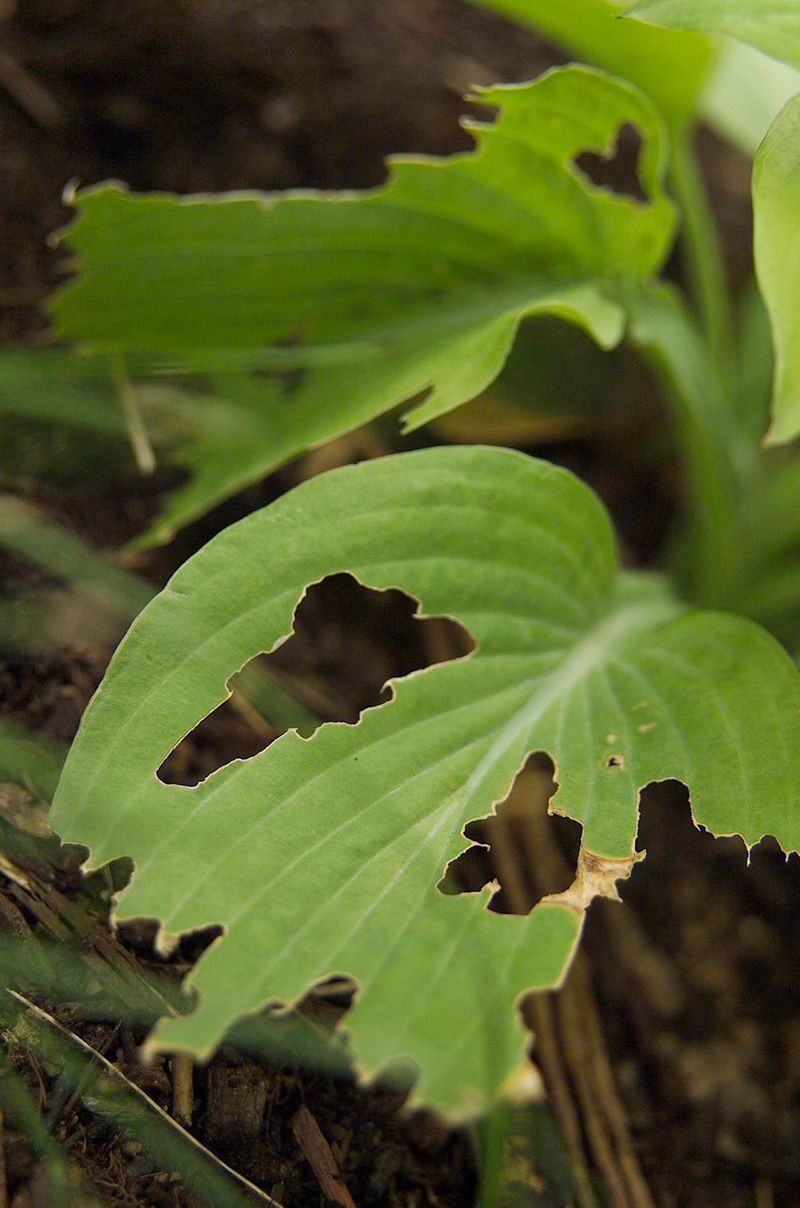
Hostas reign as shade garden royalty until deer discover your landscape. These perennials rank among deer’s favorite foods, often getting munched to ground level overnight.
What should be lush foliage mounds become sad stems, ruining your carefully planned shade garden design.
Slugs add insult to injury by riddling remaining leaves with holes. The combination of deer browsing and slug damage leaves hostas looking terrible through most of the growing season.
Protecting them requires netting, repellents, or slug bait applications that add expense and effort.
Many gardeners grow frustrated maintaining the constant defense required to keep hostas attractive. The battle against pests overshadows any enjoyment these plants might provide.
Shade gardens should offer peaceful retreats, not ongoing warfare with wildlife and insects.
Native shade lovers like wild ginger, Solomon’s seal, and ferns provide beautiful foliage without attracting pests. These alternatives establish naturally in woodland conditions and require virtually no maintenance.
Deer typically pass them by, and slugs show little interest in their tougher leaves. Switching to pest-resistant shade plants restores peace to your garden. Native options support local ecosystems while looking beautiful season after season.
Your shade garden can finally become the low-maintenance sanctuary you envisioned from the beginning.
11. Forsythia Due To Floppy Growth And Short Lifespan
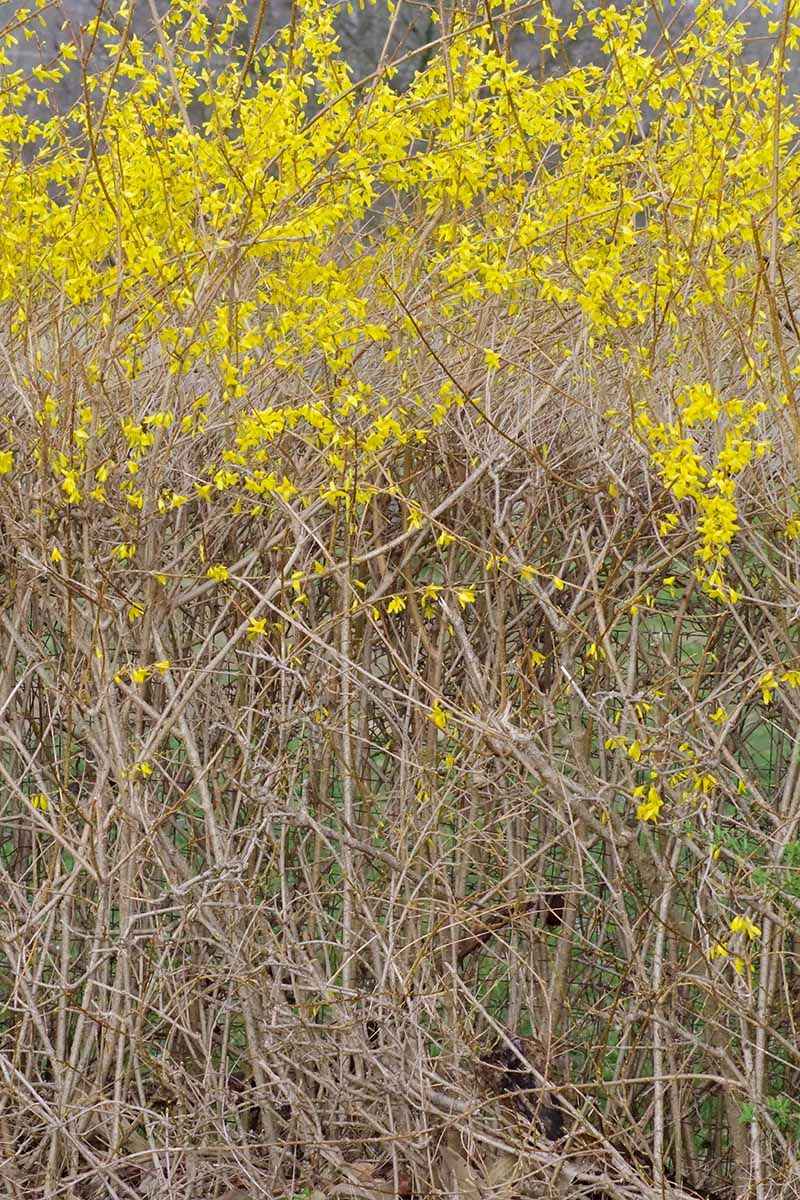
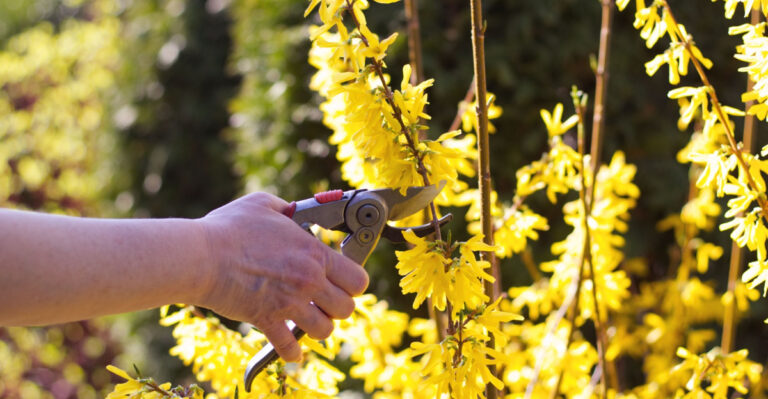
Forsythia bursts into brilliant yellow bloom each spring, announcing winter’s end with cheerful fanfare. Unfortunately, that brief moment of glory gets followed by months of ungainly, floppy growth.
The long, arching branches sprawl awkwardly and require frequent pruning to maintain any semblance of shape.
Older forsythia shrubs become increasingly leggy with bare lower branches and blooms only at the tips. They take up significant space while providing little visual interest for most of the year.
The maintenance required to keep them looking decent outweighs their brief spring show. These shrubs also have relatively short productive lifespans compared to other landscape plants. After fifteen or twenty years, they often decline noticeably despite pruning efforts.
Many homeowners decide the annual pruning chore and declining appearance aren’t worth the fleeting spring color.
Cold-hardy shrubs like spicebush or serviceberry offer similar early spring interest with better year-round structure. Witch hazel blooms even earlier with fascinating flowers and gorgeous fall foliage.
These alternatives provide multiple seasons of beauty without demanding constant shaping and maintenance.
Upgrading to multi-season shrubs makes landscapes more interesting throughout the year. Your spring color can come from plants that also contribute summer flowers, fall foliage, or winter berries.
Better plant choices mean more beauty with less work and greater long-term satisfaction.
12. Arborvitae ‘Emerald Green’ Because Of Winter Browning
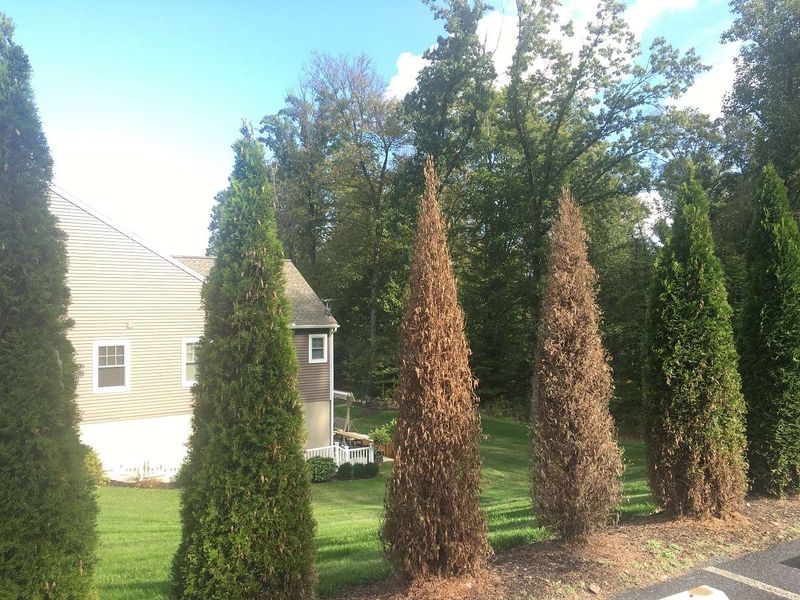
Emerald Green arborvitae promise compact, elegant evergreen screening that looks perfect in photographs. Michigan winters often tell a different story as these trees develop unsightly brown patches.
Winter burn from harsh winds and bright sun on frozen foliage creates damage that takes months to outgrow.
Desiccation occurs when evergreen foliage loses moisture faster than roots can replace it from frozen ground. The southwest sides of these trees typically suffer the worst damage.
Some trees recover by summer, but others show permanent brown sections that ruin their uniform appearance.
Homeowners invest in these arborvitae expecting neat, green screens that look good year-round. Instead, they get brown eyesores through winter and spring that defeat the purpose of evergreen planting.
Even with anti-desiccant sprays and burlap wrapping, damage often occurs during particularly harsh winters.
Winter-hardy cultivars specifically bred for northern climates handle Michigan conditions much better. Varieties like North Pole arborvitae show improved cold tolerance with less browning.
Alternatively, native white cedar provides similar form with natural adaptation to local climate extremes.
Choosing truly cold-hardy evergreens eliminates the annual worry about winter damage. Your screening plants should look attractive every single month, not just during the growing season.
Reliable performers give you the beautiful, consistent landscape you deserve without the disappointment of winter browning.