10 Michigan Native Plants To Plan Your Spring Garden Around
The best spring gardens in Michigan start with plants that already know the seasons. As winter fades and the soil begins to loosen, many gardeners start planning what will bring their landscape back to life.
Native plants often become the first choice because they grow naturally in Michigan’s climate, handling cool springs, summer heat, and shifting weather without demanding constant care.
These plants do more than fill space with color. They support pollinators, improve soil stability, and return year after year with reliable growth.
Early blooms help wake the garden after winter, while sturdy foliage and seasonal flowers keep the landscape active well into warmer months. Many also require less watering and fewer treatments once established, making spring gardening feel far more manageable.
Building a garden around native plants creates a landscape that feels balanced, resilient, and perfectly suited to Michigan’s natural rhythm as the growing season begins.
1. Virginia Bluebells (Mertensia Virginica)
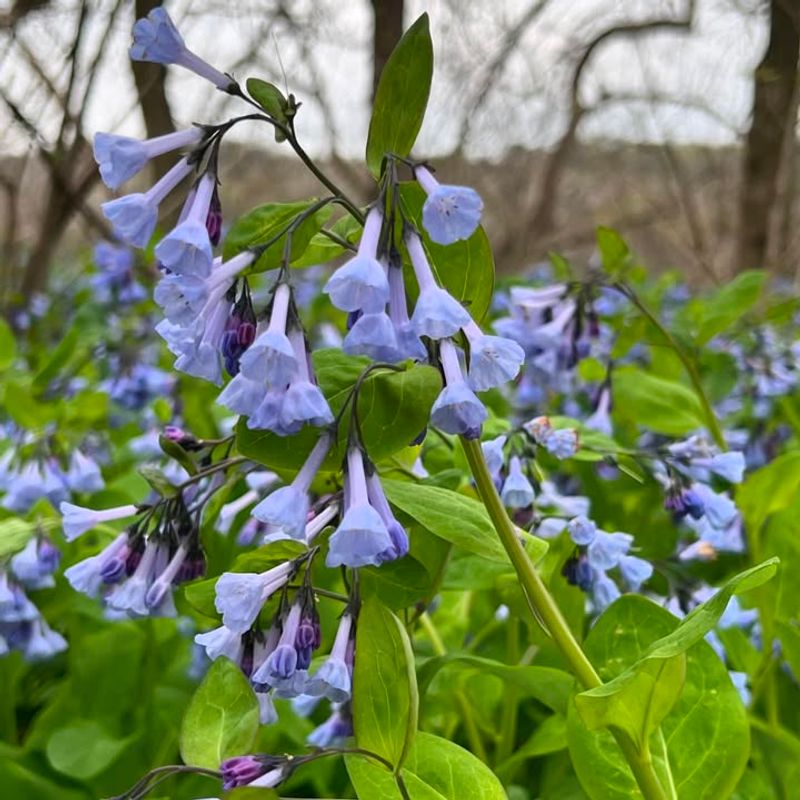
Pink buds unfurl into sky-blue bells each April, transforming shaded areas into enchanting woodland scenes. Virginia bluebells emerge early, bloom spectacularly, then disappear by midsummer as foliage yellows and retreats underground.
This ephemeral nature makes them perfect companions for hostas or ferns, which fill the space as bluebells go dormant.
Partial to full shade suits them best, particularly under deciduous trees. They bloom before trees leaf out fully, capturing spring sunlight.
Moist, rich soil encourages robust growth and abundant flowering. Add compost or leaf mold when planting to mimic their native woodland habitat.
Plant bulbs or potted plants in fall for spring blooms. Space them six inches apart in drifts of at least a dozen for visual impact.
They self-seed readily in favorable conditions, naturalizing into larger colonies over years. Mark their location to avoid disturbing dormant plants during summer gardening.
Height reaches twelve to twenty-four inches during their brief appearance. The blue flowers provide early nectar for emerging bees and butterflies.
Their delicate appearance belies surprising cold tolerance, with blooms unfazed by late spring frosts. Combine them with trilliums and wild ginger for a complete woodland garden.
Avoid disturbing the soil around established plants. They resent transplanting once settled, so choose locations carefully.
The foliage feeds the bulbs for next year before vanishing, so resist cutting it back early despite its yellowing appearance.
2. Black-Eyed Susan (Rudbeckia Hirta)
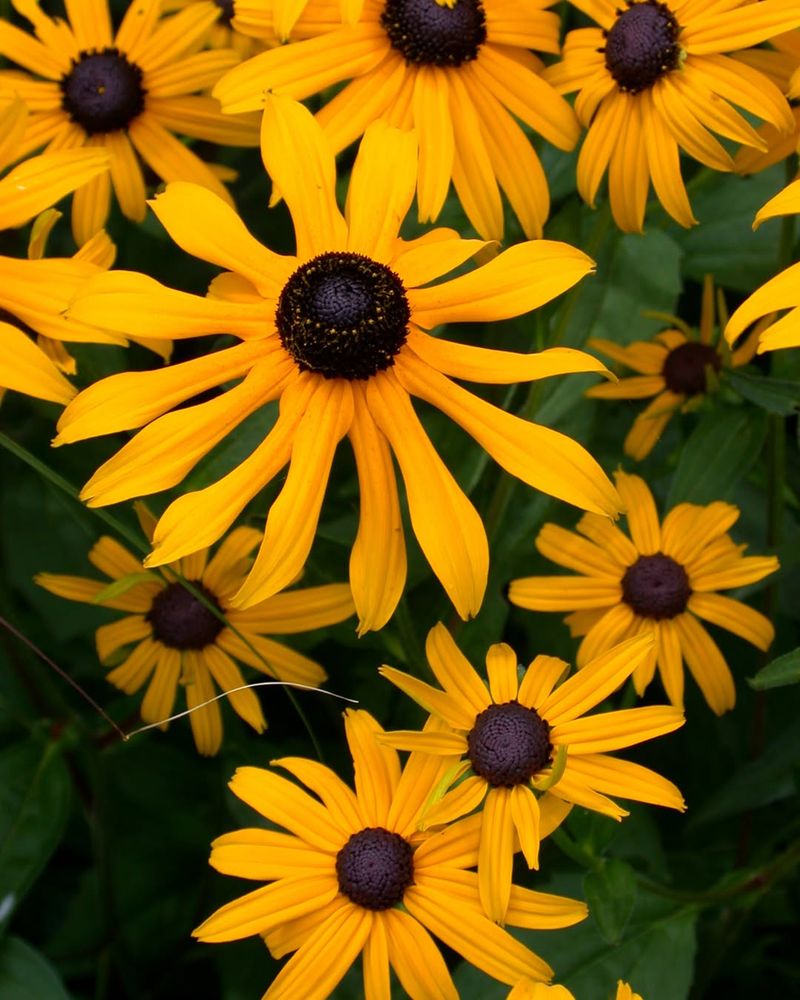
Sunny yellow petals surrounding chocolate-brown centers make black-eyed Susans one of the most recognizable wildflowers across Michigan. Plant them in spring, and they’ll reward you with cheerful blooms from June through September.
Their long flowering season means constant color when many other plants have finished blooming.
Gardeners love how forgiving these flowers are. They tolerate clay soil, sandy soil, and everything in between.
Drought doesn’t bother them once established, making them perfect for low-maintenance landscapes. Full sun brings out their best performance, though they’ll accept partial shade without complaint.
Pollinators flock to these golden beauties throughout summer. Bees gather pollen while butterflies sip nectar from the central cones.
Goldfinches visit in fall to feast on the seed heads, providing entertainment well into autumn. Leave the stems standing through winter for continued bird feeding.
Height ranges from one to three feet depending on growing conditions. Space plants eighteen inches apart for a natural meadow look.
They self-seed readily, creating drifts of color over time. Divide clumps every three years to maintain vigor and prevent overcrowding.
Combine them with purple coneflowers and ornamental grasses for a prairie-style border. Their sturdy stems rarely need staking.
Cut flowers last well in vases, bringing that sunny garden feeling indoors throughout the growing season.
3. Wild Bergamot (Monarda Fistulosa)
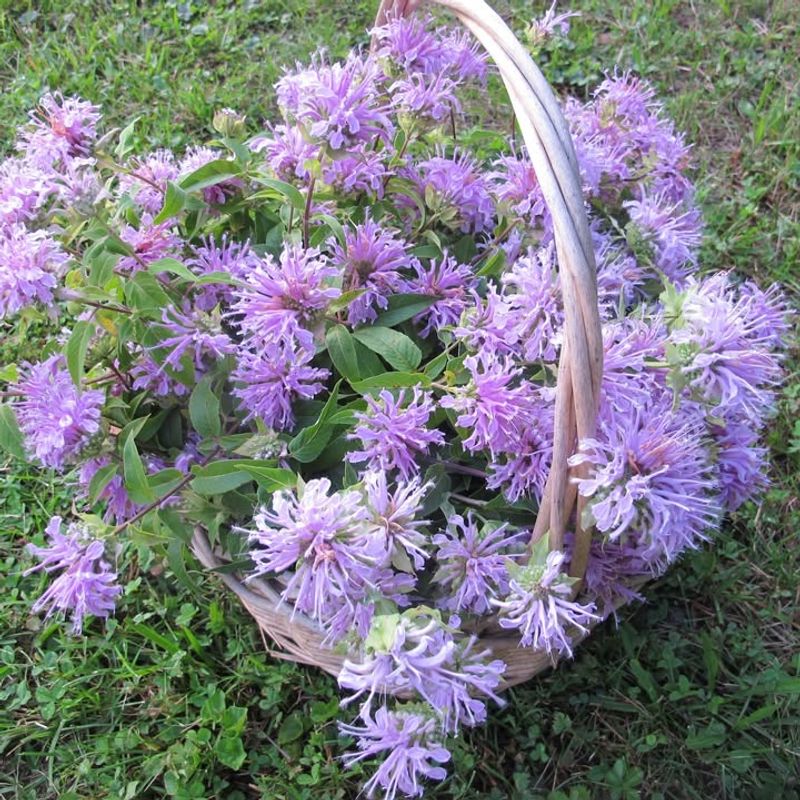
Lavender blooms crown tall stems from June through August, releasing a minty fragrance when brushed or crushed. Wild bergamot creates stunning drifts in sunny gardens while asking for minimal care.
Hummingbirds hover at the tubular flowers, their long beaks perfectly suited to reach hidden nectar. Bees and butterflies join the feeding frenzy throughout summer.
Full sun to partial shade works equally well for this adaptable native. Average to dry soil conditions suit it perfectly, making it ideal for areas where other plants struggle.
Once established, it handles drought without missing a beat. Avoid overwatering, which can lead to mildew on lower leaves.
Height varies from two to four feet depending on moisture and sunlight. Plants spread gradually through underground runners, forming colonies over time.
This growth habit makes them excellent for naturalizing in meadow gardens. Space initial plantings two feet apart and let them fill in naturally.
The aromatic foliage deters deer and rabbits from browsing. Pick leaves for tea or dry them for sachets.
Flowers attract more pollinator species than almost any other native plant. Their long bloom period provides consistent nectar when many spring flowers have faded.
Combine wild bergamot with prairie smoke and butterfly weed for textural contrast. Cut stems back by half in early June for bushier growth and later blooms. Divide clumps every three years to maintain vigor and control spread.
4. Purple Coneflower (Echinacea Purpurea)
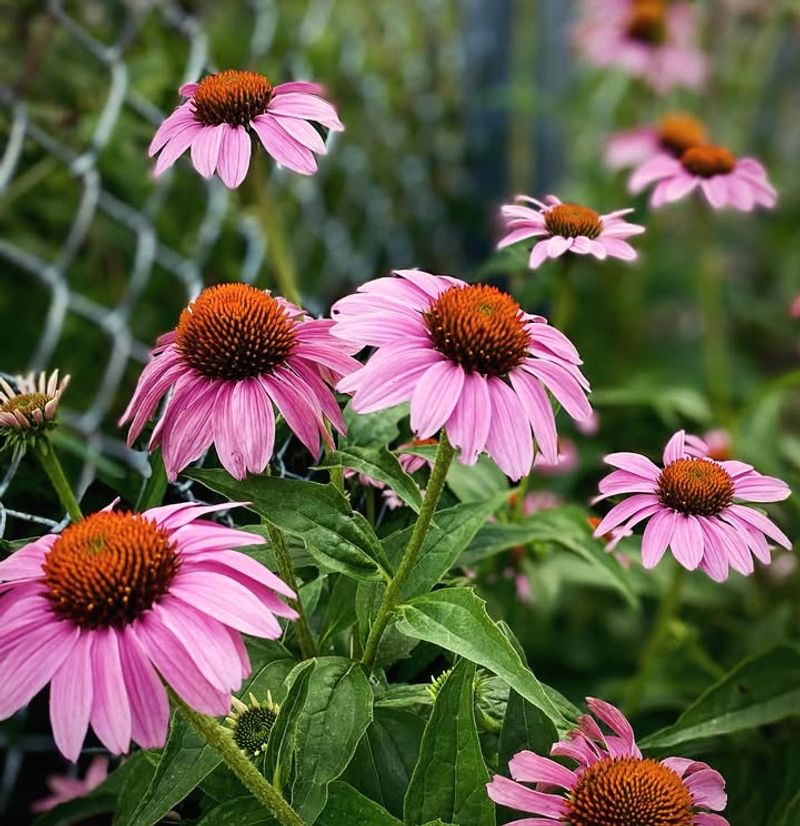
Bold pink-purple petals droop gracefully around spiky orange cones, creating architectural interest from July through September. Purple coneflowers bring both beauty and purpose to Michigan gardens.
Their sturdy presence anchors mixed borders while providing crucial resources for wildlife. Native Americans used them medicinally, and modern gardeners appreciate their reliability.
Plant them where they’ll receive at least six hours of sunlight daily. Well-drained soil suits them best, though they adapt to various conditions once roots establish.
Water regularly the first season, then let nature take over. Mature plants handle dry spells without wilting or complaining.
Butterflies, especially monarchs and swallowtails, visit constantly during peak bloom. Bumblebees work the flowers methodically, covering themselves in pollen.
The seed heads attract goldfinches and chickadees from late summer through winter. Resist cutting back spent blooms if you want to feed feathered friends.
Growth reaches two to four feet tall with similar spread. Space plants eighteen to twenty-four inches apart for good air circulation.
Deadheading encourages additional flowering, though it reduces seed production for birds. Choose between continuous blooms or winter bird food based on your priorities.
Pair them with black-eyed Susans and wild bergamot for a pollinator paradise. They rarely suffer from pests or diseases.
Their vertical form contrasts beautifully with rounded plants like catmint or spreading groundcovers.
5. Wild Columbine (Aquilegia Canadensis)
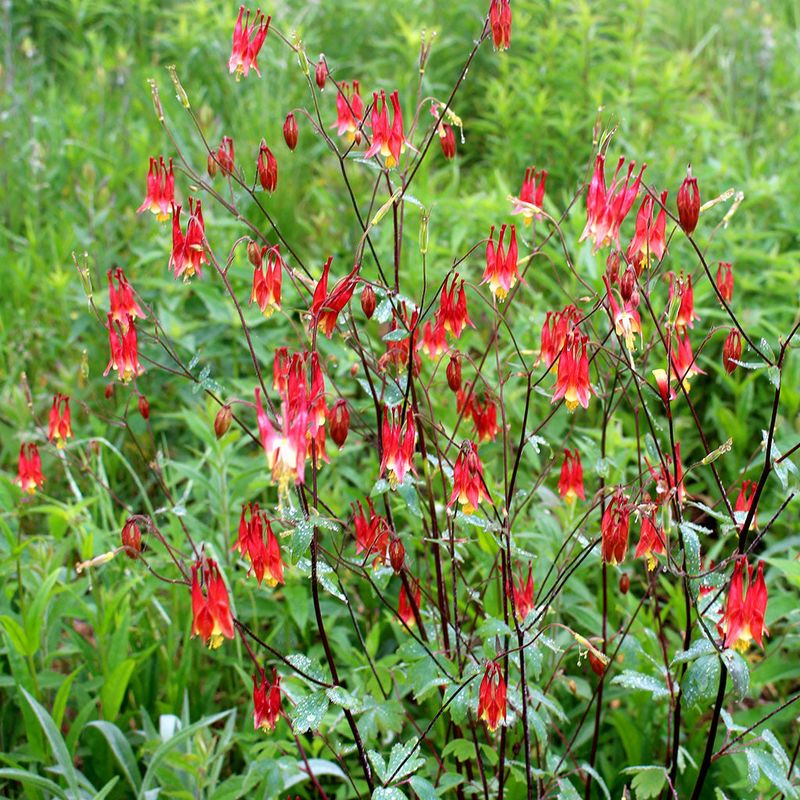
Red petals tipped with yellow spurs dangle like tiny lanterns from graceful stems each May and June. Wild columbine brings hummingbirds to Michigan gardens like few other plants can.
The long nectar spurs evolved specifically for ruby-throated hummingbirds, whose beaks fit perfectly inside. Watch these aerial acrobats hover and feed throughout the blooming period.
Adaptable to sun or partial shade, columbines thrive in various garden spots. Rocky or sandy soil doesn’t deter them, making them suitable for challenging locations.
Good drainage matters more than soil richness. They self-seed generously, popping up in unexpected places like rock walls or between paving stones.
Growth reaches one to three feet tall with airy, branching stems. The blue-green foliage resembles maidenhair fern and remains attractive after flowers fade.
Plant them twelve to eighteen inches apart in groups of three or more. Bumblebees sometimes chew holes in the spurs to steal nectar, a fascinating behavior to observe.
Leaf miners occasionally create squiggly trails in foliage but rarely harm plant health. Simply remove affected leaves for appearance.
Allow some seed heads to mature for self-sowing and goldfinch food. Fresh seeds germinate more reliably than stored ones, so scatter them immediately after collection.
Pair wild columbine with ferns and foamflower in woodland edges. Their delicate appearance contrasts beautifully with bold hostas. The flowers make charming additions to small bouquets, though they’re almost too pretty to cut.
6. New England Aster (Symphyotrichum Novae-Angliae)
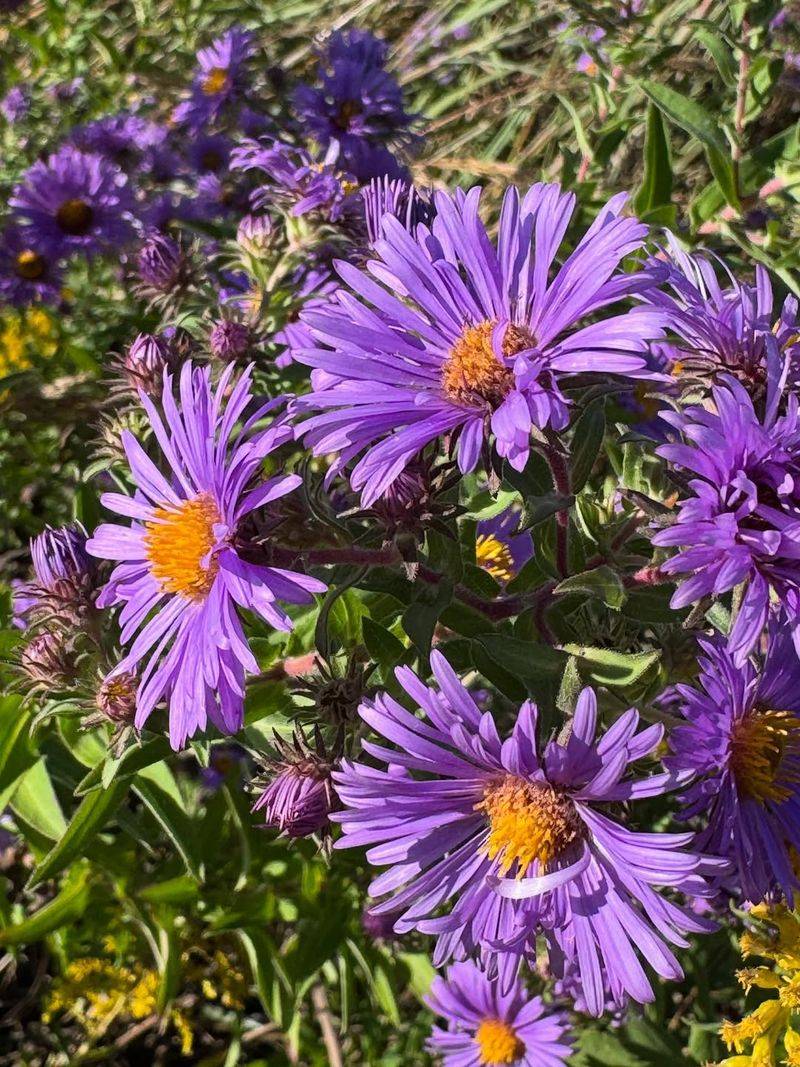
Purple daisy-like flowers smother stems from August through October, providing critical late-season nectar when many plants have finished blooming. New England asters shine brightest in fall, their vibrant color rivaling any chrysanthemum.
Monarch butterflies fuel up on their nectar before migrating south. Other pollinators depend on these blooms as summer flowers fade.
Full sun brings the most flowers, though plants tolerate light shade. Average to moist soil keeps them happiest, though established plants handle brief dry periods.
They grow naturally in meadows and along roadsides throughout Michigan. Space plants two to three feet apart, as they spread into substantial clumps.
Height can reach six feet in ideal conditions, though most gardens see three to five feet. Pinch stems back by one-third in early June for bushier growth and more flowers.
This also reduces height and prevents flopping. Skip pinching if you prefer taller, more natural-looking plants and don’t mind staking.
The flowers close at night and on cloudy days, an interesting quirk. Colors range from deep purple to pink and occasionally white.
Goldfinches feast on seeds through winter if you leave stems standing. Cut back in early spring before new growth emerges.
Combine them with goldenrod for classic fall color combinations. Powdery mildew sometimes affects lower leaves but doesn’t harm overall health. Plant them toward the back of borders where their height provides backdrop for shorter plants.
7. Prairie Smoke (Geum Triflorum)
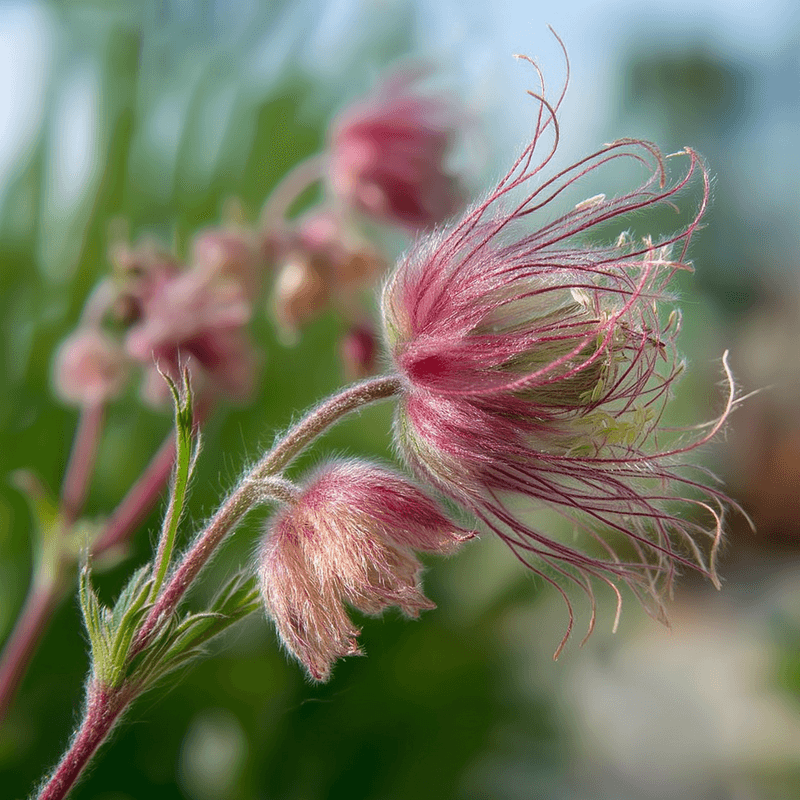
Nodding pinkish-red flowers appear in May, followed by extraordinary feathery seed heads that resemble wisps of smoke rising from the ground. Prairie smoke earns its common name from these distinctive plumes, which persist for weeks in early summer.
The fernlike foliage forms low mats that remain semi-evergreen through winter, providing year-round interest in garden beds.
Well-drained soil is essential for success with this charming native. It tolerates poor, sandy, or rocky conditions better than rich, moist soil.
Full sun to partial shade both work, though flowering improves with more sunlight. Once established, it handles drought exceptionally well, making it perfect for low-water landscapes.
Plants grow only six to twelve inches tall, making them ideal for front borders or rock gardens. Space them twelve to fifteen inches apart for groundcover effect.
They spread slowly through underground runners, never becoming aggressive or invasive. The unique seed heads add textural interest that photographs beautifully backlit by morning or evening sun.
Bees visit the flowers for pollen and nectar. The seeds feed small birds and provide nesting material with their fluffy plumes.
Deer typically avoid browsing the foliage. Combine prairie smoke with wild lupine and butterfly weed for a stunning native prairie garden.
Divide clumps in early spring if they outgrow their space. The burgundy-tinted foliage looks attractive even when plants aren’t blooming.
Avoid heavy mulching, which can smother the low-growing rosettes. This plant deserves wider use in Michigan gardens for its unique beauty.
8. Foamflower (Tiarella Cordifolia)
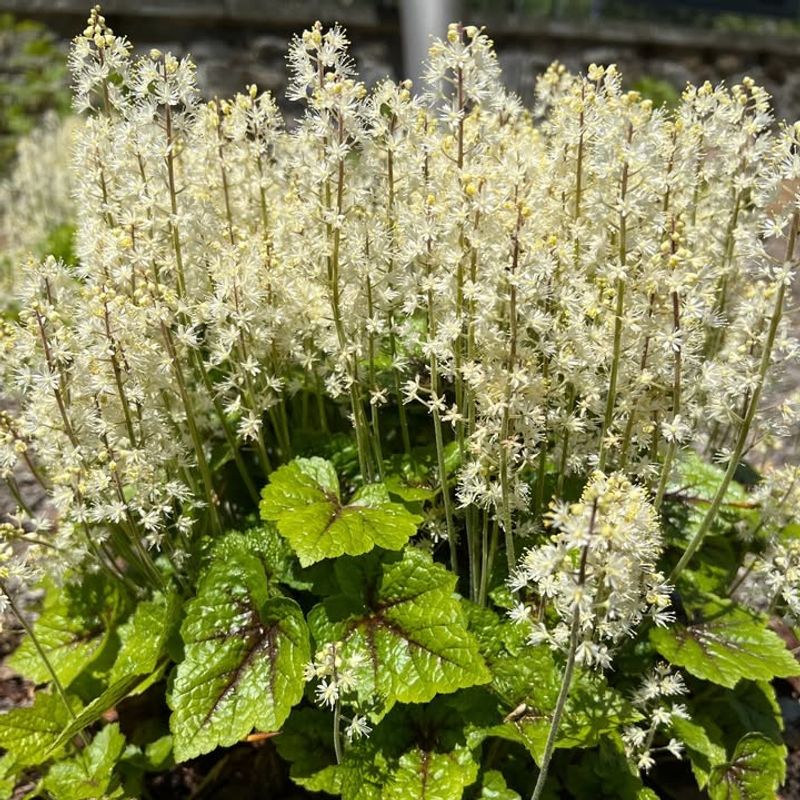
White flower spikes resembling tiny bottle brushes rise above heart-shaped leaves each April and May. Foamflower creates lush carpets in shaded areas where grass struggles to grow.
The delicate blooms appear frothy and light, giving the plant its descriptive common name. Maple-like leaves often develop burgundy markings, especially in cooler weather, adding subtle color to shaded gardens.
Shade-loving by nature, foamflower thrives under trees and along north-facing walls. Moist, humus-rich soil produces the healthiest growth and most abundant flowering.
Consistent moisture matters more than fertilizer for these woodland natives. They spread gradually through runners, forming dense mats that suppress weeds naturally.
Plants reach only six to twelve inches tall, making them perfect edging or groundcover choices. Space them twelve inches apart for relatively quick coverage.
The semi-evergreen foliage looks attractive through winter in protected locations. Native bees and small butterflies visit the flowers for nectar and pollen.
Combine foamflower with Virginia bluebells and wild ginger for a complete shade garden. They work beautifully along woodland paths or surrounding hostas.
Divide clumps every few years to rejuvenate growth and create new plants. Simply separate rooted sections and replant immediately.
Slug damage occasionally affects foliage in very moist conditions. Remove affected leaves and improve air circulation if this becomes problematic.
The flowers make delicate additions to small spring arrangements. Overall maintenance requirements remain minimal, making foamflower an excellent choice for busy gardeners seeking reliable shade solutions.
9. Butterfly Weed (Asclepias Tuberosa)
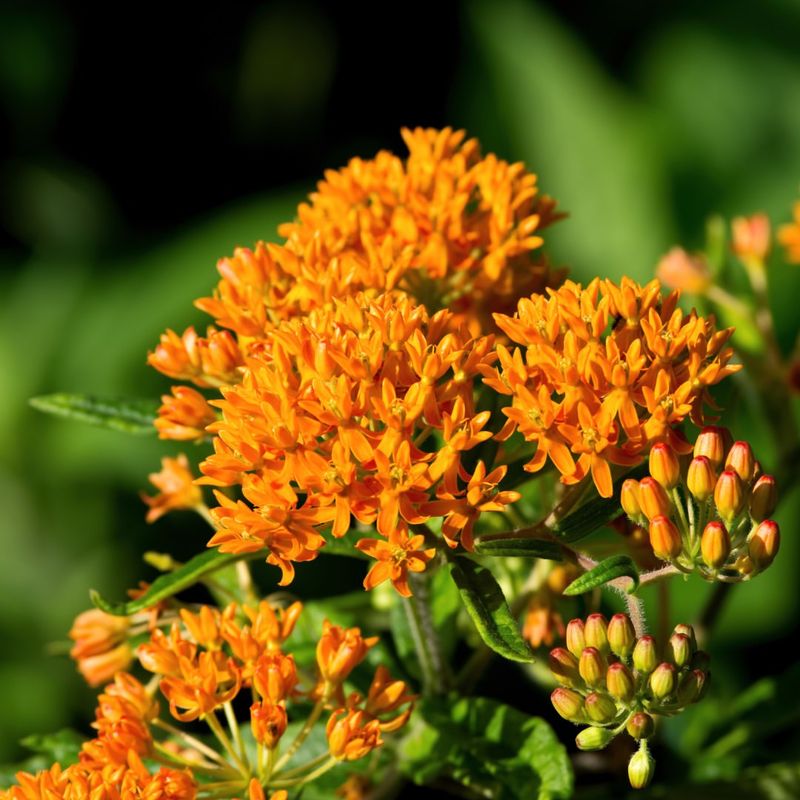
Brilliant orange flower clusters practically glow in summer sunlight, attracting monarchs and other butterflies from June through August.
Butterfly weed serves as both nectar source and host plant for monarch caterpillars, making it essential for supporting declining butterfly populations.
The vibrant color adds tropical flair to native gardens while requiring minimal care once established.
Full sun and well-drained soil create ideal conditions for this milkweed relative. Unlike other milkweeds, it produces no milky sap and features a deep taproot that makes it drought-tolerant.
Sandy or rocky soil doesn’t deter it. Avoid transplanting established plants, as disturbing the taproot often proves fatal.
Height ranges from one to two feet with similar spread. Plant them fifteen to eighteen inches apart in groups for maximum butterfly appeal.
Seedpods split open in fall, releasing silky-tufted seeds that float on the breeze. Collect pods before they open if you want to control spreading or share seeds with friends.
Monarch caterpillars may completely defoliate plants, but this is success, not failure. The plants typically recover and produce new growth.
Aphids sometimes cluster on stems but rarely cause serious harm. Simply spray them off with water or tolerate them as food for ladybugs.
Pair butterfly weed with purple coneflowers and black-eyed Susans for a pollinator magnet border. The flowers last well in arrangements.
Late emergence in spring is normal, so mark locations to avoid accidental disturbance during early season cleanup.
10. Wild Lupine (Lupinus Perennis)
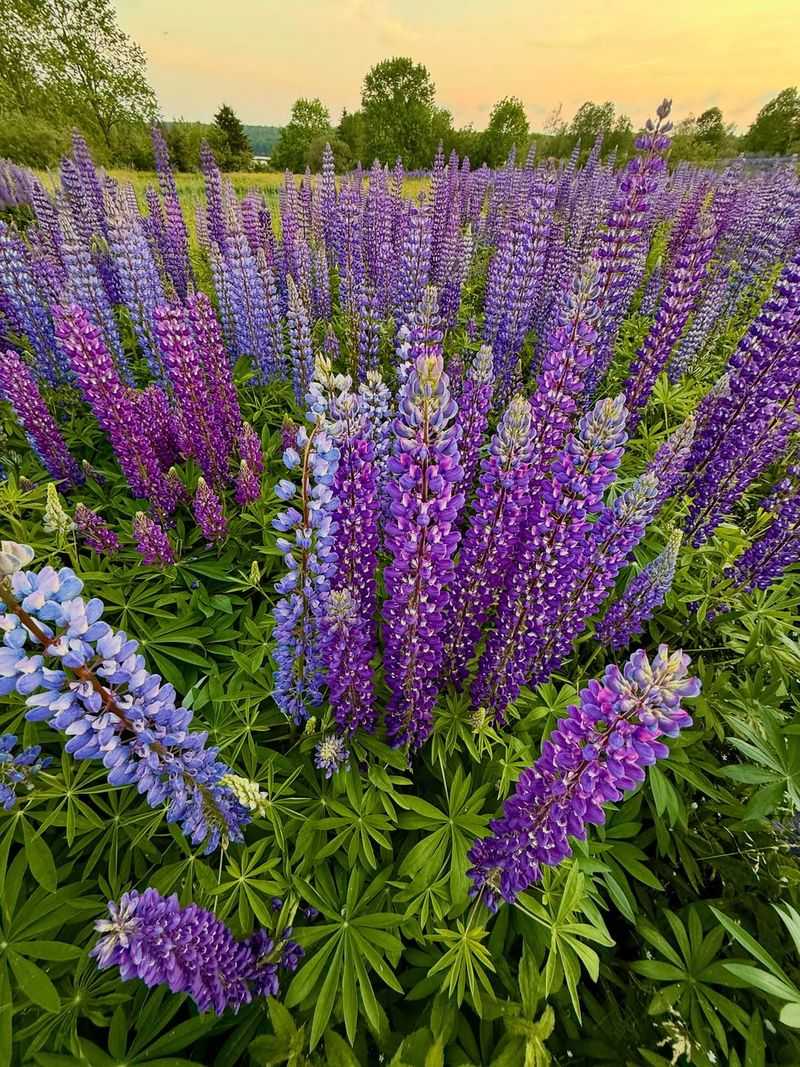
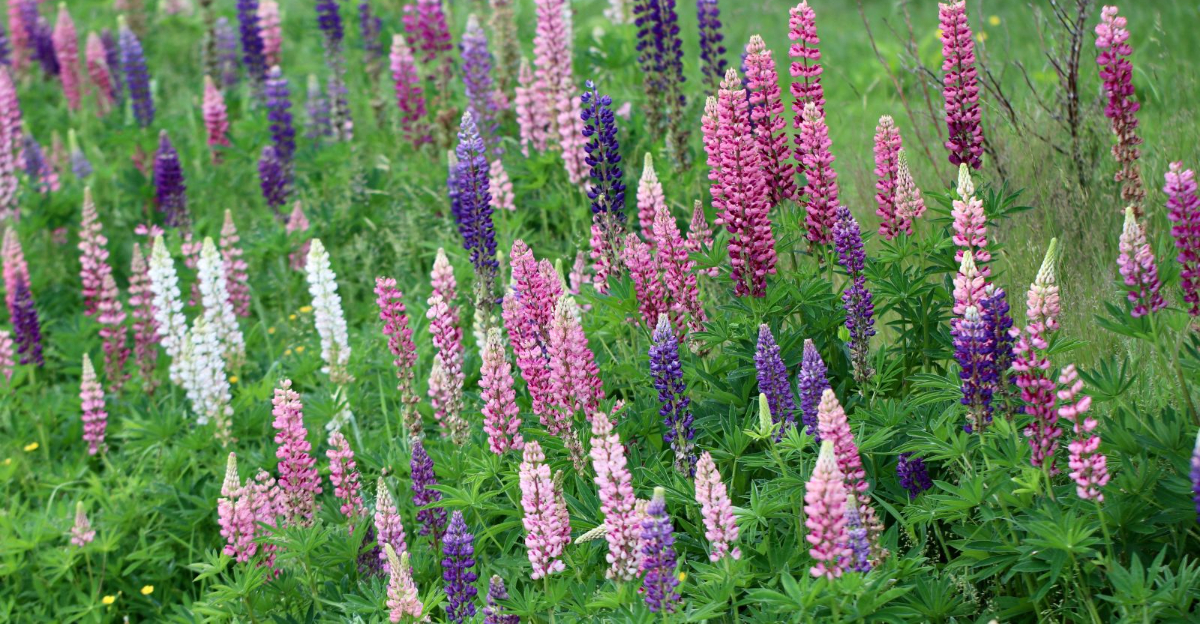
Purple-blue flower spikes stand tall from May through June, creating stunning vertical accents in spring gardens. Wild lupine brings classic cottage garden charm while supporting native wildlife.
The Karner blue butterfly depends exclusively on this plant for larval food, making it crucial for conservation efforts. Bees work the flowers methodically, starting at the bottom and moving upward as blooms open.
Well-drained, sandy, or gravelly soil suits wild lupine perfectly. Rich soil actually discourages flowering and promotes excessive foliage growth.
Full sun produces the most blooms, though plants tolerate light shade. Like other legumes, lupines fix nitrogen in soil, actually improving conditions for neighboring plants.
Growth reaches twelve to twenty-four inches tall with palm-shaped leaves adding textural interest. Space plants eighteen inches apart in drifts of at least five for visual impact.
They develop deep taproots that make transplanting difficult, so choose locations carefully. Start from seed or purchase small container plants for best establishment success.
Flowers come in shades of blue, purple, and occasionally pink or white. Deadheading extends the bloom period slightly, though plants naturally finish flowering by early summer.
Allow some seed pods to mature for self-sowing and bird food. The seeds are toxic if consumed, so keep this in mind around curious pets or children.
Combine wild lupine with prairie smoke and black-eyed Susans for a true Michigan native garden. Plants may be short-lived but self-seed reliably in suitable conditions.
Their nitrogen-fixing ability benefits the entire garden ecosystem while their beauty delights human admirers.