8 Michigan Perennials To Cut Back Before New Growth Gets Too Tall
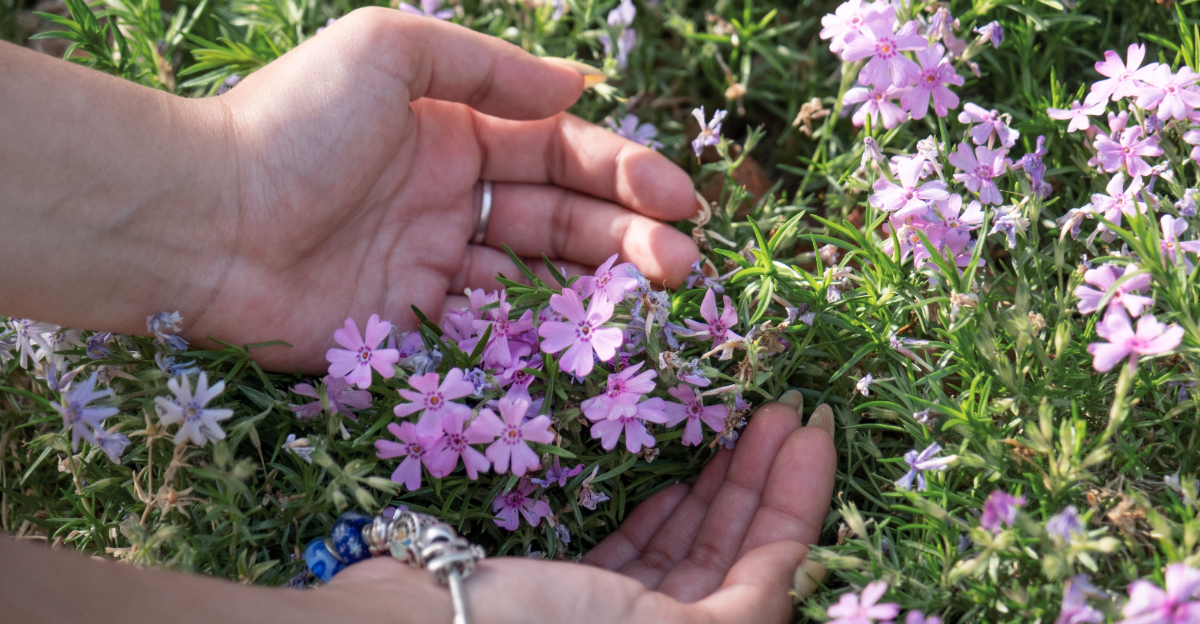
Spring moves fast in Michigan, and some perennials do not waste any time once the weather starts to warm up.
Fresh shoots can go from short and tidy to tall and crowded before you know it. That is why timing matters so much when it comes to cutting plants back. Wait too long, and the job gets harder, messier, and more likely to damage healthy new growth.
A quick trim at the right moment can help clean up the garden, make plants look better, and give new stems room to grow strong. It can also keep your beds from looking tangled early in the season.
For many gardeners, this simple step makes a big difference in how neat and healthy the yard looks heading into spring and summer.
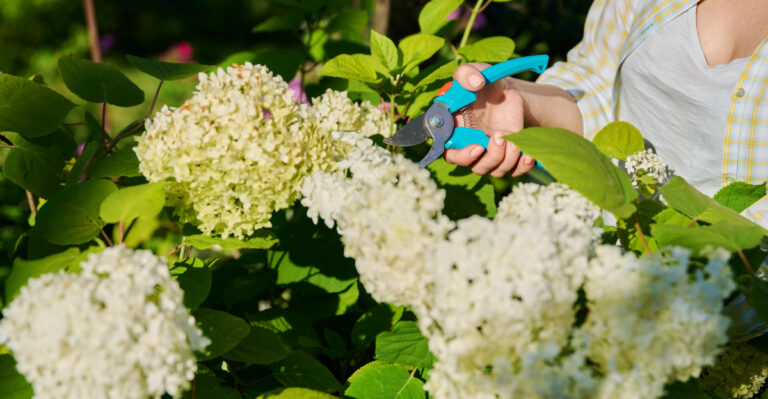
Some Michigan perennials especially benefit from being cut back before new growth starts getting too tall.
1. Bee Balm
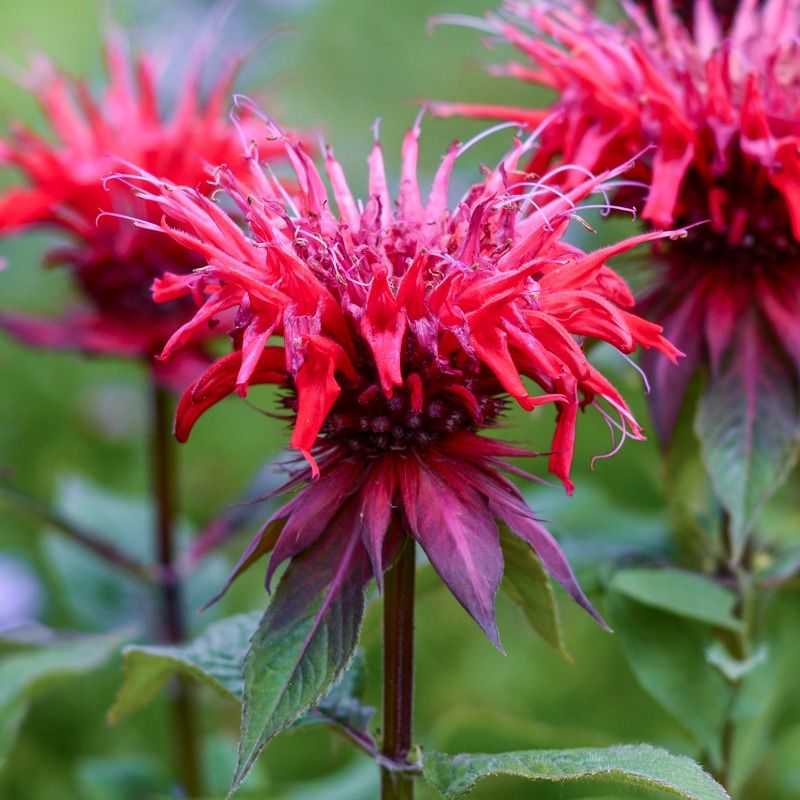
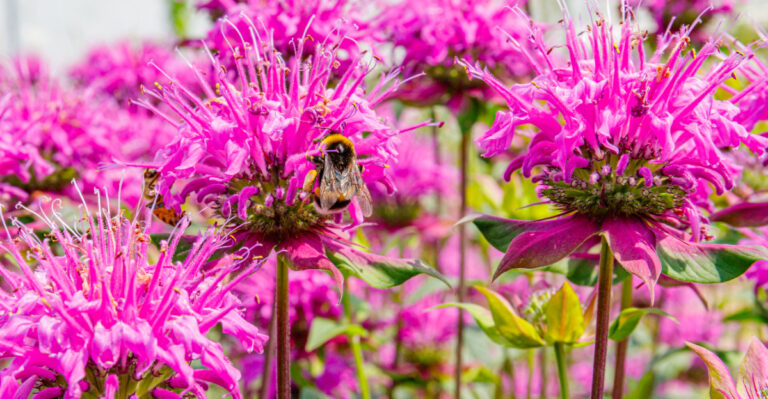
Few plants bring as much summer energy to a Michigan garden as Bee Balm, with its wild, firework-like blooms that pollinators absolutely love.
But by the time spring rolls around, those old stems from last season are looking pretty rough. Cutting them back early is one of the best things you can do for this plant.
Powdery mildew is the number one problem Bee Balm faces, and poor airflow is usually to blame.
When you remove the old, crowded stems right down to just above the soil line in early spring, you give the plant room to breathe as it starts growing again.
New shoots will push up cleaner and stronger without all that old material blocking them. In Michigan, the ideal window for this task is late March through early April, right when temperatures start creeping above freezing consistently.
You want to act before the new growth gets more than a couple of inches tall. Once fresh shoots are visible at the base, that is your signal to grab your pruners and get moving.
Waiting too long means you risk nicking those tender new stems, which can stress the plant.
A clean cut close to the ground encourages fuller, bushier growth and sets Bee Balm up for a spectacular bloom season ahead.
2. Black-Eyed Susan
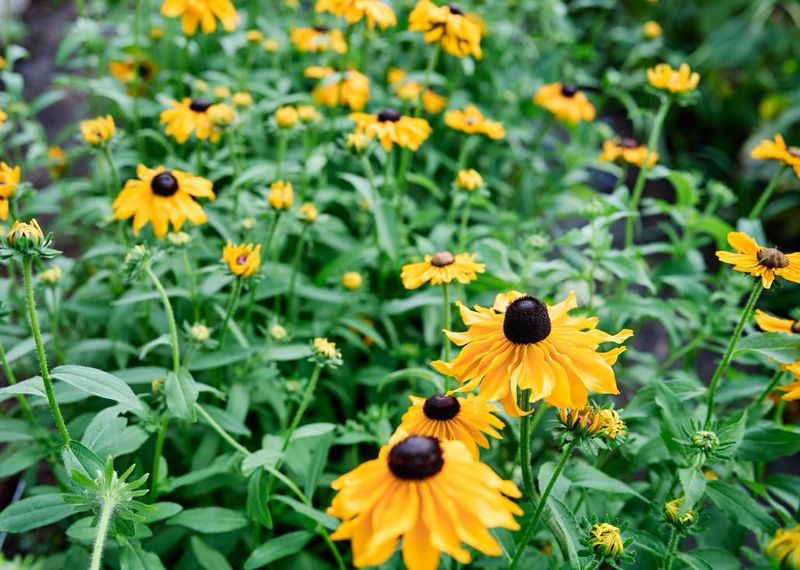
Black-Eyed Susan is one of those cheerful Michigan natives that practically takes care of itself, but early spring cleanup makes a real difference in how well it performs.
By March or early April, last year’s stems are dry, brittle, and ready to come out. Getting them cleared away before new growth fills in keeps everything looking tidy and growing strong.
Rudbeckia hirta tends to form a low rosette of fresh leaves right at the base before the taller stems shoot up.
If you leave the old dried growth in place too long, it can shade those young leaves and trap moisture against the crown, which invites fungal trouble.
Snipping the old stems down to about two or three inches above the soil gives the new basal growth plenty of light and airflow to get started right.
One thing Michigan gardeners appreciate about Black-Eyed Susan is how resilient it is. Even if you trim it back a little later than ideal, it bounces back quickly.
That said, catching it early in the season means less tangled mess to sort through and a much cleaner garden bed overall. Use clean, sharp pruners to make smooth cuts, and toss the old stems in your compost bin.
A little effort now pays off big when those golden blooms show up later in summer across your Michigan yard.
3. Coneflower

Coneflowers are one of the most beloved perennials across Michigan, and for good reason. They are tough, beautiful, and a magnet for birds and bees throughout the growing season.
Leaving the seed heads standing through winter is actually a great idea since birds feed on them, but once March or April arrives, it is time to cut everything back.
By early spring, those old Echinacea purpurea stems have done their job and need to go. New growth emerges right from the soil level, and if the old stalks are still crowded around the base, they can physically block sunlight from reaching those fresh young shoots.
In Michigan, warming temperatures in late March signal the right moment to act. Cutting stems down close to the ground at that point keeps things clean and gives the new growth space to stretch upward freely.
One thing worth knowing about Coneflowers is that they spread over time, forming larger and larger clumps.
Early spring is also a perfect opportunity to divide overcrowded plants while you are already out there trimming.
Simply dig up a section of the root mass and replant it elsewhere in your Michigan garden. Coneflowers respond beautifully to this kind of attention, coming back fuller and more vibrant than before.
Staying on top of the seasonal cutback keeps this perennial looking its absolute best year after year.
4. Hosta
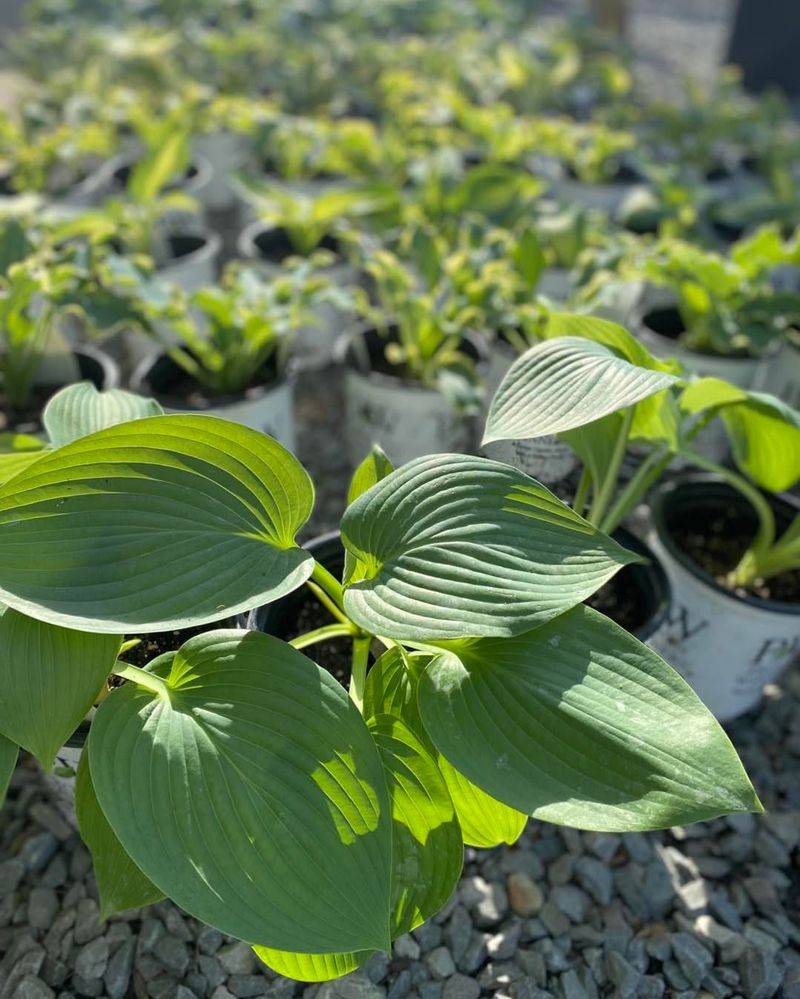
There is something almost magical about watching Hosta eyes push up through the Michigan soil in spring, those tightly curled shoots that seem to appear almost overnight.
But before that happens, any leftover foliage from the previous season needs to come out. Old hosta leaves that collapsed over winter become a prime hiding spot for slugs and their eggs.
Slugs are a serious nuisance for Hostas, and removing the old, mushy foliage early in spring dramatically cuts down on the slug population before it gets established.
Michigan gardens can have quite a slug problem in damp spring conditions, so getting ahead of it matters.
Clear away the old material by hand or with gloves, pulling it gently away from the crown before the new shoots start to unfurl.
The key timing here is catching it before the hosta eyes get more than an inch or two out of the ground.
Once those shoots start opening up, it becomes much harder to clean around them without accidentally snapping off the tender new growth.
Early April is usually the sweet spot for most parts of Michigan. After cleanup, you can add a light layer of mulch around the base to help retain moisture and keep weeds at bay.
Hostas are incredibly rewarding plants, and a little early spring attention sets them up for a full, lush season of gorgeous foliage.
5. Daylily
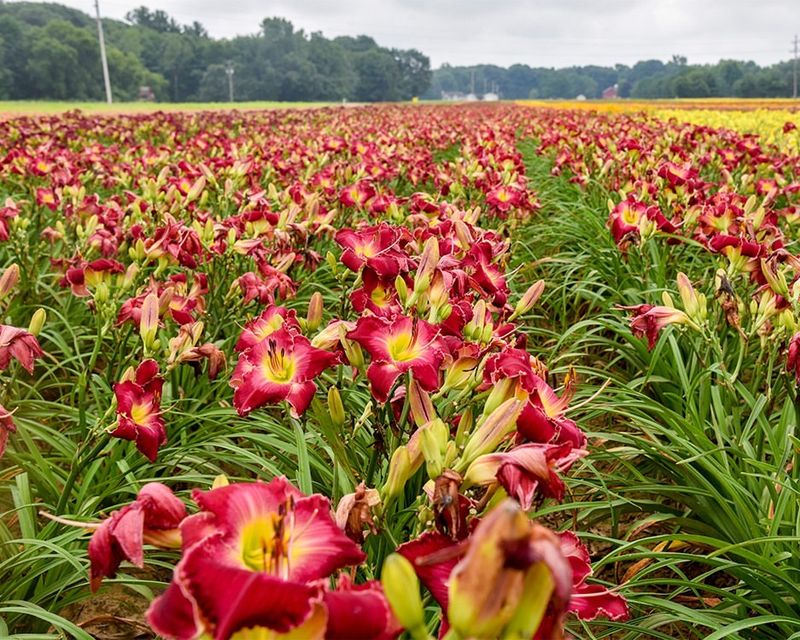
Daylilies are the workhorses of the Michigan perennial garden, coming back reliably every single year with very little fuss.
But by the time winter wraps up, their foliage has usually flopped over into a brown, matted mess around the base.
That tangle of old leaves is more than just an eyesore, it can actually shelter overwintering pests that will go after your plants once the weather warms.
Getting in there early and removing that collapsed foliage before fresh green growth appears is a simple step that pays off in a big way.
Use pruners or even your hands to pull away the old material, working carefully around the crown where new shoots are beginning to form.
In Michigan, late March to early April is typically the right window, depending on how quickly your area warms up after winter.
Hemerocallis is incredibly vigorous, and once you clear away the old growth, you will be amazed at how quickly the new green blades shoot up.
Daylilies that get this early spring attention tend to look fuller and bloom more heavily than plants left to struggle through old debris.
If your clumps have gotten very large over the years, spring is also an excellent time to divide them.
Dig, split, and replant sections throughout your Michigan garden for even more color when summer arrives.
6. Sedum (Upright Types)
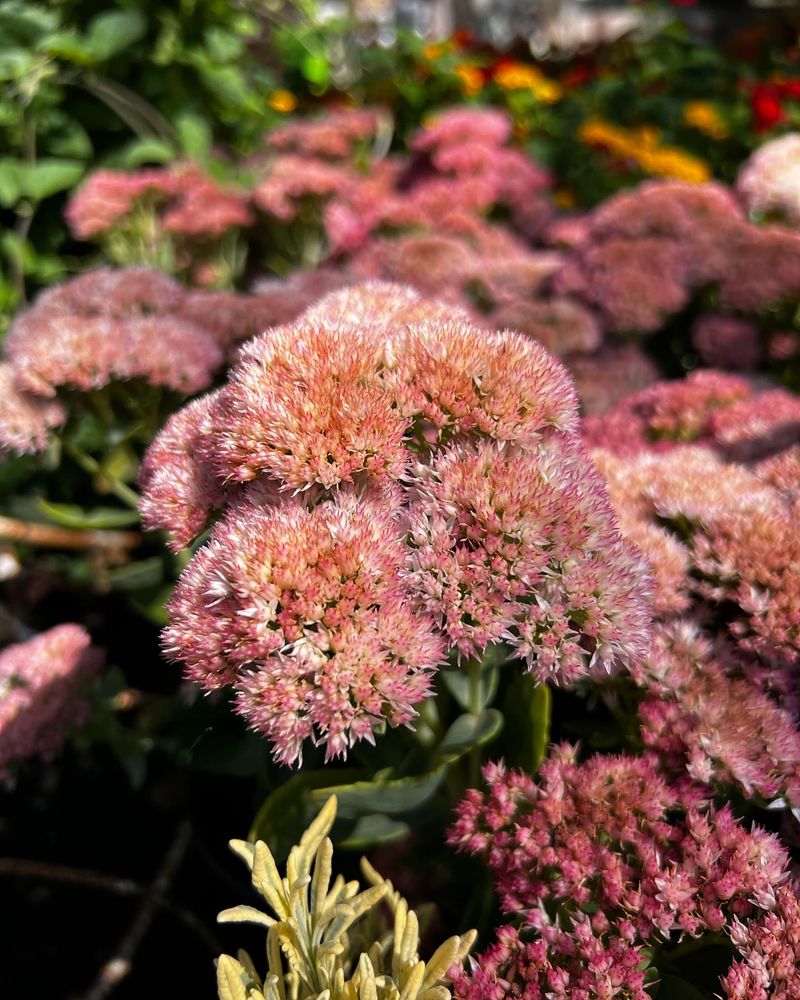
Upright Sedums like the popular ‘Autumn Joy’ variety have a cool architectural quality that makes them stand out in any Michigan garden.
Those dried, rusty flower heads actually look beautiful through the winter months and provide some visual interest when everything else is bare.
Once spring arrives, though, it is time to clear them out and make way for fresh new growth.
Hylotelephium spectabile sends up new shoots right from the base of the plant, and those shoots need room to grow straight and strong.
If the old stalks are left standing too long into spring, the new growth can get crowded and start to flop outward instead of growing upright the way you want.
Cutting the old stems down close to the soil in early spring, before those new shoots get more than an inch or two tall, encourages the plant to grow in a tight, sturdy clump.
Michigan gardeners often overlook Sedum during spring cleanup because it looks so tidy compared to other perennials, but do not skip it.
The base of the plant can harbor old stem debris that slows down air circulation once the season gets going.
A clean cutback in late March or early April makes a noticeable difference in how compact and well-shaped the plant looks when it reaches its full height. ‘Autumn Joy’ is one of the most reliable perennials you can grow in Michigan, and it rewards consistent care every single year.
7. Phlox (Garden Phlox)
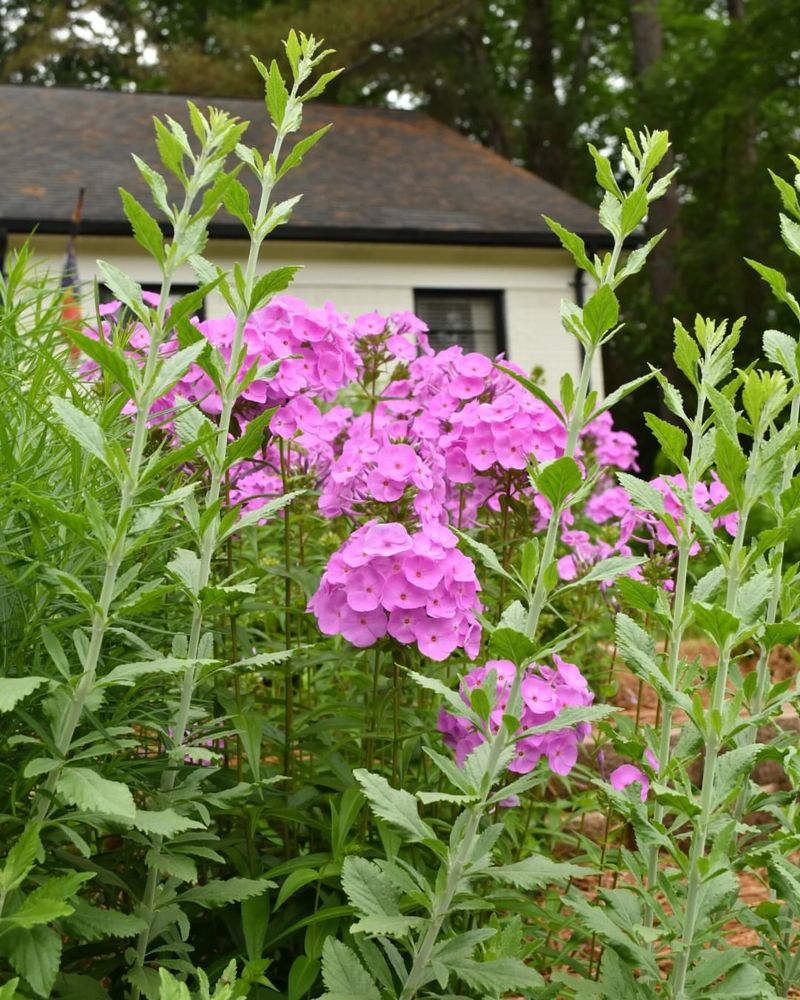
Garden Phlox is one of the most fragrant and colorful perennials you can grow in a Michigan garden, but it does come with one well-known challenge: powdery mildew.
This fungal issue thrives when air cannot circulate freely around the stems, and leaving last year’s old growth standing right into spring only makes the problem worse. Cutting back early is one of the most effective ways to stay ahead of it.
Phlox paniculata pushes out new growth right at the base of the plant in early spring, often forming small clusters of fresh green shoots near the soil.
You want to remove all the old stems from last season before those new shoots get more than three or four inches tall.
In Michigan, that usually means getting outside sometime in late March or the first weeks of April to do your trimming. Cut the old stems right down to just above ground level for the best results.
Beyond mildew prevention, cutting back Garden Phlox early also helps you spot any weak or overcrowded stems before the season really gets going.
Thinning out a few of the new shoots later in spring, leaving the strongest ones spaced a few inches apart, improves airflow even further.
Michigan summers can be humid, so giving Phlox every advantage you can is worth the effort.
A little early season care goes a long way toward keeping this beautiful perennial healthy and blooming all summer long.
8. Yarrow
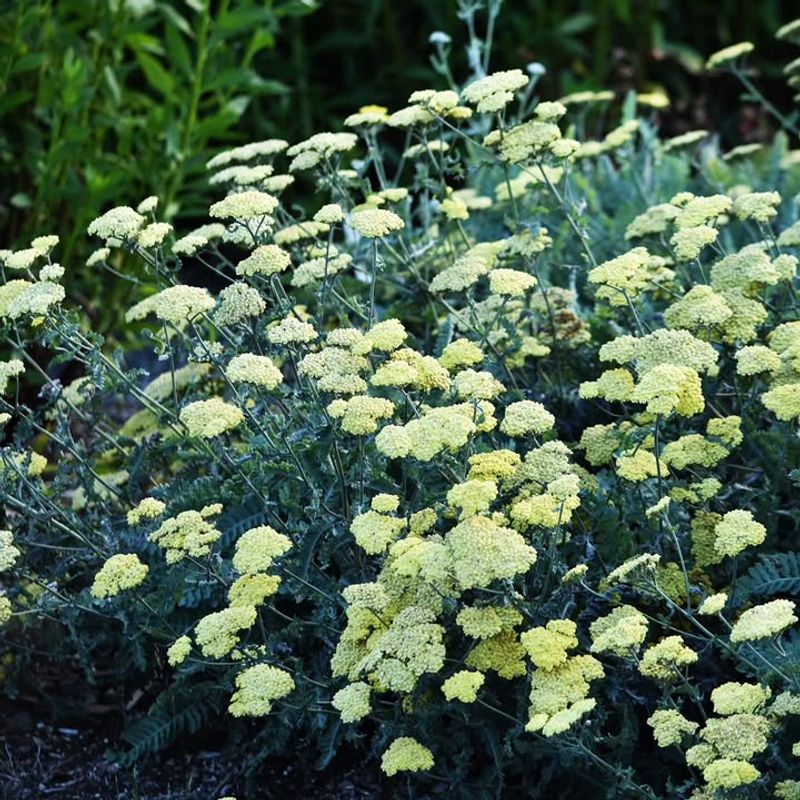
Yarrow is one of the toughest perennials you can grow in Michigan, handling everything from drought to poor soil without missing a beat.
It spreads enthusiastically, comes back year after year, and produces those flat-topped clusters of tiny flowers that look stunning in both gardens and cut flower arrangements.
But even this rugged plant benefits from an early spring trim before the new season gets rolling.
Achillea millefolium tends to hold onto its old stems through winter, and by the time spring arrives, that dried-out growth can look pretty scraggly.
More importantly, leaving it in place too long allows the plant to put energy into struggling old stems rather than pushing out fresh, vigorous new growth.
Trimming everything back close to the ground in late March or early April encourages Yarrow to come back compact and bushy rather than tall and floppy.
One fun thing about Yarrow is how quickly it responds to a good cleanup. Within just a few weeks of cutting back, the base of the plant fills in with soft, feathery green foliage that looks completely refreshed.
Michigan gardeners who skip this step often end up with plants that sprawl and lean by midsummer, needing staking that would not have been necessary with earlier care.
Yarrow is a low-maintenance star in the Michigan perennial garden, and a simple early spring cutback keeps it performing beautifully all season long without any extra effort.