8 Michigan Plants To Prune In February And 4 To Leave Alone
February might still feel like the heart of winter in Michigan, but for many plants, it is the perfect time for a well-timed trim. Pruning now, while plants are still dormant, can encourage stronger growth, better shape, and more flowers or fruit when spring arrives.
However, not every plant appreciates a winter haircut, and cutting the wrong ones too early can reduce blooms or even cause damage.
Smart gardeners know which plants benefit from late winter pruning and which are better left untouched until warmer weather.
With the right timing and a few simple techniques, you can set your garden up for healthier growth and a more beautiful season ahead.
Let’s take a look at the Michigan plants you should prune this February, along with a few that are best left alone for now to avoid losing their spring or summer show.
1. Apple Trees
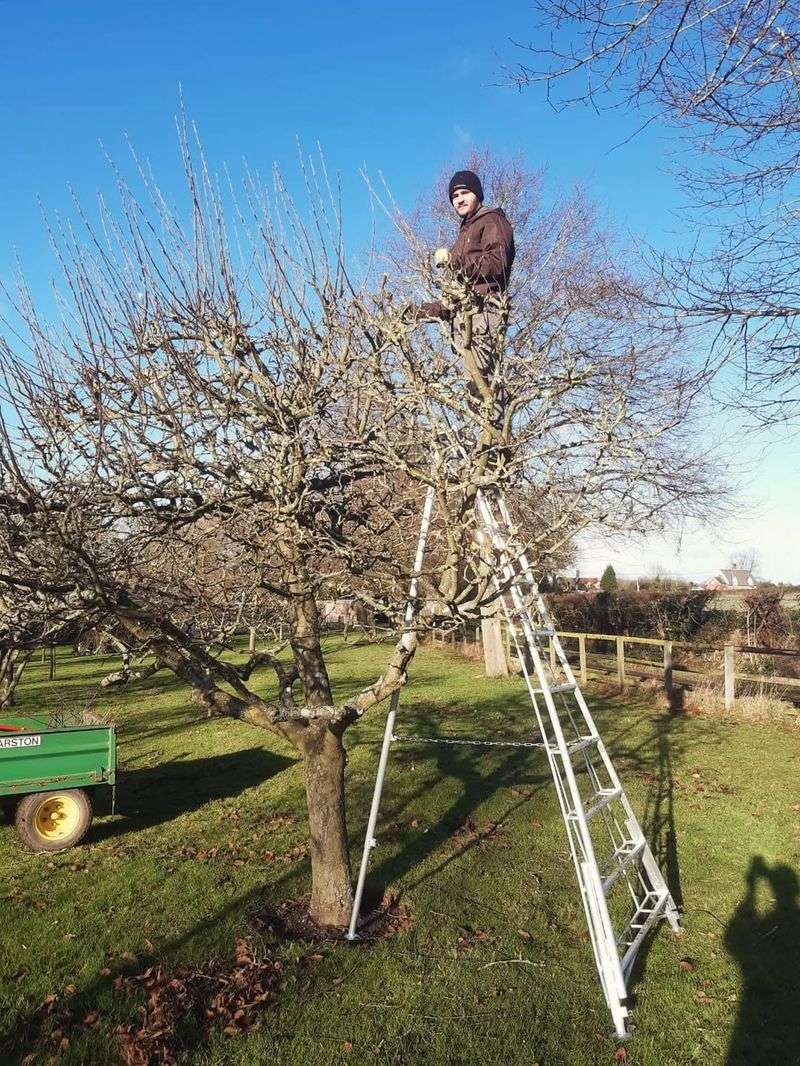
Apple trees love a good February haircut. Dormant pruning during this cold month helps shape your tree while it rests.
Without leaves blocking your view, you can easily spot problem branches that cross or rub together. These troublemakers need to go first.
Removing weak or damaged wood now prevents disease from spreading later. Better airflow through the canopy means healthier fruit come harvest time.
Your apple tree will thank you with stronger growth when spring arrives. Focus on creating an open center that lets sunlight reach every branch.
Start by cutting away any branches growing straight up or straight down. These don’t produce much fruit anyway.
Then tackle branches that grow toward the tree’s center. Your goal is a vase-like shape with main branches spreading outward.
This structure supports heavy fruit loads without breaking. Clean cuts heal faster than ragged ones, so keep your tools sharp. Make each cut just above an outward-facing bud at a slight angle.
This encourages new growth in the right direction. February’s cold temperatures also mean fewer disease spores floating around.
Your cuts stay cleaner and healthier. Plus, working outside in crisp winter air beats sweating through summer pruning sessions. Michigan apple growers have followed this timing for generations because it simply works best.
2. Peach Trees
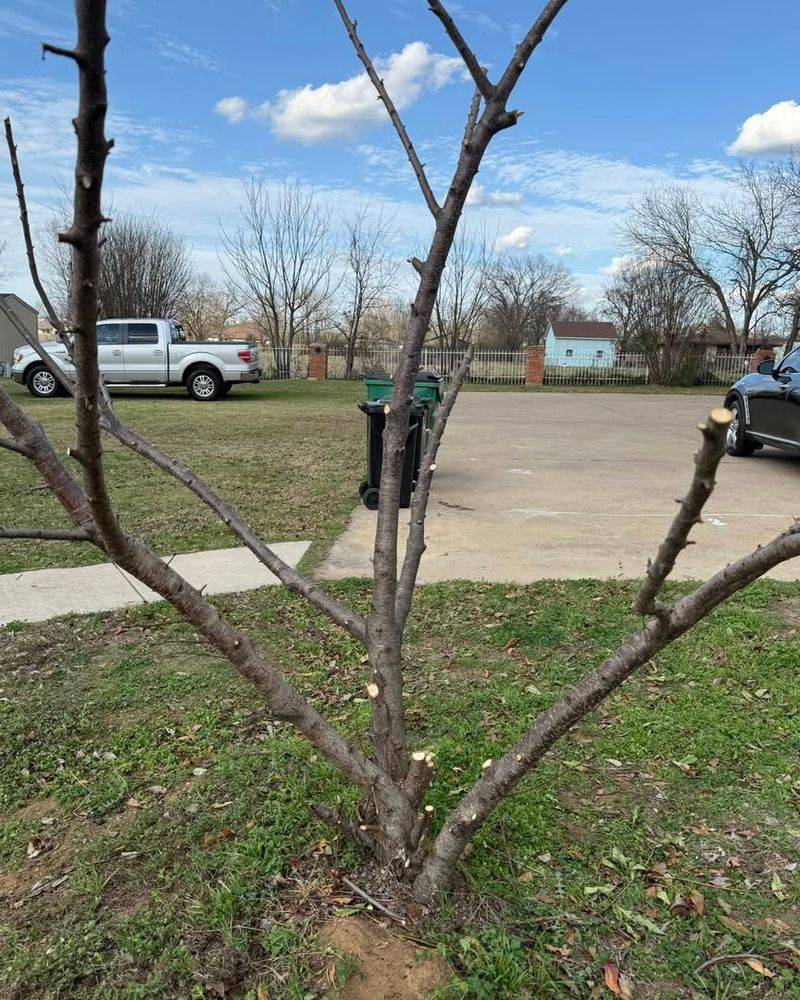
Peach trees need February pruning more than most fruit trees. Disease prevention tops the list of reasons to prune now.
Peach leaf curl and other fungal problems spread easily through wounds made during humid weather. February’s dry, cold air keeps these diseases at bay while you work.
Heavy pruning encourages better fruit production for the upcoming season. Peaches grow on one-year-old wood, so removing older branches makes room for fresh, productive growth.
You’ll want to thin out about forty percent of last year’s growth. This might seem extreme, but peach trees handle aggressive pruning remarkably well. Look for branches with a reddish tint and healthy buds. These will give you the best fruit.
Gray, older wood produces less and should be your first target for removal. Create an open center just like with apple trees. Good air circulation prevents brown rot and keeps your peaches healthy.
Peach trees grow fast and can become crowded quickly. Annual February pruning keeps them manageable and productive.
Remove any branches growing at narrow angles from the trunk. These weak connections often break under heavy fruit loads.
Space remaining branches about six inches apart for optimal results. Michigan’s unpredictable spring weather means timing matters.
Prune too early and extreme cold might damage fresh cuts. Late February usually hits the sweet spot for most Michigan regions.
3. Pear Trees
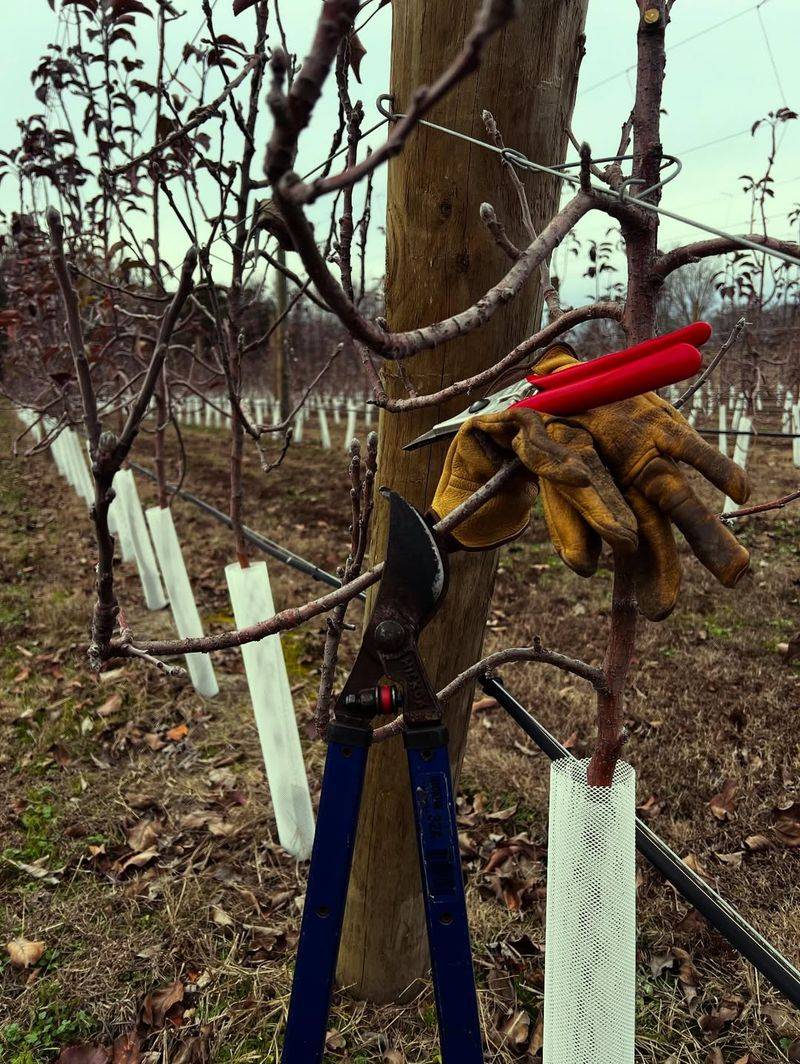
Pear trees benefit tremendously from late winter attention. Before buds swell and break open, you have a clear window to shape your tree properly.
Crossing branches create friction points that damage bark and invite infection. February pruning eliminates these problems before they start.
Pear trees naturally want to grow straight up with narrow branch angles. Your job is to encourage wider angles that support fruit better.
Look for branches growing at forty-five to sixty-degree angles from the trunk. These are your keepers. Anything steeper needs correction or removal.
Fire blight poses a serious threat to pear trees in Michigan. This bacterial disease spreads through open wounds during warm, wet weather.
Pruning while trees are dormant and temperatures stay cold minimizes this risk significantly. Always sterilize your pruning tools between cuts when working with pears.
A simple bleach solution or rubbing alcohol does the trick. Thin out the canopy to let light penetrate throughout the tree. Pears growing in shade never develop full sweetness or color.
Remove any water sprouts shooting straight up from main branches. These vigorous shoots steal energy from fruit production without contributing much themselves.
Keep your pear tree’s height manageable by cutting back the central leader. This makes harvesting easier and prevents branches from breaking under heavy snow loads.
Michigan winters can be brutal, so a well-pruned pear tree stands up better to ice and wind damage.
4. Plum Trees
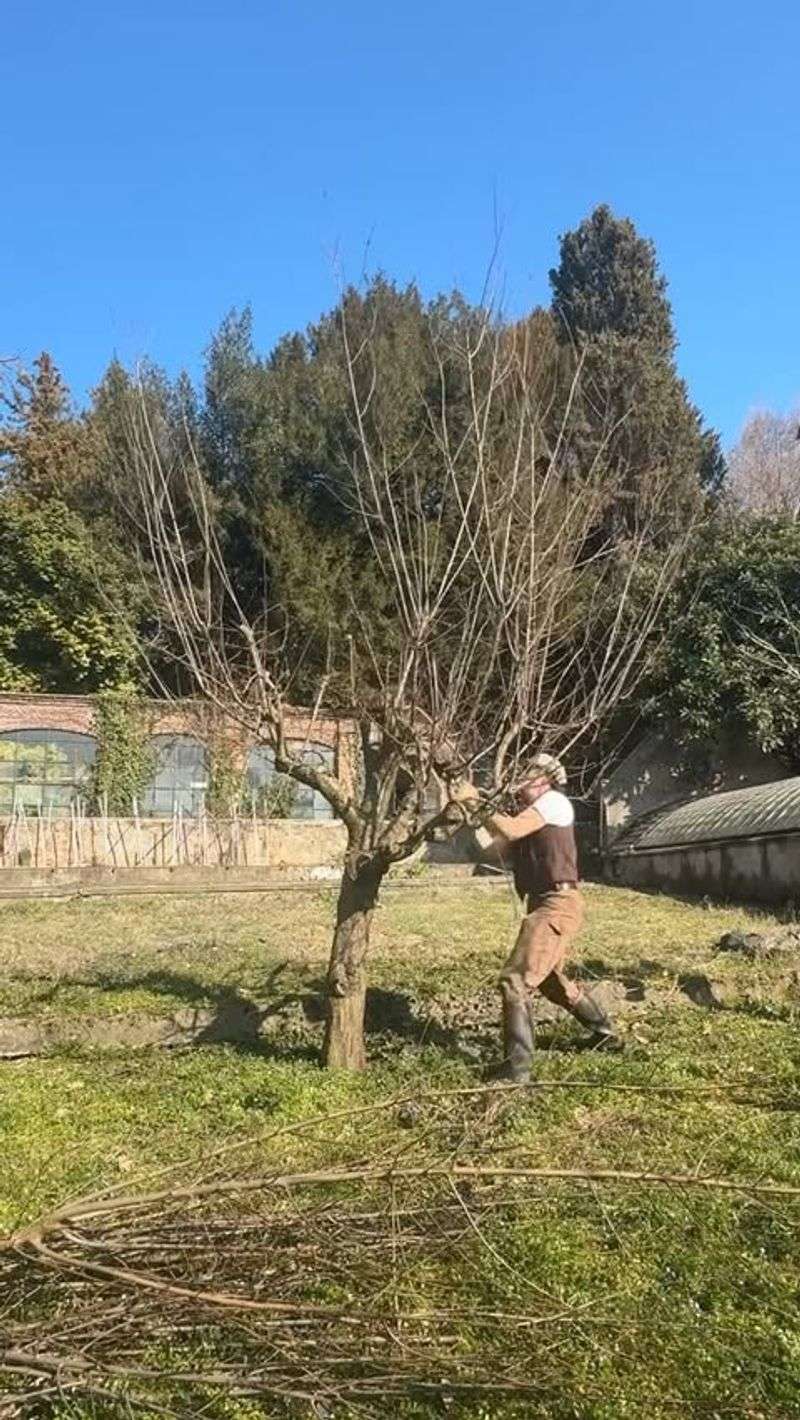
Plum trees respond beautifully to February pruning sessions. Dormant season work helps prevent several common diseases that plague plums.
Black knot fungus and brown rot both spread more easily during growing season. Pruning now keeps your tools from carrying spores between cuts.
Light penetration makes a huge difference in plum quality. Fruits growing in shade never develop the deep color or sweet flavor of sun-ripened plums.
Open up the canopy by removing inward-growing branches and thinning crowded areas. Your plums will taste noticeably better come summer.
European and Japanese plum varieties have slightly different pruning needs. European plums produce fruit on spurs that last several years.
Preserve these spurs while removing unproductive wood. Japanese plums fruit on one-year-old wood, similar to peaches. They need more aggressive pruning to stimulate fresh growth annually.
Start with the three D’s: damaged, diseased, and disordered branches. Anything broken by winter storms or showing signs of infection must go first.
Then address branches growing in awkward directions or cluttering the tree’s center. Aim for a balanced shape with evenly spaced main branches.
Plum trees can sucker heavily from the base. Remove these shoots at ground level since they drain energy from fruit production.
Some gardeners paint larger cuts with pruning sealer, though this isn’t strictly necessary. Michigan’s cold February temperatures naturally seal cuts through dormancy. Just make clean cuts and let nature handle the rest.
5. Grape Vines
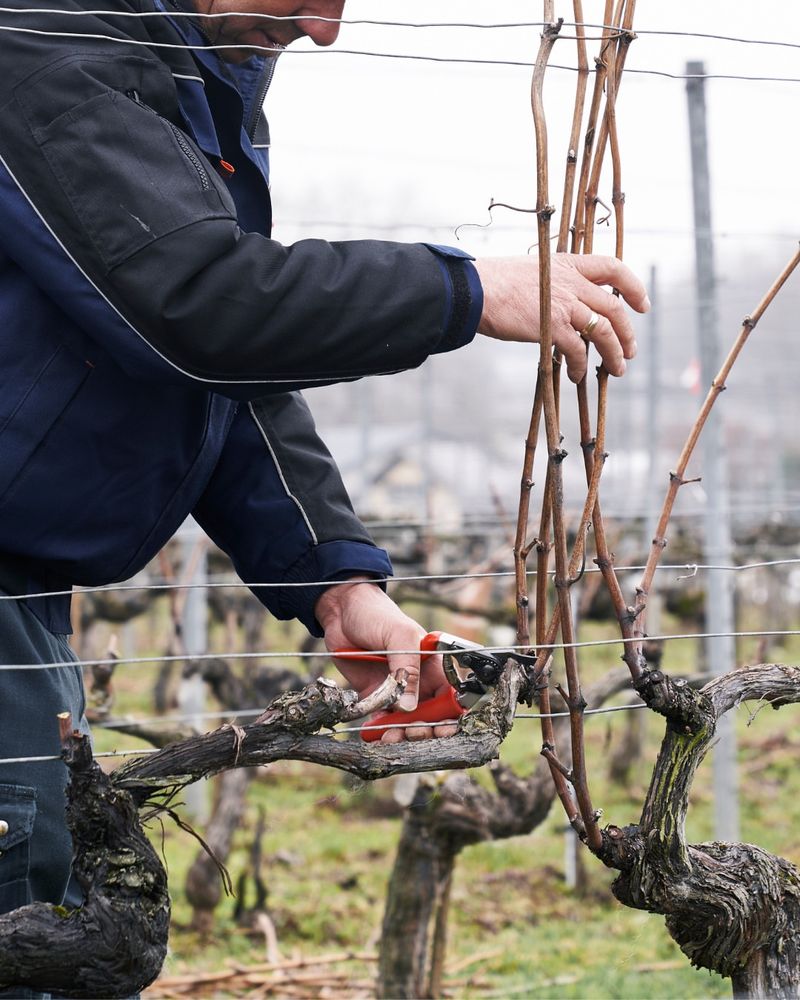
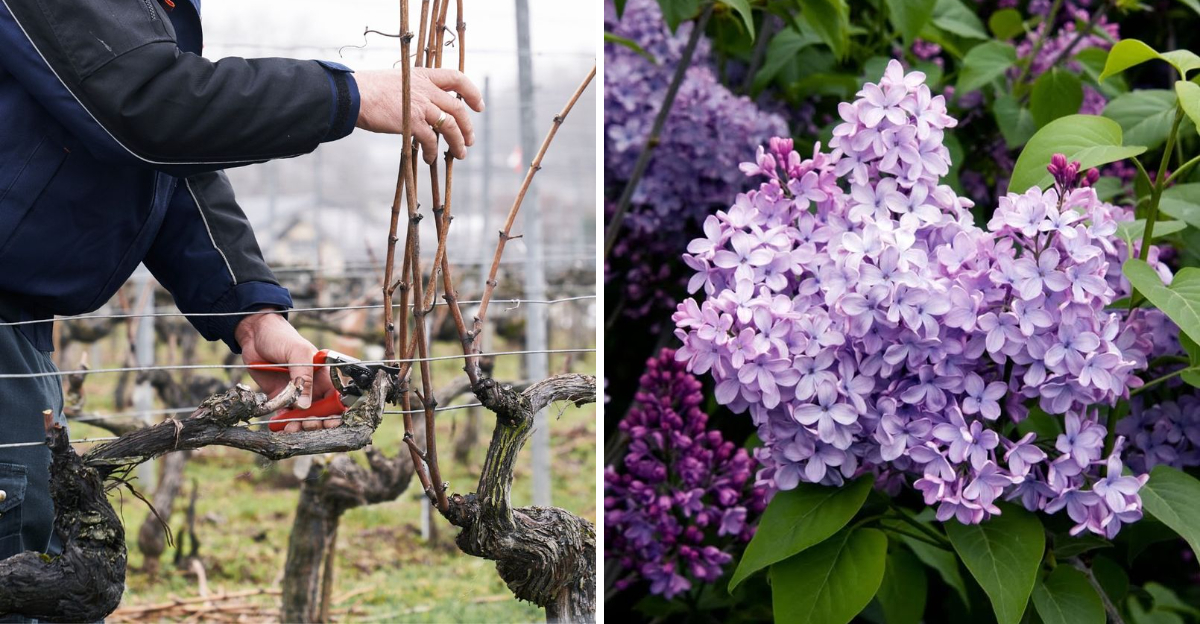
Grape vines need serious pruning every February to stay productive. Without annual cutting back, vines become tangled messes that produce tiny, sparse clusters.
Last year’s canes already set the buds for this season’s fruit. Your job is selecting the best canes and removing everything else.
Most Michigan grape growers use either cane or spur pruning systems. Cane pruning involves selecting two to four strong canes from last year’s growth. Each cane should have eight to twelve buds. Remove all other growth completely.
This seems drastic but encourages large, high-quality grape clusters. Spur pruning works better for some varieties and involves leaving short stubs with just two to three buds each. These spurs sit along permanent cordons or arms.
Either method requires removing about ninety percent of last year’s growth. Yes, ninety percent sounds extreme, but grape vines grow vigorously and bounce back quickly. Look for canes about pencil-thick with tight bud spacing. These produce the best fruit.
Thicker canes with widely spaced buds tend toward vegetative growth rather than fruiting. Thin, weak canes won’t support good clusters either. Choose your keepers carefully and be ruthless with everything else.
Proper pruning also prevents disease problems common in Michigan vineyards. Good air circulation through the canopy reduces fungal issues like powdery mildew.
Fewer shoots mean better spray coverage if you need to treat problems later. February pruning also makes training new growth much easier when spring arrives. You’ll spend less time fighting tangled vines during the busy growing season.
6. Blueberries
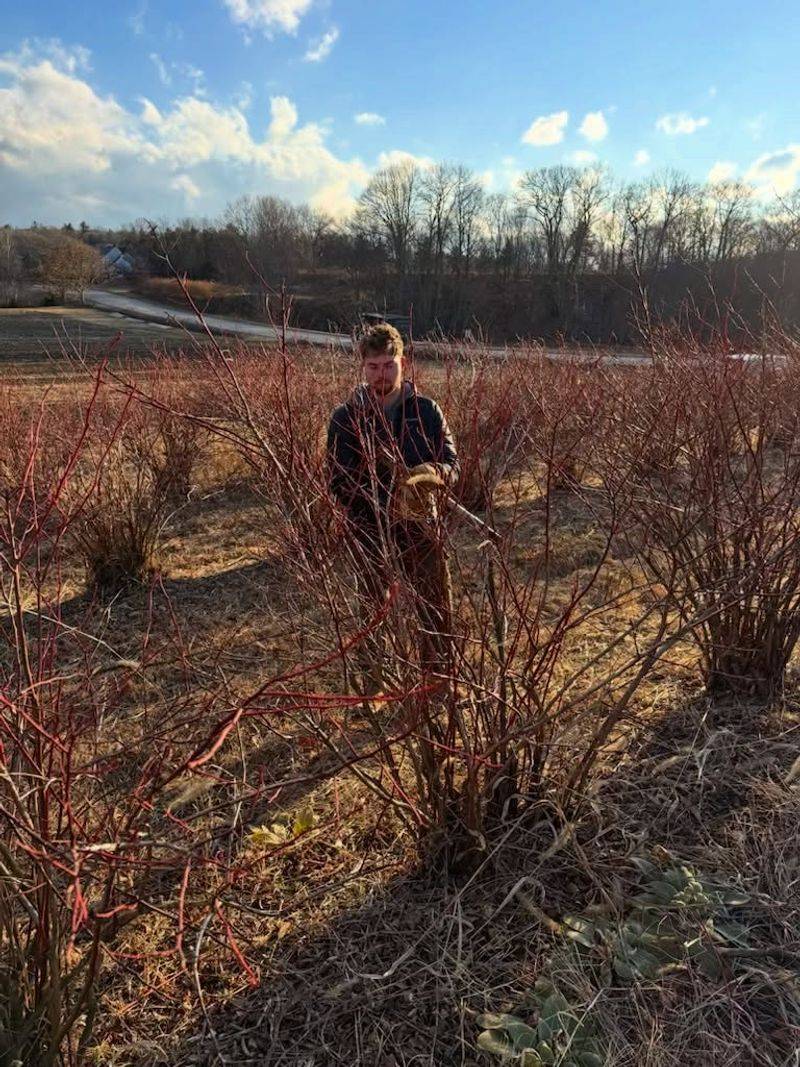
Blueberry bushes quietly wait for their February trim. These popular Michigan fruits produce best on young, vigorous canes.
Older canes thicker than your thumb produce smaller berries and fewer of them. Removing these veterans makes room for productive young growth.
Start at ground level and look for canes showing gray, weathered bark. These are your oldest and should be first to go. Cut them right at the base without leaving stubs. Stubs invite disease and look messy.
Then remove any damaged canes broken by winter snow or ice. Thin out weak, twiggy growth that clutters the bush’s center. These spindly shoots produce almost nothing and block light from reaching better canes.
Your goal is a vase shape with six to eight strong canes evenly spaced. This structure allows sunlight and air to reach every part of the bush.
Young canes show reddish bark and vigorous growth. Keep these productive powerhouses while removing their older neighbors.
Each bush should have a mix of ages, with new canes replacing old ones every few years. This rotation keeps berry production steady and high quality.
Blueberries flower and fruit on one-year-old wood, so preserve last year’s growth while removing older sections. Cut back any canes that arch over and touch the ground.
These low branches often get splashed with soil during rain, spreading disease. Michigan blueberry growers often prune in late February when the coldest weather has passed.
This timing protects fresh cuts from extreme temperature damage while maintaining dormancy benefits.
7. Roses
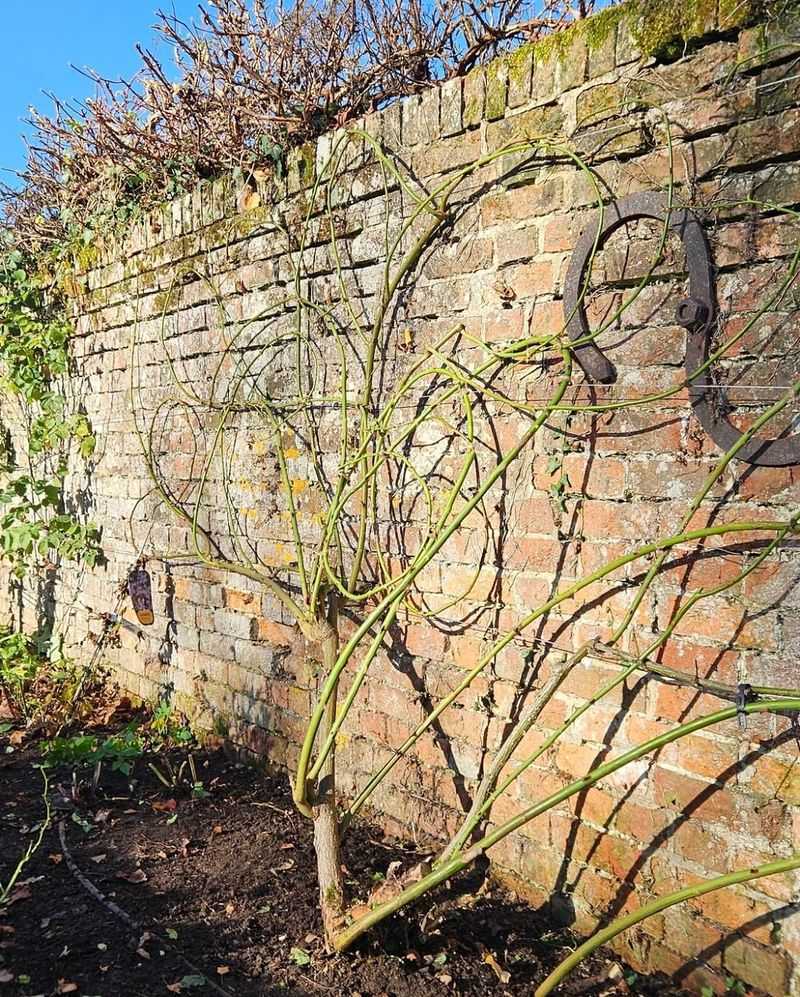
Roses reward February pruning with spectacular spring blooms. Hybrid teas, floribundas, and grandifloras all benefit from dormant season attention.
Wait until the worst cold has passed but before buds start swelling. Late February usually provides the perfect window in most Michigan locations.
Start by removing any canes damaged by winter cold or disease. Black, shriveled sections need to go completely. Cut back to healthy white or light green tissue. Then tackle canes thinner than a pencil.
These weak shoots rarely produce good flowers and drain energy from stronger growth. Hybrid teas look best with three to five strong canes cut back to about eighteen inches tall. This severe pruning encourages vigorous new growth and large flowers.
Floribundas can keep more canes since they produce clusters rather than single blooms. Leave five to seven canes on these varieties.
Always cut at a forty-five-degree angle just above an outward-facing bud. This directs new growth away from the plant’s center, creating better air circulation.
Clean cuts heal faster and resist disease better than ragged tears. Sharp bypass pruners make the cleanest cuts, so keep your tools well-maintained.
Remove any crossing canes that rub together and damage bark. These friction points become entry sites for disease.
Open up the center of each bush to allow light and air through. Michigan’s humid summers encourage black spot and powdery mildew. Good pruning reduces these problems significantly. Don’t worry about removing too much.
Roses are incredibly tough and bounce back from aggressive pruning. Many experienced gardeners prune harder than beginners dare, and their roses bloom more abundantly for it.
8. Hydrangeas That Bloom On New Wood
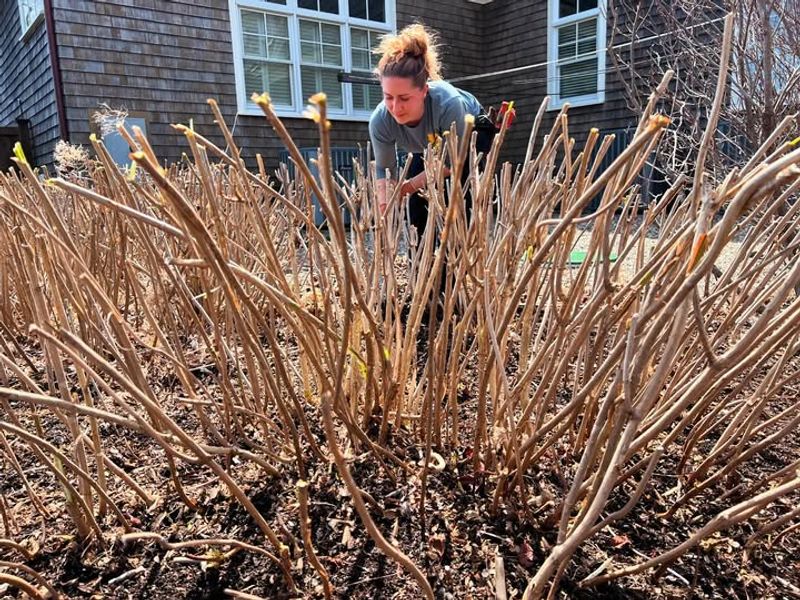
Certain hydrangeas love February pruning while others absolutely hate it. Knowing which type you have makes all the difference.
Panicle hydrangeas and smooth hydrangeas bloom on new wood grown during the current season. These varieties benefit from late winter cutting back.
Panicle hydrangeas include popular varieties like Limelight and Little Lime. Their cone-shaped flower clusters appear on stems grown during spring and summer.
You can prune these as hard as you want in February without sacrificing flowers. Many gardeners cut them back to about two feet tall for a manageable size.
Smooth hydrangeas like Annabelle produce huge white snowball blooms on current-season growth. Cut these back to about twelve inches in February.
This severe pruning encourages strong stems that support those massive flower heads better. Without pruning, smooth hydrangeas often flop over when flowers get heavy.
Look at last year’s stems to identify new-wood bloomers. These varieties show dried flower heads persisting through winter.
The flowers sit at the tips of stems rather than along their length. This is your clue that the plant blooms on new growth.
Remove about one-third of the oldest stems at ground level to encourage fresh growth from the base. Then cut remaining stems back to the desired height.
Don’t worry about cutting off flower buds since this type produces buds on new growth. Michigan’s variable spring weather sometimes damages early growth, but new-wood hydrangeas simply produce more stems and bloom anyway.
This resilience makes them much more reliable than old-wood varieties in unpredictable climates.
9. Spring-Blooming Hydrangeas
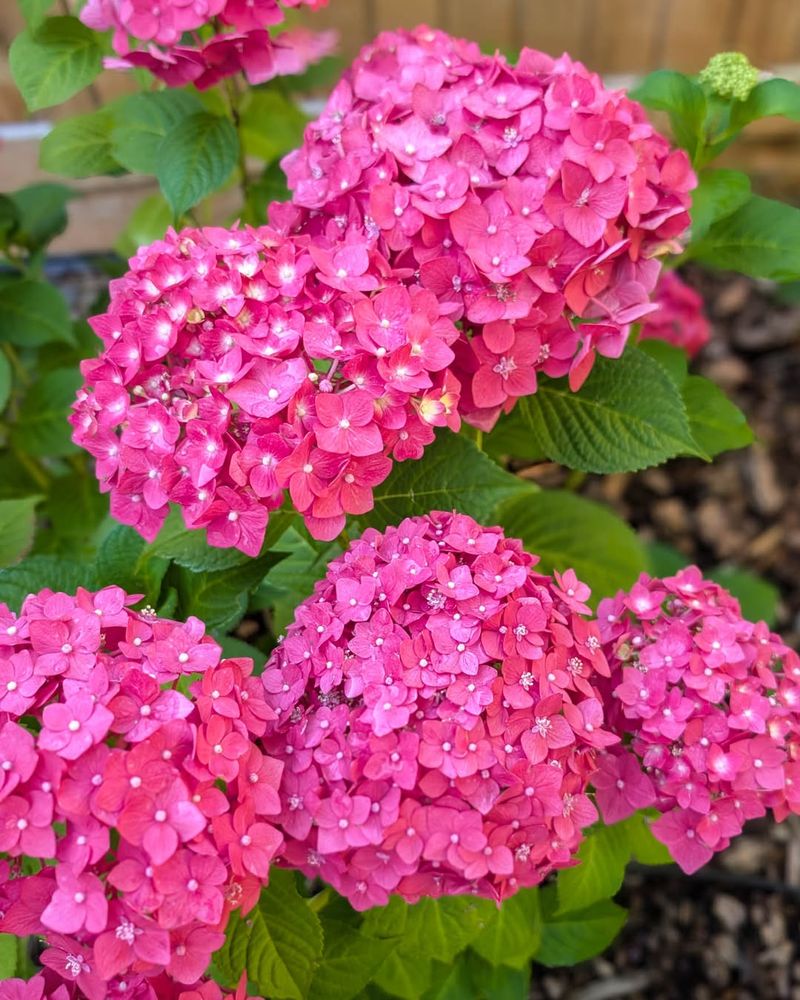
Bigleaf hydrangeas are February pruning disasters waiting to happen. These popular shrubs with pink or blue mophead flowers bloom on old wood.
That means flower buds formed last summer and sat on those stems all winter long. Cut them off in February and you’ll have no flowers this year.
Identifying bigleaf hydrangeas helps prevent pruning mistakes. Look for fat, rounded flower buds visible at stem tips and along upper portions.
These buds already contain this summer’s flowers. They’re just waiting for warm weather to open. Any pruning now removes your entire bloom display.
These hydrangeas need pruning only after flowering finishes in mid to late summer. Even then, remove only spent flower heads and weak stems.
Major reshaping should happen right after blooms fade. This gives the plant time to set new buds for next year before winter arrives.
Michigan winters often damage bigleaf hydrangea buds through cold injury. This is frustrating enough without adding pruning damage to the mix.
Some newer varieties like Endless Summer rebloom on new wood, offering insurance against bud loss. But even these bloom better on old wood, so February pruning still reduces flower production.
If your bigleaf hydrangea looks messy in February, resist the urge to tidy it up. Those dried flower heads actually protect tender buds beneath them.
Leave everything alone until you see which stems leafed out and which didn’t. Then remove only truly damaged sections.
Patience pays off with spectacular blooms come summer. Michigan gardeners who prune bigleaf hydrangeas in February typically regret it by June.
10. Forsythia
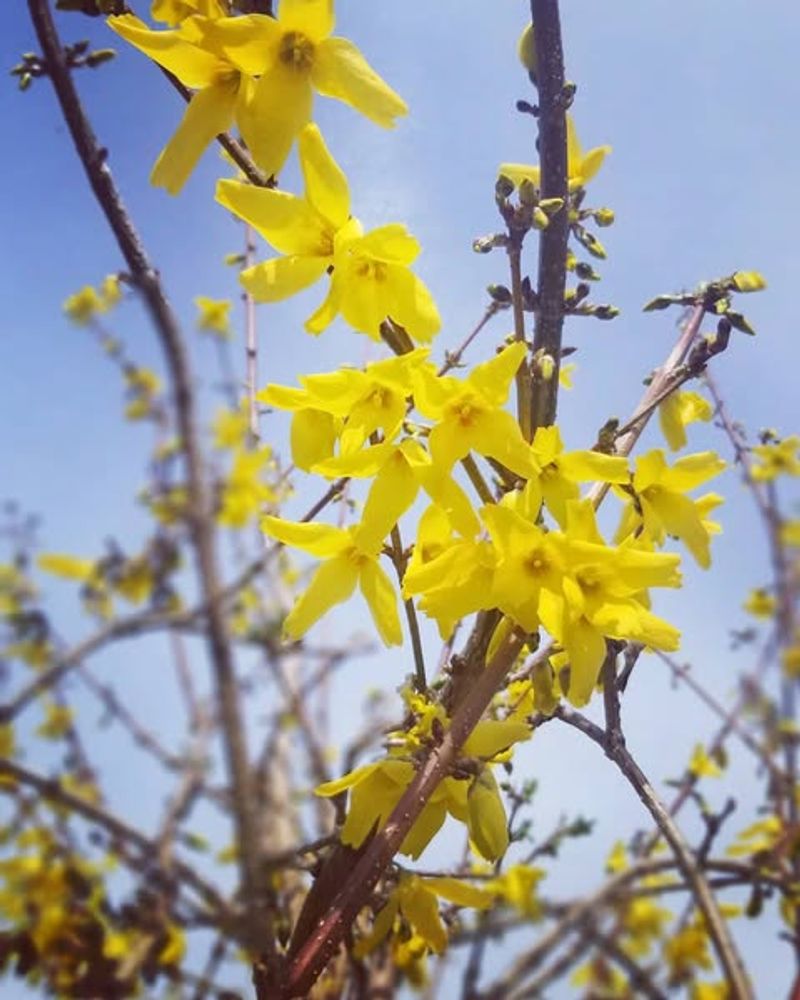
Forsythia bushes burst into brilliant yellow blooms that announce spring’s arrival. Those cheerful flowers form on wood grown during the previous season.
Every stem on your forsythia right now carries buds ready to open in just a few weeks. February pruning eliminates all those flowers before you ever see them.
Timing matters enormously with forsythia care. The right time to prune is immediately after flowering finishes in late spring.
This gives the shrub an entire growing season to produce new stems and set buds for next year. Pruning at any other time sacrifices blooms.
Forsythia grows fast and can become overgrown and messy looking. Many gardeners get tempted to prune in February when the bare branches look unruly.
Fight this urge and wait just a few more weeks. You’ll enjoy the flower show first, then prune to your heart’s content.
These tough shrubs handle hard pruning well once flowering finishes. You can remove up to one-third of the oldest stems at ground level.
This rejuvenation keeps forsythia blooming heavily and looking tidy. Cut remaining stems back to desired height and shape.
Some Michigan gardeners practice renewal pruning by removing one-third of the oldest stems each year. This three-year rotation keeps forsythia constantly refreshed without shocking the plant.
Just remember to do this work after flowers fade. Forsythia tolerates Michigan winters well and rarely suffers cold damage.
Those bright yellow flowers provide much-needed color after long, gray winters. Preserving those blooms by skipping February pruning makes the wait worthwhile.
11. Lilacs
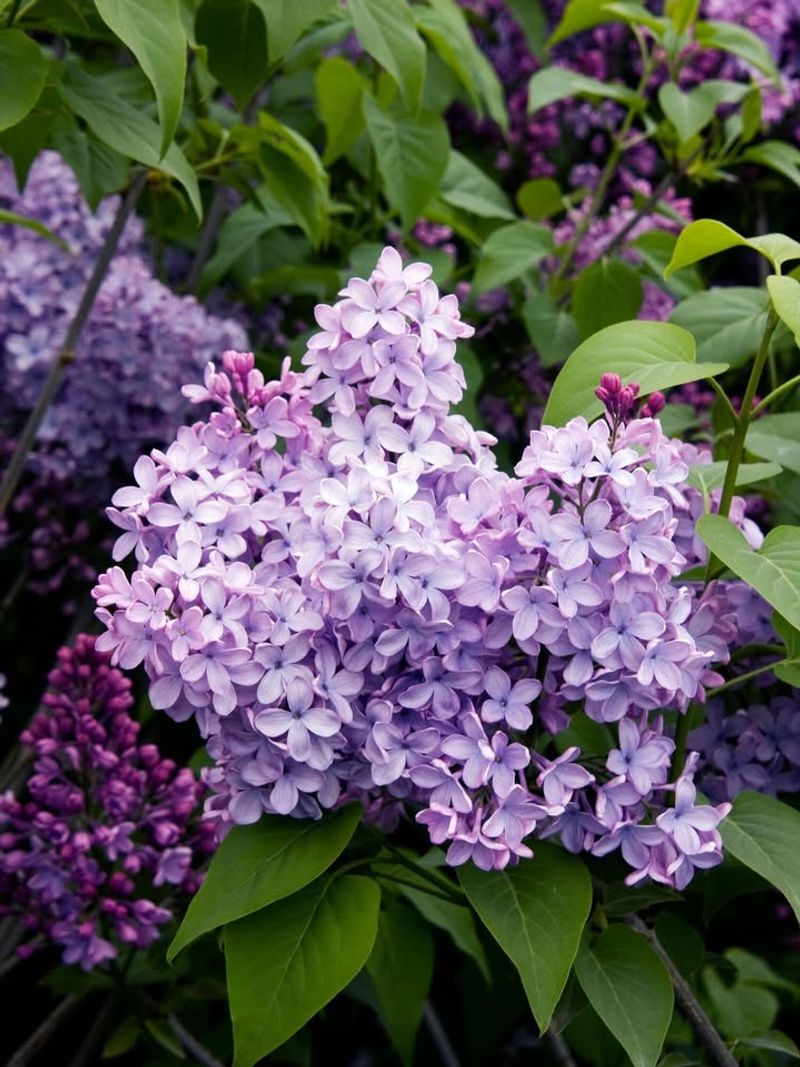
Lilacs hold a special place in Michigan gardens with their intoxicating fragrance and beautiful spring blooms. Like forsythia, these beloved shrubs flower on old wood.
Buds formed last summer now sit dormant on stems waiting for warm weather. February pruning removes all those fragrant flowers before they ever open.
The best time to prune lilacs falls right after blooming finishes in late May or early June. This narrow window allows the shrub to grow new stems and set buds for next year.
Wait too long past flowering and you’ll cut off developing buds. Prune too early and you’ll miss this year’s show entirely.
Lilacs often sucker heavily at the base, creating dense thickets over time. Many gardeners want to clean up this growth during winter.
Resist the temptation until after flowers fade. Those suckers probably carry flower buds too. Removing them now means fewer fragrant blooms to enjoy.
Old, overgrown lilacs sometimes need severe renewal pruning. Even this drastic work should happen after flowering.
You can remove up to one-third of the oldest stems at ground level. This encourages fresh growth from the base. Spread renewal pruning over three years to avoid shocking the plant.
Michigan lilacs occasionally suffer winter damage from extreme cold or heavy snow. Wait until spring to assess damage accurately.
What looks injured in February might leaf out perfectly fine by May. Prune off only confirmed damage after growth starts.
Lilacs are remarkably tough and often recover from apparent winter injury. Patience preserves those wonderful blooms that make Michigan springs so memorable.
12. Flowering Dogwood
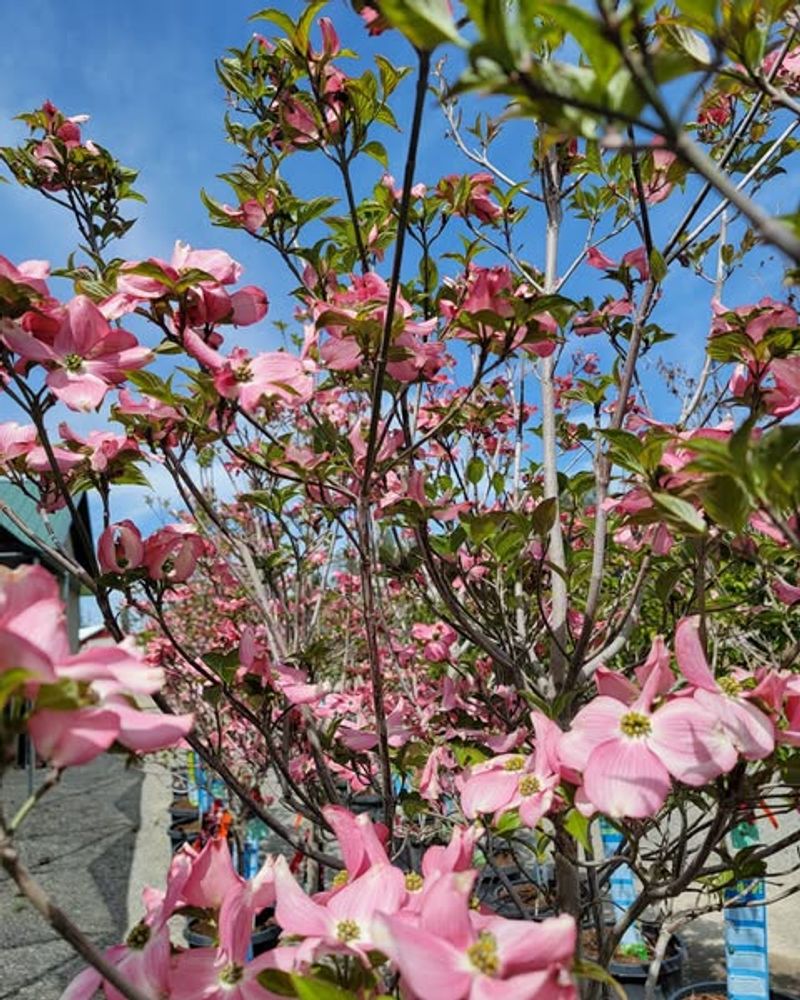
Flowering dogwoods grace Michigan landscapes with elegant blooms and distinctive branching patterns. These trees need special consideration when it comes to pruning timing.
February pruning causes several problems that make waiting worthwhile. Dogwoods bleed sap heavily when cut during dormancy. This sap flow weakens the tree and creates entry points for disease.
Anthracnose and other fungal diseases target flowering dogwoods aggressively. Wounds made during cool, damp weather invite these infections.
Late spring or early summer pruning allows cuts to heal quickly in warm, dry conditions. Disease pressure drops significantly during these periods compared to late winter.
Dogwoods naturally develop attractive branching patterns without much pruning. They rarely need the structural work that fruit trees require.
Most pruning involves removing damaged or diseased branches only. This minimal approach suits the tree’s growth habits better than aggressive shaping.
If you must prune a flowering dogwood, wait until after blooming finishes in late spring. Flowers form on old wood, so February pruning removes this year’s display.
The tree then has the entire growing season to compartmentalize wounds and set buds for next year.
Michigan winters can damage dogwood branches through cold injury or snow breakage. These damaged sections often don’t show their full extent until spring growth starts.
What looks fine in February might not leaf out properly in May. Waiting to prune until after leafing out ensures you remove only truly damaged wood.
Dogwoods grow slowly compared to many trees, so every branch matters. Careful pruning timing preserves their beauty and health for years to come.