Michigan Windbreak Plants That Also Help Pollinators
Wind can sweep across Michigan landscapes with surprising force, especially in open areas and near the water. It’s often the reason gardeners start thinking about windbreaks in the first place.
But what if that same planting could do more than just buffer strong gusts?
Across Michigan, more homeowners and growers are realizing that a well-planned windbreak can also support bees, butterflies, and other pollinators.
With the right mix of trees and shrubs, your landscape can offer protection, habitat, and seasonal interest at the same time. It’s a practical way to make every part of your yard work a little harder.
1. American Basswood Feeds Pollinators While Adding Height And Shade
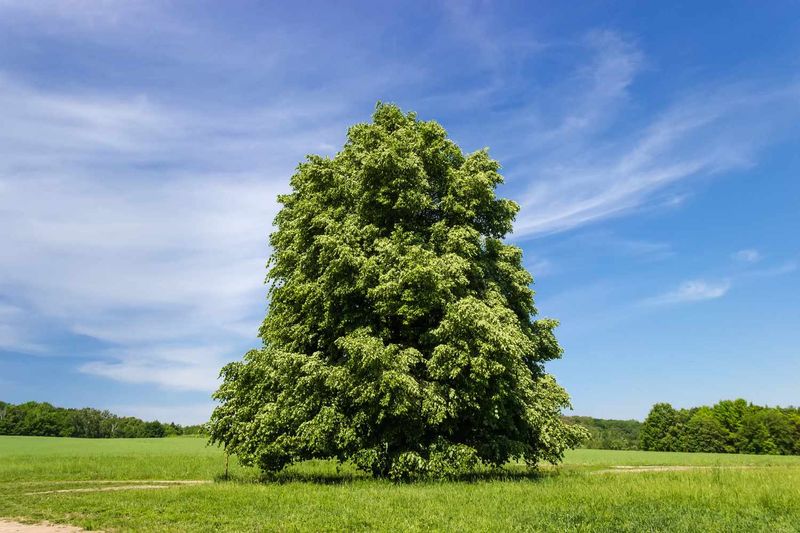
Few trees in Michigan can match the generous combination of wind protection and pollinator value that American Basswood brings to a layered planting.
Reaching heights well over 80 feet at maturity, this native giant creates a commanding presence along the windward edge of any property.
Its broad canopy helps reduce wind speed significantly, making it a reliable anchor plant for the tall tree layer of a windbreak system.
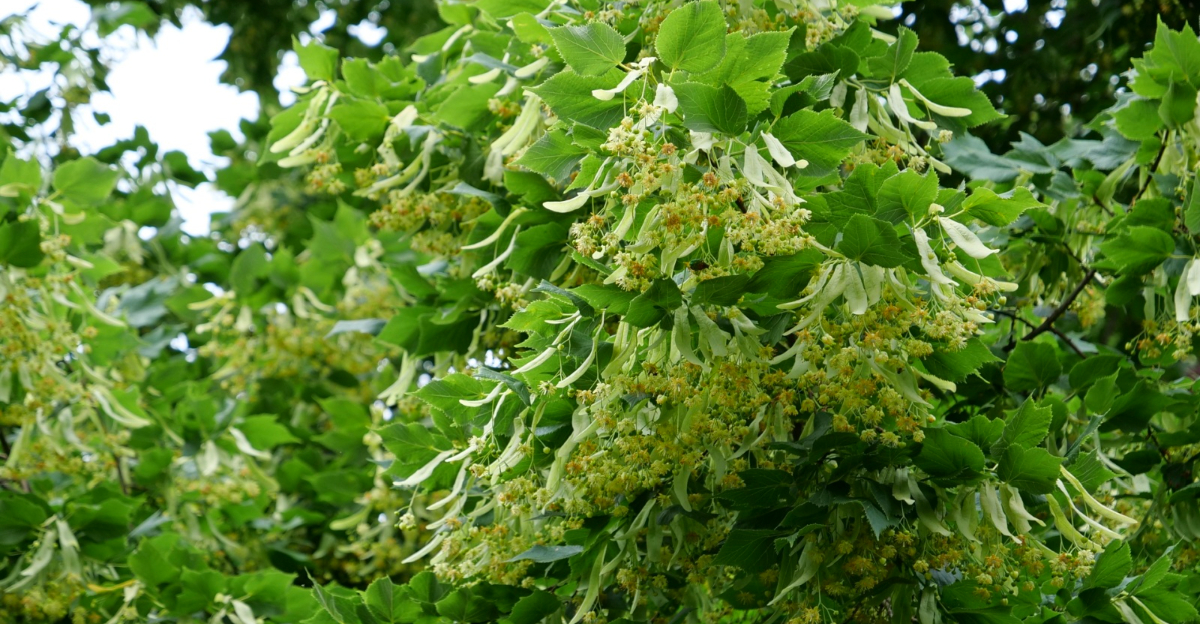
What really sets American Basswood apart is what happens in June. The tree erupts in clusters of small, creamy yellow flowers that carry a sweet, almost honeyed fragrance noticeable from a surprising distance.
Bees are particularly drawn to these blossoms, and basswood honey is considered a premium product by beekeepers across the Midwest. Butterflies, wasps, and other beneficial insects also visit regularly during the bloom period.
Beyond the flowers, the leaves serve as food sources for moth and butterfly larvae, adding another layer of ecological value.
American Basswood grows well across most of Michigan in moist, well-drained soils and prefers full sun to partial shade.
Space trees roughly 20 to 30 feet apart to allow room for healthy crown development. Young trees establish fairly quickly when planted in the right conditions, making them a rewarding long-term investment for any Michigan windbreak planting.
2. Eastern White Pine Creates Year Round Wind Protection
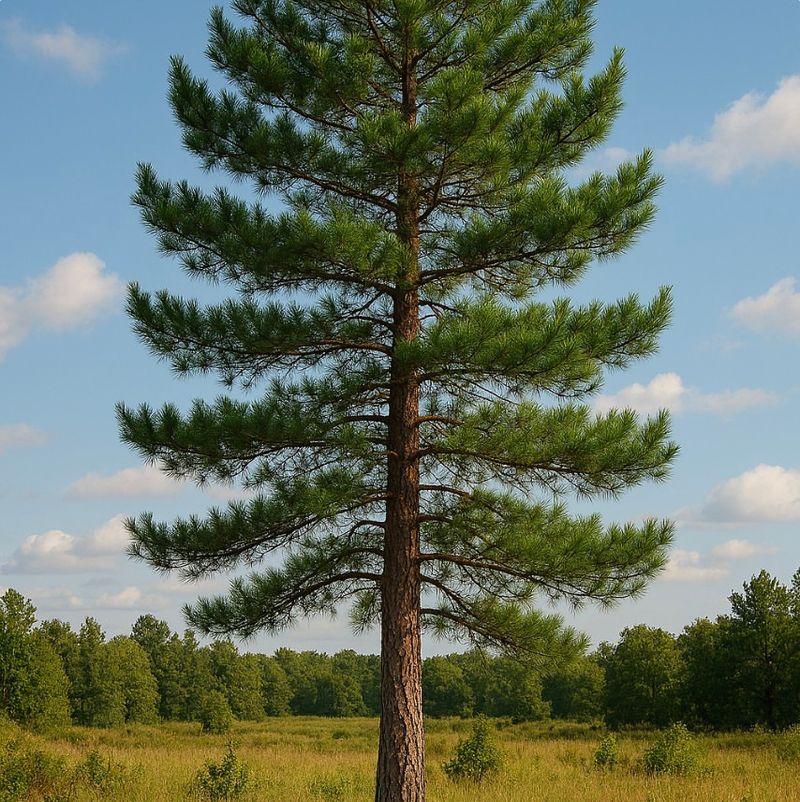
When winter winds sweep across open Michigan farmland or suburban yards, having a row of Eastern White Pine standing guard makes a noticeable difference in how exposed a property feels.
Unlike deciduous trees that shed their foliage and leave gaps in your windbreak during the coldest months, Eastern White Pine keeps its soft, blue-green needles year round, providing consistent wind reduction through every season.
Eastern White Pine is one of the tallest native trees in the eastern United States, capable of reaching 80 feet or more over time. Its layered branching structure catches and deflects wind effectively even at a relatively young age.
For windbreak planning in Michigan, planting in staggered double rows spaced about 10 to 14 feet apart creates a dense barrier that improves with each passing year.
The tree grows well across a wide range of Michigan soil types, though it prefers well-drained sandy or loamy ground.
While Eastern White Pine is not a major nectar source, it supports pollinators indirectly by providing sheltered habitat and overwintering cover for beneficial insects.
Early spring pollen from the cones also supports some bee species when other food sources are scarce.
Pairing Eastern White Pine with flowering shrubs on the leeward side of the windbreak creates a protected microclimate where pollinators can forage more comfortably even on breezy Michigan days.
3. Red Maple Supports Early Season Pollinators
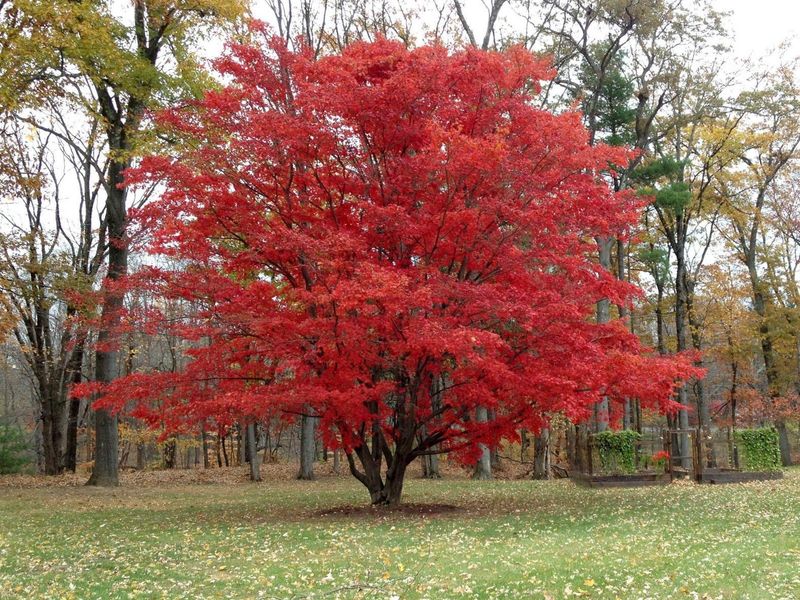
Long before most Michigan landscapes show any sign of spring color, Red Maple is already doing important work for pollinators.
One of the earliest trees to bloom in Michigan, Red Maple produces clusters of small but abundant red flowers in late February through March, often while snow is still on the ground.
For queen bumblebees and early-emerging native bees just coming out of winter dormancy, this early pollen and nectar source can be genuinely critical to survival.
As a windbreak component, Red Maple brings solid performance to the mid-to-upper canopy layer. Mature trees typically reach 40 to 60 feet in height with a rounded to oval crown that intercepts wind effectively.
Red Maple tolerates a wide range of Michigan soil conditions, including wetter sites where other trees might struggle.
That adaptability makes it especially useful in low-lying areas or near drainage swales where windbreak establishment can be challenging.
The fall foliage of Red Maple is spectacular, turning vivid shades of orange, red, and yellow, which adds seasonal visual interest to any windbreak planting.
For best results in Michigan, choose locally sourced stock when possible, as trees grown from regional seed sources tend to be better adapted to local frost dates and soil chemistry.
Space Red Maples about 15 to 20 feet apart within the windbreak row for good long-term canopy development.
4. Tuliptree Brings Height And Nectar Rich Blooms
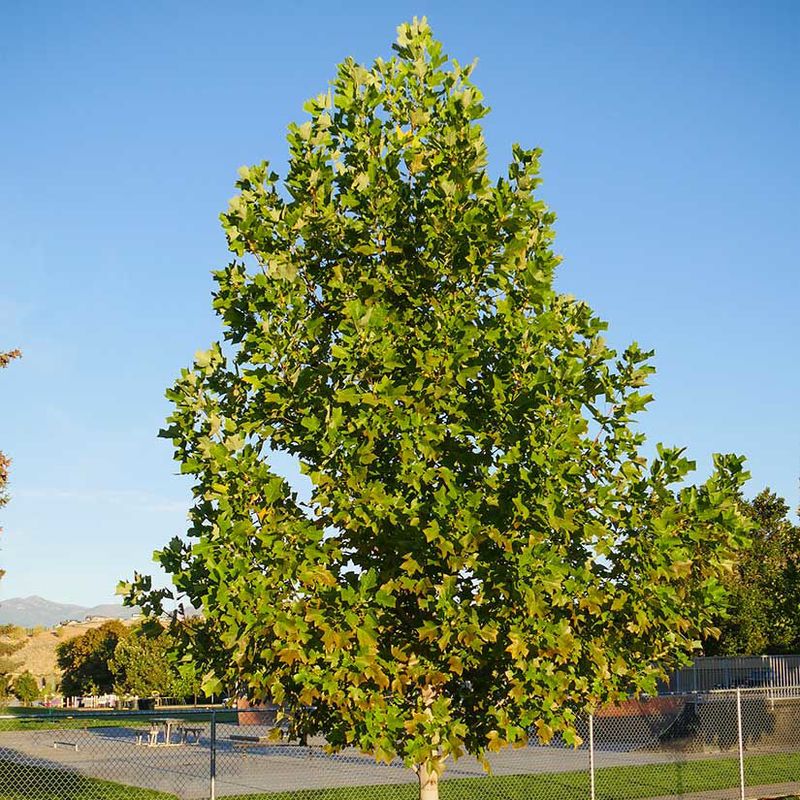
Soaring canopy height and showy flowers are not qualities most people expect from a windbreak tree, but Tuliptree delivers both with impressive consistency.
Native to much of the eastern United States and hardy across southern and central Michigan, this fast-growing tree can reach 70 to 90 feet tall, making it one of the most effective tall-layer windbreak species available to Michigan gardeners and landowners.
The flowers appear in May and June and resemble tulips in shape, with greenish-yellow petals marked by a distinctive orange band near the base.
They are rich in nectar, drawing in honeybees, native bees, and hummingbirds during the bloom period.
Because the flowers appear high in the canopy on mature trees, they can be easy to overlook from the ground, but the pollinator activity up in the branches is quite lively during peak bloom.
Tuliptree grows best in deep, moist, well-drained soils and prefers full sun exposure. In Michigan, it performs most reliably in the southern Lower Peninsula, where winters are somewhat milder.
The tree has a naturally straight trunk and relatively narrow crown when young, which makes spacing a bit more flexible in the early years. Plan for eventual spacing of 20 to 30 feet as the crown broadens with age.
Tuliptree is a genuinely striking addition to any large-scale Michigan windbreak.
5. Ninebark Adds Dense Growth To Lower Windbreak Layers
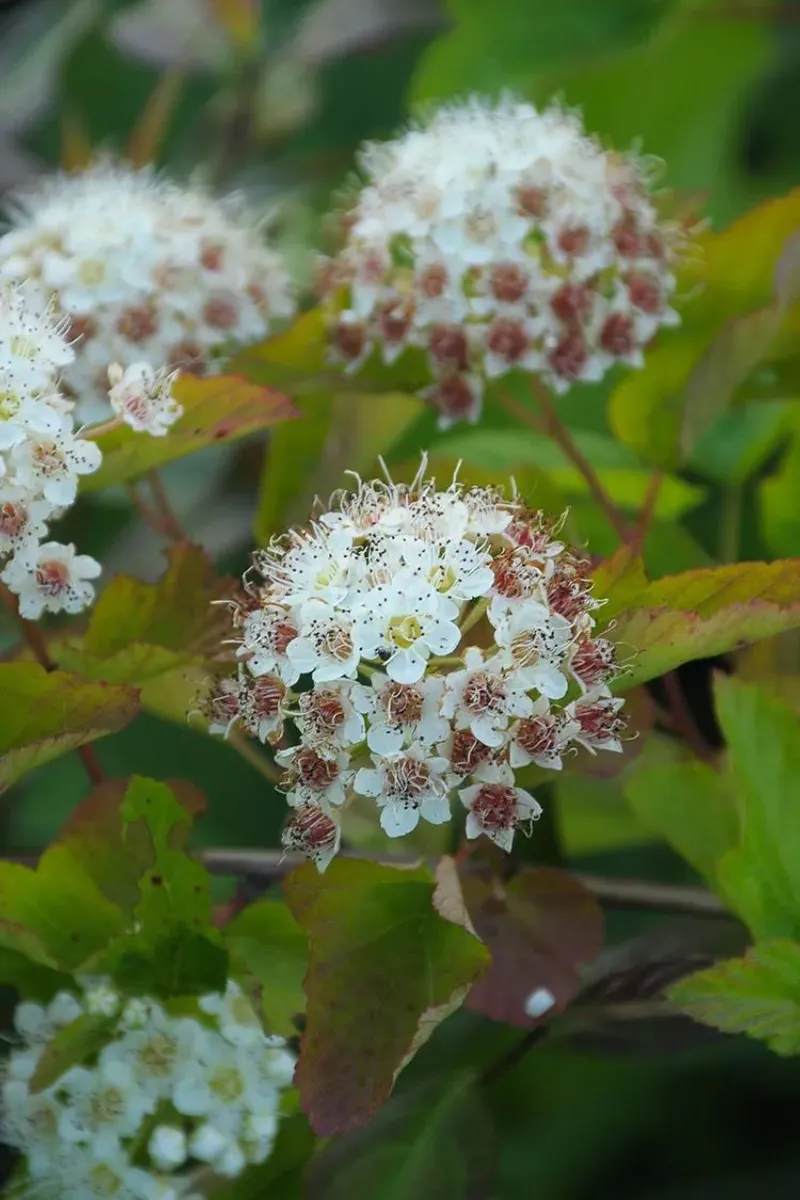
Building an effective windbreak means thinking in layers, and the lower shrub layer is where Ninebark really earns its place.
A tough, adaptable native shrub found throughout Michigan, Ninebark fills the critical gap between taller trees and open ground, creating a continuous physical barrier that slows wind from the ground level upward.
Without strong lower-layer plantings, wind can funnel beneath a tree canopy and reduce the overall effectiveness of the windbreak.
Ninebark typically grows 6 to 10 feet tall and wide, forming a dense, multi-stemmed mound of arching branches.
In late spring and early summer, it produces clusters of small white to pale pink flowers that attract a wide variety of native bees, including sweat bees and small carpenter bees.
The flowers are followed by reddish seed clusters that provide food for birds through fall and early winter, extending the ecological value of the planting well beyond the bloom season.
One of Ninebark’s most practical qualities for Michigan gardeners is its remarkable site tolerance.
It handles clay soils, occasional wet feet, and moderate drought once established, and it grows in full sun or partial shade without major complaints.
The exfoliating bark on older stems adds winter visual interest to an otherwise quiet windbreak. Prune lightly after flowering to maintain shape and encourage fresh, vigorous growth each season.
6. Red Osier Dogwood Forms Thick Shrub Barriers
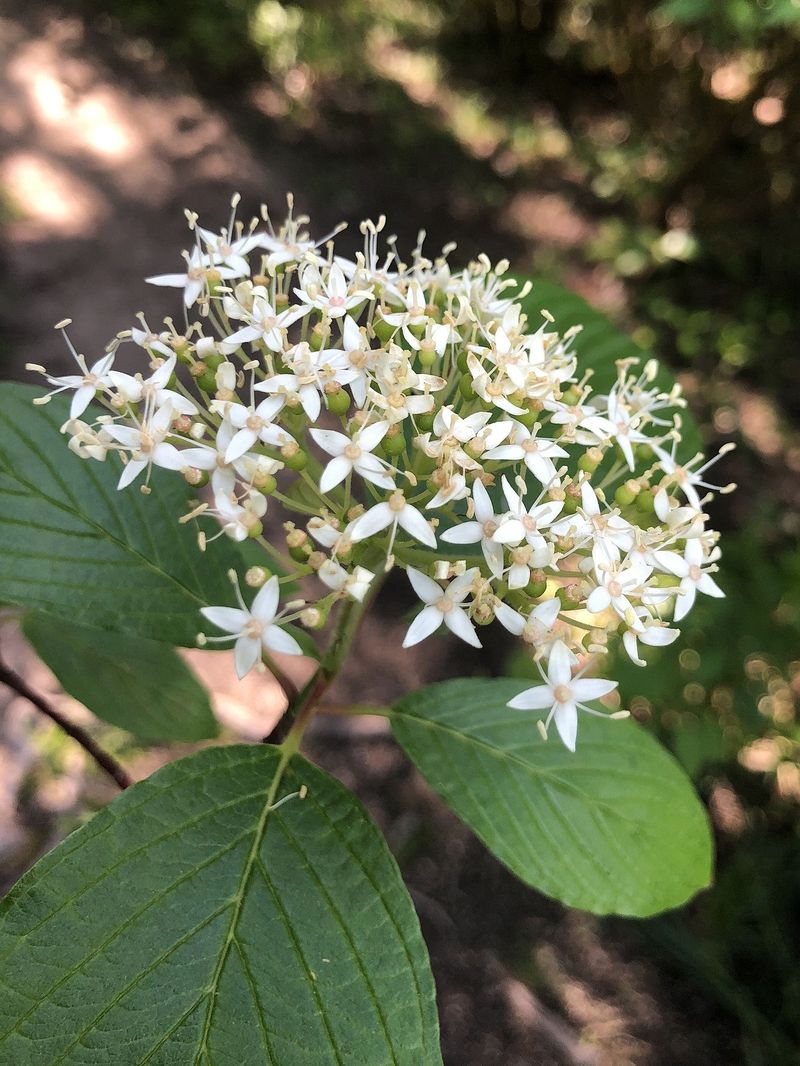
Bright red stems blazing against a snow-covered Michigan landscape are the image most people associate with Red Osier Dogwood, but this native shrub is working hard for pollinators and windbreak function long before winter arrives.
Few shrubs can match its combination of dense multi-stem growth, wildlife value, and tolerance for challenging Michigan site conditions, which is why it shows up in so many successful windbreak plantings across the state.
Red Osier Dogwood grows 6 to 9 feet tall and spreads aggressively through root suckers, forming thick colonies over time.
That spreading habit is actually an advantage in a windbreak context, as it creates a naturally thickening barrier that fills gaps and provides consistent wind reduction at the lower and mid-shrub layer.
In late spring and early summer, flat-topped clusters of small white flowers open across the plant, drawing in native bees, flies, and butterflies in good numbers.
The white berries that follow are quickly consumed by birds, and the dense branching provides nesting habitat for several Michigan songbird species.
Red Osier Dogwood thrives in moist to wet soils and is one of the best choices for low-lying, poorly drained areas where other windbreak shrubs might struggle.
It grows in full sun to partial shade and requires minimal maintenance once established. Cutting older stems back periodically encourages the brightest red winter color on new growth.
7. Nannyberry Viburnum Offers Structure With Seasonal Interest
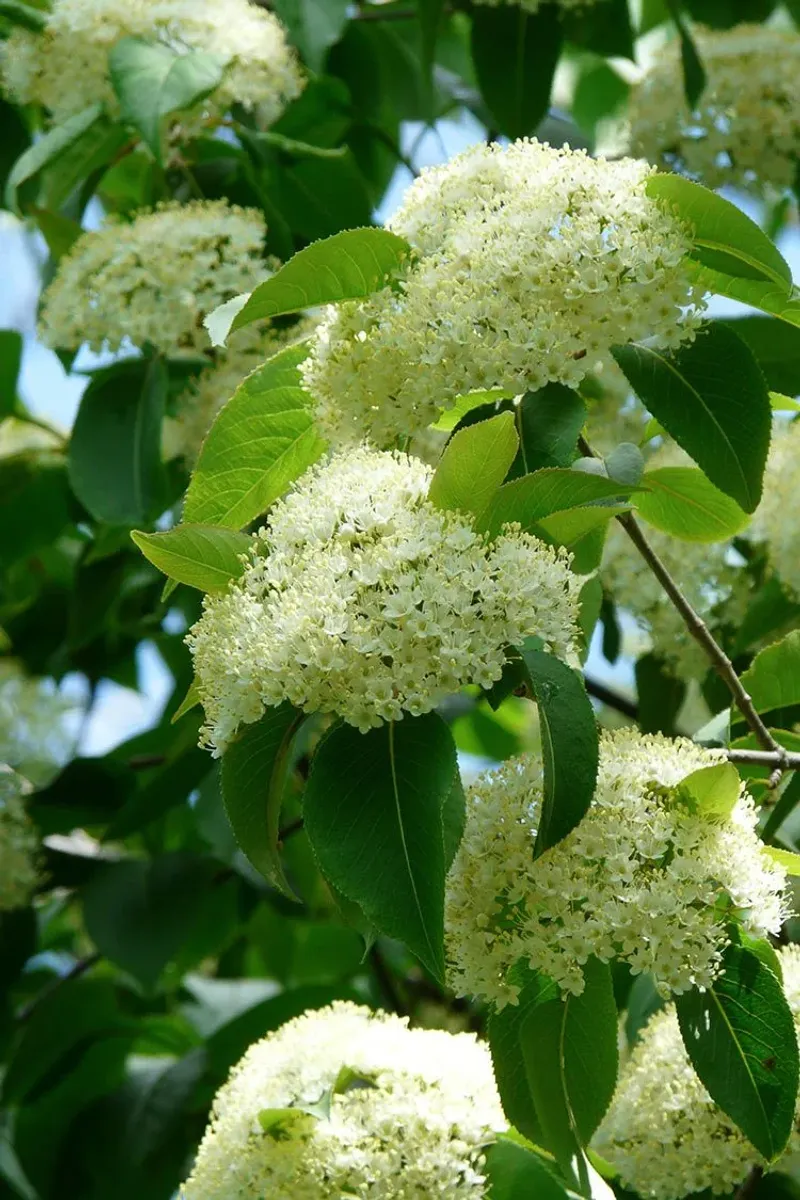
Layered windbreaks need shrubs that can handle Michigan’s seasonal extremes while contributing something meaningful to the landscape in every month of the year, and Nannyberry Viburnum checks that box with quiet confidence.
Taller than many shrubs at 10 to 18 feet, it bridges the gap between low-growing ground layer plants and the mid-canopy trees above, helping create a more complete and aerodynamically effective windbreak profile.
Flat-topped clusters of creamy white flowers appear in late May and June, providing nectar and pollen to a range of native bees, beetles, and butterflies.
The bloom period is reliable and relatively long, lasting a few weeks under normal Michigan spring conditions.
After flowering, the plant sets clusters of small berries that ripen from green to pink to deep blue-black by late summer, attracting migrating birds and other wildlife throughout the fall season.
Nannyberry is a genuinely versatile plant that handles both wet and moderately dry Michigan soils with reasonable adaptability.
It grows in full sun or partial shade, which makes it useful in spots where larger windbreak trees are beginning to cast afternoon shadow on lower planting layers.
The foliage turns attractive shades of red and purple in autumn, adding one more season of visual interest. Allow enough space between plants, roughly 8 to 12 feet, to let each shrub develop its naturally graceful, arching form.
8. American Willow Supports Pollinators In Early Spring
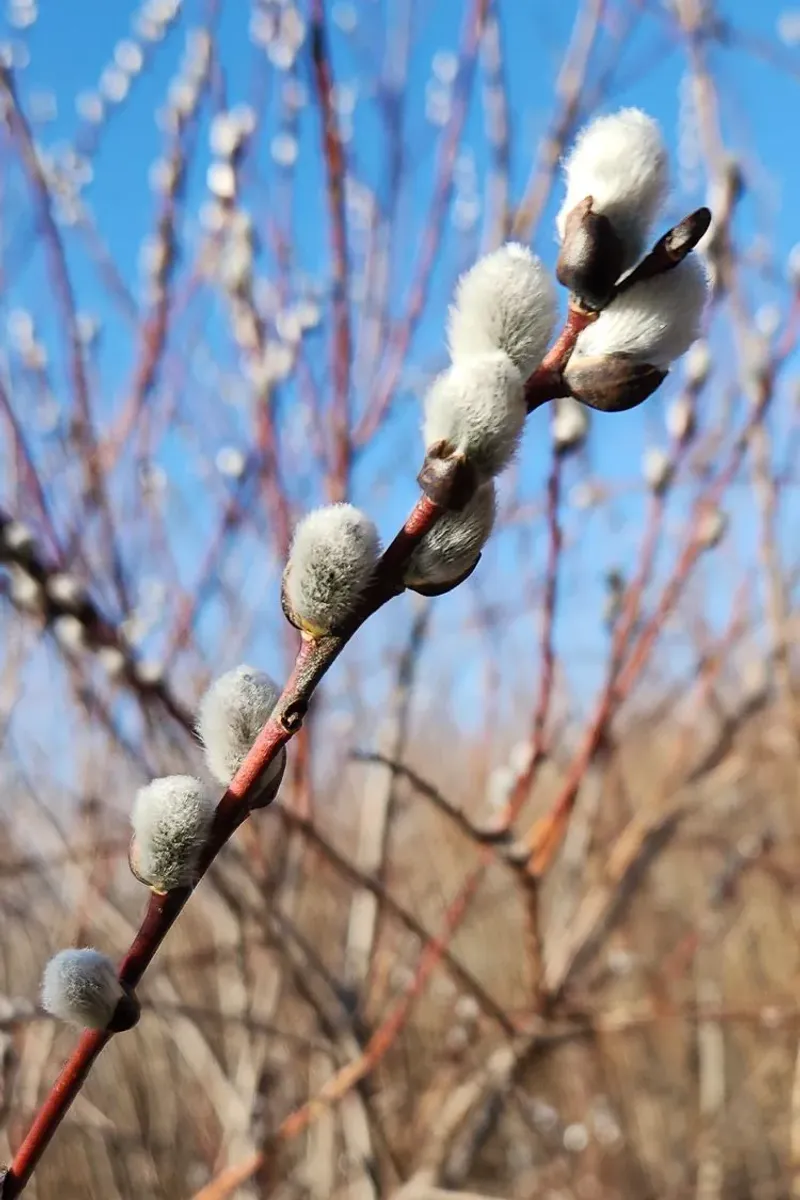
Early spring in Michigan can feel like a race against time for pollinators emerging from winter dormancy, and American Willow gives them a critical head start.
Among the earliest plants to produce pollen in the Michigan landscape, willows push out their fuzzy, nectar-rich catkins in March and April, sometimes even earlier in sheltered spots, well before most other woody plants show any sign of life.
For bumble bee queens and early native solitary bees, that timing is enormously valuable.
American Willow encompasses several native willow species suited to Michigan conditions, many of which grow as large multi-stemmed shrubs or small trees reaching 15 to 25 feet in height.
Their flexible, dense branching makes them effective at the mid-layer of a windbreak, particularly in wet or poorly drained areas where more rigid shrubs might underperform.
Willows are famously tolerant of saturated soils and are often used to stabilize streambanks and wet swales in Michigan landscapes.
Growth is rapid compared to many other windbreak species, which is helpful when establishing a new planting and wanting results within a few seasons.
Willows do benefit from occasional structural pruning to keep growth manageable and maintain a tidy windbreak form.
Planting along the northern or western edge of a property, where Michigan’s prevailing cold winds tend to originate, maximizes both the wind protection and the pollinator shelter benefits this adaptable native plant provides.