Michigan’s First Hummingbirds Arrive In February And Here Is How To Attract Them
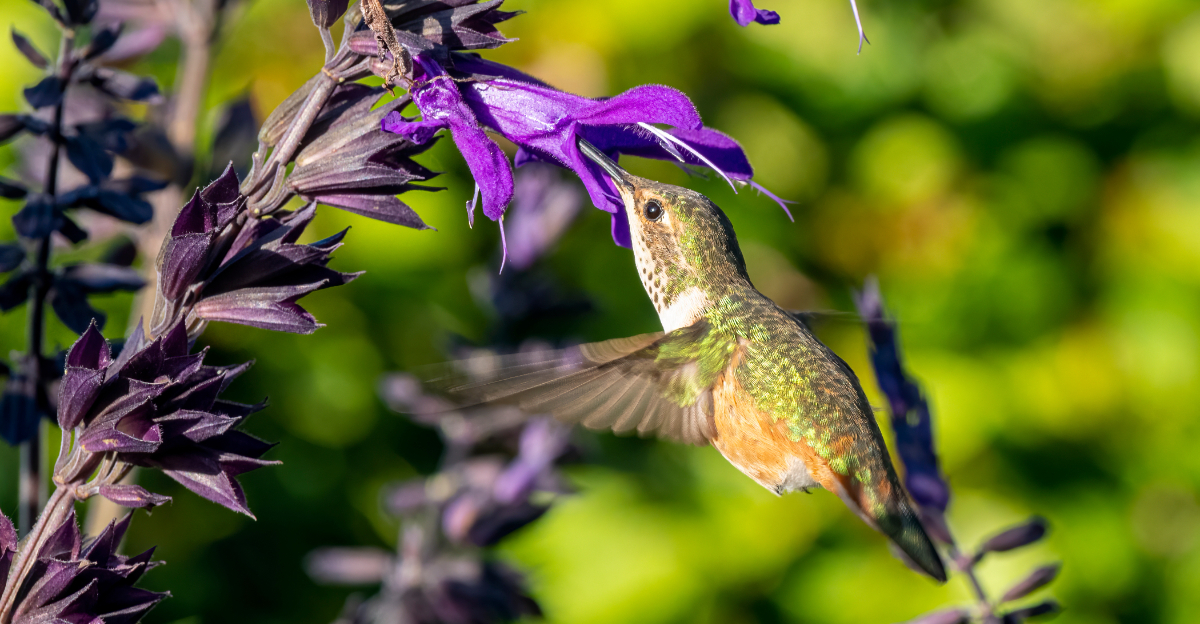
Every spring, Michigan gardens come alive with the flash of tiny wings and shimmering color as hummingbirds return from their long journey north.
Most arrive in late April, but the smartest gardeners start preparing weeks earlier to make sure these energetic visitors find everything they need the moment they appear. Welcoming hummingbirds is about more than hanging a feeder and hoping for the best.
These remarkable birds look for reliable nectar sources, fresh water, safe shelter, and spaces free from disturbance.
When your yard provides the right mix, it can become a favorite stop they return to year after year. Imagine watching them hover, dart, and sip just outside your window, bringing movement and life to your garden.
With a little planning and the right setup, you can turn your backyard into a hummingbird friendly haven that shines all season long.
Put Feeders Out Before Spring Migration Peaks
Getting your feeders ready before the main migration rush gives early arrivals immediate access to energy-rich nectar.
Ruby-throated hummingbirds typically show up in Michigan during the last week of April or first days of May. Weather patterns can shift timing slightly, so setting up by mid-April ensures you won’t miss the scouts.
Male hummingbirds usually arrive first, scouting territories and food sources before females follow. These early birds travel hundreds of miles and need quick refueling. A feeder already in place becomes a beacon they remember for future visits.
Placement matters as much as timing for success. Hang feeders near windows where you can enjoy watching but away from strong winds. Choose spots with some shade to keep nectar fresh longer.
Morning sun with afternoon shade works perfectly. Early preparation also lets you test your setup before birds arrive.
Check that feeders don’t leak and are easy to reach for cleaning. Position multiple feeders at least ten feet apart since males defend territories aggressively.
Starting early creates a reliable food station that hummingbirds will visit throughout the season.
Consistency rewards you with repeat visitors who return annually. Hummingbirds possess remarkable memories for good feeding locations. Your early effort establishes your yard as a trusted stopover point.
Use Correct Nectar Ratio (1 Part Sugar To 4 Parts Water)
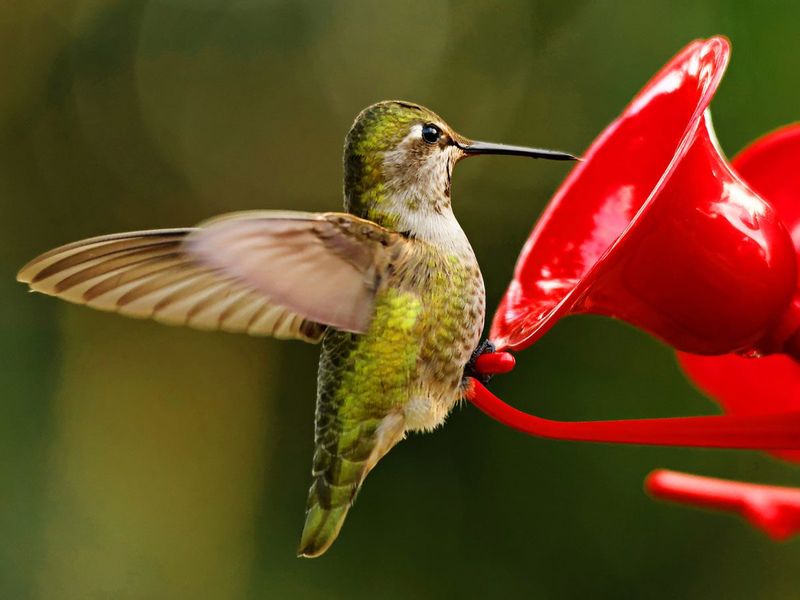
Making safe nectar requires only two ingredients: plain white granulated sugar and water. The magic ratio is one part sugar dissolved in four parts water. This mixture closely matches the sugar concentration in natural flower nectar that hummingbirds seek.
Boil water first, then stir in sugar until completely dissolved. Boiling helps the sugar dissolve faster and removes impurities. Let the mixture cool completely before filling feeders.
Extra nectar stores in the refrigerator for up to two weeks. Never add red dye, honey, artificial sweeteners, or brown sugar to your mixture. Red dye offers no benefit and may harm birds over time. Honey ferments quickly and can cause dangerous fungal infections.
Artificial sweeteners provide no calories that hummingbirds desperately need for their high-speed metabolism.
The proper ratio delivers essential calories without being too concentrated or diluted. Stronger mixtures can stress tiny kidneys, while weaker solutions don’t provide enough energy.
Hummingbirds burn calories incredibly fast, with heart rates reaching 1,200 beats per minute during flight.
Commercial nectar mixes work but cost more than homemade versions. If you choose premade options, verify they contain only sugar and avoid added colors.
Simple homemade nectar saves money and gives you complete control over ingredients. Fresh nectar keeps hummingbirds healthy and coming back regularly.
Clean Feeders Regularly
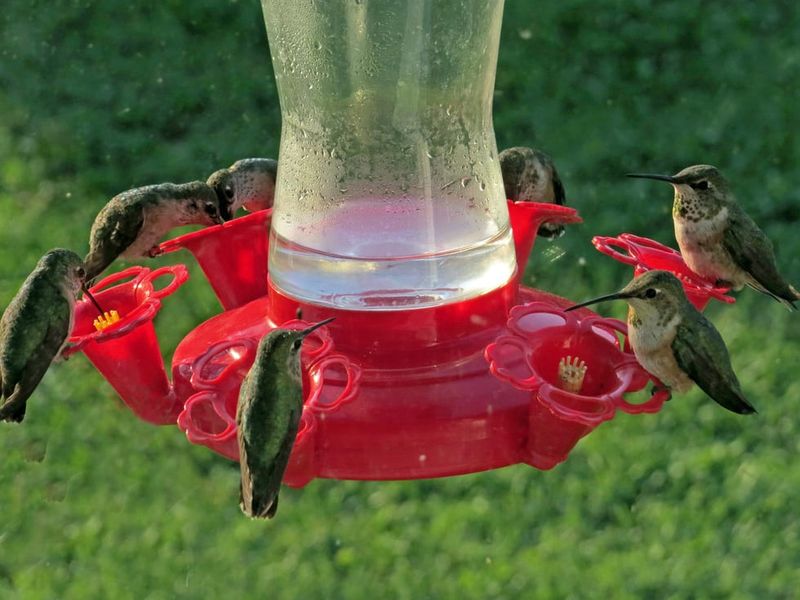
Feeder cleanliness directly impacts hummingbird health and your success attracting them. Nectar ferments quickly in warm weather, creating harmful mold and bacteria. Black mold appears as dark spots inside feeders and can make birds sick.
Regular washing prevents these problems completely. Clean feeders every three to five days during cool weather.
When temperatures rise above 70 degrees, increase cleaning to every two days. Hot summer weather above 90 degrees requires daily cleaning and nectar changes. These schedules keep nectar fresh and safe.
Use hot water and a bottle brush designed for feeder ports and reservoirs. Scrub all surfaces thoroughly, paying special attention to feeding ports where mold hides. White vinegar works wonderfully for tough buildup without harmful chemicals.
Rinse everything multiple times until no soap or vinegar smell remains. Avoid dishwashers since high heat can warp plastic feeders.
Skip bleach unless you have severe mold, then use a very diluted solution and rinse extensively. Natural cleaning methods protect birds while keeping feeders sparkling.
Dirty feeders discourage hummingbirds from visiting even when other conditions are perfect. Birds instinctively avoid spoiled food sources. Your commitment to cleanliness shows in increased bird activity and longer visits.
Well-maintained feeders become preferred stops that hummingbirds recommend to their friends through their continued presence.
Plant Native Nectar-Producing Flowers
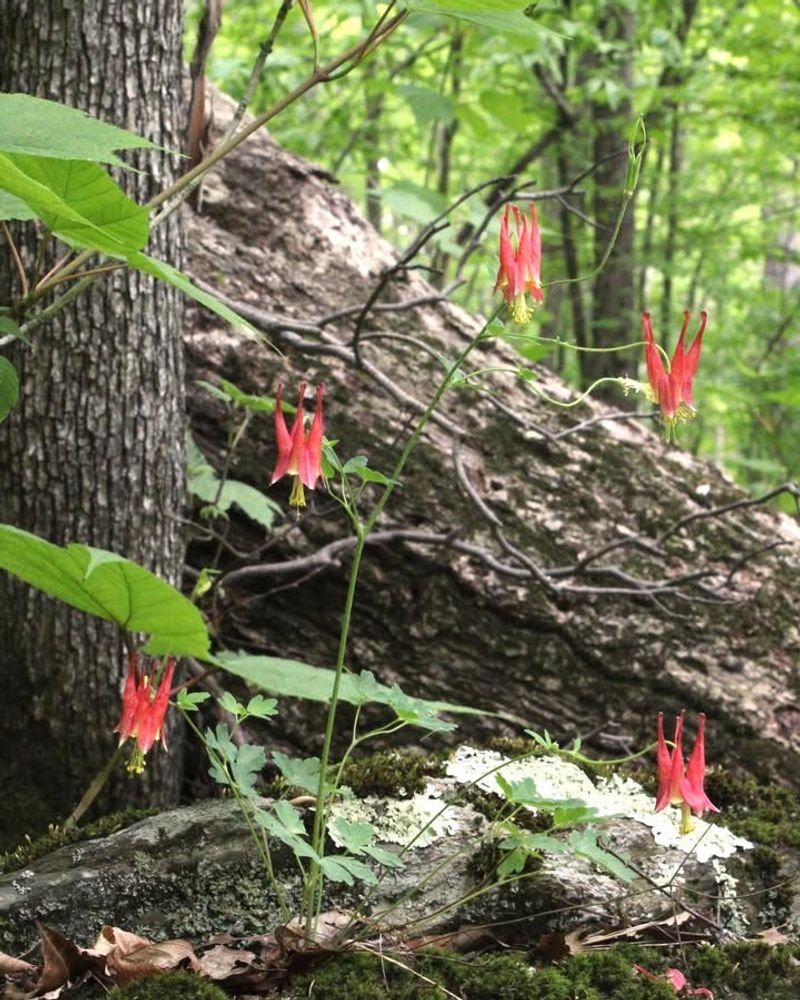
Native plants offer advantages that imported species simply cannot match for local hummingbirds.
Michigan natives evolved alongside ruby-throated hummingbirds, creating perfect partnerships. These plants bloom at ideal times, provide proper nectar concentrations, and require less maintenance than exotic varieties.
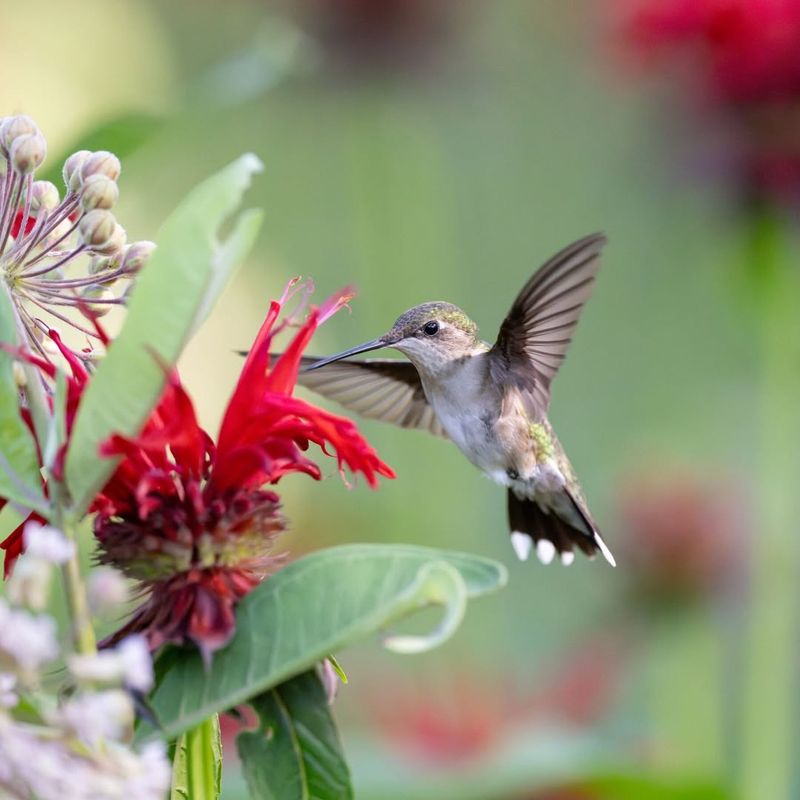
Bee balm stands out as a hummingbird magnet with bright red tubular flowers. This native perennial thrives in Michigan gardens and blooms for weeks during peak hummingbird season.
Wild columbine produces delicate red and yellow flowers that hummingbirds adore in spring. Cardinal flower grows naturally along Michigan streams and adapts well to garden beds.
Its brilliant red spikes bloom in late summer when hummingbirds need energy for migration. Trumpet honeysuckle vines offer orange-red tubular flowers and provide nesting cover simultaneously.
Native plants support entire ecosystems beyond just hummingbirds. They attract insects that hummingbirds eat for protein, especially important for growing chicks. These plants resist local pests better and survive Michigan winters without special protection.
Group several native species together for maximum impact. Hummingbirds spot large color patches more easily than scattered single plants. Choose varieties with different bloom times to extend nectar availability.
Native gardens require less water, fertilizer, and pesticides while supporting local wildlife beautifully. Your native plant choices benefit hummingbirds and countless other creatures sharing your backyard habitat.
Provide Continuous Bloom From Spring Through Fall
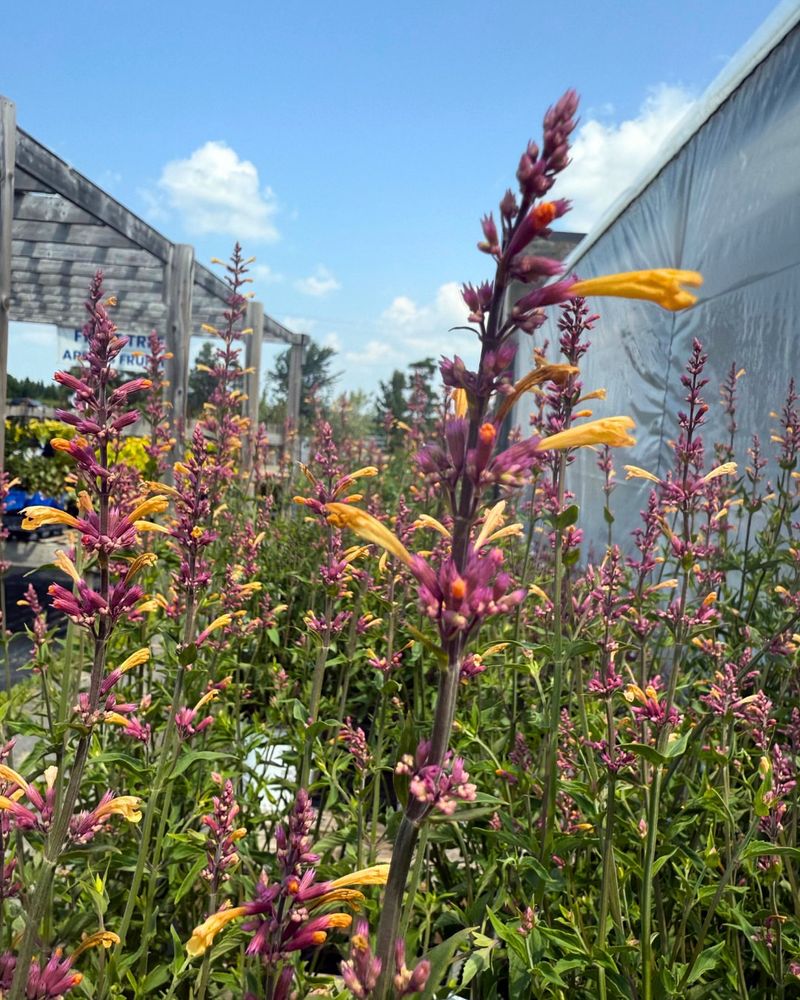
Strategic planting ensures nectar availability from the moment hummingbirds arrive until they depart for migration.
Early bloomers like columbine and wild geranium provide first meals in late April and May. These spring flowers give arriving birds immediate energy after their long journey north.
Summer brings peak blooming season with bee balm, phlox, and trumpet creeper vine. These mid-season champions bloom during nesting when adult birds feed hungry chicks constantly.
Abundant summer nectar supports breeding success and helps young birds grow strong.
Late-blooming plants become critically important as migration approaches. Cardinal flower, obedient plant, and jewelweed bloom into September and October. Fall migrants need maximum calories to fuel their journey to Central America.
Your late-season flowers provide essential energy reserves. Plan your garden like a restaurant with all-day service rather than limited hours.
Sketch bloom times on paper before purchasing plants. Aim for at least three different species blooming during each season.
Overlap ensures no gaps in nectar availability. Continuous blooms also keep your garden visually interesting throughout the growing season.
You enjoy changing colors and textures while hummingbirds enjoy reliable food. This approach works better than planting everything that blooms simultaneously.
Thoughtful succession planting creates a hummingbird paradise that serves birds from spring arrival through fall departure, maximizing your chances of hosting these jeweled visitors all season long.
Offer Shallow Moving Water Or Fine Mist
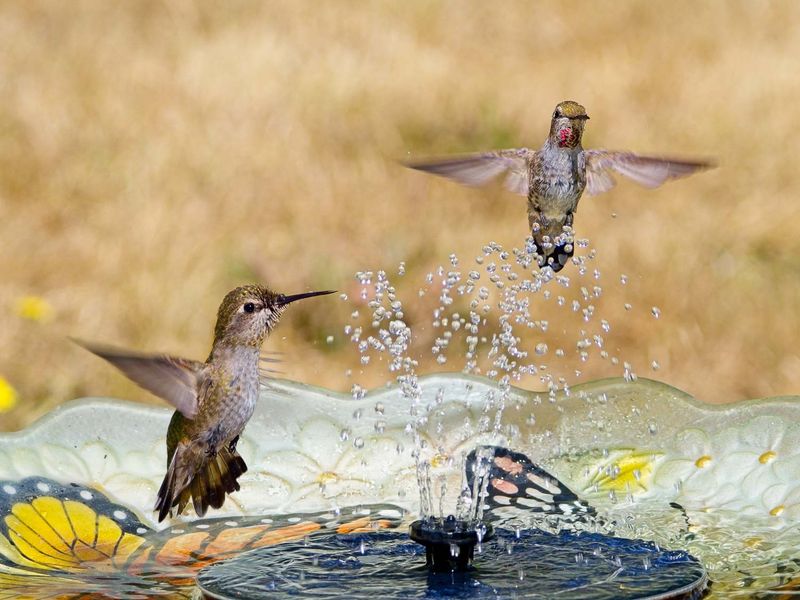
Hummingbirds need water for drinking and bathing but approach it differently than larger birds. Traditional birdbaths are too deep and still for their preferences. These tiny birds prefer moving water they can fly through or shallow edges where they feel safe.
Misters and fountain attachments create the perfect bathing experience. Hummingbirds fly directly through fine spray, letting droplets clean their feathers mid-flight.
Watch them perform aerial acrobatics through mist on hot summer days. This behavior looks like pure joy in action.
Solar-powered fountains work wonderfully without electrical outlets. Position them where water movement catches sunlight, creating sparkles that attract attention. The gentle sound of trickling water acts as an audible invitation to thirsty birds.
Shallow saucers filled with pebbles or marbles provide safe landing spots. Water depth of half an inch or less lets hummingbirds stand comfortably while drinking. Change water daily to prevent mosquito breeding and keep it fresh.
Drip systems offer another effective option using recycled containers. Punch a tiny hole in a jug suspended above a shallow dish. Adjust drip rate to one or two drops per second.
Hummingbirds investigate the movement and sound. Locate water sources near flowers and feeders where birds already visit.
Combining resources in one area creates a complete hummingbird station. Clean water features weekly to prevent algae buildup and maintain clear, inviting conditions.
Provide Shrubs And Trees For Shelter
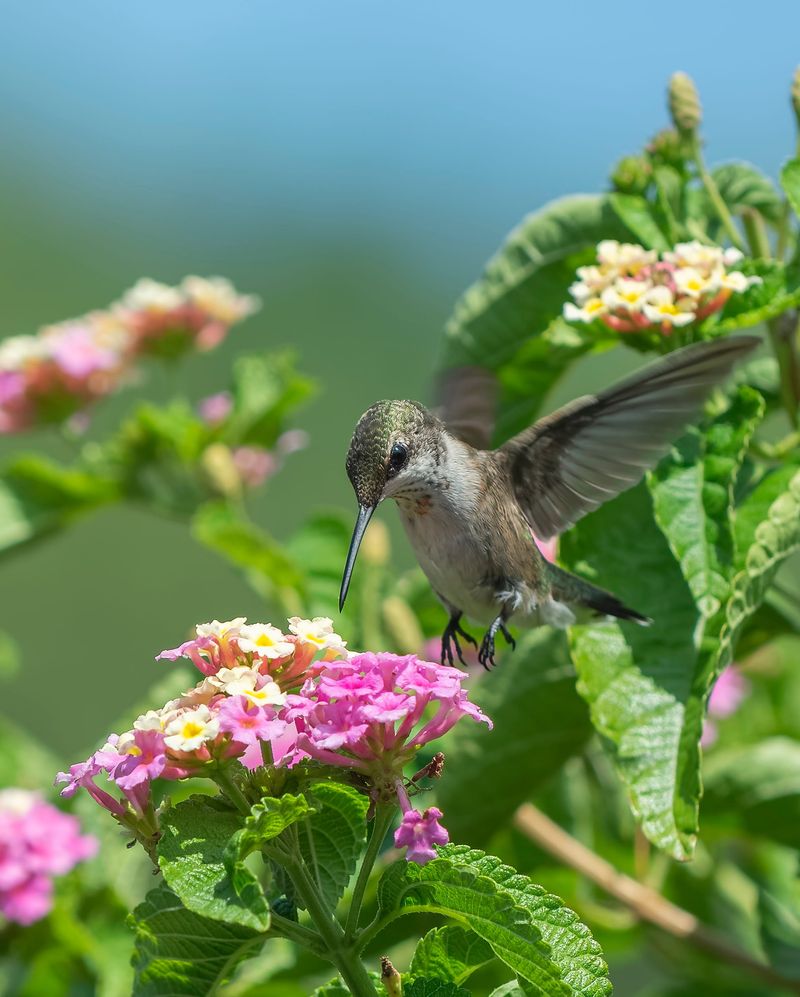
Hummingbirds spend more time perching than most people realize. Between feeding sessions, they rest on small branches to conserve energy and watch for intruders. Males especially need good perches for defending territories.
Strategic landscaping provides essential resting spots and nesting locations.
Small deciduous trees like serviceberry and hawthorn offer perfect perching branches. Their twigs are thin enough for tiny feet to grip comfortably. Spring flowers on these trees provide bonus nectar while summer foliage offers shade.
Shrubs create protective layers that hummingbirds use for shelter from weather and predators.
Viburnums, dogwoods, and elderberries grow well in Michigan and provide cover at various heights. Dense branching patterns give birds multiple escape routes if threatened.
Female hummingbirds build walnut-sized nests on downward-sloping branches. They prefer locations 10 to 20 feet high with overhead cover. Leaving some dead twigs provides nest-building materials since females use spider silk and lichen to construct homes.
Evergreens offer year-round structure even though hummingbirds migrate. During their Michigan stay, conifers provide windbreaks and rain protection. Position evergreens as backdrops behind feeding areas to create comfortable microclimates.
Avoid excessive pruning that removes all small branches. Natural growth patterns serve hummingbirds better than overly manicured landscapes. Let some areas grow slightly wild to maximize habitat value.
Your layered landscape with trees, shrubs, and flowers creates the complete environment hummingbirds seek when choosing where to spend their summer.
Avoid Pesticides Near Feeding Areas
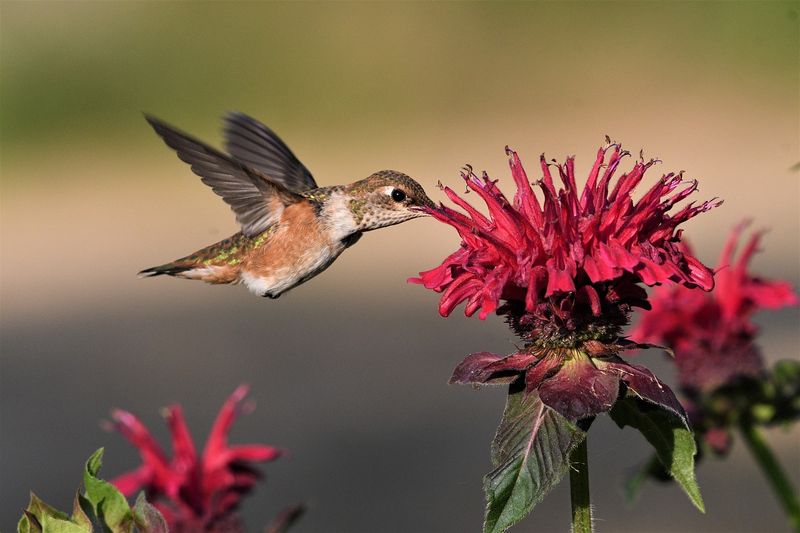
Hummingbirds need more than nectar to survive and thrive. Protein from small insects and spiders makes up a significant portion of their diet, especially when feeding chicks. A single hummingbird may consume hundreds of tiny insects daily.
Pesticides eliminate this crucial food source and can poison birds directly.
Baby hummingbirds require constant protein for proper growth and development. Parent birds catch gnats, aphids, fruit flies, and small spiders to feed nestlings. Gardens treated with insecticides become food deserts lacking the protein hummingbirds desperately need.
Chemical residues on flowers can transfer to nectar that hummingbirds consume. Their small body size makes them especially vulnerable to toxins. Even products labeled safe for bees may harm hummingbirds through different exposure pathways.
Natural pest management protects hummingbirds while controlling problem insects. Encourage beneficial insects like ladybugs that eat aphids. Hand-pick larger pests or use targeted physical barriers.
Healthy plant diversity naturally reduces pest outbreaks.
If you must treat specific problems, choose organic options with short residual periods. Apply treatments in evening when hummingbirds are not active. Keep treated areas away from feeders and favorite flowers.
Chemical-free gardens support robust insect populations that feed many bird species. Your decision to skip pesticides creates a healthier ecosystem where hummingbirds find both nectar and protein.
This complete nutrition source keeps birds healthy, supports successful nesting, and encourages them to return year after year to your welcoming, pesticide-free paradise.
Leave Feeders Up Through Fall Migration
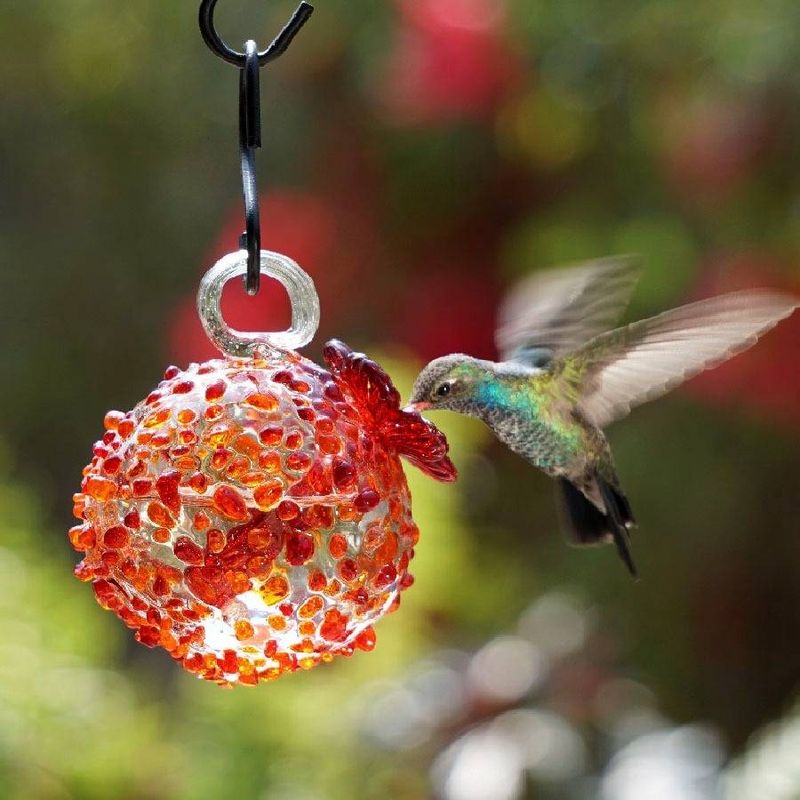
A persistent myth claims that leaving feeders up prevents migration. This is completely false and keeping feeders available actually helps traveling birds. Hummingbirds migrate based on instinct and changing daylight, not food availability.
Your feeders provide critical fuel for their incredible journey.
Fall migration stretches from late August through October in Michigan. Adult males leave first, followed by females, with young birds departing last. Stragglers and migrants from farther north pass through your area needing energy-rich stops.
September and October feeding becomes especially important as natural flower sources decline. Many gardens have fewer blooms by fall just when migrants need maximum calories. Your maintained feeders offer reliable sustenance when natural sources diminish.
Keep feeders clean and filled until you see no hummingbird activity for two full weeks. Some years, birds linger longer depending on weather patterns. Late migrants deserve support just like early spring arrivals.
Rare vagrant species occasionally appear in fall, sometimes staying into November. Western hummingbird species blown off course have survived Michigan winters thanks to dedicated feeders. Your continued feeding might help an unusual visitor.
Monitor nectar more carefully as temperatures drop since cold slows fermentation. You can reduce cleaning frequency slightly in cool weather. Remove feeders only after consistent hard freezes and complete absence of birds.
Your commitment to extended feeding supports the remarkable journey these tiny athletes undertake twice yearly, giving them the best chance for successful migration.
Maintain Habitat Year-Round
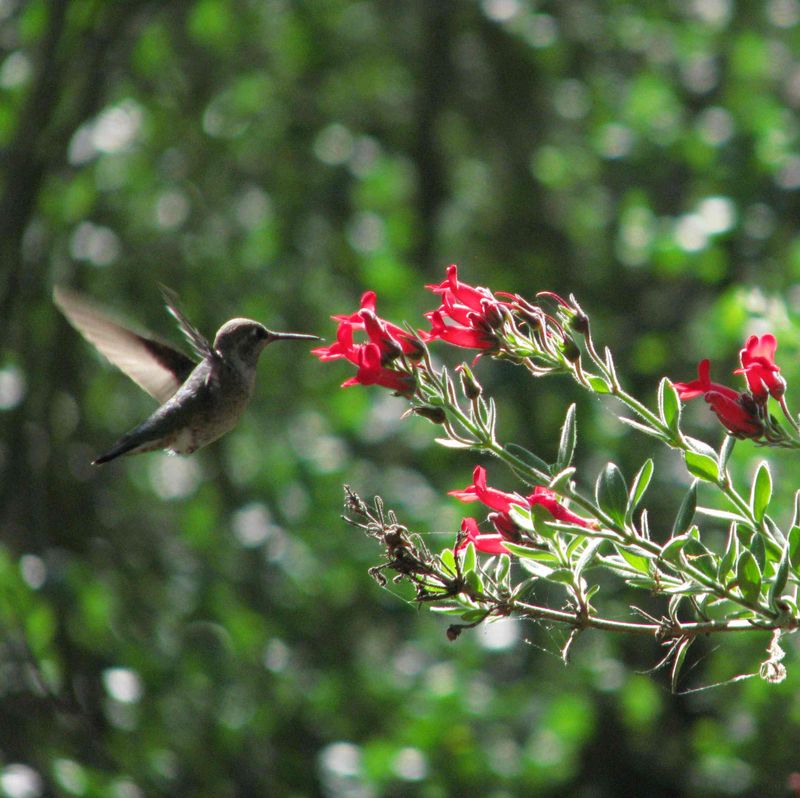
Creating a hummingbird haven requires thinking beyond the summer season. Year-round habitat management sets the stage for successful visits when birds return each spring.
Winter preparations and off-season maintenance make your yard a reliable destination that hummingbirds remember and revisit.
Leave perennial flower stalks standing through winter instead of cutting everything down. These structures provide overwintering sites for beneficial insects that hummingbirds will eat next season.
Native plant seeds feed other birds that keep your garden ecosystem balanced. Plan spring garden tasks around early hummingbird arrival.
Prune shrubs and trees in late winter before birds return. Complete major landscaping projects by early April so everything settles before migration. Avoid disturbing potential nesting areas during breeding season.
Test and repair feeders during winter months when you have time. Replace worn parts, check for cracks, and ensure everything works properly. Store clean feeders in a protected area so they are ready when needed.
Use the off-season to expand your hummingbird garden. Research new native plants and order seeds or starts for spring planting. Sketch garden improvements and gather materials during winter sales.
Document what worked each season and what needs adjustment. Note which flowers attracted the most visits and when peak activity occurred.
This information helps you refine your approach annually. Consistent habitat management year after year builds a reputation among hummingbirds.
These remarkable birds return to proven territories, often using the same nesting trees and feeding routes. Your dedication creates a legacy that benefits hummingbirds for many seasons to come.