10 Micro-Habitats Thriving In Maryland Yards
Maryland yards often hold more life than meets the eye, with tiny pockets of habitat buzzing, fluttering, and growing in quiet corners.
These micro-habitats may seem small, yet they pack a punch, giving countless creatures a place to feed, hide, and raise their young.
A damp patch under a log can turn into a frog’s hideout, while a sunny strip along a fence might become a butterfly’s favorite pit stop.
Even fallen leaves, tangled roots, and shallow puddles help create bustling little neighborhoods.
With each micro-habitat working behind the scenes, a simple yard transforms into a lively ecosystem bursting with hidden stories.
1. Fallen Log Shelters
Decaying wood creates a thriving apartment complex for Maryland’s smallest residents.
When a branch or tree trunk falls and begins breaking down, it becomes home to beetles, centipedes, salamanders, and countless other creatures.
The soft, moist wood provides both food and protection from predators and harsh weather.
Fungi and bacteria work tirelessly to decompose the wood, creating nutrient-rich material that feeds the soil.
This process can take years, during which the log supports different species at various stages of decay.
Early on, bark beetles and carpenter ants move in, while later stages attract millipedes and sowbugs that feast on the crumbly wood.
Maryland gardeners often rush to remove fallen branches, but leaving one or two logs creates invaluable habitat.
Position them in shady spots where moisture stays consistent.
Red-backed salamanders, common throughout Maryland forests, especially appreciate these rotting wood refuges.
The log doesn’t need to be massive to be beneficial.
Even small branches stacked together create similar conditions.
As the wood breaks down, it gradually enriches your soil while supporting a complex food web.
Ground-feeding birds like thrushes and towhees will visit regularly to hunt the insects living within, adding another layer of wildlife activity to your Maryland yard.
2. Native Wildflower Patches
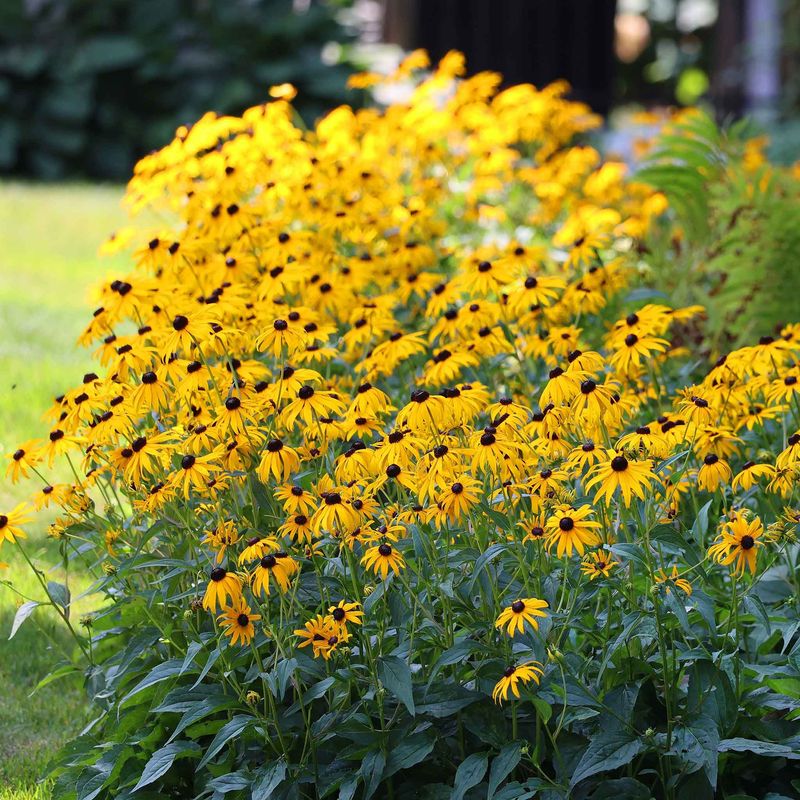
Picture a sunny corner bursting with golden black-eyed Susans, purple coneflowers, and vibrant milkweed swaying in the breeze.
Native wildflower patches transform ordinary grass into pollinator paradise.
Maryland’s native bees, butterflies, and hummingbirds have evolved alongside these plants for thousands of years, making them far more attractive than exotic ornamentals.
Establishing a wildflower area requires minimal maintenance once plants take root.
Unlike traditional flower beds demanding constant deadheading and fertilizing, native species thrive on benign neglect.
They’ve adapted to Maryland’s clay soils, humid summers, and variable rainfall patterns without human intervention.
Monarch butterflies desperately need milkweed plants, which only grow naturally in North American yards and fields.
By planting common milkweed or swamp milkweed, Maryland homeowners directly support this threatened species.
Other natives like mountain mint and Joe-Pye weed attract dozens of beneficial insect species throughout the growing season.
Start small with a four-by-four-foot section and expand as confidence grows.
Plant in groups of three to five for visual impact and to help pollinators find resources efficiently.
Leave flower stalks standing through winter, as many native bees nest in hollow stems.
Come spring, Maryland’s wildflower patch becomes a classroom, entertainment center, and conservation project all rolled into one beautiful space.
3. Brush Pile Hideaways
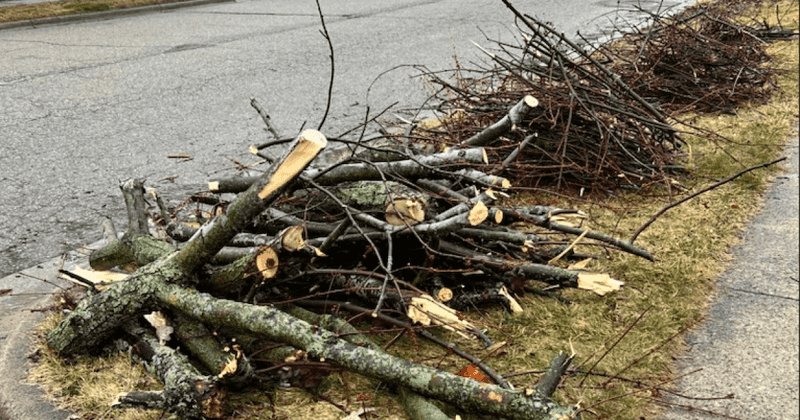
Branches left from pruning don’t belong in landfills when they can become five-star accommodations for wildlife.
Brush piles offer instant habitat for rabbits, wrens, sparrows, chipmunks, and toads across Maryland properties.
The tangled structure provides escape routes from predators and protection from winter winds and summer heat.
Construction couldn’t be simpler.
Start with larger limbs as a foundation, crisscrossing them to create a stable base with plenty of gaps.
Layer progressively smaller branches on top, leaving the pile loose and airy rather than compacted.
Aim for a structure about four feet high and six feet across, though smaller versions work perfectly fine.
Position your brush pile along a fence line or property edge where it blends naturally into the landscape.
Carolina wrens, common throughout Maryland, absolutely adore brush piles for nesting and foraging.
These energetic little birds hunt spiders and insects hiding among the branches while staying safe from neighborhood cats.
Refresh the pile annually by adding new material on top as lower layers decompose.
This gradual breakdown feeds soil organisms while maintaining the protective structure above.
During Maryland’s occasional snowstorms, brush piles become critical shelters for small animals that might otherwise struggle to survive.
What looks like a messy pile to some neighbors represents a lifesaving resource for dozens of creatures sharing your outdoor space.
4. Shallow Water Features
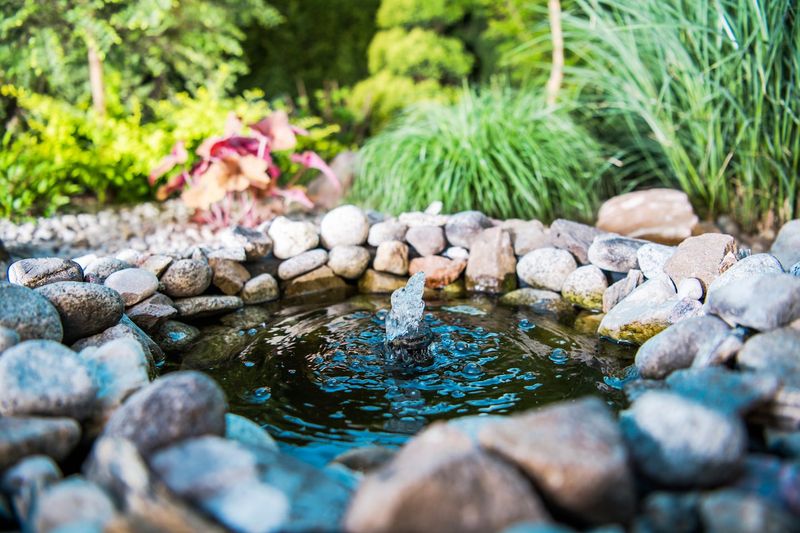
Every creature needs water, yet finding clean drinking sources challenges wildlife in developed areas.
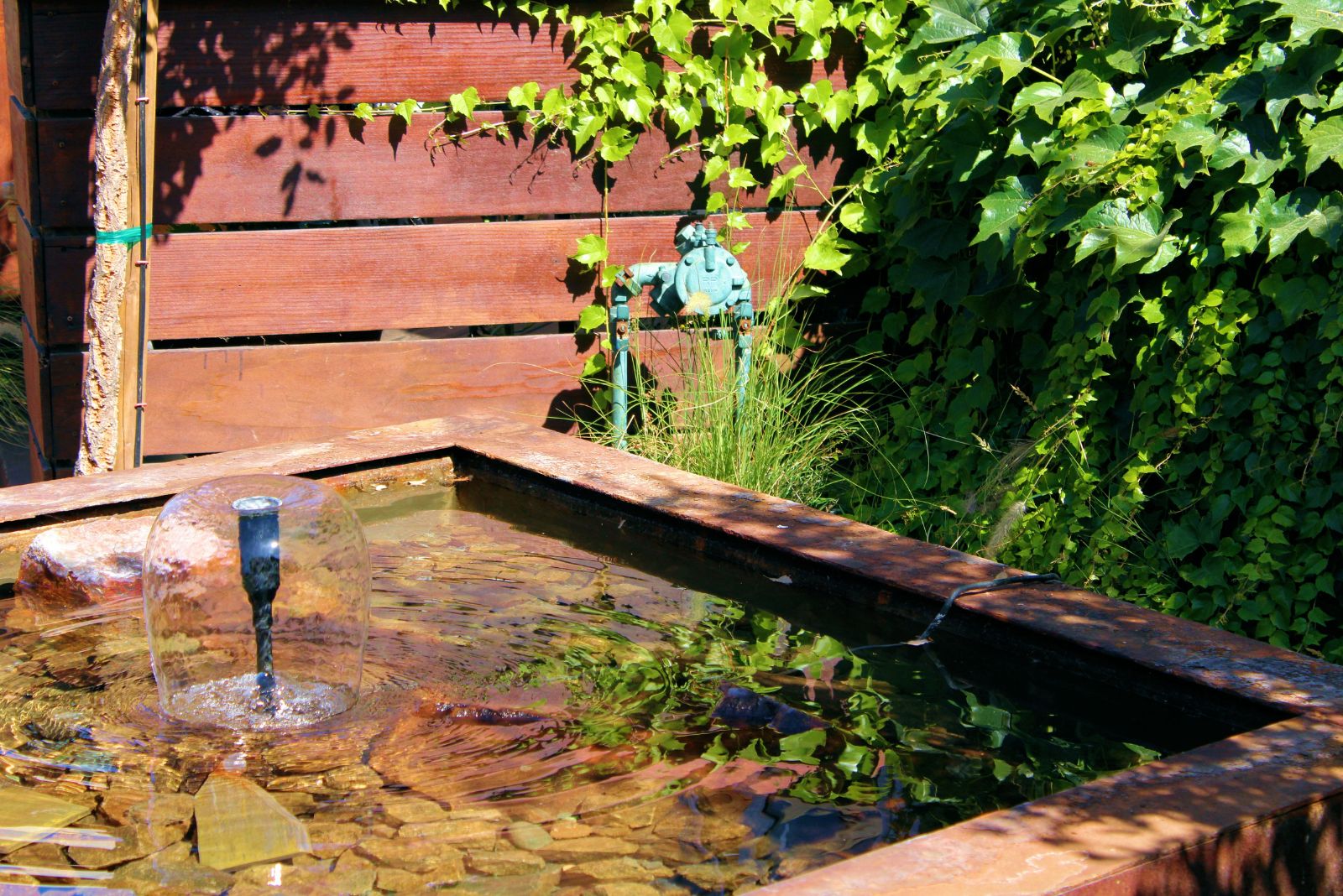
A simple birdbath, shallow dish, or small pond creates an oasis in your Maryland yard.
Birds arrive to drink and bathe, while butterflies sip moisture from wet stones, and frogs find breeding habitat in slightly larger features.
Depth matters tremendously.
Birds prefer bathing in water only one to two inches deep, where they can stand comfortably while splashing.
Add a few flat rocks to deeper containers so smaller species can access water safely.
Change the water every two to three days to prevent mosquito breeding and keep it fresh for visitors.
Maryland summers can be brutally hot, making water sources even more critical for wildlife survival.
Position your feature near shrubs or trees so birds can quickly retreat to cover if predators approach.
A dripper or small fountain adds movement that attracts attention from greater distances, turning your yard into a destination for migrating species passing through Maryland.
Consider adding a recirculating pump to larger features, which keeps water oxygenated and prevents stagnation.
Native aquatic plants like cardinal flower around the edges provide additional habitat for dragonflies and damselflies.
These beautiful insects patrol your yard eating mosquitoes and other pests.
Even a humble ceramic saucer filled with pebbles and water contributes meaningfully to the local ecosystem, proving that size doesn’t limit impact.
5. Stone And Rock Piles
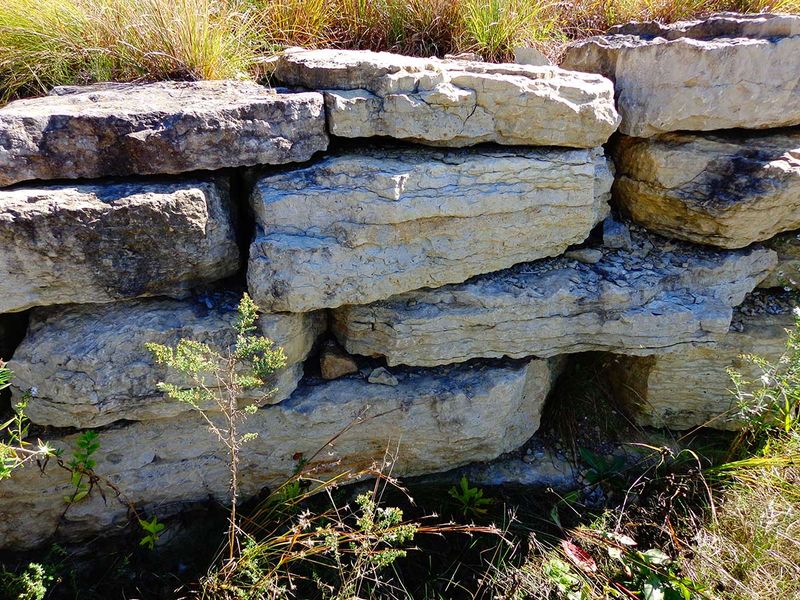
Rocks might seem lifeless, but they create surprisingly valuable micro-habitats in Maryland yards.
Stone piles offer basking spots for reptiles, hiding places for amphibians, and nest sites for native bees.
The spaces between rocks maintain cooler, moister conditions than surrounding soil, creating comfortable refuges during hot summer days.
Five-lined skinks, Maryland’s most common lizard, love rock piles for thermoregulation.
These sleek reptiles emerge on sunny mornings to warm their bodies on heat-absorbing stones before hunting insects nearby.
At night or during rainstorms, they retreat into the crevices between rocks where temperatures stay more stable.
Building an effective rock pile requires thoughtful arrangement rather than random dumping.
Use a variety of stone sizes, placing larger rocks as a foundation and filling gaps with medium and smaller pieces.
Leave plenty of openings and tunnels throughout the structure.
Flat stones on top create ideal basking platforms that heat quickly in morning sun.
Position rock piles in sunny locations for maximum benefit to cold-blooded creatures.
The south-facing side of your Maryland home works perfectly, as does a sunny garden corner.
Some native bee species nest in the ground beneath rocks, using the stones as protective caps over their burrows.
Toads often spend daytime hours tucked into rock pile crevices, emerging at dusk to hunt slugs and other garden pests.
One well-placed rock pile serves multiple species throughout the year.
6. Leaf Litter Layers
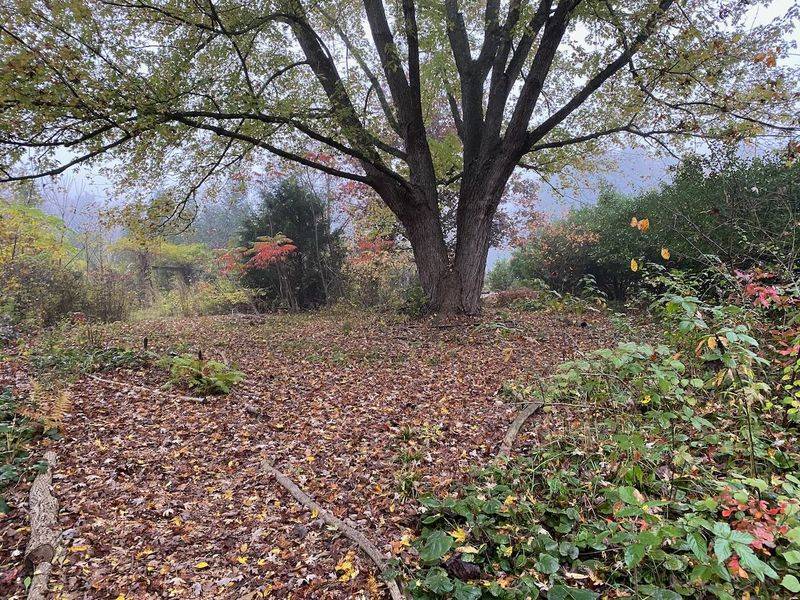
Autumn leaves blanketing your Maryland lawn aren’t trash requiring immediate removal.
That crunchy layer creates essential habitat for countless invertebrates, amphibians, and ground-nesting insects.
Earthworms pull leaves underground, improving soil structure.
Firefly larvae hunt snails and slugs hidden among the damp foliage.
Overwintering butterflies like mourning cloaks shelter beneath the protective covering.
Many Maryland homeowners obsessively rake and bag leaves, unknowingly removing the foundation of their yard’s food web.
Leaving leaves in place, especially under trees and shrubs, mimics natural forest conditions.
As leaves decompose, they release nutrients back into soil, reducing or eliminating the need for synthetic fertilizers.
If bare lawn appearance matters, rake leaves into garden beds and around trees instead of sending them to landfills.
A two-to-four-inch layer provides ideal conditions for beneficial organisms while suppressing weeds.
Shredding leaves with a mulching mower speeds decomposition and creates a tidier appearance if neighbors express concern.
Spring wildflowers like Virginia bluebells actually depend on leaf litter for successful growth.
Their seeds need the moisture and nutrients provided by decomposing leaves.
Salamanders and toads in Maryland yards hunt extensively in leaf litter, controlling pest populations naturally.
The rustling sound of leaves might seem messy, but it’s actually the sound of a healthy ecosystem at work.
Embracing leaf litter represents one of the easiest, most beneficial changes Maryland homeowners can make for wildlife.
7. Dense Shrub Thickets
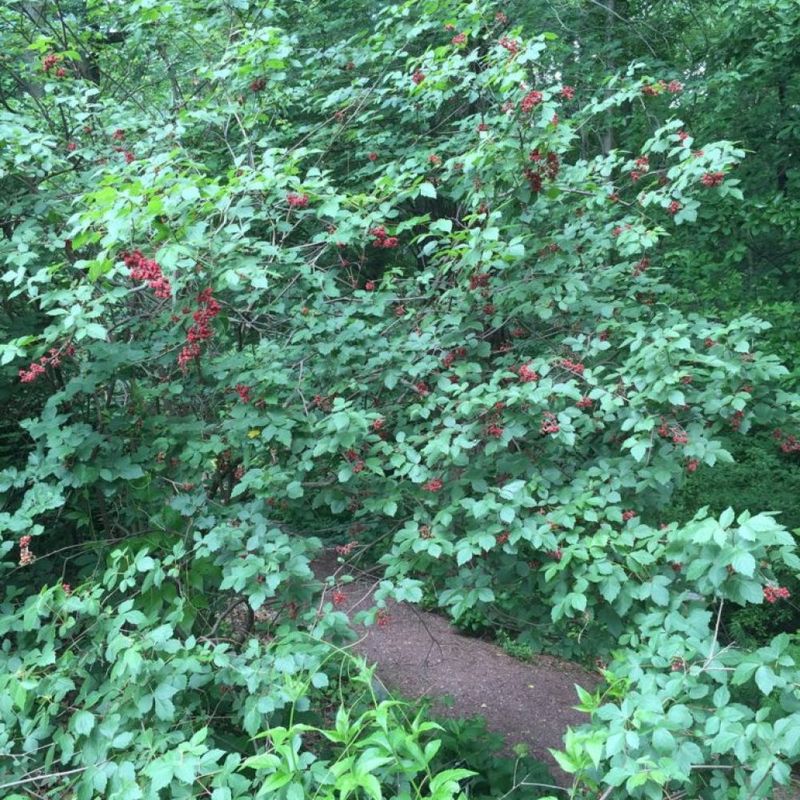
Songbirds desperately need dense, tangled vegetation for nesting and hiding from predators.
A thicket of native shrubs like spicebush, arrowwood viburnum, or winterberry holly creates perfect habitat in Maryland yards.
The layered branches provide multiple levels of cover, while berries and flowers offer food throughout the year.
Cardinals, catbirds, and brown thrashers especially appreciate thorny or densely branched shrubs for nest placement.
The thick vegetation conceals nests from predatory jays and crows while making access difficult for climbing snakes and cats.
Native shrubs support far more insect life than exotic alternatives, providing protein-rich food for growing nestlings.
Plant shrubs in groups of three to seven rather than spacing them individually across the lawn.
This clustering creates the dense structure birds instinctively seek.
Allow lower branches to grow naturally instead of pruning them into lollipop shapes.
The messier and thicker the growth, the better for wildlife purposes.
Maryland’s native spicebush serves as host plant for spicebush swallowtail butterfly caterpillars while providing berries for migrating birds in fall.
Winterberry holly lights up winter landscapes with brilliant red berries that feed robins and cedar waxwings during lean months.
Positioning shrub thickets along property lines creates natural fences that benefit both privacy and wildlife.
Ground-dwelling species like rabbits and box turtles also utilize the protected space beneath shrubs, making these plantings truly multi-functional additions to any Maryland property.
8. Bare Soil Patches
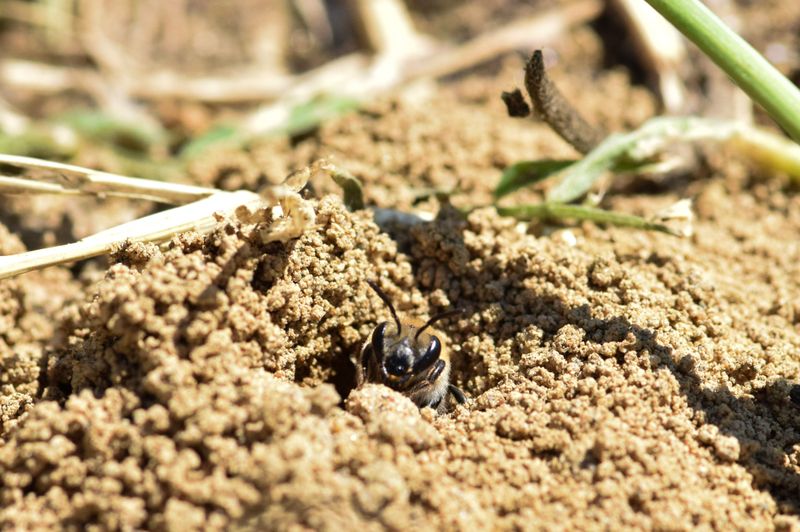
Not every inch of your Maryland yard needs grass or mulch coverage.
Small patches of bare, undisturbed soil provide critical nesting habitat for native ground-nesting bees.
Unlike honeybees that live in hives, about seventy percent of native bee species nest underground in individual burrows.
These solitary bees are superb pollinators, often more efficient than honeybees at fertilizing flowers.
Ground-nesting bees prefer well-drained soil in sunny locations with minimal vegetation.
A south-facing slope or raised area works perfectly.
The patch doesn’t need to be large, even a two-foot-square area can host multiple bee families.
Female bees excavate small tunnels where they lay eggs and provision chambers with pollen for developing larvae.
Resist the urge to disturb or cover these bare spots once bees establish themselves.
The tiny holes visible on the soil surface, about the diameter of a pencil lead, indicate active nests.
These bees are gentle and rarely sting, focusing their energy on flower-visiting rather than defending territory.
Maryland gardens hosting ground-nesting bees benefit from improved pollination of vegetables, fruits, and flowers.
Mining bees, sweat bees, and digger bees are among the species that might colonize your bare soil patch.
Position the area near flowering plants so bees have convenient access to pollen sources.
Avoid using pesticides anywhere in your yard, as chemicals can harm these beneficial insects.
Creating bare soil habitat demonstrates that sometimes the best thing Maryland homeowners can do for wildlife is simply leave nature alone.
9. Standing Dry Trees
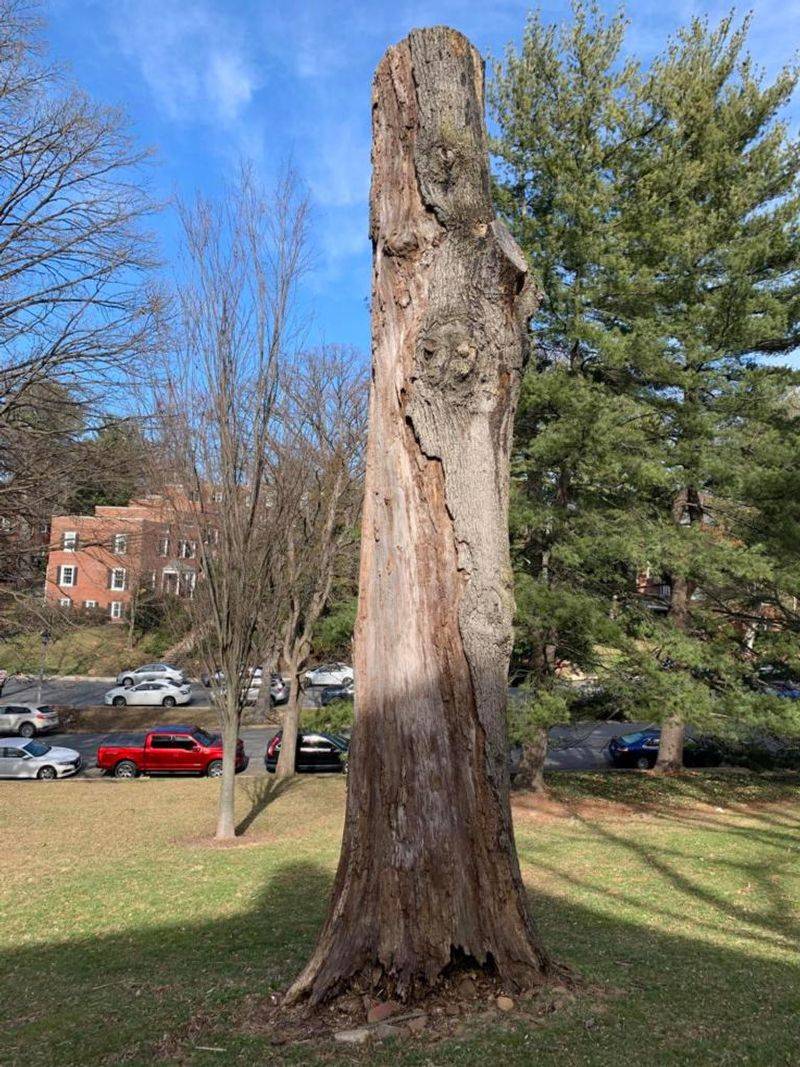
When a tree passes its prime, the temptation to remove it immediately often wins out.
However, standing dead trees, called snags, rank among the most valuable wildlife habitats in Maryland yards.
Woodpeckers excavate nest cavities in softening wood, creating homes later used by chickadees, nuthatches, bluebirds, flying squirrels, and bats.
Safety considerations matter, of course.
Snags located where falling limbs could damage structures or injure people should be removed.
But dead trees standing in open yard areas or along property edges can remain safely for years.
Consider having a certified arborist evaluate the tree’s stability and remove only hazardous portions while leaving the main trunk.
Insects colonize dead wood quickly, attracting woodpeckers that hammer away at bark searching for beetle larvae.
The pecking creates distinctive holes and cavities that benefit numerous other species.
Maryland’s downy woodpeckers, red-bellied woodpeckers, and northern flickers all depend on dead trees for foraging and nesting.
Even after a snag eventually falls, it continues providing habitat as a ground-level log.
This progression from standing dead tree to fallen log represents decades of continuous wildlife value.
Bark peeling from dead trees offers nesting material for birds building nests.
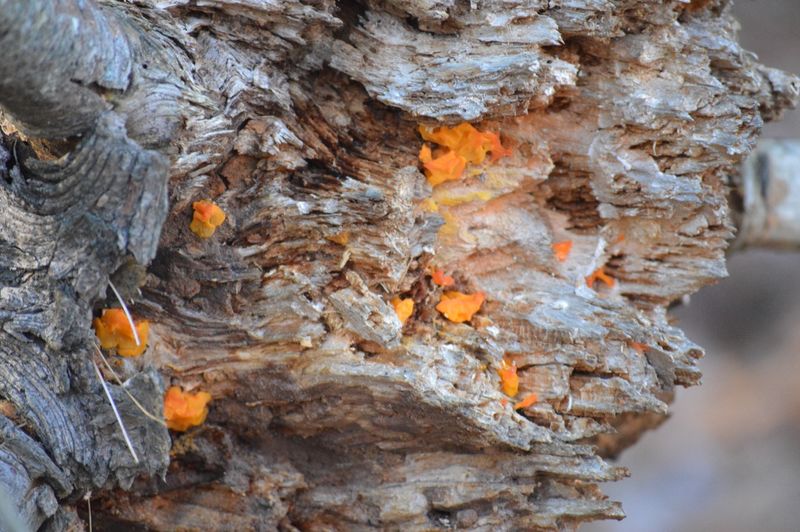
Fungi erupting from the trunk support specialized insects found nowhere else.
Leaving standing dead trees when safely possible multiplies your Maryland yard’s biodiversity exponentially, transforming what seems like an eyesore into a wildlife magnet that nature’s creatures truly appreciate.
10. Unmowed Grass Borders
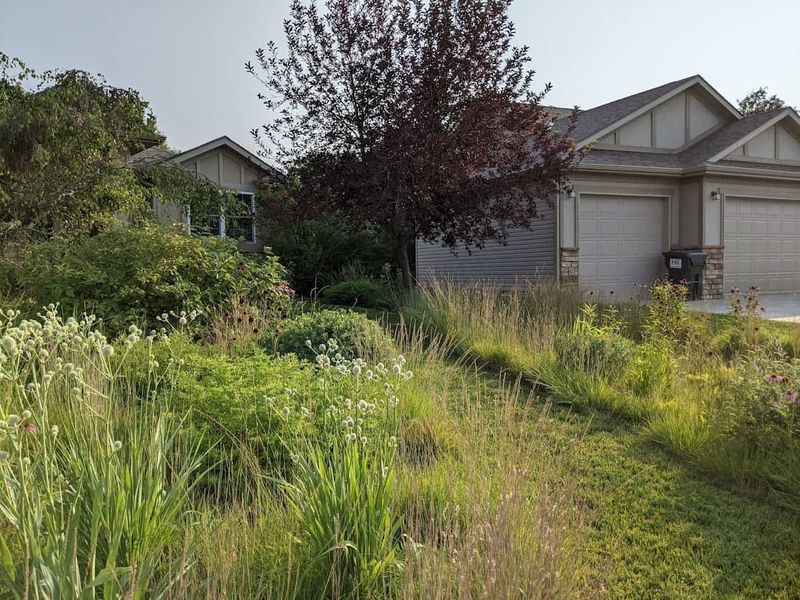
Lawn mowers don’t need to trim every blade of grass right to property boundaries.
Leaving border strips unmowed creates meadow-like habitat that supports grasshoppers, crickets, field sparrows, and meadow voles throughout Maryland properties.
Tall grasses provide nesting material, seeds for food, and protective cover from predators scanning from above.
These unmowed areas work especially well along fence lines, property edges, or transitional zones between lawn and woods.
Allow native grasses like little bluestem or switchgrass to grow naturally, mowing just once or twice per year in late winter.
This schedule permits ground-nesting birds to complete their breeding cycle and allows seeds to mature for wildlife consumption.
Goldfinches, common across Maryland, feast on grass seeds during late summer and fall.
These cheerful yellow birds perform acrobatic feeding displays while clinging to seed heads.
Butterflies like skippers lay eggs on grass blades, and their caterpillars develop hidden among the stems.
Box turtles, increasingly rare in Maryland, travel through tall grass borders where they feel protected from exposure.
Neighbors might initially question the unmowed appearance, but explaining the wildlife benefits usually wins understanding.
Adding a few native wildflowers to the grass border enhances both beauty and ecological function.
The contrast between manicured lawn and natural grass border actually creates visual interest while demonstrating environmental stewardship.
This simple practice costs nothing, requires less maintenance than regular mowing, and significantly expands habitat availability for Maryland’s grassland-dependent species that have lost so much territory to development.