10 Micro Oasis Backyard Ideas Perfect For Small Arizona Spaces
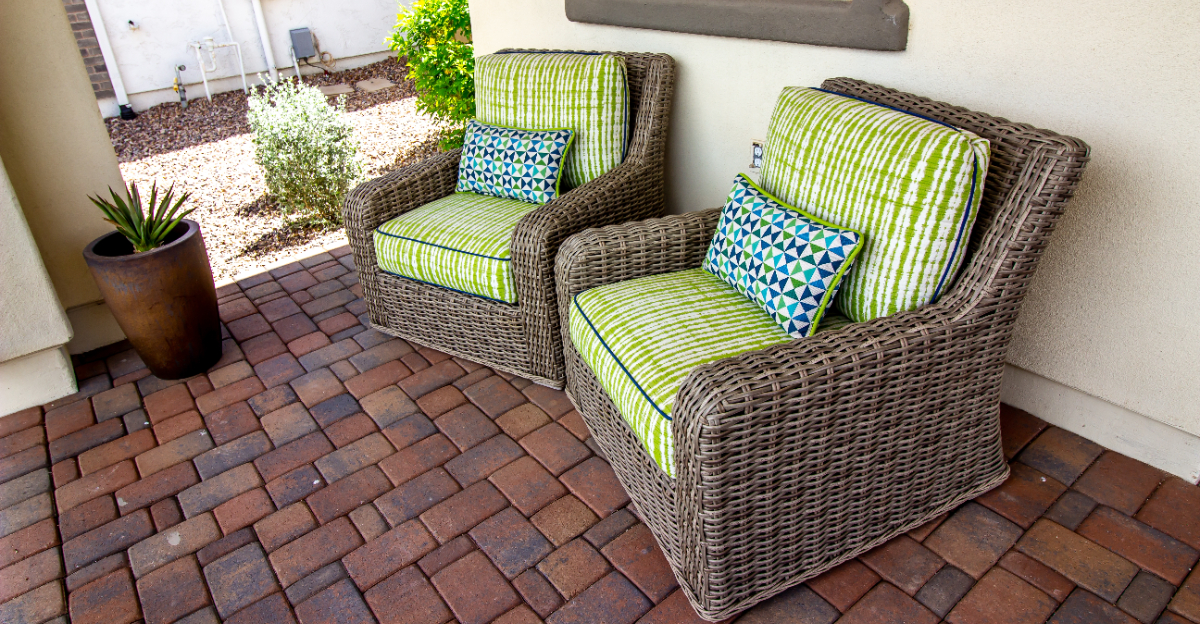
If your small Arizona backyard feels exposed, bright, and harder to enjoy than it should, the layout is usually the real issue, not the size. Desert sun reflects off walls, gravel holds heat, and open space offers little relief during long afternoons.
Still, a compact yard can feel cooler and more inviting through thoughtful design. Layered planting, filtered shade, vertical greenery, and subtle water elements shift the atmosphere without overwhelming the footprint.
Strategic placement creates depth, softens glare, and improves comfort even during peak heat. You do not need a major renovation to change how the space feels.
A well planned micro oasis can transform your yard into a calm, usable retreat that works for Arizona’s climate instead of fighting against it.
1. Create A Small Shaded Seating Spot With Two Chairs And A Side Table
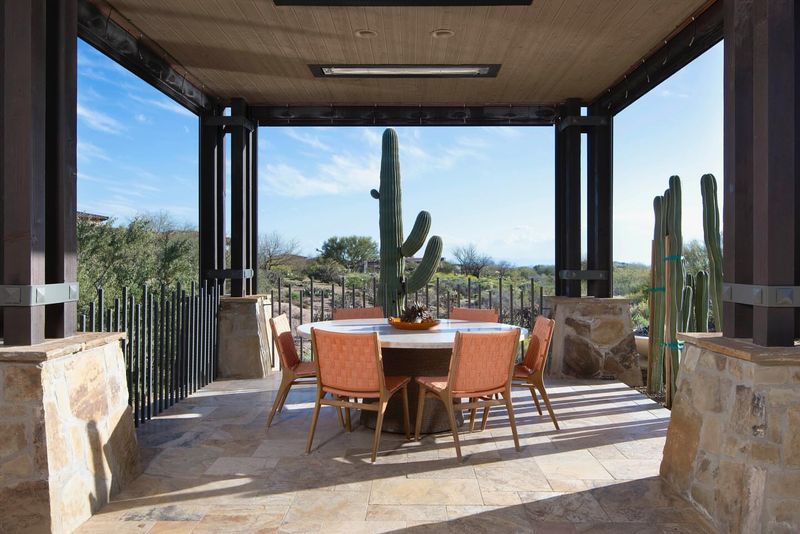
Two chairs and a small table can turn an empty corner into your favorite retreat. Position them under an existing overhang or patio cover where morning shade lingers longest.
Afternoon sun in Arizona hits hard, so placement matters more than fancy furniture.
Choose materials that handle heat without burning your legs when you sit down. Metal chairs get scorching by midday, even in shade.
Resin wicker or treated wood stays cooler and lasts through monsoon season without constant maintenance.
A side table between the chairs holds cold drinks and keeps everything within reach. Small doesn’t mean cramped if you arrange things thoughtfully.
Leave enough room to stretch your legs without bumping into planters or walls.
This setup works in yards barely ten feet wide. Tuck it against a fence line or beside your home where existing structures already block some sun.
Add a small outdoor rug underneath to define the space and keep dust down when dry winds kick up.
Morning coffee tastes better outdoors, even in Arizona summers. Evening conversations happen naturally when you have a comfortable spot waiting.
This simple arrangement costs less than eating out twice but gets used almost daily once it’s in place.
2. Add A Compact Water Fountain To Cool The Air And Attract Birds
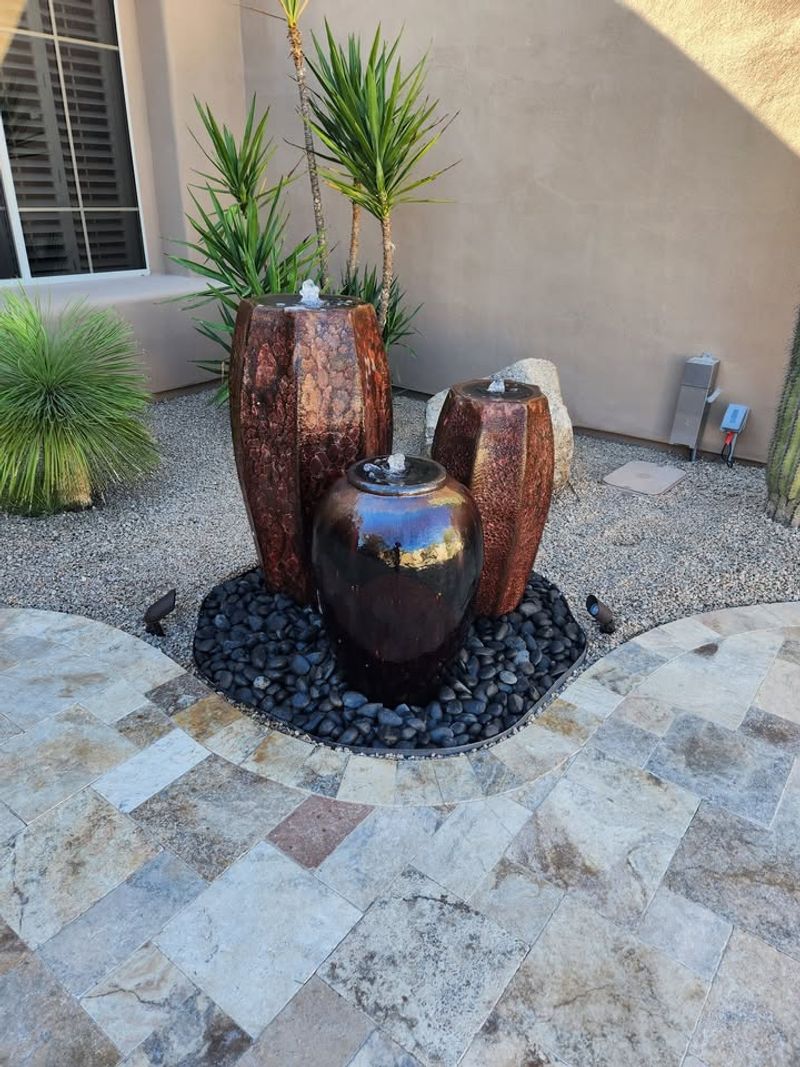
Moving water drops the temperature around it through evaporation. A compact fountain measuring just two feet across makes a noticeable difference in a small Arizona yard.
The sound alone tricks your brain into feeling cooler, but the actual air temperature dips a few degrees within a five-foot radius.
Birds show up within days of adding water. Hummingbirds, finches, and doves all need reliable water sources in Arizona’s dry climate.
Watching them splash and drink adds life to your space without any extra effort on your part.
Solar-powered fountains eliminate the need for outdoor outlets. Set one on a flat surface where it catches morning sun, and it runs all day without adding to your electric bill.
Clean the pump monthly to prevent mineral buildup from hard Arizona water.
Placement near your seating area maximizes the cooling effect. Don’t tuck it in a far corner where you won’t benefit from the temperature drop.
Keep it visible from your chairs so you can enjoy watching visiting birds throughout the day.
Smaller fountains use less water than you’d think. Refilling once a week handles evaporation during most months.
During peak summer heat, check it twice weekly to keep the pump from running dry and burning out.
3. Use One Dwarf Tree To Create Filtered Shade In A Tight Yard
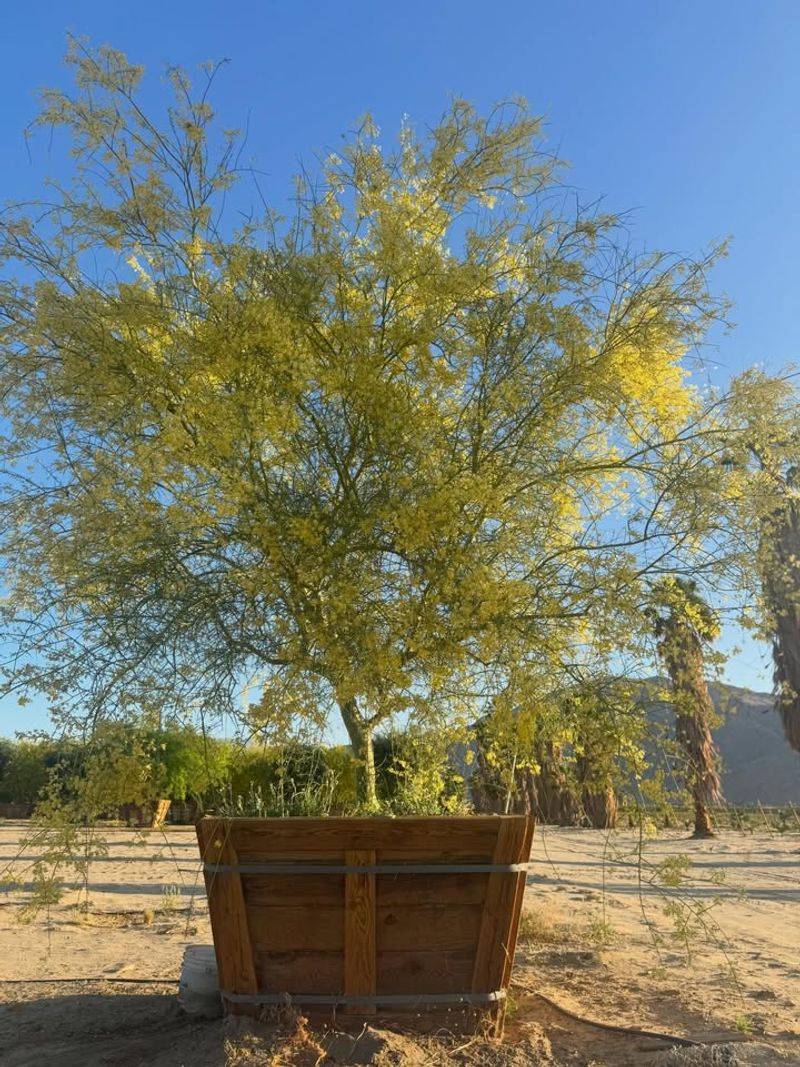
One well-placed tree changes everything in a cramped yard. Dwarf varieties grow eight to twelve feet tall instead of towering overhead, fitting perfectly in spaces where standard trees would overwhelm.
Their canopies spread wide enough to shade a sitting area without roots tearing up your patio.
Desert willow and palo verde both come in dwarf forms suited to Arizona conditions. They handle the heat without constant watering once their roots establish after the first year.
Filtered shade from their small leaves cools the ground underneath without creating total darkness where nothing else grows.
Plant your tree where afternoon sun hits hardest. Western exposure gets the most brutal heat in Arizona backyards.
A tree positioned there protects your outdoor furniture and any plants growing in its shadow from the worst of the day’s intensity.
Dwarf trees need less space between them and structures. Plant three feet from walls or fences without worrying about future damage.
Their smaller root systems won’t crack foundations or lift pavers the way large trees eventually do.
Growth happens faster than you expect in Arizona’s long growing season. A five-foot sapling reaches full height within three years.
That’s quick payoff for improving your yard’s comfort and appearance with minimal ongoing care required.
4. Build A Narrow Gravel Patio That Reflects Less Heat
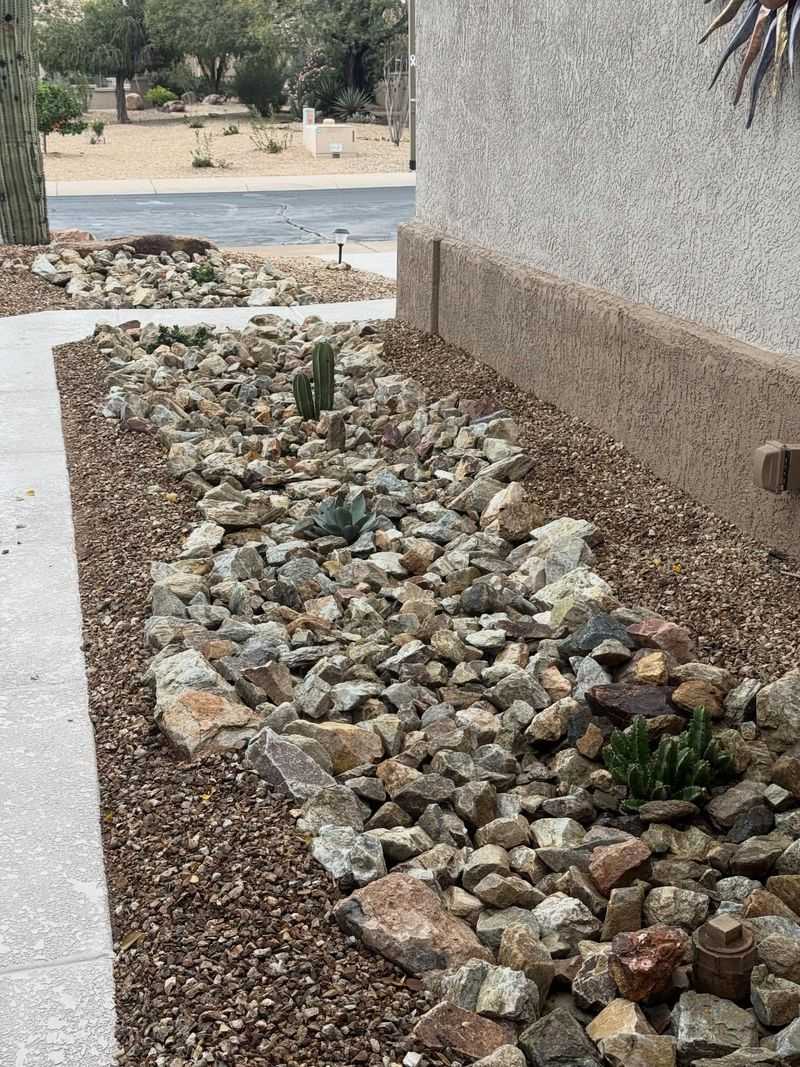
Concrete and pavers turn into griddles under Arizona sun. Gravel stays significantly cooler because air flows between the stones instead of heat building up in solid surfaces.
A narrow patio just four feet wide gives you usable outdoor space without the scorching temperatures of traditional hardscaping.
Light-colored pea gravel or decomposed granite works best for heat reduction. Dark gravel absorbs more sun and radiates it back up toward you.
Stick with tan, beige, or light gray tones that blend with Arizona’s natural desert palette while staying walkable on hot days.
Edge your gravel patio with metal or stone borders to keep stones from migrating into planted areas. Compact the base layer before adding your top gravel to prevent uneven settling.
A two-inch depth of gravel over compacted soil provides a stable surface that drains instantly when monsoon rains hit.
Gravel patios cost a fraction of poured concrete or installed pavers. You can build one yourself in a weekend with basic tools.
Maintenance involves raking it smooth occasionally and adding a bit more gravel every few years as some naturally works into the soil below.
This approach works perfectly alongside your home where a narrow strip is all you have. Gravel adapts to irregular shapes better than rigid pavers, letting you work around existing trees, utility boxes, or odd corners.
5. Cluster Heat-Tolerant Plants To Form A Lush Corner
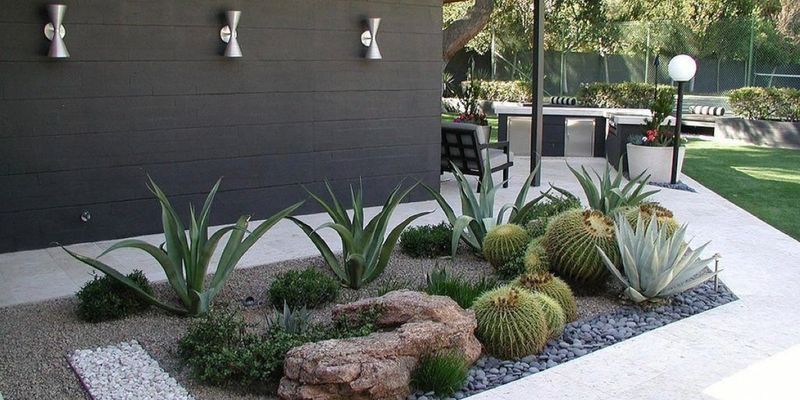
Spacing plants far apart makes Arizona yards look sparse and uninviting. Clustering them together creates the illusion of abundance even in tiny spaces.
Group five to seven plants of varying heights in one corner instead of scattering them around your yard.
Red yucca, desert marigold, and Mexican honeysuckle all thrive packed closer than their tags suggest. Their roots don’t compete much once established, and the grouping creates its own microclimate where plants shade each other’s root zones.
This clustering actually helps them survive summer better than isolated plantings.
Layer your cluster with tall plants in back, medium heights in the middle, and low groundcovers in front. This creates depth that makes the corner look intentionally designed rather than randomly planted.
Varying leaf textures between spiky, rounded, and feathery adds visual interest without requiring more space.
One lush corner draws the eye and makes your whole yard feel more finished. Your brain focuses on the planted area instead of noticing how small the overall space is.
This trick works better than spreading the same number of plants thinly across the entire yard.
Water clustered plants together with one drip line instead of running irrigation everywhere. Mulch the entire cluster as one unit to conserve moisture and suppress weeds.
This grouping approach saves time, water, and money while looking better than scattered plantings.
6. Install A Short Trellis To Soften A Plain Backyard Wall
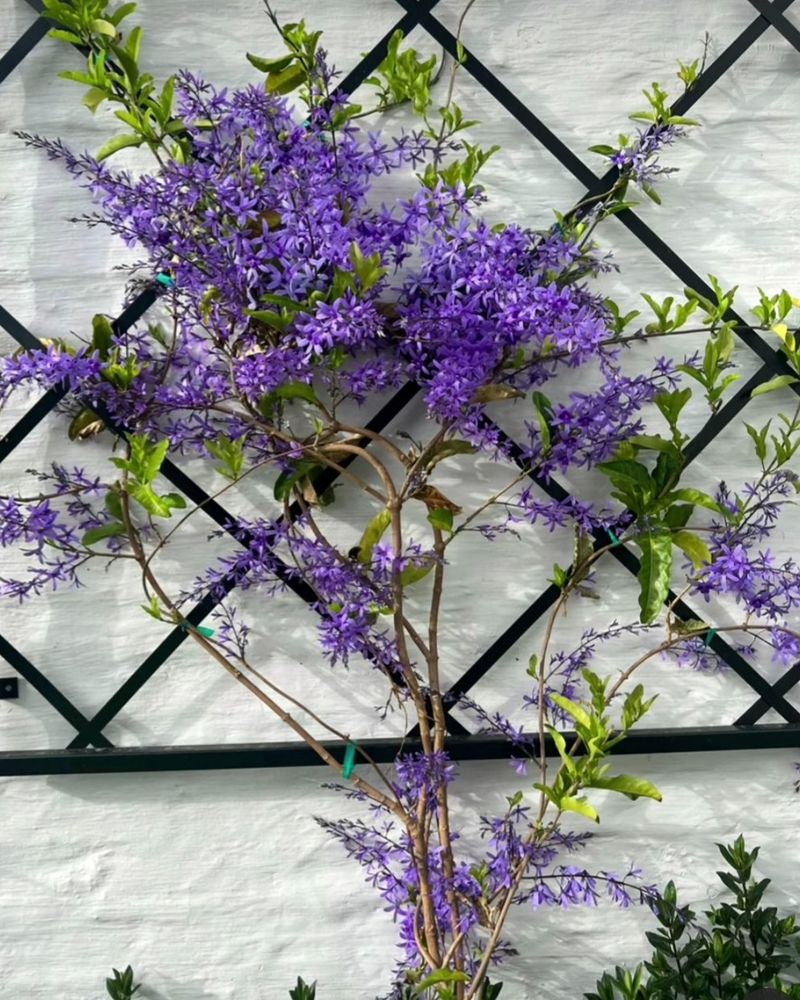
Bare walls make small yards feel like outdoor boxes. A trellis breaks up that monotony without taking floor space you need for other things.
Mount one four feet tall and three feet wide to any plain surface facing east or north where climbing plants won’t bake.
Coral honeysuckle and queen’s wreath both climb in Arizona without aggressive root systems that damage walls. They stay manageable on small trellises instead of taking over like some vines do.
Their flowers attract hummingbirds and add color at eye level where you’ll actually notice it.
Install your trellis with spacers that hold it an inch off the wall. This gap lets air circulate behind climbing stems and prevents moisture problems on stucco or wood siding.
Use outdoor-rated screws that won’t rust from monsoon humidity or irrigation overspray.
Vertical growing makes sense in tight Arizona yards. The same square footage that holds one sprawling shrub can support a trellis with three different vines creating way more visual impact.
Height draws eyes upward, making fences and walls seem less confining.
Paint your trellis a contrasting color from your wall if you want it to stand out, or match it to blend in and let plants take center stage. Either approach works depending on whether you want architectural detail or purely green coverage.
7. Add A Small Stock Tank Pool For Quick Summer Cooling
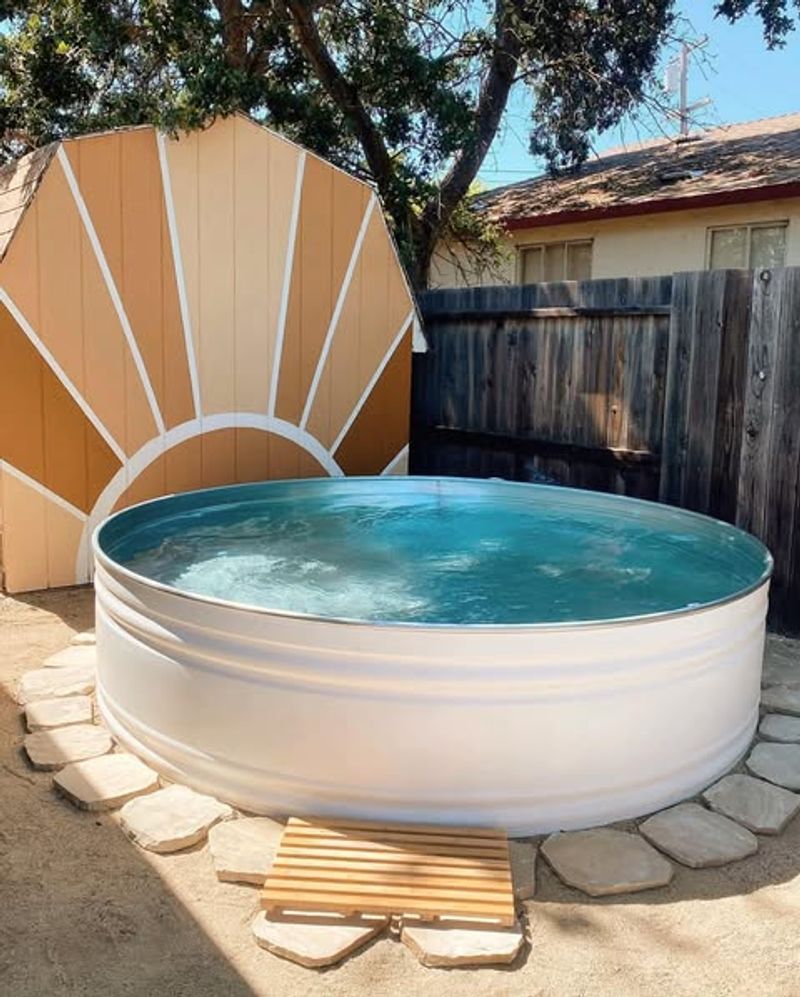
Stock tanks built for livestock make surprisingly good plunge pools. Galvanized metal versions measuring four to six feet across fit in tiny Arizona yards where traditional pools never would.
They’re deep enough to sit in up to your chest when heat becomes unbearable.
Fill yours with a garden hose and add a small pump to keep water circulating. Stagnant water breeds mosquitoes fast in Arizona, but moving water stays clearer and feels fresher.
A simple fountain pump from any hardware store does the job without complicated plumbing.
Position your stock tank on level ground or a reinforced gravel base. Filled tanks weigh several hundred pounds, so placement is permanent once you add water.
Choose a spot that gets afternoon shade if possible, or the water temperature climbs into the nineties by evening.
Kids and adults both use stock tank pools differently than regular pools. You sit and cool off for fifteen minutes rather than swimming laps.
This quick cooling is exactly what Arizona summers demand when stepping outside feels like opening an oven door.
Drain and refill your tank monthly during summer to keep water fresh. Cover it with a tarp when not in use to slow evaporation and keep debris out.
Winter storage is easy since you can empty it completely and flip it over until next summer arrives.
8. Place Tall Potted Cacti To Create Natural Privacy
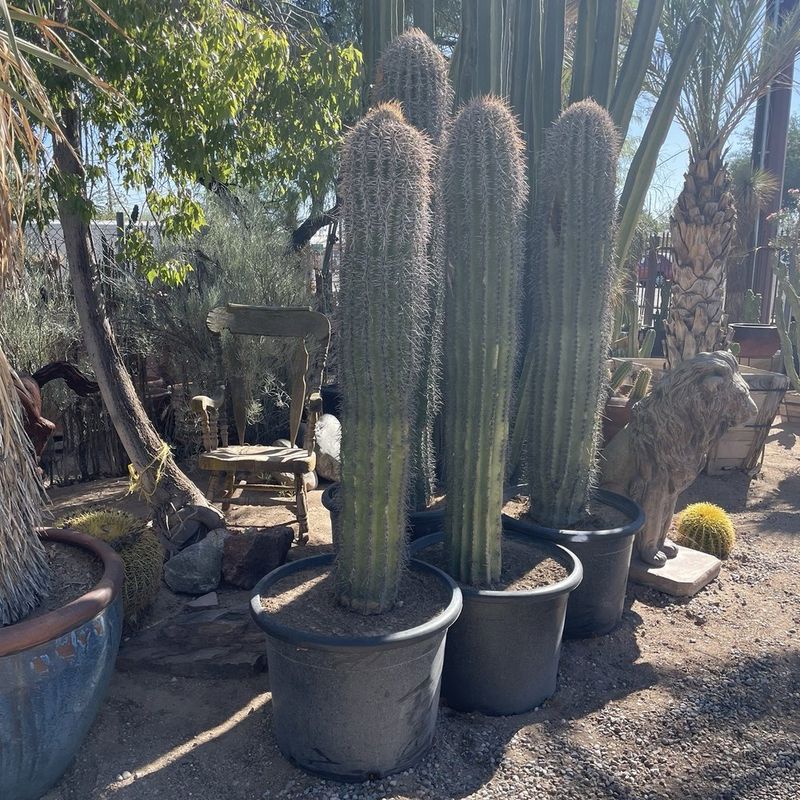
Fences and walls look harsh and institutional in small spaces. Tall cacti in large pots soften boundaries while blocking views from neighbors.
Totem pole cactus and Mexican fence post both grow narrow and upright, taking minimal floor space while reaching six feet tall.
Large pots give you flexibility that in-ground planting doesn’t. Move them around until you find the perfect arrangement, then leave them there permanently.
This matters in rental properties or when you’re still figuring out your yard’s layout.
Space three large potted cacti along a fence line to interrupt sight lines without building a solid wall. Your eye catches the interesting plant shapes instead of focusing on what’s beyond them.
This psychological trick makes your yard feel more private without actually enclosing it completely.
Cacti handle Arizona’s intense sun and heat better than almost any other plant. They need water every two weeks during summer and barely any during winter.
Neglect actually helps them thrive, which is perfect for busy people who want good-looking yards without constant maintenance.
Choose pots that won’t blow over in monsoon winds. Heavy ceramic or concrete containers weighted with rocks at the bottom stay put during storms.
Drainage holes are essential since cacti rot quickly in waterlogged soil, even drought-tolerant varieties common to Arizona.
9. Hang Outdoor Curtains To Block Harsh Afternoon Sun
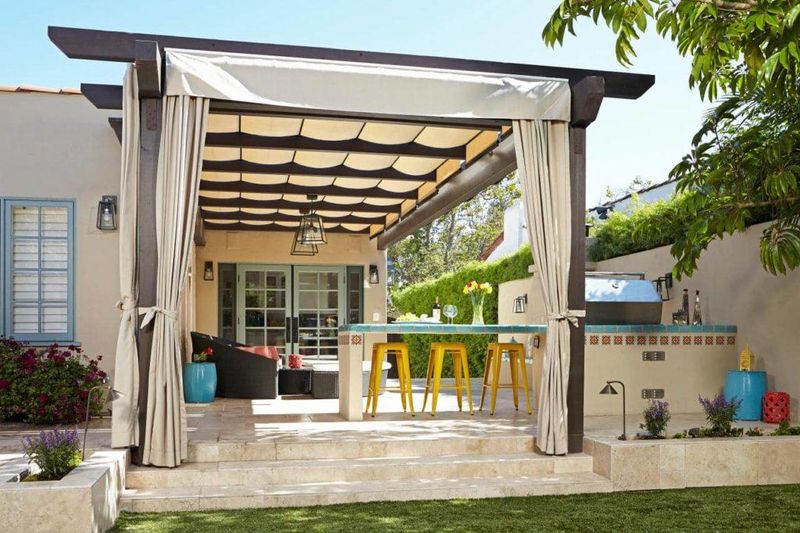
Curtains aren’t just for indoors. Outdoor fabric panels hung from a patio cover or pergola block afternoon sun better than any plant or umbrella.
They create an instant temperature drop of ten degrees in the shaded area, making your outdoor space usable during Arizona’s brutal summer afternoons.
Weather-resistant fabrics stand up to sun exposure and monsoon moisture without fading or growing mildew. Look for solution-dyed acrylic or polyester blends specifically rated for outdoor use.
Light colors reflect heat better than dark tones while still providing adequate shade.
Install a simple curtain rod across the open side of your patio where western sun hits hardest. Hang panels that you can tie back when you want more light or close completely when heat peaks between three and six in the evening.
This adjustability beats fixed shade structures that block views and breezes.
Curtains add softness and color to typically hard desert landscaping. Choose patterns or solid colors that complement your outdoor furniture and home’s exterior.
They flutter in breezes, adding movement and life to your space without requiring watering or care.
Take curtains down before monsoon season if high winds are forecast. Strong storms can rip fabric or bend rods.
The rest of the year, outdoor curtains handle normal Arizona weather while dramatically improving your yard’s comfort and appearance.
10. Use Warm, Shielded Lights For Soft Desert Evenings
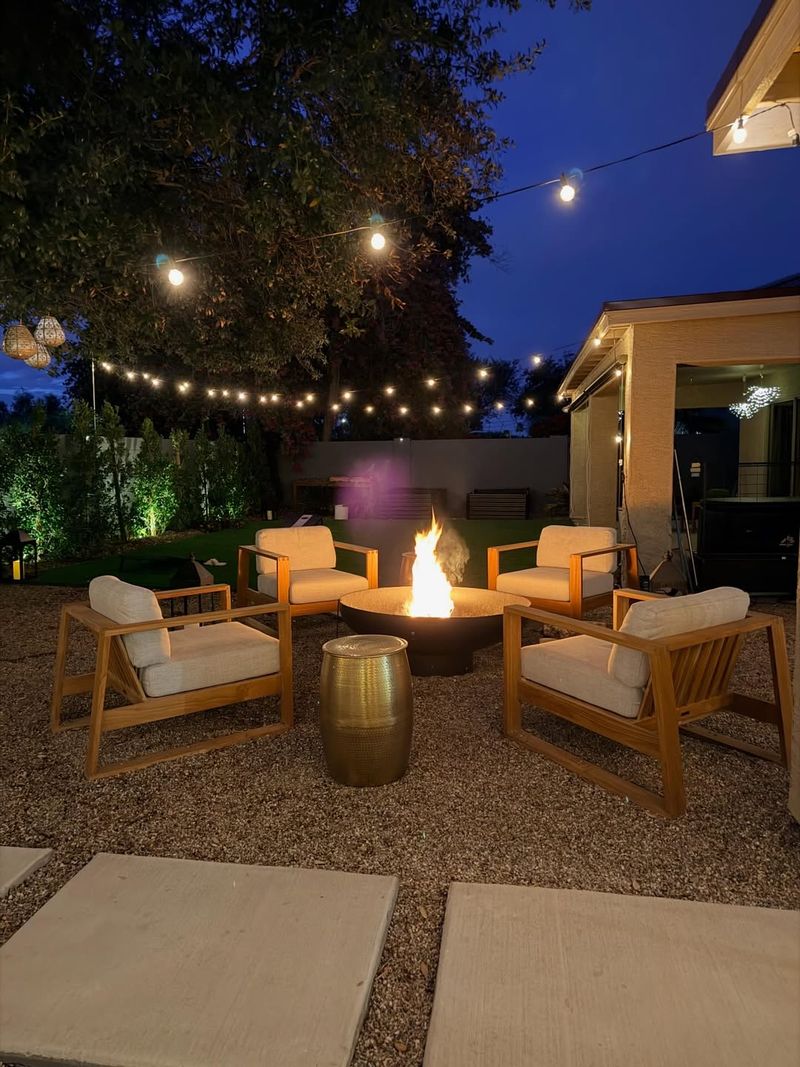
Harsh overhead lighting ruins the peaceful mood you’ve created in your small Arizona oasis. Warm-toned LED lights positioned low or at mid-level cast a gentle glow that extends your outdoor time after sunset without feeling like a spotlight.
String lights hung along fence lines or under patio covers create ambient lighting perfect for conversation. Choose bulbs rated 2700K or lower for that warm amber glow rather than cool white tones that feel institutional.
Solar-charged strings eliminate the need for outlets in yards where electrical access is limited.
Path lights with downward-facing shields direct light where you need it without creating glare. Space them six feet apart along walkways or around your gravel patio’s edge.
Shielded fixtures also prevent light pollution that disrupts desert wildlife and annoys neighbors.
Arizona evenings stay comfortable well into October, making outdoor lighting worthwhile for more months than in many other states. Proper lighting turns your yard into usable space after dinner instead of leaving it dark and ignored once the sun sets.
Battery-operated and solar options have improved dramatically in recent years. They provide enough light for safety and ambiance without running electrical lines across your yard.
Replace batteries annually or clean solar panels monthly to maintain consistent brightness throughout the year.