Minnesota Gardeners Are Getting A New Warning About Winter Lawn Protection

Winter in Minnesota can be brutal on lawns, and this year experts are issuing fresh warnings about protecting your grass during the coldest months.
Many gardeners think their work ends when the first snow falls, but that’s actually when your lawn needs special care the most.
Understanding the right steps to take now can mean the difference between a brown, patchy yard next spring and a lush, green lawn that makes your neighbors jealous.
Snow Mold Prevention Matters More Than You Think
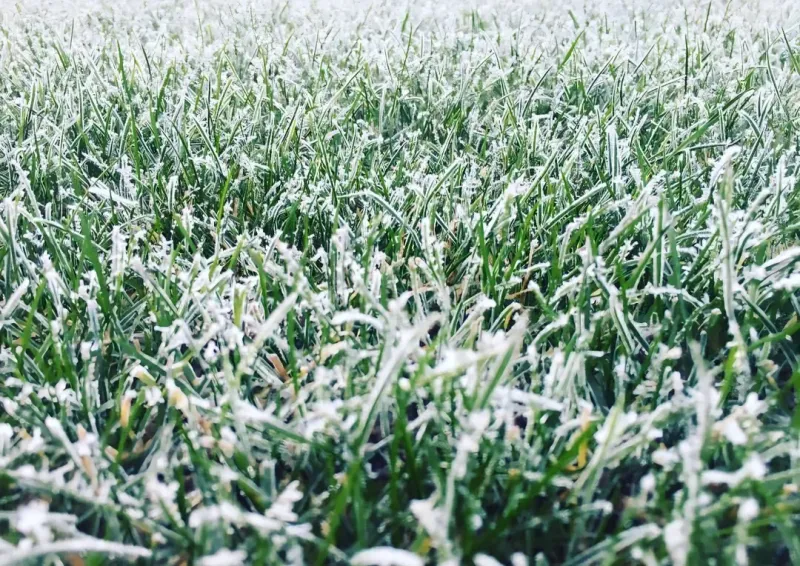
Gray and pink snow mold can destroy large sections of your Minnesota lawn if you’re not careful during winter months.
When snow sits on grass for extended periods, especially when temperatures hover near freezing, these fungal diseases thrive underneath that white blanket.
Your lawn becomes a perfect breeding ground for mold when moisture gets trapped against the grass blades.
Raking leaves completely before the first snowfall helps prevent this problem significantly.
Leftover leaves create damp pockets where mold loves to grow.
You’ll also want to avoid walking on snow-covered grass because compacting the snow creates even more favorable conditions for fungal growth.
Applying a preventative fungicide in late fall offers another layer of protection for your yard.
Choose products specifically labeled for snow mold control in your region.
Keep your grass slightly shorter going into winter, around two to two-and-a-half inches tall.
Come springtime, rake affected areas gently to improve air circulation if you do spot mold patches.
Most lawns recover naturally once warm weather returns and proper care resumes.
Late-Season Fertilization Creates Stronger Root Systems
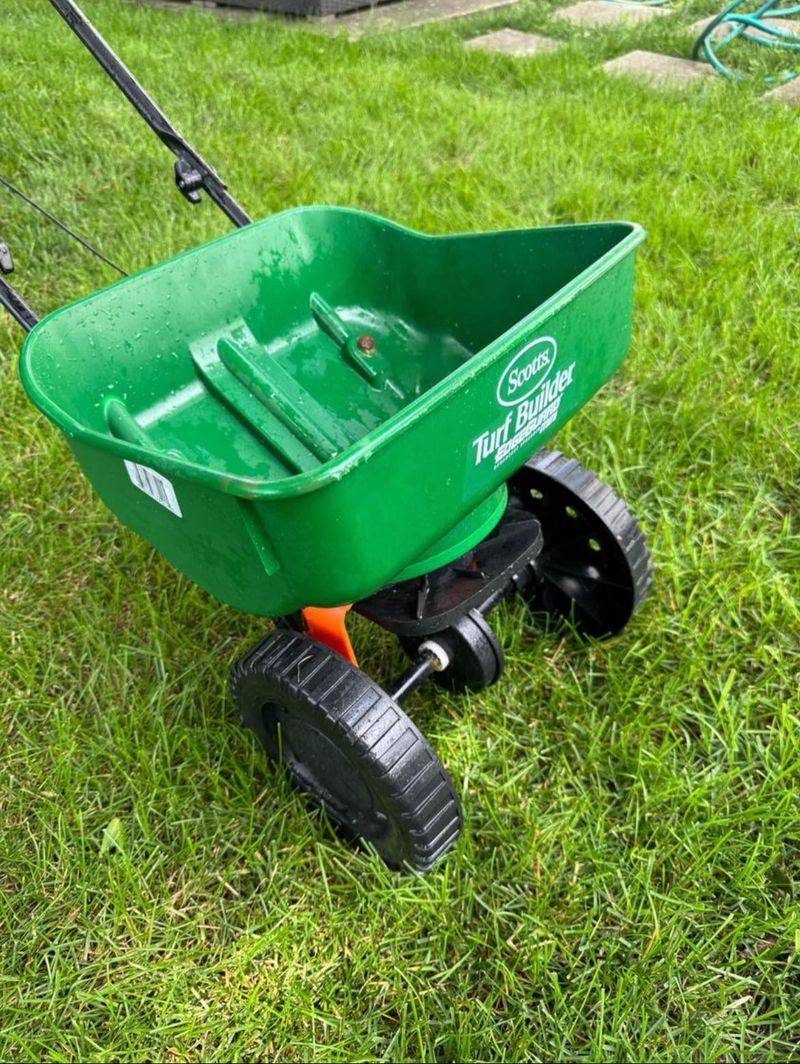
Feeding your lawn one final time before winter arrives might seem counterintuitive, but it’s actually one of the smartest moves you can make.
Fall fertilization helps grass plants store essential nutrients in their root systems rather than pushing green growth above ground.
These stored nutrients become energy reserves that help your lawn survive harsh Minnesota winters and bounce back quickly when spring arrives.
Timing matters tremendously when applying this late-season feeding to your yard.
Aim for late October or early November, after your grass has stopped growing actively but before the ground freezes solid.
Use a fertilizer with higher potassium content, which strengthens cell walls and improves cold tolerance in grass plants.
Nitrogen remains important too, but you’ll want a slow-release formula that feeds roots gradually.
Avoid quick-release nitrogen fertilizers that encourage top growth during this vulnerable period.
Water your lawn lightly after applying fertilizer to help nutrients reach the root zone effectively.
Homeowners who skip this step often notice their lawns struggle more in spring.
The investment in fall fertilizer pays dividends when warmer weather returns.
Winter Watering Isn’t Just For Evergreens
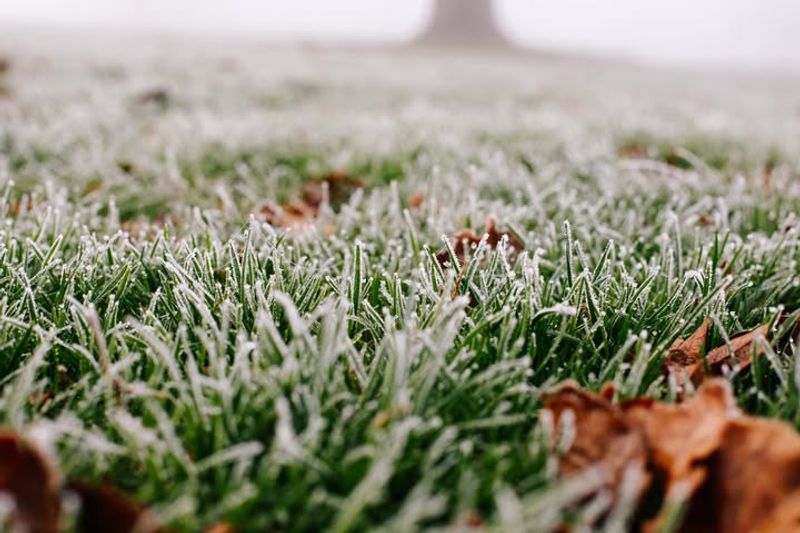
Most people forget about watering once cold weather sets in, but lawns still need moisture during Minnesota’s dry winter spells.
Grass plants don’t go completely dormant—they just slow down their growth dramatically.
Root systems continue functioning beneath the surface, and they need some water to stay healthy through the coldest months ahead.
Pay attention to periods when temperatures rise above freezing and no snow covers your lawn.
Grass can actually dry out and suffer damage during these winter warm spells if the ground becomes too parched.
Aim to water deeply but infrequently, giving your lawn about an inch of water every three to four weeks when conditions allow.
Choose midday for winter watering sessions when temperatures peak and water can soak in before evening frost.
Avoid watering if temperatures will drop below freezing within twelve hours.
Ice formation on grass blades can cause more harm than the drought you’re trying to prevent.
Sandy soils dry out faster than clay soils, so adjust your watering schedule based on your specific yard conditions and recent weather patterns.
Traffic Damage Causes Permanent Bare Spots
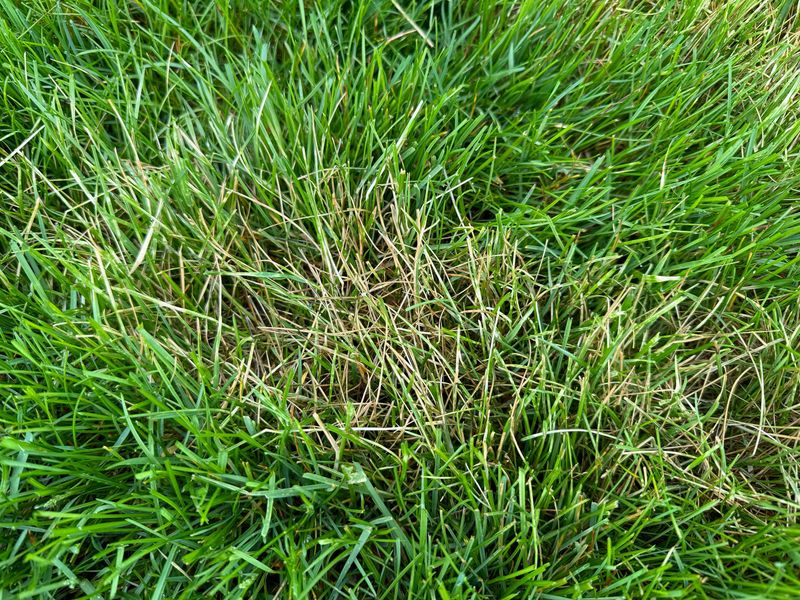
Walking across your frozen lawn might not seem like a big deal, but it’s actually one of the worst things you can do during Minnesota winters.
Grass blades become incredibly brittle when frozen, and the weight of footsteps or vehicles crushes them easily.
Crown damage occurs when the growing point of grass plants gets crushed, which can destroy entire sections of your lawn permanently.
Creating designated pathways with pavers or mulch protects your grass from unnecessary foot traffic during winter months.
If you must cross your lawn regularly, try to vary your route rather than following the same path repeatedly.
Snow-covered grass is especially vulnerable because you can’t see the damage you’re causing until spring reveals the destruction.
Pets can also create significant traffic damage, particularly dogs that follow the same routes to their favorite bathroom spots.
Consider fencing off certain areas or creating dog runs to protect the majority of your lawn.
Frozen ground combined with pet urine creates a double threat to grass health.
Come spring, you’ll thank yourself for taking these precautions when your neighbors are reseeding bare patches throughout their yards.
Salt Application Requires Strategic Planning
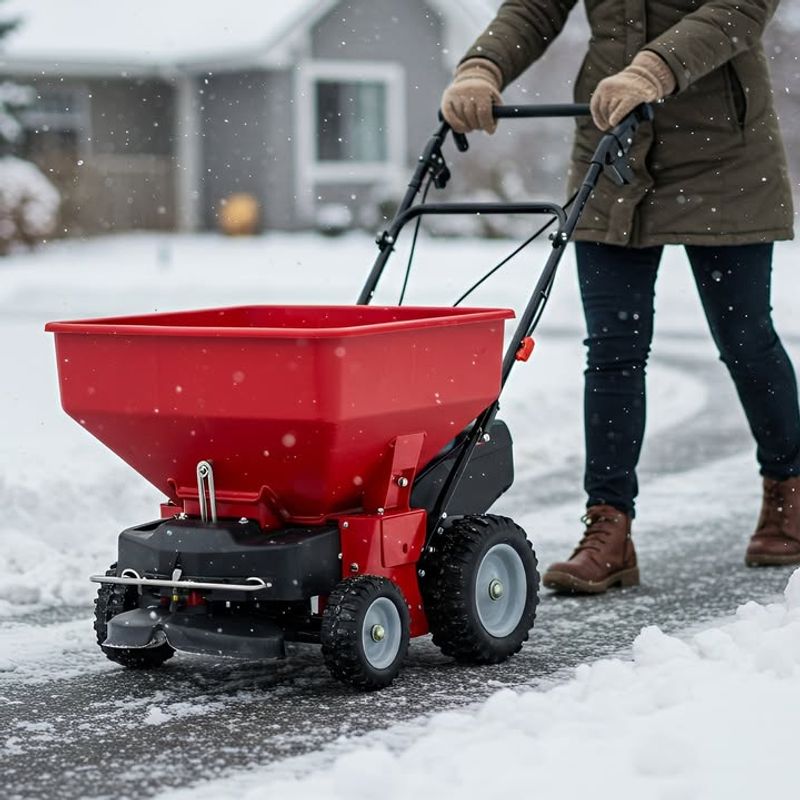
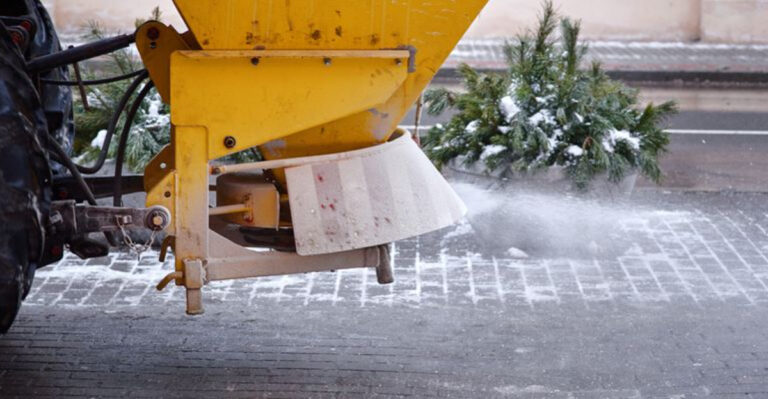
Road salt and ice melt products save us from slippery sidewalks, but they’re absolutely devastating to grass and soil health.
Sodium chloride and other deicing chemicals accumulate in soil along driveways and walkways, creating toxic conditions that prevent grass from growing properly.
Affected areas often show up as brown strips bordering paved surfaces when spring arrives.
Switching to calcium chloride or magnesium chloride products reduces damage significantly compared to traditional rock salt.
Better yet, sand provides traction without introducing harmful chemicals into your lawn and garden beds.
Apply salt sparingly and only where absolutely necessary for safety purposes rather than broadcasting it everywhere.
Creating physical barriers between salted areas and your Minnesota lawn offers another protective strategy worth implementing.
Plastic edging or burlap screens can catch salt spray from passing snowplows before it reaches grass.
Shovel or plow snow away from lawn edges rather than piling it where salt concentrations are highest.
In spring, flush affected areas thoroughly with water to dilute and wash away accumulated salts.
Adding gypsum to salt-damaged soil can help displace sodium and restore better growing conditions for struggling grass.
Proper Mowing Height Before Winter Makes All The Difference

Your final mowing of the season sets the stage for how well your lawn survives until spring warmth returns.
Cutting grass too short leaves it vulnerable to winter damage, while leaving it too long invites disease and pest problems.
Finding that sweet spot between two and two-and-a-half inches gives your Minnesota lawn the best chance at winter survival.
Longer grass tends to mat down under snow, creating perfect conditions for snow mold and other fungal diseases to flourish.
Matted grass also blocks sunlight and air circulation when snow melts in early spring.
Shorter grass, however, exposes crowns to extreme temperature fluctuations and drying winds that can destroy plants outright.
Plan your final mowing for late October or early November when grass growth has slowed considerably but hasn’t stopped completely.
Lower your mower deck gradually over the last few cuts rather than chopping off several inches all at once.
Sudden height reductions stress grass plants unnecessarily during an already challenging transition period.
Sharpen your mower blade before this final cut to ensure clean cuts rather than ragged tears.
Damaged blade tips are more susceptible to disease and winter injury than cleanly cut grass.
Aeration Before Freeze-Up Improves Spring Recovery
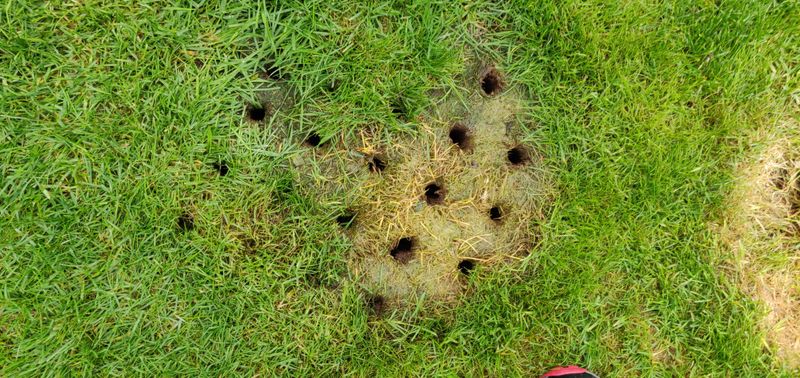
Compacted soil suffocates grass roots by preventing oxygen, water, and nutrients from penetrating deep into the ground.
Fall aeration creates thousands of small holes that allow these essential elements to reach root zones more effectively.
Grass plants develop stronger, deeper root systems when soil compaction gets relieved before winter sets in hard.
September through early October offers the ideal window for aerating cool-season grasses common throughout Minnesota lawns.
Waiting too long means the ground might freeze before grass can take advantage of improved growing conditions.
Core aerators work best because they actually remove plugs of soil rather than just poking holes.
Leave those soil cores right on your lawn rather than raking them up immediately.
They break down naturally and return valuable organic matter to the soil surface.
Rain and snow melt carry nutrients from decomposing cores down into the aeration holes throughout winter months.
Overseeding immediately after aeration gives new grass seeds perfect germination spots protected from birds and wind.
The combination of aeration and overseeding transforms thin, struggling lawns into thick, healthy turf by the following summer growing season.
Mulched Leaves Feed Your Lawn Naturally
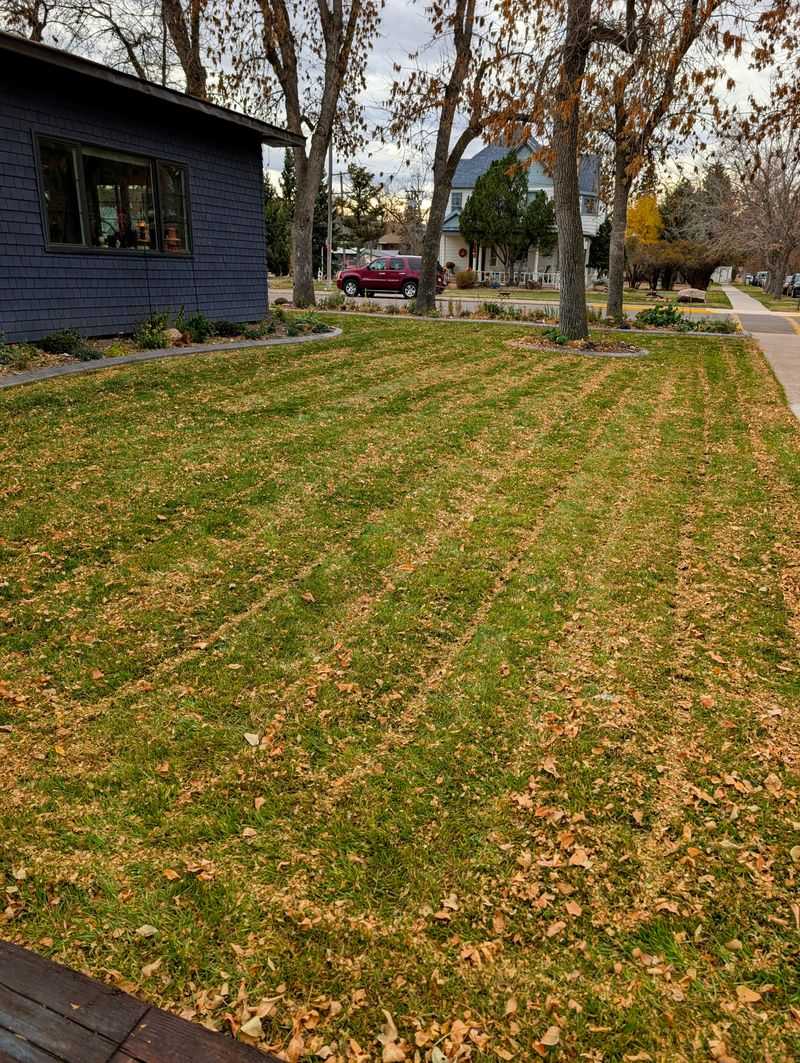
Raking and bagging leaves feels like an endless autumn chore, but there’s a better way that actually benefits your Minnesota lawn tremendously.
Mulching leaves with your mower chops them into tiny pieces that decompose quickly and feed grass naturally.
Those shredded leaves provide free organic matter and nutrients without any trips to the compost pile or curb.
Run over leaves with your mower when they’re dry for best results and finest mulching action.
Wet leaves clump together and can smother grass rather than filtering down to soil level.
You might need to mow more frequently during peak leaf drop to keep up with the volume falling from trees.
Keep the leaf layer thin enough that you can still see grass blades poking through the mulched material.
Excessive leaf coverage blocks sunlight and traps moisture, creating problems instead of providing benefits.
Multiple passes might be necessary when dealing with heavy leaf accumulation from mature trees.
Earthworms and beneficial microorganisms feast on decomposing leaf mulch throughout winter, improving soil structure and fertility.
By spring, most of those shredded leaves will have disappeared completely, leaving behind richer soil and healthier grass plants ready to grow vigorously.
Vole Protection Prevents Underground Tunnel Damage
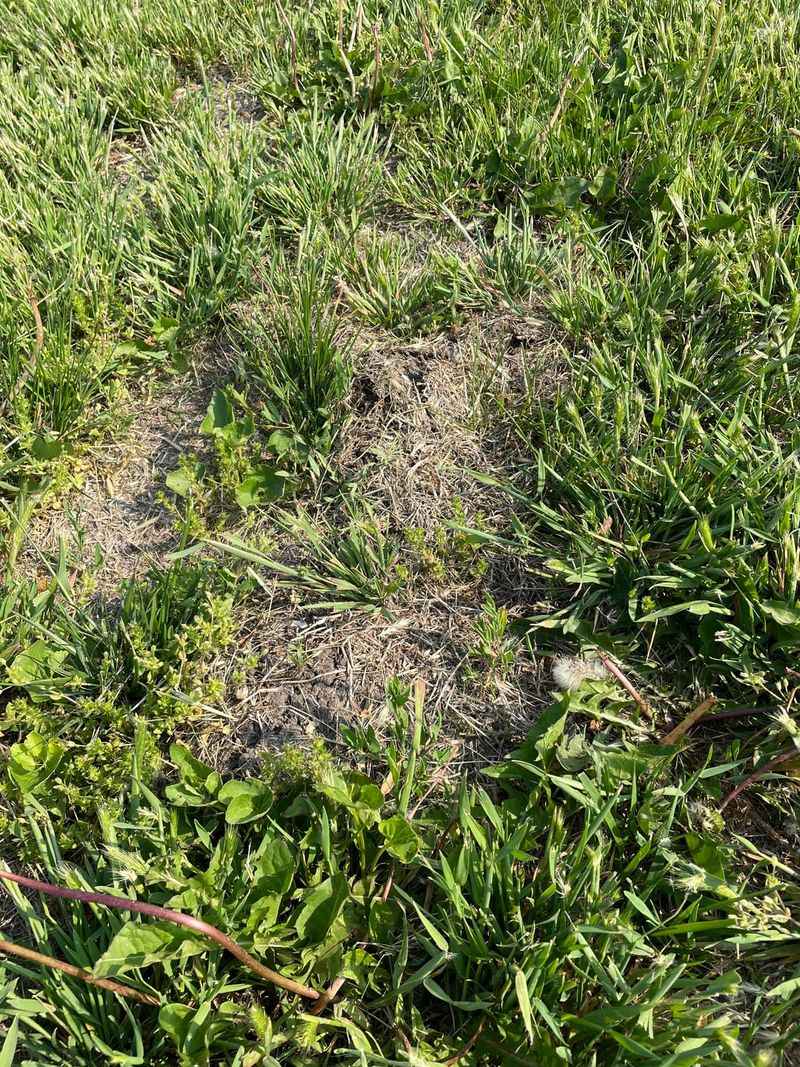
Voles look like chubby mice, but they cause far more lawn damage than their rodent cousins ever could.
Working beneath snow cover, these little creatures create extensive tunnel systems that destroy grass in winding paths across your yard.
Their feeding activity damages grass crowns and roots, leaving behind trails that look terrible when snow finally melts away.
Removing thick mulch and leaf cover from around your lawn’s perimeter eliminates vole habitat before winter arrives.
Voles prefer areas with protective cover overhead, so keeping edges clean and open makes your yard less attractive to them.
Maintaining a vegetation-free zone at least three feet wide around your lawn creates a barrier voles hesitate to cross.
Hardware cloth or chicken wire buried a few inches deep around valuable garden beds offers physical protection against tunneling.
Snap traps baited with peanut butter work well for controlling small vole populations before they explode.
Check traps regularly and reset them as needed throughout winter months.
Natural predators like hawks, owls, and foxes help control vole numbers if you encourage them to visit your property.
Avoid using rodent poisons that can harm these beneficial predators and family pets
Spring Preparation Starts With Winter Observation
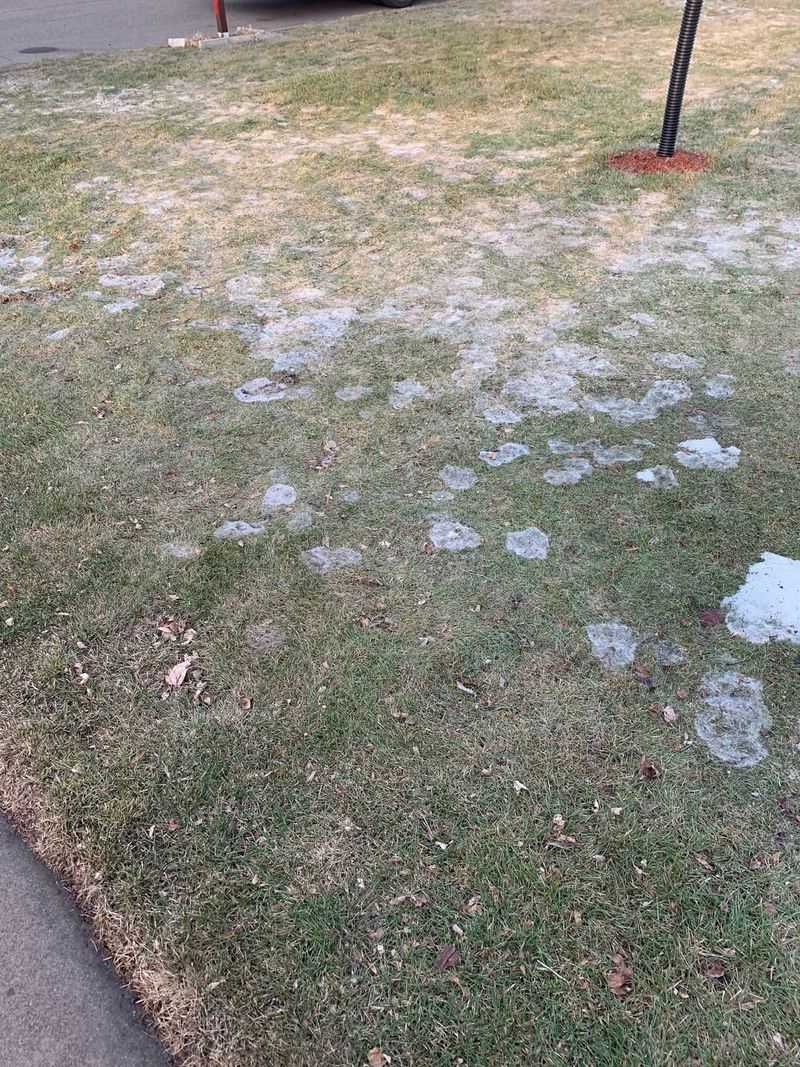
Walking your Minnesota property throughout winter provides valuable information about drainage problems, snow accumulation patterns, and vulnerable areas that need attention.
Taking notes and photos during winter months helps you remember exactly where issues occurred when spring planting season arrives.
You’ll notice things during winter that become invisible once grass greens up and landscapes fill in completely.
Watch for areas where snow melts first, which indicates warmer microclimates or possible drainage issues underneath.
Spots where snow lingers longest might indicate poor drainage or heavy shade that affects grass health.
Ice accumulation reveals low spots that collect water and may need grading or drainage improvements before next winter.
Document areas where salt damage appears most severe so you can take preventative measures before next winter’s ice battles.
Note which sections show the most traffic damage or animal activity for future protection planning.
Track how wind patterns affect snow distribution and which areas get scoured bare versus buried deeply.
Use your winter observations to create a spring action plan that addresses specific problems rather than applying generic lawn care advice.
Every yard has unique challenges, and winter reveals them clearly when distractions of active growing seasons aren’t present.