Minnesota Gardeners Warned Never To Put These Foods In A Bird Feeder
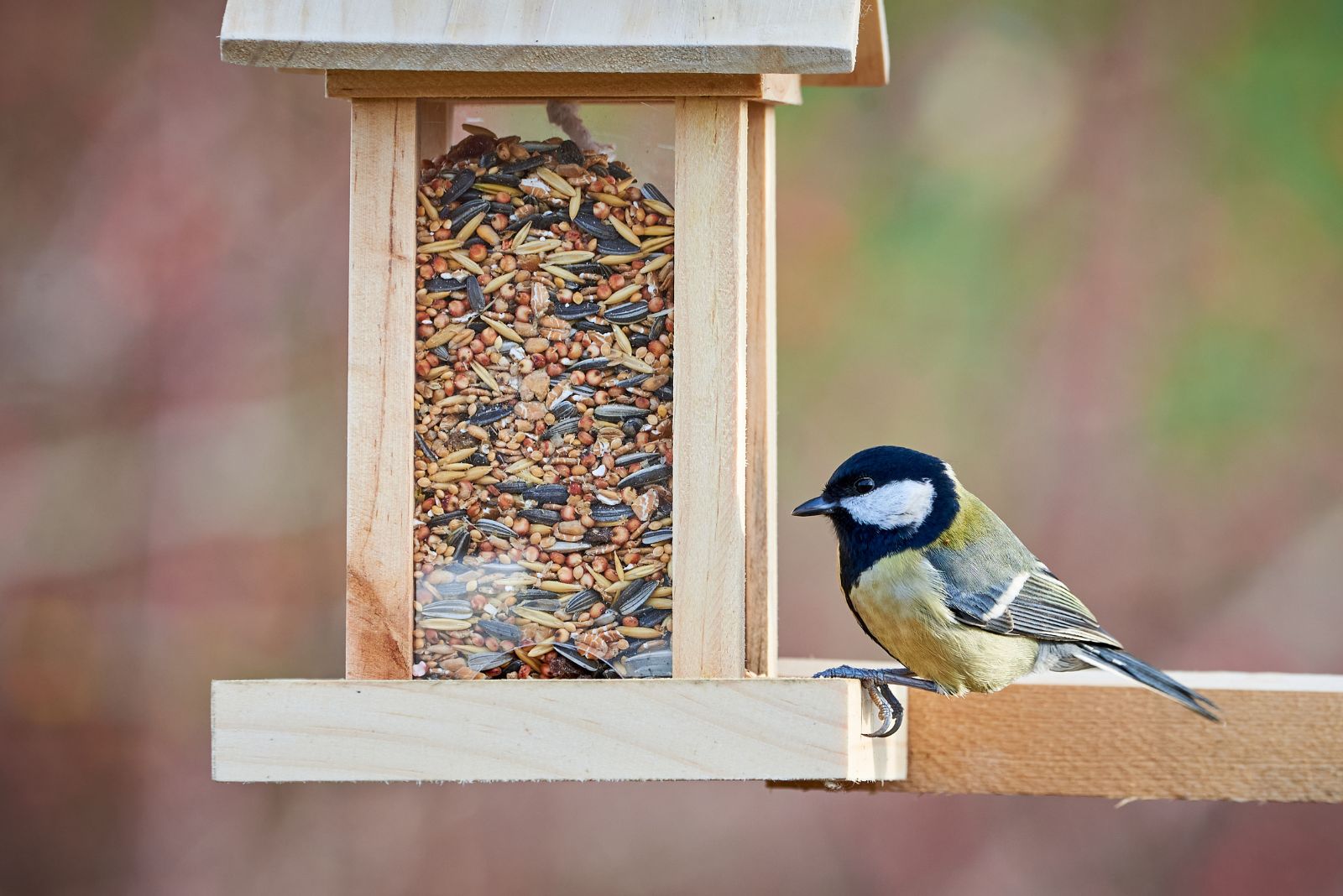
Minnesota gardens often turn quiet winter mornings and warm summer evenings into prime bird-watching hours.
A well stocked feeder can bring in flashes of color, quick wingbeats, and songs that lift the whole yard.
Still, not every snack that seems harmless belongs in a bird feeder.
Some foods invite trouble faster than a storm on the horizon.
A single handful of the wrong crumbs can draw pests, spread illness, or leave birds struggling to digest something their bodies never evolved to handle.
Many homeowners add treats with good intentions, hoping to give feathered visitors a little extra comfort.
Yet birds play by rules that differ from ours, and certain human foods throw their systems off balance in a heartbeat.
A feeder should act as a safe stopover, not a risky guessing game.
Once the wrong items go in, problems can snowball before anyone notices the warning signs.
A smart approach keeps birds healthy, feeders busy, and gardens buzzing with life.
With the right choices, Minnesota yards stay filled with chirps, fluttering wings, and the easy rhythm of birds that trust the space.
A bit of knowledge today keeps those visitors soaring back for seasons to come.
1. Bread And Baked Goods
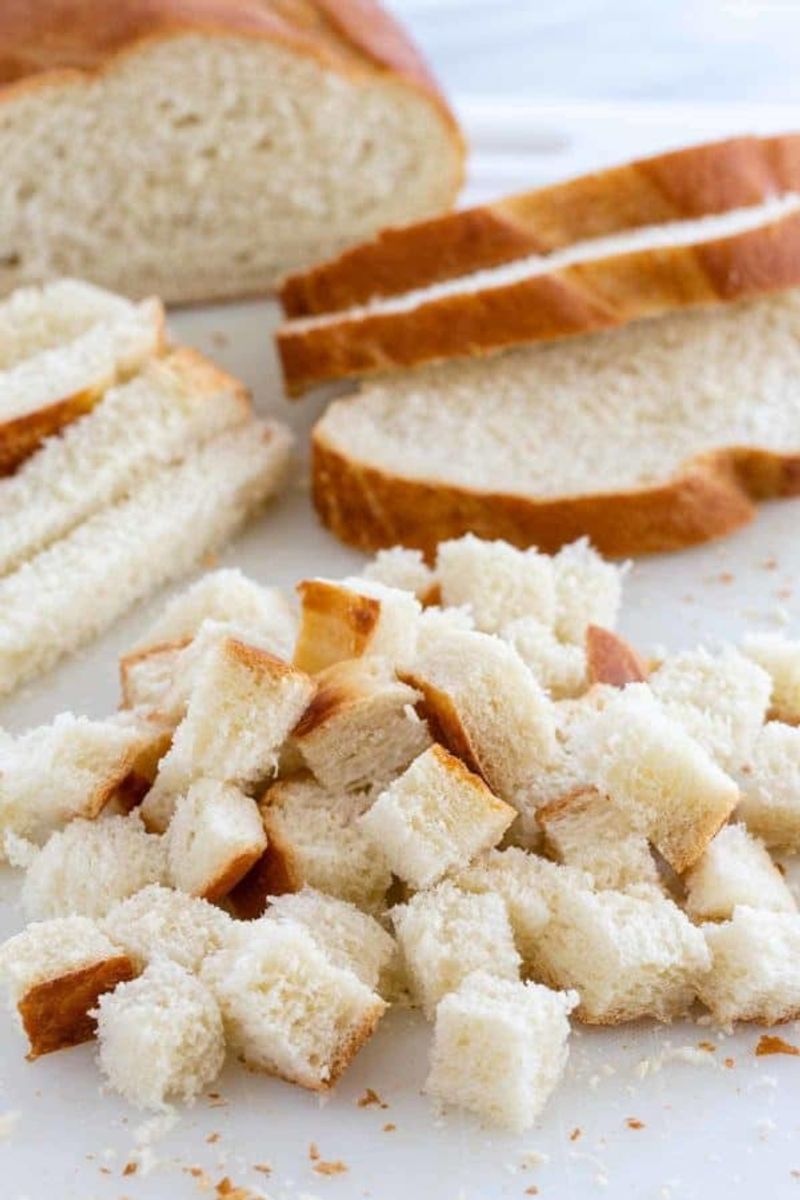
Many people grew up tossing bread crumbs to ducks at the park or putting stale bread in their backyard feeders, thinking they were doing something kind for the birds.
Unfortunately, bread offers almost no nutritional value for wild birds and can actually cause significant health issues.
White bread, crackers, donuts, and other baked goods are essentially empty calories that fill up a bird’s stomach without providing the protein, fats, and nutrients they need to survive, especially during Minnesota’s harsh winters.
When birds eat too much bread, they can develop a condition called “angel wing,” where their wings grow improperly and stick out at odd angles.
This makes it impossible for them to fly properly, leaving them vulnerable to predators and unable to migrate when the seasons change.
Bread can also expand in a bird’s stomach, causing discomfort and digestive problems.
Another major concern is that moldy bread contains toxins that can make birds very sick.
In Minnesota’s humid summer months, bread left in feeders can quickly develop dangerous mold spores.
Additionally, bread scattered on the ground attracts rats, mice, and other rodents that you definitely don’t want hanging around your home.
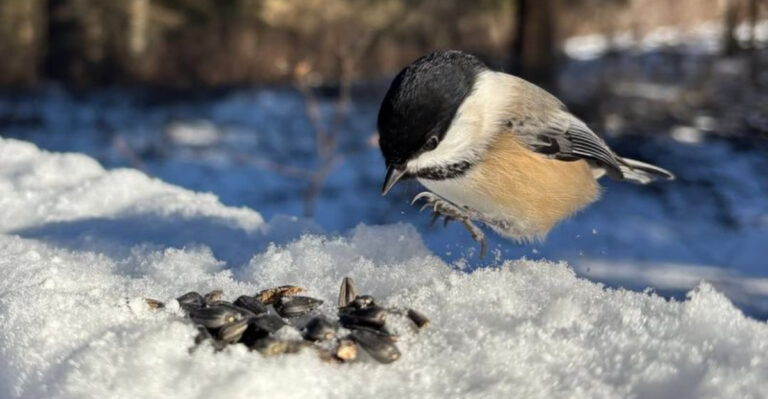
Instead of bread, offer your Minnesota birds black oil sunflower seeds, nyjer seeds, or suet cakes formulated specifically for wild birds.
These options provide the high-energy nutrition that helps chickadees, nuthatches, and woodpeckers thrive through our cold winters.
Your feathered visitors will thank you with their continued presence and beautiful songs throughout the year.
2. Salted Or Flavored Nuts
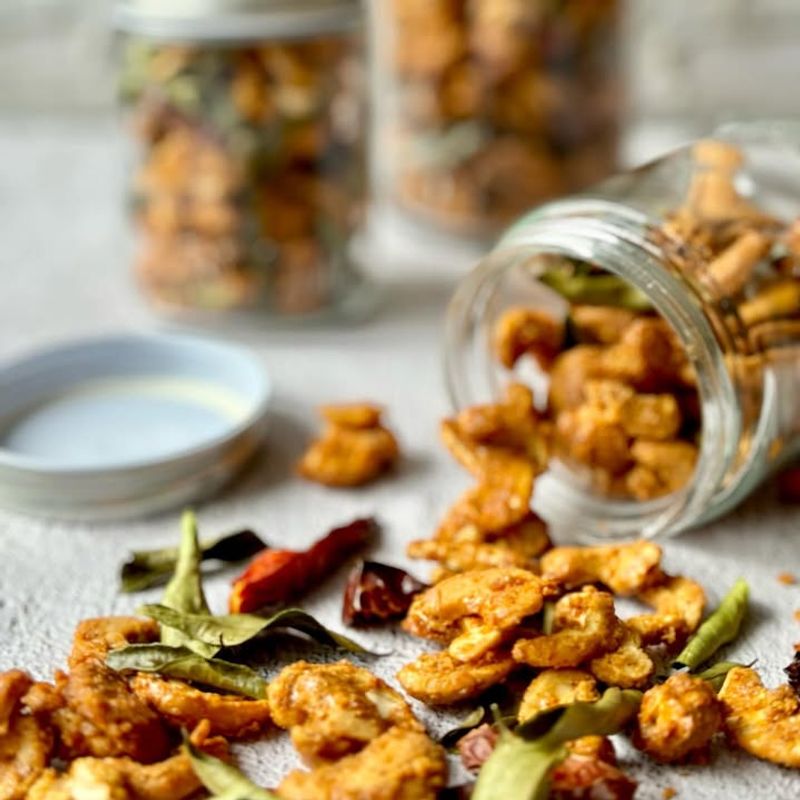
Nuts seem like a natural choice for bird feeders since many wild birds love them, but the salted, roasted, or flavored varieties you snack on are actually dangerous for your backyard visitors.
Birds have extremely sensitive systems that cannot process high amounts of sodium the way humans can.
Just a small amount of salt can cause serious dehydration, kidney damage, and neurological problems in birds.
In Minnesota, where temperatures can drop well below zero, a dehydrated bird faces an even greater challenge surviving the elements.
Flavored nuts coated with honey, chocolate, wasabi, or other seasonings present additional hazards.
Chocolate contains theobromine, which is toxic to birds and can cause heart problems and seizures.
Spicy coatings can irritate a bird’s digestive system, while sweet coatings can promote bacterial growth and attract unwanted insects to your feeder.
Even “lightly salted” nuts contain more sodium than birds should consume.
A blue jay or cardinal visiting your Minnesota feeder might eat several nuts in one sitting, quickly reaching dangerous sodium levels.
The effects might not be immediately visible, but over time, regular consumption of salted nuts can lead to serious health decline.
If you want to offer nuts to your feathered friends, choose raw, unsalted peanuts, almonds, or walnuts specifically marketed for wildlife.
Better yet, purchase peanuts in the shell, which give woodpeckers and jays a fun challenge while providing excellent nutrition.
Many Minnesota birds, including nuthatches and titmice, will enthusiastically visit feeders stocked with plain, unsalted nuts throughout every season.
3. Honey And Artificial Sweeteners

Honey might seem like a wholesome, natural sweetener perfect for attracting hummingbirds and other nectar-loving birds to your Minnesota garden, but it’s actually quite harmful.
Raw honey can contain bacteria and fungal spores that cause serious infections in birds.
When honey is mixed with water in feeders, these microorganisms multiply rapidly, especially during Minnesota’s warm summer months.
The resulting mixture becomes a breeding ground for pathogens that can spread quickly through your local bird population.
Honey also crystallizes and ferments much faster than proper nectar solutions, creating a sticky mess that can gum up a bird’s beak and feathers.
Hummingbirds and orioles need to keep their specialized feeding equipment clean to survive, and honey residue makes this nearly impossible.
The sticky substance can also trap small birds, causing them distress and leaving them vulnerable to predators.
Artificial sweeteners like aspartame, saccharin, and sucralose are equally problematic.
These chemical compounds offer no nutritional value whatsoever and can confuse a bird’s metabolism.
Birds need real sugar for quick energy, especially during migration season when they travel through Minnesota in spring and fall.
Artificial sweeteners trick their bodies into thinking they’ve consumed calories when they haven’t, potentially leading to malnutrition.
The safest nectar solution for Minnesota hummingbirds is simple: mix one part white granulated sugar with four parts water, boil it briefly, let it cool, and fill your clean feeders.
Skip the red dye, honey, and artificial sweeteners completely.
This simple recipe provides the energy hummingbirds need without any harmful additives or dangerous bacteria growth.
4. Raw Rice And Dried Beans
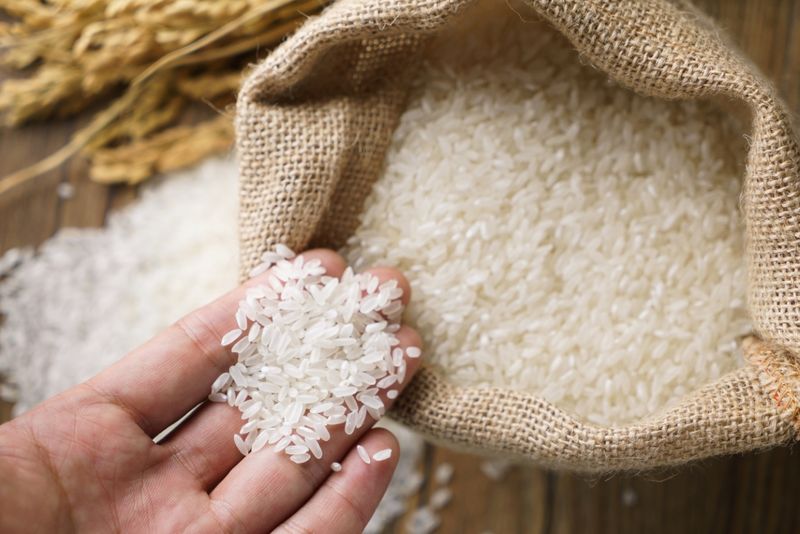
An old myth suggests that uncooked rice will expand in a bird’s stomach and cause it to explode, but while that particular claim isn’t true, raw rice and dried beans still don’t belong in your Minnesota bird feeder.
Raw, dried legumes contain a compound called phytohaemagglutinin, which is toxic to birds.
Red kidney beans have especially high concentrations of this substance, but all dried beans pose some risk when uncooked.
Birds lack the ability to properly digest these hard, dried foods, which can cause intestinal blockages and severe digestive distress.
Uncooked rice, while not immediately toxic, provides very little nutritional benefit and is extremely difficult for most birds to digest.
The hard grains can sit in a bird’s crop or stomach for extended periods, preventing them from eating more nutritious foods.
During Minnesota winters, when birds need high-energy foods to maintain their body temperature, filling up on indigestible rice can be particularly problematic.
Rice also absorbs moisture, which means it can swell inside a bird’s digestive system and cause discomfort.
While this won’t cause a bird to explode, it can lead to bloating and digestive issues that make it harder for the bird to eat properly.
Minnesota’s small birds like sparrows and finches are especially vulnerable because their tiny digestive systems can’t handle bulky, low-nutrition foods.
Cooked rice and beans are somewhat safer but still aren’t ideal for feeders because they spoil quickly and attract bacteria.
Stick with seeds, grains, and foods specifically designed for wild birds.
Millet, cracked corn, and sunflower seeds are much better choices that Minnesota birds can actually digest and benefit from nutritionally.
5. Avocado
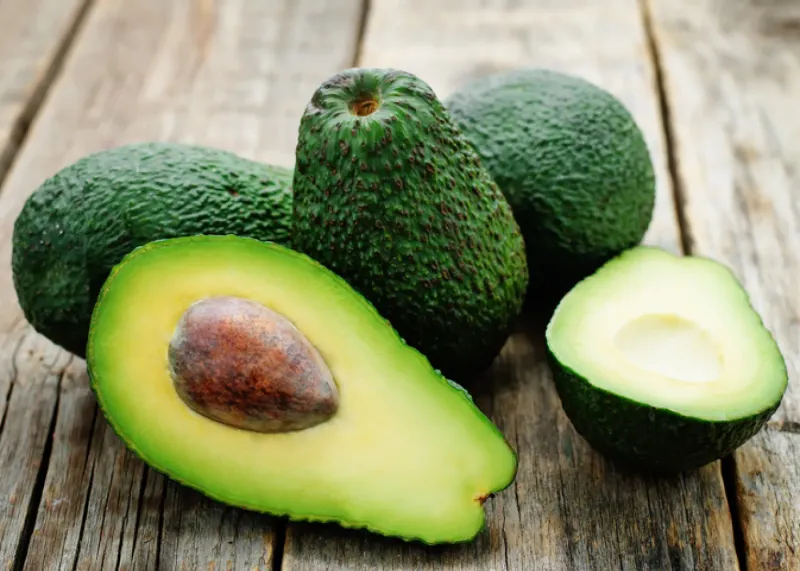
Avocado toast might be a trendy human breakfast, but this creamy fruit is downright dangerous for birds and should never be placed in your Minnesota feeder.
Every part of the avocado plant contains a substance called persin, which is toxic to most bird species.
The fruit, pit, leaves, and even the bark all contain this fungicidal toxin that can cause serious health problems.
While persin is harmless to humans and some other mammals, birds are extremely sensitive to it, and even small amounts can be harmful.
When birds consume avocado, persin can cause respiratory distress, heart damage, and weakness.
Smaller birds like chickadees and warblers that visit Minnesota feeders are particularly vulnerable because their tiny bodies cannot process even minimal amounts of the toxin.
Symptoms can appear quickly, and birds may become lethargic, have difficulty breathing, or develop fluid around their hearts.
You might think that leaving out avocado scraps would be a nice way to reduce food waste while feeding wildlife, but it’s actually putting your backyard birds at serious risk.
Minnesota’s year-round residents like cardinals and woodpeckers, as well as seasonal visitors like warblers and thrushes, can all be affected by avocado toxicity.
The risk simply isn’t worth taking.
If you’re looking for healthy fat sources to offer your Minnesota birds, suet cakes are an excellent alternative.
These rendered beef fat blocks often contain seeds, nuts, and dried fruits that provide the high-energy nutrition birds need without any toxic compounds.
Peanut butter (in moderation and without added salt or sugar) is another safe fat source that woodpeckers, nuthatches, and chickadees absolutely love throughout Minnesota’s seasons.
6. Spoiled Or Moldy Food
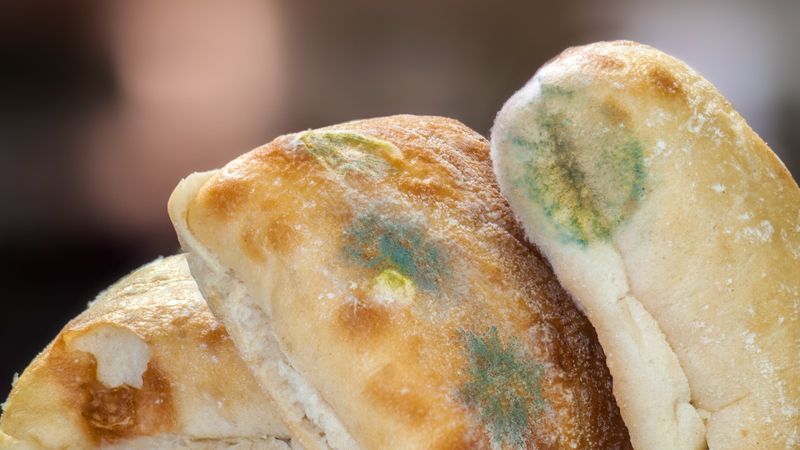
It might be tempting to clean out your pantry and dump old, slightly questionable food into your bird feeder, but spoiled or moldy items can make your Minnesota backyard birds seriously ill.
Mold produces toxins called mycotoxins that attack a bird’s liver, kidneys, and immune system.
Aspergillus, a common mold that grows on damp seeds and grains, causes a respiratory disease called aspergillosis that can spread through entire bird populations.
In Minnesota’s humid summers and damp springs, moldy food in feeders becomes an even bigger problem.
Birds don’t have the same ability as humans to detect spoiled food, so they’ll often eat moldy seeds without realizing the danger.
Once consumed, mycotoxins can cause neurological symptoms, digestive problems, and respiratory distress.
Young birds and those already stressed by harsh weather are especially vulnerable.
During Minnesota’s brutal winters, when birds are already struggling to survive, eating contaminated food can push them over the edge.
Spoiled food also attracts unwanted visitors to your feeding station.
Rats, mice, raccoons, and possums are all drawn to rotting food, and they can become aggressive around feeders.
These animals may also carry diseases that can spread to birds and even to your pets or family members.
Keep your Minnesota feeders clean and fresh by checking them regularly, especially during wet weather.
Remove any seeds that look or smell off, and clean your feeders with a mild bleach solution every few weeks.
Only put out as much food as birds can eat in a few days, and store extra seed in airtight containers in a cool, dry place to prevent mold growth.
7. Milk And Dairy Products
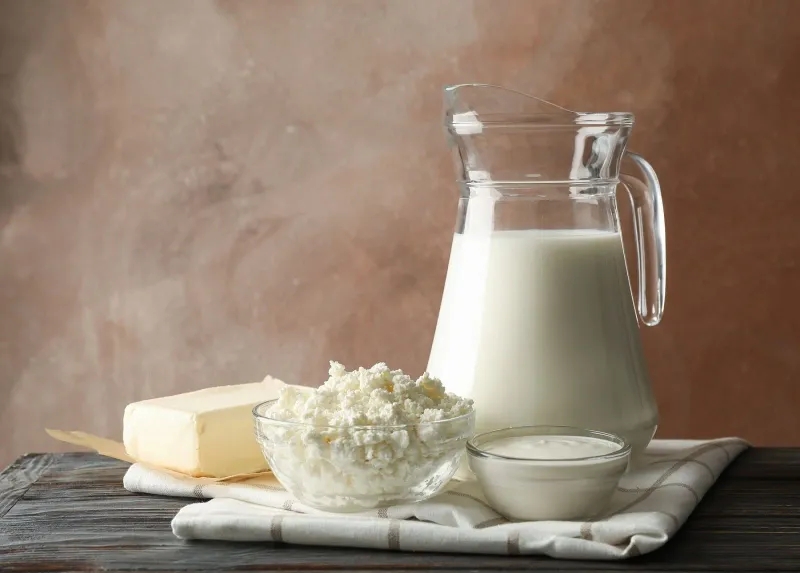
Birds might look cute sipping from a shallow dish, but milk and other dairy products should never be offered to your Minnesota backyard visitors.
Birds are lactose intolerant, meaning they lack the enzyme lactase needed to properly digest the sugars found in milk.
When birds consume dairy products, they can experience severe digestive upset, including diarrhea, cramping, and dehydration.
In Minnesota’s cold climate, dehydration can quickly become life-threatening, especially during winter when birds already struggle to find liquid water.
Cheese, yogurt, butter, and other dairy items present the same problems as milk.
Even small amounts can cause significant discomfort and health issues.
Birds that eat dairy may become lethargic and unable to properly regulate their body temperature, which is crucial for survival during Minnesota’s subzero winter nights.
Digestive problems also prevent birds from absorbing nutrients from other foods, creating a cascade of health issues.
Some well-meaning people put out milk-soaked bread for birds, combining two harmful foods into one especially problematic offering.
This soggy mixture can quickly ferment and grow dangerous bacteria, creating even more health risks.
It also makes a terrible mess in your yard and attracts rodents and insects that you don’t want near your home.
If you want to provide liquid for your Minnesota birds, stick with fresh, clean water.
Change it daily, and consider a heated birdbath during winter to give birds access to liquid water when everything else is frozen.
For food, offer species-appropriate options like seeds, suet, and mealworms that provide real nutritional value without causing digestive distress.
Your local cardinals, jays, and finches will thrive on these proper foods.