Minnesota Gardens Are Showing Odd Coneflowers With Twisted Centers
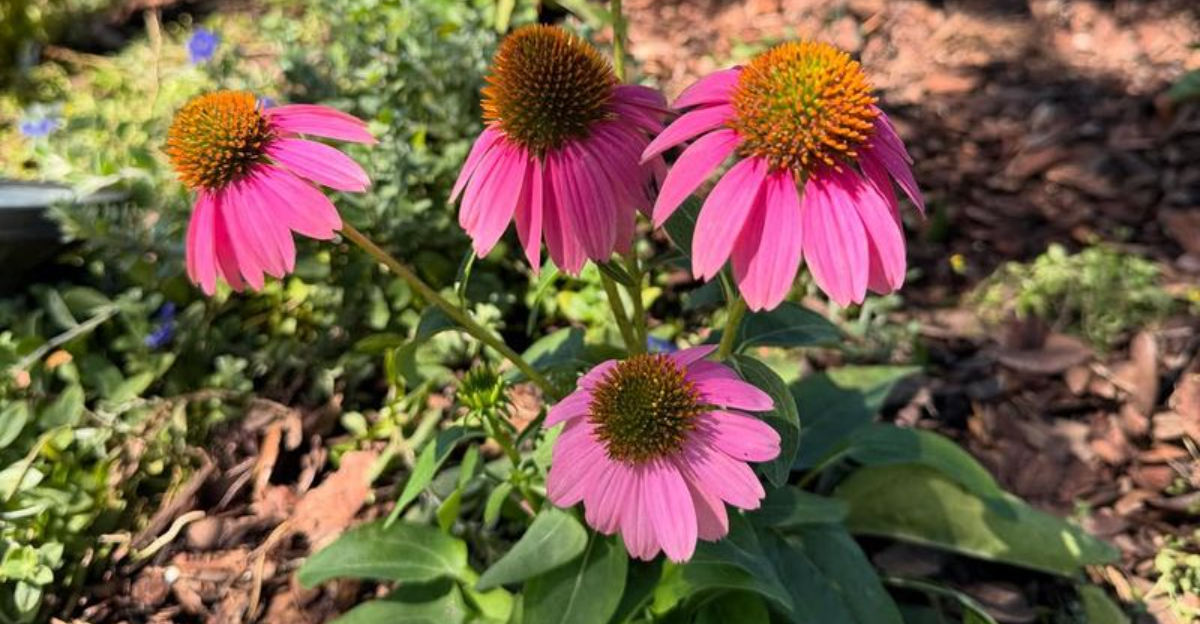
I stopped in my tracks the moment I noticed a coneflower in my Minnesota garden twisting at the center like it was trying to reinvent itself.
Then I spotted another one doing the same strange thing, and that’s when it hit me that something tiny was messing with my blooms.
Now every time I walk past my coneflowers, I’m checking for weird centers thanks to those microscopic eriophyid mites sneaking around like they run the place.
1. Eriophyid Mites Are the Main Culprit

Microscopic eriophyid mites are responsible for the twisted centers appearing on coneflowers throughout Minnesota gardens.
These mites are so tiny that you cannot see them without a magnifying glass or microscope.
They feed on the developing flower buds and inject chemicals that distort the plant’s growth patterns.
When mites attack the center cone, the plant responds by producing twisted, elongated, and deformed tissue instead of normal flower parts.
The damage becomes visible as the flower opens, revealing strange growths that look nothing like healthy coneflowers.
Gardeners in Minnesota have reported seeing these odd symptoms more frequently in recent years, possibly due to warmer weather conditions favoring mite populations.
The mites spread easily from plant to plant through wind, garden tools, and even on the bodies of pollinating insects.
Once established in a garden, they can quickly move between coneflowers and related plants.
Understanding that mites cause this problem helps gardeners make informed decisions about treatment and prevention strategies for their flowering beds.
2. The Damage Looks Alarming but Plants Usually Survive
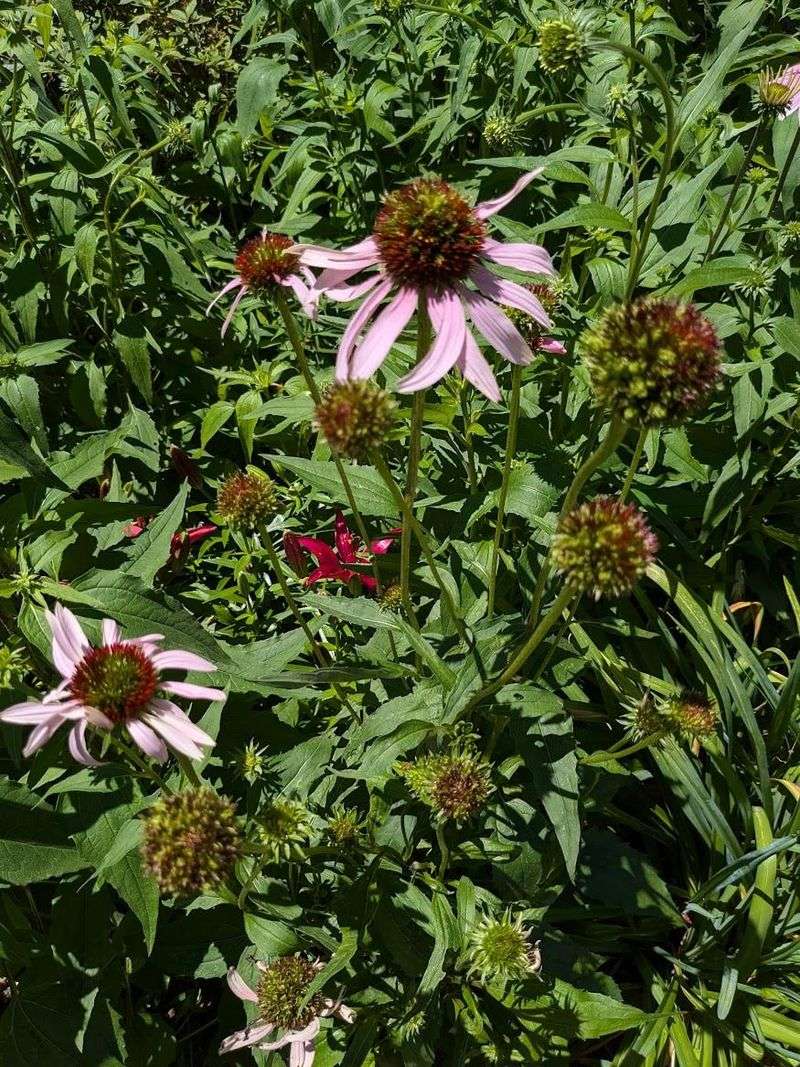
Coneflowers with twisted centers look shocking when you first notice them in your Minnesota garden beds.
The deformed cones can appear grotesque, with elongated petals growing from the center or twisted leaf-like structures replacing normal flower parts.
Despite the dramatic appearance, most affected plants continue living and may even bloom again the following season.
The mites mainly damage the flowers themselves rather than attacking the roots or main stem of the plant.
Many Minnesota gardeners worry that their entire coneflower collection will perish, but this rarely happens with proper care.
Plants may look weaker during the affected season, but their root systems typically remain strong and healthy underground.
Removing the twisted flowers helps redirect the plant’s energy toward producing healthy foliage and storing nutrients for next year.
Some gardeners choose to leave the odd flowers as conversation pieces since they pose no serious threat to plant survival.
With patience and basic maintenance, your coneflowers should recover and produce normal blooms when conditions improve and mite populations decrease naturally.
3. Several Coneflower Varieties Can Be Affected
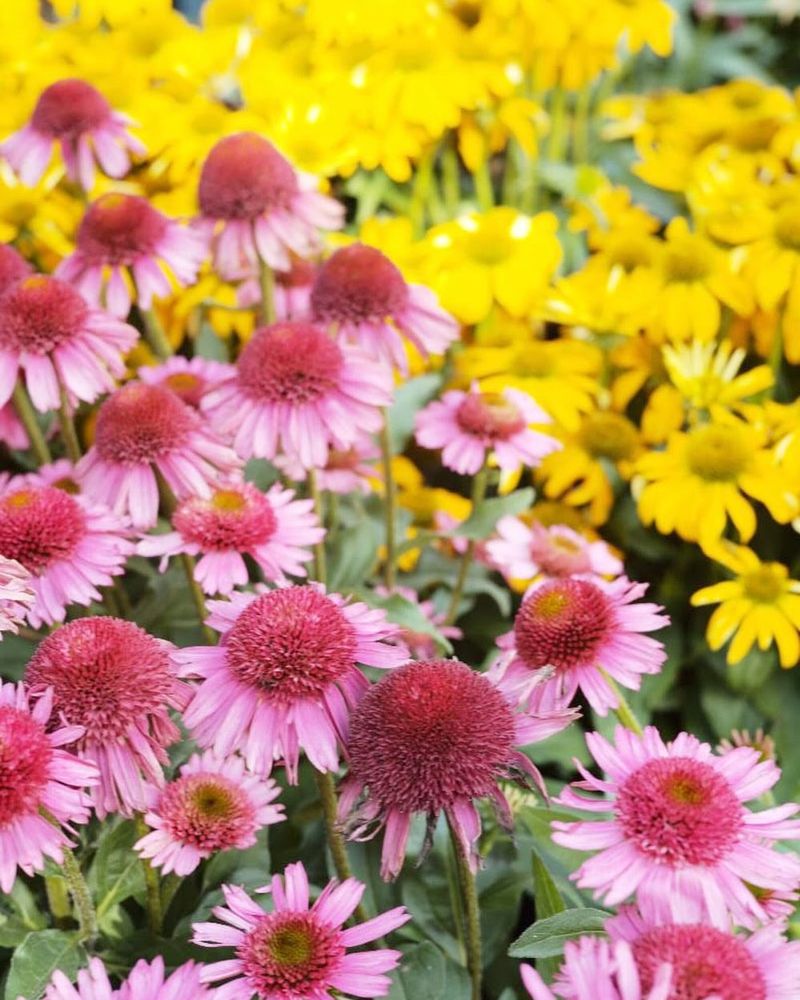
Eriophyid mites do not limit their feeding to just one type of coneflower in Minnesota landscapes.
Purple coneflowers, the most common variety, frequently show twisted centers and deformed growth patterns when mites attack.
Yellow coneflowers and other cultivated varieties also display similar symptoms when these microscopic pests establish themselves on the plants.
Gardeners across Minnesota have reported seeing the problem on both native wildflowers and specially bred ornamental varieties.
Some coneflower cultivars seem slightly more resistant to mite damage, though researchers have not identified completely immune varieties yet.
The mites appear to prefer certain growing conditions, so plants in stressed environments may suffer more severe deformities than healthy specimens.
Hybrid coneflowers with unusual colors or double blooms can also develop twisted centers, disappointing gardeners who paid premium prices for special plants.
No matter which variety you grow, staying alert for early signs of mite activity helps protect your investment.
Checking all coneflower types regularly throughout the growing season allows Minnesota gardeners to catch problems before they spread widely through flower beds.
4. Early Detection Helps Limit the Spread
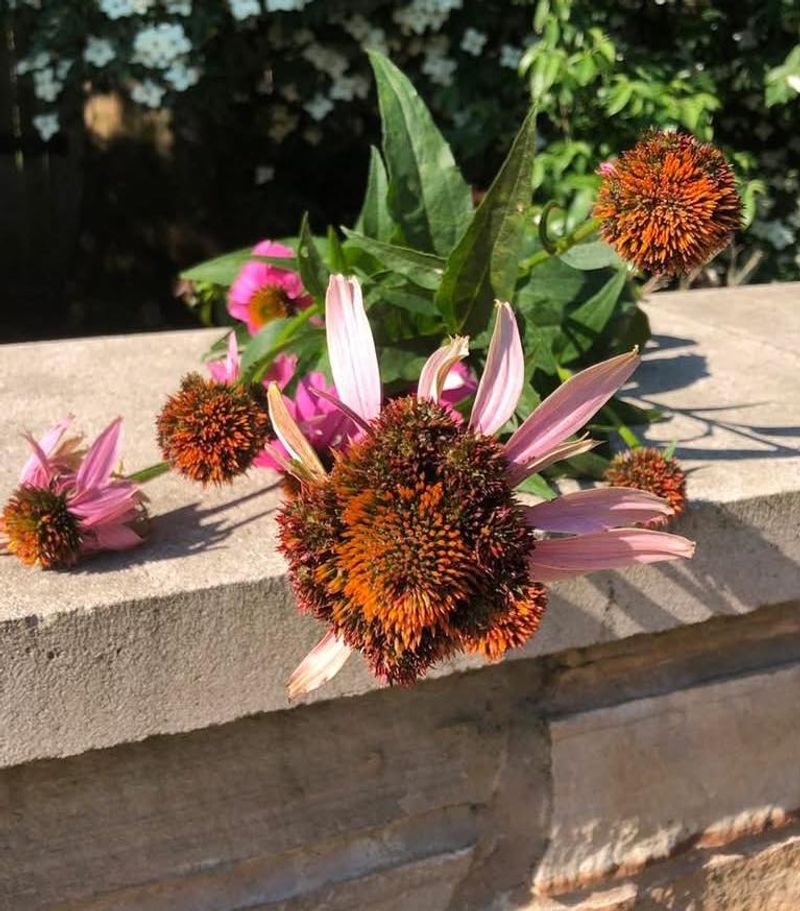
Spotting the first signs of mite damage early gives Minnesota gardeners the best chance to protect their coneflowers.
Look for developing buds that appear slightly distorted or thickened before the flowers fully open.
Early symptoms include buds that feel harder than normal or show unusual swelling on one side of the developing cone.
As the flower begins opening, you might notice petals emerging at odd angles or small leaf-like structures growing from the center.
Catching these early warning signs allows you to remove affected buds before mites spread to neighboring plants in your Minnesota garden.
Regular inspections during the blooming season, especially in late spring and early summer, help identify problems quickly.
Walk through your garden every few days and examine coneflower buds closely, touching them gently to feel for abnormal texture or hardness.
Taking action at the first sign of trouble prevents mites from reproducing and moving throughout your entire flower bed.
Early detection combined with prompt removal of affected flowers significantly reduces the overall impact on your garden’s appearance and plant health.
5. Removing Affected Flowers Is the Best First Step
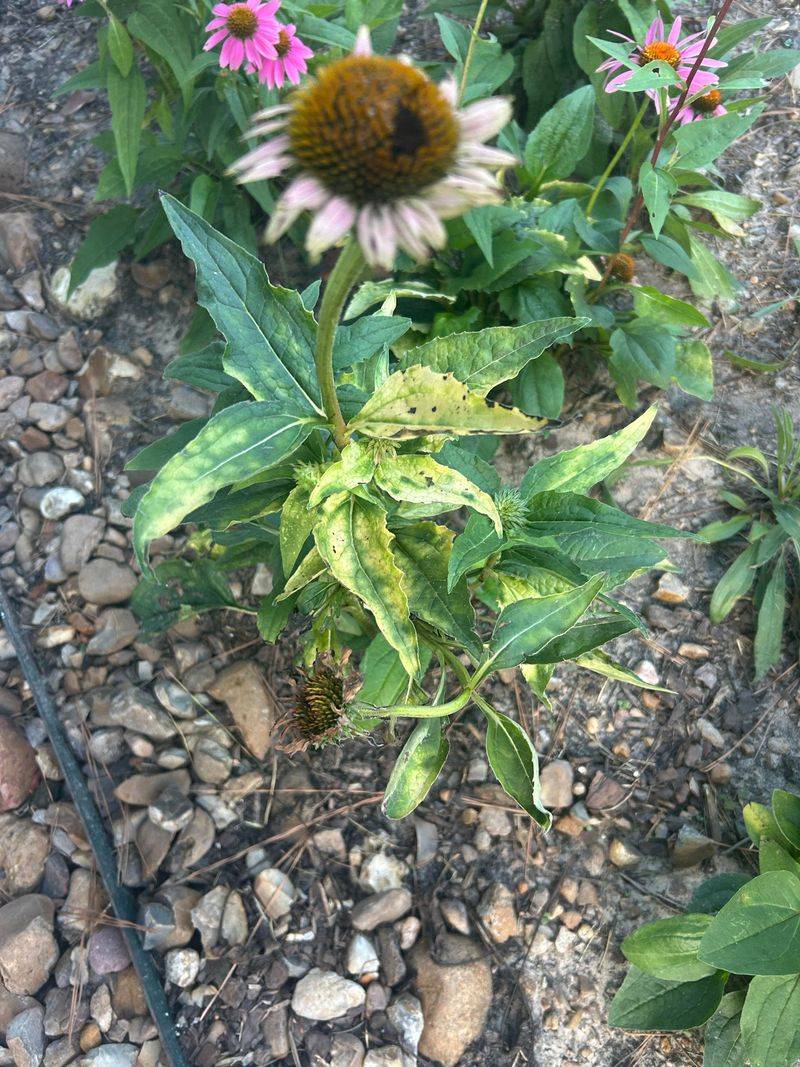
Cutting off twisted coneflowers as soon as you spot them remains the most effective initial response for Minnesota gardeners.
Use clean, sharp pruning shears to remove the entire flower head, cutting the stem back to just above a healthy leaf.
This simple action removes the mites’ food source and prevents them from completing their life cycle on your plants.
Place the removed flowers in a sealed plastic bag rather than tossing them into your compost pile where mites could survive.
Dispose of the bagged flowers in your household trash to ensure the pests cannot return to your Minnesota garden.
After removing each affected flower, wipe your pruning tool with rubbing alcohol to avoid accidentally transferring mites to healthy plants.
Some gardeners prefer to cut the entire flowering stem down to the base, which encourages the plant to produce fresh growth.
Continue monitoring your coneflowers throughout the season, removing any new twisted flowers that appear as the mites attempt to reestablish themselves.
This mechanical control method requires no chemicals and effectively reduces mite populations when done consistently and thoroughly across all affected plants.
6. Chemical Treatments Have Limited Effectiveness
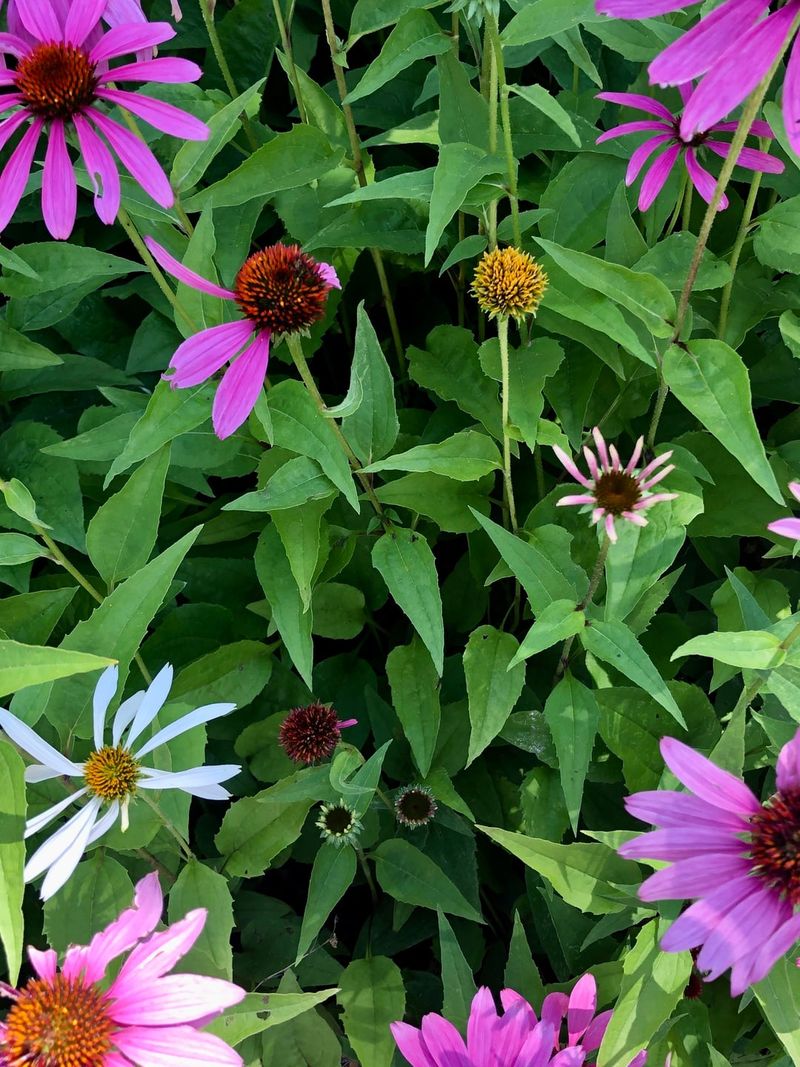
Many Minnesota gardeners reach for pesticides when they see twisted coneflowers, but chemicals rarely solve the problem completely.
Eriophyid mites hide deep inside developing flower buds where spray applications cannot reach them effectively.
By the time you notice the twisted centers, the damage has already occurred and spraying provides little benefit.
Miticides specifically designed for eriophyid mites exist, but they must be applied preventively before symptoms appear to have any real impact.
Most gardeners find the cost and effort of repeated chemical applications outweigh the benefits, especially for ornamental plants like coneflowers.
Systemic pesticides that plants absorb through their roots might reach the mites, but these products can harm beneficial insects visiting your Minnesota garden.
Pollinators like bees and butterflies rely on coneflowers for nectar, so using harsh chemicals puts these helpful creatures at risk unnecessarily.
Organic options like neem oil or insecticidal soap may reduce mite numbers slightly but will not eliminate an established infestation.
Focusing on cultural practices like plant removal and garden sanitation typically produces better long-term results than relying solely on chemical controls.
7. Stress Makes Plants More Vulnerable to Mites

Coneflowers growing in poor conditions become easier targets for eriophyid mites in Minnesota gardens.
Plants struggling with drought stress, poor soil, or inadequate sunlight cannot defend themselves as effectively against pest attacks.
Healthy, vigorous coneflowers possess stronger natural defenses and recover more quickly from mite damage than weakened specimens.
Ensuring your plants receive adequate water during dry periods helps them maintain the energy needed to produce new growth and resist pests.
Coneflowers prefer well-drained soil with moderate fertility, so avoid over-fertilizing which can produce weak, succulent growth that attracts mites.
Proper spacing between plants improves air circulation and reduces the humidity that mites need to thrive in your Minnesota flower beds.
Planting coneflowers in full sun locations where they receive at least six hours of direct sunlight daily promotes strong, resilient growth.
Mulching around plants helps maintain consistent soil moisture and temperature, reducing stress that might make them more susceptible to pest problems.
Taking care of basic plant needs creates an environment where coneflowers can better withstand mite attacks and recover quickly from any damage.
8. Native Pollinators Still Visit Deformed Flowers

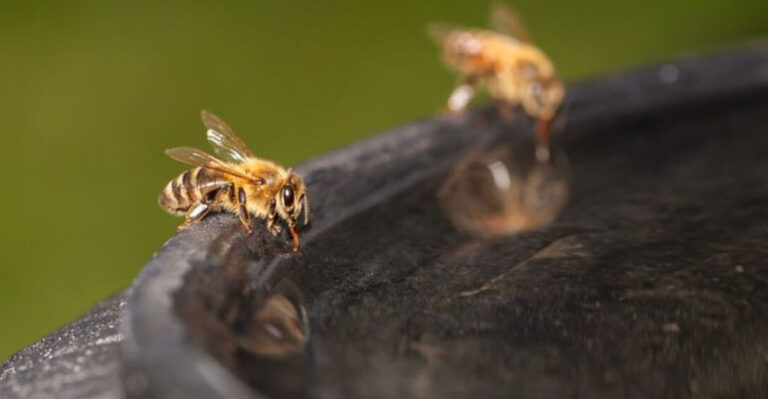
Surprisingly, bees and butterflies continue visiting coneflowers even when the centers show twisted, deformed growth in Minnesota gardens.
While the flowers look strange to human eyes, pollinators seem less concerned about the unusual appearance of the blooms.
Many insects still find nectar and pollen on affected flowers, though the twisted structures may make feeding slightly more difficult.
Leaving some deformed flowers in place allows your garden to continue supporting beneficial insects throughout the growing season.
Native bees particularly appreciate having any available coneflower blooms, regardless of whether they look perfect or oddly twisted.
Butterflies also land on the deformed centers, using them as perching spots while they search for nectar among the petals.
If your main goal involves supporting pollinators in your Minnesota landscape, you might choose to tolerate some twisted flowers rather than removing them all.
Balancing aesthetic preferences with ecological benefits becomes a personal decision each gardener must make based on their priorities.
Remember that even imperfect flowers provide valuable resources for wildlife, so consider leaving a few twisted blooms if your garden can accommodate them.
9. The Problem May Decrease Over Time Naturally
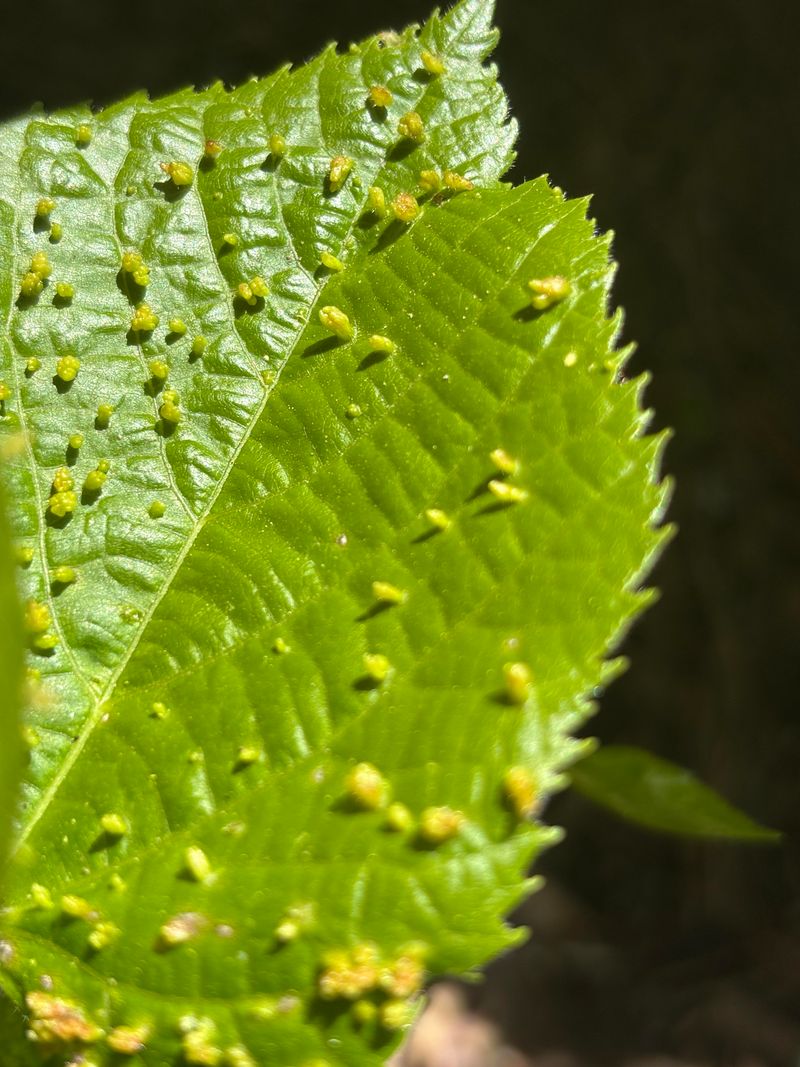
Eriophyid mite populations often fluctuate from year to year in Minnesota gardens without human intervention.
Natural predators including beneficial mites and tiny insects feed on the pest mites, helping to control their numbers over time.
Weather conditions also influence mite survival, with heavy rains washing them from plants and extreme temperatures reducing their reproduction rates.
Some gardeners notice severe twisted flower problems one season, then see much less damage the following year without taking any special actions.
Maintaining diverse plantings in your Minnesota landscape supports populations of helpful insects that naturally keep pest mites in check.
Avoiding broad-spectrum pesticides preserves these beneficial predators, allowing them to do their job controlling mites and other garden pests.
Patience sometimes proves to be the best strategy, as ecological balance often restores itself given enough time and favorable conditions.
If you can tolerate the odd appearance of twisted flowers for one season, you might find the problem resolves naturally by the next growing year.
Combining good cultural practices with natural pest control creates a sustainable approach that protects your coneflowers without excessive intervention or expense.
10. Consider Growing Alternative Flowers If Problems Persist
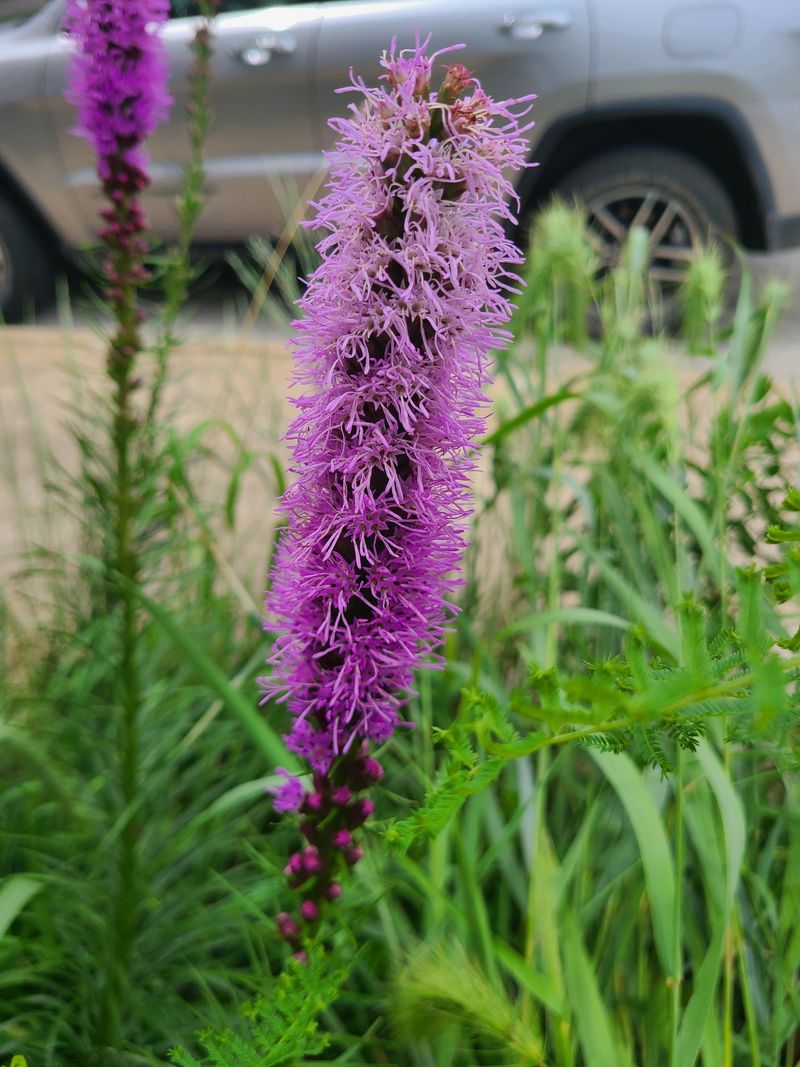
When twisted coneflower problems continue year after year in your Minnesota garden, exploring other plant options makes practical sense.
Many beautiful native flowers provide similar color and pollinator benefits without suffering from eriophyid mite damage.
Black-eyed Susans offer bright yellow blooms and attract butterflies and bees just as effectively as coneflowers do in garden settings.
Bee balm produces colorful flowers that hummingbirds adore, and this native plant rarely experiences the twisted growth problems affecting coneflowers.
Blazing star creates tall purple flower spikes that add vertical interest to Minnesota gardens while remaining relatively pest-free throughout the growing season.
Wild bergamot and other native prairie flowers thrive in similar conditions to coneflowers and support local pollinator populations beautifully.
Diversifying your plant selection reduces the overall impact of any single pest problem and creates a more resilient garden ecosystem.
You can still include a few coneflowers while expanding your palette with other species that might perform better in your specific location.
Experimenting with different plants helps you discover which species work best in your garden while maintaining the beauty and ecological function you desire.