Minnesota Landscape Arboretum Experts Say Cold Hardy Shrubs Are Simpler Than Expected
Cold hardy shrubs sound intimidating to many Minnesota gardeners, but experts at the Minnesota Landscape Arboretum say they are far more manageable than people assume.
Once established, these shrubs handle freezing temperatures with less fuss, often needing fewer winter interventions than delicate or borderline plants.
Understanding how they grow and what they truly need can make winter gardening feel less stressful and far more predictable.
1. Why Cold Hardy Shrubs Handle Minnesota Winters Better Than Most People Think
Gardeners across Minnesota often assume that harsh winters automatically mean losing plants, but cold hardy shrubs are naturally built to withstand extreme conditions effortlessly.
Plant cells in these shrubs contain special adaptations that prevent ice crystals from forming inside, which keeps tissues healthy even during prolonged freezing temperatures.
Root systems go dormant when soil temperatures drop, conserving energy and protecting the plant from stress that would harm less adapted species in the state.
Bark on cold hardy varieties thickens as temperatures fall, creating an insulating layer that shields inner wood from cracking and splitting during sudden temperature changes.
Branch structures are flexible enough to bend under heavy snow loads rather than snapping, which means less damage and easier recovery once spring arrives in Minnesota.
Many shrubs actually require a period of cold exposure to trigger proper blooming and growth cycles, making winter an essential part of their life process.
Experts note that selecting plants rated for hardiness zones four or lower ensures they can handle typical Minnesota winters without any extra help or complicated care routines.
Understanding these natural survival mechanisms helps gardeners realize that cold hardy shrubs are much tougher and simpler to grow than they initially believed possible.
2. The One Trait Experts Look For When Choosing Shrubs For Extreme Cold
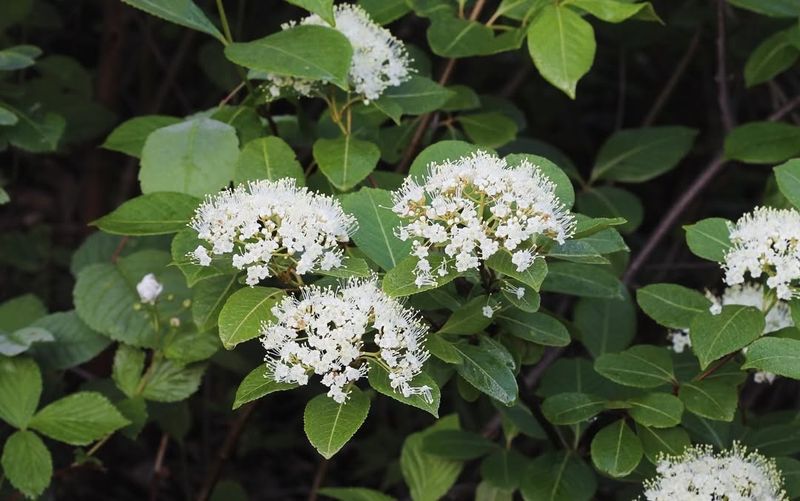
Arboretum specialists emphasize that hardiness zone rating is the single most important factor when selecting shrubs that will survive brutal Minnesota winters without constant intervention.
Plants rated for zone three or four are specifically bred and tested to endure temperatures that regularly plunge well below zero degrees Fahrenheit throughout the coldest months.
Choosing shrubs outside your zone rating almost guarantees disappointment because they lack the genetic traits needed to survive extended freezing periods common across the state.
Hardiness ratings are determined through years of testing in controlled environments and real-world conditions, giving gardeners reliable data to make informed decisions about plant purchases.
Experts recommend checking the USDA hardiness zone map for your specific Minnesota location before buying any shrub, since microclimates can vary even within small geographic areas.
Nurseries often label plants clearly with zone information, making it easy to identify which varieties will thrive locally without requiring elaborate protection systems or excessive maintenance efforts.
Ignoring zone ratings is one of the most common mistakes that leads to plant failure, frustration, and wasted money on replacements that may not fare any better.
By prioritizing hardiness zone compatibility, Minnesota gardeners can build landscapes filled with shrubs that remain healthy and beautiful through every harsh winter season with minimal effort required.
3. Shrubs That Survive Deep Freezes Without Winter Protection

Red twig dogwood stands out as one of the toughest shrubs available, displaying vibrant stem color throughout Minnesota winters while requiring absolutely no protective coverings or special treatments.
Potentilla bushes produce cheerful yellow blooms in summer and then breeze through freezing temperatures without showing any signs of stress or damage when spring finally returns.
Ninebark varieties offer stunning foliage and peeling bark that add visual interest year-round, and they handle deep freezes across the state without needing burlap wraps or shelters.
American cranberrybush viburnum produces beautiful berries that persist through winter, providing food for wildlife while the plant itself remains completely unbothered by subzero temperatures in Minnesota.
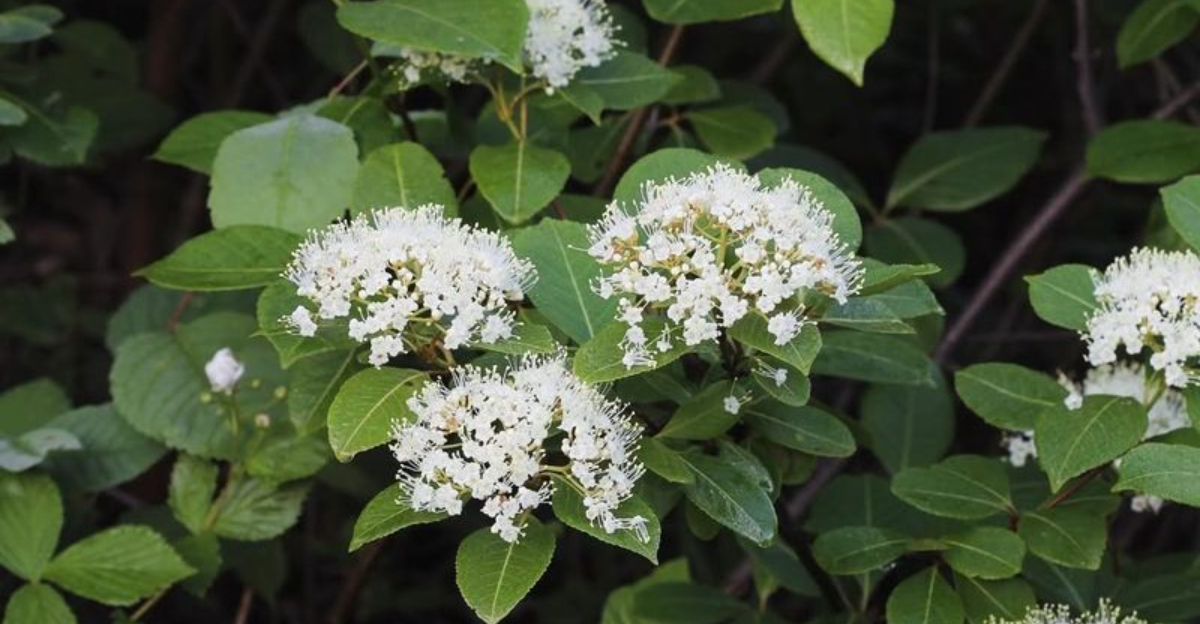
Arrowwood viburnum develops dense branching that creates natural windbreaks and tolerates extreme cold without requiring any intervention from gardeners worried about losing their investment in landscaping.
Serviceberry shrubs bloom early in spring and survive harsh winters effortlessly, making them a favorite among arboretum experts who appreciate low-maintenance plants that deliver reliable performance.
Common lilac bushes are incredibly resilient, enduring Minnesota’s coldest winters while producing fragrant blooms each year without needing protective measures that many gardeners assume are necessary.
Selecting these proven varieties eliminates worry and work, allowing you to enjoy beautiful landscapes that thrive naturally through every season without constant monitoring or complicated care routines.
4. How Snow Cover Actually Helps Protect Shrubs In Minnesota Landscapes

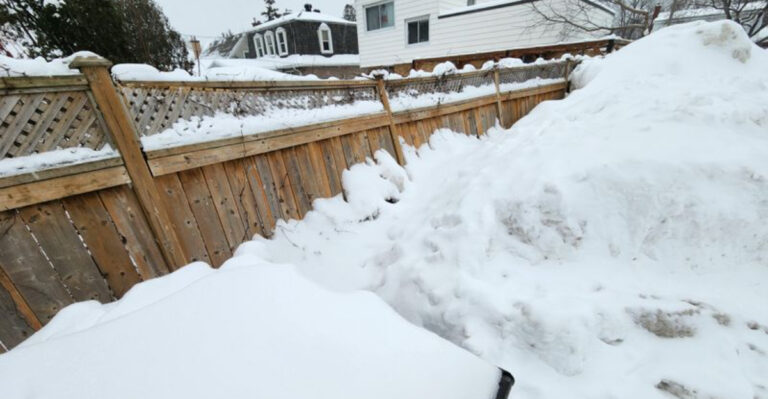
Snow acts as a natural insulating blanket that shields shrub roots from extreme temperature fluctuations, preventing frost heaving and keeping soil temperatures more stable throughout Minnesota winters.
A thick layer of snow traps air pockets that provide excellent insulation, protecting lower branches and root zones from wind damage and desiccation that can harm unprotected plants.
Experts at the arboretum explain that snow cover can keep soil temperatures around thirty-two degrees even when air temperatures plunge far below zero across the state.
Shrubs buried under snow are shielded from harsh winds that can dry out branches and buds, reducing moisture loss that often causes more damage than cold temperatures alone.
Snow also reflects sunlight, preventing premature warming on sunny winter days that can trick plants into breaking dormancy too early, which leaves them vulnerable to subsequent freezing in Minnesota.
When snow melts gradually in spring, it provides consistent moisture to the root zone, giving shrubs a head start on growth without requiring supplemental watering from gardeners.
Rather than clearing snow away from shrubs, it’s often better to leave it in place since it offers free, effective protection that reduces stress and damage.
Understanding snow’s protective role helps Minnesota gardeners appreciate winter weather as a helpful ally rather than an enemy, simplifying shrub care and improving long-term plant health naturally.
5. Why Native Shrubs Bounce Back Faster After Harsh Winters

Native shrubs evolved over thousands of years in Minnesota’s climate, developing deep genetic adaptations that allow them to recover quickly from winter stress without human intervention or assistance.
Root systems of native plants are typically more extensive and resilient, having adapted to local soil conditions and moisture patterns that non-native species struggle to navigate successfully.
Smooth sumac and elderberry are excellent examples of natives that leaf out vigorously each spring, showing no signs of winter damage even after the harshest seasons.
Native shrubs have natural pest and disease resistance suited to Minnesota’s ecosystem, which means they spend less energy fighting infections and more energy recovering from seasonal dormancy.
Arboretum experts note that native plants require fewer nutrients and less water because they’re perfectly suited to local conditions, making them less stressed and more resilient overall.
Non-native shrubs often struggle to adapt to Minnesota’s freeze-thaw cycles and short growing season, leading to slower recovery and increased vulnerability to damage over time in the state.
Choosing native species simplifies garden maintenance because these plants naturally thrive in local conditions without requiring fertilizers, amendments, or complicated care routines that overwhelm busy gardeners.
By planting natives, Minnesota homeowners can create landscapes that bounce back quickly each spring, providing reliable beauty and habitat without demanding constant attention or expensive interventions throughout the year.
6. Common Shrub Mistakes That Make Cold Damage Worse
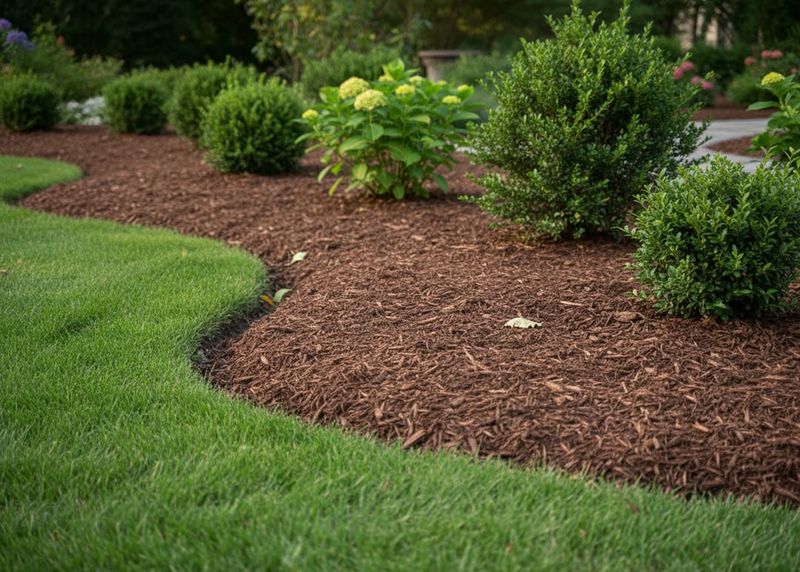
Late-season pruning encourages new growth that doesn’t have time to harden off before winter, leaving tender shoots vulnerable to freezing damage across Minnesota’s unpredictable fall weather.
Over-fertilizing shrubs in late summer pushes lush growth that lacks the toughness needed to survive cold snaps, making plants weaker rather than stronger heading into winter.
Planting shrubs in poorly drained soil causes roots to sit in water, which freezes and expands during winter, damaging root systems and reducing the plant’s ability to recover.
Failing to water shrubs adequately in fall leaves them dehydrated going into winter, which makes branches and buds more susceptible to desiccation from cold winds in the state.
Wrapping shrubs unnecessarily can trap moisture and create conditions for fungal diseases, doing more harm than good when plants are perfectly capable of surviving on their own.
Choosing the wrong planting location exposes shrubs to harsh winds or excessive sun reflection off snow, both of which increase stress and damage during Minnesota’s long winter months.
Ignoring mulch around the root zone allows soil to freeze and thaw repeatedly, which can heave roots out of the ground and compromise plant stability and health.
Avoiding these common errors makes shrub care much simpler and more successful, allowing Minnesota gardeners to enjoy beautiful, healthy plants that thrive naturally through every season without extra work.
7. When Cold Hardy Shrubs Need Extra Help During Winter
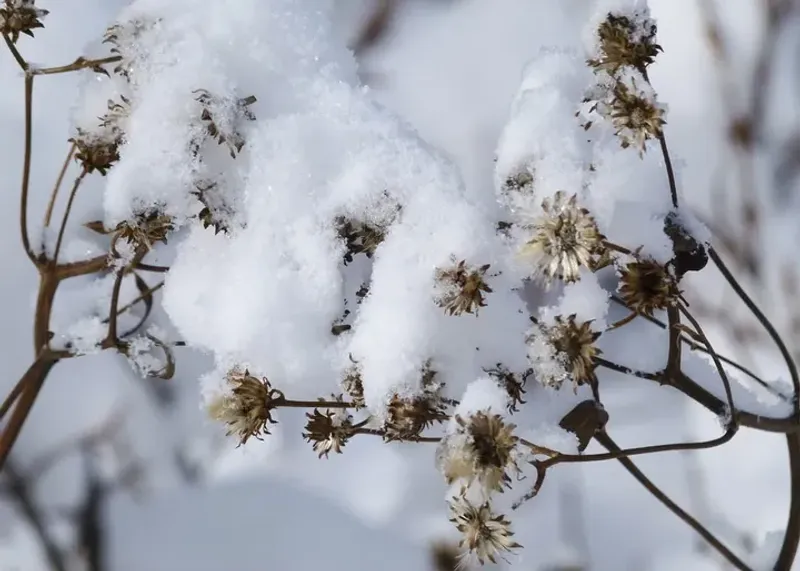
Newly planted shrubs haven’t developed extensive root systems yet, so they benefit from a thick layer of mulch around the base to insulate roots during their first Minnesota winter.
Shrubs planted in exposed locations with little natural windbreak may need temporary burlap screens to reduce desiccation from harsh winds that sweep across open areas in the state.
Young plants under three years old are still establishing themselves and may require extra watering in fall to ensure they enter dormancy fully hydrated and ready for freezing temperatures.
Shrubs growing in containers need additional protection because roots are more exposed to temperature extremes than plants growing directly in the ground across Minnesota’s coldest months.
Evergreen shrubs can suffer from winter burn when bright sun reflects off snow, so placing them in partially shaded locations or using anti-desiccant sprays can prevent foliage damage.
Arboretum specialists recommend checking newly planted shrubs periodically during winter thaws to ensure mulch remains in place and roots haven’t been exposed by frost heaving in Minnesota soil.
Established shrubs rarely need intervention, but monitoring young or recently transplanted specimens ensures they survive their vulnerable early years and become self-sufficient, low-maintenance landscape features over time.
Providing targeted help when needed simplifies long-term care, allowing Minnesota gardeners to build resilient landscapes that eventually thrive independently without requiring constant attention or complicated seasonal routines.
8. How To Choose Shrubs That Stay Reliable Year After Year
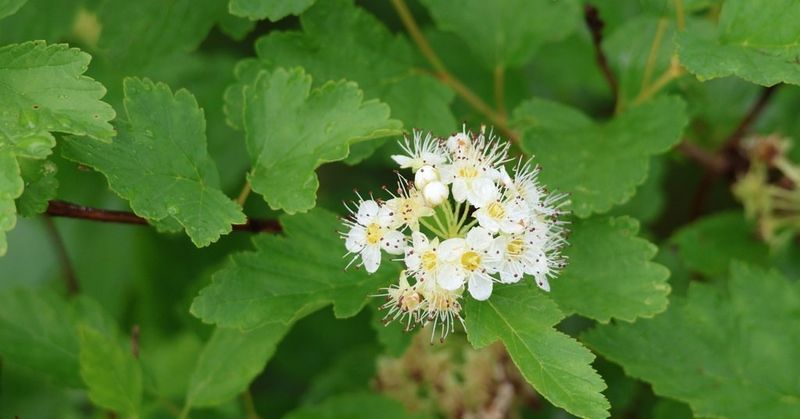
Selecting shrubs with proven track records in Minnesota ensures you invest in plants that deliver consistent performance without surprises or disappointments year after year in your landscape.
Arboretum experts recommend visiting local botanical gardens to observe mature specimens and see firsthand how different varieties look and perform throughout all four seasons in the state.
Consulting with local nurseries provides valuable insights into which shrubs are most reliable in your specific area, since staff members have direct experience with regional growing conditions and challenges.
Choosing disease-resistant varieties reduces maintenance and ensures shrubs remain healthy and attractive without requiring constant treatments or interventions that complicate care routines for busy Minnesota gardeners.
Avoiding trendy or newly introduced varieties in favor of time-tested classics minimizes risk and increases the likelihood of long-term success in your landscape without unexpected failures or setbacks.
Matching shrub size at maturity to your available space prevents overcrowding and reduces the need for frequent pruning, which simplifies maintenance and keeps plants looking their best naturally.
Reading plant labels carefully and researching growth habits helps you make informed choices that align with your landscape goals and available time for upkeep in Minnesota’s demanding climate.
By prioritizing reliability over novelty, you can create a beautiful, low-maintenance landscape filled with shrubs that thrive effortlessly through every season, providing lasting enjoyment without constant worry or work.
9. Simple Planting Tips That Set Shrubs Up For Winter Success
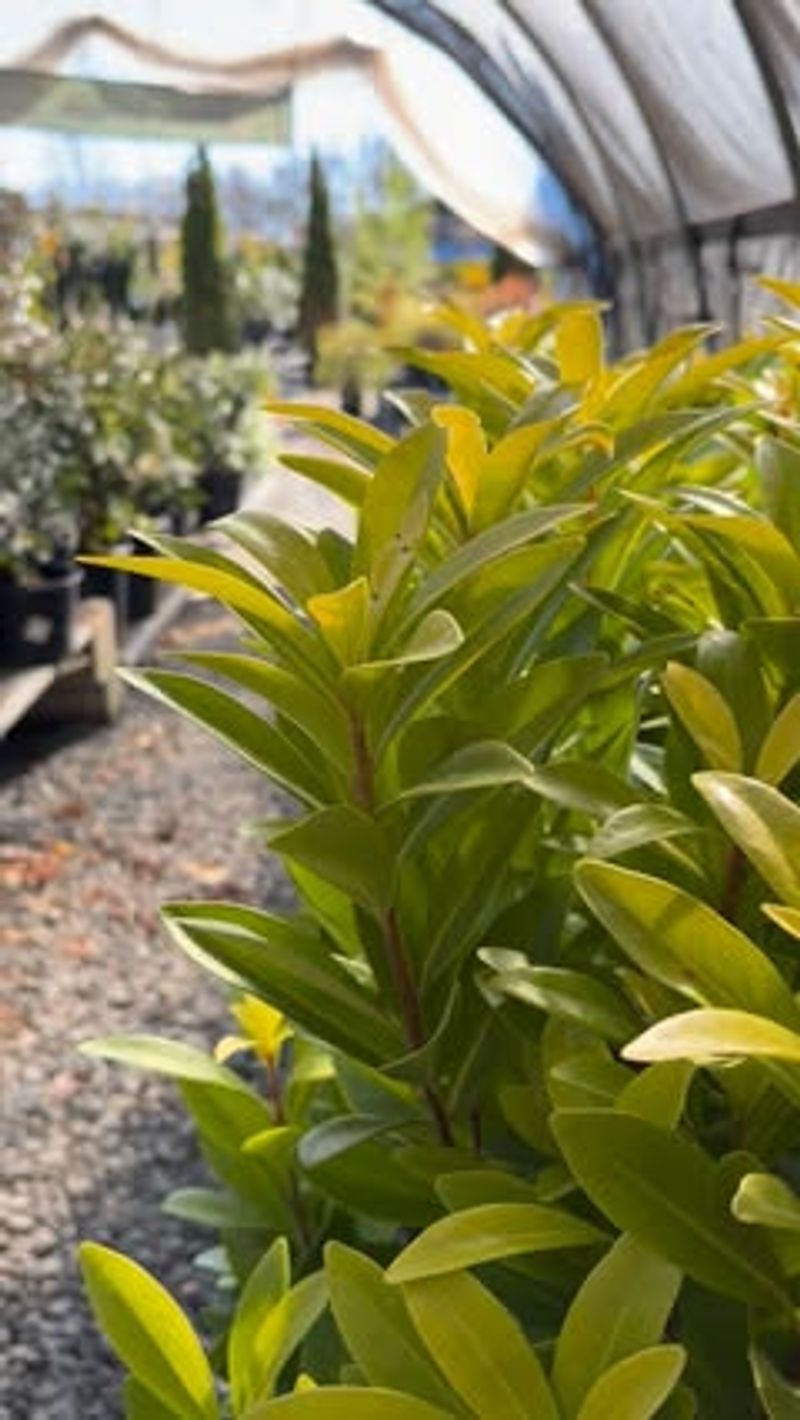
Planting shrubs in early fall gives roots time to establish before winter arrives, allowing plants to anchor themselves and prepare for dormancy across Minnesota’s unpredictable weather patterns.
Digging holes twice as wide as the root ball encourages roots to spread quickly into surrounding soil, creating a strong foundation that helps plants withstand freezing temperatures.
Amending heavy clay soil with compost improves drainage and prevents waterlogging that can freeze around roots, causing damage and reducing the shrub’s ability to survive harsh winters in the state.
Planting at the correct depth ensures the root flare sits at soil level, preventing rot and allowing proper oxygen exchange that keeps plants healthy throughout dormant months.
Watering deeply after planting settles soil around roots and eliminates air pockets, giving shrubs the moisture they need to enter winter dormancy in strong, healthy condition across Minnesota.
Applying a three-inch layer of mulch around the base insulates roots and moderates soil temperature fluctuations, protecting plants from frost heaving and extreme cold without requiring complicated interventions.
Avoiding fertilizer at planting time prevents tender new growth that won’t harden off before freezing temperatures arrive, keeping shrubs focused on root development instead of vulnerable top growth.
Following these straightforward planting practices sets shrubs up for long-term success, making Minnesota gardening simpler and more rewarding with plants that thrive naturally through every season without extra effort.
10. Why Cold Hardy Shrubs Are The Smart Choice For Busy Minnesota Gardeners
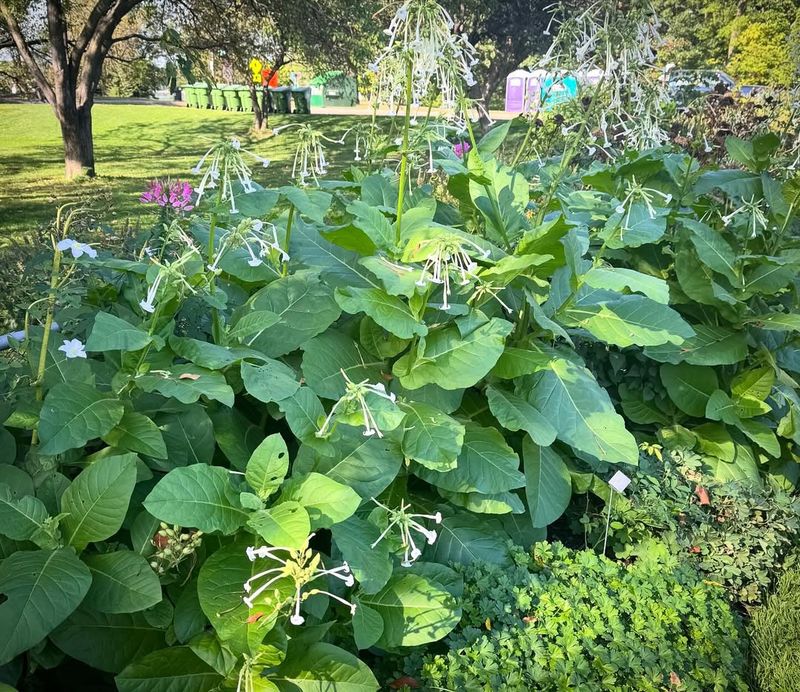
Cold hardy shrubs require minimal care once established, making them perfect for homeowners who want beautiful landscapes without spending every weekend on maintenance tasks across Minnesota’s short growing season.
These plants naturally tolerate the state’s extreme weather swings, eliminating the need for protective measures, constant monitoring, or elaborate care routines that overwhelm gardeners with limited time.
Choosing shrubs adapted to local conditions reduces water usage, fertilizer needs, and pest problems, which translates to lower costs and less effort maintaining your landscape throughout the year.
Arboretum professionals emphasize that cold hardy varieties are forgiving of occasional neglect, bouncing back quickly even if you forget to water or miss a pruning season in Minnesota.
Reliable performance year after year means you can plant once and enjoy decades of beauty without replacing failed plants or troubleshooting problems that arise from poor variety selection.
Cold hardy shrubs provide structure, color, and habitat value through all seasons, creating landscapes that look intentional and attractive even during Minnesota’s long winter months when other plants disappear.
Simplifying plant selection by focusing on cold hardiness reduces decision fatigue and increases confidence, allowing even novice gardeners to create successful landscapes that thrive naturally without expert knowledge.
Embracing cold hardy shrubs transforms gardening from a stressful chore into an enjoyable hobby, giving Minnesota homeowners beautiful outdoor spaces that enhance their property without demanding constant attention or effort.