Mississippi Gardeners Keep Spotting These Tree Nests, But They’re Not Birds
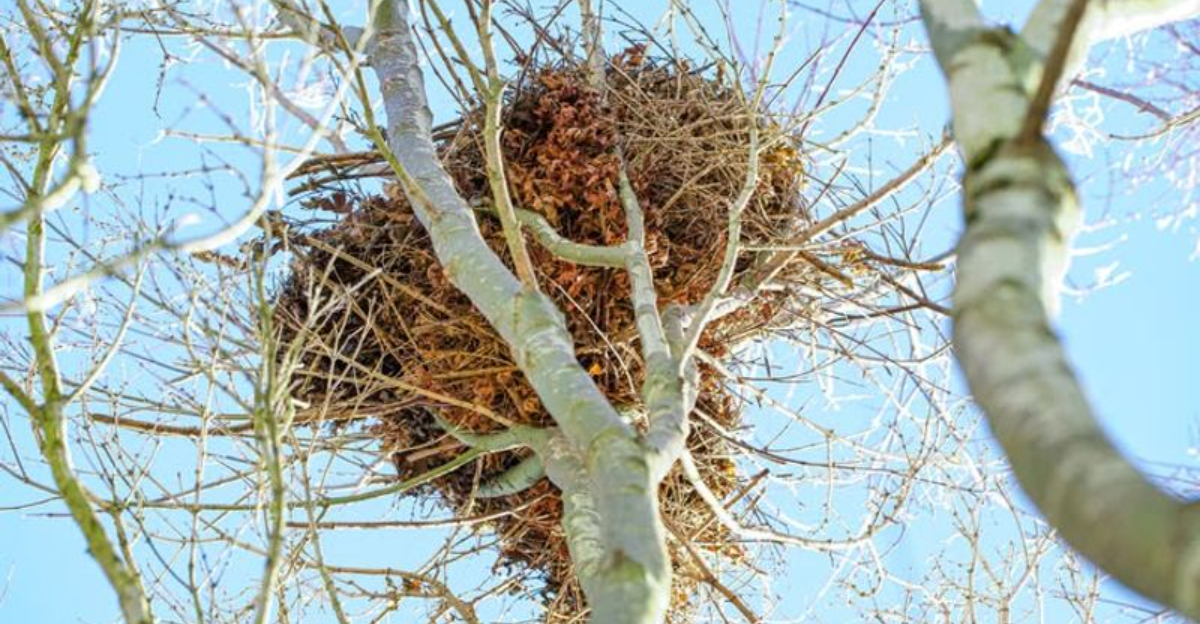
If you’ve been walking through your yard in Mississippi and noticed large, messy clumps of leaves tucked high in your trees, you’re not alone. Many gardeners do a double take, assuming they’ve found bird nests left behind from warmer months.
But these strange tree nests tell a very different story. They’re called dreys, and birds aren’t the ones building them.
Once you know what you’re looking at, you’ll start spotting them everywhere. At first glance, a drey can look like a pile of dry leaves stuck in a tree fork, especially in winter when branches are bare.
These nests often raise questions and concerns about pests, damage, or whether something needs to be removed. Those big leafy nests aren’t made by birds after all.
Mississippi gardeners keep spotting these tree nests, and the surprise comes when they learn who built them. What looks abandoned may actually still be in use.
Once you know what a drey is, you’ll never mistake it for a bird nest again. Understanding dreys helps gardeners feel more at ease about what’s happening above their heads.
These nests are a normal part of the local wildlife and usually nothing to worry about. Learning the difference between bird nests and dreys can bring peace of mind and a better appreciation for the animals quietly sharing your garden space.
1. What Exactly Is A Drey And Why Do Squirrels Build Them
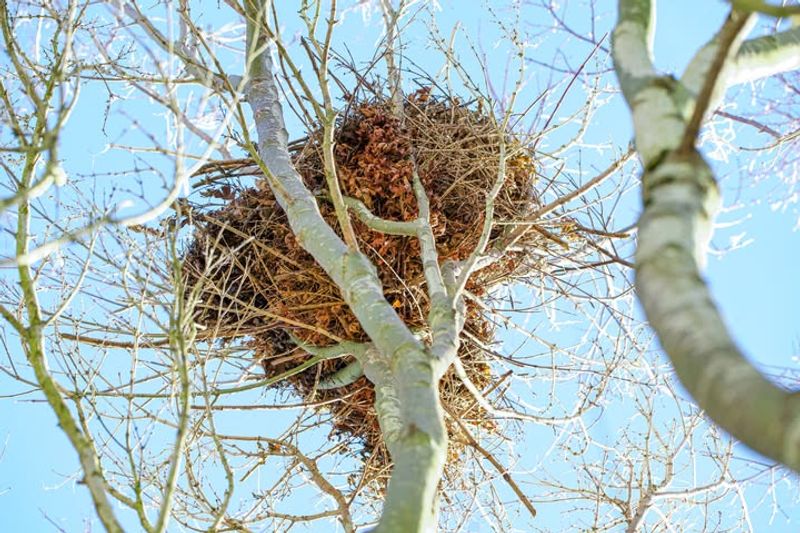
A drey is basically a squirrel’s version of a house, built high up in tree branches where these animals feel safest from predators and weather.
Unlike bird nests that are usually cup-shaped and made to hold eggs, dreys are round or oval structures that look like messy balls of leaves and twigs wedged into tree forks.
Squirrels construct these homes using whatever natural materials they can find, including leaves, moss, bark strips, and small branches woven together in surprisingly sturdy arrangements.
Mississippi squirrels typically build dreys about 20 to 45 feet off the ground, though you might spot them at various heights depending on available trees. The outer layer consists of tightly woven twigs that form a protective shell against rain and wind.
Inside, squirrels create a cozy chamber lined with softer materials like shredded bark, moss, feathers, and even bits of fabric or insulation they’ve scavenged from human structures.
Each drey usually measures about 12 to 20 inches in diameter, roughly the size of a basketball or small beach ball. Most squirrels don’t rely on just one drey either.
They’re smart enough to build multiple nests throughout their territory, giving them backup options if one gets damaged by storms or invaded by predators like hawks or owls.
The building process takes squirrels anywhere from a few hours to several days, depending on weather conditions and material availability. During Mississippi’s milder months, dreys serve as daytime resting spots and nurseries for baby squirrels.
When temperatures drop during winter cold snaps, these nests become essential survival shelters that help squirrels maintain body heat.
Some Mississippi gardeners report seeing two or three dreys in a single large oak or pecan tree, evidence that squirrels take their housing seriously and plan ahead for different seasons and life stages.
2. How To Tell The Difference Between Dreys And Bird Nests
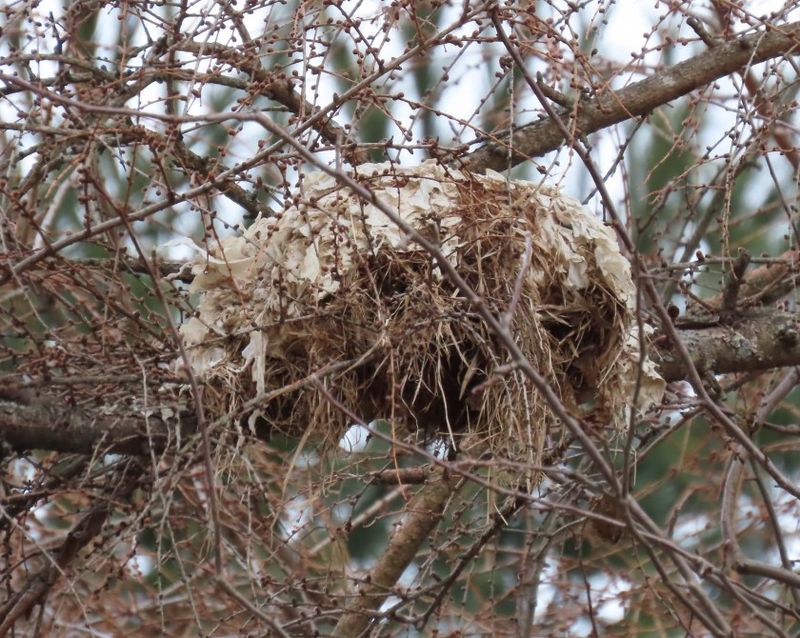
Many Mississippi homeowners mistake dreys for bird nests at first glance, but once you know what to look for, the differences become pretty obvious.
Bird nests are typically smaller, neater, and built with a distinct cup or bowl shape designed to cradle eggs and hatchlings.
They’re usually constructed from fine materials like grass, small twigs, and mud, creating a tidy appearance. Dreys, on the other hand, look much messier and bulkier, resembling a rough ball of leaves and sticks that seems hastily thrown together.
Size provides another major clue when identifying these structures in your Mississippi backyard. Most bird nests measure only a few inches across, small enough to fit in your hand.
Dreys are considerably larger, often reaching the size of a basketball or even bigger. The materials also differ significantly.
While birds carefully select thin, flexible materials they can weave into tight patterns, squirrels grab whatever’s handy and jam it into place with less attention to appearance.
Location matters too when you’re trying to figure out what you’re looking at. Bird nests often sit in smaller branches closer to tree trunks or tucked into shrubs and hedges at various heights.
Dreys are almost always positioned higher up in larger trees, wedged securely into the fork where thick branches meet the trunk. This placement gives squirrels better views of approaching danger and protection from ground-dwelling predators.
Timing can help Mississippi gardeners identify dreys as well. If you spot a large leafy structure in your trees during late fall or winter when leaves have dropped, it’s almost certainly a drey.
Bird nests become more visible during these seasons too, but they’re usually abandoned by then. Squirrels, however, actively use their dreys year-round, so you might even catch sight of a bushy tail disappearing into the entrance hole on cold Mississippi mornings.
3. Why Mississippi Trees Are Perfect For Squirrel Dreys
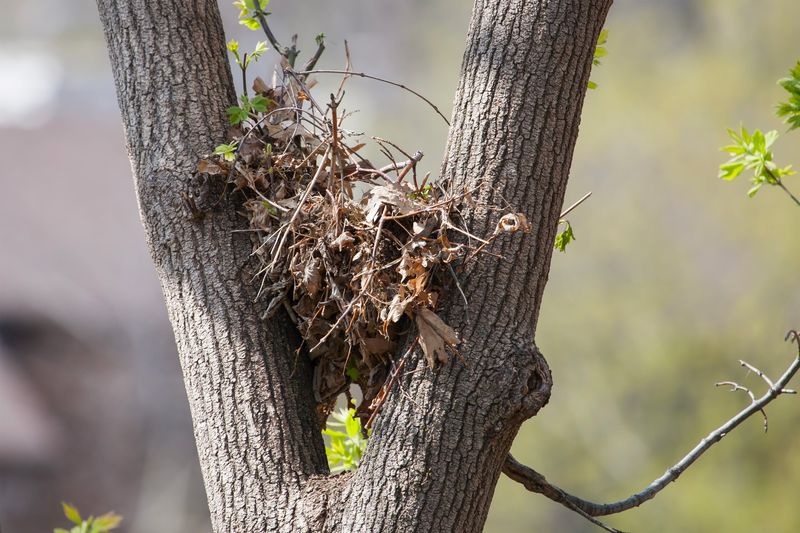
Mississippi’s landscape offers ideal conditions for squirrels to build their dreys, thanks to the state’s abundant tree species and favorable climate.
Hardwood trees like oaks, hickories, and pecans dominate many Mississippi yards and forests, providing sturdy branches and ample building materials that squirrels need.
These trees produce not only the structural support for dreys but also the nuts and acorns that make up a large portion of squirrel diets, creating perfect neighborhoods where food and shelter exist side by side.
The state’s mild winters mean squirrels don’t need the same level of insulation that northern squirrels require, so Mississippi dreys can be somewhat lighter and airier in construction. However, the hot, humid summers across Mississippi create their own challenges.
Squirrels adapt by building dreys with better ventilation and often construct summer dreys that are less densely packed than winter versions. Some Mississippi squirrels even build separate warm-weather dreys that function more like shaded platforms than enclosed structures.
Mississippi’s frequent thunderstorms and occasional hurricanes do pose risks to dreys, which is why squirrels in the state often build multiple backup nests.
After major storms sweep through areas like the Gulf Coast or Delta regions, homeowners often notice increased drey-building activity as squirrels repair damaged homes or construct replacements.
The state’s long growing season means building materials remain available most of the year, allowing squirrels to make repairs or build new dreys whenever necessary.
Urban and suburban areas across Mississippi cities like Jackson, Gulfport, and Tupelo provide excellent drey-building opportunities too. Mature trees in parks, neighborhoods, and college campuses offer safe locations away from natural forest predators.
Mississippi gardeners who maintain large shade trees in their yards essentially provide premium real estate for squirrel families.
The combination of food sources from gardens, bird feeders, and natural tree crops makes residential areas particularly attractive spots where dreys seem to multiply each season.
4. What Squirrels Do Inside Their Dreys Throughout The Year
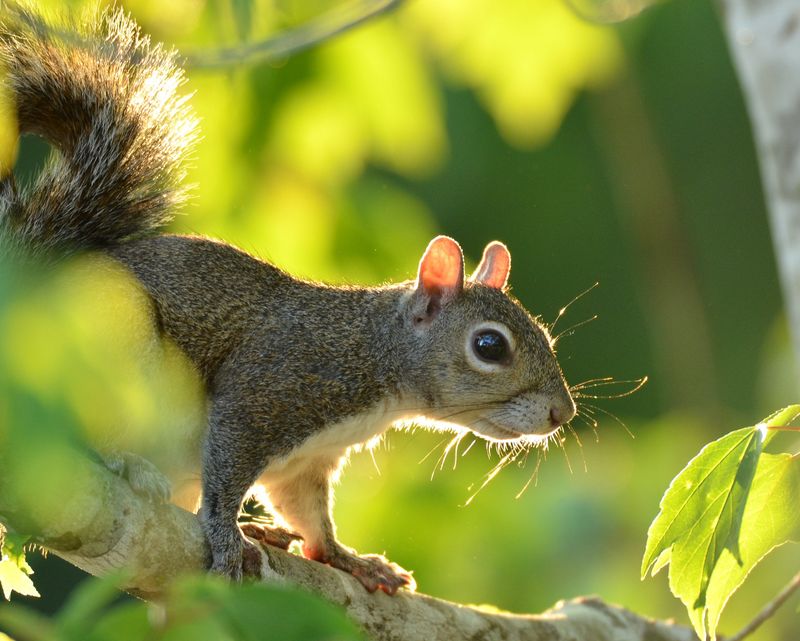
Squirrels lead surprisingly busy lives inside their dreys, using these structures for much more than just sleeping. During spring and early summer across Mississippi, dreys serve as nurseries where mother squirrels give birth to and raise their babies.
Female squirrels typically have two litters per year, one in late winter or early spring and another in mid-summer. Each litter contains two to four babies who spend their first several weeks completely dependent on mom inside the drey’s protected interior.
Baby squirrels are born blind, hairless, and helpless, making the drey’s insulation and security absolutely critical for their survival.
Mother squirrels work tirelessly during this period, leaving the drey only briefly to find food before hurrying back to nurse and warm their young.
Mississippi’s warm climate helps, but babies still need the drey’s shelter from rain, wind, and the hot sun. After about eight to ten weeks, young squirrels begin venturing outside the drey, though they return frequently until they’re ready to establish their own territories.
Outside of breeding season, squirrels use dreys primarily as sleeping quarters and weather shelters. They’re most active during early morning and late afternoon, spending midday hours resting inside their nests, especially during Mississippi’s sweltering summer heat.
On particularly hot days, you might notice squirrels sprawled flat on branches near their dreys, trying to cool off before retreating inside when temperatures become unbearable.
Winter brings different behaviors, even in Mississippi’s relatively mild climate. During cold snaps, multiple squirrels sometimes share a single drey to conserve body heat, though this is less common in the Deep South than in northern states.
Squirrels don’t hibernate, so they remain active throughout Mississippi winters, using their dreys as home bases between foraging trips.
They often store food caches near their dreys, burying nuts in the ground below or stuffing them into tree cavities, creating convenient pantries they can access without traveling far from home during uncomfortable weather.
5. Should Mississippi Gardeners Be Concerned About Dreys In Their Trees
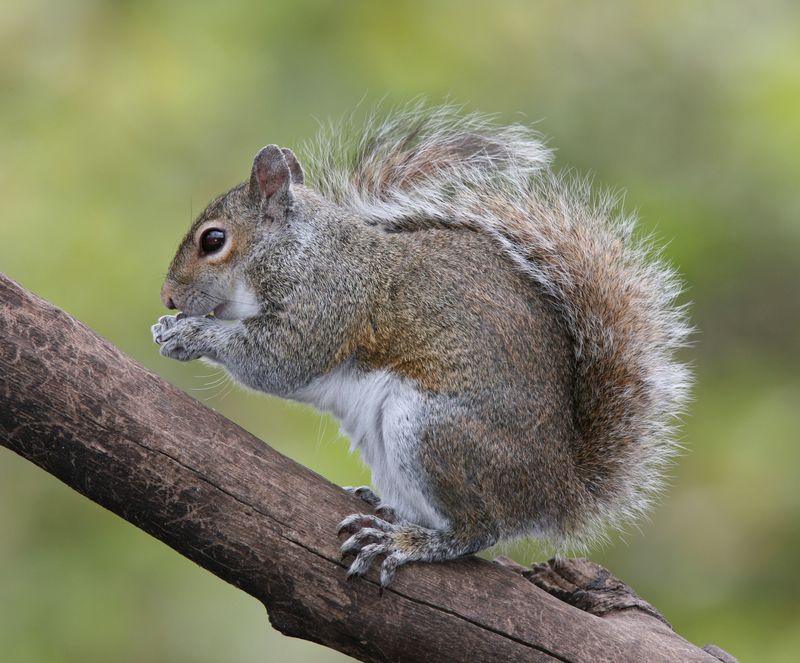
Most Mississippi gardeners can relax when they discover dreys in their backyard trees because squirrels rarely cause serious problems for healthy, mature trees.
The weight of a drey is minimal compared to what strong branches can support, and the construction process doesn’t typically damage trees.
Squirrels don’t drill into healthy wood or strip bark from living branches when building their nests. They gather materials that are already loose or collect leaves and twigs from the ground and nearby vegetation.
However, there are situations where dreys might signal issues worth addressing. If you notice an unusually high number of dreys in your trees, you might have a larger squirrel population than your yard can comfortably support.
Large squirrel populations can lead to problems like stripped bark on younger trees, raided vegetable gardens, and constant raids on bird feeders.
Mississippi gardeners who grow pecans or other nut crops sometimes find squirrels harvesting nuts before they’re ripe, reducing the yield for human consumption.
Dreys located very close to your Mississippi home deserve some attention too. Squirrels living in trees that overhang roofs sometimes decide that attics make even better nesting spots than dreys.
Once they discover entry points through vents, loose soffits, or gaps in rooflines, they may abandon their outdoor dreys and move inside.
This creates bigger headaches than outdoor nests ever could, including noise, insulation damage, and potential electrical hazards from chewing.
The best approach for Mississippi homeowners is peaceful coexistence with appropriate boundaries. Keep tree branches trimmed back from your house, leaving at least six to eight feet of clearance to prevent squirrel access to roofs.
If dreys are located in trees away from structures, they’re generally harmless and even entertaining to watch. Many Mississippi gardeners enjoy observing squirrel families and consider dreys a natural part of their backyard ecosystem.
If squirrels become genuinely problematic, contact local wildlife management professionals who can suggest humane solutions that work within Mississippi’s wildlife regulations and respect the ecological role these animals play.
6. How To Safely Observe And Appreciate Dreys In Your Mississippi Yard
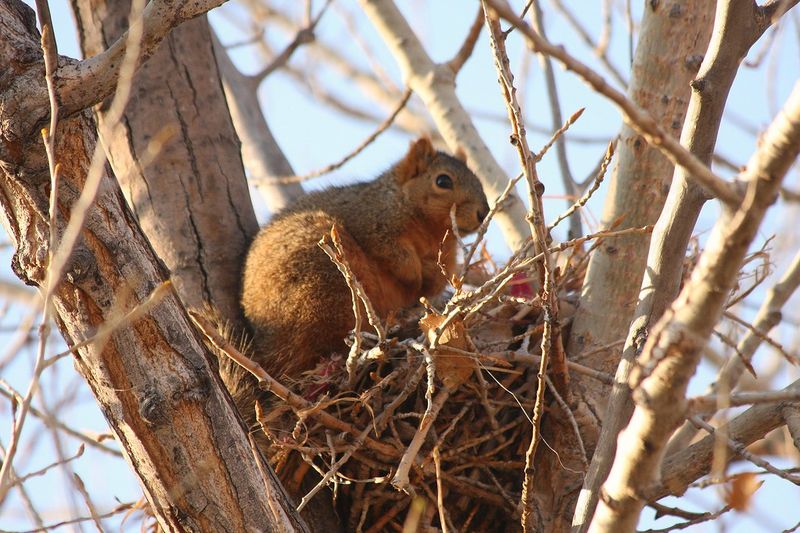
Watching squirrels and their dreys can become a rewarding hobby for Mississippi residents who appreciate backyard wildlife. The best time to observe drey activity is during early morning or late afternoon when squirrels are most active.
Grab a comfortable chair, maybe a cup of coffee, and settle in at a respectful distance from the tree. Binoculars help you get a closer look without disturbing the animals, letting you observe behaviors you’d miss with the naked eye from ground level.
Spring offers especially interesting viewing opportunities when mother squirrels are raising babies. You might spot mothers carrying nesting materials to spruce up dreys or see young squirrels taking their first wobbly trips along branches near the nest entrance.
Mississippi’s long spring season means these activities stretch from March through May, giving you plenty of chances to witness family life. Just remember to stay quiet and still so you don’t scare the squirrels back into their dreys before you’ve had a chance to watch.
Photography enthusiasts can capture amazing images of dreys and their inhabitants with patience and the right equipment. A camera with a good zoom lens lets you photograph dreys and squirrel behavior without getting so close that you stress the animals.
Early morning light in Mississippi creates beautiful conditions for nature photography, with soft golden rays filtering through trees and illuminating dreys.
If you’re lucky, you might catch shots of squirrels gathering materials, entering or exiting dreys, or even arguing with neighbors over territory.
Consider creating a squirrel-friendly environment if you want to encourage these animals while protecting your garden. Set up dedicated feeding stations away from bird feeders and vegetable plots, offering corn, nuts, or specialized squirrel food.
This gives squirrels an easy food source that keeps them from raiding areas you want to protect. Plant native Mississippi trees and shrubs that provide natural food sources, creating a balanced habitat where squirrels can thrive without becoming pests.
Document the dreys in your yard throughout the seasons, noting when new ones appear or old ones get abandoned, creating a personal record of the wildlife community sharing your Mississippi property.