Mississippi Trees That Could Cause Trouble For Homeowners If Not Removed
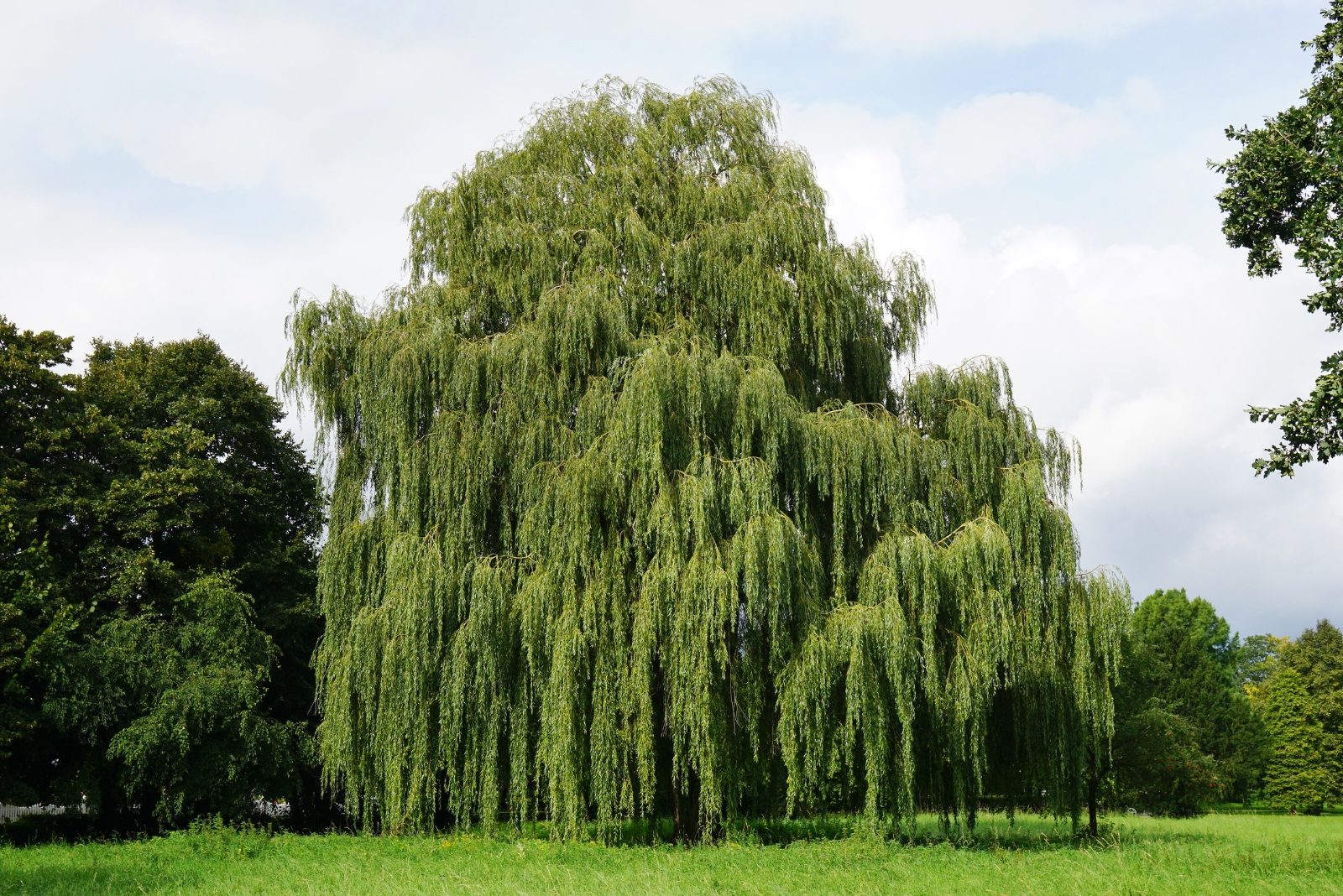
In Mississippi, trees don’t just grow. They take over!
Before you know it, they can completely transform your yard. Thanks to the state’s warm, humid climate, even a small sapling can quickly grow into a tall, wide-spreading tree.
In just a few years, branches can stretch across your property while roots push deep into the ground below. Large trees certainly bring shade, beauty, and character to a home.
But some species can create problems if they are planted too close to the house. Certain trees develop powerful roots that may disturb foundations, pipes, or driveways.
Others grow tall but fragile, making them more likely to break or fall when strong storms move in from the Gulf. The tricky part is that many homeowners do not notice the risk until the tree is already mature and the damage has started.
So which trees in Mississippi have the potential to cause the most trouble around a home? Here are a few you may want to think carefully about before planting near your house.
Silver Maple Grows Faster Than You Expect
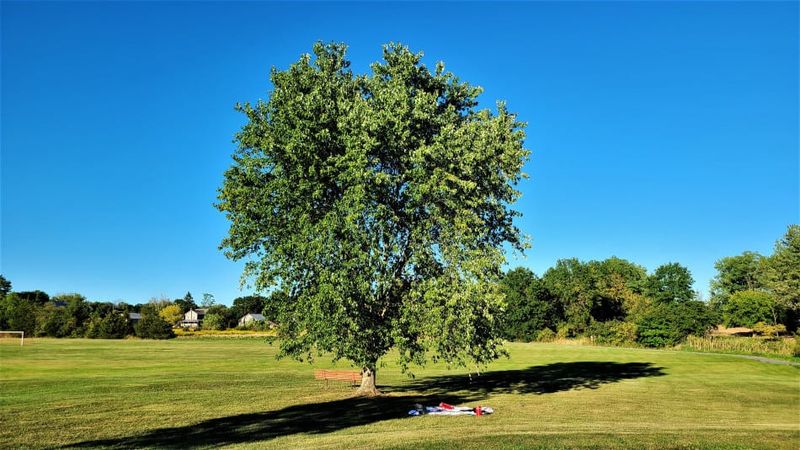
Few trees grow as fast as the silver maple, and in Mississippi’s rich soil, it practically races to the sky.That speed comes with a serious trade-off that many homeowners learn the hard way.
The roots of this tree are aggressive, shallow, and relentless in their search for water.
They will find their way into sewer lines, water pipes, and even the edges of your home’s foundation before you realize what’s happening.A cracked driveway or a backed-up drain is often the first clue that a silver maple is causing problems underground.
Repair costs can climb quickly once root damage sets in.
Above ground, the branches are brittle and break easily during Mississippi’s frequent thunderstorms and high winds.Falling limbs are a real hazard to vehicles, fences, and anyone standing nearby during a storm.
The wood simply doesn’t hold up the way stronger hardwoods do.
Silver maples also drop seeds in massive quantities, and those seeds sprout everywhere, turning into a yard maintenance nightmare.If one is already growing close to your home, getting it assessed by a certified arborist is a smart move.
Removing it early is almost always cheaper than dealing with the damage later.
Weeping Willow Loves Your Water Pipes
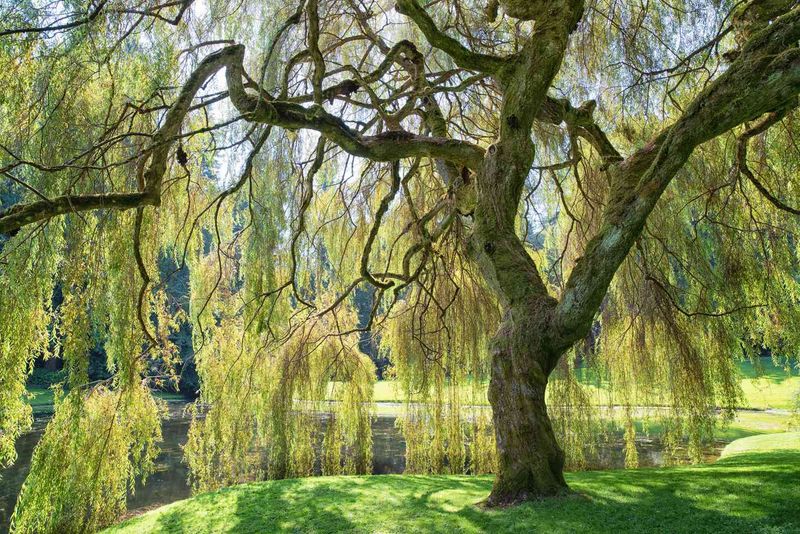
A weeping willow swaying in a Mississippi breeze looks absolutely beautiful. But plant one too close to your home, and you might be dealing with a problem you never expected.
That means your underground plumbing is essentially a target.
Weeping willows are one of the most common causes of sewer line blockages in residential areas across the South.
Their fine, hair-like roots squeeze into the smallest pipe joints and grow until the line is completely blocked.
Plumbers in Mississippi know this tree well, and not in a good way.
The root system also poses a real threat to home foundations, especially in older Mississippi homes where the ground shifts with seasonal moisture changes.
As roots expand, they can push against concrete slabs and footings, creating cracks that worsen over time.
Once structural damage begins, the repair bills become significant.
Willows also have a relatively short lifespan compared to other large trees, meaning they can become structurally unstable faster than expected.
Storm damage is common, and large limbs can fall without much warning.
Any weeping willow within 50 feet of your home deserves a serious look from a professional tree service.
Bradford Pear Trees Break Without Warning
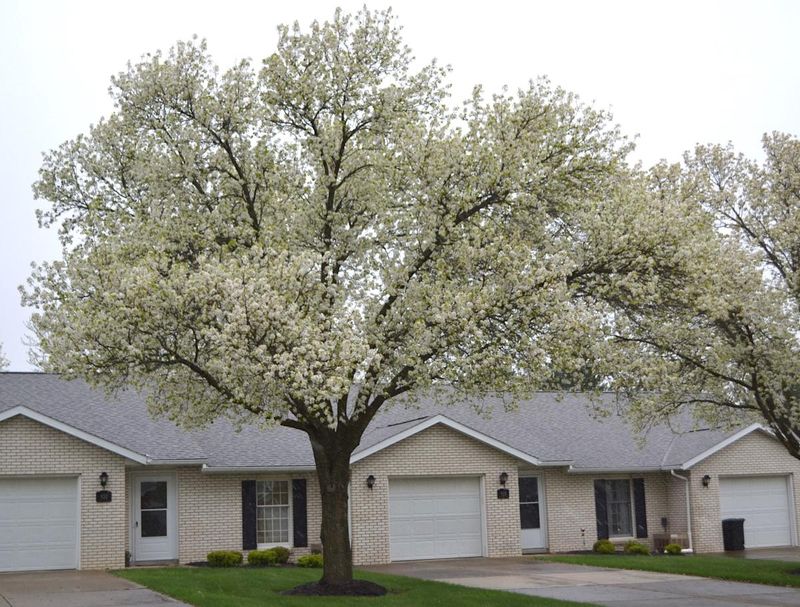
Once celebrated as the perfect ornamental tree, the Bradford pear has earned a very different reputation over the years.
Mississippi neighborhoods are full of them, and homeowners are starting to discover just how problematic they can be.
The tree looks beautiful in spring, covered in white blossoms, but that beauty hides some serious structural flaws.
Bradford pears grow with multiple branches all emerging from nearly the same point on the trunk, a structure called a co-dominant stem arrangement.
This means the branches push against each other as they grow, creating weak joints that split under pressure.
A strong Mississippi thunderstorm can tear a Bradford pear apart in minutes.
When a large branch splits off, it doesn’t just fall gently to the ground.
It crashes down with tremendous force, and if your car, fence, or roof is underneath, the damage can be severe.
Many homeowners have filed insurance claims after Bradford pear failures during storm season.
Beyond the structural issues, this tree has become an invasive species in Mississippi, spreading aggressively into natural areas.
Replacing it with a native tree like a dogwood or serviceberry is a win for your yard and for the local ecosystem.
The sooner you act, the less likely you are to face a costly cleanup.
Cottonwood Gets Huge Very Quickly
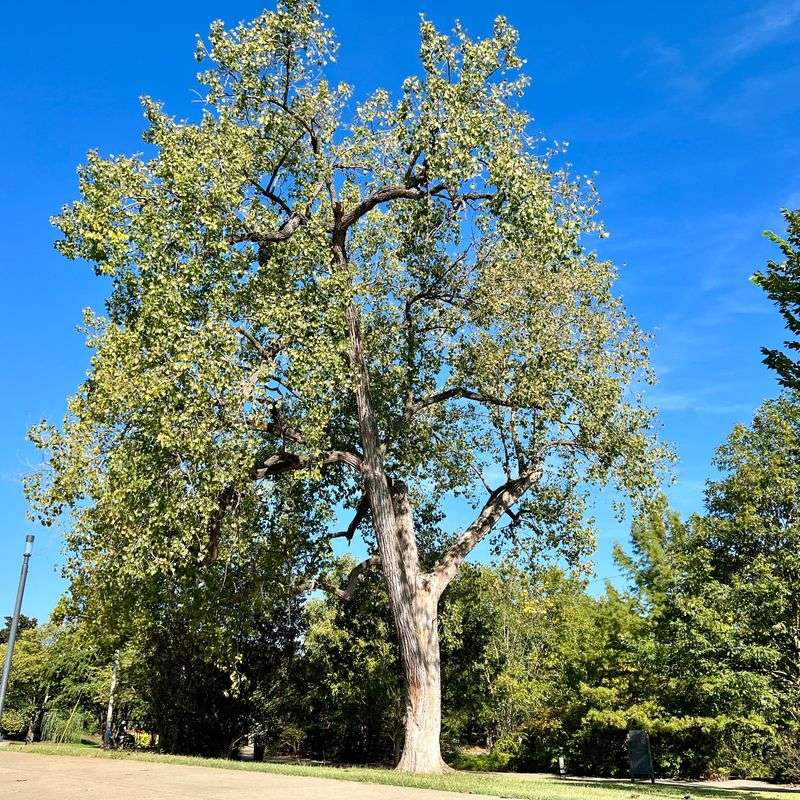
Cottonwood trees grow fast, like, really fast!
In Mississippi’s moist lowlands, they can shoot up to 100 feet or more. That makes them some of the tallest trees you’ll see in a residential yard.
That size alone makes them a potential hazard when they grow close to a home.
The roots of a cottonwood are just as ambitious as the tree itself.
They spread wide and shallow, and like the willow, they are drawn aggressively toward any source of moisture.
Septic systems, irrigation lines, and storm drains are all vulnerable to cottonwood root invasion.
Every spring, cottonwoods release enormous quantities of fluffy white seed material that drifts through the air like snow.
That cotton clogs gutters, air conditioning filters, and window screens with impressive efficiency.
For homeowners with allergies, cottonwood season can feel like a health event, not just a maintenance inconvenience.
Structurally, cottonwoods are known to drop large branches with little warning, even on calm days.
The wood is soft and breaks down faster than most hardwoods, making older cottonwoods especially unpredictable.
A certified arborist can assess whether the tree poses an immediate risk and recommend the safest course of action for your property.
Chinaberry Can Take Over Your Yard
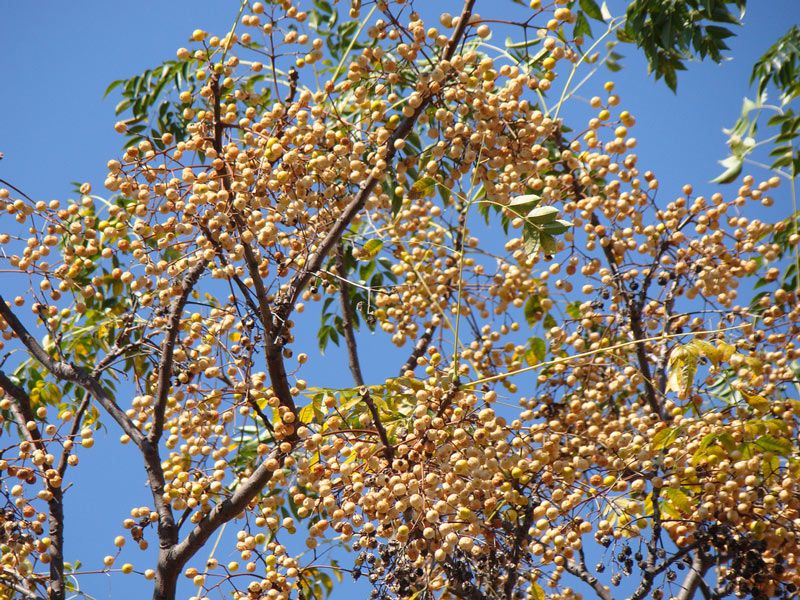
The chinaberry tree came to the American South as a shade tree. In Mississippi, it spread everywhere.
It grows fast, spreads aggressively, and can quickly take over a yard.
Once established, it is genuinely difficult to get rid of without professional help.
The berries it produces are toxic to humans, dogs, cats, and most livestock.
Children playing in the yard are at risk if they mistake the small yellow-green berries for something edible.
For families with young kids or pets, this tree is a safety concern that goes beyond property damage.
Chinaberry roots are also known to cause issues with foundations and underground utilities.
The tree tends to sprout multiple trunks and suckers from the base, making it spread outward even after the main trunk is cut.
Complete removal, including the root system, is often necessary to prevent it from coming back.
Mississippi’s warm climate and fertile soil are ideal for chinaberry growth, which is exactly why it has become classified as an invasive species in the state.
It competes with native trees and shrubs, reducing biodiversity in local yards and green spaces.
Replacing it with a native shade tree not only protects your home but helps restore the natural balance of Mississippi’s landscape.
Water Oak Looks Healthy Until It Is Not
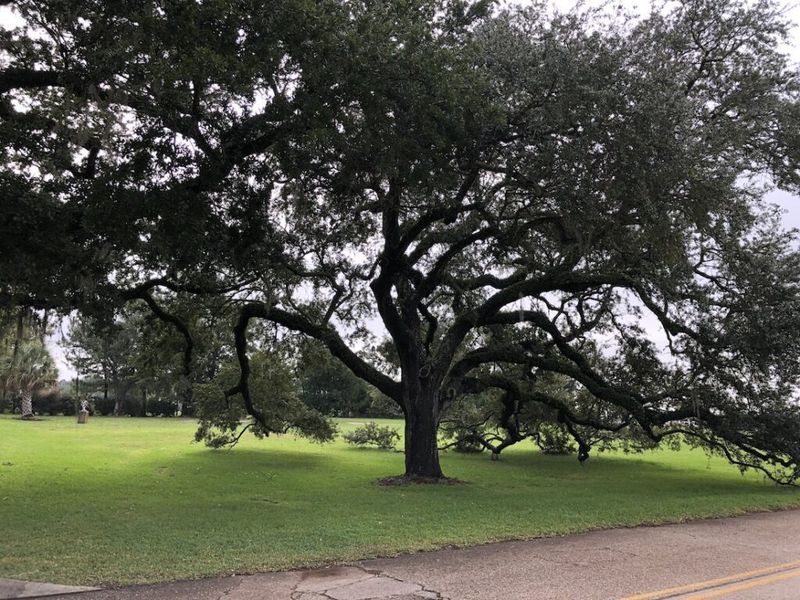
Water oaks are a common sight across Mississippi, and for good reason, they grow quickly and provide generous shade in the sweltering Southern heat.
Water oaks are notorious for developing internal decay while still appearing healthy on the outside.
The tree’s wood breaks down from the inside out, and by the time the exterior shows visible signs of rot, the structural integrity may already be seriously compromised.
A tree that looks perfectly fine on a Tuesday can come down in pieces during Wednesday’s storm.
This unpredictability makes water oaks especially risky when they grow close to a home.
Their root systems can also be disruptive, particularly in the clay-heavy soils common in central and southern Mississippi.
As roots spread, they can lift sidewalks, crack driveways, and put pressure on the edges of slab foundations.
Over time, this movement can lead to costly structural repairs.
Regular professional inspections are the best defense against water oak surprises.
An arborist can use specialized tools to detect internal decay that isn’t visible from the outside.
If a water oak near your home shows any signs of leaning, mushroom growth at the base, or bark changes, schedule an inspection without delay.
Mimosa Trees Spread Everywhere
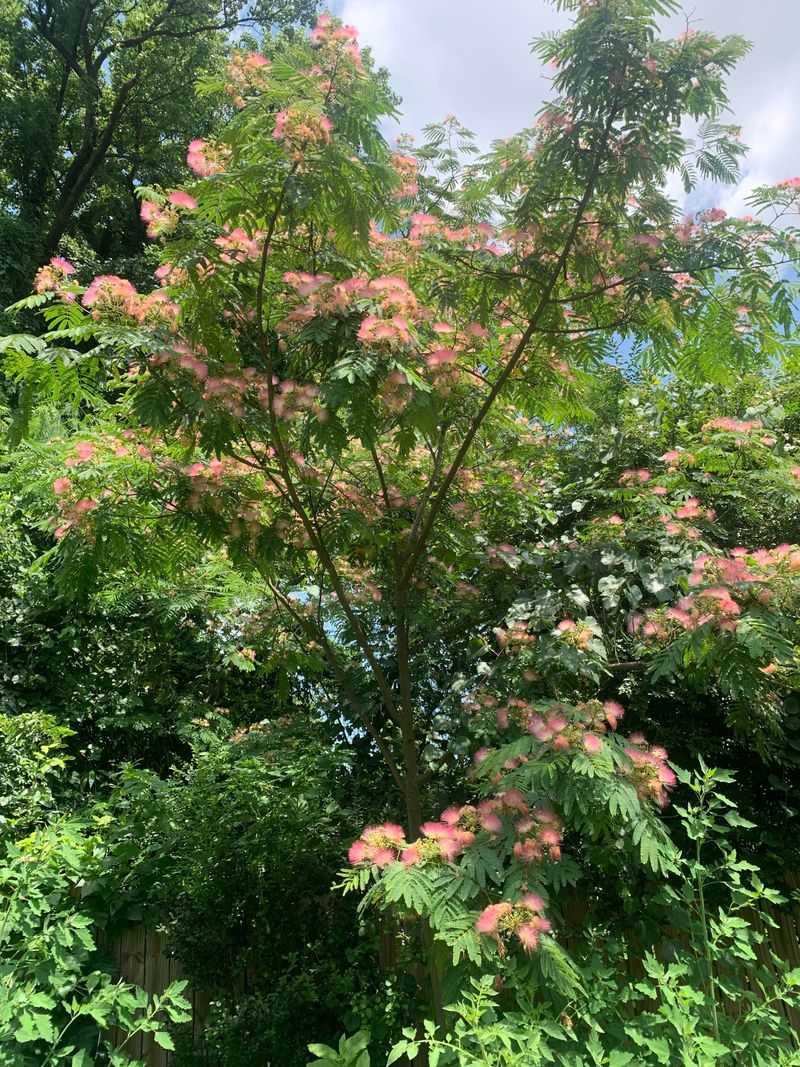
With its feathery pink blossoms and fern-like leaves, the mimosa tree looks like something out of a fairy tale.Mississippi summers are filled with their sweet fragrance, and it’s easy to understand why homeowners fall in love with them.
But mimosas are one of the most aggressively invasive trees in the entire Southeast.
A single mimosa can produce thousands of seed pods each season, and those seeds remain viable in the soil for years.They sprout in cracks in your driveway, along fence lines, and right up against your foundation.
Removing one tree rarely solves the problem because the seeds it has already dropped will keep sprouting for a long time.
The root system of a mimosa is persistent and difficult to fully eliminate.Even after a tree is cut, new shoots emerge from the remaining roots, and the cycle begins again.
Professional removal that includes treating the stump and root system gives you the best chance of a permanent solution.
Mimosas are also short-lived trees with weak wood that breaks easily during storms.Falling branches are a regular occurrence, and the debris they leave behind clogs gutters and damages landscaping.
For Mississippi homeowners who want a flowering tree without the headaches, native alternatives like the Eastern redbud offer beauty without the chaos.
Sycamores Grow Bigger Than Most Yards
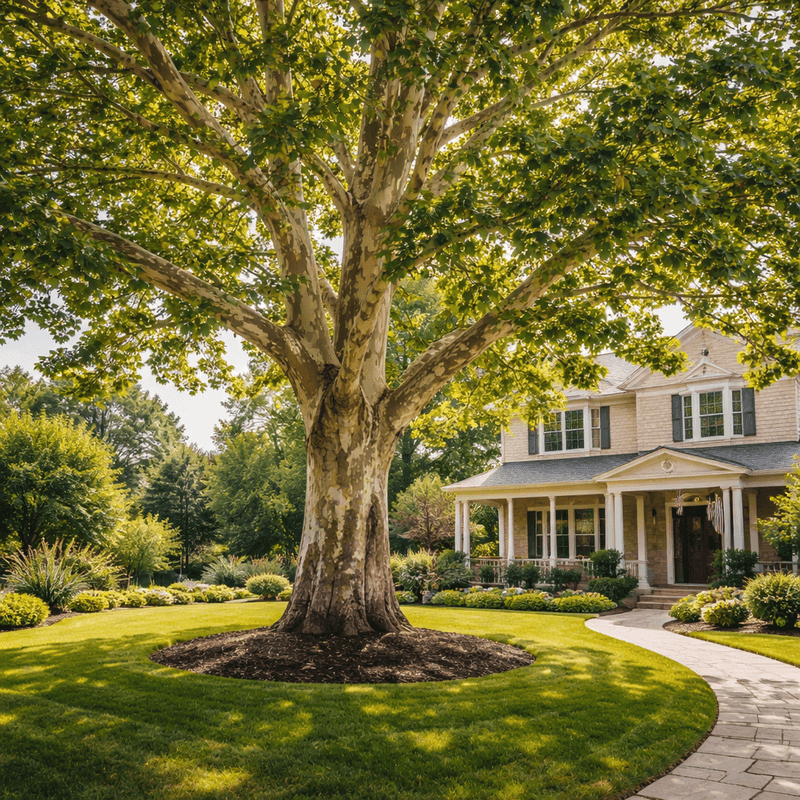
Sycamores are among the most recognizable trees in Mississippi, with their striking patchy bark of white, tan, and gray that peels away in sheets.
They are magnificent trees in the right setting, but the right setting is definitely not 20 feet from your house.
Sycamores grow enormous, and their root systems match their above-ground ambition.
The surface roots of a mature sycamore can buckle sidewalks, crack driveways, and put serious pressure on home foundations.
In Mississippi’s clay-heavy soils, where ground movement is already a concern, sycamore roots add another layer of stress to your home’s structural base.
Sycamores also shed heavily throughout the year, dropping bark, seed balls, and large leaves that clog gutters and downspouts with frustrating regularity.
Keeping up with the debris is practically a part-time job, especially in fall and winter.
Gutter damage from blockages is a real and recurring cost for homeowners with nearby sycamores.
Large overhanging branches are another concern, particularly during Mississippi’s severe thunderstorm season.
A branch the size of a small tree coming down on your roof is not a minor event.
Having a professional assess the canopy and root proximity every few years is a wise investment for any homeowner sharing a yard with a sycamore.
Sweetgum Drops More Than Leaves
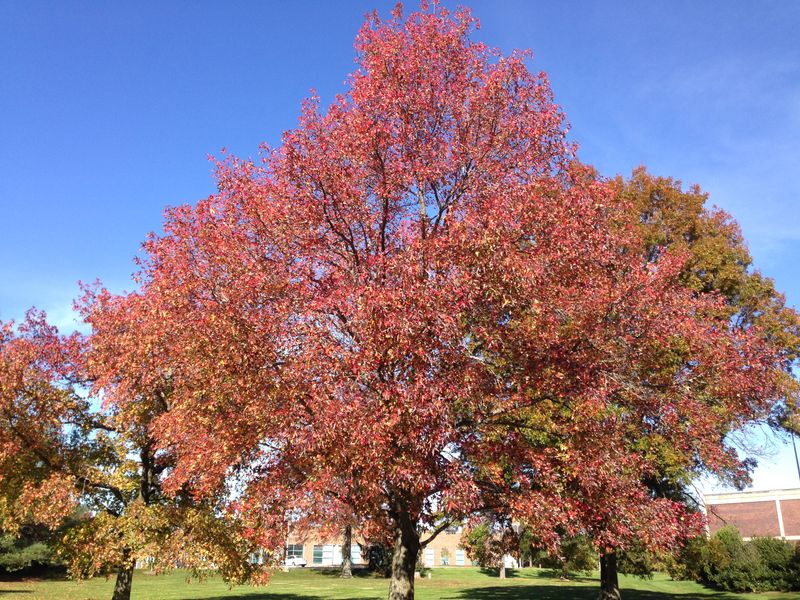
Ask any Mississippi homeowner who has stepped barefoot on a sweetgum seed ball and they will have strong opinions about this tree.
Those spiky brown spheres cover the ground by the hundreds each fall.
But the seed balls are honestly the least of the problems a sweetgum can cause.
The root system of a sweetgum is shallow and wide-spreading, and it has a well-documented history of damaging foundations, sidewalks, and underground utilities.
In Mississippi’s older neighborhoods, sweetgum roots have been responsible for cracked slab foundations and broken sewer lines that cost homeowners thousands to repair.
The damage often develops slowly over many years before it becomes obvious.
Sweetgums also grow quite tall and develop a broad canopy that can extend over rooftops.
During severe weather, which Mississippi sees plenty of, branches can snap and fall with significant force.
Roof damage from falling sweetgum limbs is not uncommon after a strong storm system moves through.
On the positive side, sweetgums do offer brilliant fall color that rivals anything in New England.
But if yours is growing within striking distance of your home, a professional evaluation is worth scheduling.
Sometimes strategic pruning is enough, but in tight spaces, full removal may be the safest long-term choice.