Mistakes Every New Michigan Gardener Makes That Cause Big Problems
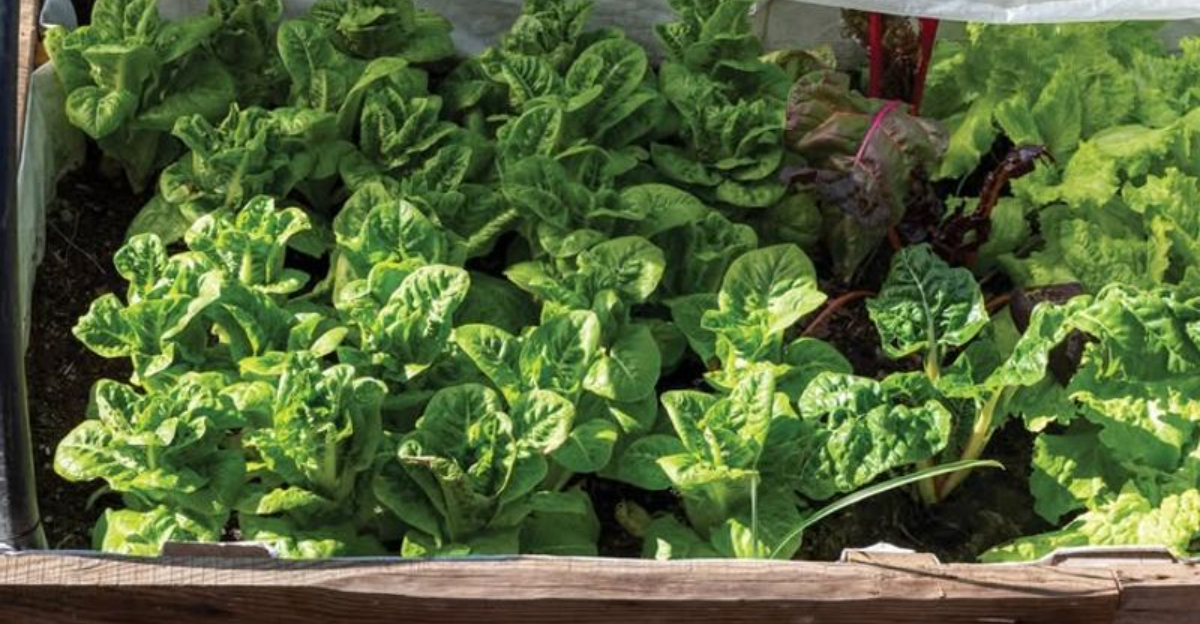
Starting a garden in Michigan feels exciting at first. You buy seeds, dig in, and picture a backyard full of color and fresh food. Then reality shows up.
Plants stall, soil turns soggy, and things do not grow the way you imagined. Most new gardeners think they just have bad luck, but the truth is simpler. A few common mistakes trip people up every single season.
Planting too early, watering the wrong way, skipping soil prep, and choosing the wrong spot can quietly create big problems later.
Michigan weather adds its own twist with cool springs, surprise frost, and heavy rain that tests beginner patience fast. The good news is that these mistakes are easy to fix once you know what to watch for.
A small change early on can save weeks of frustration. If you want your first garden to actually thrive, this is where smart growing begins.
1. Planting Too Early Before The Last Frost
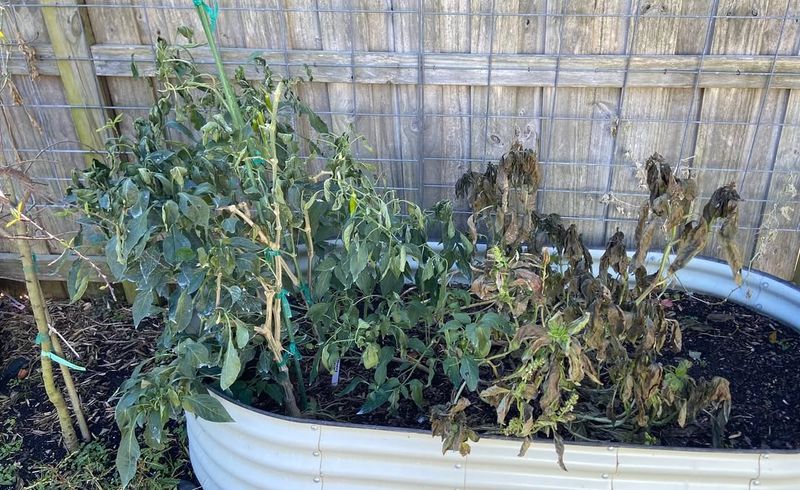
Michigan’s unpredictable spring weather fools many eager gardeners each year. Warm April days tempt people to plant tender vegetables too soon. Then a surprise frost in mid-May arrives and damages everything overnight.
Tomatoes, peppers, and basil are particularly vulnerable to cold temperatures. These warm-season crops need soil temperatures above 60 degrees to thrive properly. Planting them too early stunts their growth for the entire season.
Your local last frost date typically falls between May 10 and May 30. Northern Michigan areas wait even longer for safe planting conditions. Check your specific zone before putting anything tender in the ground.
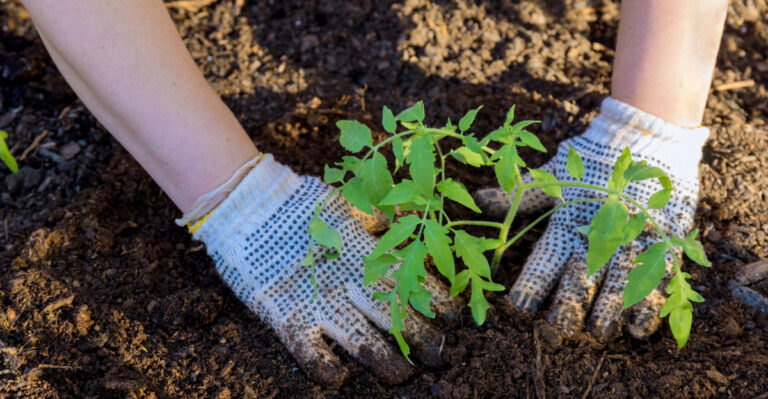
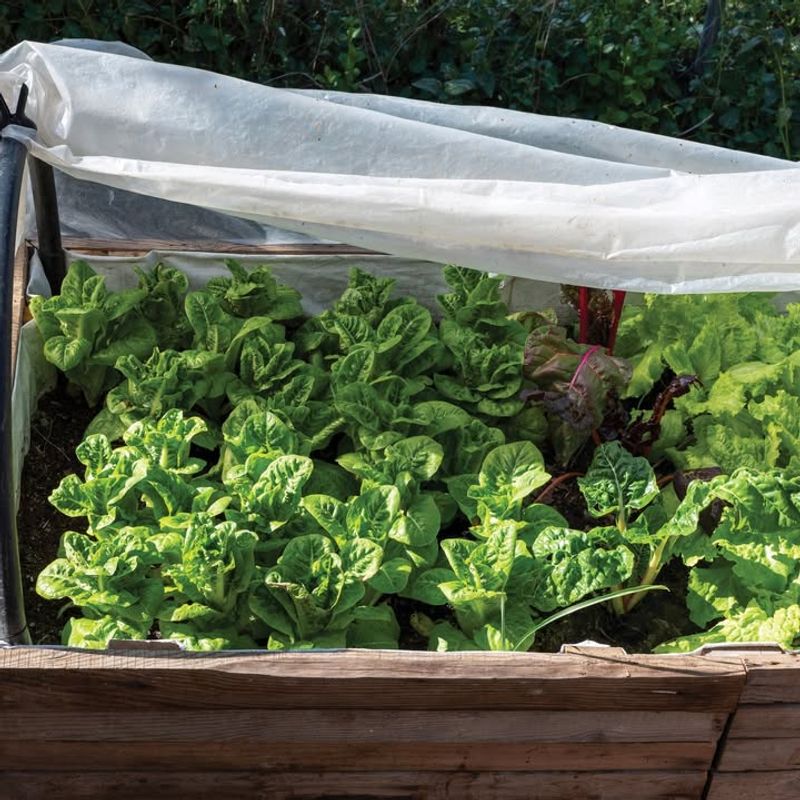
Starting seeds indoors gives you a head start without the risk. Transplant seedlings only after danger of frost has completely passed. Using row covers or cloches provides extra protection during questionable weather periods.
Cool-season crops like lettuce, peas, and spinach handle light frosts better. These vegetables can go out earlier than their warm-weather cousins. Learning which plants tolerate cold helps you maximize your growing season safely.
Patience pays off with healthier plants and better harvests. Waiting just two more weeks prevents months of struggling with damaged crops. Your garden will reward your restraint with vigorous growth and abundant production.
2. Ignoring Soil Testing
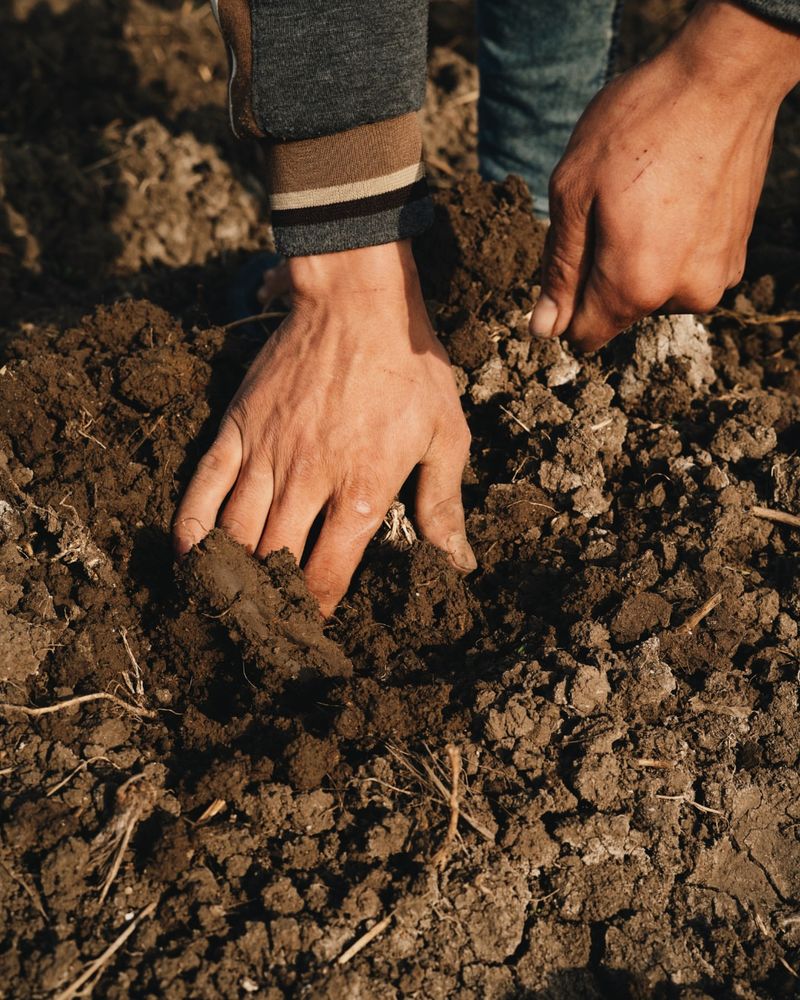
Most Michigan gardeners skip soil testing and wonder why plants struggle. Your soil might look fine but hide serious nutrient imbalances underneath. Testing reveals exactly what your garden needs instead of guessing randomly.
Michigan soils often lean acidic, especially in areas with heavy rainfall. Blueberries love this acidity, but most vegetables prefer neutral pH levels. Without testing, you might be fighting chemistry instead of growing food.
A basic soil test costs around twenty dollars through your county extension. The results show pH levels, nutrient content, and specific amendment recommendations. This small investment prevents wasting money on unnecessary fertilizers later.
Heavy clay soil dominates many Michigan yards, holding water and nutrients poorly. Sandy soils drain too quickly and leach nutrients away rapidly. Knowing your soil type helps you choose appropriate amendments and watering schedules.
Organic matter improves almost every soil type you encounter in Michigan. Compost, aged manure, and leaf mold work wonders for structure and fertility. Add these materials based on your test results for maximum benefit.
Retest your soil every three years to track changes over time. Your amendments and gardening practices gradually shift soil chemistry and composition. Regular testing keeps you informed and your garden thriving beautifully.
3. Overwatering Or Underwatering
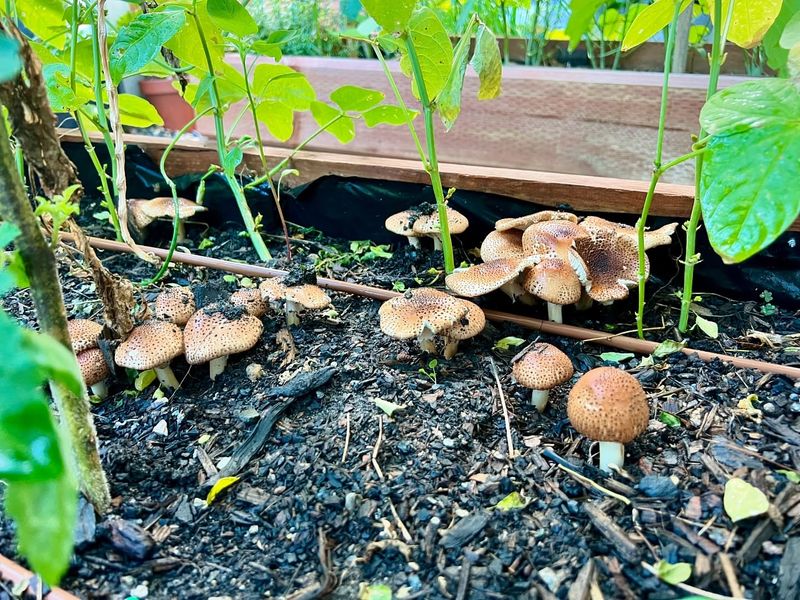
Finding the right watering balance confuses many new Michigan gardeners completely. Too much water drowns roots and invites fungal problems quickly. Too little water stresses plants and reduces harvests significantly throughout summer.
Michigan’s rainfall patterns vary wildly from week to week during growing season. June might bring daily thunderstorms while July stays bone dry. Relying solely on rain leads to inconsistent moisture and unhappy plants.
Stick your finger two inches into the soil to check moisture. If it feels dry at that depth, your plants need water. Surface dryness alone doesn’t indicate true soil moisture levels accurately.
Clay soils hold water longer and need less frequent watering sessions. Sandy soils dry out faster and require more regular attention. Understanding your soil type prevents both overwatering and underwatering problems.
Morning watering gives plants time to dry before evening arrives. Wet foliage overnight encourages fungal diseases like powdery mildew and blight. Soaker hoses or drip irrigation deliver water directly to roots efficiently.
Mulching around plants conserves moisture and reduces watering frequency dramatically. A two-inch layer of organic mulch makes a noticeable difference. Your watering schedule becomes more forgiving with proper mulch coverage.
4. Choosing The Wrong Varieties
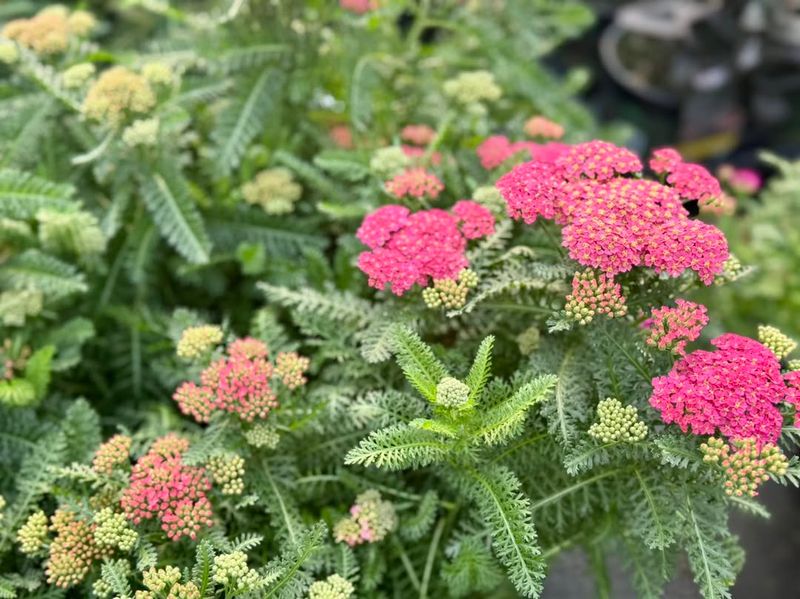
Selecting beautiful plants from catalogs without checking growing requirements causes disappointment. That heirloom tomato needing 90 days might not ripen in Michigan’s 120-day season. Your enthusiasm for exotic varieties needs to match your climate reality.
Michigan’s short growing season demands quick-maturing vegetable varieties for success. Look for terms like “early,” “short-season,” or specific day counts under 80. These varieties reach harvest before fall frost arrives unexpectedly.
Perennials need proper hardiness ratings to survive Michigan’s brutal winters. Zone 5 or lower ensures plants return reliably each spring. Zone 6 plants might survive mild winters but fail during harsh ones.
Local garden centers stock varieties proven to perform in your area. These plants have been tested by other Michigan gardeners already. Shopping locally increases your chances of success dramatically compared to random catalog orders.
Some vegetables like okra and sweet potatoes prefer longer, hotter growing seasons. These warm-weather lovers struggle in Michigan’s moderate summer temperatures. Focus on crops that naturally thrive in cooler northern climates instead.
Cold-hardy varieties extend your season at both ends beautifully and reliably. Frost-tolerant lettuce, kale, and carrots keep producing into late fall. Choosing appropriate varieties transforms frustration into abundant harvests and genuine satisfaction.
5. Neglecting Pest And Disease Monitoring
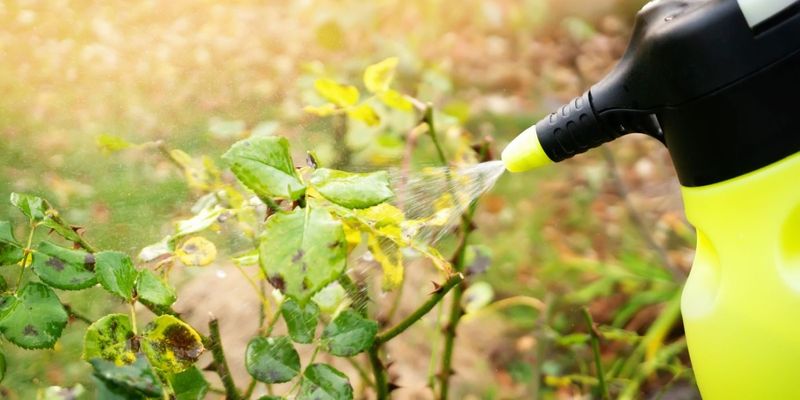
Walking past your garden without really looking invites trouble to multiply. Pests and diseases start small but explode into major problems quickly. Early detection makes management easier and prevents total crop loss later.
Japanese beetles arrive in Michigan gardens around late June every year. These voracious insects can strip plants bare within days if unchecked. Spotting the first few beetles allows for immediate action and control.
Fungal diseases love Michigan’s humid summer mornings and frequent rainfall patterns. Powdery mildew, early blight, and downy mildew spread rapidly in these conditions. Catching white spots or yellowing leaves early prevents widespread infection throughout your garden.
Deer, rabbits, and groundhogs cause significant damage across Michigan’s suburban areas. These wildlife pests can destroy entire gardens overnight without proper protection. Fencing or deterrents work best when installed before animals discover your crops.
Check your plants thoroughly at least twice weekly during peak season. Look under leaves where many pests hide from casual observation. Inspect stems, fruits, and soil around plant bases for problems.
Keeping a simple garden journal helps you track recurring issues yearly. Note when specific pests appear and which plants get affected most. This information guides preventive measures for following seasons effectively and efficiently.
6. Poor Sunlight Assessment
Guessing about sunlight leads to weak, unproductive plants throughout the season. That spot under the maple tree gets way less light than you think. Your tomatoes need at least six hours of direct sun daily.
Full sun means six to eight hours of unobstructed sunlight each day. Part sun requires four to six hours of direct light. Shade tolerates less than four hours or only filtered sunlight.
Track sunlight patterns in your yard before planting anything permanently there. Light conditions change as trees leaf out in spring and summer. What looks sunny in April might become shaded by June completely.
Vegetables like tomatoes, peppers, and squash demand maximum sunlight for fruiting. These crops produce poorly or not at all in shady conditions. Placing them in your sunniest spots ensures the best harvests possible.
Leafy greens like lettuce and spinach tolerate partial shade quite well. These crops actually benefit from afternoon shade during Michigan’s hot July weather. Understanding shade tolerance expands your planting options throughout the yard.
Buildings, fences, and large trees create shade patterns that shift daily. Morning sun differs from afternoon sun in intensity and heat. Observe your garden spaces at different times before committing to plant placement.
7. Ignoring Crop Rotation
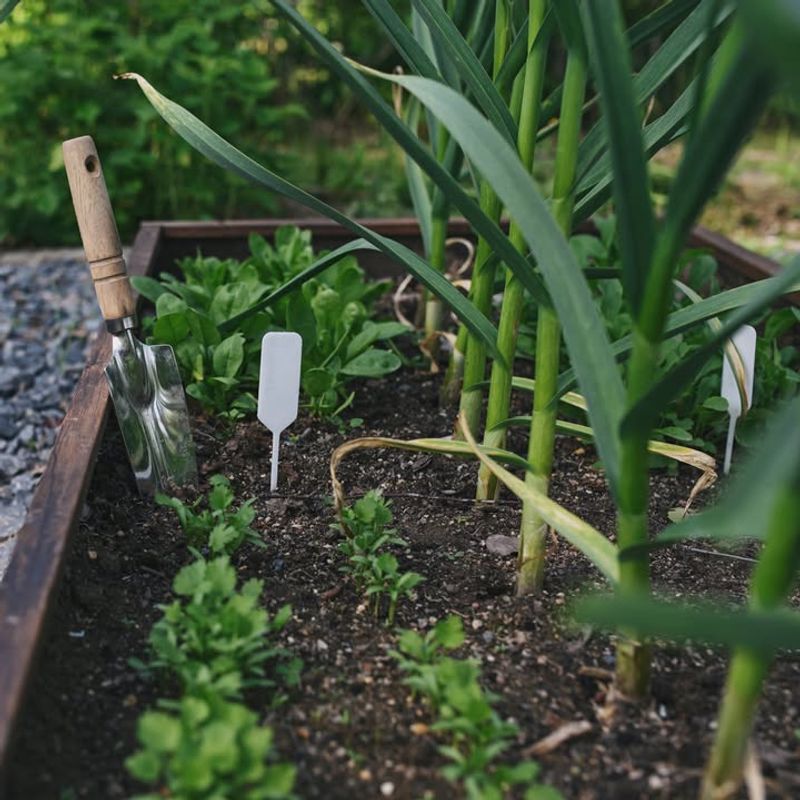
Planting tomatoes in the same spot every year seems convenient but causes problems. Soil-borne diseases and pests build up when host plants return annually. Your yields decline while problems increase despite your best efforts otherwise.
Crop rotation means moving plant families to different garden areas each season. Tomatoes, peppers, and eggplants belong to the nightshade family together. These relatives share diseases and shouldn’t follow each other in the same spot.
A simple three-year rotation works well for small Michigan gardens effectively. Divide your garden into three sections and rotate plant families through them. This practice breaks pest and disease cycles naturally without chemicals.
Different crops use and replenish various soil nutrients at different rates. Beans add nitrogen while corn and tomatoes consume it heavily. Rotating crops helps maintain soil fertility more evenly across your garden beds.
Root crops like carrots and beets loosen soil structure as they grow. Following them with shallow-rooted lettuce takes advantage of improved soil conditions. Strategic rotation maximizes each crop’s benefits for the next planting cycle.
Keeping simple records of what grew where prevents accidental mistakes yearly. A basic garden map or notebook does the job perfectly. Your future self will thank you for this small organizational effort.
8. Overfertilizing Or Wrong Fertilizer Use
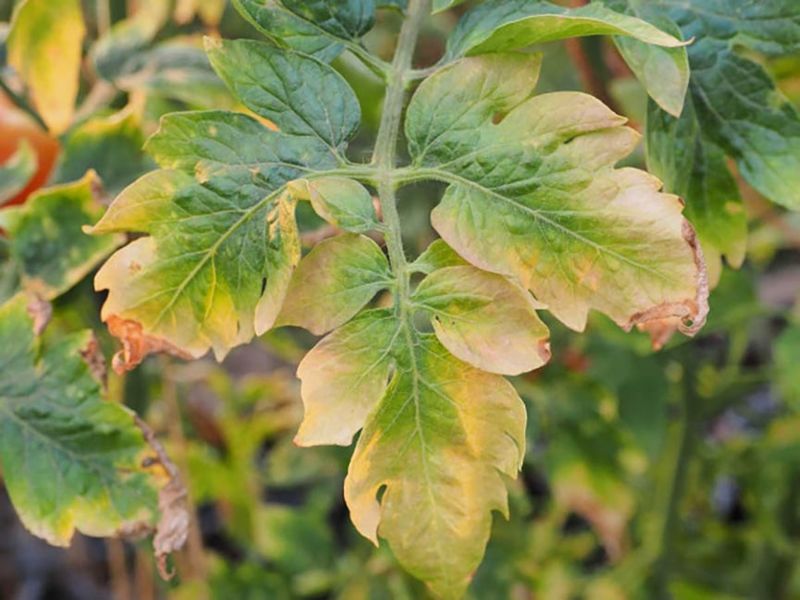
More fertilizer doesn’t mean better plants despite what seems logical initially. Excessive nitrogen creates lush green foliage but few actual vegetables. Your tomato plant looks beautiful but produces only leaves instead of fruit.
Understanding N-P-K numbers on fertilizer bags prevents common application mistakes. Nitrogen promotes leafy growth, phosphorus supports roots and flowers, and potassium strengthens overall plant health.
Different growth stages need different nutrient ratios for optimal performance. Young seedlings need gentle, balanced fertilizers to establish strong root systems.
Heavy feeding at this stage burns tender roots and stunts growth. Start with half-strength solutions and increase gradually as plants mature.
Flowering and fruiting plants need more phosphorus and potassium than nitrogen. Switching to a bloom formula encourages fruit production instead of leaves. Tomatoes and peppers respond especially well to this nutritional adjustment.
Organic fertilizers release nutrients slowly and improve soil structure over time. Compost, fish emulsion, and aged manure feed plants while building healthy soil. Chemical fertilizers work faster but don’t improve long-term soil health.
Following package directions prevents fertilizer burn and nutrient imbalances in your garden. More isn’t better when it comes to plant nutrition and feeding. Your soil test results guide appropriate fertilizer choices and application rates.
9. Skipping Mulching
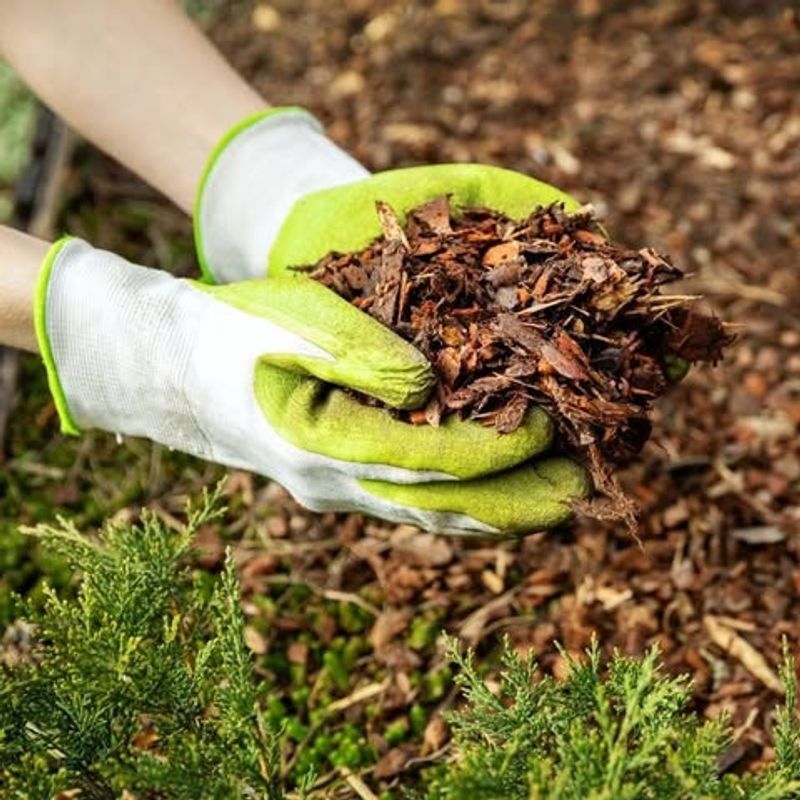
Bare soil around plants wastes water and invites weeds to flourish freely. Michigan’s variable spring rains cause erosion and splash soil-borne diseases onto leaves. Mulching solves multiple problems with one simple gardening practice you shouldn’t skip.
A two to three inch layer of organic mulch conserves moisture dramatically. Your watering frequency drops by half compared to unmulched beds. This benefit becomes especially valuable during Michigan’s occasional summer dry spells.
Mulch suppresses weed growth by blocking sunlight from reaching weed seeds. Fewer weeds mean less competition for water and nutrients in your garden. You’ll spend less time pulling weeds and more time enjoying your plants.
Organic mulches like straw, shredded leaves, and grass clippings break down slowly. As they decompose, these materials add valuable organic matter to your soil. Your soil structure and fertility improve year after year with regular mulching.
Mulch moderates soil temperature fluctuations throughout the day and night cycles. Roots stay cooler during hot afternoons and warmer during cool nights. This temperature stability promotes healthier, more vigorous plant growth overall.
Apply mulch after soil warms in late spring for best results. Keep mulch pulled back slightly from plant stems to prevent rot. Refresh your mulch layer mid-season as it decomposes and thins out naturally.
10. Planting Without Hardening Off Seedlings
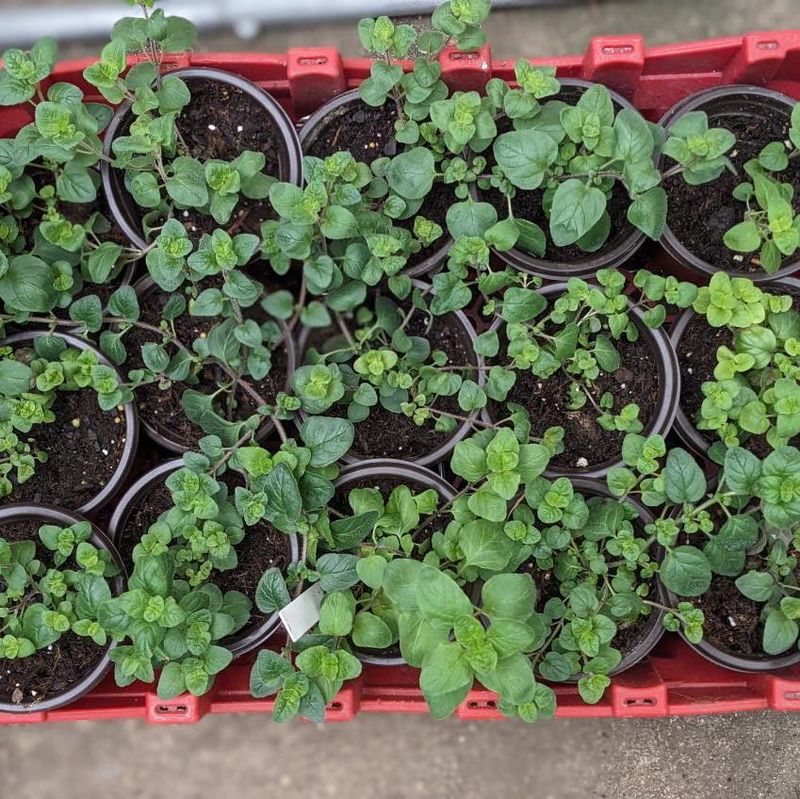
Moving seedlings straight from your cozy house to the harsh outdoors shocks them. Indoor plants have never experienced wind, direct sunlight, or temperature swings before. This abrupt transition causes transplant shock, stunted growth, and sometimes plant failure.
Hardening off gradually acclimates seedlings to outdoor conditions over seven to ten days. Start by placing plants outside for just one hour in filtered light. Increase outdoor time and sun exposure daily until plants stay out overnight.
Wind strengthens plant stems through a process called thigmomorphogenesis naturally over time. Indoor seedlings have weak, floppy stems that snap easily in breezes. Gradual wind exposure builds stronger, more resilient plants before final transplanting.
Direct sunlight intensity outdoors far exceeds even the brightest indoor growing lights. Tender leaves burn quickly when exposed to full sun without preparation. Starting in shade and gradually moving to sun prevents this damage.
Michigan’s temperature swings between day and night can be quite dramatic in spring. Plants need time to adjust their metabolic processes to these fluctuations. Hardening off teaches them to handle temperature stress before permanent planting.
Skipping this process wastes weeks of indoor growing time and effort completely. Properly hardened seedlings transplant smoothly and resume growth immediately in the garden. This extra week of preparation pays dividends throughout the entire growing season.