Mistakes North Carolina Gardeners Make That Bring In Moles
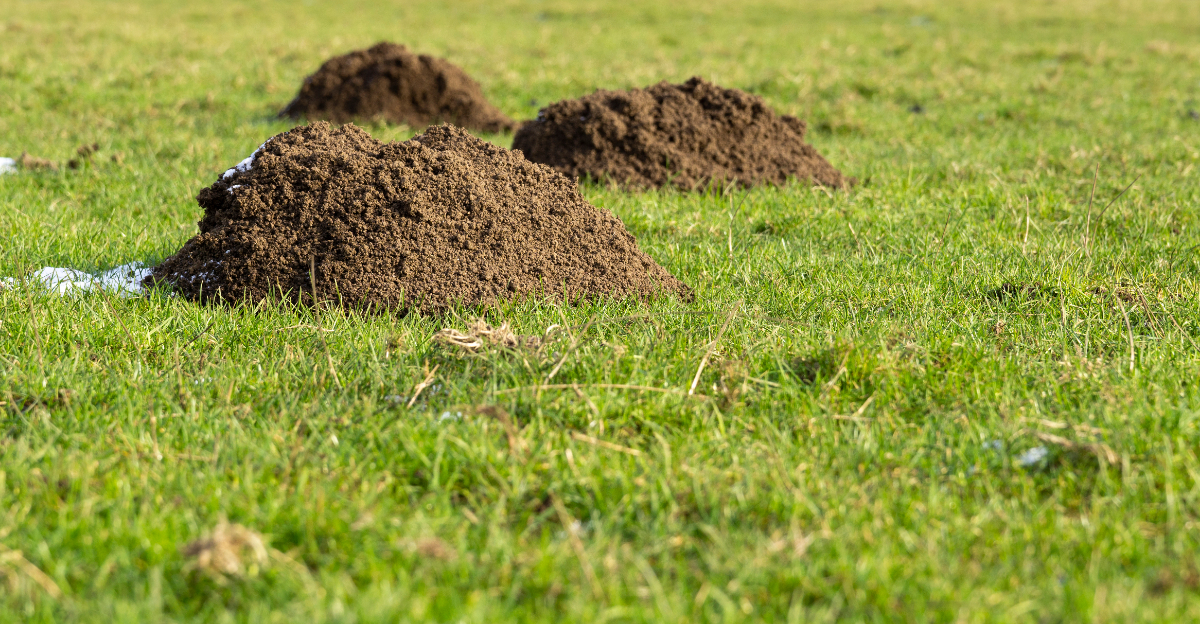
It usually starts with a raised tunnel or a patch of soil that looks slightly out of place. Then another appears, and suddenly your yard feels like it has been quietly taken over.
Moles tend to show up without warning in North Carolina gardens, and once they settle in, they are not easy to ignore.
What surprises many people is that these visitors are often responding to the conditions we create. Certain gardening habits can make soil more appealing without it being obvious at first glance.
Small choices around watering, soil care, and lawn maintenance can influence how inviting your yard becomes. Paying attention to those details can help shift things in the right direction.
The common mistakes ahead are ones that often go unnoticed but can lead to more mole activity.
1. Overwatering Lawns And Garden Beds
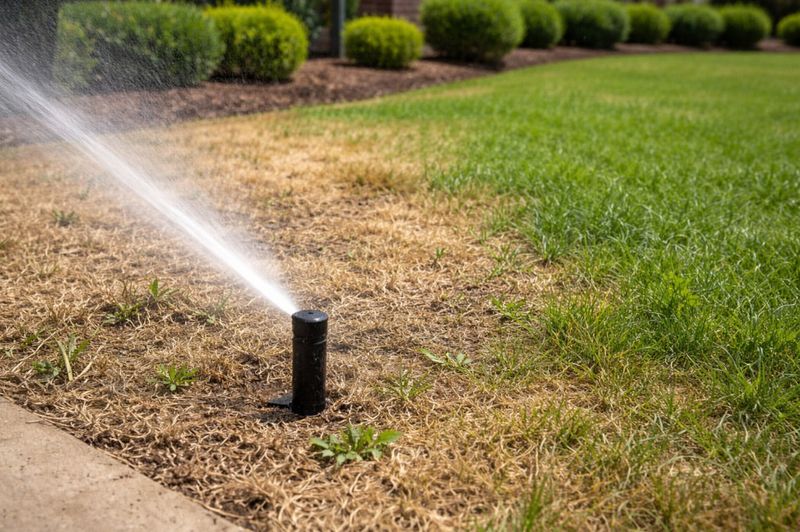
Soggy soil is basically a welcome mat for moles. When North Carolina gardeners water their lawns too much, the ground stays soft and moist for long stretches, making it incredibly easy for moles to push through and tunnel around.
Moles are strong little diggers, but they prefer loose, damp soil because it takes far less effort to move through.
Here is something most people do not think about: overwatered soil also brings earthworms closer to the surface. Earthworms are one of a mole’s favorite foods, so when you keep the ground wet, you are essentially setting a dinner table underground.
The more earthworms that gather near the top of the soil, the more likely moles are to follow them right into your yard.
A smart watering schedule can make a real difference. Most lawns in North Carolina need about one inch of water per week, including rainfall.
Watering deeply but less often encourages grass roots to grow deeper, which also makes your lawn more drought-resistant. Try watering in the morning so the soil has time to dry out before evening.
Letting the top layer of soil dry between waterings removes one of the biggest reasons moles find your yard attractive. A simple soil moisture meter, available at most garden centers, can help you stop guessing and start watering smarter, keeping moles from turning your lawn into their personal highway.
2. Letting Grubs And Soil Insects Build Up
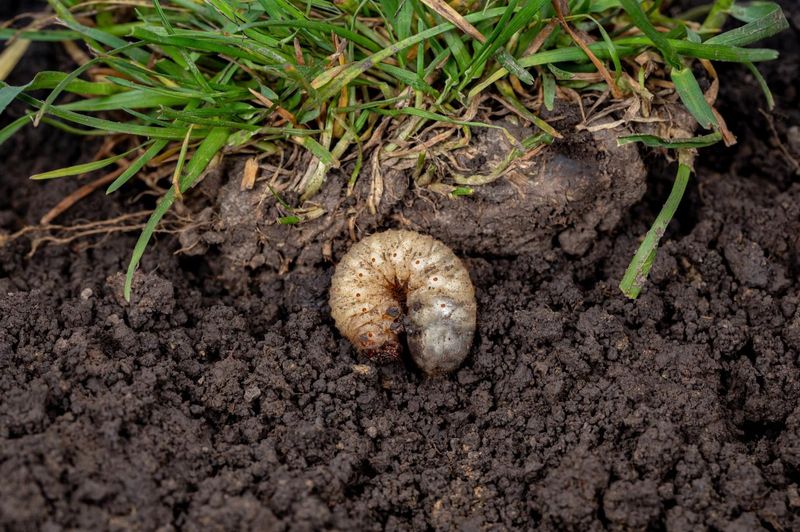
Grubs are basically mole candy. Seriously, if your North Carolina lawn is loaded with white grubs, beetle larvae, and other soil insects, you have created an all-you-can-eat buffet for moles living nearby.
Moles are insectivores, which means insects and grubs make up the majority of their diet, and they will follow food sources with impressive determination.
Many gardeners focus on surface-level pests but forget about what is happening underground. Grub populations tend to spike in late summer and early fall across North Carolina, which is also when mole activity becomes more noticeable in yards.
Japanese beetle larvae and June bug grubs are especially common in this region, and both are highly attractive to moles looking for an easy meal.
Managing grub populations does not have to mean reaching for harsh chemicals right away. Beneficial nematodes are a natural, soil-friendly option that many North Carolina gardeners have had success with.
These microscopic organisms target grubs without harming your grass, pets, or beneficial insects like bees. You can also try milky spore powder for long-term Japanese beetle grub control.
Keeping your lawn healthy through proper fertilization and mowing also makes it less hospitable to egg-laying beetles in the first place. When you reduce the underground food supply, moles have much less reason to set up tunnels in your yard, and they will likely move on to find better hunting grounds somewhere else.
3. Using Heavy Mulch That Stays Constantly Damp
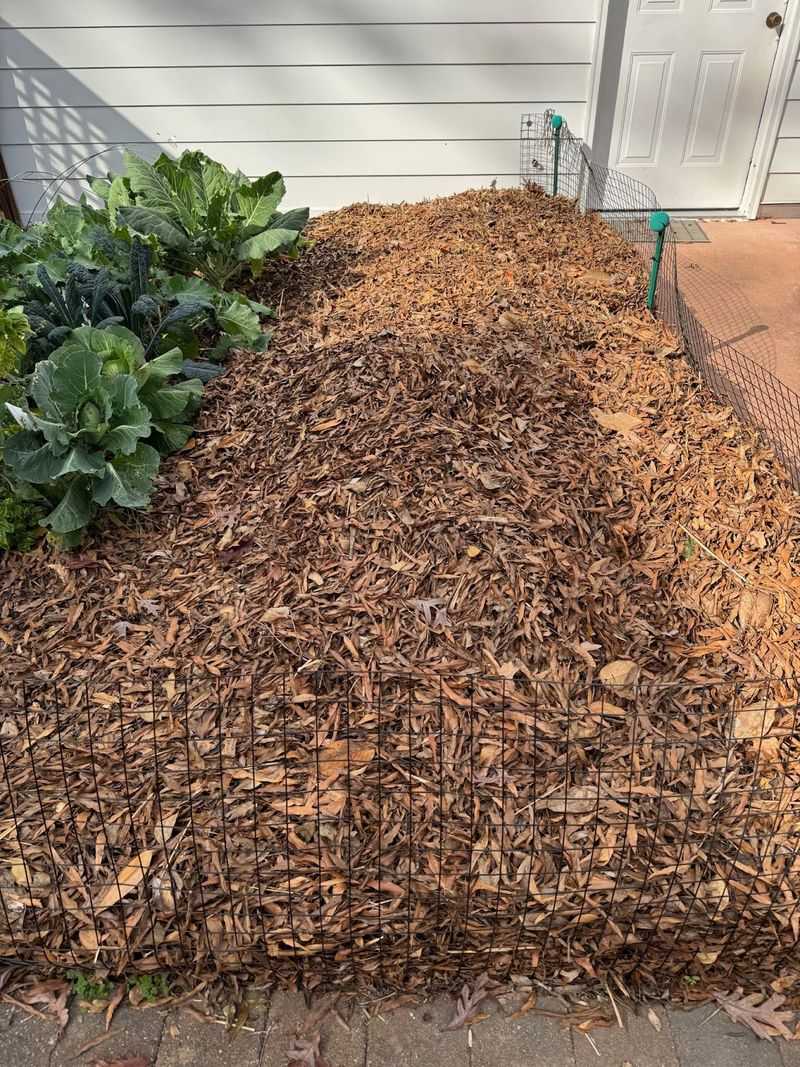
Mulch is a gardener’s best friend, until it becomes too much of a good thing. Piling on thick layers of mulch that trap moisture for days at a time creates conditions that moles absolutely love.
Across North Carolina, many gardeners apply mulch generously in the spring to protect plants from summer heat, but going overboard can backfire in a big way.
When mulch stays wet, it creates a soft, dark, humid environment just below the surface. Earthworms and insects thrive in these conditions, and where those critters go, moles are not far behind.
Mulch that is piled four or five inches deep can stay damp for days after rain or watering, especially in the shadier parts of a North Carolina yard where sunlight cannot help dry things out.
A good rule of thumb is to keep mulch layers between two and three inches thick. This is enough to suppress weeds and hold in some moisture without creating a soggy underground habitat.
Choosing mulch materials that drain and dry more quickly, like pine straw, which is very popular in North Carolina, can also help. Raking your mulch regularly to fluff it up allows air to circulate and moisture to escape more easily.
Also, keep mulch pulled back a few inches from plant stems and tree bases. Managing your mulch wisely keeps your garden beds healthy while making them far less inviting to tunneling moles searching for damp, easy digging spots.
4. Ignoring Tunnels And Early Signs Of Activity
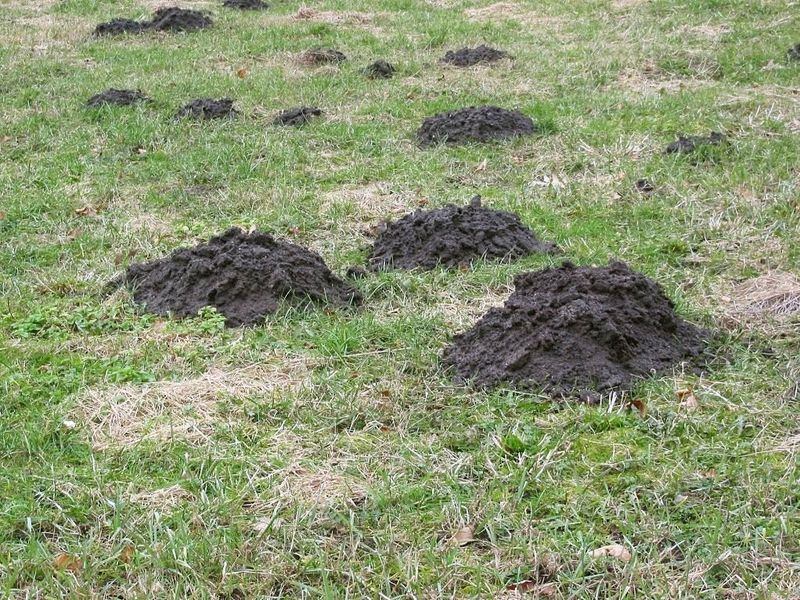
Spotting a raised ridge in your lawn and thinking it will just go away on its own is one of the most common and costly mistakes North Carolina gardeners make. Mole tunnels do not fix themselves.
In fact, one mole can dig up to 100 feet of new tunnel in a single day, meaning a small problem can become a major headache very quickly if you look the other way.
Early signs of mole activity include raised, spongy ridges running across your lawn, small mounds of loose dirt that look like tiny volcanoes, and areas where grass begins to wilt because roots have been disturbed. In North Carolina, these signs can appear any time of year since moles stay active in all seasons, even during mild winters when the ground does not freeze solid.
Acting fast when you first notice activity gives you the best chance of keeping the damage limited. Walk your lawn regularly, especially after rain when fresh tunneling is easiest to spot.
Press down any surface tunnels you find, then check back in a day or two. If the tunnel is raised again, you know a mole is actively using it, and that is the right spot to focus your control efforts.
Whether you choose trapping, repellents, or calling a local North Carolina wildlife control professional, catching the problem early always leads to better results than waiting until your entire yard looks like a roller coaster.
5. Leaving Soil Loose And Easy To Dig
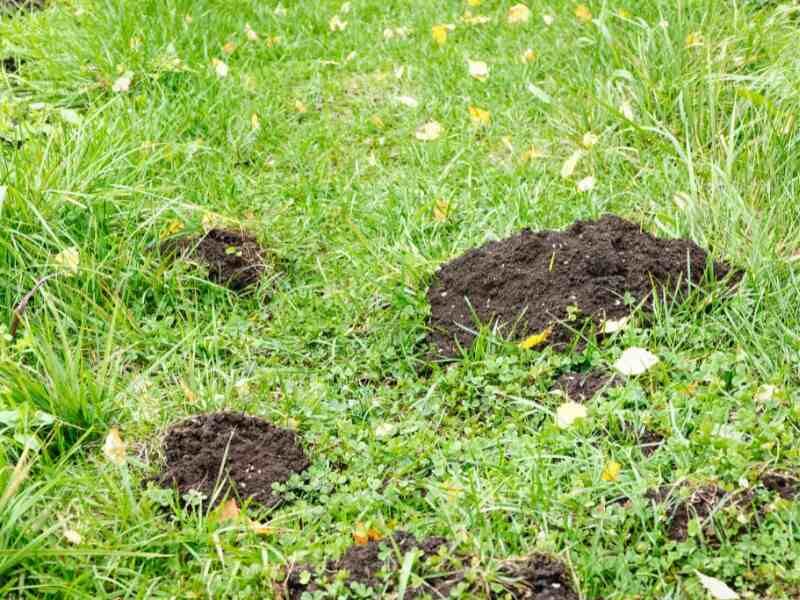
Freshly tilled garden beds look beautiful and feel satisfying to work in, but they also send an open invitation to every mole in the neighborhood. Loose, aerated soil is the easiest possible terrain for moles to tunnel through, and in North Carolina, where gardeners often till their vegetable beds and flower borders multiple times a year, this can be a recurring problem.
Moles are built for digging. Their paddle-shaped front paws and strong shoulders make them natural excavating machines.
When they encounter soil that has been recently turned over and broken up, they can move through it with almost no resistance at all. Compared to compacted clay, which is common in many parts of North Carolina, freshly tilled soil is a completely different experience for a mole looking for a comfortable place to hunt.
You do not have to stop tilling altogether, but being strategic about it helps. Consider using no-till or low-till gardening methods in areas where mole activity has been a problem before.
Raised garden beds with hardware cloth barriers installed at the bottom are a smart long-term solution that many North Carolina gardeners swear by. You can also try planting daffodils or alliums around the borders of beds you have recently tilled, though their ability to repel moles is not consistently proven.
6. Planting Large Areas Of Dense Groundcover
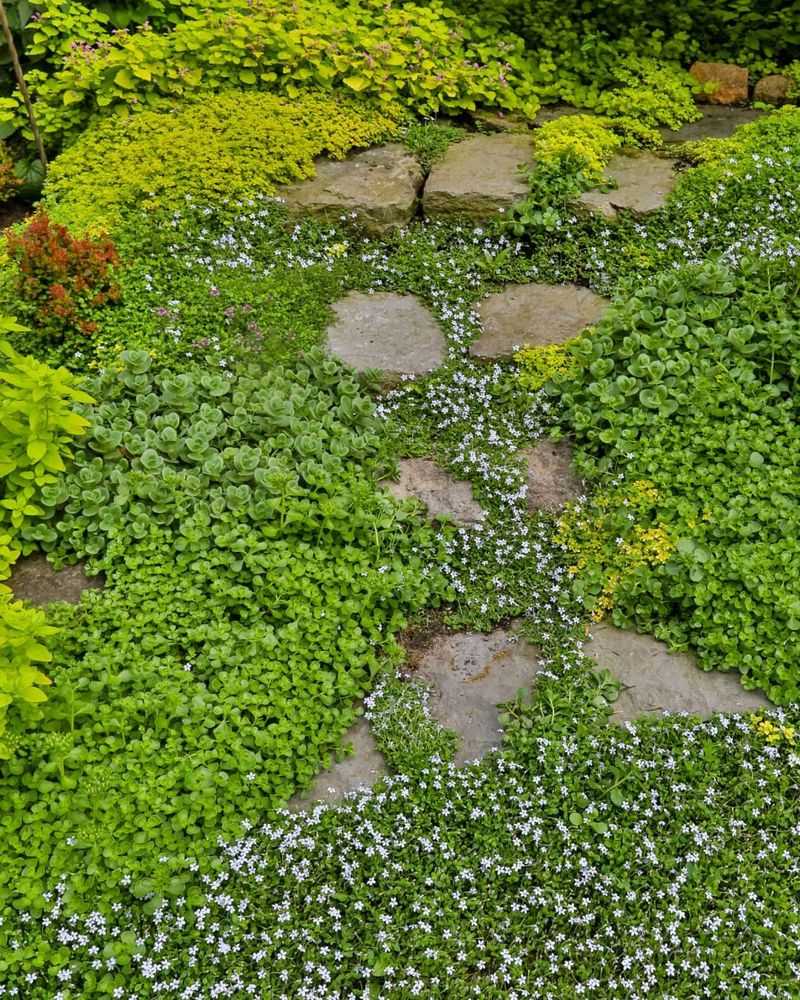
Dense groundcover plants can look gorgeous and serve a real purpose in the landscape, especially on slopes or shaded areas where grass struggles to grow. However, large patches of thick groundcover create conditions that moles find very comfortable.
The canopy of leaves keeps the soil beneath cool and moist, which is exactly the kind of environment moles seek out when choosing where to tunnel and hunt.
English ivy, pachysandra, and vinca are all popular groundcover choices in North Carolina landscapes, and all three can create dense mats that shelter insects and earthworms from sunlight and temperature changes. When insects and worms congregate in these protected zones, moles follow.
Because the groundcover also makes it harder for you to see what is happening at soil level, mole activity can go unnoticed for much longer than it would in an open lawn area.
That does not mean you should rip out all your groundcover, but being thoughtful about where and how densely you plant it can help. Breaking up large groundcover areas with pathways, stepping stones, or open planting zones allows sunlight to reach the soil and helps it dry out more consistently.
Mixing in plants that naturally repel moles, such as crown imperial fritillaria or marigolds, can also reduce the attractiveness of these areas. Regularly inspecting dense groundcover sections of your North Carolina yard for signs of tunneling gives you a better chance of catching mole activity before it spreads across a wide area.
7. Watering At Night Too Frequently
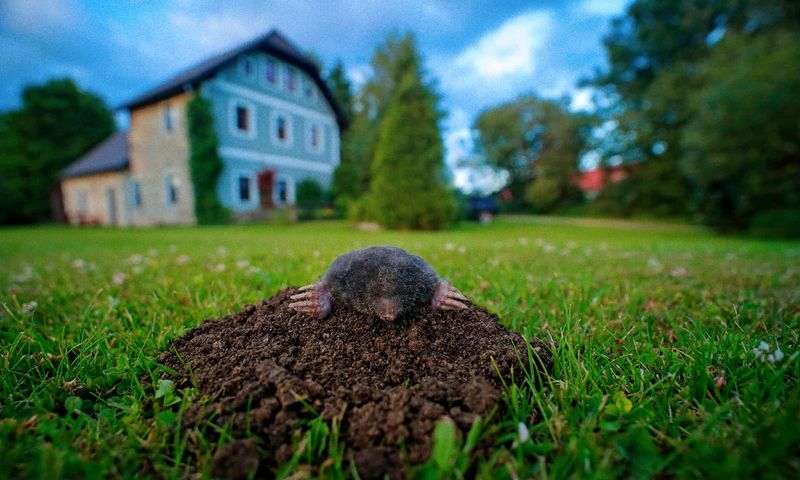
Watering at night feels convenient, especially during hot North Carolina summers when you want to avoid evaporation. Many homeowners set their irrigation timers to run late in the evening or in the middle of the night, thinking they are being efficient.
But this habit keeps the soil wet and cool all night long, which is prime time for moles to be active and on the hunt.
Moles are most active during the early morning and late evening hours. When you water at night, you are creating perfectly moist, soft soil right at the moment moles are most likely to be out exploring and expanding their tunnel networks.
The combination of damp soil and darkness gives them ideal conditions to move freely without disturbance. Night after night of this pattern essentially trains your yard to be a mole-friendly zone around the clock.
Switching your irrigation schedule to early morning, ideally between five and nine in the morning, makes a noticeable difference. Morning watering gives the soil and grass blades time to dry out during the day, which reduces fungal disease risk and makes the ground less appealing to moles by nightfall.
If you use a programmable irrigation system, updating the timer is a simple fix that costs nothing. North Carolina gardeners who make this one adjustment often report fewer mole problems without having to do anything else.
Small changes in routine can have a surprisingly big impact on how attractive your yard is to underground visitors.
8. Skipping Lawn Aeration And Soil Management
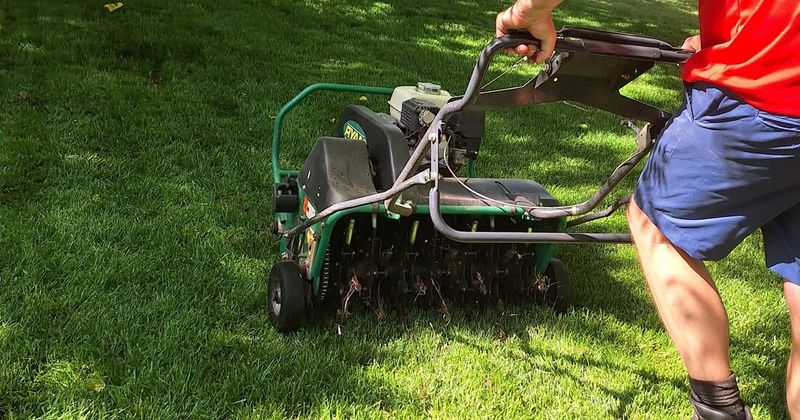
Many North Carolina homeowners skip lawn aeration because it seems like an optional extra rather than a necessity. But skipping aeration year after year leads to compacted, thatch-heavy soil that actually creates a hidden problem.
While compacted soil on the surface might seem like it would stop moles, the real issue is that poor soil management leads to unhealthy grass, which in turn creates conditions that attract the insects moles feed on.
Thatch buildup, which is the layer of decaying grass and organic material that collects between the soil and the green grass blades, can become a cozy home for soil insects when it gets too thick. Grubs and other larvae love living in thatch-heavy lawns across North Carolina because the layer holds moisture and provides shelter.
A lawn that is not aerated regularly becomes less able to absorb water evenly, leading to wet patches that stay soggy and attract earthworms to the surface.
Aerating your North Carolina lawn once or twice a year, typically in the fall for cool-season grasses and in late spring for warm-season varieties, helps break up compaction and improve drainage significantly. Pair aeration with overseeding and a balanced fertilizer application to build a thick, healthy turf that is naturally more resistant to pest pressure.
A well-managed lawn drains better, supports fewer soil insects near the surface, and gives moles far less reason to come exploring. Good soil management is one of the most underrated tools in any North Carolina gardener’s mole-prevention toolkit.