Mistakes That Slowly Harm Alocasia Plants Inside Michigan Homes
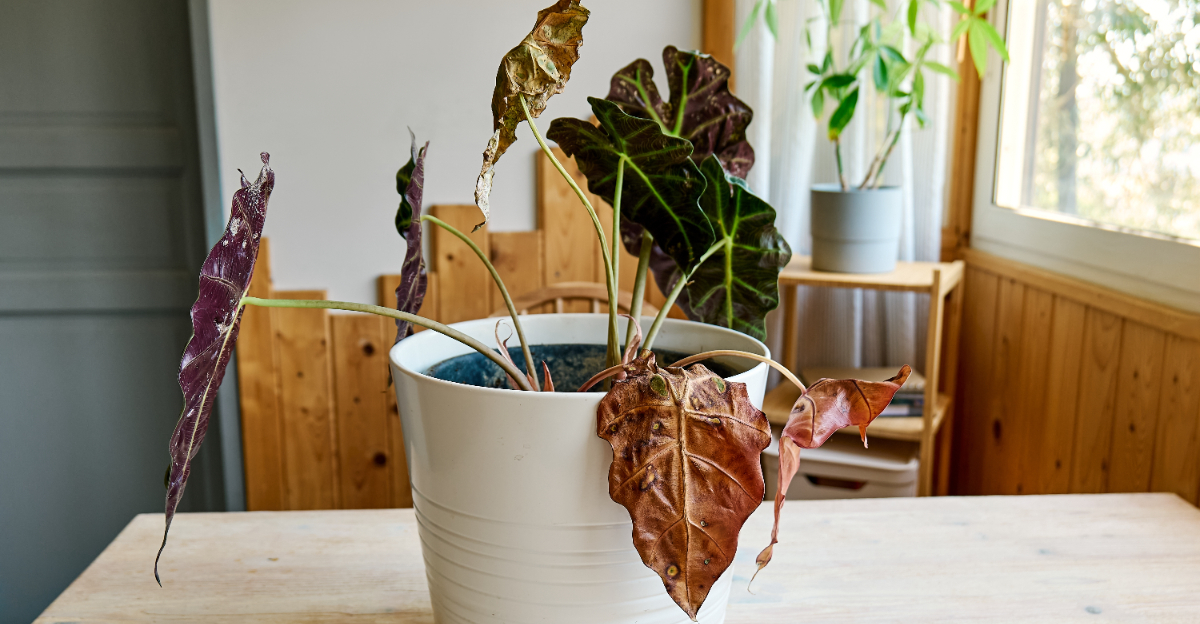
Alocasia plants instantly bring bold, tropical energy into Michigan homes with their dramatic, arrow shaped leaves and striking presence.
They look exotic and elegant, yet keeping them happy indoors can feel challenging, especially when dry winter air and indoor heating create conditions far from their natural environment.
Many plant lovers unknowingly make small care mistakes that slowly weaken their Alocasia over time. Drooping leaves, slow growth, and fading color often begin subtly before becoming harder to fix.
The good news is these plants respond quickly when their needs are understood. Light, humidity, watering habits, and temperature all play a role in keeping foliage strong and vibrant.
With the right adjustments, Alocasia can thrive indoors and continue producing lush, eye catching leaves throughout the year.
Learning what helps and what harms makes the difference between a struggling plant and one that becomes the bold, healthy centerpiece of your indoor space.
Providing Too Little Light
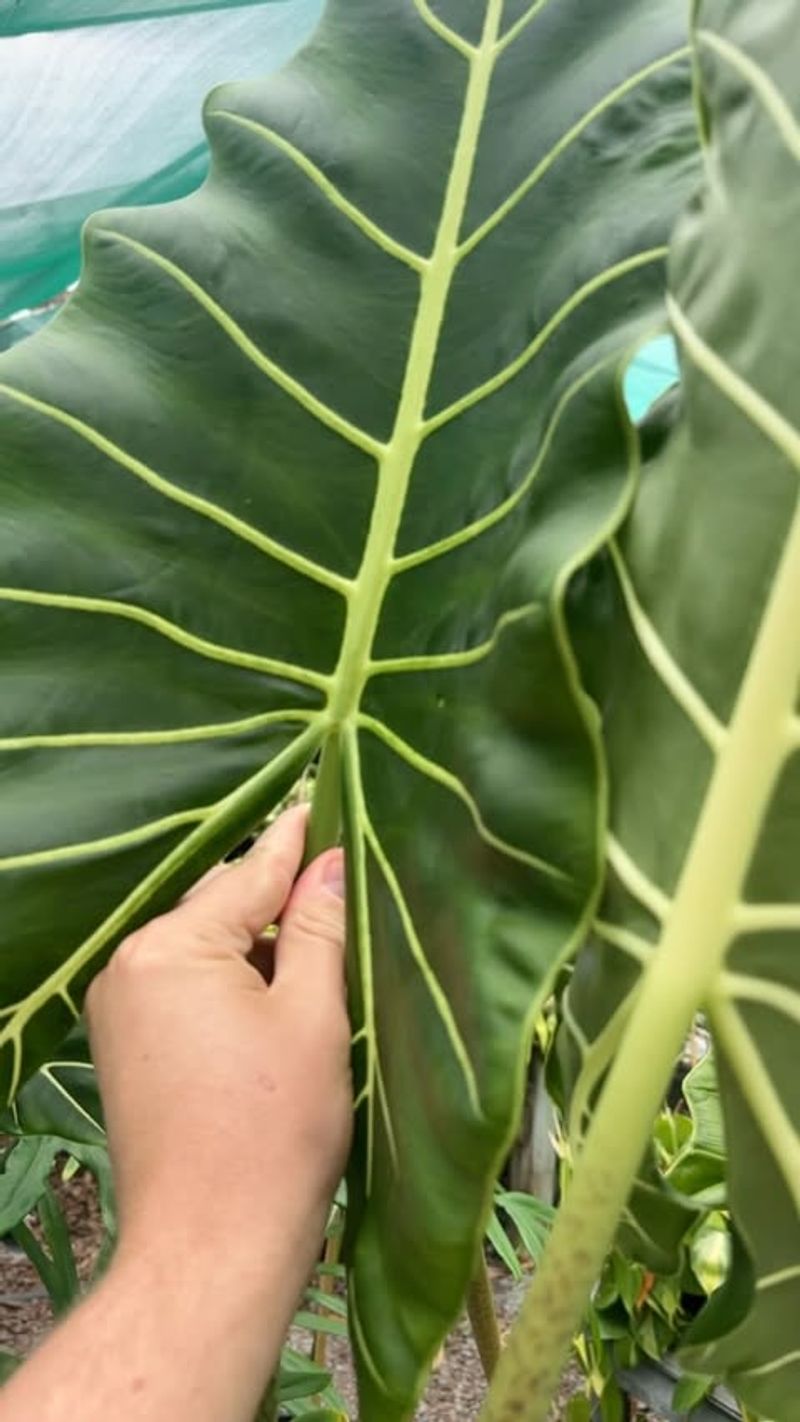
Bright, indirect light keeps your Alocasia happy and growing strong. Without enough light, your plant struggles to produce the energy it needs through photosynthesis.
You might notice slower growth, smaller leaves, and stems that stretch awkwardly toward the nearest window.
Michigan winters mean shorter days and weaker sunlight filtering through cloudy skies. Indoor spaces can feel especially dim during these months.
Your Alocasia might survive in low light, but it won’t thrive or show off those gorgeous, vibrant leaves you love.
Place your plant near an east or west-facing window where it gets plenty of brightness without harsh direct sun. Sheer curtains can help diffuse strong rays during summer months.
If natural light is limited, consider adding a grow light to supplement what your plant receives.
Rotating your Alocasia every few weeks ensures all sides get equal exposure. Watch for signs like pale leaves or leggy growth, which tell you it’s time to move closer to a light source.
Consistent, adequate lighting makes all the difference between a struggling plant and one that flourishes beautifully in your Michigan home.
Overwatering Soil
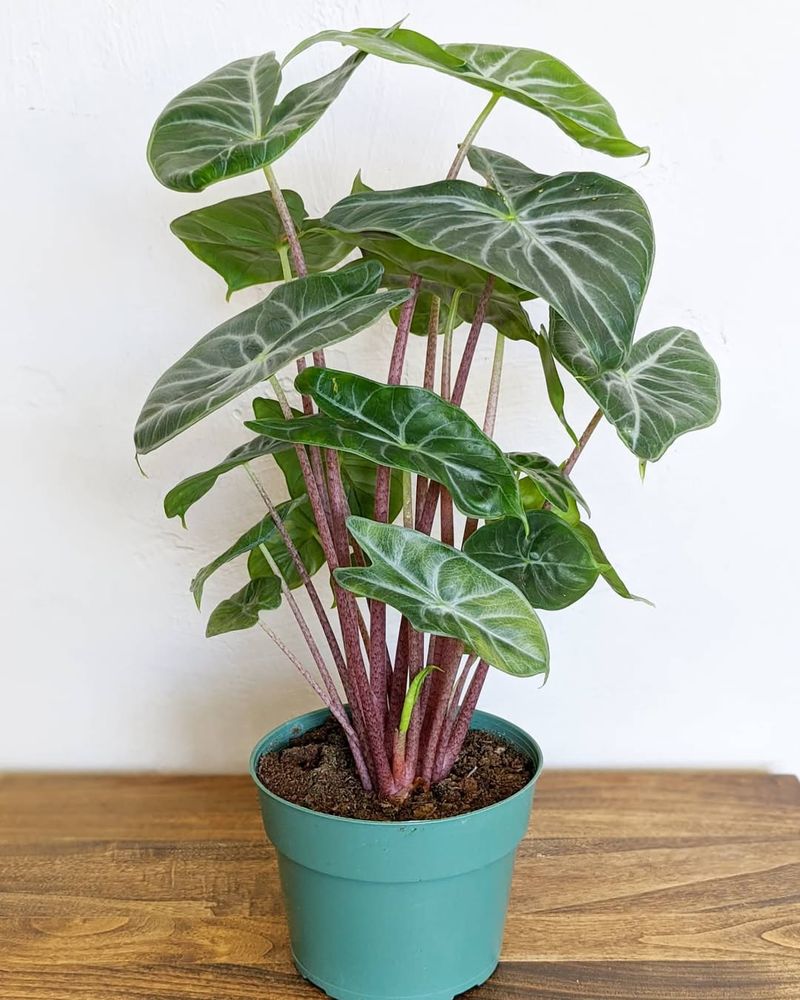
Watering too often or too generously creates soggy soil that suffocates roots. Alocasia plants need oxygen at their roots to stay healthy.
When soil stays constantly wet, roots can’t breathe properly and start to break down, leading to mushy stems and yellowing leaves.
Michigan’s indoor heating during winter can make it hard to judge when your plant actually needs water. The top layer might dry out while the deeper soil remains soaked.
Many gardeners make the mistake of watering on a fixed schedule rather than checking soil moisture first.
Always test the top two inches of soil with your finger before watering. If it feels damp, wait a few more days.
Use pots with drainage holes so excess water can escape freely. Empty saucers after watering to prevent roots from sitting in standing water.
Adjust your watering routine with the seasons since plants use less water during cooler, darker months. Watch for warning signs like soft stems, a musty smell from the soil, or leaves that turn yellow and drop quickly.
Proper watering habits keep roots strong and your Alocasia looking its absolute best throughout the year.
Letting Soil Dry Out Completely
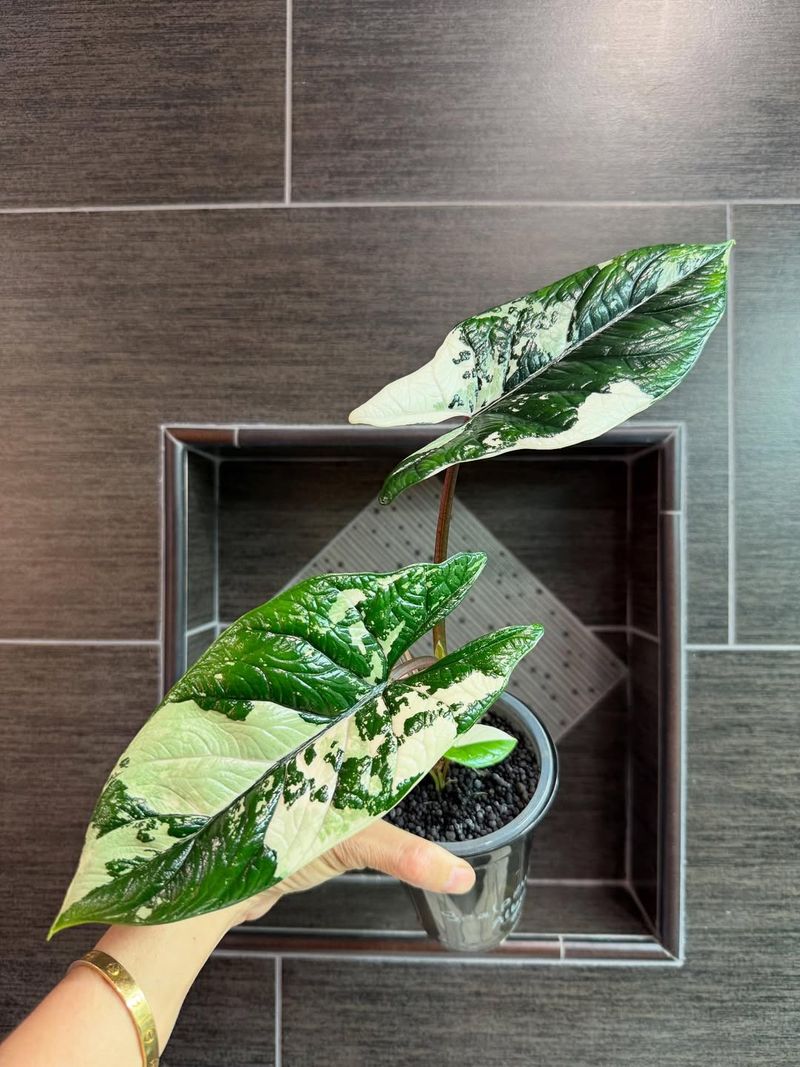
Alocasia plants prefer soil that stays consistently moist but never waterlogged. Allowing the soil to dry out completely stresses your plant and triggers survival mode.
Leaves start curling inward, edges turn brown and crispy, and growth slows dramatically or stops altogether.
Forgetting to water during busy weeks happens to everyone. But repeated dry spells weaken your Alocasia over time.
The plant might drop leaves to conserve energy, leaving you with bare stems and disappointment.
Check your plant regularly, especially during Michigan’s dry winter months when indoor heating pulls moisture from the air and soil. Stick your finger into the soil to gauge moisture levels.
Water thoroughly when the top inch or two feels dry to the touch.
Consider setting a reminder on your phone if you tend to forget. Using a moisture meter can also help you stay on track.
When you do water, make sure it soaks through the entire root ball rather than just wetting the surface.
Consistent care prevents the stress cycle of drought and recovery. Your Alocasia will reward you with strong, upright leaves and steady growth when you keep its moisture levels balanced and reliable throughout every season.
Placing Near Cold Drafts Or Air Conditioners
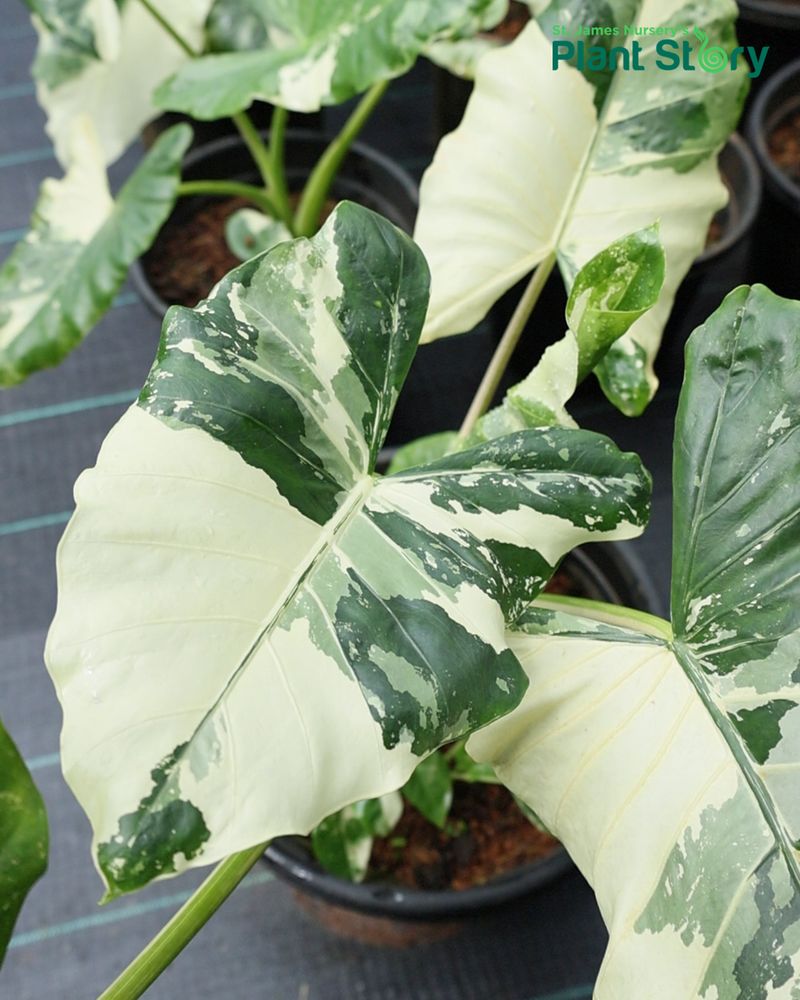
Cold air hits your Alocasia harder than you might expect. These tropical plants evolved in warm, stable environments and react poorly to sudden temperature drops.
Placing them near drafty windows, exterior doors, or air conditioning vents exposes them to chilly blasts that damage leaf tissue.
Michigan winters bring freezing temperatures outside, and even well-insulated windows radiate cold. A plant sitting too close can experience leaf browning, wilting, or a sudden slowdown in growth.
Air conditioners create similar problems during summer by blowing cold, dry air directly onto sensitive foliage.
Keep your Alocasia away from windows that leak cold air. Feel around door frames and window edges to identify drafty spots.
Position your plant in a stable location where temperatures stay between 60 and 80 degrees Fahrenheit year-round.
If you notice leaves turning brown or black at the edges after a cold snap, move your plant immediately. Sometimes the damage takes a few days to appear.
Protect your Alocasia during winter by pulling it back from windows at night when temperatures drop most dramatically.
Stable warmth helps your plant maintain healthy metabolism and vibrant leaves. Avoiding cold exposure is one of the simplest ways to prevent stress and keep your Alocasia looking lush and tropical even during Michigan’s harshest weather.
Low Humidity Environments
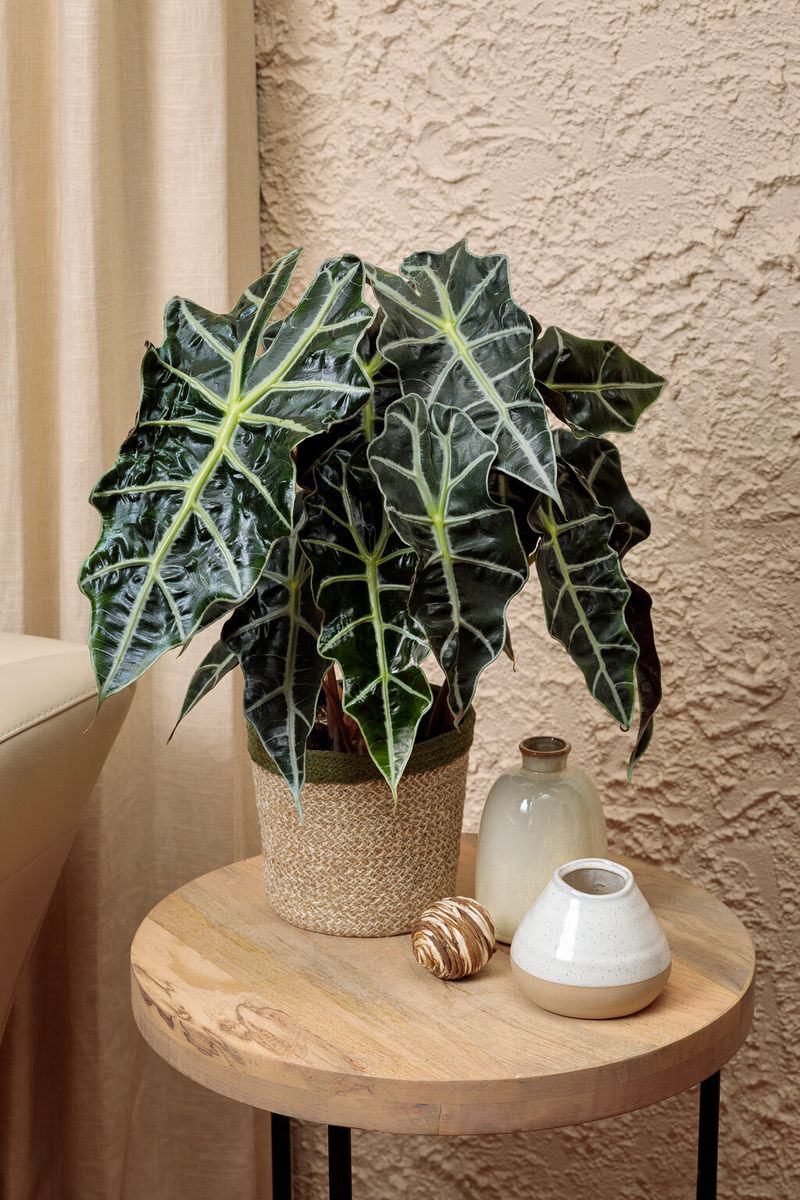
Dry indoor air wreaks havoc on Alocasia plants that naturally thrive in humid tropical conditions. Michigan winters force us to crank up the heat, which strips moisture from the air.
Your plant responds with brown, crispy leaf tips and edges that look burned or papery. Central heating systems can drop indoor humidity below 30 percent, while your Alocasia prefers levels between 50 and 70 percent.
The gap between what your plant needs and what your home provides creates ongoing stress. Leaves may also develop a dull appearance instead of their usual glossy shine.
Increase humidity around your plant using several simple methods. Group plants together so they create a more humid microclimate through transpiration.
Place your Alocasia on a pebble tray filled with water, making sure the pot sits above the waterline. Mist leaves lightly in the morning, though this provides only temporary relief.
A small humidifier near your plant offers the most reliable solution for Michigan’s dry winters. Run it daily to maintain consistent moisture levels.
Avoid placing your Alocasia near heating vents that blast hot, dry air directly onto the leaves.
Proper humidity keeps leaves supple, vibrant, and free from unsightly brown edges. Your Alocasia will look healthier and grow more vigorously when you address this often-overlooked environmental factor in your indoor space.
Using Poorly Draining Soil Mix
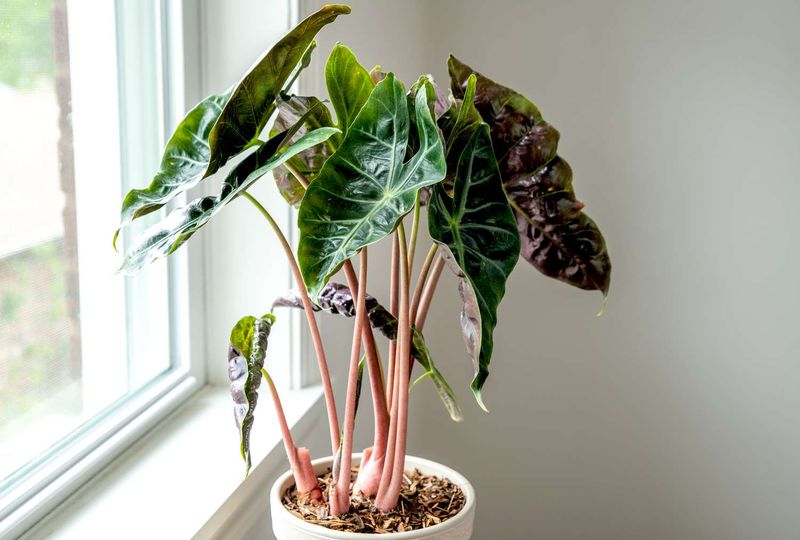
Heavy, compacted soil spells trouble for Alocasia roots that need both moisture and oxygen. Garden soil or cheap potting mixes often contain too much clay or fine particles that pack down over time.
Water pools on the surface or drains slowly, creating a swampy environment that encourages root problems.
Your Alocasia’s roots require a balance between moisture retention and air circulation. Poorly draining soil keeps roots wet for too long, blocking oxygen and promoting fungal growth.
You might notice yellowing leaves, a foul smell from the pot, or stems that feel soft and unstable.
Mix your own soil using equal parts quality potting mix, perlite, and orchid bark or coco coir. This combination holds enough moisture while allowing excess water to drain quickly.
The chunky texture creates air pockets that keep roots healthy and active.
Avoid using straight potting soil without amendments. Check that your pot has adequate drainage holes so water can escape freely.
When repotting, gently loosen compacted roots and remove old, degraded soil that no longer drains properly.
Investing in proper soil makes a huge difference in your plant’s overall health. Well-draining mix prevents the root issues that cause so many Alocasia problems.
Your plant will grow stronger and more resilient when its roots have the ideal environment to thrive throughout the year.
Fertilizing Too Frequently Or Too Strongly
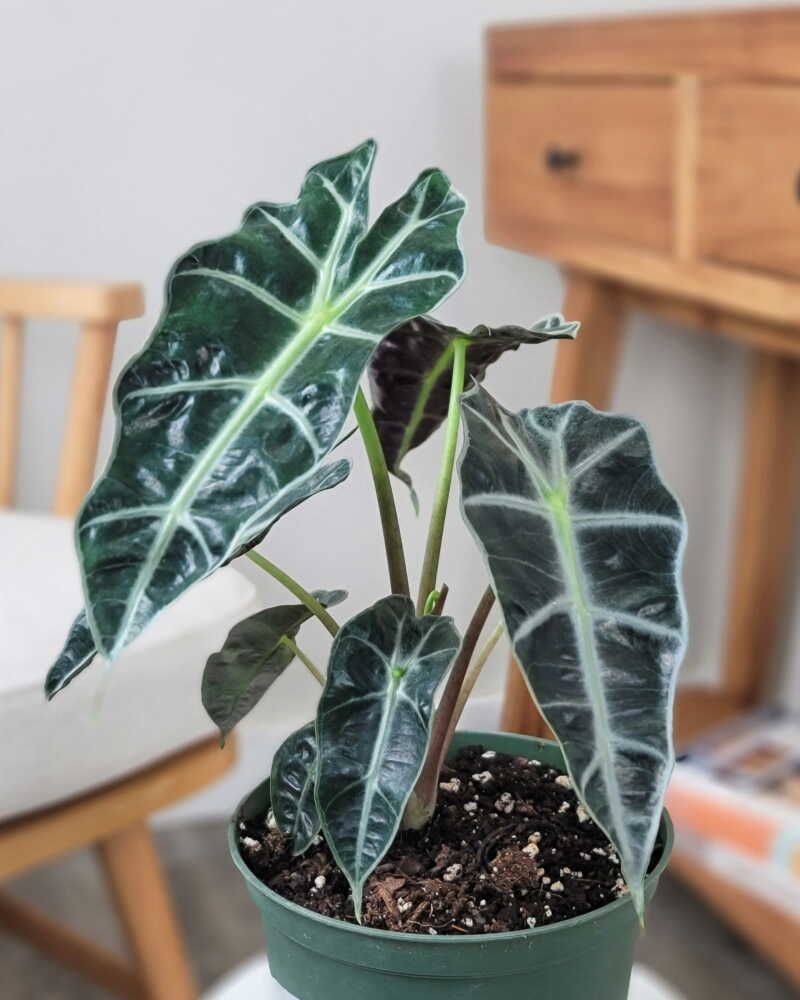
More fertilizer doesn’t mean faster growth or bigger leaves. Overfertilizing your Alocasia causes salt buildup in the soil that burns delicate root tips.
You might see brown, crispy leaf edges, stunted growth, or leaves that yellow despite your best efforts to provide proper care.
Many plant owners get excited and feed their Alocasia too often or use concentrations that are too strong. Chemical salts accumulate in the potting mix over time, especially when you water lightly or infrequently.
These salts draw moisture away from roots rather than nourishing them.
Feed your Alocasia only during the growing season from spring through early fall. Use a balanced, water-soluble fertilizer diluted to half the recommended strength.
Apply it once a month at most, and skip fertilizing entirely during winter when growth naturally slows.
If you notice white crusty deposits on the soil surface or pot rim, flush the soil thoroughly with plain water. Let water run through the pot several times to wash away accumulated salts.
Reduce fertilizer frequency if you see signs of nutrient burn.
Less is truly more when it comes to feeding tropical houseplants. Your Alocasia will grow steadily and healthily with modest, regular nutrition.
Avoid the temptation to push growth with heavy feeding, which ultimately weakens your plant rather than strengthening it over the long term.
Ignoring Pest Infestations
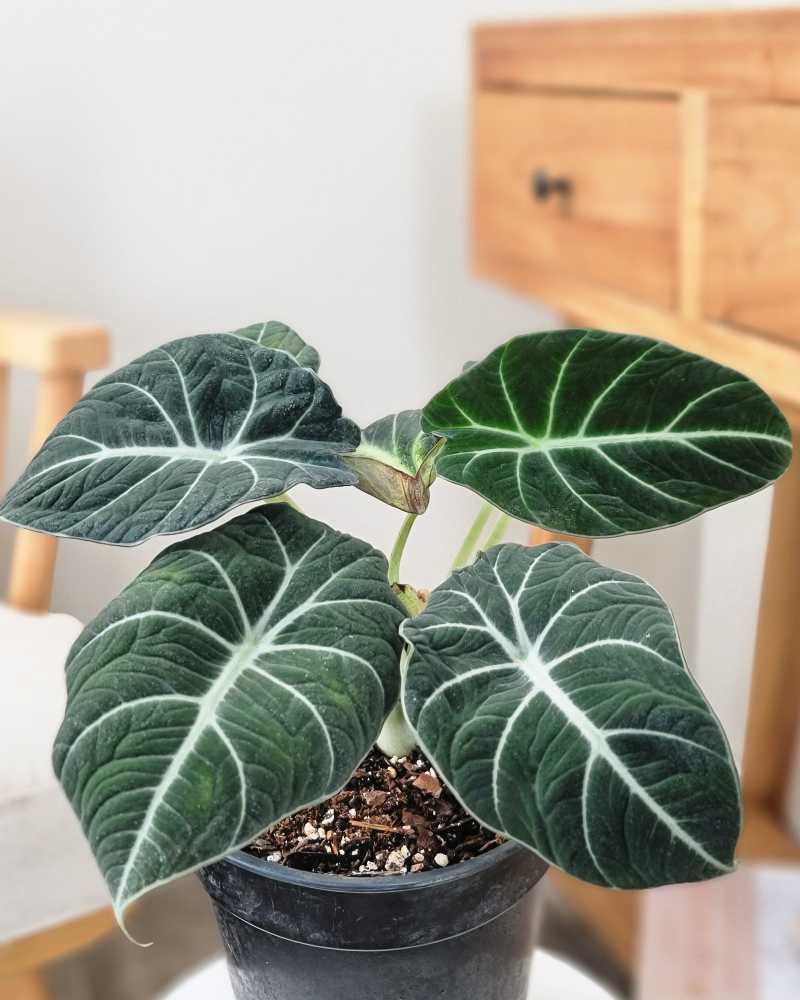
Tiny pests can cause big problems when left unchecked on your Alocasia. Spider mites, mealybugs, and aphids feed on plant sap, weakening leaves and stems over time.
You might spot yellowing spots, sticky residue, or fine webbing between leaves before you actually see the bugs themselves.
Indoor conditions in Michigan homes create perfect environments for pests, especially during winter when plants are stressed by low humidity and light. Bugs multiply quickly in warm, dry air.
What starts as a few insects can become a full infestation within weeks if you don’t take action.
Inspect your Alocasia regularly by checking under leaves and along stems where pests like to hide. Look for small moving dots, cottony clusters, or shiny honeydew deposits. Catching problems early makes treatment much easier and more effective.
Wipe leaves with a damp cloth weekly to remove dust and spot any unwanted visitors. If you find pests, isolate your plant immediately to prevent spread.
Spray affected areas with insecticidal soap or diluted neem oil, repeating treatments every few days until bugs are gone.
Maintaining good plant health through proper watering, humidity, and light makes your Alocasia less vulnerable to pest attacks. Strong plants resist infestations better than stressed ones.
Stay vigilant and address problems promptly to keep your tropical beauty looking pristine and pest-free throughout every season.
Not Rotating The Plant
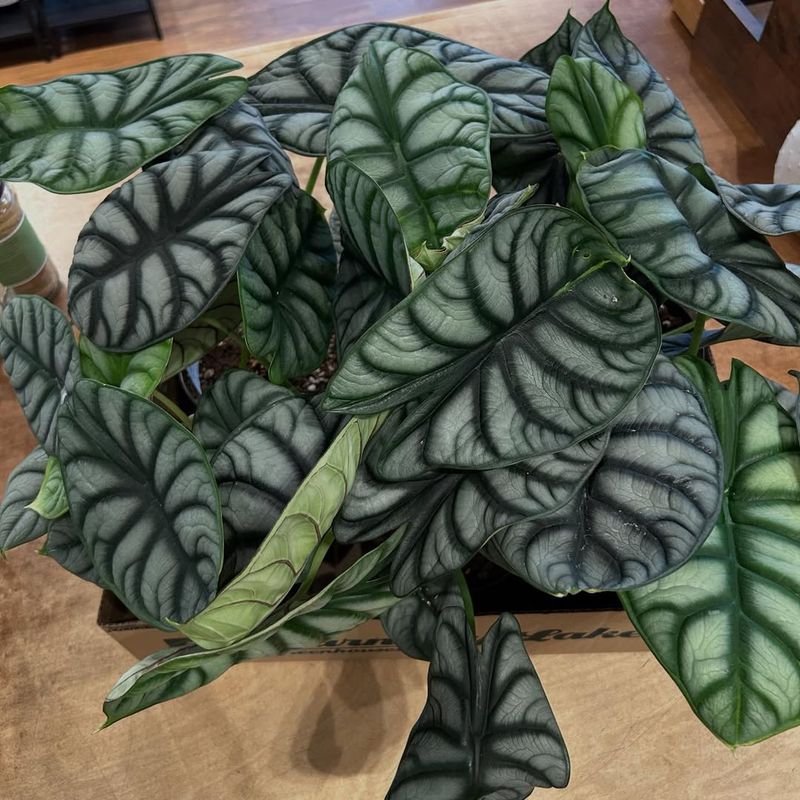
Plants naturally grow toward their light source, and your Alocasia is no exception. Keeping it in the same position week after week causes uneven development.
One side stretches toward the window while the other remains sparse and underdeveloped, creating a lopsided appearance that looks less attractive.
Leaves on the shaded side may stay smaller or even drop off entirely. Stems become leggy and weak as they reach desperately for more light.
Your once-balanced plant starts looking awkward and unbalanced, leaning heavily in one direction.
Rotate your Alocasia a quarter turn every week or two so all sides receive equal light exposure. This simple habit promotes symmetrical growth and fuller foliage all around.
Mark your pot with a small sticker if you have trouble remembering which way you last turned it.
Regular rotation also helps you inspect your plant from all angles, making it easier to spot pest problems or unhealthy leaves early. You’ll notice better overall shape and more even leaf distribution as your plant develops balanced strength on all sides.
This easy maintenance step takes just seconds but makes a noticeable difference in how your Alocasia looks and grows.
Even light exposure helps your plant reach its full potential, creating that perfect tropical specimen you want to show off proudly in your Michigan home throughout the entire year.