7 Mistakes To Avoid This Spring If You Want Cardinals In Your Ohio Garden
Early spring in Ohio carries a quiet promise. Snow recedes, light softens, and the first clear bird calls return to the morning air.
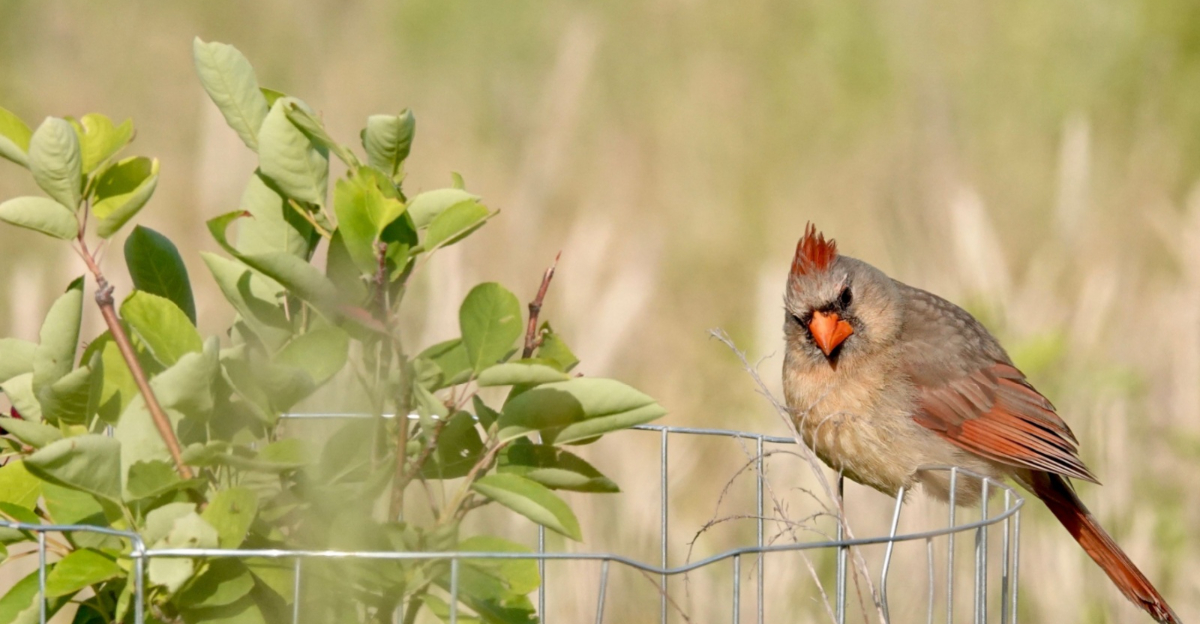
Among them, nothing stands out quite like the bright flash and steady song of a cardinal. Many homeowners hope to welcome these birds into their yards, to see that familiar red perched close to home. Yet success rarely comes by accident.
Small, often unnoticed choices shape how inviting a garden truly feels to wildlife. Some yards seem to attract cardinals year after year, while others remain strangely quiet despite good intentions.
The difference often lies in details most people never think about. Before spring fully unfolds, it helps to understand what may be quietly working against you.
A few simple corrections can change the entire experience and bring lasting life, color, and song back to your Ohio garden.
1. Removing Shelter Too Early
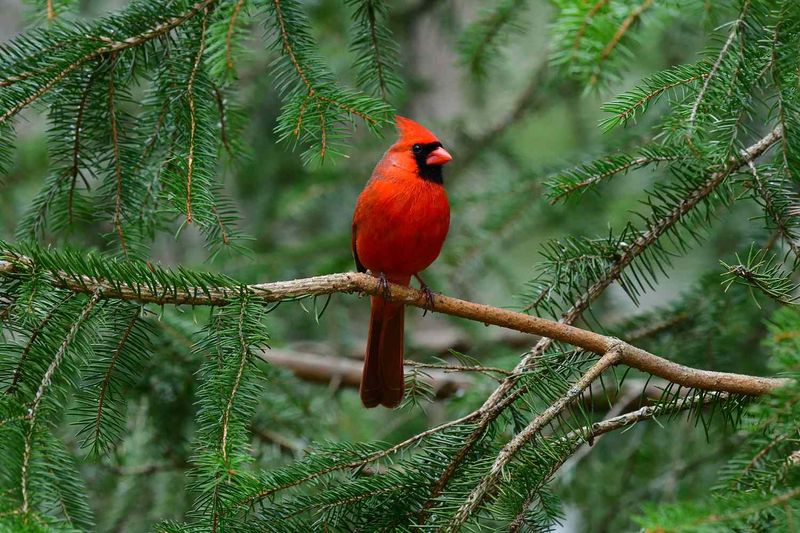
Many Ohio gardeners feel the urge to tidy up their yards the moment temperatures climb above freezing. Raking out every fallen branch, clearing brush piles, and trimming back dense shrubs might make a yard look neat, but it strips away the shelter cardinals depend on during unpredictable spring weather.
Late frosts, cold rain, and gusty winds are common in Ohio through mid-May, and cardinals rely on dense cover for protection from weather and predators.
Cardinals are ground feeders and prefer to forage near dense, low vegetation where they can quickly retreat if a hawk appears overhead. When you remove brush piles, tangled vines, and evergreen cover too early, you eliminate the safe zones cardinals use throughout the day.
These birds are also naturally cautious and won’t visit feeders or open areas if they don’t have nearby escape routes.
Instead of doing a full spring cleanup in March, wait until late April or early May when cardinals have already chosen nesting sites and temperatures are consistently mild. Leave some brush piles intact, especially near feeders and water sources.
Native shrubs like American cranberrybush viburnum, winterberry holly, and eastern red cedar provide year-round shelter and are particularly valuable during Ohio’s transitional spring months.
If you must tidy certain areas, do it gradually and leave thick plantings along fence lines, property edges, and garden borders. Cardinals will use these sheltered corridors to move safely around your yard, making them far more likely to stay, nest, and raise their young right where you can watch them.
2. Skipping Native Berry Plants
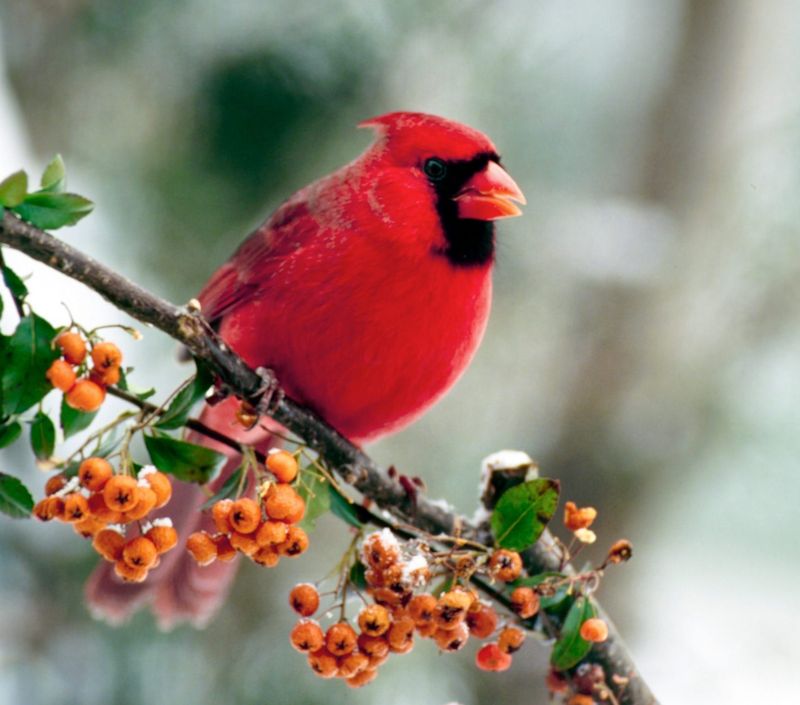
A yard full of ornamental flowers and imported shrubs might look beautiful, but it won’t attract cardinals the way native berry plants will. Cardinals eat berries in spring, but insects become increasingly important, especially for feeding nestlings, while seeds from last season are mostly gone.
Native plants produce the high-fat, nutrient-rich berries that cardinals need to fuel their energy-intensive nesting activities.
Ohio gardeners often overlook plants like gray dogwood, American elderberry, serviceberry, and black chokeberry, all of which produce berries that cardinals eagerly consume. These plants also support the caterpillars and insects that cardinals feed their nestlings, creating a complete food web right in your backyard.
Non-native ornamentals rarely provide the same benefits and may even require more water, fertilizer, and pest control.
Spring is the ideal time to add native berry shrubs to your landscape. Serviceberry blooms early and produces berries by June, giving cardinals a food source just as they’re raising chicks.
Elderberry and dogwood follow later in the season, extending the berry availability well into summer and fall. Even in winter, dried berries left on stems provide emergency food during harsh weather.
When planning your garden, cluster berry plants in groups of three or more to create abundant fruiting zones. Place them near existing shelter and water sources so cardinals can access food without traveling across exposed lawn.
Native plants are also low-maintenance once established, requiring less care than exotic species while delivering far greater value to the birds you want to attract.
3. Using The Wrong Bird Feed
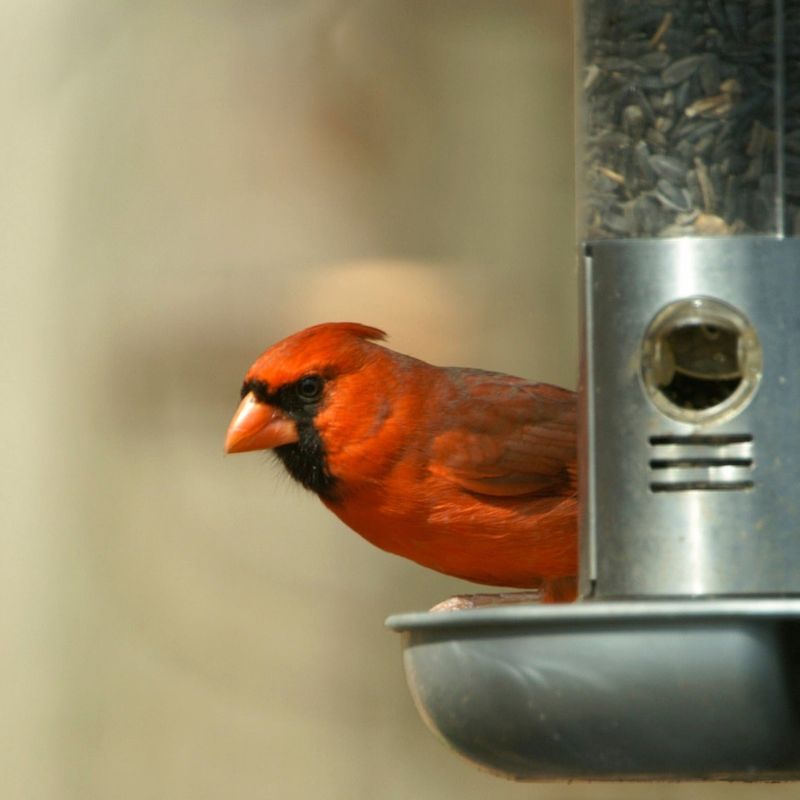
Walk down the bird seed aisle at any store and you’ll see dozens of colorful bags promising to attract every bird species. But cardinals have specific preferences, and filling your feeder with cheap mixed seed is one of the fastest ways to discourage them.
Most bargain blends contain large amounts of milo, wheat, and cracked corn, which cardinals ignore, leaving your feeder full of waste that rots or attracts unwanted visitors like starlings and grackles.
Cardinals have strong, thick beaks designed to crack open seeds with hard shells. Their absolute favorite is black oil sunflower seed, which offers high fat content and a thin shell that’s easy to open.
Safflower seed is another excellent choice, especially if squirrels are a problem, since most squirrels avoid it while cardinals happily eat it. Striped sunflower seeds work too, though the thicker shells make them slightly less appealing.
During spring, cardinals are feeding not only themselves but also their mates and eventually their nestlings. Offering premium seed ensures they get the calories and nutrition they need without wasting energy sorting through filler.
Avoid seed mixes with red millet, which often gets tossed aside, and skip anything with artificial colors or coatings.
Use hopper feeders or platform feeders that give cardinals enough space to perch comfortably. They prefer feeders with wide ledges and will often visit at dawn and dusk when the yard is quiet.
Keep feeders clean and check seed regularly for mold, especially during Ohio’s damp spring weather. Fresh, high-quality seed in the right feeder makes your yard a cardinal magnet.
4. Letting Feeders Go Empty
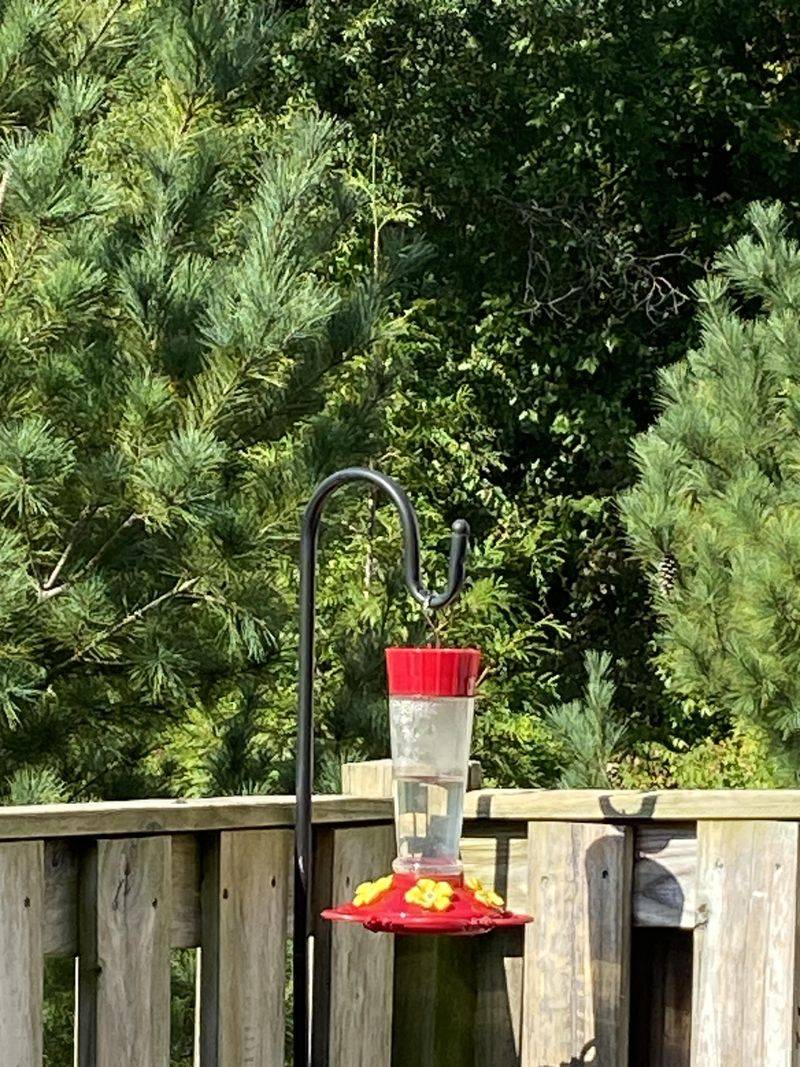
Cardinals are creatures of habit and routine. Once they discover a reliable food source, they return to it daily, often at the same times each morning and evening.
When feeders run empty for days or weeks, cardinals move on to more dependable yards and may not return even after you refill. Spring is a particularly critical time because cardinals are establishing territories, courting mates, and beginning to nest, all of which require steady energy.
Unlike migratory birds that pass through briefly, cardinals are year-round Ohio residents. They remember which yards provide consistent food and which ones are unreliable.
An empty feeder during late March or April, when natural food is still limited, sends a clear message that your yard isn’t a stable resource. Cardinals will shift their territory boundaries to include only the most dependable feeding stations.
Refill feeders before they’re completely empty, ideally when seed levels drop to about one-quarter full. This prevents gaps in availability and keeps cardinals visiting regularly.
During spring, when bird activity increases and seed consumption rises, check feeders every few days. If you travel frequently, consider installing a larger capacity feeder or ask a neighbor to refill it while you’re away.
Consistency matters more than quantity. A small feeder kept full is far better than a large feeder that sits empty half the time.
Cardinals will also appreciate multiple feeding stations around your yard, giving them options and reducing competition with other birds. By maintaining a steady supply of quality seed, you’ll build trust with your cardinal visitors and encourage them to stay, nest, and raise their families in your garden.
5. Ignoring Fresh Water Sources
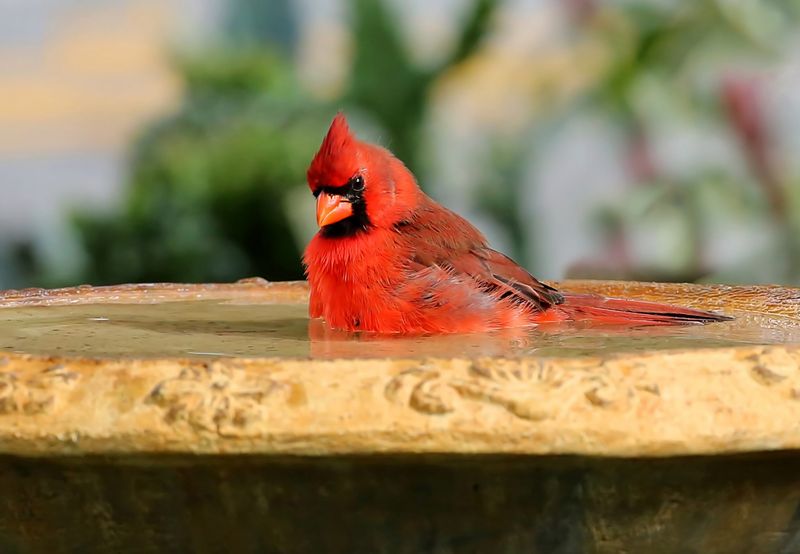
Food gets most of the attention when people think about attracting birds, but water is just as important and often overlooked. Cardinals need fresh water daily for drinking and bathing, and spring is when they’re most active in keeping their feathers clean and healthy for the demanding nesting season ahead.
A yard without accessible water will never attract as many cardinals as one with a reliable source, no matter how great the feeders are.
Cardinals prefer shallow water, usually no more than two inches deep, where they can wade in comfortably and splash around safely. Birdbaths set at ground level or on low pedestals work best, especially when placed near shrubs or trees so birds can quickly retreat if needed.
Moving water is even more attractive, as the sound and sparkle catch their attention from greater distances.
During Ohio’s spring, temperatures can swing wildly, and natural water sources like puddles dry up quickly on warm days. Keeping a birdbath filled with fresh water gives cardinals a dependable spot they’ll visit multiple times each day.
Change the water every few days to prevent algae buildup and discourage mosquito breeding.
Adding a dripper, fountain, or solar-powered bubbler makes your water source even more appealing. Cardinals are particularly drawn to the sight and sound of moving water, which signals freshness and safety.
Place your birdbath within view of a window so you can enjoy watching cardinals drink, bathe, and preen. A simple, well-maintained water source can be the deciding factor that turns occasional cardinal visitors into permanent backyard residents.
6. Pruning Nesting Spots In Spring
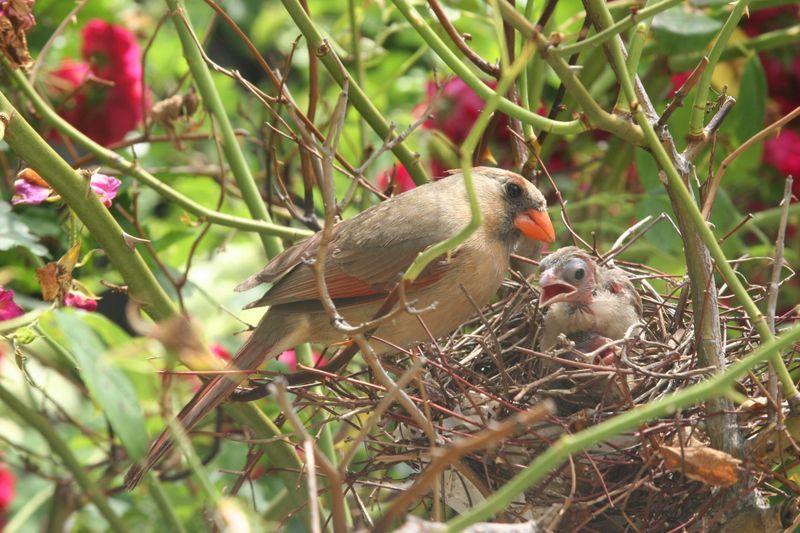
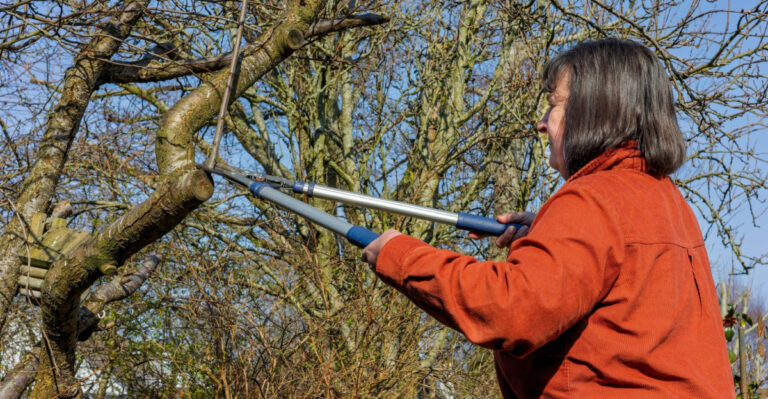
Spring cleaning extends to the garden for many Ohio homeowners, and the temptation to prune overgrown shrubs and trim back trees is strong after a long winter. But cardinals begin nesting as early as late March, and heavy pruning during spring can destroy potential nesting sites or disturb birds that have already started building.
Cardinals nest in dense shrubs, thickets, and small trees, usually between three and ten feet off the ground, and they need thick, undisturbed foliage to feel secure.
Female cardinals build cup-shaped nests using twigs, grasses, bark strips, and leaves, carefully weaving them into the dense interior of shrubs like honeysuckle, dogwood, viburnum, and hawthorn. Once a nest is in progress or eggs are laid, disturbances from pruning, loud equipment, or even frequent human presence can cause the birds to abandon the site.
Federal law protects active nests with eggs or chicks, making it illegal to disturb them.
Instead of pruning in spring, plan major trimming for late summer or fall after nesting season ends and before next year’s growth begins. If you must remove hazardous branches in spring, inspect shrubs carefully first and work slowly to avoid disturbing hidden nests.
Leave dense, tangled growth in less visible parts of your yard where cardinals are most likely to nest.
Letting some areas grow a bit wild actually benefits cardinals and many other bird species. Native shrubs like arrowwood viburnum, American hazelnut, and gray dogwood provide excellent nesting structure when left unpruned during spring and summer.
By delaying your pruning schedule, you’ll create safe, welcoming nesting habitat that encourages cardinals to raise their families right in your garden where you can enjoy their presence all season long.
7. Creating A Yard With No Cover
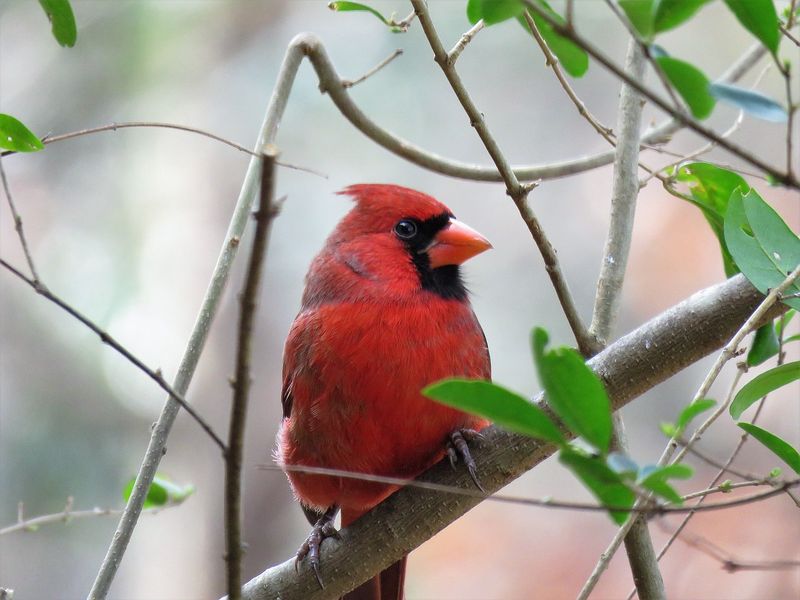
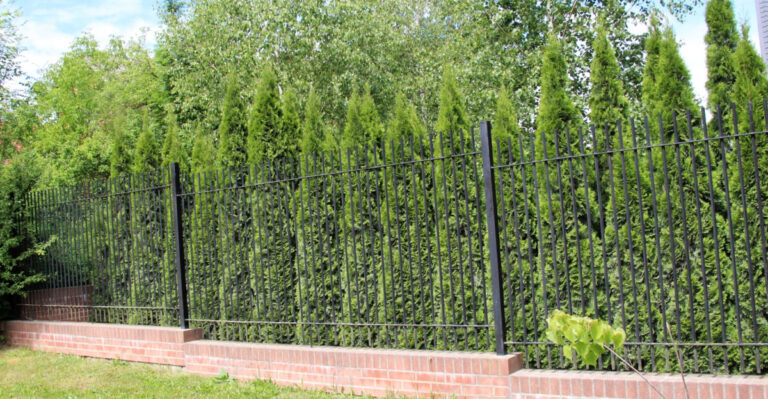
Wide-open lawns in Ohio look tidy and manicured, but they’re essentially bird deserts. Cardinals are prey animals constantly watching for hawks, cats, and other predators, so they avoid spending time in exposed areas where they’re vulnerable.
A yard dominated by mowed grass with few shrubs, trees, or layered plantings will rarely attract cardinals, even if you offer the best feeders and water sources available.
Cardinals thrive in yards with structural diversity, meaning a mix of ground cover, low shrubs, mid-height plants, and taller trees that create layers of protection. They use this vertical habitat to move safely from one area to another, hopping from branch to branch rather than flying across open space.
Without cover, cardinals simply won’t feel safe enough to visit regularly or nest.
Start by planting native shrubs along property lines, around patios, and near feeders to create protective corridors. Species like spicebush, ninebark, and coralberry grow quickly and provide dense branching that cardinals love.
Add small ornamental trees like redbud or serviceberry to create mid-level cover, and let some areas of your lawn grow into naturalized meadow with native grasses and wildflowers.
Even small changes make a difference. A single grouping of three or four shrubs near a feeder can provide enough cover to make cardinals feel secure.
Avoid planting in isolated single specimens scattered across the lawn; instead, cluster plants together to create habitat patches connected by hedgerows or mixed borders. The more cover you provide, the more time cardinals will spend in your yard, and the more likely they’ll choose your garden as their nesting territory throughout the spring and summer months.