9 Modern Garden Designs That Could Replace Lawns In Nevada By 2040
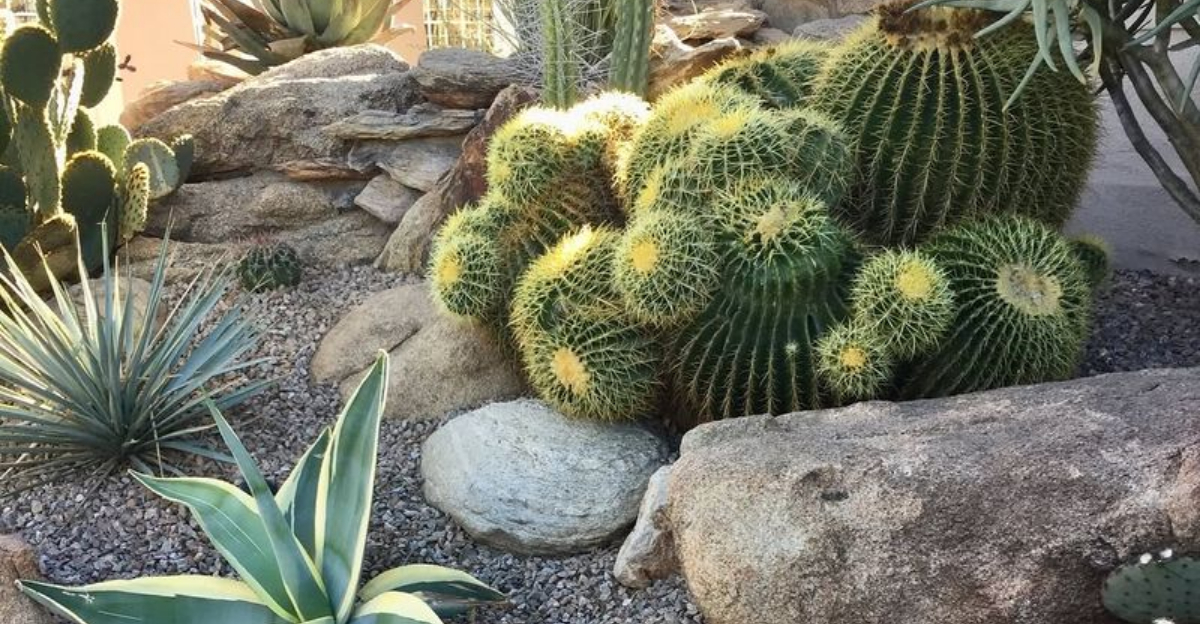
Nevada yards sit under blazing skies where thirsty grass often loses the battle before summer even knocks.
Homeowners are waking up to smarter, leaner landscapes that trade endless mowing for designs that actually make sense in desert heat.
Imagine yards that sip water, boost curb appeal, and put an end to the lawn treadmill.
Mosaic gravel meets native plants, sculptural rock beds anchor color, and shaded nooks invite quiet evenings without a sprinkler in sight.
These modern ideas don’t just save water—they give outdoor space a fresh beat that feels both bold and rooted in place.
By 2040, lawns may become relics, replaced by landscapes that stand tall, save money, and dazzle eyes across Nevada.
1. Desert Rock Gardens With Native Succulents
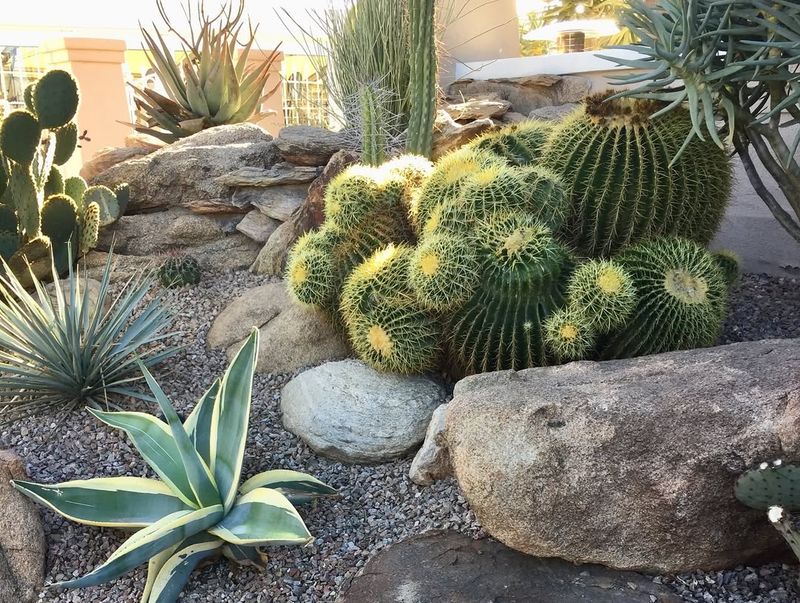
Rocks tell a story in Nevada’s natural landscape, and bringing that aesthetic home creates instant desert charm.
Large boulders mixed with smaller stones form the foundation, while agave, yucca, and prickly pear add pops of green and occasional blooms.
This design requires almost no water once established, making it perfect for the driest months.
Homeowners can arrange rocks in flowing patterns that mimic dry riverbeds or mountain slopes.
Between the stones, succulents spread slowly, filling gaps with interesting textures and shapes.
The color palette ranges from silvery blues to deep greens, with seasonal flowers adding yellow, orange, and pink accents.
Maintenance involves occasional weeding and trimming, but nothing compared to mowing and fertilizing grass.
Many Nevada cities offer rebates for removing lawns and installing rock gardens, making the switch financially smart.
Kids enjoy exploring the different plant shapes and discovering lizards that make homes among the rocks.
At night, strategic lighting transforms these gardens into dramatic focal points.
Rock gardens also help with drainage during rare rainstorms, preventing flooding around foundations.
This timeless design works with any home style, from modern to traditional.
2. Xeriscaping With Colorful Wildflowers
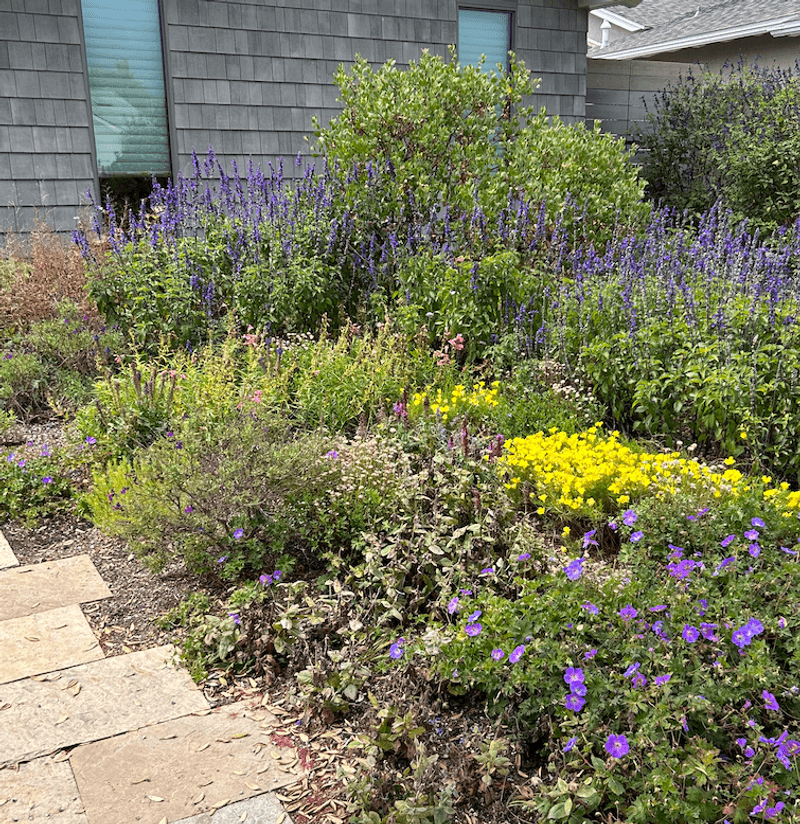
Wildflowers prove that water-wise gardens can burst with color throughout the seasons.
Xeriscaping combines smart planning with plants adapted to survive on minimal moisture.
Desert marigolds, penstemons, and globe mallows bloom reliably without constant watering.
The key involves grouping plants by water needs and using thick mulch layers to retain moisture.
California poppies bring brilliant orange to spring gardens, while desert lupines add purple hues.
These flowers also attract butterflies, bees, and hummingbirds, creating a lively ecosystem right outside your door.
Unlike grass, wildflowers actually benefit from Nevada’s intense sunshine.
Planting in fall gives roots time to establish before summer heat arrives.
Many wildflowers self-seed, meaning they come back year after year without replanting.
Maintenance involves occasional deadheading and cutting back spent stalks in late fall.
The casual, natural look appeals to people tired of formal lawn perfection.
Water usage drops by up to 75% compared to traditional grass.
Children love watching pollinators visit the blooms, turning yards into outdoor classrooms.
3. Edible Desert Landscapes
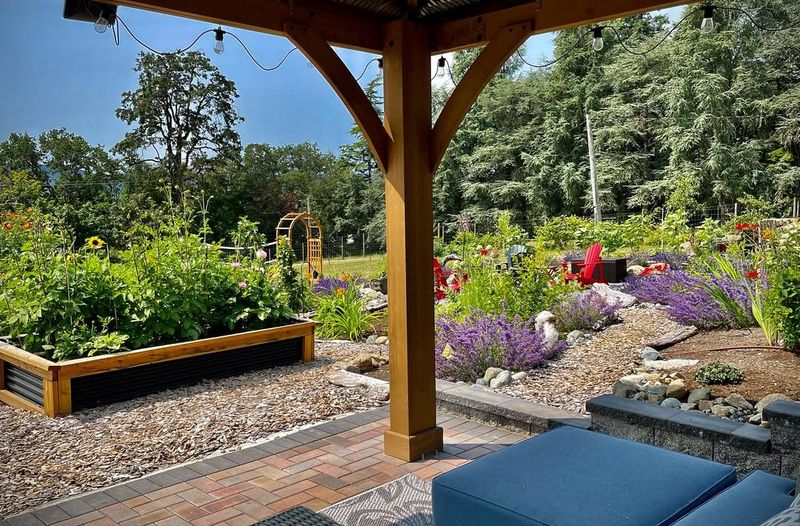
Why grow grass when you can grow food instead?
Edible landscapes transform yards into productive spaces that feed families while using less water than lawns.
Fruit trees like pomegranate, fig, and apricot thrive in Nevada’s climate with proper care.
Raised beds filled with vegetables provide fresh produce from spring through fall.
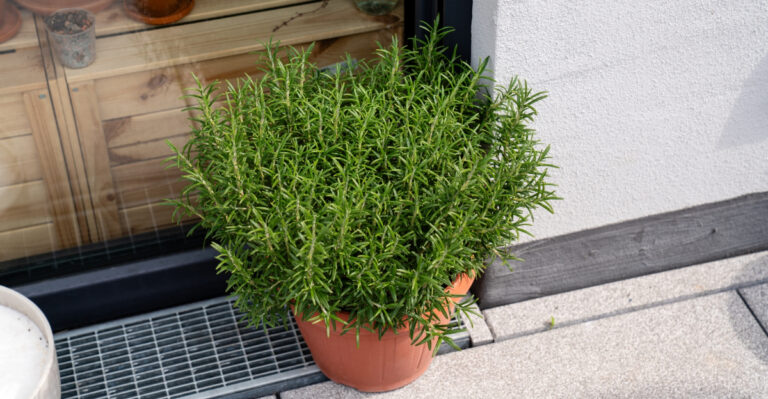
Herbs such as rosemary, thyme, and oregano need minimal water once established and add fragrance to outdoor spaces.
Drip irrigation delivers water directly to plant roots, eliminating waste from evaporation.
Grape vines can cover arbors, providing shade while producing fruit for eating or making juice.
Many families report saving hundreds of dollars annually on groceries after switching to edible landscaping.
Kids become more interested in vegetables when they watch them grow from tiny seeds.
Mixing edibles with ornamental plants creates beautiful designs that don’t look like traditional vegetable gardens.
Composting yard waste and kitchen scraps enriches soil naturally.
This approach requires more active management than some alternatives but rewards effort with fresh, organic food.
Community support grows as neighbors share harvests and gardening tips.
4. Artificial Turf With Desert Borders
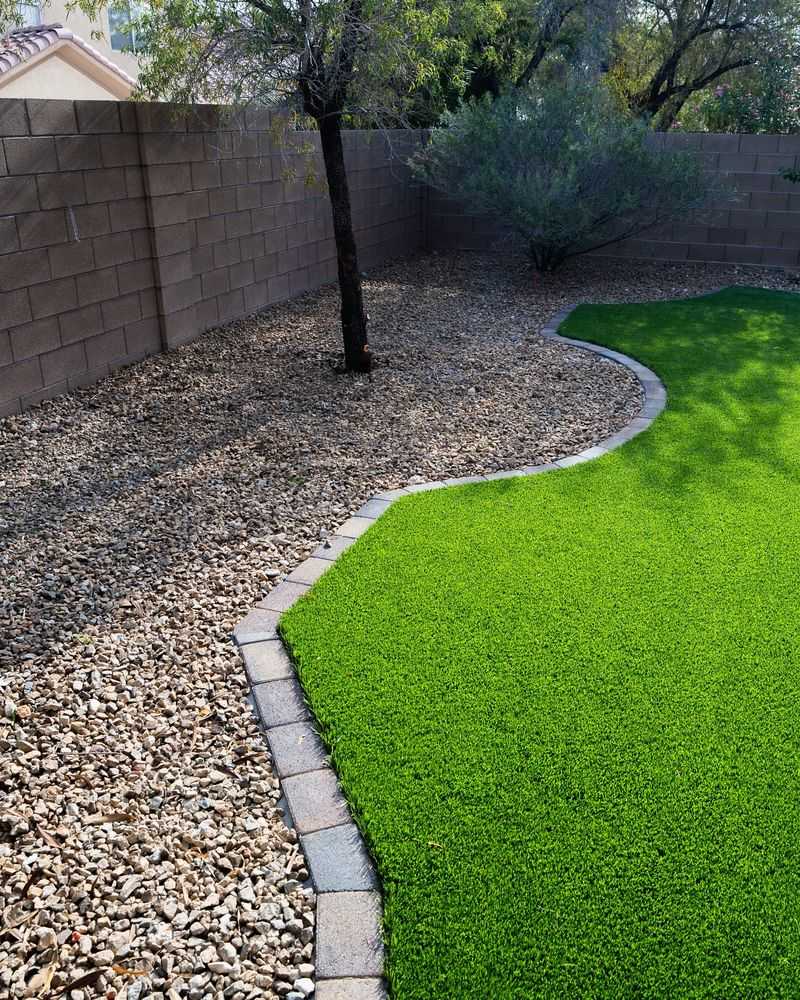
Technology offers a middle ground for families who want green space without the water bill.
Modern artificial turf looks remarkably realistic, with varied blade colors and textures that mimic natural grass.
Installation involves removing existing lawn, adding proper base materials, and laying turf with secure edges.
Quality products include drainage systems that handle rain and pet waste effectively.
Surrounding the turf with desert plants creates visual interest and softens the transition to natural areas.
Red yucca, Mexican feathergrass, and desert spoon work beautifully as border plants.
Families appreciate having a soft play surface for children and pets year-round.
Unlike real grass, artificial turf stays green through scorching summers and cold winters.
Maintenance involves occasional rinsing and brushing to keep fibers upright.
The initial investment costs more than natural alternatives but eliminates ongoing water, fertilizer, and mowing expenses.
Many products now use recycled materials and are themselves recyclable at end of life.
Heat retention can be an issue, but newer versions include cooling technology.
This option works especially well for small yards where every square foot matters.
5. Gravel Courtyards With Potted Plants
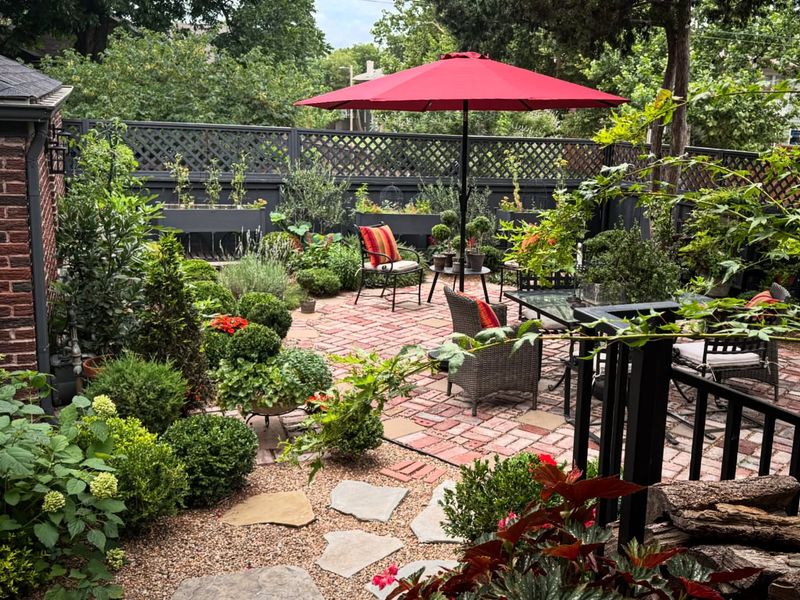
Courtyards bring Mediterranean elegance to Nevada homes while using almost no water.
Decomposed granite or pea gravel creates a smooth, stable surface that drains perfectly.
Large ceramic or concrete pots become focal points, filled with architectural plants like agave or ornamental grasses.
Arranging containers in groups creates visual impact and makes watering more efficient.
This flexible design allows homeowners to rearrange elements whenever they want a fresh look.
Outdoor furniture fits naturally into gravel courtyards, creating seamless indoor-outdoor living spaces.
String lights or lanterns add ambiance for evening gatherings.
Potted plants can move to protected areas during extreme weather or freeze warnings.
The neutral gravel background makes colorful pots and plants stand out dramatically.
Maintenance involves occasional raking to keep gravel even and refreshing it every few years.
Weed barrier fabric underneath prevents unwanted plants from sprouting through.
Many people add a small fountain as a centerpiece, with recirculating water providing soothing sounds.
This design works equally well for front yards, backyards, and side yards.
Costs remain moderate, and installation can happen over a weekend.
6. Native Grass Meadows
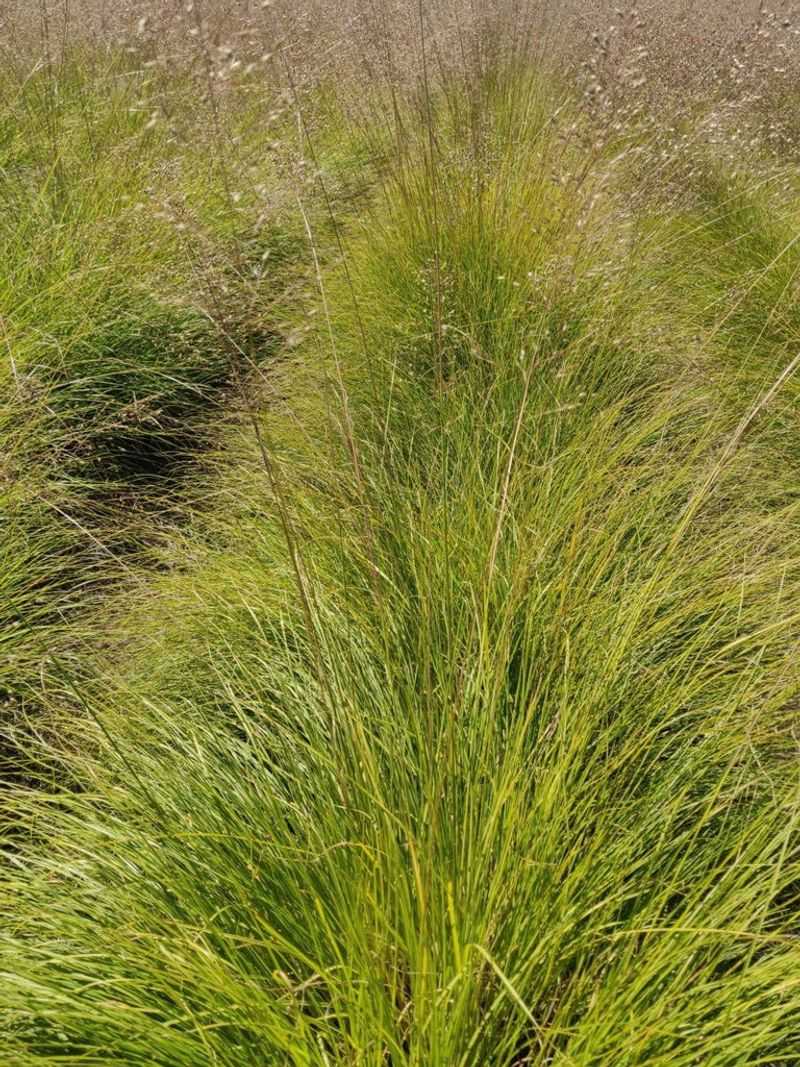
Ornamental grasses bring movement and texture without demanding constant care.
Native species like blue grama, Indian ricegrass, and deer grass evolved to thrive in Nevada conditions.
These grasses grow in flowing clumps rather than dense carpets, creating a naturalistic meadow effect.
Their root systems reach deep into soil, accessing moisture that shallow lawn roots never find.
Seed heads add visual interest and provide food for birds through fall and winter.
The golden, bronze, and silver tones change with seasons, offering year-round beauty.
Wind makes the grasses dance and rustle, adding sound and motion to outdoor spaces.
Once established, these meadows need watering only during the hottest weeks.
Annual maintenance involves cutting back old growth in late winter before new shoots emerge.
Mixing grasses with wildflowers creates even more diversity and color.
This approach works especially well for larger properties where formal gardens feel out of place.
Native grass meadows support local wildlife, including beneficial insects and ground-nesting birds.
The informal style appeals to homeowners seeking a relaxed, natural aesthetic.
Water savings reach 80% compared to traditional lawns.
7. Shade Garden Oases With Trees
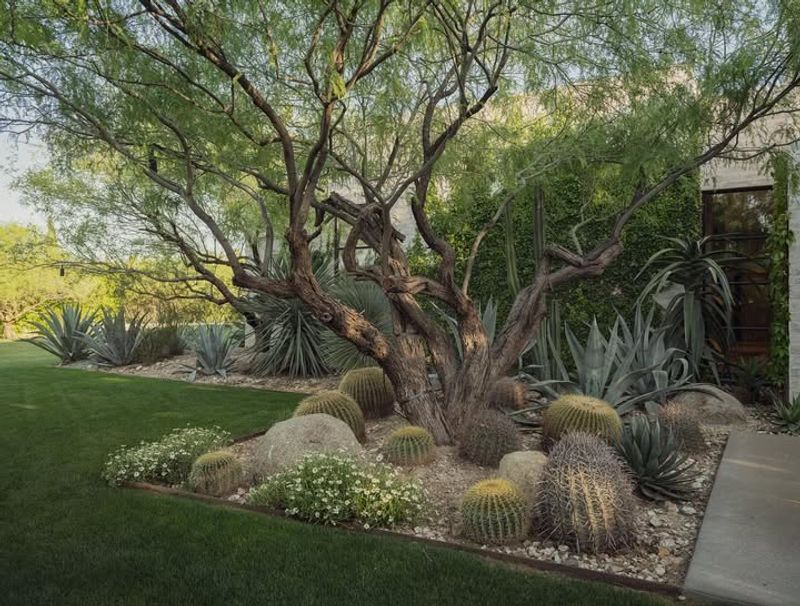
Strategic tree placement creates cool retreats even in Nevada’s intense heat.
Desert willow, palo verde, and mesquite provide filtered shade while using moderate water.
Under these canopies, shade-tolerant plants like coral bells, autumn sage, and ferns flourish.
The temperature difference between sunny and shaded areas can reach 20 degrees on summer days.
Families naturally gravitate to these spaces for outdoor meals and relaxation.
Mulch layers under trees retain moisture and gradually enrich soil as they decompose.
Birds nest in branches, and shade plants attract different pollinators than sun-loving species.
Deciduous trees allow winter sun to warm spaces while providing summer cooling.
Pathways winding through shade gardens invite exploration and create a sense of journey.
Benches or hammocks transform these areas into true outdoor rooms.
Young trees need regular watering, but mature specimens become quite self-sufficient.
This design increases property value by creating usable outdoor space year-round.
Combining trees with understory plants mimics natural desert oases where diverse life concentrates.
The layered structure provides habitat for various wildlife species.
8. Decomposed Granite Pathways With Hardscape Features
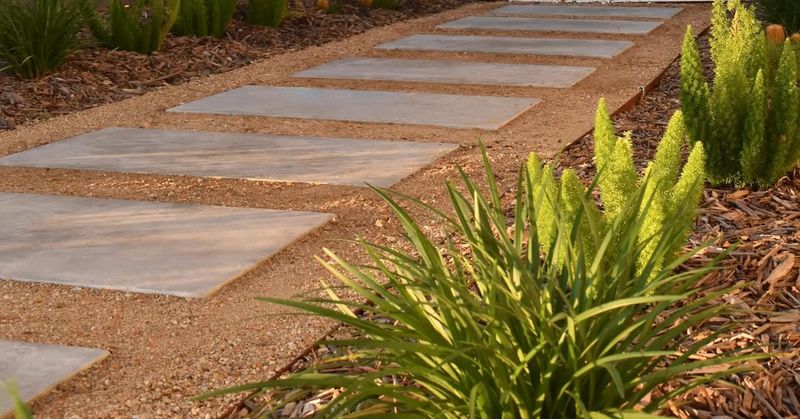
Pathways define spaces and guide movement without requiring water or maintenance.
Decomposed granite compacts firmly, creating stable surfaces that feel natural underfoot.
Colors range from warm tan to reddish brown, complementing Nevada’s desert palette.
Built-in seating walls from stacked stone or concrete blocks add function and visual interest.
Fire pits become gathering spots for cool evenings, extending outdoor living seasons.
Raised planters along pathways showcase special plants at eye level.
The hardscape structure remains constant while plants change with seasons.
Proper installation includes edge restraints to keep materials from spreading into planting areas.
Lighting along pathways ensures safe navigation after dark and highlights design elements.
This approach works brilliantly for sloped yards where grass struggles.
Retaining walls can create level terraces for different activity zones.
Water features with recirculating pumps add sensory appeal without waste.
Hardscape elements last decades with minimal upkeep, unlike lawns that need constant attention.
The clean lines suit contemporary architecture while natural materials blend with traditional styles.
This investment pays off through increased usable space and reduced maintenance costs.
9. Pollinator Gardens With Native Shrubs
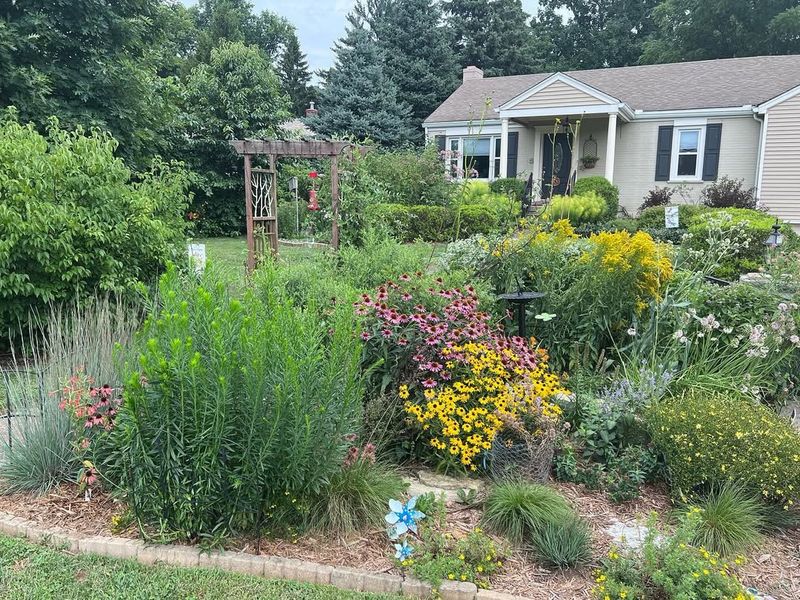
Supporting local ecosystems creates gardens that buzz with life and color.
Native shrubs like chuparosa, brittlebush, and fairy duster bloom when pollinators need food most.
Butterflies, native bees, and hummingbirds visit these plants throughout the growing season.
Watching pollinators work provides endless entertainment and teaches children about nature’s interconnections.
These gardens require no pesticides since native plants resist local pests naturally.
Shrubs grow larger than perennials, filling space quickly and providing substantial visual impact.
Many bloom during different months, ensuring continuous color from spring through fall.
Water needs drop significantly after the first year as deep roots establish.
Pruning maintains shape and encourages fuller growth, but plants look attractive even without constant trimming.
Nevada’s pollinator populations face challenges from habitat loss, making home gardens increasingly important.
Local nurseries increasingly stock native species as demand grows.
Some shrubs produce berries that feed birds during migration and winter months.
The layered heights of different shrubs create depth and prevent the flat look of traditional lawns.
This design choice contributes to environmental health while reducing yard work and water bills.