7 Moisture-Loving Native Flowers For Western Pennsylvania Gardens
Some garden spots always seem a little harder to fill than others. In Western Pennsylvania, low areas, damp borders, and places that stay moist after rain can feel tricky if you are not sure what actually wants to grow there.
A lot of popular flowers prefer things on the drier side, which means those wetter parts of the yard often end up looking patchy, overcrowded, or just plain ignored. But that is exactly where the right native flowers can really shine.
Moisture-loving native plants already know how to handle those conditions, so instead of struggling through wet soil, they settle in and make the most of it.
Many of them bring bright color, soft texture, and the kind of natural beauty that makes a garden feel more alive and grounded in its surroundings.
They also tend to support pollinators and fit the local landscape in a way that feels easy rather than forced. If you have a damp corner that never seems quite right, this is where things can start looking a lot more promising.
With the right native flowers, those moisture-rich spots can turn into some of the prettiest parts of the whole garden.
1. Cardinal Flower
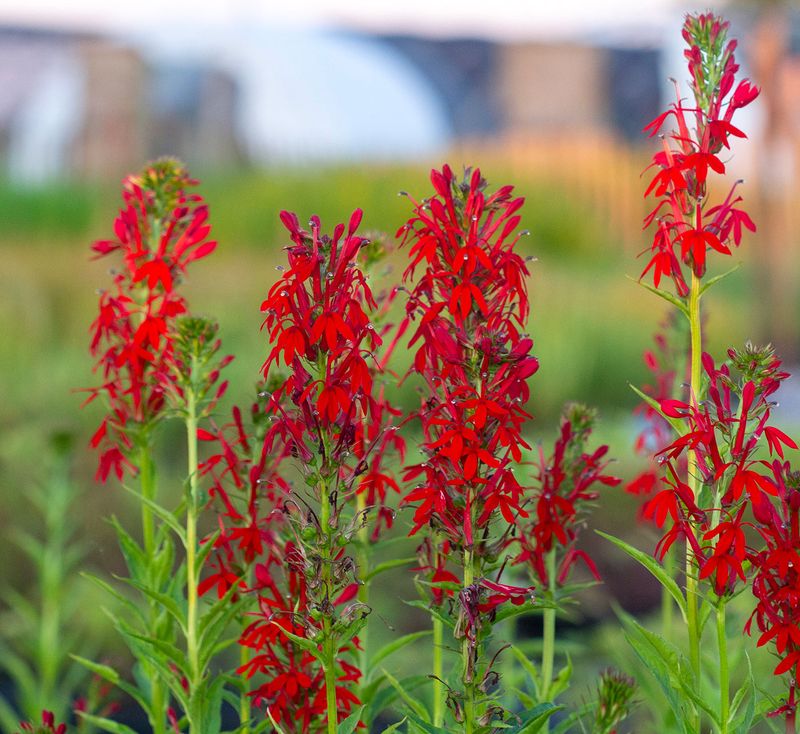
Few plants stop people in their tracks the way the Cardinal Flower does. Those bold, flame-red blooms are unlike anything else you will find growing along a stream bank or in a rain garden in Western Pennsylvania.
The color is so intense that hummingbirds can spot it from a distance, and they will visit again and again all season long.
Cardinal Flower blooms from mid-summer to early fall, which is a great time to add color to your outdoor space. It grows best in full sun to partial shade and really loves moist to wet soil.
You will often find it naturally growing along stream edges and in wetland areas throughout the region, which tells you a lot about where it is happiest.
Planting it near a rain garden or a low-lying area in your yard is a smart move. It grows between two and four feet tall, so it makes a strong visual statement without taking over the space.
Butterflies also love this plant, not just hummingbirds, so expect a lot of wildlife activity around it.
One tip to keep in mind is that Cardinal Flower can be short-lived if left alone. It self-seeds readily, though, so new plants will often pop up nearby each year.
Letting those seedlings grow is the easiest way to keep a healthy patch going. For Western Pennsylvania gardeners dealing with wet spots, this plant is one of the most rewarding choices you can make.
2. Blue Flag Iris (Iris Versicolor)
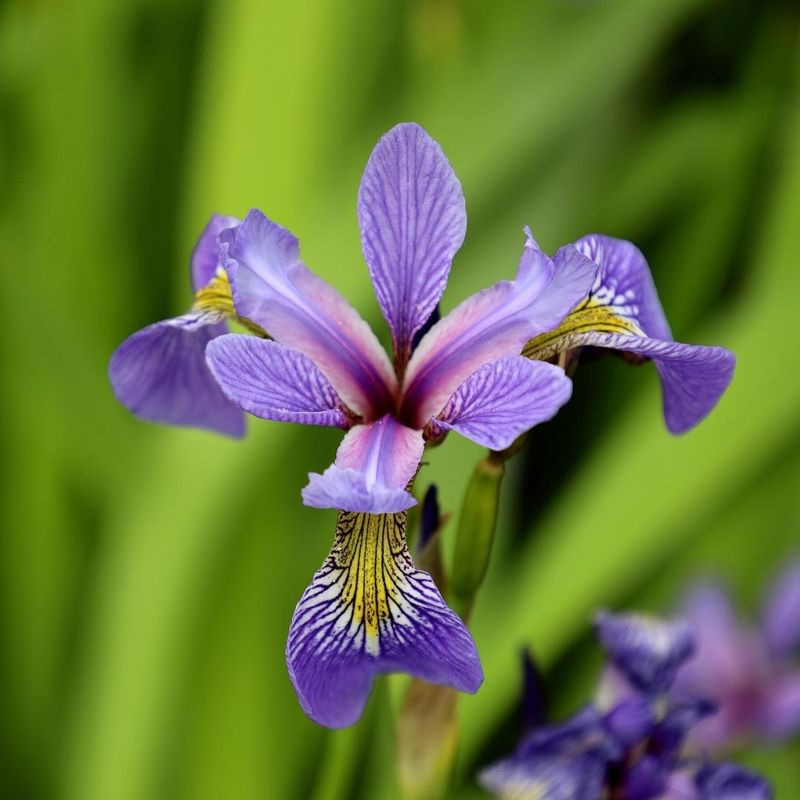
There is something almost magical about walking past a pond edge and seeing clusters of blue-purple flowers swaying gently in the breeze. Blue Flag Iris brings that kind of quiet drama to any wet garden space in Western Pennsylvania.
It blooms in late spring, usually between May and June, right when the garden is waking up and needing some serious color.
This native iris loves wet soils and does especially well near pond edges, rain gardens, and low spots that collect water after heavy rain. It can even grow with its roots partially submerged, which makes it one of the more flexible moisture-loving plants available to local gardeners.
The blooms themselves are a gorgeous mix of blue, violet, and purple with delicate yellow and white markings that look almost hand-painted.
Blue Flag Iris grows two to three feet tall and forms attractive clumps over time. The sword-shaped leaves stay green and tidy throughout the growing season, so the plant looks good even when it is not in bloom.
That is a bonus for anyone who wants year-round structure in their garden beds. Did you know that Blue Flag Iris is also an important plant for native bees? The flower shape is perfectly designed to guide pollinators right to the nectar.
It is a win for your garden and for local wildlife. If you have a soggy corner in your Western Pennsylvania yard that feels like a problem, this iris is ready to prove otherwise.
3. Joe-Pye Weed (Eutrochium Purpureum)
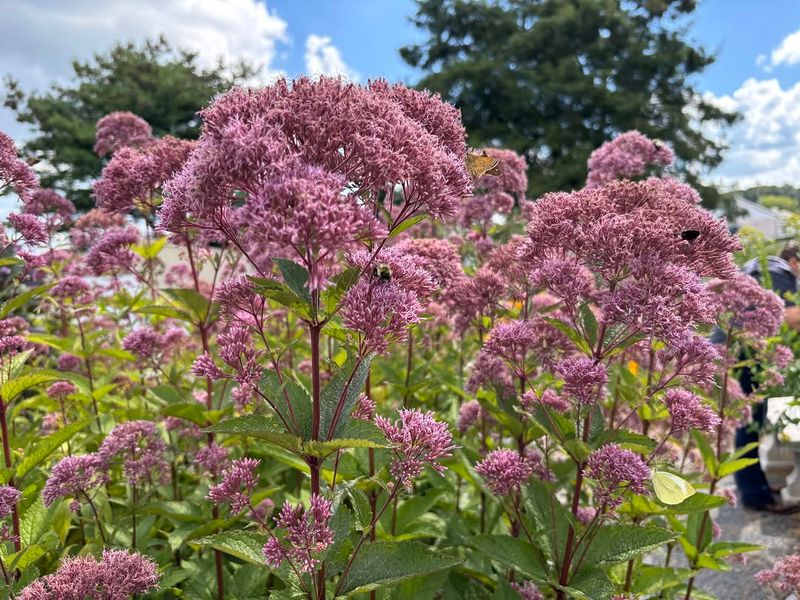
Do not let the name fool you. Joe-Pye Weed is anything but a weed, and once you see it in full bloom, you will wonder why it took you so long to plant it.
Rising anywhere from four to seven feet tall, this native powerhouse fills a moist garden bed with enormous soft pink-purple flower clusters that practically glow in late summer sunlight.
Named after a Native American herbalist who reportedly used it medicinally, Joe-Pye Weed has deep roots in American plant history. In Western Pennsylvania, it thrives in moist meadows, rain gardens, and along the edges of wooded areas.
Full sun to partial shade works perfectly for this plant, and it handles wet soil without any complaints.
Pollinators go absolutely wild for Joe-Pye Weed. Monarch butterflies, swallowtails, bees, and other beneficial insects flock to its blooms from late summer into fall.
If supporting local pollinators matters to you, this plant earns a top spot on your list. It blooms when many other flowers are fading, which makes it even more valuable in the garden.
Because of its height, Joe-Pye Weed works best at the back of a garden border or as a natural screen along a fence. It spreads slowly by rhizomes and self-seeds, so you can expect it to fill in nicely over a few seasons.
Western Pennsylvania gardeners who want bold structure, long-lasting blooms, and serious wildlife value will find this plant incredibly rewarding year after year.
4. Swamp Milkweed (Asclepias Incarnata)
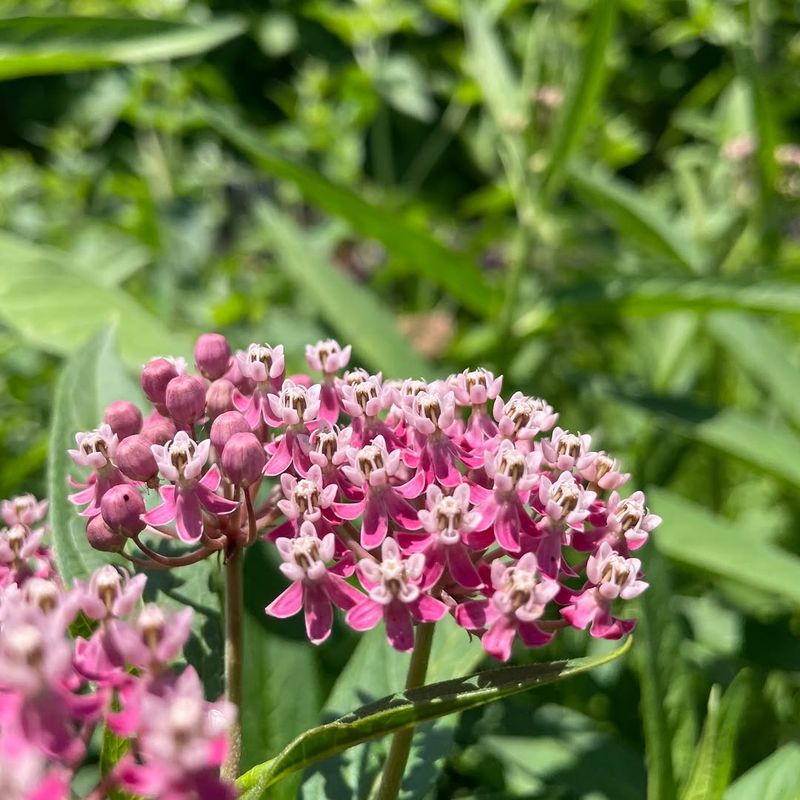
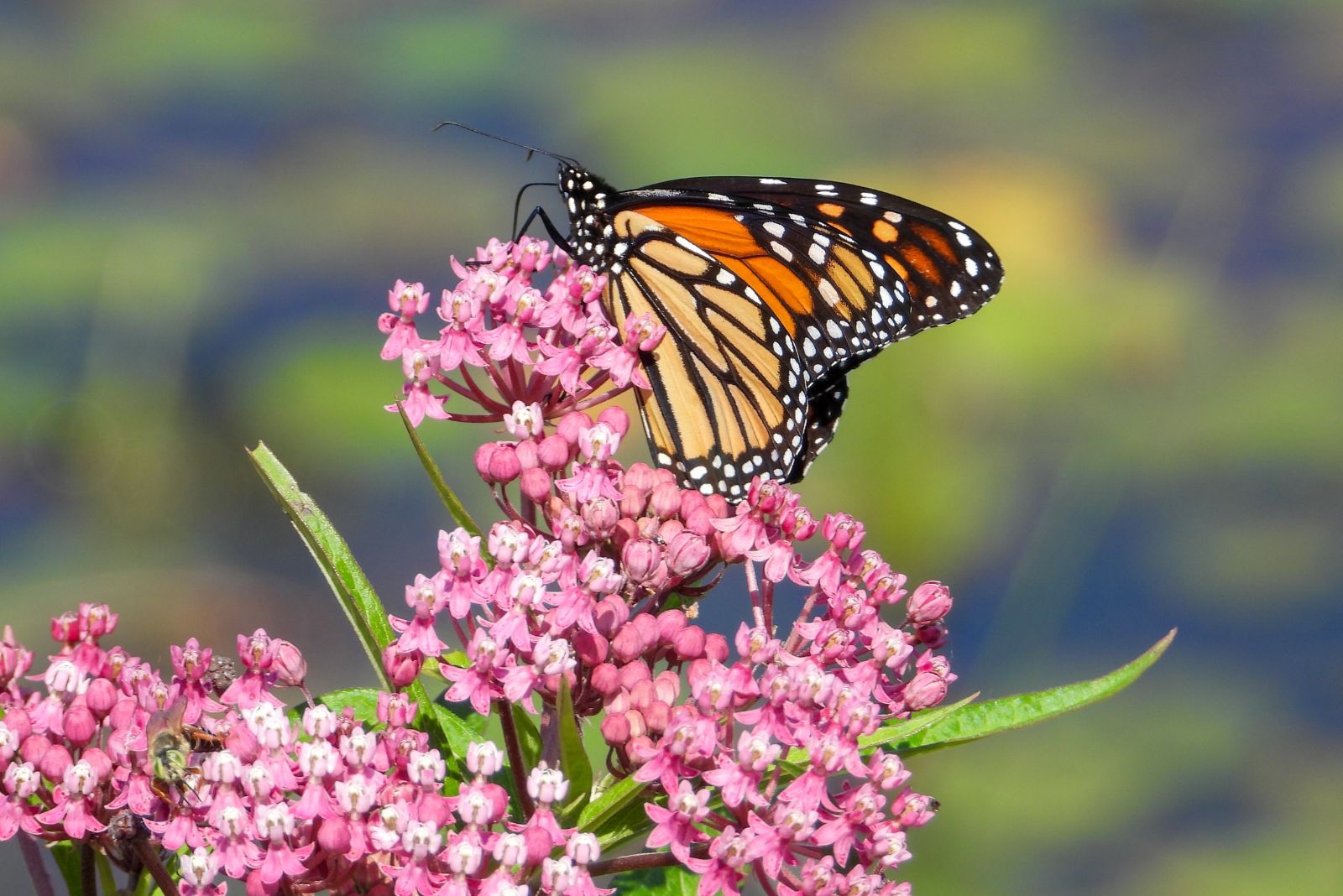
Every garden in Western Pennsylvania that wants to support monarch butterflies needs at least one patch of Swamp Milkweed. Unlike its drier cousin, Common Milkweed, this species genuinely thrives in consistently moist and even wet soils.
It is a native perennial that blooms from June all the way through October, giving monarchs and other pollinators a reliable food source for months.
The flowers are a lovely rosy pink and carry a light, sweet fragrance that is noticeable on warm summer afternoons.
Swamp Milkweed grows three to four feet tall and produces multiple flower clusters at once, so a small grouping of plants creates a really impressive display. Full sun is ideal, but it can handle a bit of afternoon shade without too much trouble.
Beyond its beauty, this plant plays a critical role in the monarch butterfly life cycle. Monarch caterpillars can only eat milkweed leaves, and Swamp Milkweed is one of the best native options for wet garden settings in the region.
Planting it in a rain garden or near a low-lying area gives it the moisture it craves while helping local butterfly populations thrive.
After the flowers fade, Swamp Milkweed produces elegant seed pods that split open to release fluffy white seeds in fall. Those seeds catch the light beautifully and add late-season interest to the garden.
For Western Pennsylvania gardeners who care about conservation and want a plant that truly earns its space, Swamp Milkweed is an easy and enthusiastic yes.
5. Great Blue Lobelia (Lobelia Siphilitica)
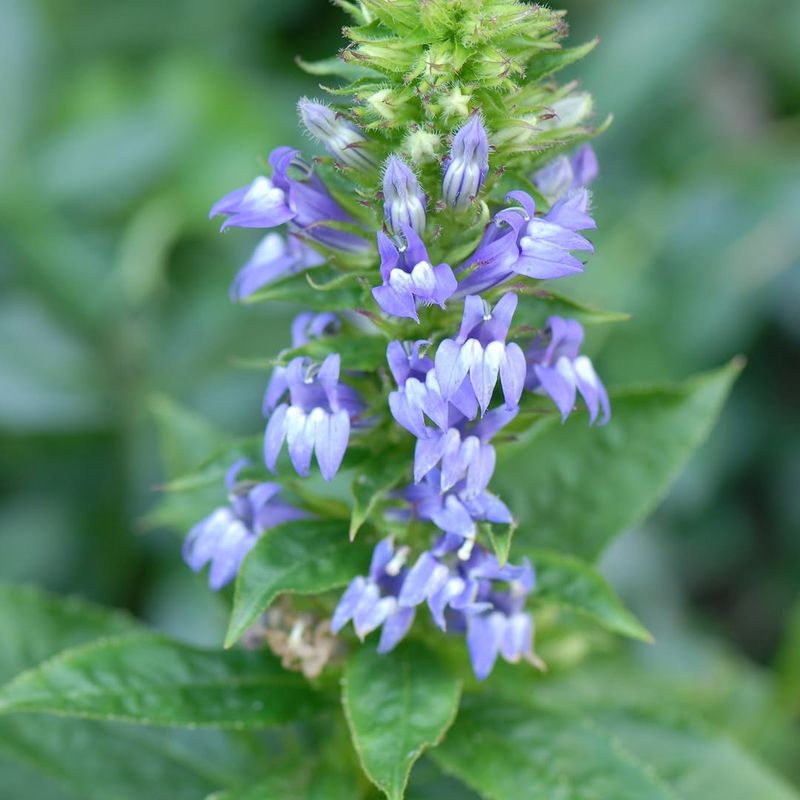
Just when the rest of the garden starts to slow down in late summer, Great Blue Lobelia steps up and puts on a show.
Its tall spikes of rich blue flowers bloom from August into October, filling in the color gap that so many gardens experience at the end of the season. In Western Pennsylvania, that kind of late-season performance is genuinely appreciated.
Great Blue Lobelia grows one to three feet tall and does best in moist to wet soils with partial shade. It is a natural fit for rain gardens, stream banks, and shaded garden beds that stay consistently damp.
Unlike many shade plants that offer only foliage interest, this one delivers striking floral color even in lower light conditions.
Hummingbirds and bumblebees are especially attracted to Great Blue Lobelia. The tubular flower shape is perfectly designed for long-tongued pollinators, and watching a hummingbird work its way up a flower spike is one of the real pleasures of having this plant nearby.
It also pairs beautifully with Cardinal Flower, since both bloom around the same time and share similar growing conditions.
One thing that makes this plant extra easy to love is how readily it self-seeds. Once established in a moist spot, it tends to spread on its own over time, creating natural drifts of blue color without much effort from the gardener.
For anyone in Western Pennsylvania looking to brighten up a shady, wet corner of the yard, Great Blue Lobelia is a genuinely exciting option to grow.
6. Turtlehead (Chelone Glabra)
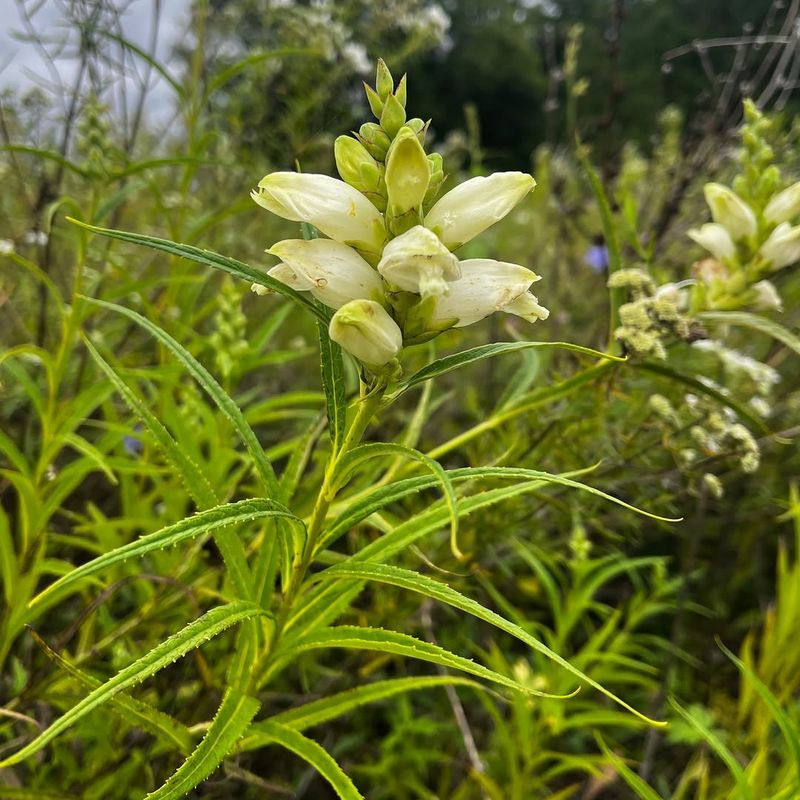
Take one look at Turtlehead in bloom and you will immediately understand where the name came from.
The flowers really do look like tiny turtle heads with open mouths, and that quirky shape makes this native plant one of the most memorable additions to any moist Western Pennsylvania garden. It is a conversation starter every single time.
Chelone glabra blooms in late summer and early fall, producing clusters of white or pale pink flowers on upright stems that reach two to three feet tall.
It thrives in damp soil and partial shade, which makes it a natural choice for spots under trees near a stream or in a rain garden that gets filtered light. Few plants handle those tricky conditions as gracefully as Turtlehead does.
Beyond its looks, Turtlehead is an important host plant for the Baltimore Checkerspot butterfly, a striking native species found in Western Pennsylvania. Female butterflies lay their eggs on Turtlehead leaves, and the caterpillars feed on the foliage as they grow.
Planting Turtlehead is a direct way to support this beautiful and increasingly rare butterfly in your local area.
Turtlehead is also refreshingly low-maintenance once it gets settled. It spreads slowly by rhizomes to form tidy clumps, and it does not require much fertilizing or fussing.
Just give it consistent moisture and some protection from harsh afternoon sun, and it will reward you with reliable blooms year after year. For Western Pennsylvania gardeners who love native plants with a story, this one is absolutely worth growing.
7. Monkey Flower (Mimulus Ringens)
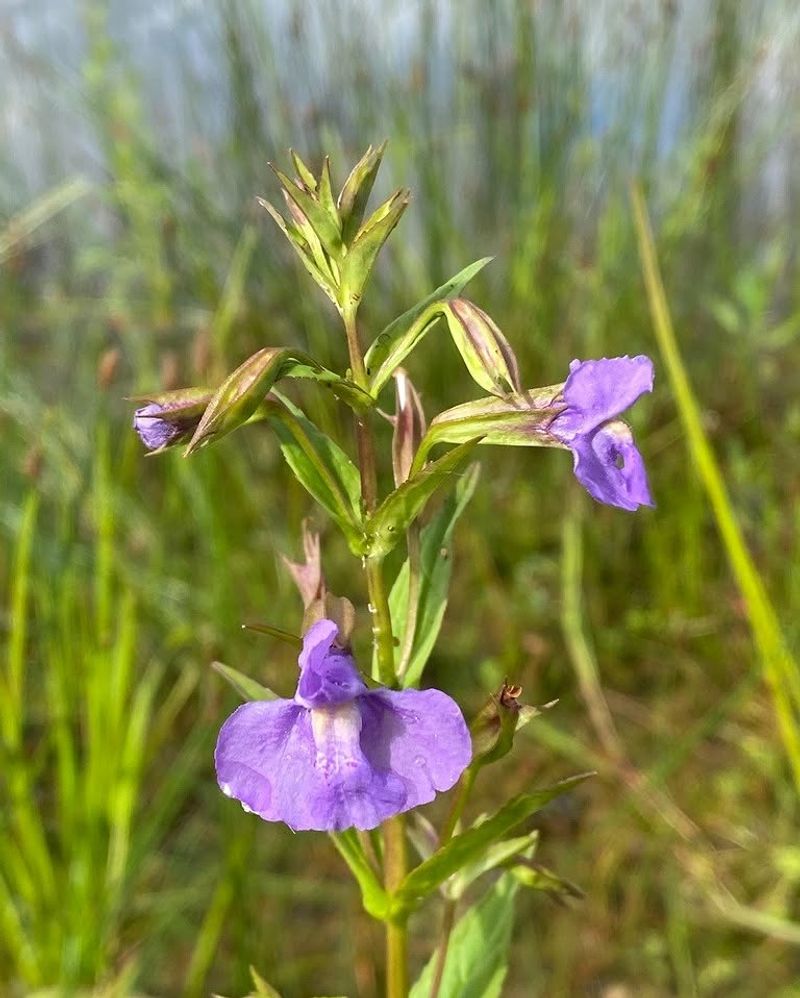
Somewhere between charming and quirky, Monkey Flower earns its unusual name from the little face-like shape of its blooms.
Up close, each small blue-violet flower looks almost like a grinning monkey, which gives this native plant a playful personality that is hard to resist. It is one of those plants that makes you smile every time you walk past it.
Mimulus ringens is a true water-lover and one of the most adaptable native flowers for wet spots in Western Pennsylvania.
It thrives along stream edges, in rain gardens, and in any low area that stays consistently moist throughout the growing season. Full sun to partial shade both work well, giving gardeners some flexibility in placement.
Blooming from June through September, Monkey Flower produces a steady stream of lavender-blue flowers on square stems that grow one to three feet tall. Bumblebees are its biggest fans, and they visit the flowers regularly to collect nectar.
Because it blooms over such a long stretch of the summer, it is a dependable source of food for pollinators during the hottest months of the year.
Monkey Flower self-seeds easily and can naturalize in wet areas over time, gradually spreading to fill in a stream bank or rain garden without needing much help from you.
It is also highly tolerant of flooding and standing water, which is rare even among moisture-loving plants.
For Western Pennsylvania gardeners dealing with persistently wet ground, Monkey Flower is one of the most practical and cheerful native choices available anywhere in the region.