Most California Gardeners Are Making These Raised Bed Soil Mistakes
Building a raised bed in California feels like a shortcut to a perfect garden, but what you put inside those four walls matters more than the wood itself.
Many people treat their raised beds like oversized pots or miniature versions of their backyard soil, which usually leads to stunted plants and frustrated weekends.
Our unique climate, with its intense sun and long dry spells, means the dirt in your raised beds has to work twice as hard to stay hydrated and nutrient-rich.
It is easy to fall into the trap of buying the cheapest bags at the big-box store or over-complicating things with too many additives. Often, the very things people do to “help” their soil actually end up suffocating the roots or creating a drainage nightmare.
If your vegetables are looking yellow or your flowers are wilting despite daily watering, the issue is likely hiding beneath the surface. Avoiding a few common tactical errors can turn a struggling planter into a high-production powerhouse that lasts for years.
1. Using Heavy Garden Soil
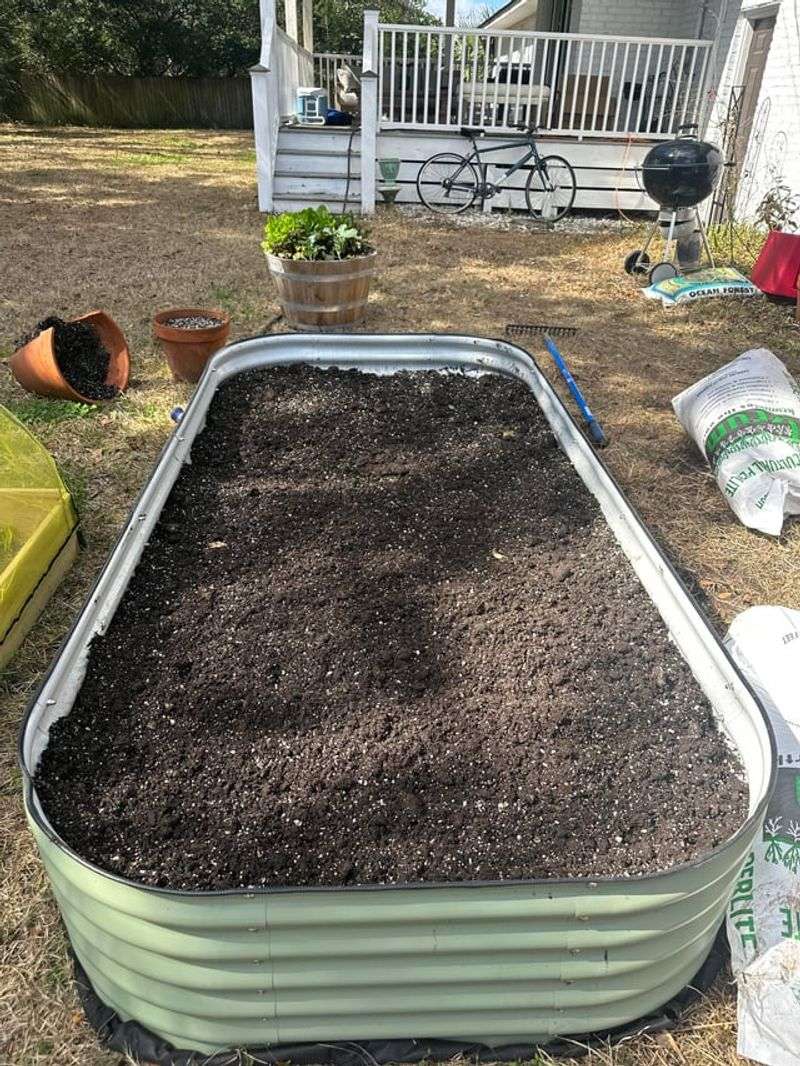
Walk into any California hardware store and you will find bags of garden soil stacked high, looking like a simple solution for your raised bed. The problem is that regular garden soil is not made for raised beds at all.
It is too dense, too heavy, and it compacts quickly once it is inside a contained box.
When soil compacts, roots struggle to push through it. Water also has a hard time draining properly, which can lead to soggy conditions that stress your plants.
California summers are hot and dry, and compacted soil makes it even harder for plants to access the moisture and nutrients they need.
A better approach is to use a custom raised bed mix. Many experienced California gardeners swear by a blend of roughly 40% compost, 40% topsoil, and 20% perlite or vermiculite.
This combination stays loose and airy even after months of watering. Roots can spread easily, and water moves through the bed at just the right pace.
Switching away from heavy garden soil is one of the simplest and most impactful changes you can make to improve your raised bed garden results right away.
2. Skipping Compost
Compost is the heartbeat of a productive raised bed. Without it, your soil is basically just a growing medium with very little to offer your plants.
Many California gardeners skip compost because they think the soil they bought is already good enough, but that is rarely the case.
Compost feeds the billions of tiny microbes that live in healthy soil. Those microbes break down organic material and release nutrients that plants can actually absorb.
Without compost, the soil food web collapses, and your vegetables end up pale, slow-growing, and underwhelming.
California’s warm temperatures actually speed up the breakdown of organic matter, which means your soil loses nutrients faster than gardens in cooler states. Adding compost at least once or twice a year is not optional here, it is essential.
You can make your own from kitchen scraps and yard waste, or buy a quality bagged version from your local garden center.
Mix a few inches of compost into the top layer of your raised bed before each planting season. Your plants will respond almost immediately with stronger growth, deeper green color, and better fruit production.
Compost is cheap, easy to use, and one of the best investments a California gardener can make.
3. Using Too Little Organic Matter
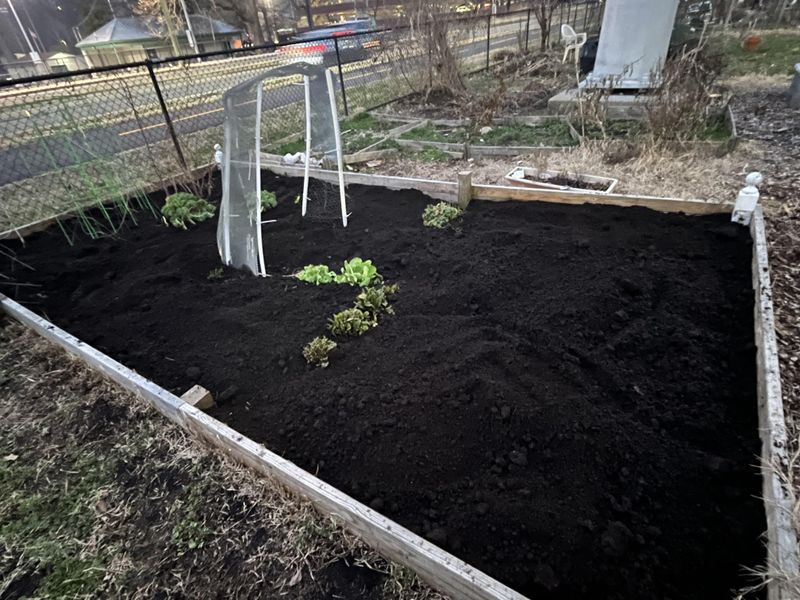
Compost alone is a great start, but it is not the only form of organic matter your raised bed needs. Many California gardeners focus on just one amendment and miss the bigger picture.
Organic matter includes things like aged manure, straw, worm castings, leaf mold, and cover crops. Each one brings something different to the soil.
Organic matter improves soil structure, holds moisture, feeds soil life, and slowly releases nutrients over time. In California’s dry summers, moisture retention is a huge deal.
Soil that is rich in organic matter can hold onto water much longer between waterings, which saves time and keeps plants from stressing out on hot days.
A common rule of thumb is to aim for at least 5% organic matter content in your raised bed soil. Most store-bought mixes fall well below that.
Over time, organic matter breaks down and the percentage drops further, especially in California’s warm climate where decomposition happens fast.
Top-dressing your raised bed with worm castings or aged compost every few months keeps organic matter levels healthy. You can also plant cover crops like clover or vetch in the off-season to naturally add organic material back into the soil.
Small, consistent additions make a big difference over time.
4. Ignoring Drainage Problems
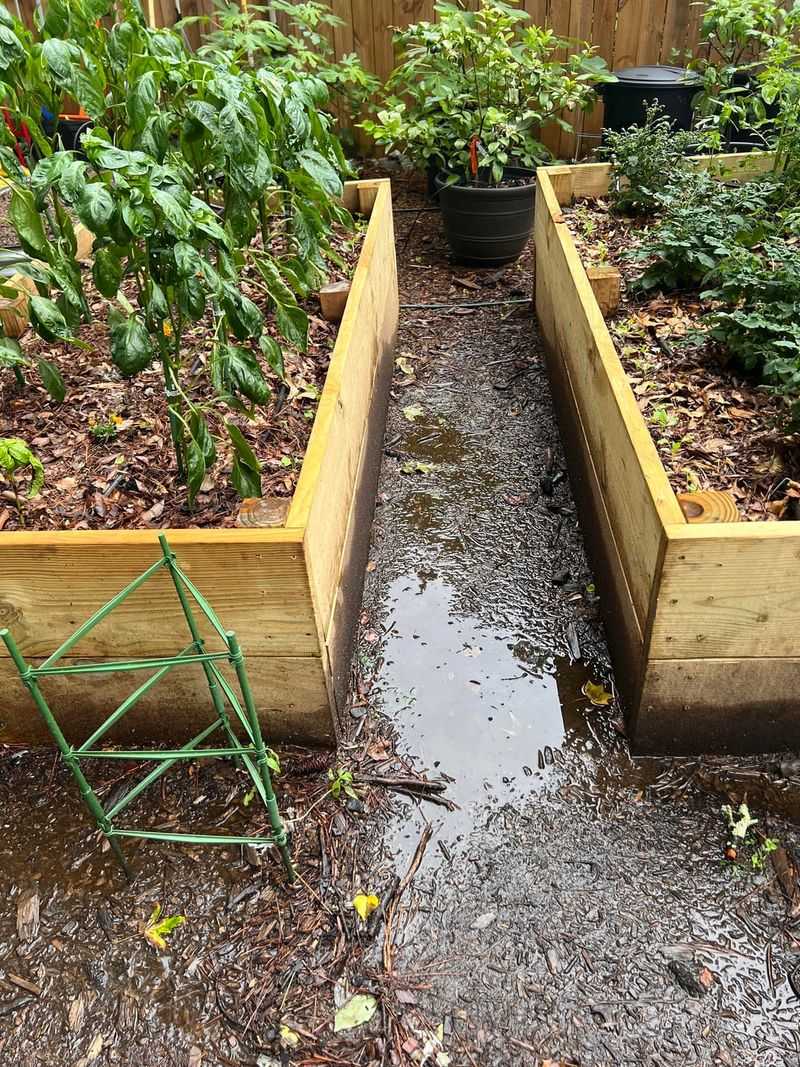
Poor drainage is one of the sneakiest problems in raised bed gardening. You might not notice it right away, but over time it quietly wrecks your soil structure and stresses your plants.
A lot of California gardeners set up their beds without thinking about where the water goes after they irrigate.
Raised beds are supposed to drain better than in-ground gardens, but that only works if the soil mix and the bed placement are right. If your bed sits on hard clay soil or concrete, water can pool at the bottom and create a soggy layer that roots hate.
Even a well-draining mix can fail if water has nowhere to escape.
One easy fix is to loosen the ground beneath your raised bed before filling it. If you are placing it on a hard surface, consider adding a gravel layer at the bottom for extra drainage.
Also, avoid using weed fabric at the base of your bed, since it can slow down water movement over time.
Check your soil after a heavy watering or rain. If water is still sitting on the surface 30 minutes later, drainage is a problem worth addressing.
Fixing it early saves your plants and your soil from a lot of unnecessary stress throughout California’s growing season.
5. Filling Beds With Poor-Quality Mix
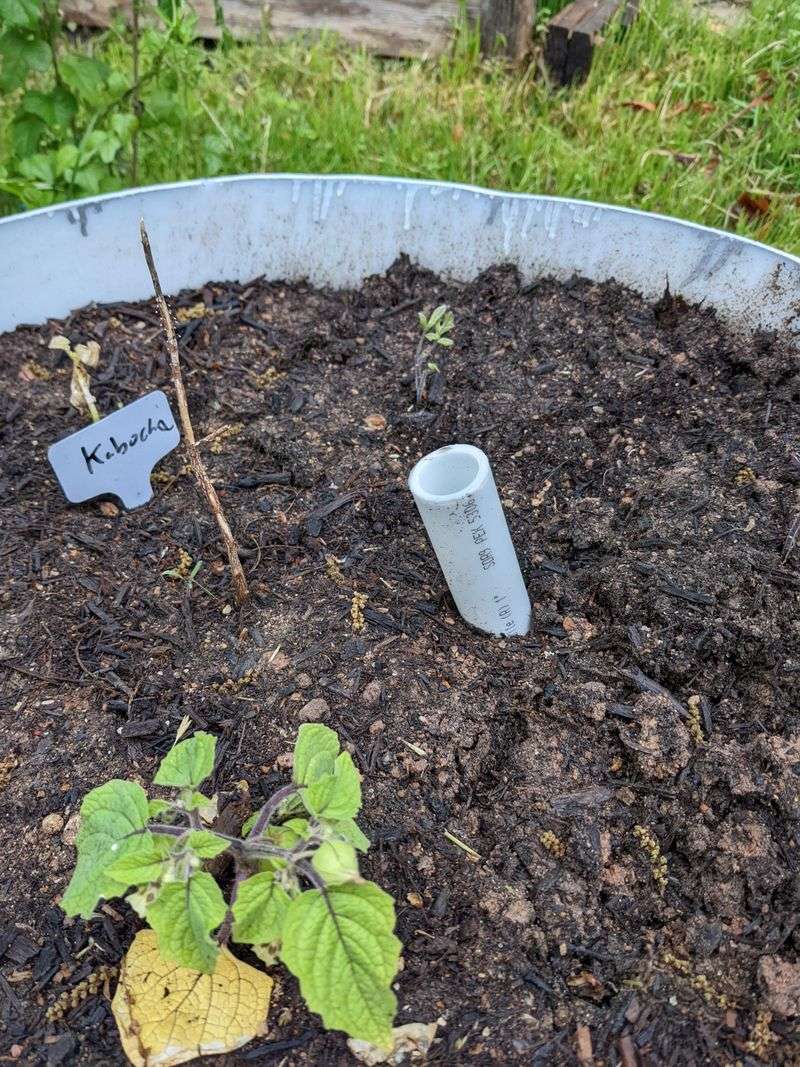
Not all raised bed soil mixes are created equal. Walk down the garden aisle at a big box store in California and you will find bags labeled raised bed mix that are mostly bark, filler, and very little actual nutrition.
Grabbing the cheapest option can set your garden back from the very beginning.
Poor-quality mixes often drain too fast, dry out quickly, and offer almost no nutrients to young plants. They also tend to shrink dramatically after a few weeks of watering, leaving your bed half-empty and your plants struggling in shallow, compacted material.
Reading the label before you buy is worth the extra minute. Look for mixes that include compost, topsoil, and a drainage amendment like perlite.
Avoid mixes that list bark fines or wood chips as the first ingredient. Those materials are bulky and cheap but do very little for plant nutrition or root health.
If you are unsure about a product, ask at your local California nursery. Staff at independent garden centers usually know what works best for the local climate and can point you toward trusted brands.
Spending a little more on quality soil upfront saves you money on fertilizer, water, and replacement plants later in the season.
6. Forgetting To Replenish Nutrients
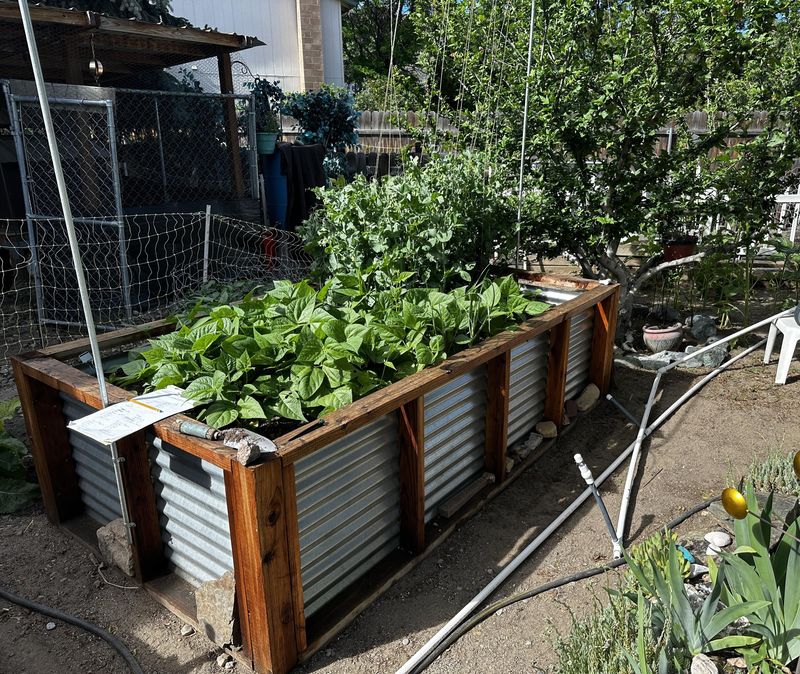
Every time you harvest a tomato, pull a head of lettuce, or yank out a spent plant, nutrients leave your raised bed. Those nutrients do not magically come back on their own.
Many California gardeners plant season after season without ever putting anything back into the soil, and then wonder why their harvests get smaller every year.
California’s long growing season is amazing for productivity, but it also means your soil gets depleted faster than in shorter-season states. You might be running two or even three growing cycles per year, which puts a serious demand on your soil’s nutrient reserves.
The simplest way to replenish nutrients is to add a few inches of compost before each new planting. Beyond that, a balanced organic fertilizer applied monthly during the growing season keeps things topped off.
Look for fertilizers with a good mix of nitrogen, phosphorus, and potassium, plus trace minerals.
Doing a simple soil test every year or two is also a smart habit for California gardeners. Tests are inexpensive and tell you exactly what your soil is missing.
Then you can amend with purpose instead of guessing. A well-fed raised bed will reward you with bigger harvests and healthier plants from the first week of spring through the last warm days of fall.
7. Overwatering The Bed
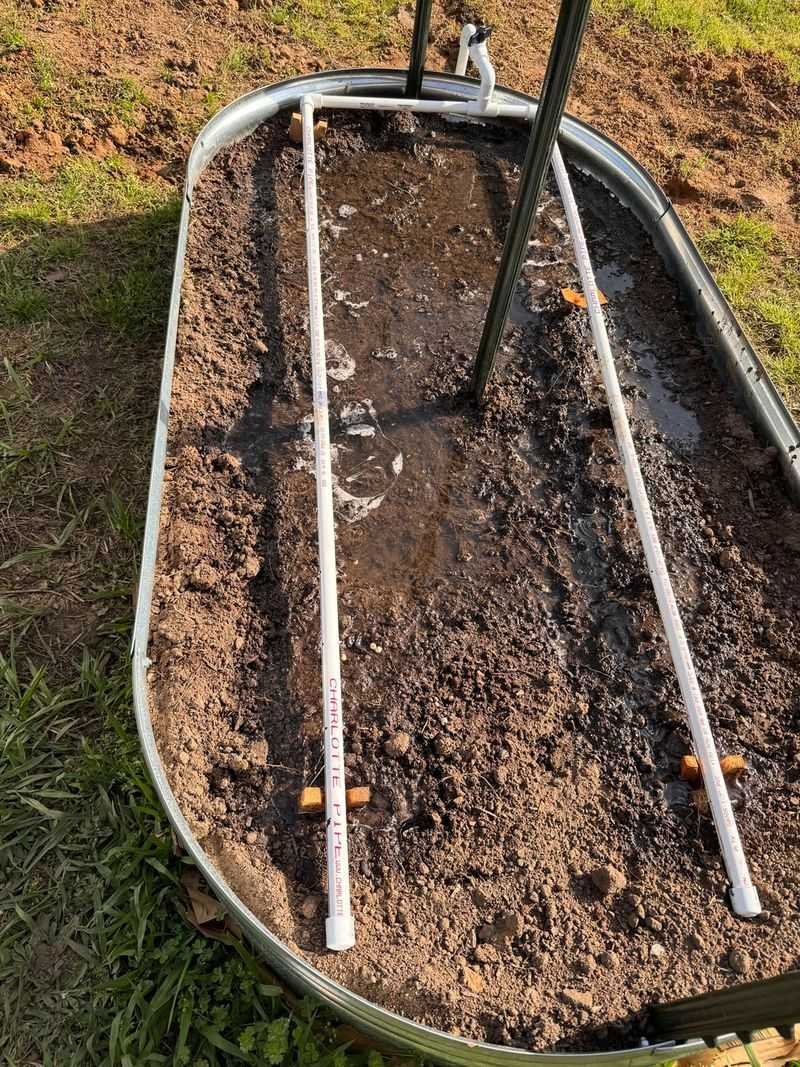
It feels like the right thing to do, especially on a hot California afternoon. But overwatering is one of the most common and damaging mistakes raised bed gardeners make.
Too much water pushes oxygen out of the soil, and plant roots need oxygen just as much as they need moisture.
Waterlogged soil also creates the perfect environment for root rot and fungal problems. Once root rot sets in, plants decline quickly and there is very little you can do to reverse it.
California gardeners who water on a fixed daily schedule without checking soil moisture are especially prone to this problem.
A better habit is to check the soil before watering. Stick your finger about two inches into the soil.
If it still feels moist, wait another day. If it feels dry, go ahead and water deeply and slowly.
Deep watering encourages roots to grow downward, which makes plants more resilient during California’s hot, dry spells.
Drip irrigation systems are a great tool for raised beds because they deliver water slowly and directly to the root zone. Many California gardeners pair drip systems with moisture sensors or timers to avoid accidental overwatering.
Getting your watering routine right protects your soil structure and keeps your plants in great shape all season long.
8. Letting Soil Dry Out Completely
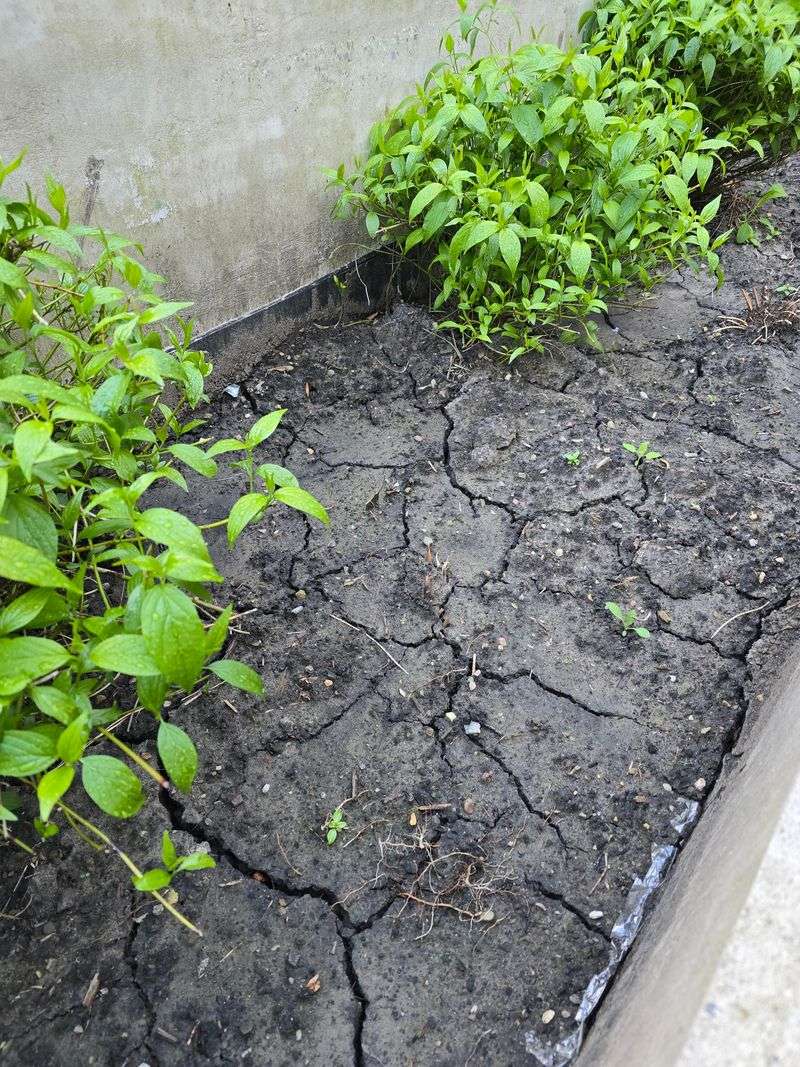
On the flip side of overwatering is a problem that California gardeners know all too well: letting the soil dry out completely. With long, hot summers and stretches of no rainfall, raised beds can go from moist to bone dry surprisingly fast.
Once soil dries out completely, it becomes hydrophobic, meaning it actually repels water instead of absorbing it.
Hydrophobic soil is a real issue in California gardens. When you water a dried-out bed, the water runs off the surface or pools in one spot instead of soaking in evenly.
This leaves large pockets of dry soil where roots are getting nothing at all, even though you watered.
The fix for hydrophobic soil is to water slowly and repeatedly. Let water soak in for a few minutes, then water again.
You can also add a wetting agent, which is a product that helps dry soil absorb moisture again. Some gardeners mix a small amount into their watering can when reviving a dried-out bed.
Prevention is always easier than correction. Mulching the surface of your raised bed, setting up a drip system, and checking soil moisture regularly all help keep your bed from reaching that bone-dry state.
Consistent moisture is the goal, and it pays off with steady, healthy plant growth all through California’s warm growing months.
9. Planting In Beds That Are Too Shallow
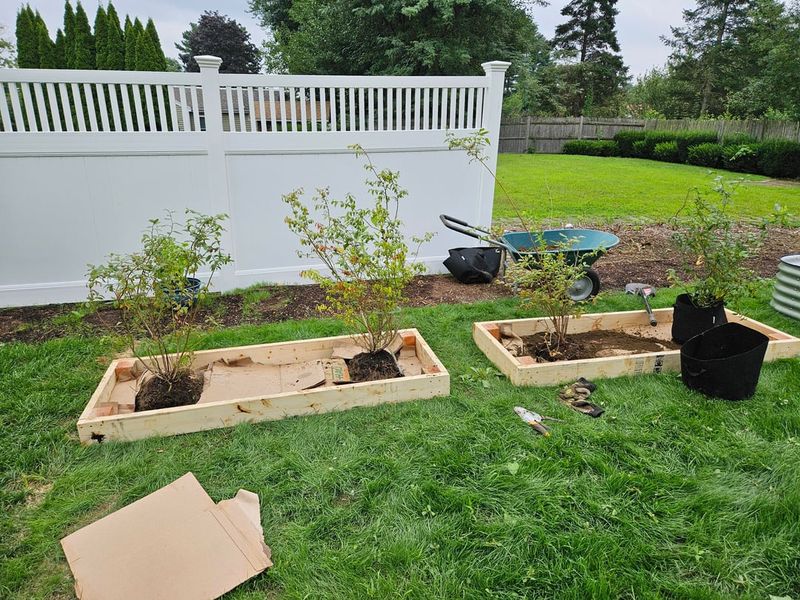
Depth matters more than most people realize. A lot of California gardeners build or buy raised beds that look great from the outside but only offer six inches of soil depth.
For small herbs and lettuce, that might be fine. But for tomatoes, squash, carrots, and most other vegetables, six inches is simply not enough room.
Roots need space to grow deep. When they hit the bottom of a shallow bed, they run out of room and the plant stalls.
Shallow beds also dry out much faster because there is less soil volume to hold moisture. In California’s summer heat, a shallow bed can go from watered to dry in just a day or two.
For most vegetables, aim for at least 12 inches of quality soil depth. Root vegetables like carrots and parsnips do best with 18 inches or more.
Tomatoes and peppers, which are hugely popular in California home gardens, thrive in beds that are at least 18 to 24 inches deep.
If you already have shallow beds, you have a few options. You can add wooden sides to raise the height, or use the beds only for shallow-rooted crops and build new deeper beds for everything else.
Investing in proper depth upfront is one of the best decisions you can make for long-term raised bed success in California.
10. Leaving Soil Bare Without Mulch
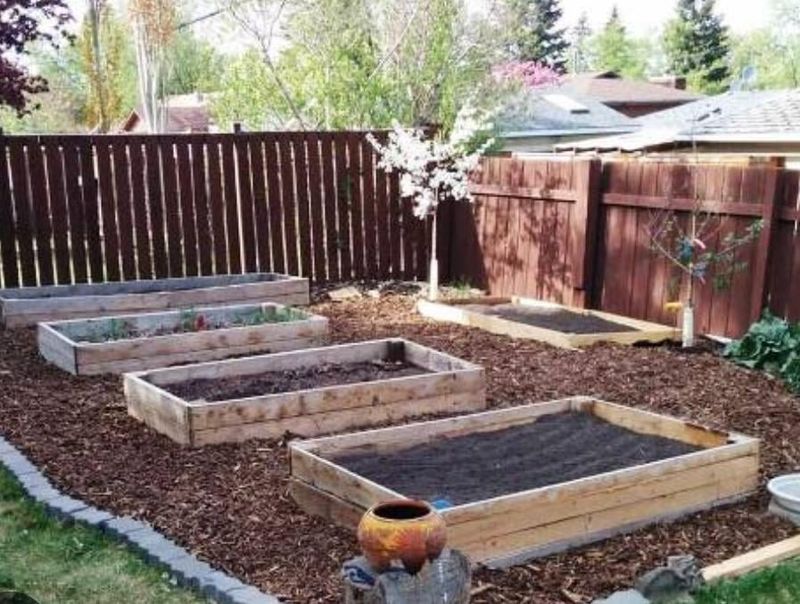
Bare soil in a California raised bed is basically an open invitation for trouble. Without a layer of mulch on top, the sun bakes the soil surface, moisture evaporates quickly, and weeds move in fast.
Many gardeners skip mulching because it seems like an extra step, but it is actually one of the most protective things you can do for your raised bed.
Mulch acts like a blanket for your soil. It keeps moisture in, regulates soil temperature, suppresses weeds, and slowly breaks down to add organic matter over time.
In California’s intense summer sun, mulch can make the difference between soil that stays workable and soil that turns hard and crusty between waterings.
Good mulching options for raised beds include straw, shredded leaves, wood chips, or even a thin layer of compost. Aim for about two to three inches of mulch around your plants.
Keep it a few inches away from the base of plant stems to avoid moisture-related issues at the crown.
California gardeners who mulch consistently report needing to water less often and pulling far fewer weeds throughout the season. It is a simple habit that protects your soil investment and makes your garden easier to manage.
Once you start mulching regularly, you will wonder why you ever skipped it in the first place.