Most Oregon Gardeners Are Making These Raised Bed Soil Mistakes
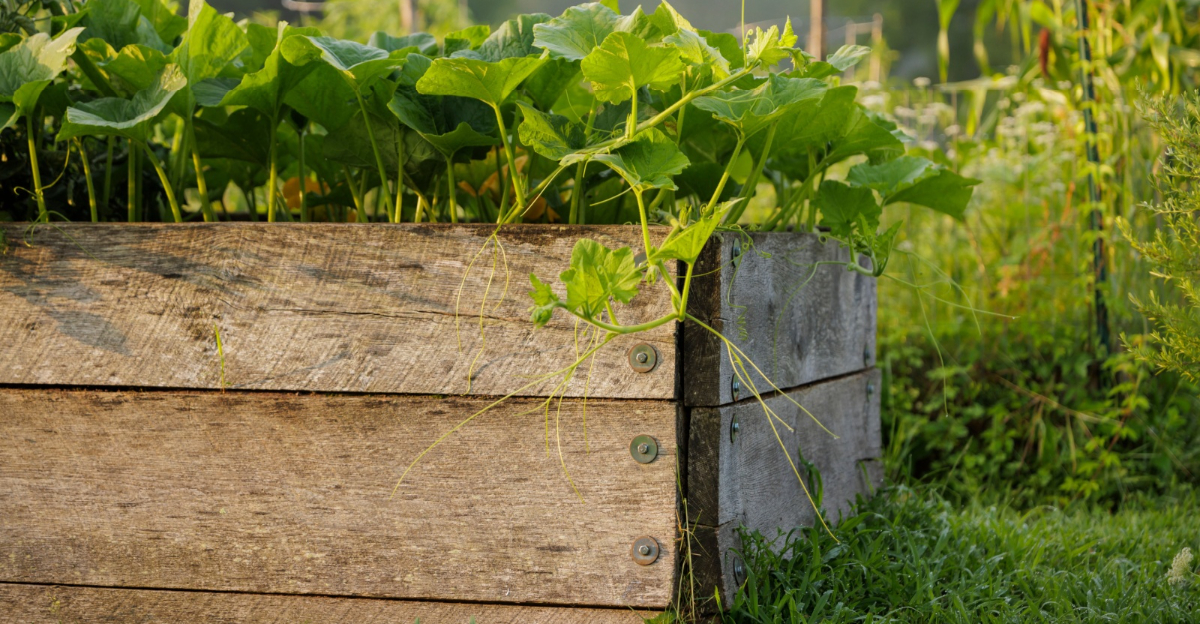
In Oregon, a raised bed can solve a lot of problems, but only if the soil inside it is doing its job.
Gardeners often build beautiful beds to escape heavy clay, soggy winter ground, or tough summer conditions, then wonder why plants still struggle.
The answer is usually below the surface. From wet Willamette Valley winters to the hotter, drier stretches east of the Cascades, Oregon puts real pressure on raised bed soil.
If the mix is too dense, too rich, or out of balance, roots feel it fast.
The frame may hold everything together, but the soil is what really decides how well the bed performs season after season.
1. Filling Beds With Native Soil Instead Of A Light Mix
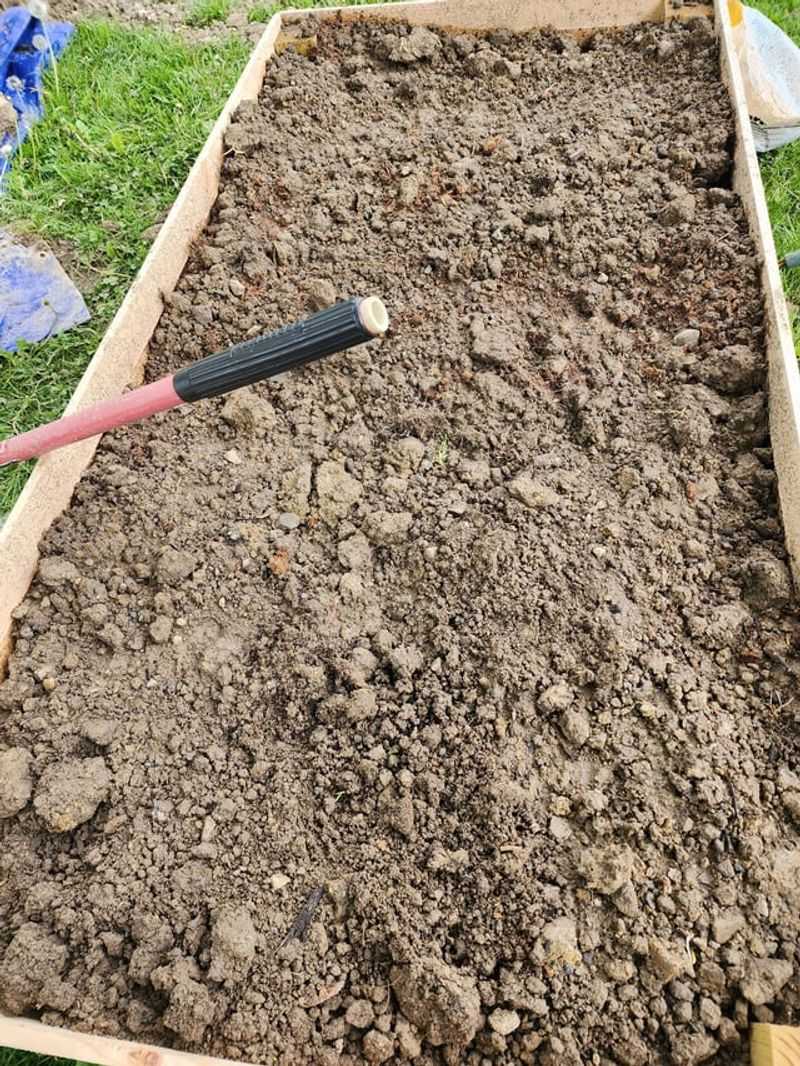
Heavy clay soil pulled straight from an Oregon backyard might look rich and dark, but it behaves very differently once it is packed into a raised bed.
Unlike in-ground planting where roots can spread wide and deep to escape compaction, raised beds confine soil in a way that makes drainage and aeration far more critical.
Clay-heavy native soil compresses under its own weight, squeezing out the air pockets that roots depend on to breathe and grow.
When Oregon’s rainy season hits, that compacted native soil holds water like a sponge with nowhere to drain. Root systems sit in saturated conditions for days or even weeks, which weakens plants and stunts early growth.
Even drought-tolerant crops struggle when their roots cannot access oxygen between waterings.
A well-performing raised bed needs a blended mix that stays loose and workable across seasons. A reliable starting point is roughly one-third compost, one-third topsoil or coconut coir, and one-third coarse aeration material like perlite or pumice.
This combination drains quickly after Oregon’s heavy rains while still holding enough moisture for plants to thrive through the dry summer months.
Native soil can play a small supporting role in some mixes, but using it as the main fill almost always creates more problems than it solves in Oregon’s variable climate.
2. Using Too Much Compost Or Manure At Once
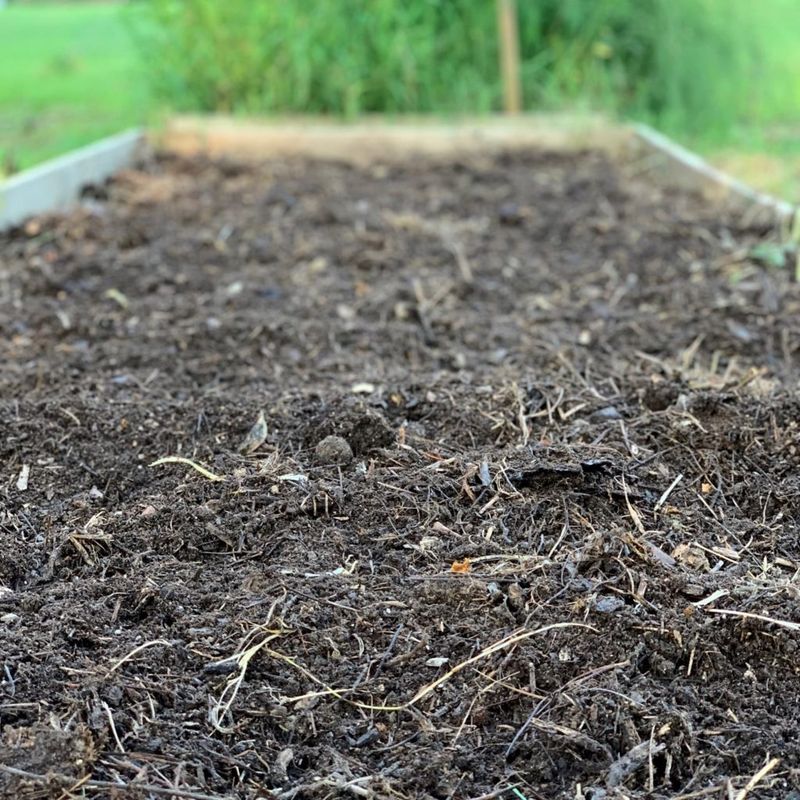
Compost is one of the most valuable things an Oregon gardener can add to a raised bed, but more is not always better.
A common mistake is loading beds with thick layers of fresh compost or raw manure at the start of the season, believing that richer soil means better harvests.
In practice, too much nitrogen-heavy material throws off the soil’s nutrient balance and can actually work against plant health.
Overly rich soil tends to push plants into producing lots of leafy green growth while fruiting and root development fall behind. Tomatoes, peppers, and squash are especially prone to this imbalance.
Excess nitrogen from fresh manure can also increase salt levels in the soil, which stresses plant roots and interferes with water uptake. Raw manure carries an additional risk of introducing pathogens that affect edible crops.
A reasonable guideline for most Oregon raised beds is to incorporate no more than two to three inches of well-aged compost per growing season.
If manure is used, it should be fully composted and mixed evenly into the existing soil rather than layered on top.
Spreading amendments in the fall gives Oregon’s wet winters a chance to work them into the soil naturally before spring planting begins.
Soil that is moderately rich and well-balanced consistently outperforms soil that has been over-amended with good intentions.
3. Ignoring Drainage In Wet Winter Months
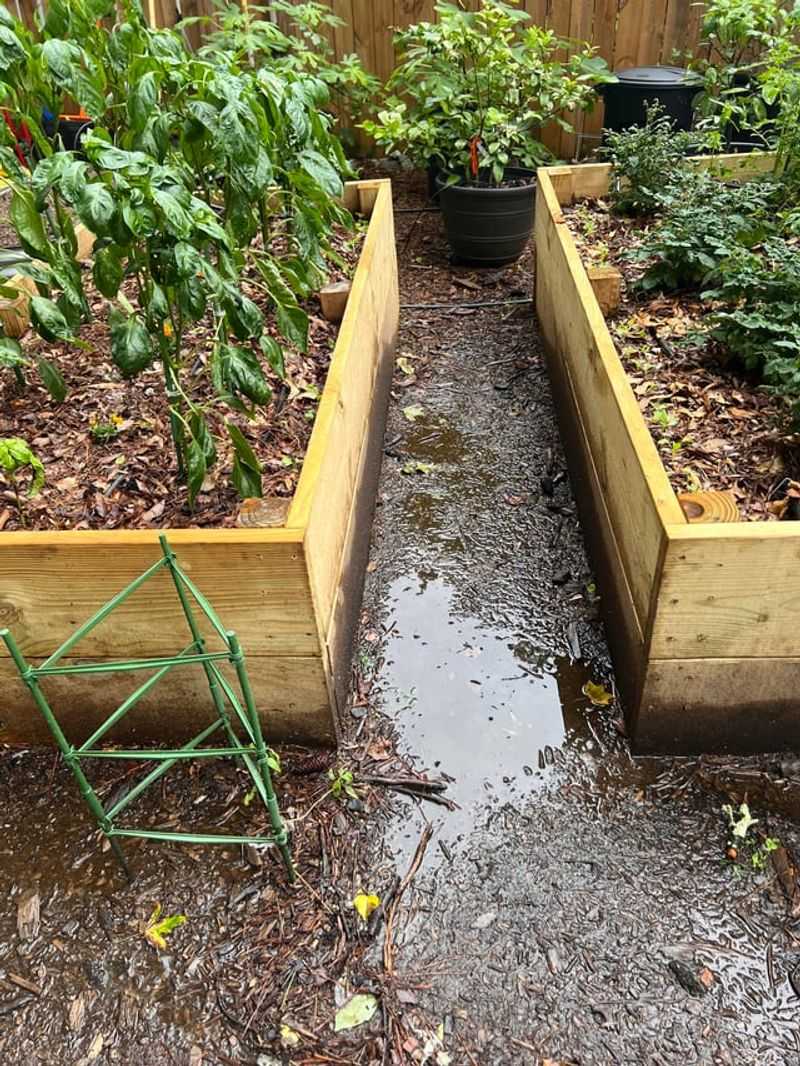
Oregon winters are long, wet, and relentless in many parts of the state, especially west of the Cascades where rainfall totals can exceed 50 inches in a single season.
Raised beds are supposed to drain better than in-ground soil, but that advantage disappears quickly when drainage is overlooked during setup or when the soil mix becomes compacted over time.
Standing water in a raised bed during winter is one of the clearest signs that something is wrong beneath the surface.
Poor drainage during the cool, wet months creates conditions where beneficial soil microbes struggle and anaerobic bacteria thrive instead.
This shifts the soil ecosystem in ways that reduce nutrient availability and slow decomposition of organic matter.
Beds that stay soggy through winter are also slower to warm up in spring, which pushes back planting dates for warm-season crops that Oregon gardeners are already racing to establish before summer.
Improving drainage starts with the soil mix itself. Adding perlite or coarse pumice at a ratio of about 20 to 25 percent of the total mix creates channels that allow water to move through rather than pool.
Raised beds should also sit on a surface that allows water to exit freely from the bottom.
In areas with naturally high water tables or extremely heavy seasonal rainfall, lining the base with a layer of coarse gravel before adding soil gives water an additional escape route during Oregon’s most intense rain events.
4. Skipping A Balanced Soil Mix (Compost, Topsoil, Aeration)
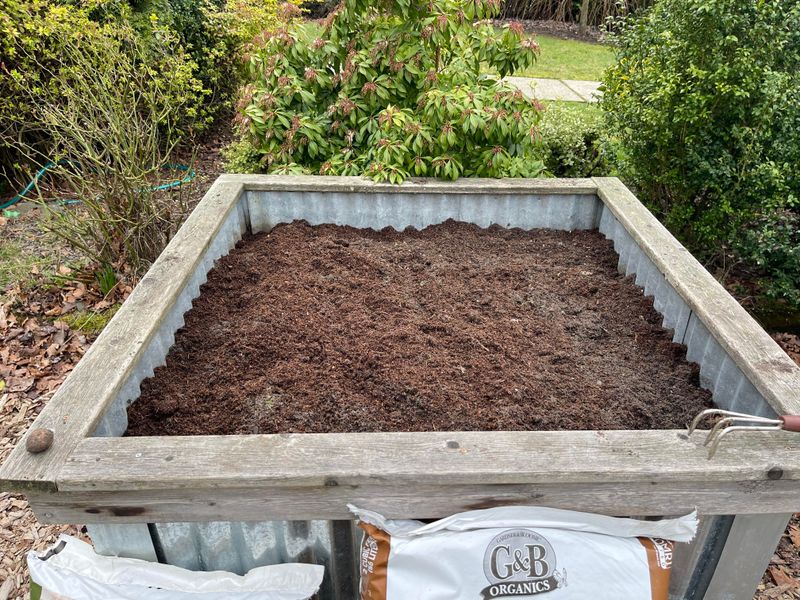
Walk into almost any Oregon garden center and you will find bags of pre-made raised bed mixes that promise great results. Some of them are genuinely good, but many gardeners skip the research and grab whatever is cheapest or most convenient.
The result is often a bed filled with a single-ingredient mix that lacks the structural balance plants actually need to root well and access nutrients consistently across the growing season.
Soil in a raised bed works best when it combines three distinct components that each serve a different function. Compost feeds the soil biology and supplies nutrients.
Topsoil or a mineral base like coconut coir provides structure and helps the mix retain moisture between Oregon’s dry summer days.
An aeration component like perlite, pumice, or coarse horticultural sand keeps the mix from packing down and ensures roots can always find oxygen.
When any one of these three elements is missing, the soil compensates poorly. A mix without aeration compacts within a single season.
A mix without topsoil dries out too fast in the summer heat of southern Oregon or the Columbia River Gorge.
A mix without compost leaves plants hungry and dependent on synthetic fertilizers to produce a worthwhile harvest.
Building or buying a mix that genuinely balances all three components takes a little more effort upfront, but it creates a growing environment that performs reliably year after year without constant correction.
5. Not Adjusting Soil For Acid-Loving Plants
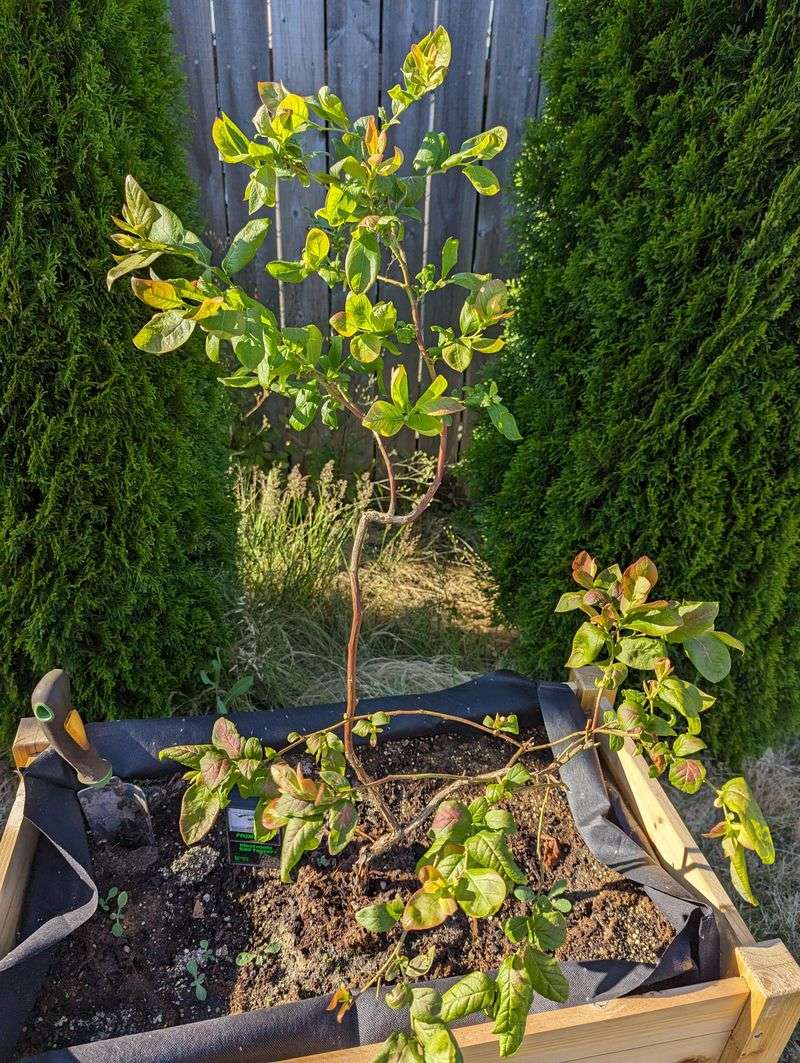
Oregon’s natural rainfall and conifer-heavy landscape create a tendency toward acidic soil conditions across much of the state, which is great news for blueberries and rhododendrons but can complicate things in a raised bed.
When gardeners build a raised bed with a standard soil mix and then plant acid-loving crops without checking the pH, they often end up frustrated by yellowing leaves, poor fruiting, and plants that simply never seem to thrive despite regular watering and fertilizing.
Blueberries are one of the most popular crops in Oregon raised beds, and they need a soil pH between 4.5 and 5.5 to absorb nutrients properly.
Most general-purpose raised bed mixes land closer to a neutral pH of 6.5 to 7.0, which is fine for vegetables but too alkaline for blueberries.
At higher pH levels, iron and manganese become less available to plants even when those nutrients are physically present in the soil, leading to a condition called chlorosis where leaves turn yellow while the veins stay green.
Adjusting soil pH for acid-loving plants is straightforward once you know where you are starting. A basic soil pH test available at most Oregon garden centers gives you the information needed to act.
Elemental sulfur worked into the soil several weeks before planting is the most reliable way to lower pH gradually.
Acidic mulches like pine bark or wood chip compost also help maintain lower pH levels over time in Oregon raised beds dedicated to berries or other acid-loving crops.
6. Letting Soil Settle Without Topping It Off
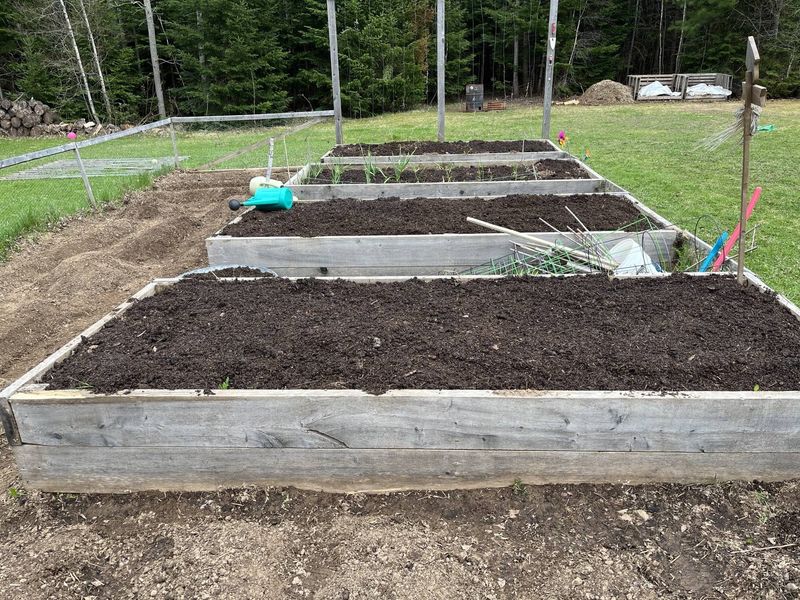
After a full Oregon winter of heavy rain and freeze-thaw cycles, raised beds that looked perfectly full in October often look noticeably sunken by March. This is completely normal.
Organic matter breaks down, soil particles compact under the weight of rainfall, and the biological activity that makes raised bed soil so productive also gradually reduces its volume.
The mistake is not that settling happens but that many gardeners ignore it and plant into a bed that is already running low on productive growing medium.
Soil that has dropped several inches below the top of the bed frame creates a few real problems. Water tends to pool in the lower space rather than draining evenly.
Plant roots reach the bottom of the available soil more quickly, limiting how deep they can anchor.
And the overall nutrient content of the soil decreases as the organic matter that once made it fluffy and rich gets consumed by soil microbes doing their job across the season.
Topping off raised beds each spring is one of the simplest and most effective maintenance habits an Oregon gardener can build.
Adding two to three inches of fresh compost before the planting season begins replenishes organic matter, restores some of the lost volume, and gives soil biology a fresh boost heading into the growing season.
In beds that have settled more dramatically, a light addition of new base mix can help restore the original depth and structure before crops go in the ground.
7. Overwatering During Cool Spring Weather
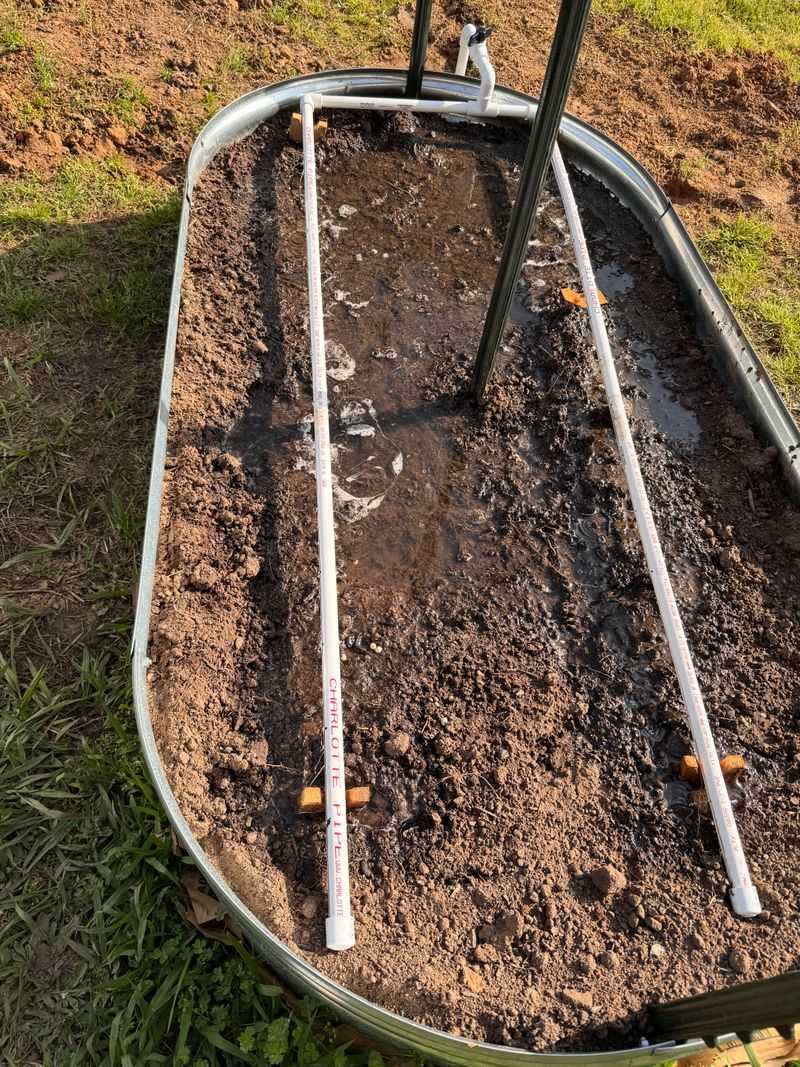
Spring in the Willamette Valley and along the Oregon coast is famously cool, cloudy, and wet well into May and sometimes June.
Gardeners eager to get the season started sometimes fall into a habit of watering on a fixed schedule regardless of what the weather is actually doing.
In a raised bed, where soil drains faster than in-ground planting, overwatering during cool weather is less catastrophic than in containers, but it still creates conditions that slow plant establishment and invite fungal issues.
Cool soil temperatures combined with excess moisture slow the activity of beneficial microbes that break down organic matter and release nutrients to plant roots.
Seedlings planted into cold, wet soil grow sluggishly even when everything else looks right.
Crops like tomatoes and basil that need warm soil to thrive can sit nearly motionless for weeks if the ground stays too moist and cool, making it feel like something is wrong with the plants when the real issue is timing and soil conditions.
The simplest fix is to water only when the top inch or two of soil feels dry to the touch. Oregon spring rains often handle irrigation needs without any help from a hose.
A rain gauge near the garden makes it easy to track how much moisture beds are already receiving.
Waiting until soil temperatures reach at least 60 degrees Fahrenheit before planting heat-loving crops also reduces the temptation to overwater while trying to coax reluctant plants into growth during Oregon’s unpredictable spring weather.
8. Reusing Depleted Soil Without Refreshing It
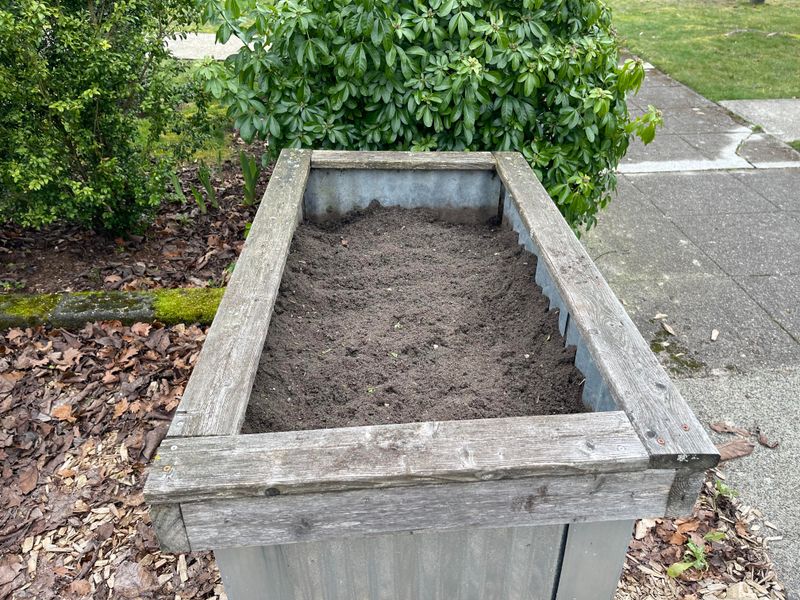
Raised bed soil does not last indefinitely without attention. After one or two full growing seasons, the organic matter that once made the mix light, fluffy, and nutrient-rich has largely been consumed by plant roots and soil organisms.
What remains is often a denser, lower-nutrient version of the original mix that drains less efficiently and supports weaker plant growth.
Skipping the step of refreshing this soil is one of the most common reasons Oregon gardeners see declining harvests in beds that used to perform beautifully.
Signs of depleted soil are easy to spot once you know what to look for.
The surface cracks when dry, water beads and runs off rather than soaking in, and plants grow more slowly than they did in previous seasons despite adequate watering and sunlight.
Soil that has been used heavily for brassicas, corn, or squash is often especially depleted because those crops draw heavily on nitrogen and trace minerals throughout their growth cycle.
Refreshing raised bed soil does not mean replacing everything from scratch each year.
A practical approach for Oregon gardens is to remove any old plant material at the end of the season, loosen the existing soil with a garden fork, and work in two to three inches of quality compost along with a balanced slow-release organic fertilizer.
In beds where soil structure has broken down significantly, replacing 20 to 30 percent of the total volume with fresh base mix restores the drainage and aeration that productive Oregon raised bed gardening depends on.