Mulch These 10 Plants Before Spring Sun Returns To Oregon Gardens
A soft layer of mulch can quietly transform an Oregon garden as the season begins to shift. It keeps soil comfortable, protects resting roots, and gives plants a steady start before brighter, warmer days return.
Many gardeners find this simple task calming, a peaceful way to care for the garden while everything still feels slow and gentle.
Cool air, damp earth, and quiet beds create the perfect moment to add a little extra protection. Mulch helps lock in moisture, smooth out temperature changes, and support healthy growth as plants prepare for a new season of life.
Some plants respond especially well to this early care, rewarding the effort with stronger, happier growth as the garden wakes.
1. Roses
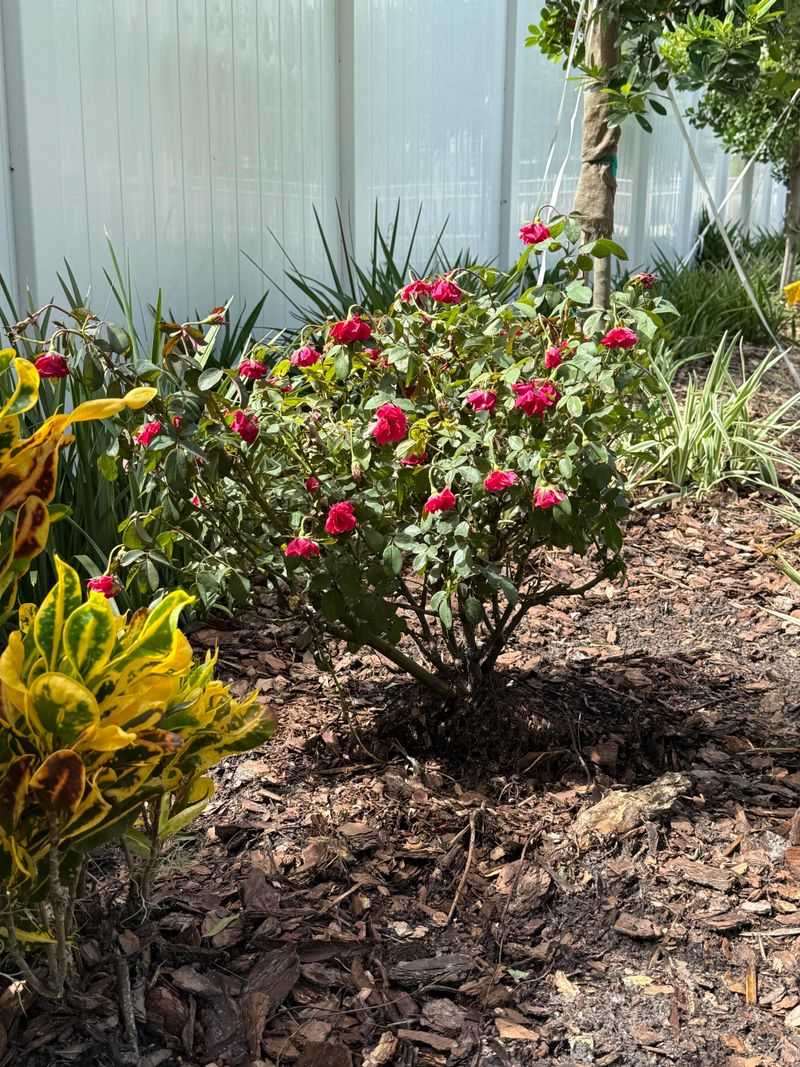
These flowers are the crown jewels of many Oregon gardens, and they deserve special attention before spring arrives. A good layer of mulch around their base protects tender roots from temperature swings that can stress the plant.
Oregon’s spring weather can be unpredictable, with warm days followed by chilly nights, and mulch helps buffer these changes.
Apply a three to four inch layer of organic mulch like shredded bark or compost around each rose bush. Keep the mulch a few inches away from the stem to prevent moisture buildup that encourages problems.
This spacing allows air to circulate while still providing root protection.
Mulch does more than regulate temperature for roses in Oregon gardens. It keeps soil moisture consistent, which roses absolutely love during their active growing season.
Consistent moisture means better blooms and healthier foliage throughout summer.
Weeds compete aggressively with roses for water and nutrients. A thick mulch layer suppresses weed seeds from sprouting, saving you hours of tedious pulling later.
Your roses will thank you with more energy directed toward gorgeous flowers instead of fighting weeds.
Organic mulches break down slowly and improve soil quality over time. As they decompose, they add valuable nutrients that feed your roses naturally.
This creates a healthier growing environment year after year in your Oregon garden.
2. Hydrangeas
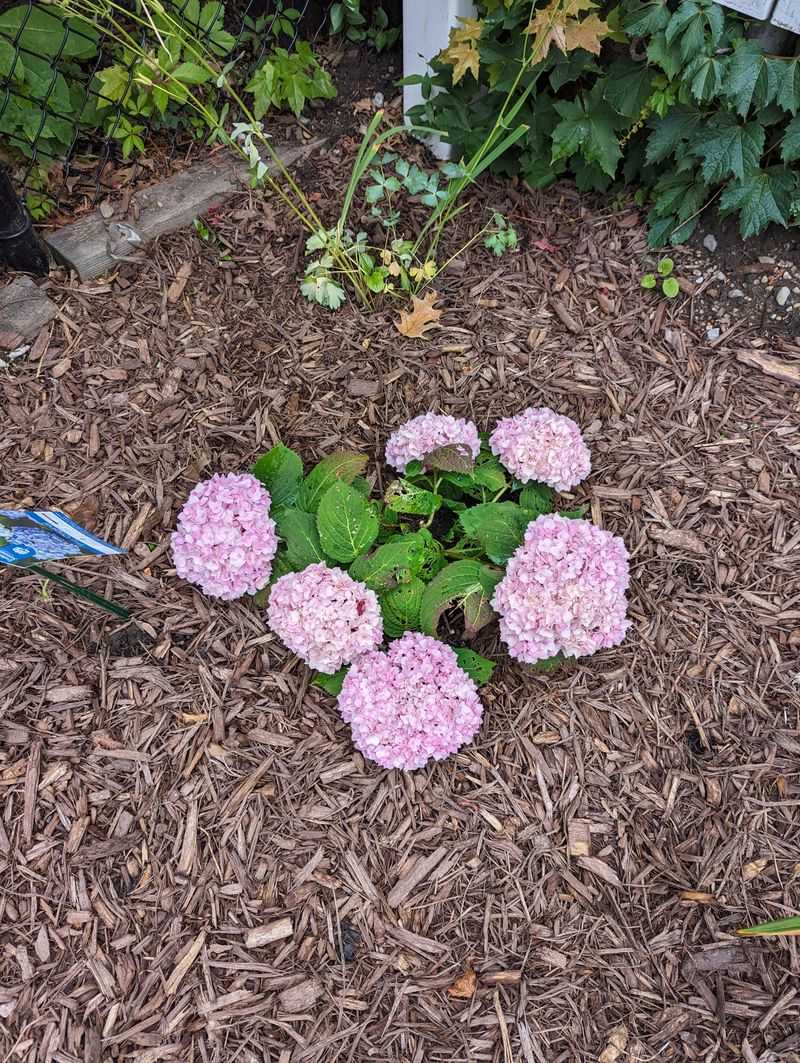
Without proper mulching, hydrangeas can struggle when spring sunshine intensifies.
Spread a two to three inch layer of organic material around the entire root zone of your hydrangeas. Extend the mulch out to the drip line where the branches end overhead.
This ensures complete root coverage for maximum benefit.
Oregon gardeners know hydrangeas are thirsty plants that need consistent watering. Mulch dramatically reduces water evaporation from soil, keeping moisture available longer between waterings.
This is especially helpful during Oregon’s drier spring and summer months when water conservation matters.
The right mulch also helps manage soil pH, which affects hydrangea bloom color. Organic mulches gradually acidify soil as they break down, which many hydrangea varieties prefer.
This natural process supports the vibrant blue and purple tones Oregon gardeners love.
Weeds can quickly overtake the space around hydrangeas if left unchecked. A good mulch barrier prevents weed seeds from germinating while giving your hydrangeas a neat, polished appearance.
Your garden will look professionally maintained with minimal effort throughout the growing season.
3. Blueberries
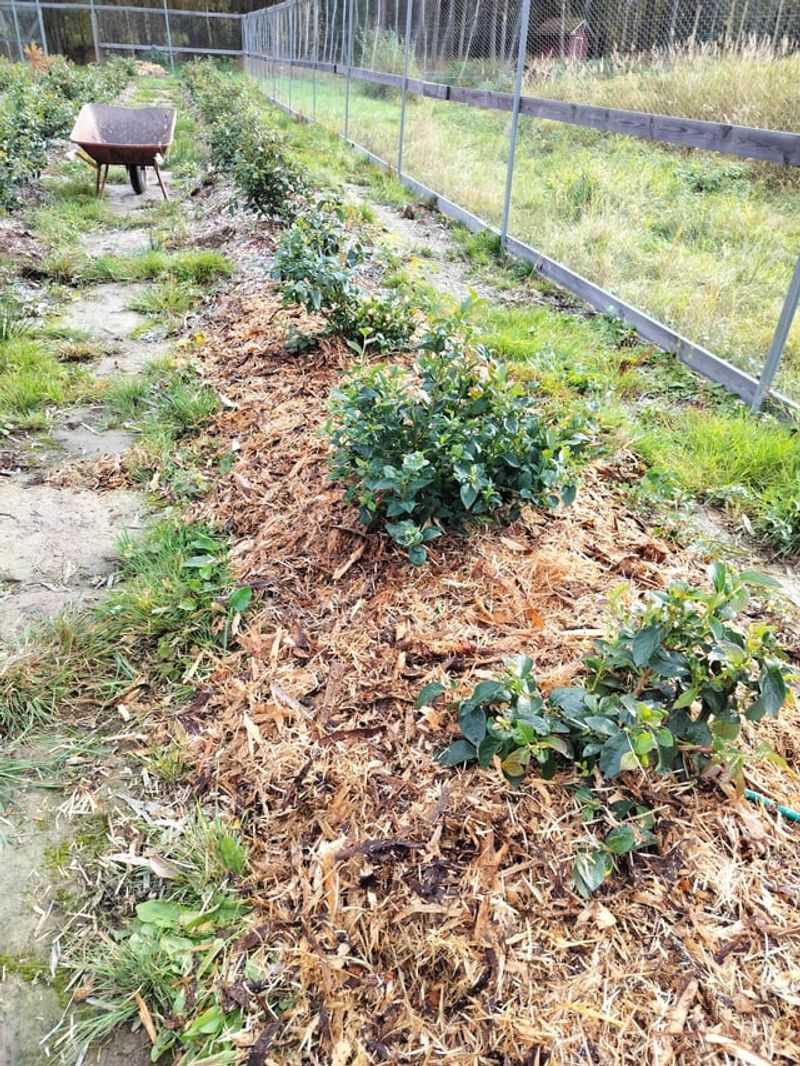
Blueberry bushes are Oregon garden treasures that produce delicious fruit when properly cared for. These acid-loving plants have specific needs that mulching addresses perfectly before spring growth begins.
Getting mulch down now sets your blueberries up for a productive season ahead.
Use acidic mulch materials like pine needles, pine bark, or sawdust around blueberry plants. These materials maintain the low pH blueberries require for optimal nutrient uptake.
A four inch layer provides excellent protection and gradual soil acidification.
Blueberry roots grow very close to the soil surface and can easily suffer damage from temperature extremes. Mulch insulates these delicate roots from late spring frosts that occasionally surprise Oregon gardeners.
This protection prevents setbacks that could reduce your berry harvest.
Moisture consistency is critical for blueberry production throughout the growing season. Mulch helps soil retain water during dry spells while preventing waterlogging during Oregon’s rainy periods.
This balance keeps plants healthy and productive from spring through harvest time.
Weed competition can seriously reduce blueberry yields by stealing nutrients and water. A thick mulch layer stops weeds before they start, letting your blueberries use all available resources for fruit production.
You’ll notice bigger berries and heavier crops when weeds aren’t competing for resources in your Oregon garden.
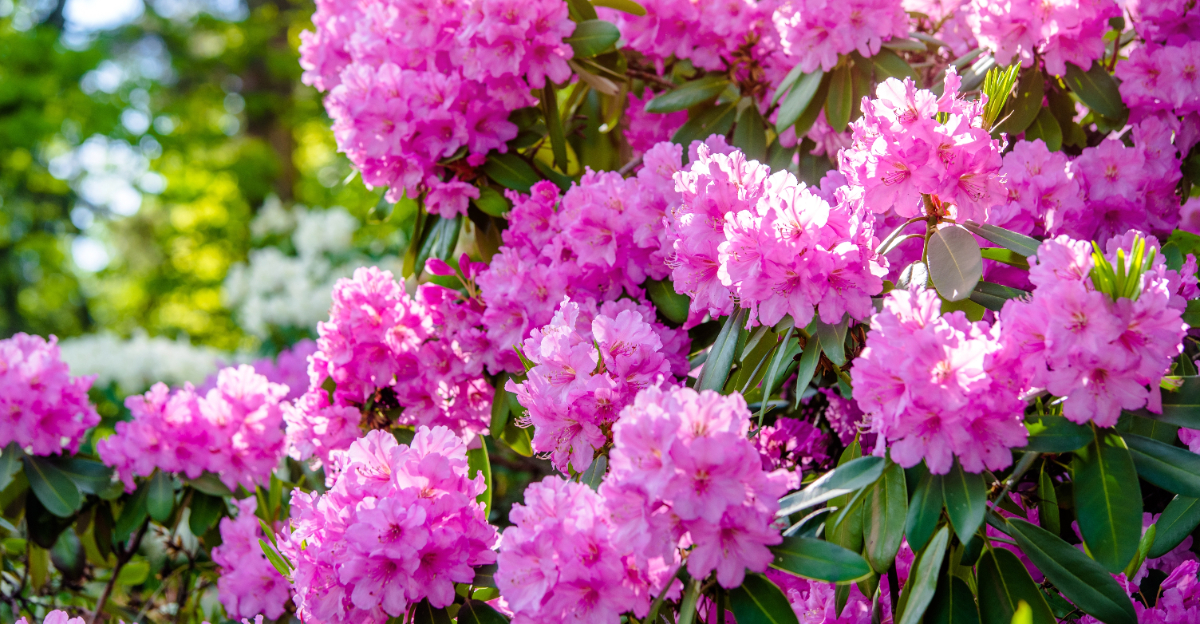
4. Rhododendrons
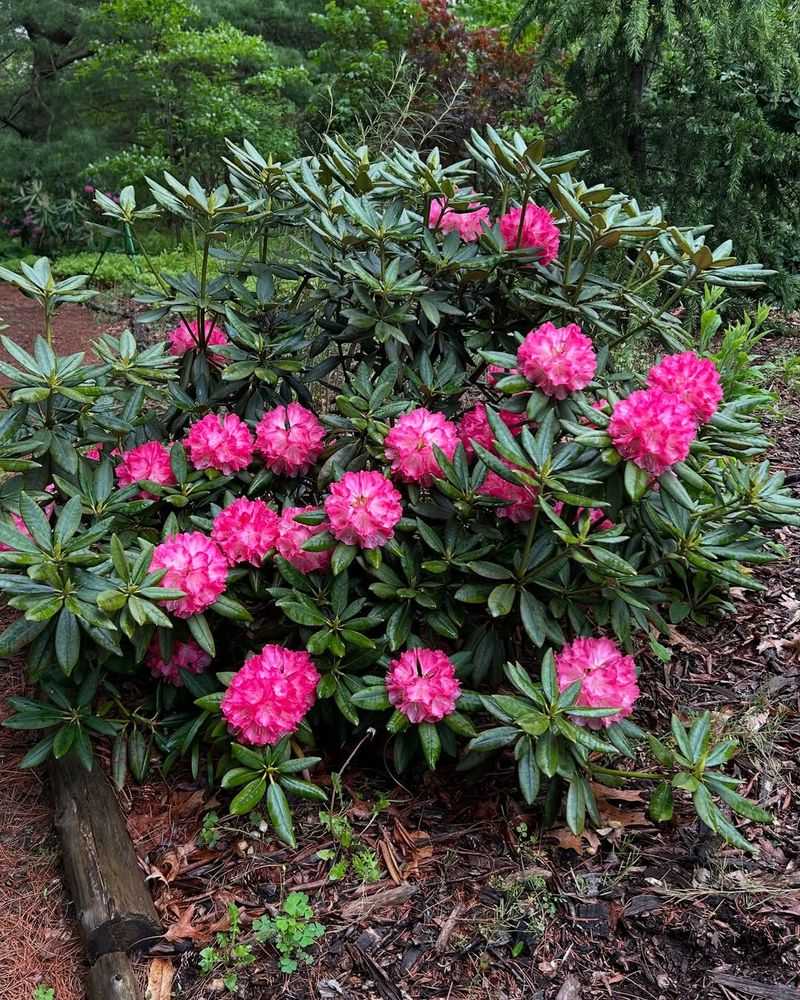
These stunning shrubs reward thoughtful mulching with spectacular spring blooms.
Apply a two to four inch layer of organic mulch around rhododendrons, extending outward to cover the entire root zone. Avoid piling mulch against the trunk, which can cause bark problems.
Proper mulch placement protects roots while allowing the trunk to breathe.
Oregon’s native rhododendrons naturally grow in forest settings with a constant layer of decomposing leaves and organic matter. Replicating this environment in your garden helps these plants flourish.
Mulch mimics the natural forest floor conditions rhododendrons evolved to prefer.
Temperature fluctuations stress rhododendron roots and can damage flower buds that form the previous season. Mulch moderates soil temperature, protecting those precious buds that will open into gorgeous spring displays.
This protection is especially important in Oregon’s variable spring weather.
These plants prefer acidic soil with excellent drainage, and organic mulches help maintain both conditions. As mulch breaks down, it releases acids that keep soil pH in the ideal range.
It also improves soil structure, enhancing drainage while retaining necessary moisture for healthy growth in your Oregon garden.
5. Azaleas
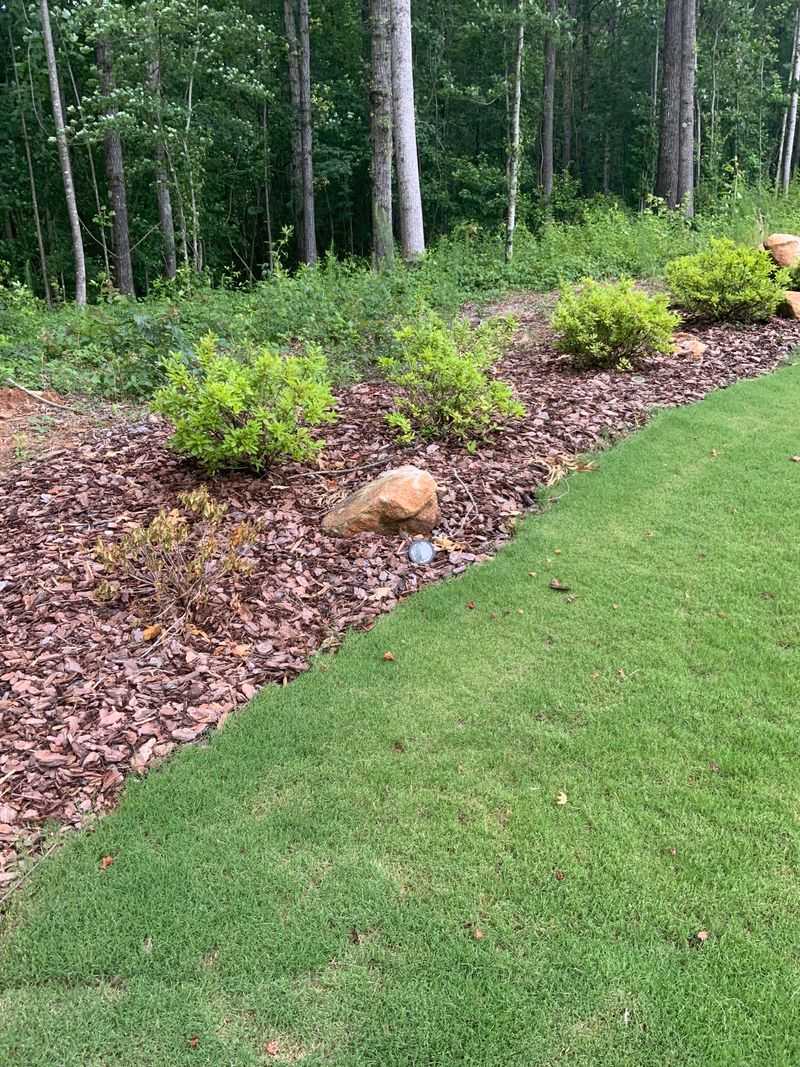
Azaleas light up Oregon gardens with brilliant spring colors, but they need proper mulching to perform their best. These flowering shrubs are close relatives of rhododendrons and share similar growing requirements.
Mulching before spring arrives ensures azaleas have the conditions they need for abundant blooms.
Spread a two to three inch layer of acidic organic mulch around azalea plants. Materials like pine bark, composted leaves, or wood chips work wonderfully.
Keep mulch a few inches away from the main stems to prevent moisture-related issues.
Azalea roots stay very close to the soil surface, making them vulnerable to temperature changes and drying out. Mulch acts as a protective blanket that keeps roots at stable temperatures.
This stability helps plants focus energy on producing those stunning flower clusters Oregon gardeners anticipate each spring.
Consistent soil moisture matters tremendously for azalea health and flower production. Mulch reduces water evaporation, meaning you’ll water less frequently while plants stay happier.
This is particularly valuable during Oregon’s dry spring periods when rainfall becomes unpredictable.
Weed seeds struggle to germinate through a proper mulch layer, saving you maintenance time. Azaleas can’t compete well with aggressive weeds, so preventing weed growth helps these ornamental shrubs thrive.
Your Oregon garden will look cleaner and more attractive with mulched azaleas that can devote all their energy to blooming beautifully.
6. Camellias
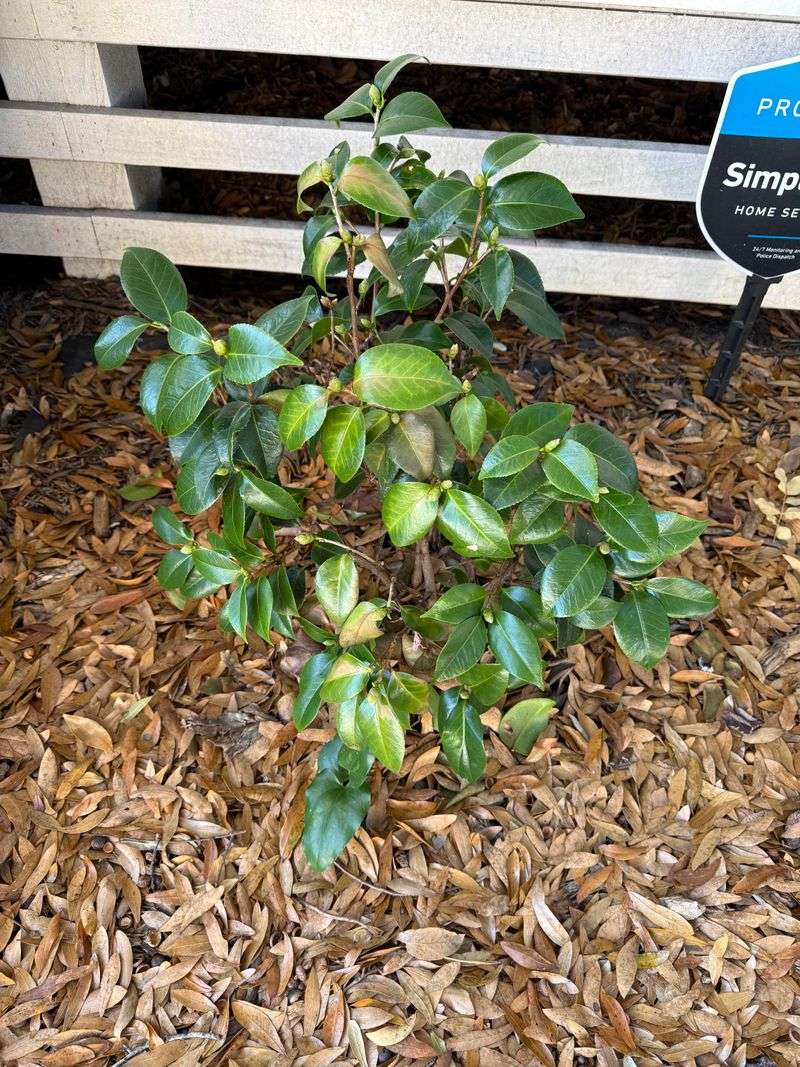
These evergreen shrubs bloom from late winter through spring, making proper mulching crucial before their show begins. Protecting their roots now ensures camellias can focus energy on producing those spectacular blooms.
Apply a three inch layer of organic mulch around camellia plants, covering the root zone completely. Extend mulch out to where the branches spread overhead for full root protection.
This coverage keeps soil conditions stable as spring weather becomes more intense.
Oregon’s climate suits camellias well, but they still appreciate consistent soil conditions. Mulch helps maintain the slightly acidic soil these plants prefer for best growth.
As organic mulch decomposes, it naturally acidifies soil while improving its overall structure and fertility.
Root protection matters especially for camellias because they’re sensitive to temperature extremes. Mulch insulates roots from sudden warm spells that can stress plants after winter dormancy.
This buffering effect helps camellias transition smoothly into active spring growth.
Water management becomes easier with properly mulched camellias in Oregon gardens. Mulch prevents soil from drying out too quickly while also improving drainage to prevent waterlogging.
This balance keeps roots healthy and supports the lush foliage and abundant blooms that make camellias such garden favorites throughout the Pacific Northwest region.
7. Hellebores
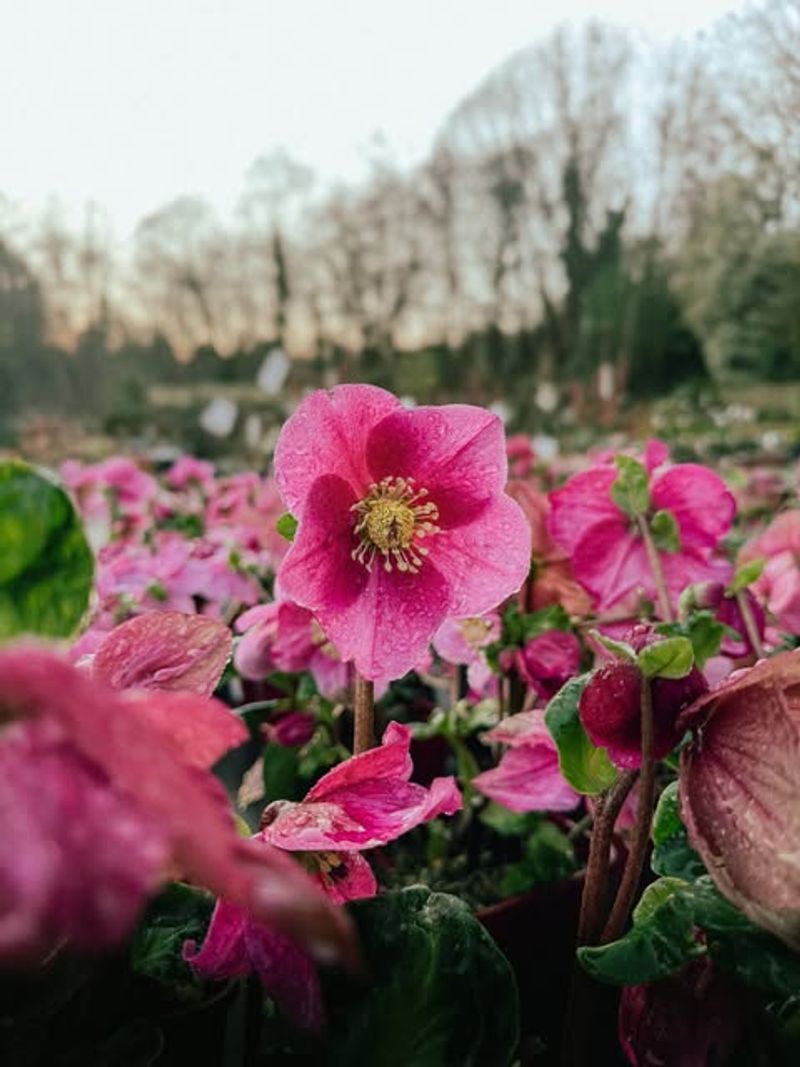
Hellebores are Oregon garden champions that bloom when little else does, often flowering in late winter. These tough perennials deserve mulching attention before spring fully arrives.
Proper mulching helps hellebores continue their impressive performance year after year.
Spread a one to two inch layer of fine organic mulch around hellebore plants. These perennials prefer lighter mulch applications than woody shrubs need.
Compost or finely shredded leaves work perfectly for hellebores in Oregon gardens.
Oregon gardeners value hellebores for their shade tolerance and early blooms. Mulch helps these plants maintain the cool, moist root conditions they prefer throughout the growing season.
This environmental consistency supports healthy foliage that stays attractive long after flowers fade.
Hellebore roots benefit from the gradual nutrient release that occurs as organic mulch breaks down. These plants aren’t heavy feeders, but they appreciate the gentle fertilization mulch provides.
This natural feeding supports robust growth without the risk of over-fertilization.
Weeds can obscure hellebore flowers and compete for resources in Oregon shade gardens. A mulch layer suppresses weeds while highlighting the beauty of hellebore blooms against a neat background.
Your garden will look more intentional and professionally designed when hellebores are properly mulched and weed-free throughout their blooming season and beyond.
8. Hostas
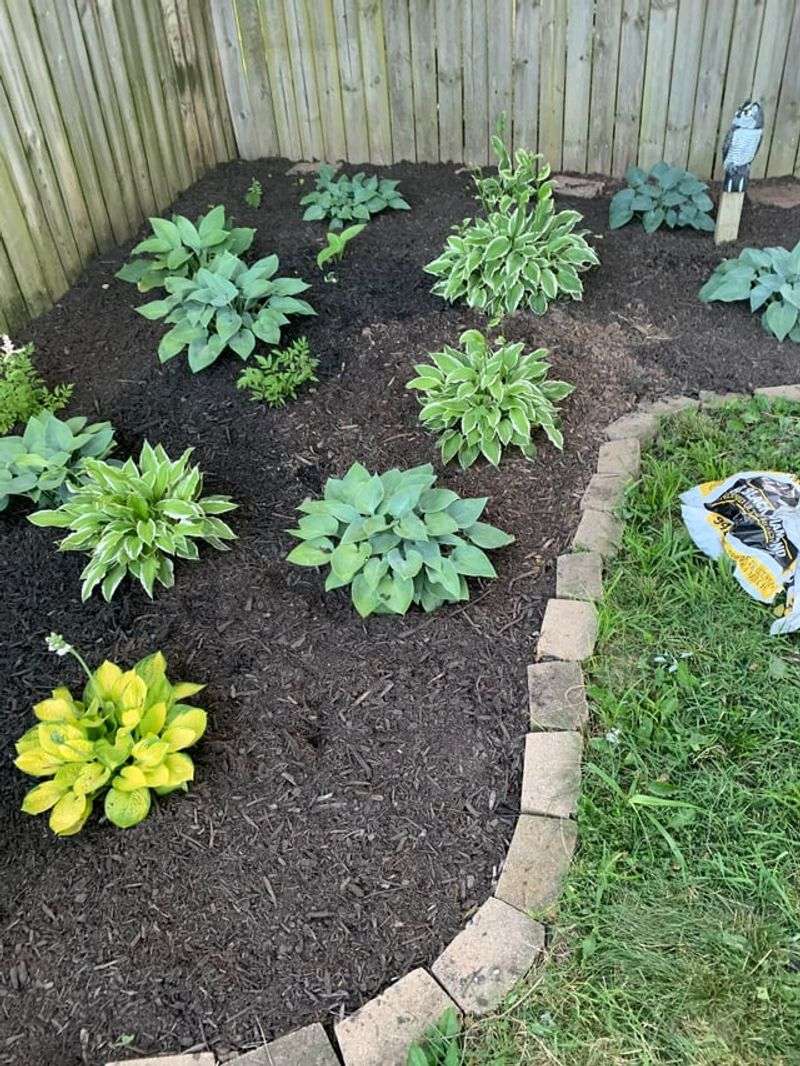
These perennials emerge from dormancy as spring arrives, making pre-spring mulching ideal timing. Getting mulch down before shoots appear protects emerging growth and sets plants up for success.
Apply a two to three inch layer of organic mulch around hosta clumps once you’ve cleared away old foliage. Spread mulch evenly over the entire root zone without covering the crown where new shoots emerge.
This placement protects roots while allowing shoots to push through easily.
Oregon’s spring can bring unexpected temperature swings that stress emerging hosta shoots. Mulch moderates soil temperature, protecting tender new growth from damage.
This protection helps hostas develop their full leaf size and vibrant colors without weather-related setbacks.
Moisture retention is particularly important for hostas, which prefer consistently moist soil. Mulch dramatically reduces water evaporation, keeping soil moisture stable through Oregon’s drier months.
Well-mulched hostas develop lusher foliage and maintain better appearance through summer heat.
Slugs and snails can plague hostas in Oregon gardens, and mulch choice matters for pest management. Avoid using materials like grass clippings that create slug-friendly environments.
Instead, use coarser mulches that discourage these pests while still providing all the benefits hostas need for spectacular foliage displays throughout the growing season.
9. Peonies
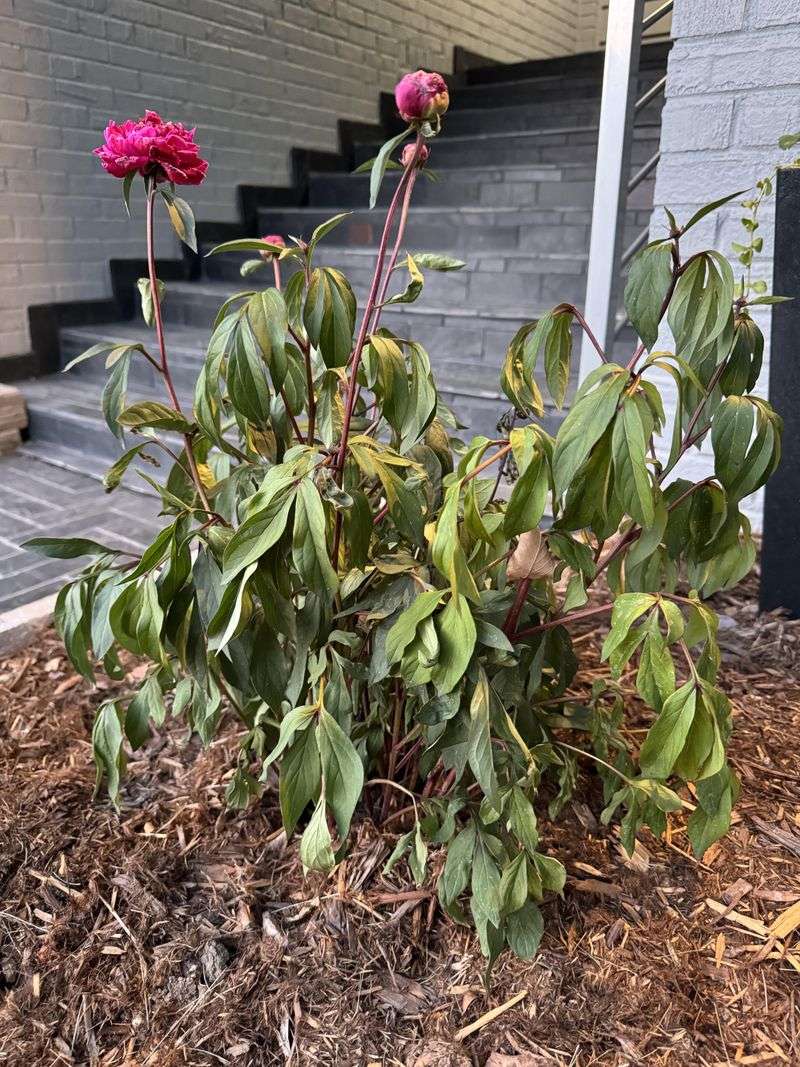
They are beloved Oregon garden perennials that produce breathtaking spring blooms. These long-lived plants benefit from mulching applied at just the right time before spring growth accelerates.
Proper mulching helps peonies develop the strong stems and abundant flowers they’re famous for.
Wait until you’ve cut back old peony foliage, then apply a one to two inch layer of mulch around plants. Peonies need lighter mulch than many other plants because too much can prevent stems from emerging properly.
A thin layer provides benefits without creating problems.
Oregon gardeners know peonies can be particular about their growing conditions. Mulch helps maintain consistent soil moisture and temperature, which peonies appreciate for best flowering.
This stability supports the energy-intensive process of producing those enormous, fragrant blooms.
Weed competition can weaken peony plants and reduce flower production over time. Mulch suppresses weeds effectively, ensuring peonies get all available nutrients and water.
This advantage becomes obvious when you see the difference between mulched and unmulched plants at bloom time.
Organic mulches gradually improve soil as they decompose, benefiting long-lived perennials like peonies. Better soil structure means better drainage and root health for decades to come.
Your Oregon garden peonies will reward proper mulching with increasingly spectacular displays year after year as plants mature in their ideal growing environment.
10. Strawberries
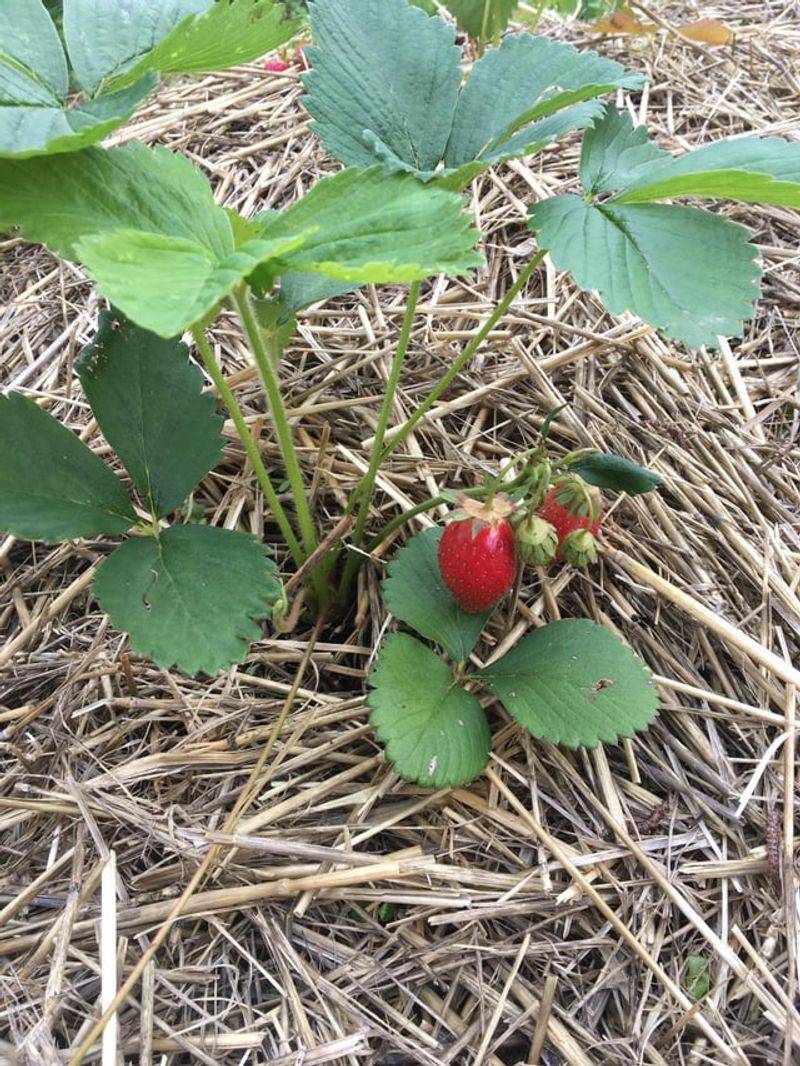
These low-growing plants have specific mulching needs that differ from ornamental plants. Mulching strawberries before spring growth begins sets the stage for a bountiful harvest.
Use clean straw as mulch for strawberries, applying a two to three inch layer between plants and rows. Straw keeps developing berries clean and prevents soil splash that can lead to fruit problems.
This traditional mulching material works perfectly for strawberry production in Oregon gardens.
Temperature protection matters for strawberry flowers and early fruit development. Late spring frosts can damage blossoms and reduce your harvest significantly.
Mulch provides insulation that protects flowers during cold snaps, preserving your crop potential.
Moisture management is crucial for strawberry size and flavor development. Mulch helps maintain even soil moisture, preventing the stress that leads to small or poorly flavored berries.
Consistent moisture produces the plump, sweet strawberries Oregon gardeners work hard to grow.
Weed control becomes much easier with properly mulched strawberry beds. Weeds compete aggressively with strawberries for nutrients and can harbor pests that damage fruit.
A good straw mulch layer suppresses weeds while making any that do appear much easier to spot and remove quickly, keeping your Oregon strawberry patch productive and healthy throughout the growing season.