Multiply Your Pennsylvania Christmas Cactus This April With Easy Cutting Methods
A Christmas cactus usually gets most of its attention later in the year, when it is covered in bright blooms and stealing the spotlight indoors. But April is actually one of the best times to do something even more satisfying with it.
Instead of simply admiring the plant you already have, you can use this part of the season to turn it into several new ones with very little effort. If your cactus looks healthy and full, you are already in a great position to make the most of that growth.
That is part of the appeal for Pennsylvania plant lovers who want an easy project that feels productive without being complicated. You do not need a lot of space, special tools, or advanced plant knowledge to get good results.
A few carefully chosen cuttings and the right setup can go a long way. By starting in April, you also give those new plants time to settle in and strengthen before the rest of the year moves along.
It is a simple way to grow your collection, refresh older plants, or pass along a favorite to someone else.
1. Why April Is The Right Time To Propagate Christmas Cactus
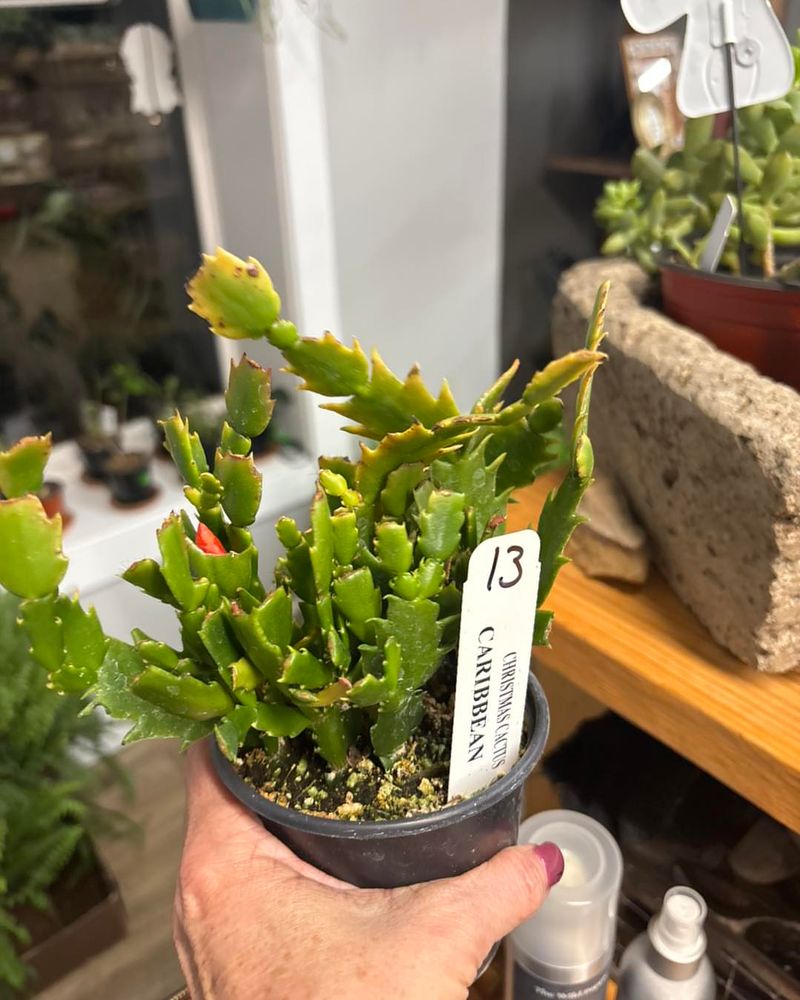
Most people think of the Christmas cactus as a holiday plant, but what happens after the blooms fade is just as interesting. Once winter ends, this plant shifts gears and enters its active growing phase.
That biological shift makes April one of the smartest times to take cuttings in Pennsylvania. During spring, the plant is putting energy into producing new growth rather than flowers. That energy benefits your cuttings too.
A cutting taken during this active phase has a much stronger chance of rooting quickly and establishing itself before the summer heat settles in.
Pennsylvania winters can be harsh and unpredictable, which makes indoor propagation tricky from November through March. Cold drafts, dry furnace heat, and low light levels all work against young cuttings during those months.
April brings more stable indoor conditions across the state, with longer daylight hours and more consistent temperatures.
Many Pennsylvania gardeners find that cuttings started in April root within six to eight weeks, giving new plants plenty of time to get established before fall. That head start really matters when you want strong, healthy plants by the time the holiday season rolls around again.
Think of April as nature’s green light for propagation. The plant is awake, the light is improving, and your home is no longer fighting off the deep freeze of a Pennsylvania winter.
There is no better combination for getting new Christmas cactus starts off on the right foot. Starting now means more plants, more blooms, and more joy by December.
2. Choose A Healthy Parent Plant First

Before you reach for a stem, take a good look at the plant you are pulling from. Not every Christmas cactus is ready to give up a cutting.
Starting with the right parent plant makes a huge difference in how well your new starts will grow.
You want a plant with firm, glossy green segments. The leaves should feel solid when you gently pinch them, not soft or wrinkled.
A healthy parent plant in Pennsylvania will usually look full and upright, with no yellowing, spots, or mushy sections anywhere along the stems.
Stressed or weakened plants are not good donors. If your Christmas cactus has been sitting in soggy soil, struggling under low light all winter, or showing signs of disease, it needs care before it can give anything to a new cutting.
Cuttings from struggling plants tend to root poorly and may never thrive on their own. Strong parent plants pass along their vigor to the new starts they produce. Think of it like borrowing energy.
A plant that is full of life has plenty to share. A plant that is barely holding on has nothing extra to give.
Take a few minutes to check your parent plant for pests too. Tiny bugs like fungus gnats or spider mites can hitchhike onto new cuttings and cause problems later.
If you spot any pests, treat the parent plant first and wait until it is fully healthy before taking any cuttings. A little patience at this stage pays off big later in the season across your Pennsylvania home.
3. The Easiest Cutting Method To Try
Ready to actually take your first cutting? Good news: you do not need scissors, a blade, or any special tools for this method. The easiest way to take a Christmas cactus cutting is simply to use your fingers.
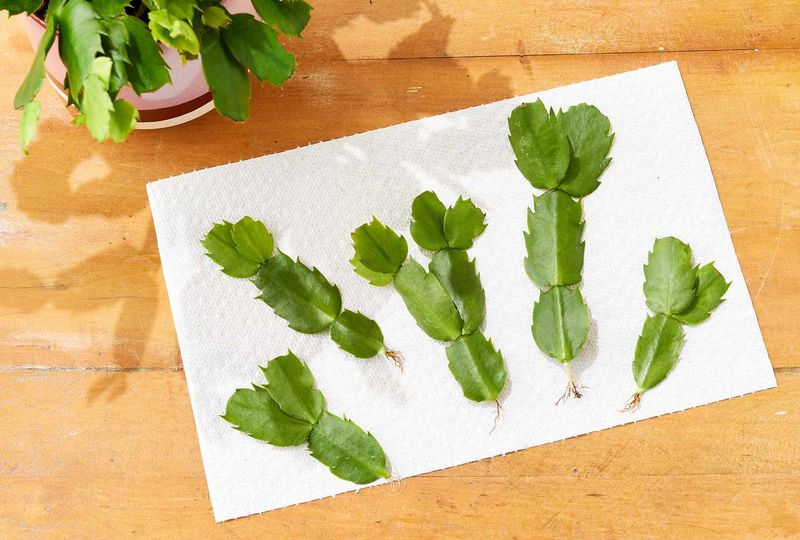
Find a stem with two to four connected segments near the tip of a healthy branch. Hold the parent stem steady with one hand, then gently grip the bottom segment of your cutting with the other hand.
Twist it slowly and carefully until it separates cleanly at the joint. That natural joint is designed to break apart without causing a ragged wound.
Clean removal really matters here. A clean break at the joint heals faster and reduces the chances of rot setting in before roots can form.
Avoid pulling or yanking, which can tear the tissue and leave jagged edges that are harder for the plant to heal.
Once you have your cutting, do not rush to plant it right away. Set it aside in a dry, shaded spot for one to three days.
During that time, the cut end will form a callous, which is basically a thin protective layer of dried tissue. That callous is your cutting’s first line of defense against moisture and rot once it goes into the soil.
Many Pennsylvania gardeners skip this drying step and then wonder why their cuttings turn soft and mushy. A little patience right here prevents a lot of frustration later.
Once that cut end looks slightly dry and sealed, your cutting is ready for the next step. Simple, right?
4. How To Root Cuttings Successfully
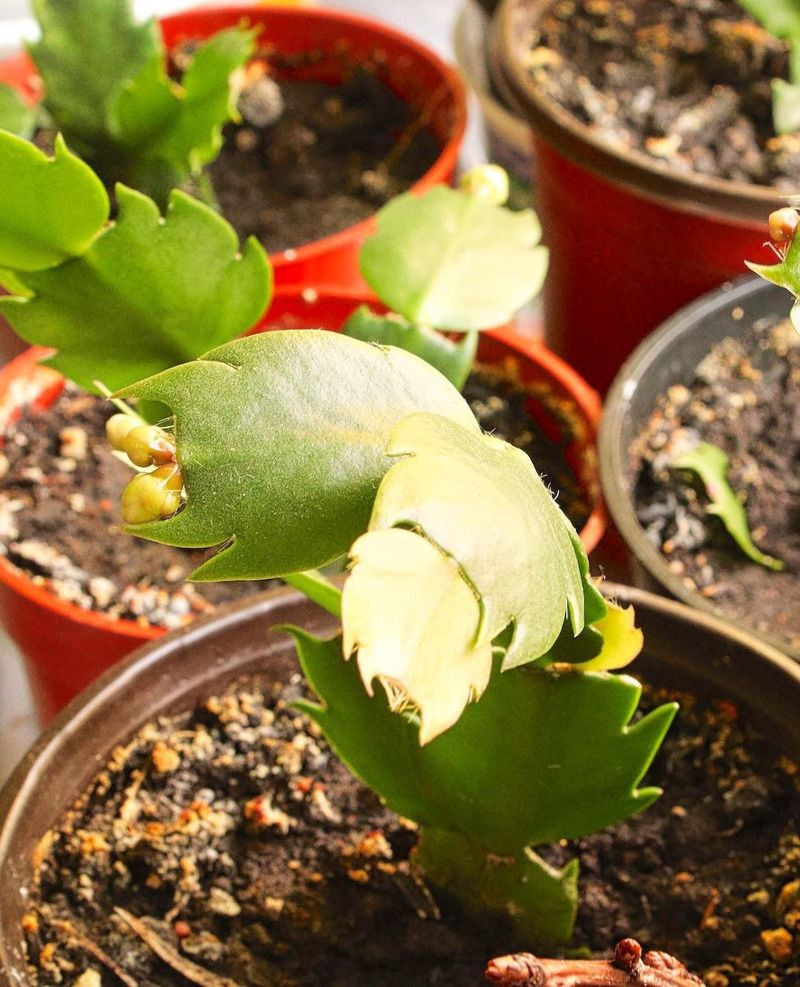
Rooting a Christmas cactus cutting is not complicated, but a few key choices will determine whether your new plant thrives or struggles. Getting the soil and light conditions right from day one gives your cutting the best possible start.
Choose a light, well-draining potting mix for your container. A cactus or succulent blend works really well because it does not hold too much moisture.
Regular potting soil can stay too wet for too long, which is the opposite of what a Christmas cactus cutting needs during those first fragile weeks of rooting.
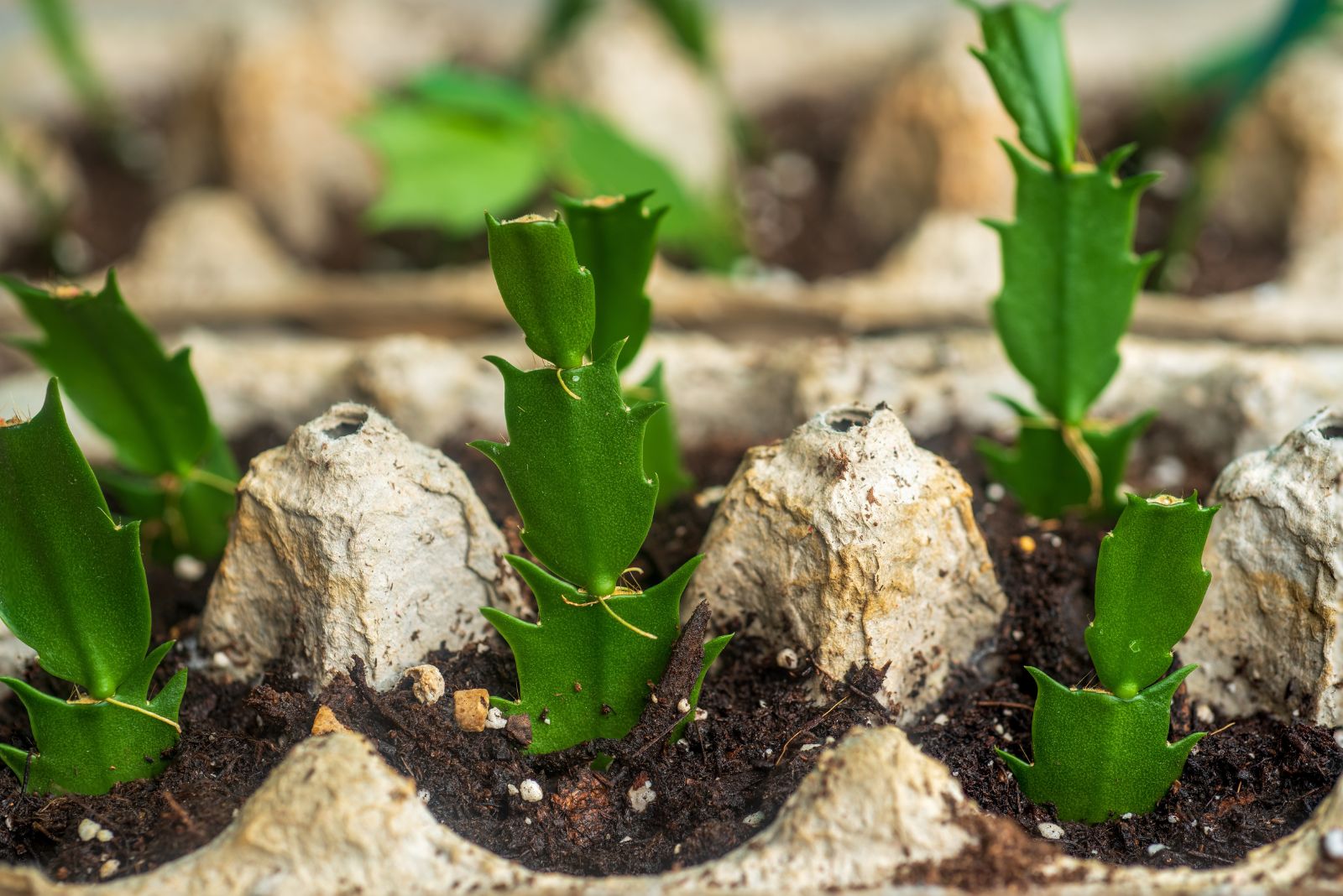
Insert the calloused end of your cutting about one inch into the soil. You want it deep enough to stand upright on its own, but not so deep that the lower segments are buried. Gently firm the soil around the base to hold it in place without packing it too tightly.
Place your pot in a spot with bright, indirect light. A north or east-facing window in a Pennsylvania home works beautifully in April.
Direct afternoon sun is too intense and can stress the cutting before roots have even begun to form.
Water the soil lightly right after planting, just enough to moisten it. After that, let the top layer dry out slightly before watering again.
Overwatering is honestly one of the most common mistakes people make with Christmas cactus cuttings. Soggy soil blocks oxygen from reaching the developing roots and creates conditions where rot spreads fast.
Keep things on the drier side and trust the process. Roots typically develop within six to eight weeks when conditions are right.
5. Simple Care Tips While New Cuttings Get Established
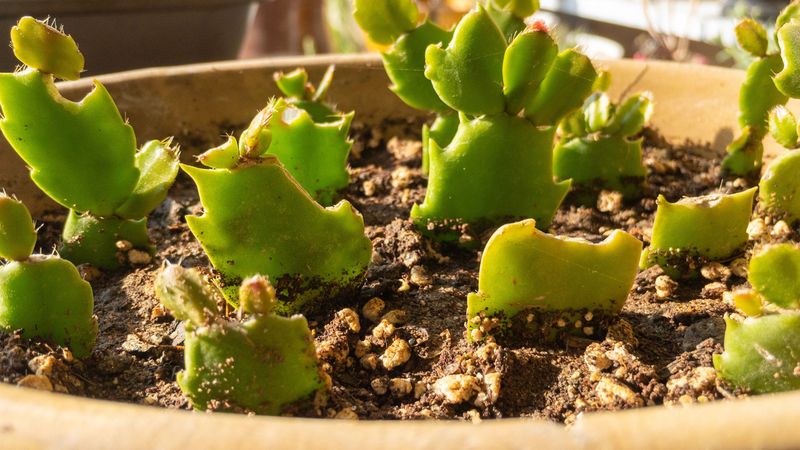
Getting a cutting to root is only half the job. Keeping it comfortable and consistent during those first few weeks is just as important.
New cuttings are more sensitive than mature plants, so your care routine needs to match that fragility.
Warmth is your best friend during this stage. Keep your cuttings in a room where temperatures stay between 65 and 75 degrees Fahrenheit.
Most Pennsylvania homes hit that range naturally in April, which is another reason this month works so well for propagation. Avoid placing pots near heating vents, which can dry out the soil too quickly and stress the cutting.
Cold drafts are sneaky troublemakers. Windows and exterior doors in Pennsylvania can let in chilly air even on mild spring days.
A cutting sitting near a drafty spot may struggle to root properly because cool temperatures slow down the rooting process significantly.
Bright but indirect light keeps the cutting comfortable without overwhelming it. Think of it like easing into exercise after a long rest.
You would not sprint a mile on day one, and your cutting should not face harsh afternoon sun before it has any roots to support it.
Patience is genuinely the most important ingredient here. Rooting can take anywhere from four to eight weeks, sometimes a little longer.
Do not panic if nothing seems to be happening on the surface. Root development starts underground where you cannot see it.
Wait for tiny new segments to appear at the tips before you start treating the cutting like a fully established plant. That new growth is your signal that rooting has been successful and your Pennsylvania plant is ready to flourish.
6. Common Mistakes Pennsylvania Gardeners Should Avoid
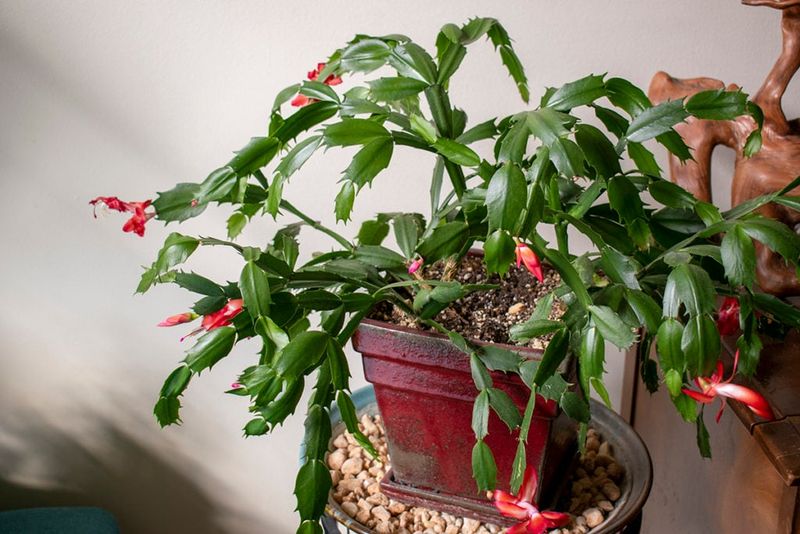
Even experienced plant lovers make avoidable mistakes when propagating Christmas cactus for the first time. Knowing what not to do is just as valuable as knowing the right steps. A few small missteps can set your cuttings back by weeks.
Starting with an unhealthy cutting is probably the most common error. If the segment you twist off is soft, discolored, or wrinkled, it is not going to root well no matter how perfectly you care for it afterward.
Always begin with firm, healthy material from a strong parent plant. Heavy, dense potting soil is another trap many Pennsylvania gardeners fall into. Standard garden soil or thick potting mixes hold way too much water for a Christmas cactus cutting.
That extra moisture creates the perfect environment for stem rot, which can wipe out a cutting before it ever gets a chance to root.
Watering too often is a close runner-up on the mistake list. It feels natural to water frequently when you want your cutting to grow, but Christmas cactus roots need air as much as they need moisture.
Let the top of the soil dry slightly between waterings and resist the urge to check or water every single day.
Putting cuttings in intense afternoon sun is a fast way to stress them out. Pennsylvania gets some strong afternoon light in April and May, and a tender cutting without established roots cannot handle that intensity.
Stick with bright, indirect light until new growth confirms the plant is rooted and thriving. Finally, avoid propagating in a chilly room. Cool temperatures significantly slow rooting.
Keep your cutting in a warm, stable spot and give it the consistent environment it needs to succeed.