Mushrooms Growing In Your Mulch? Here’s What It Means
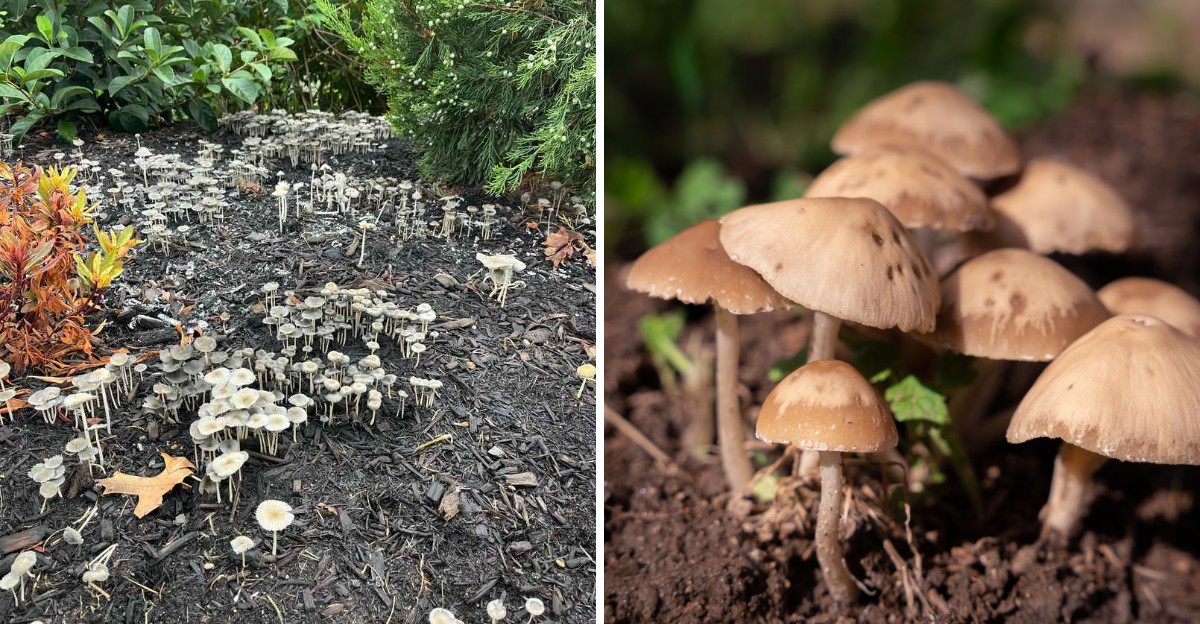
You stepped outside and met a crowd that did not exist yesterday. Brown caps now push through the soil, damp and glossy.
Curiosity feels reasonable, but you are looking at just the visible tip. Those caps are fruiting bodies, and the real organism waits below your feet.
Threads called mycelium can stretch across acres of ground, unseen and busy. Overnight growth happens because cells swell with water, inflating each cap in hours.
Fungi share more ancestry with animals than with plants. Many species recycle old wood and feed your soil.
Others carry compounds that can make you seriously ill. Pets and toddlers in your home make careful choices urgent.
Digging seems tempting, yet it disturbs the threads feeding your bed. Gills, stems, and spore color narrow your options; experts confirm. Photograph the gills, then ask a local expert before touching.
1. Decomposing Mulch Builds Richer Soil
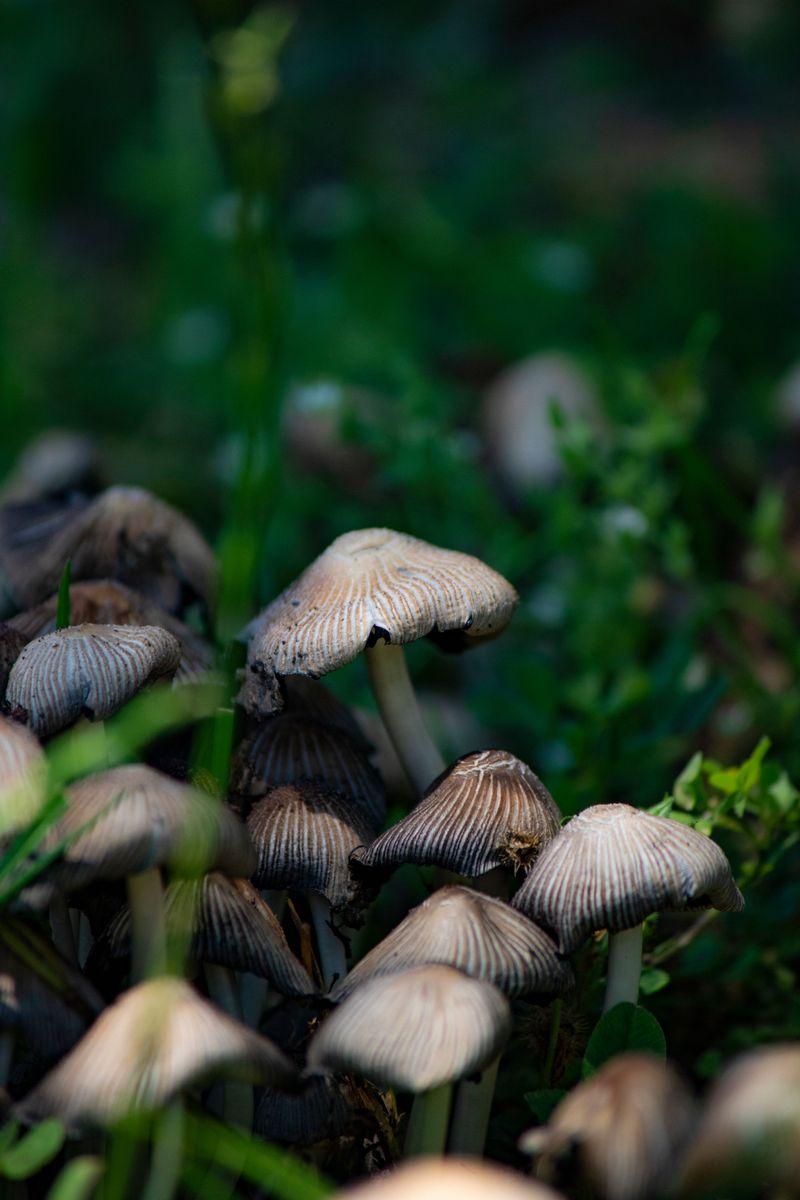
Picture your mulch as a slow stew that simmers quietly under the sun for many months. Those mushrooms popping up are a sign the fungus is ready to spread its spores.
Wood chips, bark, and shredded leaves do not stay the same forever. Tiny living things slowly chew through them and turn them into dark, crumbly soil.
Fungi are major contributors to that cleanup process. They grow long white threads inside the mulch that break down tough wood fibers.
The mushroom you see is just the fruit of a much bigger hidden body. Much of the fungus lives below the surface, spreading out like a hidden network.
When conditions are right, the fungus sends up mushrooms to spread its spores. Spores work a lot like seeds, drifting away on the breeze to start new colonies.
For gardeners, this process is generally a positive sign. Broken-down mulch adds organic matter, which helps soil hold water and stay loose.
Plant roots love that soft, spongy texture because they can spread out easily. Earthworms are also attracted to it, adding even more nutrients.
Keep in mind that mulch slowly shrinks as it breaks down over time. Plan to add a fresh layer about once a year to keep beds looking neat.
So the next time you spot a cluster of caps, give your mulch a little credit. It is doing exactly what it was meant to do, one tiny bite at a time.
2. Damp Ground Invites Mushrooms
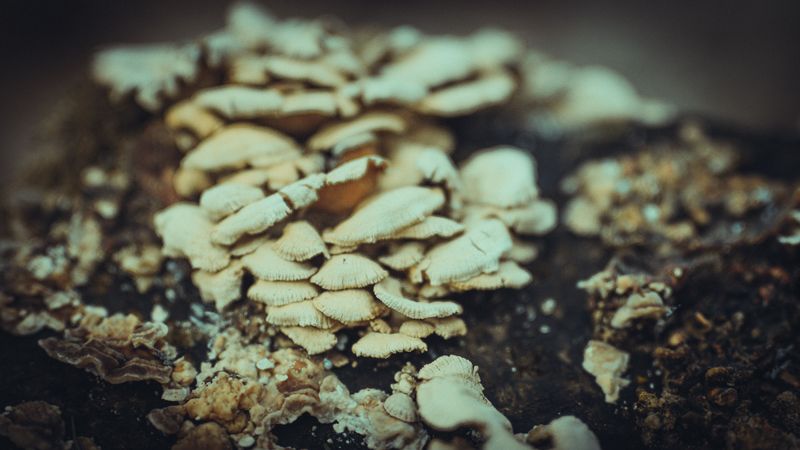
Mushrooms are basically little water meters that pop up when your garden feels soggy. If you see a bunch after a rainy week, that timing is no accident.
Fungi need steady moisture to grow and make their fruiting bodies. Dry mulch keeps them hidden, while damp mulch invites them to show off.
A thick layer of mulch is great at trapping water in the soil below. That is one big reason gardeners use it in the first place.
Still, too much water can cause trouble for some plants. Roots that sit in soggy ground may struggle to breathe and can start to rot.
Try a simple finger test to check what is going on underneath. Push your finger about two inches into the soil and feel for wetness.
If the soil feels like a wrung-out sponge, things are probably just right. If it feels like a soaked bath towel, you may be overwatering.
Sprinkler systems are a common cause of overwatering in the fall season. Cooler October air means plants drink less, so cut back watering times a bit.
Check your gutters and downspouts too, since they sometimes dump extra water into flower beds. A splash block or extension can send that water somewhere better.
Keeping mulch about two to three inches deep also helps balance moisture. Thicker piles can stay wet for weeks and become very favorable for fungi.
Think of the mushrooms as a signal that the ground is damp. You can adjust watering if needed.
3. Helpful Fungi Live Beneath The Surface
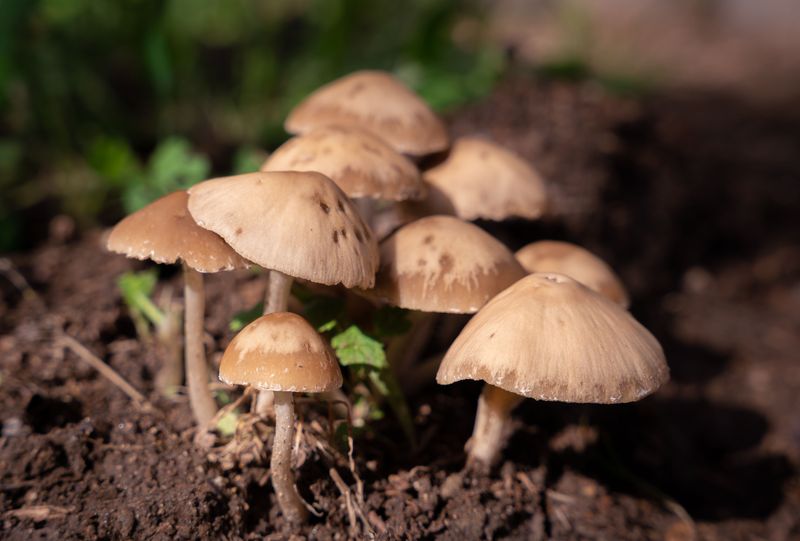
Underneath your feet, there is a whole hidden internet made of fungus. Scientists sometimes call it the wood wide web, though how much it shares between plants is still debated.
Many fungi team up with plant roots in a partnership called mycorrhiza. The fungus helps roots reach water and nutrients, and plants share sugar in return.
Some of these threads stretch much farther than roots could reach alone. That gives your shrubs and flowers a bigger reach into the soil.
Not every mushroom in mulch is a root partner, but many are helpful decomposers. Either way, they show that your soil is alive and working hard.
Healthy soil is full of bacteria, fungi, insects, and worms all doing different jobs. Mushrooms are one of the few members of that crew you can see.
Gardeners who use lots of chemical sprays often see fewer fungi over time. A yard with mushrooms may reflect fewer chemical treatments, though that is not guaranteed.
You can help these underground helpers by skipping fungicides on your garden beds. Leaving fallen leaves to break down is another easy way to feed them.
Avoid digging and tilling more than you need to, because it disrupts fungal threads. A light touch keeps the network strong and connected.
Some fungal networks grow to very large sizes. One honey fungus in Oregon covers more than three square miles underground. Not every giant is friendly, though, since that species harms trees.
So your mulch mushrooms might be tiny, but they belong to something big. Most of that hidden team is quietly at work in your soil.
4. Nutrients Return To The Soil
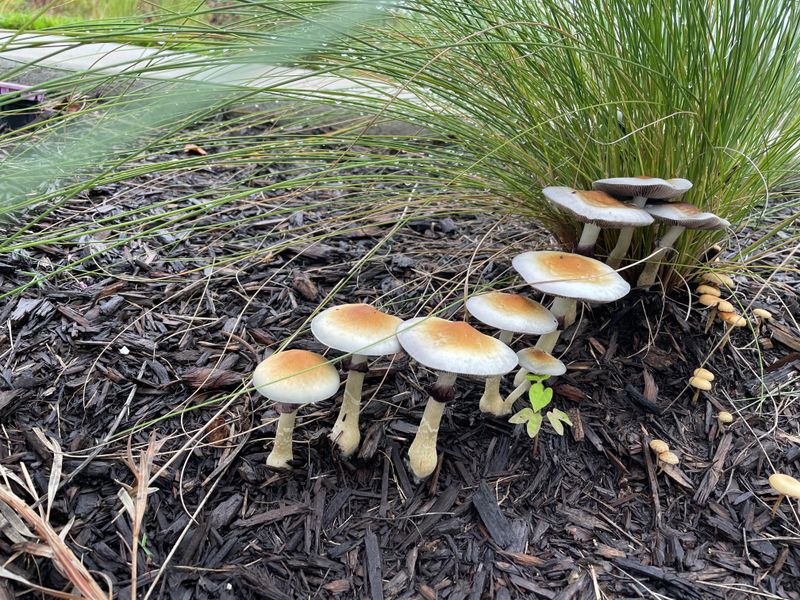
Grandma used to say a good garden starts with good dirt, and she was right. Mushrooms in mulch can be one sign that decomposition is underway.
As fungi break down wood and leaves, they release nutrients locked inside. Nitrogen, phosphorus, and potassium slowly return to the soil for plants to use.
Think of it as a free, slow-release fertilizer that you did not have to buy. Natural processes handle the mixing and the timing.
There is one small catch to keep in mind, though. Fresh wood chips can borrow some nitrogen from the soil while they first break down.
That borrowing mostly happens right at the surface, not deep around roots. Once the mulch ages, the nitrogen gets paid back with interest.
If your plants look pale or yellow, check watering first, since a light feeding of compost may also help. Spread it under the mulch layer so nutrients reach the roots faster.
October is a great month to add compost before winter arrives. Rain and snow will slowly wash the goodness down into the soil.
Old-time farmers knew that rich forest soil came from fallen trees and leaves. Your mulch bed is basically a tiny forest floor sitting in your yard.
Vegetable growers especially love this kind of living, crumbly soil. Tomatoes, peppers, and squash often do well in it next season.
So those little caps are a sign of active decomposition. Your soil is getting richer, and your plants will thank you come spring.
5. Fall Weather Favors Fungi
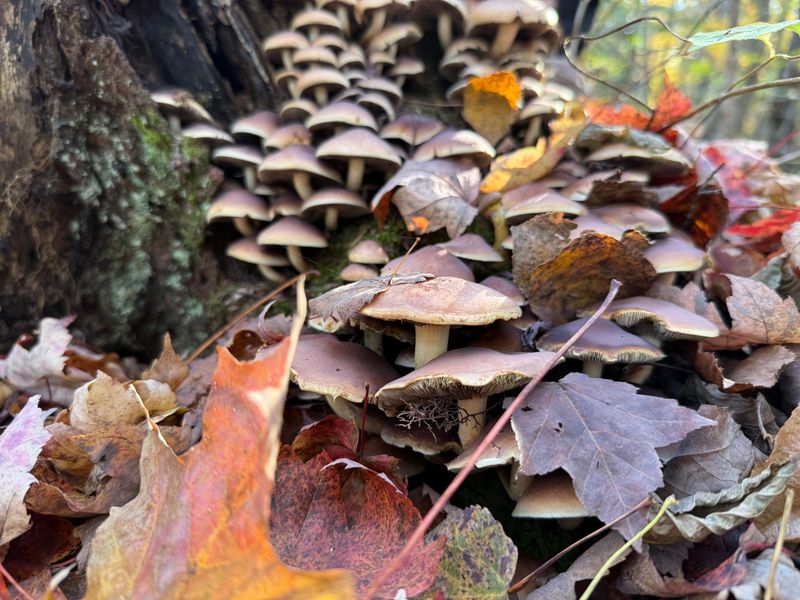
Cool nights, foggy mornings, and soft rain make October feel cozy for people and fungi alike. It is peak mushroom season in many regions.
Many fungi favor temperatures between about 50 and 70 degrees Fahrenheit. Fall days often land right in that sweet spot, especially after a hot summer.
Shorter days mean the sun dries the ground out less each afternoon. Mulch stays damp longer, giving mushrooms plenty of time to sprout.
You might notice mushrooms appearing in just a single night. Some kinds can push up from the mulch in a matter of hours.
They can fade just as fast once a sunny, dry spell rolls in. Many mushrooms only last a few days before they shrivel up.
Because of this, there is usually no reason to remove them if no children or pets visit the bed. The weather often takes care of the problem for you.
Once the first hard frost hits, most mushroom activity slows way down. The fungus simply rests underground until warmer, wetter weather comes back.
Spring rains can wake them up again, so do not be surprised by a repeat show. Many gardeners see two mushroom seasons each year, spring and fall.
Grab a camera and snap a few photos before they disappear. Some caps look like tiny orange shells or brown buttons, and they make neat pictures.
Treat the fall crop like seasonal decorations, a bit like pumpkins on the porch. They show up, look interesting for a while, and then quietly fade away.
6. Pets And Kids Need Real Caution
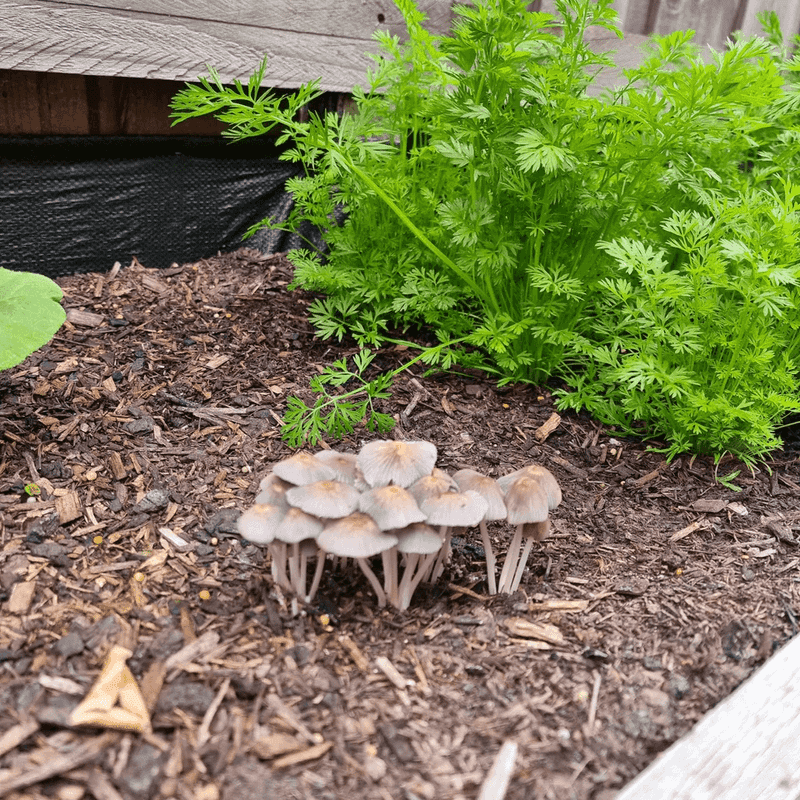
Curious puppies and toddlers share one funny habit: they want to taste everything they find. That makes mulch mushrooms worth a closer look.
Many mushrooms in garden beds are decomposers, but you cannot judge which ones are safe by sight. A few can make people and pets very sick if eaten.
Even experts have trouble telling some kinds apart just by looking. A safe mushroom and a toxic one can look like twins.
Because of that, the safest rule is simple: do not eat any yard mushroom. Teach kids to look with their eyes and keep hands away.
Dogs are a common concern, since many love to sniff and chew. Watch your dog closely during walks around mulched beds this fall.
If you have small children or pets, pick the mushrooms as soon as they appear. Wear gloves, pull them out gently, and toss them in the trash.
Do not throw them into the compost pile, where pets or wildlife could reach them. A sealed bag in the garbage can is the better choice. Signs of mushroom poisoning in pets include vomiting, drooling, shaking, or acting sleepy.
Call your vet, the ASPCA Animal Poison Control Center, or the Pet Poison Helpline right away if you suspect a mushroom was eaten, even before symptoms appear. For a child, call poison control or emergency services.
Snap a photo of the mushroom before you toss it, if possible. That picture can help doctors or vets figure out what was eaten.
Caution goes a long way without spoiling your love of the garden. Keep an eye out, act fast, and everyone can enjoy the yard safely.
7. Raking Can Refresh Tired Mulch
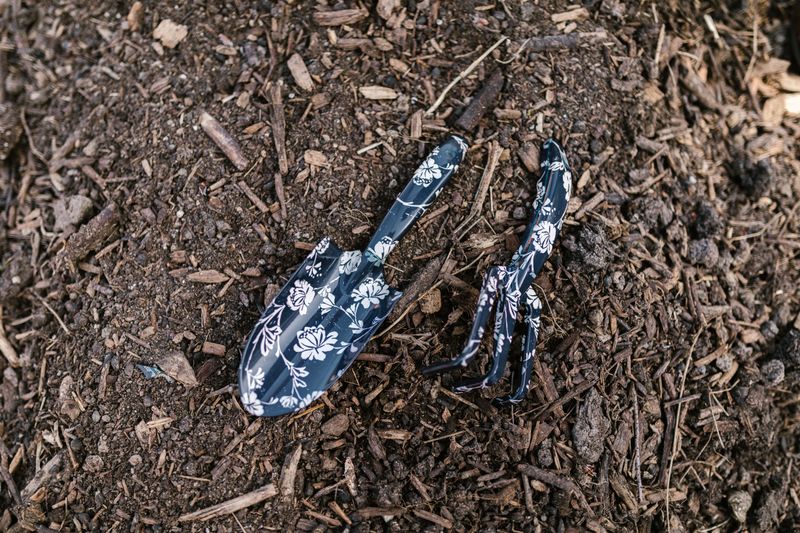
Sometimes the best fix is the oldest tool in the garage. A plain garden rake can help when mushrooms appear in large numbers.
Mulch that sits untouched for months can pack down into a thick, matted layer. That crust holds moisture and creates a favorable environment for fungi.
Raking fluffs up the mulch and lets air flow through it again. Better airflow helps the top layer dry out faster after rain.
Watch out for a problem called artillery fungus while you work. It shoots sticky black spores that cling to cars and house siding like tiny tar dots.
Those spots can be hard to clean, so catching this fungus early matters. Raking and refreshing the mulch can help reduce its spread.
Some homeowners also notice slime mold, which looks like yellow scrambled eggs. Strange as it looks, it is harmless, easy to rake away, and not a true fungus.
If mushrooms keep coming back in one spot, check for buried wood. Old roots or stumps underneath can feed fungi for years.
Mushrooms at the base of a living tree can signal root problems, so ask an arborist to take a look.
Pull mulch a few inches away from tree trunks and plant stems as you rake. Mulch piled against bark stays wet and can invite rot and pests.
Switching to a different mulch type is another option for stubborn areas. Pine needles, gravel, or cedar chips tend to host fewer mushrooms.
Remember that raking is about balance, not about removing all fungi. A little stirring keeps the bed healthy while still letting nature do its work.
8. A Small Ecosystem Is At Work
Step back and look at your yard like a nature show host would. Those mushrooms are just one cast member in a much bigger story.
Squirrels, chipmunks, and even deer sometimes nibble on wild mushrooms. Beetles, slugs, and flies also visit to feed or lay their eggs.
Birds then show up to snack on those insects. Before long, a small patch of mulch becomes a busy little food chain.
Fungi also help recycle carbon, a key ingredient in all living things. By breaking down wood, they return part of that carbon to the soil, while the rest is released as carbon dioxide.
Until the 1960s, many scientists classed mushrooms as plants. Today scientists know fungi are their own kingdom, closer to animals than plants.
That surprising connection makes mushrooms even more interesting to watch. Kids often love learning that a mushroom has more in common with them than a daisy.
A yard full of life tends to handle stress better than a bare one. Diverse soil can fight off plant diseases and bounce back from dry spells more easily.
You do not need a perfect lawn to have a healthy garden. Some of the best yards look a little wild around the edges.
Consider leaving a small corner of mulch untouched as a mini nature zone. It gives fungi, insects, and birds a safe space to do their thing.
So whenever caps appear, see them as a sign that your yard is full of activity. Your little patch of earth is more active than it looks.