Must-Do February Tasks To Boost Your Hydrangeas In North Carolina
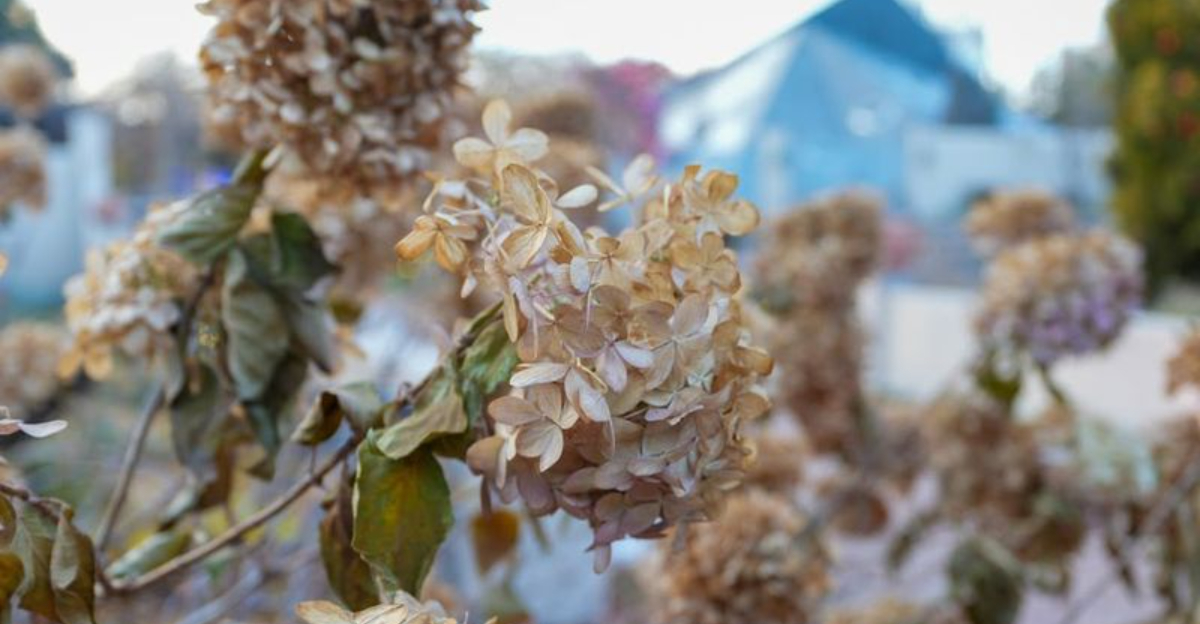
If you want your hydrangeas to bloom big and beautiful this year, February is the time to take action, especially in North Carolina. While your garden may still be resting, your hydrangeas are getting ready for the growing season ahead.
What you do now can have a major impact on how strong they grow and how many blooms they produce come spring and summer. Many gardeners make the mistake of waiting too long to prep their plants, but a little effort in February goes a long way.
From pruning and mulching to checking soil conditions, this is the month to give your hydrangeas the care they need to thrive.
Whether you’re growing mopheads, lacecaps, or panicle types, smart timing and simple steps can set you up for success.
Ready to help your hydrangeas reach their full potential? Let’s dive into the must-do February tasks.
1. Prune Your Hydrangeas At The Right Time
Knowing when and how to prune your hydrangeas can make the difference between a spectacular bloom season and a disappointing one.
February is the sweet spot for pruning certain types of hydrangeas in North Carolina, but you need to know which varieties you have first.
Smooth hydrangeas like Annabelle and panicle hydrangeas like Limelight bloom on new wood, meaning they form flower buds on the current season’s growth. These can be cut back hard in February without any worry.
On the other hand, bigleaf hydrangeas and oakleaf hydrangeas bloom on old wood, so they need a much lighter touch.
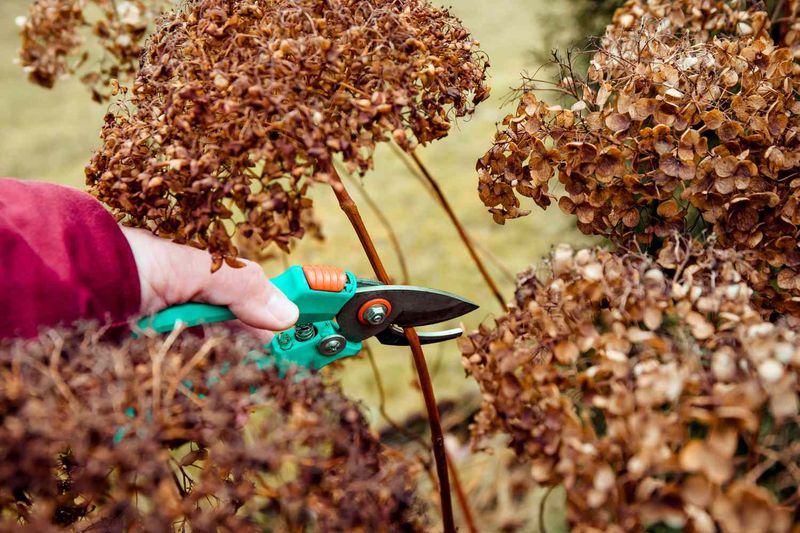
For smooth and panicle types, grab your clean, sharp pruning shears and cut the stems back to about 12 to 18 inches from the ground. This might seem drastic, but it encourages strong new growth that will produce those amazing flower clusters.
Make your cuts just above a set of healthy buds, angling the cut slightly to help water run off. Remove any dry, damaged, or crossing branches completely.
North Carolina’s mild February weather means you can work outside comfortably, and the plants are still dormant enough that they won’t stress from the trimming.
For bigleaf and oakleaf varieties, limit your pruning to just removing dry wood and spent flower heads from last year. Look for brown, brittle stems that snap easily, and cut those back to where you see green, living tissue.
Leave the healthy stems alone because they’re already carrying the buds that will bloom this summer. If you’re not sure which type of hydrangea you have, check the shape of the leaves and flowers, or wait until spring to see where the buds form.
Proper pruning in February sets the stage for robust growth and abundant blooms. Your North Carolina hydrangeas will respond beautifully to this attention, rewarding you with fuller plants and more flowers when the warm weather arrives.
2. Apply A Fresh Layer Of Mulch Around The Base
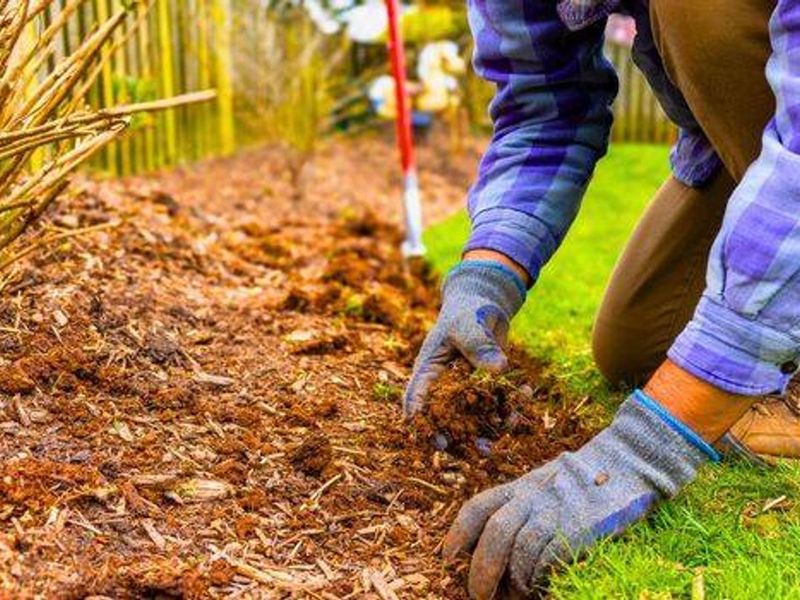
Mulch works like a protective blanket for your hydrangeas, and refreshing it in February gives your plants a serious advantage heading into spring.
Over the winter months, mulch breaks down, gets scattered by wind and rain, or simply compacts and loses its effectiveness.
Adding a fresh layer now helps regulate soil temperature, retain moisture, and suppress weeds before they even get started.
In North Carolina, where late winter can bring unpredictable temperature swings, good mulch coverage protects those shallow hydrangea roots from stress.
Start by pulling back any old mulch that’s matted down or moldy, and check the soil underneath. You want to see dark, crumbly soil that smells earthy, not sour or rotten.
If the old mulch still looks decent, you can leave some of it and just add a new layer on top. Choose organic mulches like shredded hardwood bark, pine bark nuggets, or pine straw, which are all readily available in North Carolina.
These materials break down slowly, adding nutrients to the soil while keeping everything insulated.
Spread a 2 to 3 inch layer of mulch around each hydrangea, starting about 3 inches away from the main stems and extending out to the drip line or beyond.
Keeping mulch away from the stems prevents rot and discourages pests from setting up camp right against your plants.
Don’t pile it up like a volcano, just spread it evenly in a donut shape. The mulch will help keep soil moisture consistent, which is especially important as temperatures start to warm up and your hydrangeas wake from dormancy.
February is the perfect time for this task in North Carolina because you can work comfortably and the mulch will be in place before spring rains and warming soil temperatures arrive.
Your hydrangeas will appreciate the stable environment, and you’ll appreciate fewer weeds and less watering later on.
3. Test And Amend Your Soil For Optimal Growth
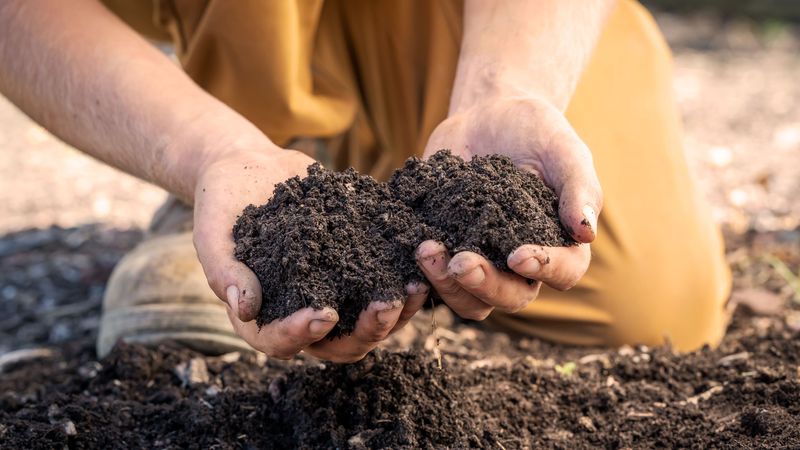
Soil health determines everything when it comes to growing gorgeous hydrangeas, and February is the ideal month to test and improve your soil in North Carolina.
While your plants are still dormant, you can make amendments that will have time to work into the soil before the growing season kicks off.
Hydrangeas prefer rich, well-draining soil with plenty of organic matter, and they’re famously sensitive to soil pH, which actually affects flower color in some varieties.
Getting your soil right now means stronger roots, better nutrient uptake, and more spectacular blooms come summer.
Pick up a simple soil test kit from your local garden center or send a sample to the North Carolina Department of Agriculture for a detailed analysis. The test will tell you the pH level and nutrient content of your soil.
Most hydrangeas do best with slightly acidic soil around 5.5 to 6.5 pH, though this varies by type.
If you’re growing bigleaf hydrangeas and want those stunning blue flowers, you’ll need acidic soil with a pH below 6.0. For pink blooms, aim for a pH closer to 6.5 or slightly higher.
Once you know your soil’s current condition, you can make targeted amendments. If your pH is too high, work in sulfur or aluminum sulfate to lower it.
If it’s too low, add lime to raise it. February’s cooler temperatures and typically moist soil in North Carolina make it easy to work amendments into the ground without stressing plants.
Mix in plenty of compost or aged manure to boost organic matter, which improves soil structure and feeds beneficial microorganisms. Spread a 2 to 3 inch layer around your hydrangeas and work it gently into the top few inches of soil.
Don’t forget to add nutrients if your test shows deficiencies. A balanced slow-release fertilizer can go down now, giving your North Carolina hydrangeas a steady food supply as they break dormancy and start growing again.
4. Inspect For Pests And Disease Before Spring
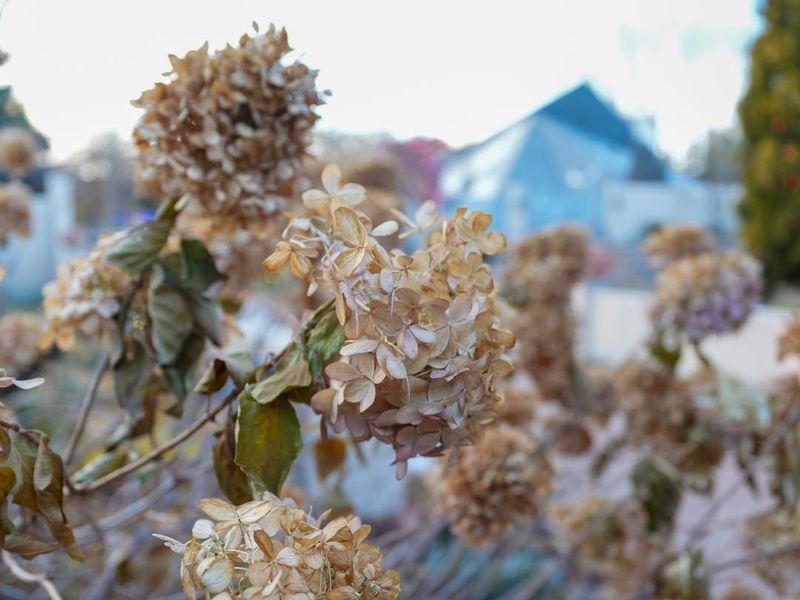
February offers a golden opportunity to scout your hydrangeas for potential problems while they’re still dormant and easier to inspect.
Catching pest or disease issues early means you can address them before they explode into major headaches during the growing season.
In North Carolina’s relatively mild climate, some pests stay active through winter or leave behind evidence that you can spot now. Walking around your hydrangeas with a careful eye takes just a few minutes but can save you hours of trouble later.
Start by examining the stems and branches closely. Look for unusual bumps, discolored patches, or areas where the bark looks damaged or peeling.
Scale insects sometimes overwinter on hydrangea stems, appearing as small brown or white bumps that don’t move.
If you spot these, scrape them off with your fingernail or a soft brush, or spray with horticultural oil on a mild February day when temperatures are above 40 degrees.
Check for cankers, which are sunken or swollen areas on stems that can indicate fungal disease. Prune out any affected branches, cutting back to healthy wood.
Examine the base of your plants and the surrounding soil for signs of rodent damage or fungal growth. Voles and mice sometimes nibble on hydrangea roots and stems during winter, especially if mulch is piled too thick against the stems.
If you see gnaw marks or disturbed soil, consider pulling mulch back slightly and setting traps if needed.
Look for mushrooms or mold growing on old mulch, which usually just means the organic material is breaking down, but if you see fuzzy white or gray mold on stems, that could indicate a problem.
Take note of any branches that look completely damaged or brittle. These should be removed during your February pruning session.
By doing this thorough inspection now, you’re giving your North Carolina hydrangeas a clean bill of health before the busy spring season starts.
5. Water Deeply During Dry Spells
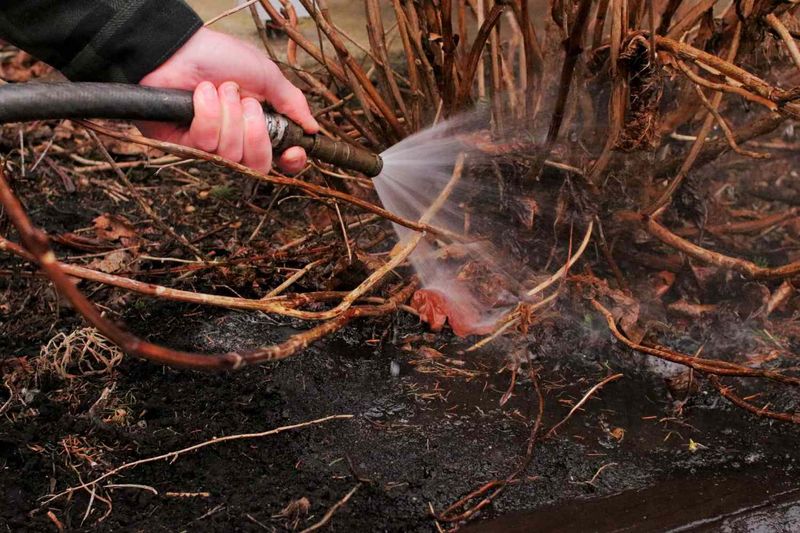
Even though your hydrangeas are dormant in February, they still need moisture, especially during dry periods. North Carolina winters can be surprisingly dry, and when rain is scarce, your hydrangeas’ roots can suffer without you even realizing it.
Hydrangeas have shallow root systems that dry out quickly, and going into spring with dehydrated roots means your plants will struggle to support new growth and flower production.
A little attention to watering now prevents stress and sets your shrubs up for a strong start when warm weather returns.
Check the soil around your hydrangeas every week or two during February. Stick your finger down about 2 to 3 inches into the soil.
If it feels dry at that depth, it’s time to water. Don’t just give a quick sprinkle on the surface, because that won’t reach the roots where it’s needed.
Instead, set your hose to a slow trickle and let it run at the base of each plant for 20 to 30 minutes. This deep watering encourages roots to grow down into the soil where they’ll be more protected from temperature swings and summer drought.
If North Carolina gets a good soaking rain of an inch or more, you can skip watering that week. But if you go more than two weeks without significant rainfall, get out there and give your hydrangeas a drink.
Early morning is the best time to water because it allows any moisture on the leaves to dry during the day, reducing disease risk. Avoid watering in the evening when cooler temperatures mean moisture lingers longer.
Remember that newly planted hydrangeas need more attention than established ones. If you planted hydrangeas last fall, make sure they get consistent moisture through February.
Their root systems are still developing and can’t reach as far for water. Proper February watering in North Carolina keeps roots healthy and ready to support all that beautiful spring growth.
6. Plan And Prepare For Spring Planting Or Transplanting
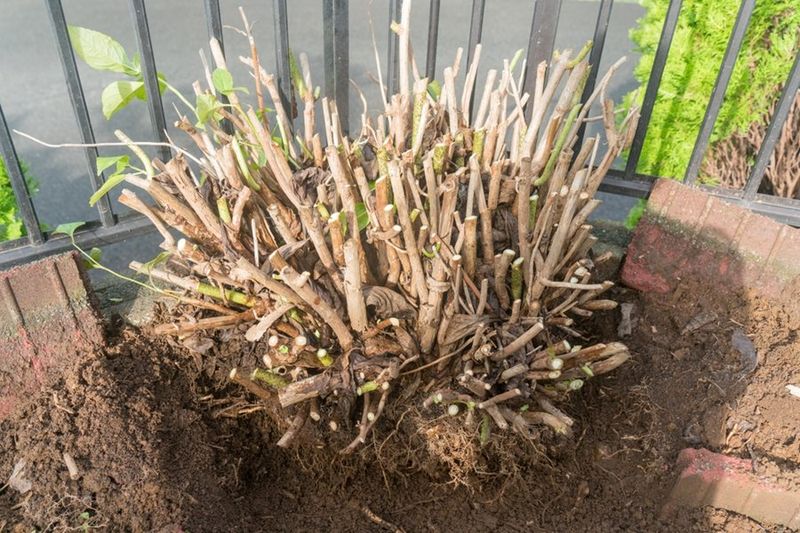
February is planning season for North Carolina gardeners, and it’s the perfect time to map out any hydrangea additions or relocations you want to make this spring.
While you shouldn’t actually plant or transplant hydrangeas in February, doing the prep work now means you’ll be ready to jump into action as soon as conditions are right in late March or early April.
Smart planning prevents rushed decisions and gives you time to gather supplies, research varieties, and prepare planting sites properly.
Walk your property and identify spots where you’d like to add new hydrangeas or where existing ones might be struggling and need relocation.
Hydrangeas generally prefer morning sun and afternoon shade, especially in North Carolina where summer heat can be intense.
Look for locations that get about 4 to 6 hours of sun, ideally in the morning when it’s gentler.
Avoid spots with heavy root competition from large trees or areas that stay soggy after rain. Make notes or take photos so you remember your ideas when planting time arrives.
If you’re planning to transplant existing hydrangeas, February is the time to mark which ones need moving and why. Maybe a plant is too crowded, getting too much shade, or would look better in a different garden bed.
Mark these plants with a stake or ribbon so you remember your plan. Start preparing the new location by clearing weeds, working in compost, and improving drainage if needed. The more prep you do now, the easier transplanting will be when the time comes.
Research which hydrangea varieties perform best in North Carolina and order them now if you’re buying online. Popular choices include Endless Summer for repeat blooming, Annabelle for reliability, and oakleaf hydrangeas for stunning fall color.
Local nurseries will start stocking hydrangeas in early spring, so you can also make a shopping list of what to look for. Having a solid plan means your North Carolina hydrangea garden will be more beautiful and better organized than ever.