7 Must-Have Spring Garden Tools For Oregon Gardeners (And 3 To Avoid)
Spring gardening in Oregon is about to get busy, and having the right tools makes everything easier.
Muddy soil, fast-growing weeds, and nonstop planting can turn simple tasks into a workout without proper gear.
The right tools save time, protect your hands, and help you work smarter instead of harder. On the flip side, some popular tools cause more frustration than results.
They break easily, damage soil structure, or sit unused in the shed. Knowing what actually earns a spot in your garden kit can make a huge difference once the season kicks off.
Get ready to discover which spring garden tools Oregon gardeners rely on most, and which ones are better left on the store shelf.
1. Hand Trowel
Every Oregon gardener needs a reliable hand trowel because it handles so many essential tasks throughout the growing season.
Planting seedlings, transplanting perennials, and digging out stubborn weeds all become easier when you have a quality trowel that fits comfortably in your hand.
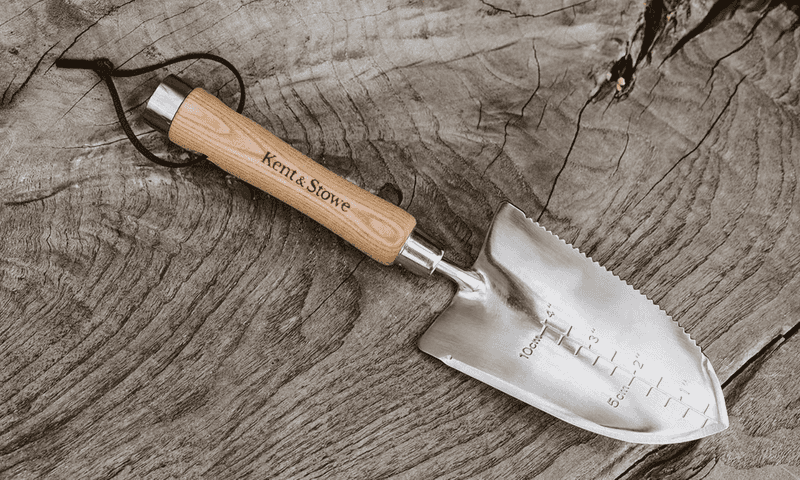
Look for a trowel with a forged steel blade rather than a stamped one because Oregon’s clay-heavy soil can bend cheaper versions. The blade should have a slight curve and a pointed tip that slices through soil without requiring excessive force.
A comfortable handle made from wood, rubber, or cushioned plastic prevents blisters during extended planting sessions. Oregon’s spring weather means you’ll be working in damp conditions frequently, so rust resistance matters more than you might think.
Stainless steel or powder-coated carbon steel blades hold up best against our wet climate. Many experienced gardeners in the Willamette Valley swear by trowels with measurement markings on the blade for consistent planting depth.
A good hand trowel should feel balanced in your grip and not too heavy despite being sturdy. Expect to spend between fifteen and thirty dollars for a quality tool that will last for years.
Cheap trowels might save money initially but often bend or break during their first season, making them a poor investment for serious Oregon gardeners.
2. Bypass Pruners
Sharp bypass pruners become your best friend when spring growth explodes across Oregon gardens. Roses, fruit trees, berry bushes, and perennials all need careful pruning to stay healthy and productive.
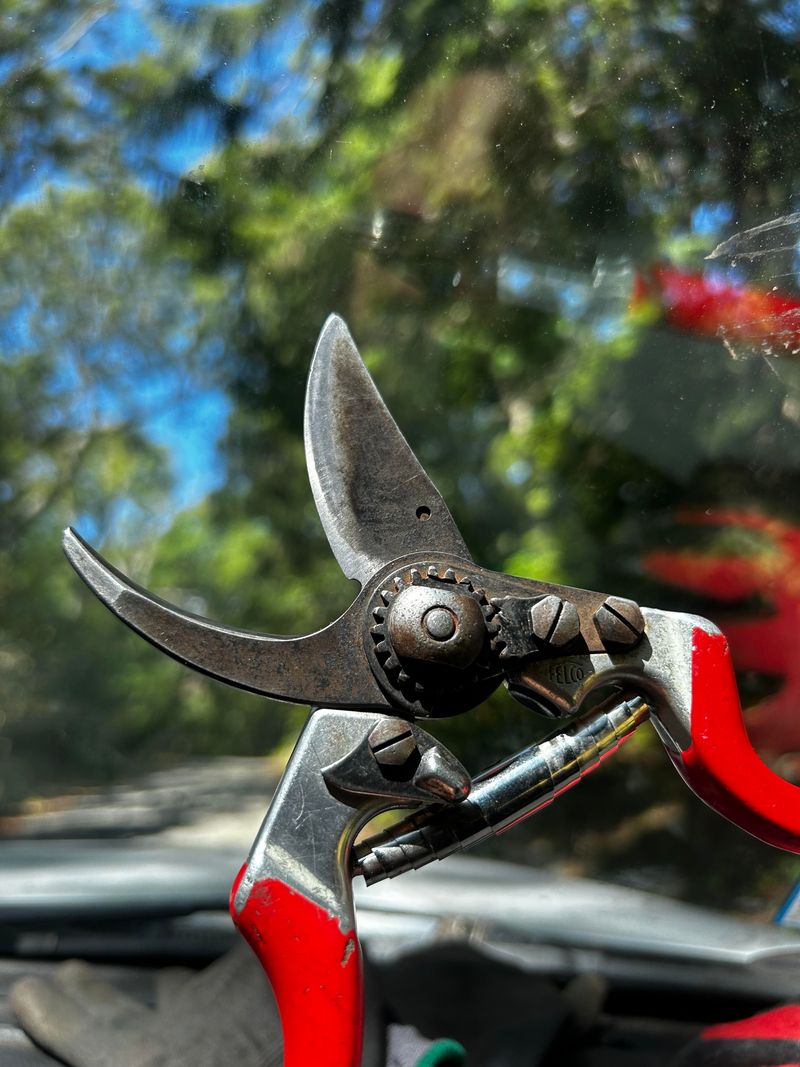
Bypass pruners work like scissors with two sharp blades passing by each other, creating clean cuts that heal quickly.
Oregon’s damp climate encourages rapid plant growth but also increases the risk of disease spreading through ragged cuts.
Quality bypass pruners make precise cuts that don’t crush stems or leave torn edges where fungi and bacteria can enter. Look for models with replaceable blades and springs because even the best pruners need maintenance after a few seasons of heavy use.
Comfortable handles with cushioned grips reduce hand fatigue during long pruning sessions in Portland gardens or rural properties. Some models include a safety lock to keep blades closed when not in use, which prevents accidents and protects the cutting edges.
The best bypass pruners can handle stems up to three-quarters of an inch thick without straining. Keep your pruners clean and sharp throughout the season by wiping the blades after each use and occasionally sharpening them with a small file.
Many garden centers throughout Oregon offer sharpening services if you prefer professional maintenance.
Investing in quality bypass pruners means spending between twenty-five and fifty dollars for a tool that will serve you reliably for many years.
3. Garden Fork
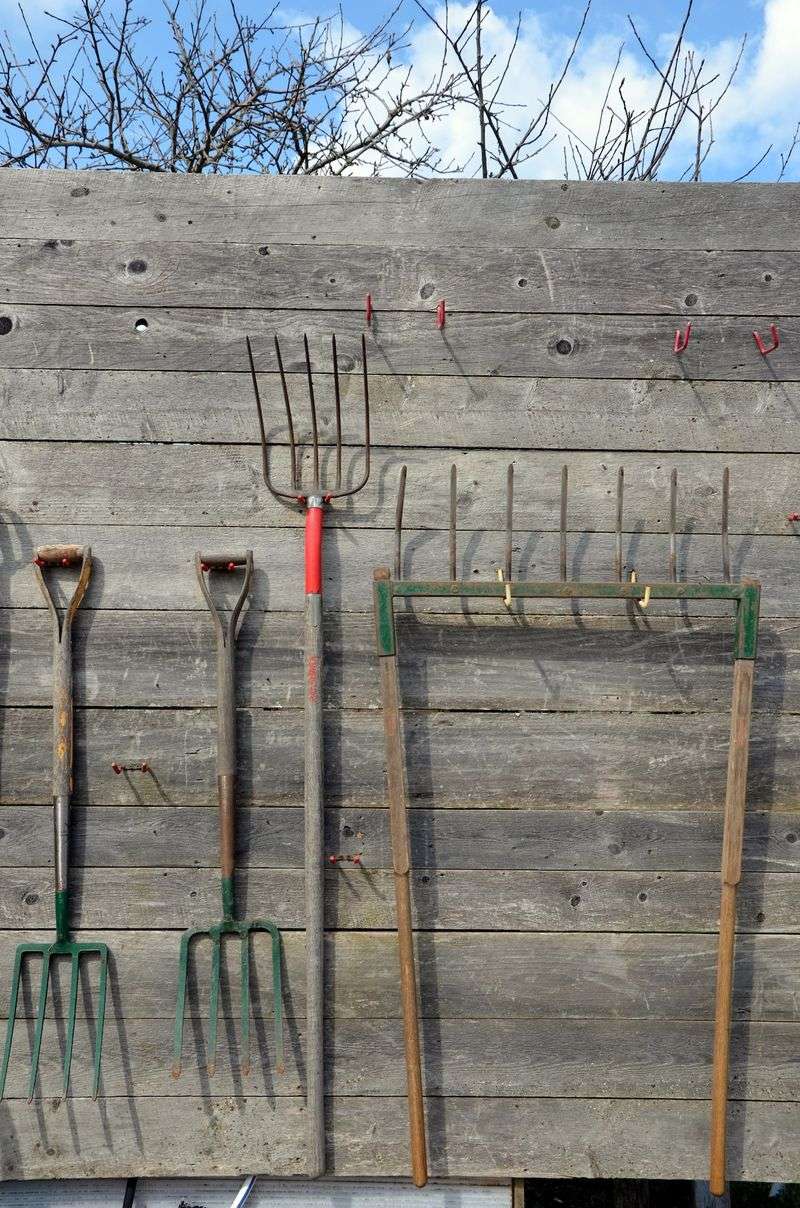
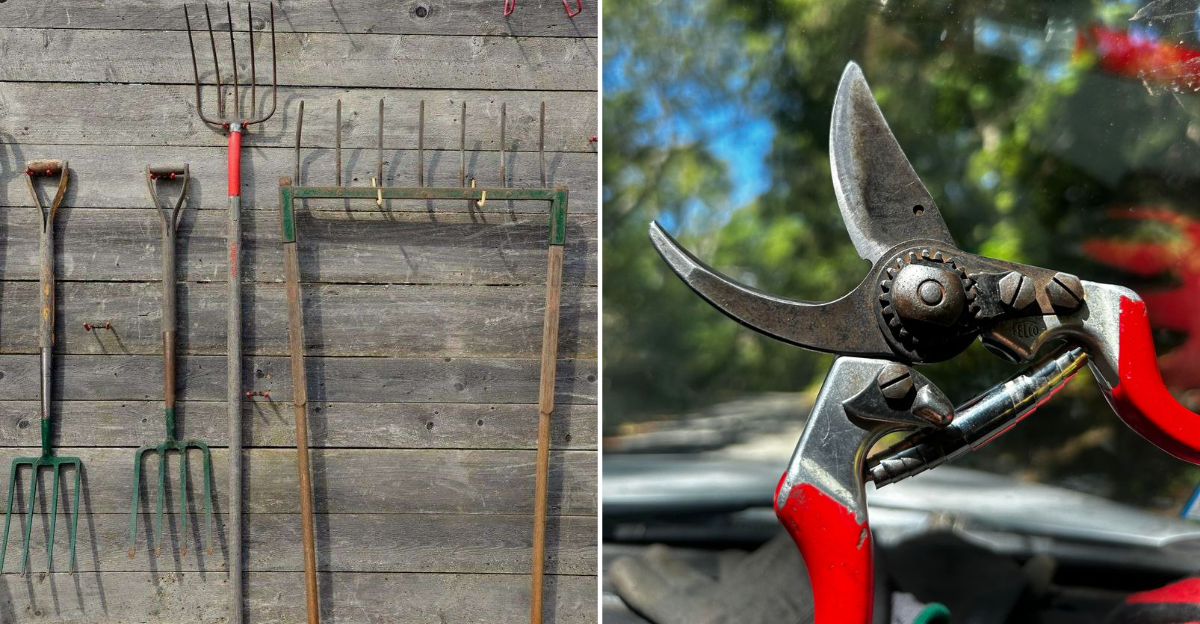
Turning compost, breaking up compacted soil, and mixing amendments into garden beds all require a dependable garden fork.
Oregon’s clay-heavy soil becomes especially challenging to work after our wet winters, making a strong fork essential for spring preparation.
The four sturdy tines penetrate soil more easily than a shovel and allow better aeration. Choose a fork with tines made from forged steel rather than welded construction because Oregon soil puts serious stress on garden tools.
The tines should be slightly curved and spaced about two inches apart for optimal soil penetration and lifting capacity. A comfortable D-grip handle provides better leverage and control when working in tight spaces between established plants.
Garden forks excel at harvesting root vegetables like potatoes and carrots without damaging them as shovels often do.
Throughout the Willamette Valley and Southern Oregon, gardeners rely on forks for incorporating cover crops into beds before spring planting.
The tool also works wonderfully for spreading mulch and turning over soil in raised beds. Look for a fork with a handle length that matches your height to prevent back strain during extended use.
Shorter gardeners often prefer handles around forty inches, while taller people find forty-eight-inch handles more comfortable.
A quality garden fork represents a significant investment at fifty to eighty dollars, but this tool will last decades with minimal maintenance and prove invaluable every spring.
4. Stirrup Hoe
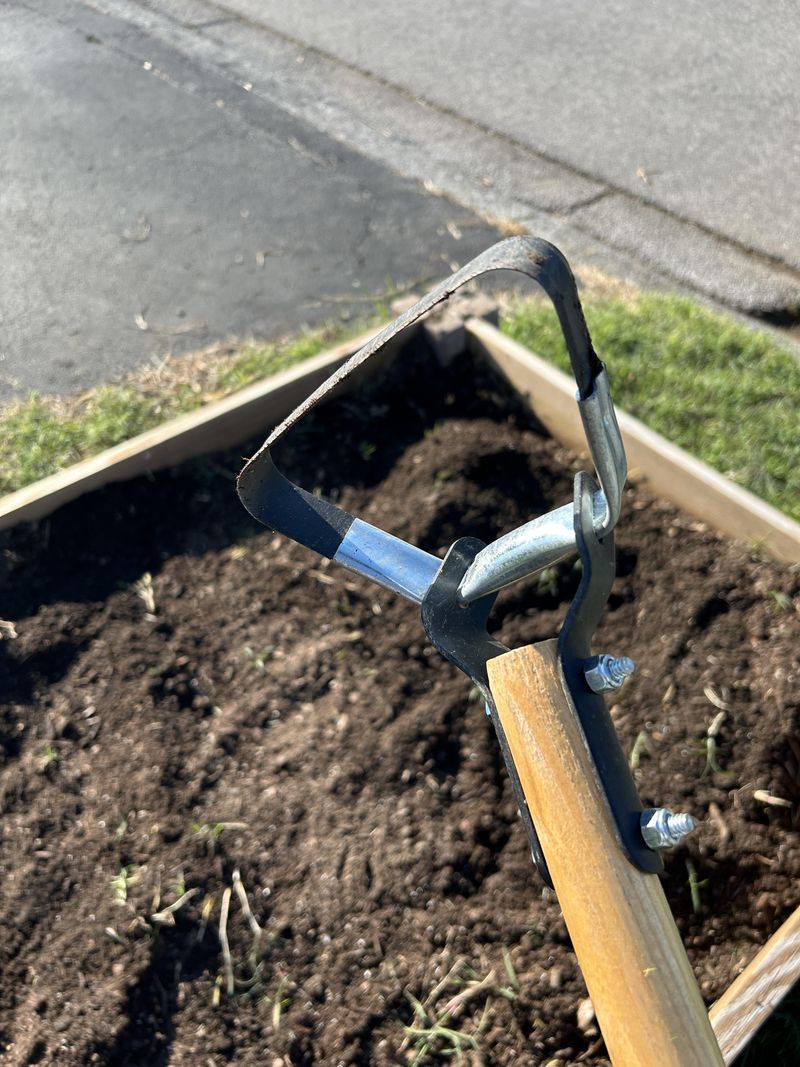
Weeding becomes far less tedious when you discover the efficiency of a stirrup hoe for maintaining Oregon garden beds.
This clever tool features a loop-shaped blade that cuts weeds just below the soil surface as you push and pull it back and forth.
The design requires minimal effort compared to traditional chopping hoes while covering more ground quickly. Oregon’s mild, wet springs create perfect conditions for weed growth that can quickly overwhelm garden beds if left unchecked.
A stirrup hoe lets you glide through rows of vegetables or flower beds, severing weed roots without disturbing your desired plants.
The oscillating action works in both directions, making weeding feel almost effortless compared to other methods.
The sharp blade should be made from hardened steel that holds an edge through many weeding sessions. Handle length matters significantly because a longer handle allows you to work while standing upright, saving your back during extended weeding marathons.
Many Eugene and Corvallis gardeners consider their stirrup hoe indispensable for keeping paths and beds weed-free throughout the growing season.
Regular sharpening keeps the blade performing at its best, and most garden centers in Oregon can help with this maintenance task.
The stirrup hoe works best on young weeds before they develop extensive root systems. Expect to invest between thirty and fifty dollars for a quality stirrup hoe that transforms weeding from a dreaded chore into a manageable task.
5. Soaker Hose
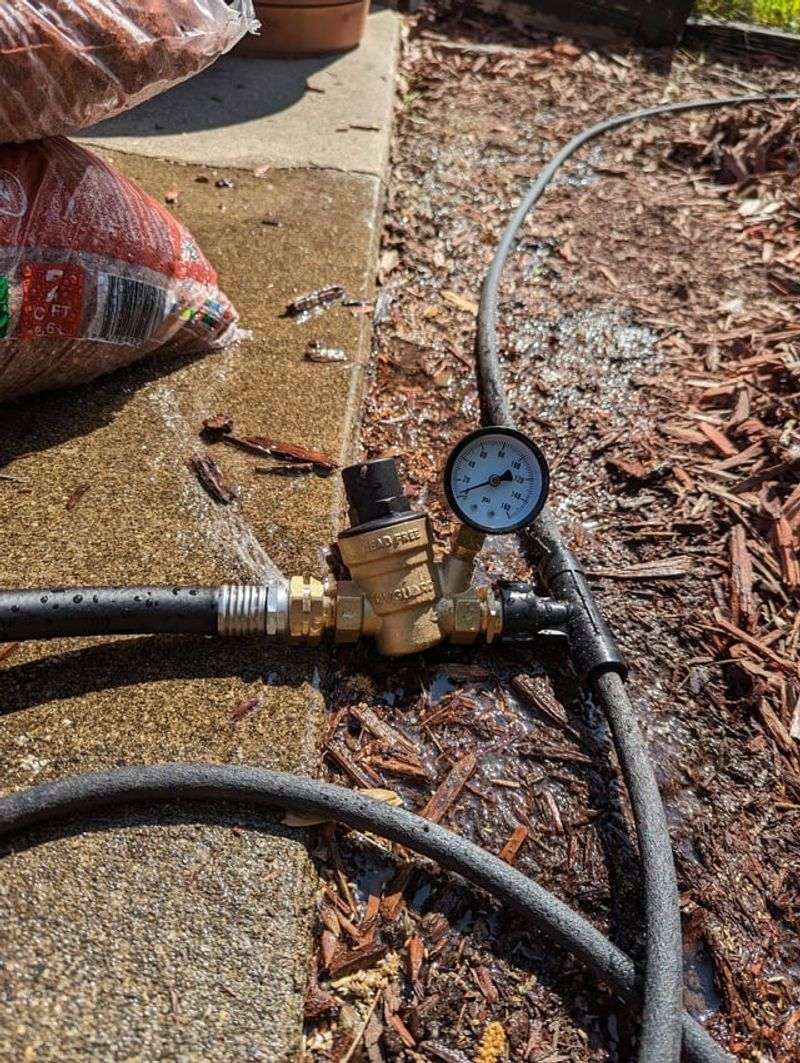
Oregon summers can surprise gardeners with dry spells that stress plants accustomed to our usually reliable rainfall. A soaker hose delivers water directly to plant roots slowly and efficiently, reducing water waste and keeping foliage dry to prevent disease.
Unlike sprinklers that wet leaves and lose water to evaporation, soaker hoses work at ground level where moisture does the most good.
Setting up a soaker hose system in spring prepares your garden for those inevitable dry weeks in July and August.
The porous material allows water to seep out gradually along the entire length, ensuring even moisture distribution. You can snake soaker hoses between plants in vegetable beds, around fruit trees, or through perennial borders for consistent watering.
Many Portland and Salem gardeners connect their soaker hoses to timers for automatic watering during vacations or busy periods.
The slow delivery rate means you can water deeply without runoff, encouraging plants to develop strong root systems.
Soaker hoses work especially well in raised beds and containers where consistent moisture matters most. Quality soaker hoses made from recycled rubber last longer than cheaper vinyl versions that crack after one or two seasons.
Cover your soaker hoses with mulch to protect them from sun damage and further reduce water evaporation. A fifty-foot soaker hose costs between twenty and forty dollars and can serve your Oregon garden reliably for several years with proper care.
6. Kneeling Pad Or Garden Kneeler
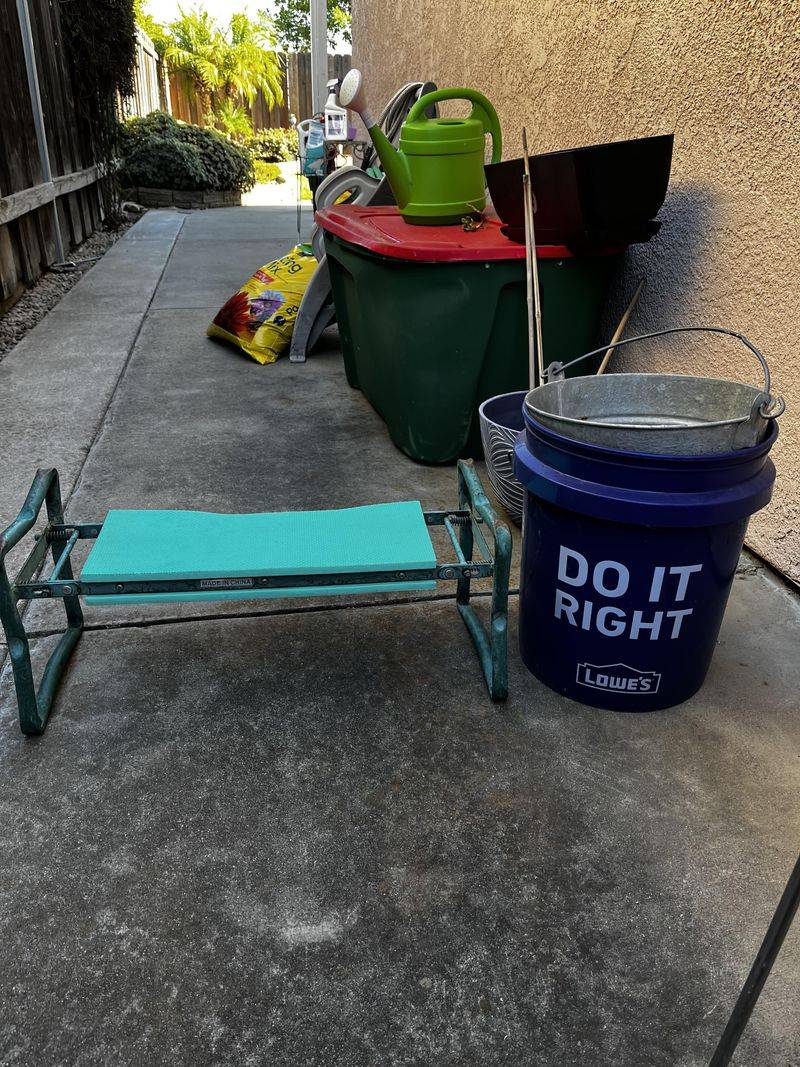
Your knees and back deserve protection during the many hours you’ll spend planting, weeding, and tending your Oregon garden this spring.
A cushioned kneeling pad or garden kneeler transforms uncomfortable tasks into bearable ones, letting you work longer without pain.
Oregon’s often-damp soil makes kneeling directly on the ground cold and uncomfortable, even during mild spring weather. Simple foam kneeling pads work well for quick tasks and cost just ten to twenty dollars.
For more serious gardening sessions, consider a garden kneeler bench that provides cushioned support for your knees and can flip over to become a low seat.
These versatile tools often include handles that help you stand up more easily after prolonged kneeling.
Gardeners throughout the Willamette Valley appreciate how a good kneeling pad keeps their clothes cleaner and their joints happier.
The best pads use closed-cell foam that won’t absorb water from damp soil, and they clean easily with a quick rinse from the hose.
Look for pads at least one inch thick for adequate cushioning on hard or rocky ground. Garden kneeler benches cost between thirty and sixty dollars but provide excellent value for anyone who spends significant time working at ground level.
Many models fold flat for easy storage in sheds or garages. Protecting your knees now prevents long-term joint problems that could limit your gardening enjoyment in future years.
7. Wheelbarrow Or Garden Cart
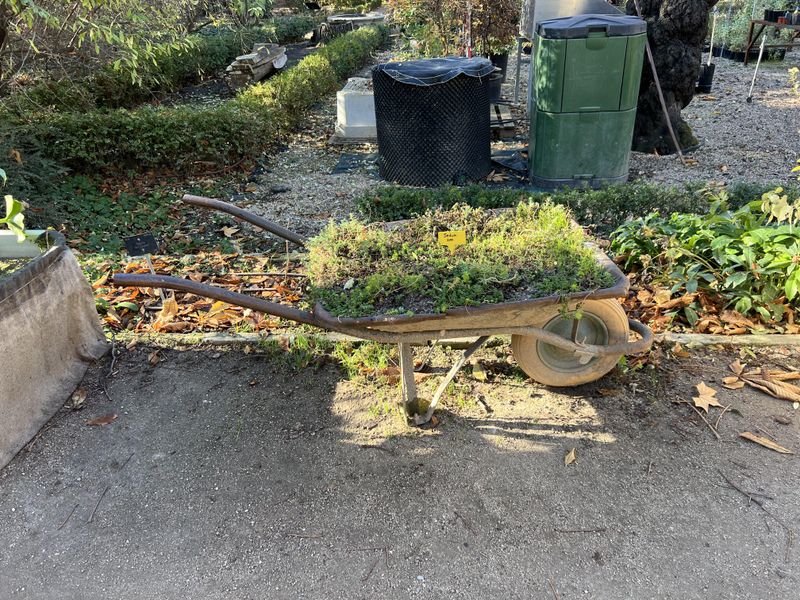
Moving soil, compost, mulch, and plants around your Oregon garden becomes exponentially easier with a reliable wheelbarrow or garden cart.
Spring preparation involves hauling heavy materials that would require dozens of exhausting trips without proper equipment.
A quality wheelbarrow saves your back and speeds up every garden project from building raised beds to spreading amendments.
Traditional single-wheel wheelbarrows offer excellent maneuverability in tight spaces between garden beds and along narrow paths.
Two-wheeled garden carts provide more stability and require less strength to balance when fully loaded. Consider your garden layout and physical capabilities when choosing between these options, as both have devoted fans throughout Oregon.
Look for wheelbarrows with pneumatic tires that roll smoothly over uneven ground and won’t go flat like solid rubber wheels sometimes do. A capacity of at least four to six cubic feet handles most garden tasks without being too heavy to manage when full.
Powder-coated steel or poly tubs resist rust and corrosion in Oregon’s damp climate better than plain steel. Comfortable handles with good grip reduce hand fatigue during extended hauling sessions.
Many Bend and Medford gardeners prefer models with two handles for better control and easier dumping.
Expect to invest between eighty and one hundred fifty dollars for a wheelbarrow that will serve your garden faithfully for many years of spring preparations and ongoing maintenance.
8. Cheap Anvil Pruners
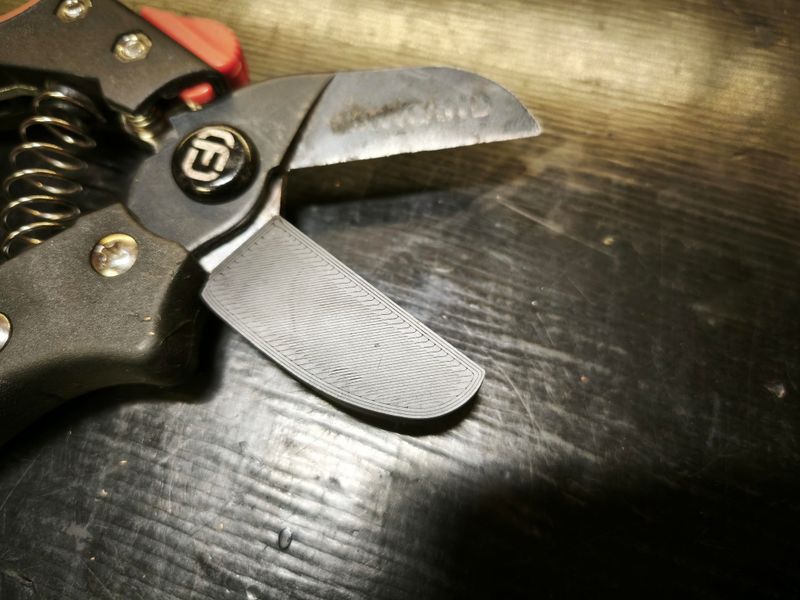
Bargain-bin anvil pruners might seem like a money-saving choice, but Oregon gardeners quickly discover these tools cause more problems than they solve.
Anvil pruners use a single sharp blade that closes against a flat surface, crushing stems rather than making clean cuts.
This crushing action damages plant tissue and creates entry points for diseases that thrive in our damp climate.
Cheap anvil pruners typically feature soft metal blades that dull quickly and handles that break under normal use.
The crushing cuts they produce leave ragged wounds on roses, fruit trees, and shrubs that take longer to heal. In Oregon’s wet spring conditions, these damaged areas become perfect breeding grounds for fungal infections and bacterial diseases.
Even when new, inexpensive anvil pruners require more hand strength to operate than quality bypass pruners, leading to fatigue and sore hands. The blade alignment often shifts after just a few uses, making it impossible to achieve clean cuts.
Many Portland and Eugene gardeners have learned this lesson the hard way after purchasing tempting five-dollar pruners that failed within weeks. Professional landscapers throughout Oregon universally avoid anvil pruners in favor of bypass models for good reasons.
The money saved on cheap pruners disappears quickly when you need to replace plants damaged by poor pruning cuts.
Spend your money on quality bypass pruners instead, and your plants will thank you with healthier growth and fewer disease problems throughout the season.
9. Gas-Powered Leaf Blower
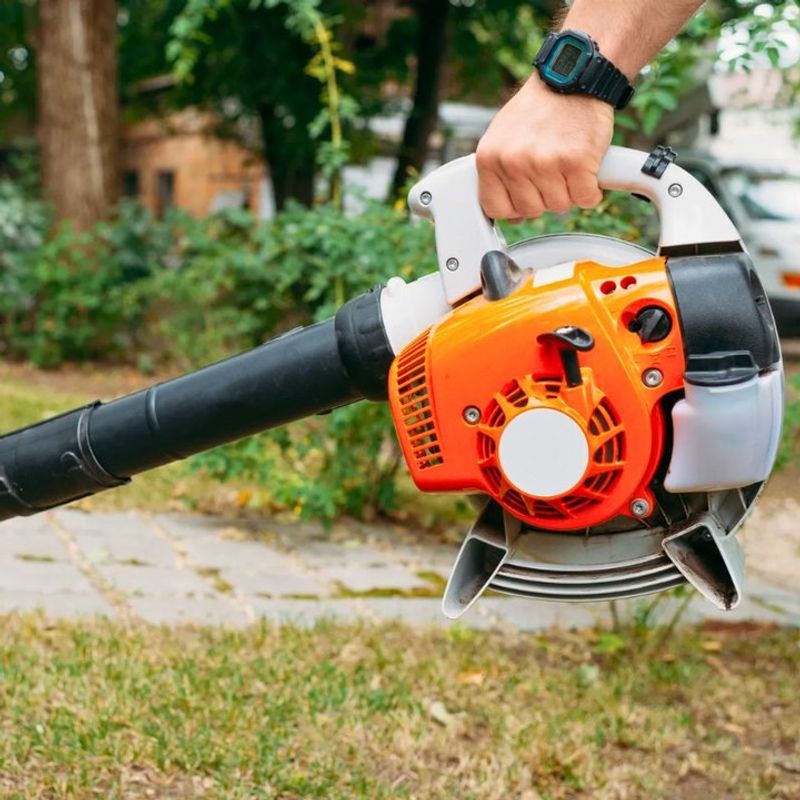
Gas-powered leaf blowers create far more problems than they solve in Oregon gardens, despite their popularity for quick cleanup tasks.
The noise pollution disturbs neighbors and wildlife while the powerful air stream damages delicate spring growth and blasts beneficial insects from plants.
Many Oregon cities have enacted restrictions or bans on gas blowers due to their environmental impact and excessive noise. The forceful air from gas blowers strips away protective mulch layers, exposes soil to erosion, and sends dust and debris into the air.
In spring gardens, these machines can damage emerging seedlings and young transplants with their intense air pressure.
The noise startles birds, bees, and other beneficial creatures that Oregon gardeners work hard to attract to their yards.
Gas engines produce significant emissions and require maintenance that electric or battery-powered alternatives don’t need. The smell of exhaust and fuel makes working in your garden less pleasant and contributes to air quality problems.
Many Corvallis and Ashland gardeners have switched to rakes and brooms for a quieter, more environmentally friendly approach to garden cleanup.
Leaving some fallen leaves and plant debris in garden beds actually benefits Oregon gardens by providing habitat for beneficial insects and adding organic matter to soil.
A simple rake works better for most garden cleanup tasks and provides gentle exercise without disturbing the peace. Save your money and your neighbors’ sanity by skipping the gas blower entirely in favor of quieter, more garden-friendly alternatives.
10. Heavy Rotary Tiller
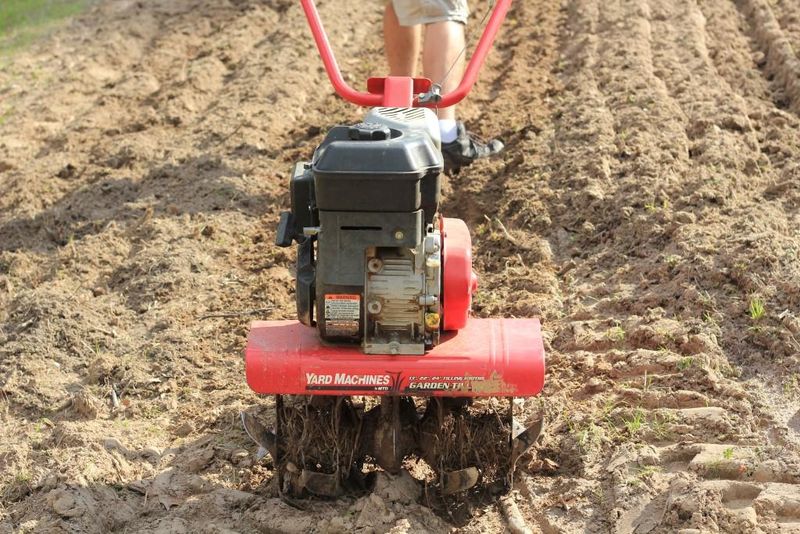
Big rotary tillers seem like the perfect solution for preparing large garden areas, but they actually harm Oregon soil structure more than they help.
These powerful machines pulverize soil into fine particles that compact easily and destroy the beneficial network of organisms, roots, and air channels.
Oregon’s clay-heavy soil becomes even more problematic when repeatedly tilled with heavy equipment.
Tilling brings dormant weed seeds to the surface where they germinate, creating more weeding work throughout the growing season.
The machines also chop up earthworms and disrupt the complex underground ecosystem that healthy gardens depend upon. Many experienced Oregon gardeners have abandoned tilling entirely in favor of no-till methods that build soil health over time.
Heavy tillers compact soil below their working depth, creating a hardpan layer that restricts root growth and drainage. In Oregon’s wet climate, this compaction leads to waterlogged soil and poor growing conditions.
The equipment is expensive to purchase or rent, difficult to maneuver, and requires storage space that most home gardeners don’t have. Broadfork tools and garden forks provide better alternatives for loosening soil without destroying its structure.
Adding compost and organic matter to the surface and letting earthworms incorporate it naturally works better than mechanical tilling.
Throughout the Willamette Valley and beyond, progressive Oregon gardeners are discovering that leaving tillers behind leads to healthier, more productive gardens with far less work and expense.