8 Must-Know Container Planting Tips For Illinois Gardeners
Containers can do a lot.
A bare balcony, a quiet front step, or an empty patio corner can start looking lush fast with the right pots and plants. That is part of what makes container gardening so appealing in Illinois.
It gives you flexibility, instant impact, and far more growing options than most people expect. It also helps that containers let you work around the state’s unpredictable weather.
When heat spikes, wind picks up, or a cold snap shows up out of nowhere, moving a pot is a lot easier than moving a garden bed.
With the right approach, containers can grow everything from flowers and herbs to vegetables and small shrubs. These tips will help you make the most of every pot and keep your plants looking their best all season.
1. Choose The Right Container Size
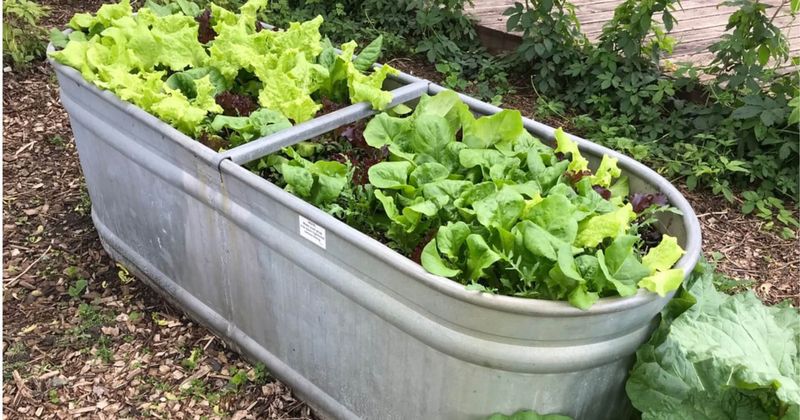
Size matters more than most people realize when it comes to container gardening. A pot that is too small limits root growth, which means your plant struggles to absorb enough water and nutrients to stay healthy.
You might notice stunted growth, wilting even after watering, or fewer flowers and fruits than expected. On the other hand, going too big too fast is not always the solution either.
Oversized containers can hold excess moisture, especially in Illinois’ spring, increasing the risk of root rot before plants even get established.
The key is thinking ahead. Always consider the plant at its full size, not the tiny version you bring home from the garden center.
Vegetables like tomatoes and peppers need room to stretch, and a five-gallon container is often the minimum for strong, productive growth. Herbs like rosemary also benefit from extra space since they develop woody roots over time.
Smaller, fast-growing plants like lettuce, basil, or pansies are far more flexible. They can thrive in containers as small as six to eight inches wide, especially if you plan to harvest them regularly.
Depth matters just as much as width. Deep-rooted plants need tall containers, while shallow-rooted flowers and greens are perfectly happy in shorter pots.
When in doubt, check the plant tag or seed packet for guidance. Starting with the right container sets the foundation for everything that follows.
2. Pick The Best Potting Mix
Forget about using plain backyard soil in your containers. Using regular garden soil might seem convenient, but inside a pot it quickly becomes dense and compacted.
That cuts off airflow, traps water in the wrong places, and makes it difficult for roots to grow freely. Over time, this leads to weak plants and poor results, no matter how much care you give them.
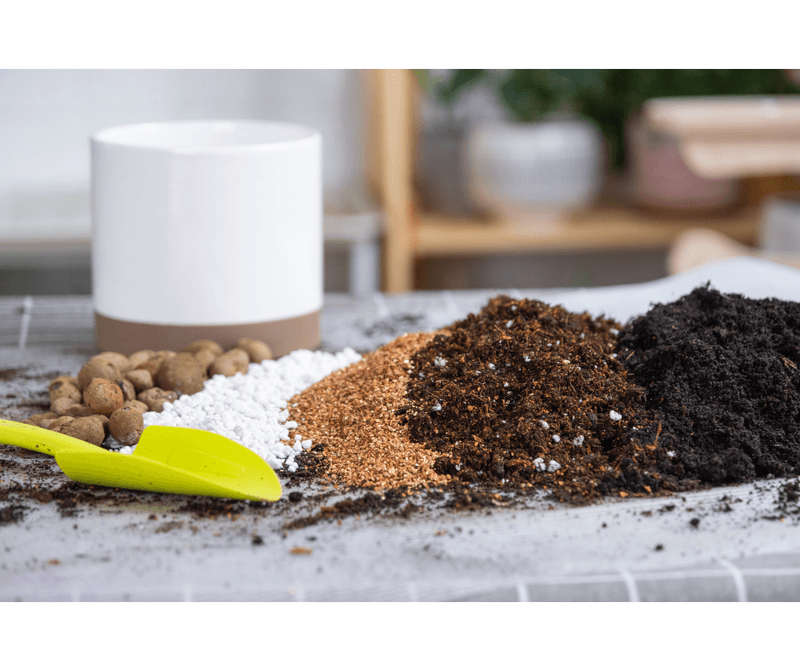
A high-quality potting mix is designed specifically for container life. It stays light and airy, allowing roots to breathe while still holding enough moisture to keep plants hydrated.
Look for mixes that include ingredients like perlite or vermiculite, which improve drainage, along with compost or organic matter that adds nutrients.
Many modern mixes also include slow-release fertilizer, which gives your plants a steady supply of nutrients over time. This is especially helpful if you want a lower-maintenance setup.
For vegetables and herbs, choose a mix labeled for edibles or food crops. These blends are balanced for steady growth and production.
Flowering plants are usually happy in a general-purpose mix, as long as it drains well.
Potting mix does not last forever. Over time, it breaks down and loses structure, which affects drainage and root health.
Starting fresh each season gives your plants the best possible environment from day one.
3. Master Your Watering Schedule
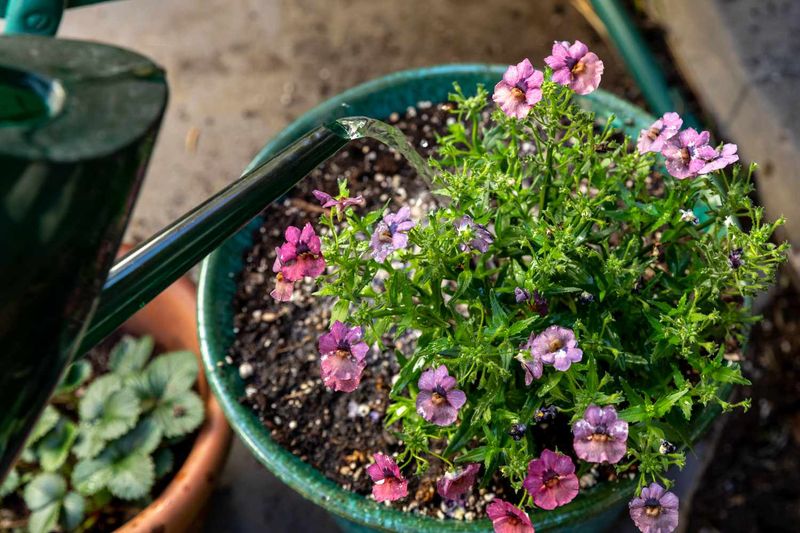
Watering container plants is trickier than it sounds, and getting it wrong is one of the most common gardening mistakes people make. Unlike plants in the ground, container plants depend entirely on you for moisture.
Pots dry out quickly, especially during Illinois summers when heat and wind can pull moisture from the soil in a matter of hours. Missing even a day or two can stress plants and slow their growth.
The best way to stay on track is to check your soil daily. Stick your finger about an inch deep into the potting mix.
If it feels dry, it is time to water. If it still feels damp, give it another day.
This simple habit helps you avoid both underwatering and overwatering, which can be just as damaging.
When you water, do it thoroughly. Let water run through the entire container until it drains out of the bottom.
This ensures the roots deeper in the pot are getting what they need. Light surface watering often leads to shallow roots, which makes plants more vulnerable to heat stress.
Morning is the ideal time to water. It allows moisture to soak in before the heat of the day and gives leaves time to dry, reducing the risk of fungal issues.
During peak summer heat, you may need to water more than once a day, especially for smaller containers. Staying consistent makes all the difference in keeping plants healthy and productive.
4. Fertilize Regularly For Strong Growth
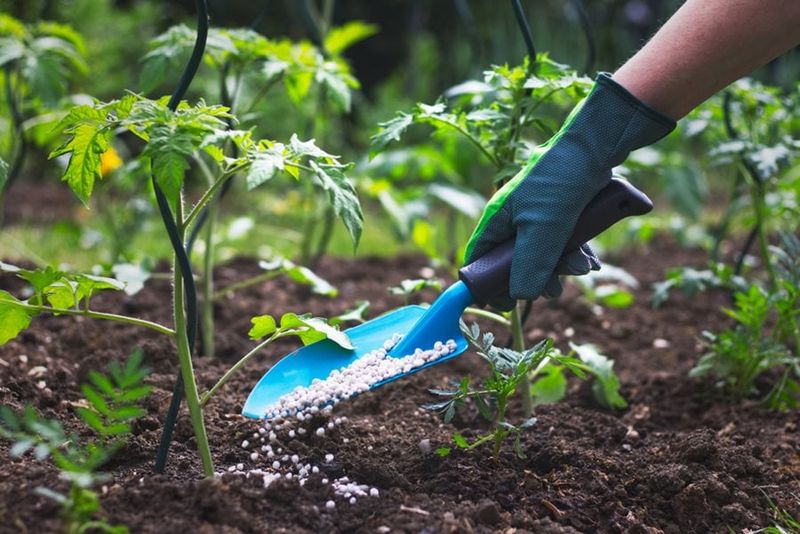
Container plants rely on you not just for water, but for nutrients too.
Unlike garden beds, where roots can stretch and search for what they need, plants in pots are limited to the soil you give them. Over time, watering washes nutrients out of the container, leaving the soil less fertile and the plants underfed.
Starting with a slow-release fertilizer mixed into your potting soil is a smart first step. It provides a steady supply of nutrients during the early stages of growth.
But for most plants, especially vegetables and flowering annuals, that alone is not enough for the entire season.
Adding a liquid fertilizer every one to two weeks helps keep growth strong and consistent. A balanced formula works well for general use, but you can adjust based on what you are growing.
Flowering plants often benefit from extra phosphorus, while leafy greens thrive with a bit more nitrogen.
Your plants will tell you when something is off. Yellowing leaves, weak growth, or faded color are all signs they may need more nutrients.
Regular feeding keeps plants producing at their best, whether that means more blooms, bigger harvests, or healthier foliage. A simple routine can turn an average container into one that truly thrives.
5. Ensure Proper Drainage At All Times
Drainage is one of the quiet foundations of a healthy container garden. Without it, even the best-looking pot and the healthiest plant can fail quickly.
When water cannot escape, it pools at the bottom of the container and pushes air out of the root zone. Roots need oxygen just as much as they need moisture, and soggy conditions can suffocate them before the problem is obvious above the surface.
Every container should have drainage holes. One is the bare minimum, but larger pots often need several to move water out effectively.
If you love a decorative planter that has no holes, use it as an outer cachepot and place a properly draining nursery pot inside. That gives you the look you want without sacrificing root health.
Just be sure to empty out any standing water that collects in the outer pot after watering or rain.
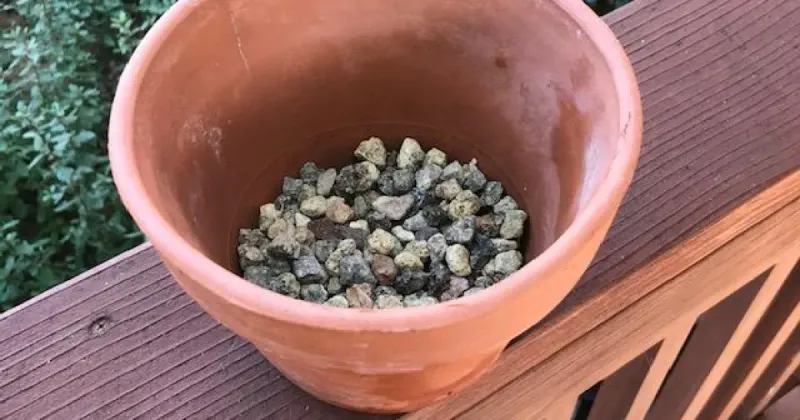
A common old tip is to add gravel, rocks, or broken pottery to the bottom of containers. It sounds logical, but research has shown it can actually make drainage worse by creating a perched water table higher in the pot.
A good container mix and proper drainage holes are enough.
It also helps to raise containers slightly off the patio or ground with pot feet, bricks, or risers. This prevents the drainage holes from being blocked by dirt or debris and allows water to flow out freely.
Poor drainage often looks like yellowing leaves, wilting despite wet soil, or stunted growth. Once roots begin to rot, recovery becomes difficult.
Giving excess water a clear escape route keeps roots healthier, reduces disease risk, and makes every other part of container care much easier throughout the Illinois growing season.
6. Choose Plants That Suit Illinois Seasons
Illinois does not have a one-season garden. It changes constantly, and your containers should too.
Instead of expecting one set of plants to perform from early spring through late fall, it makes more sense to switch with the weather. That approach keeps containers looking fresh and productive for much longer.
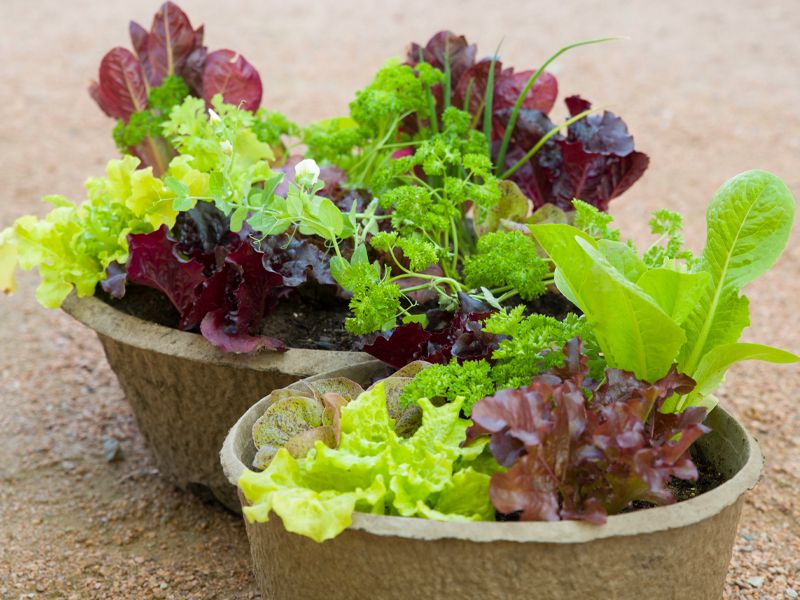
Cool-season plants are a strong place to start. In spring and fall, pansies, snapdragons, lettuce, kale, spinach, parsley, and ornamental cabbage thrive in the mild temperatures and can even handle a light frost.
These plants help you fill containers early, often before summer annuals are ready to go outside, and they extend the season well after many heat-loving plants are done.
Once Illinois temperatures rise, it is time for warm-season choices. Petunias, zinnias, geraniums, sweet potato vine, basil, tomatoes, peppers, and lantana all thrive in sun and warmth.
These plants are built for summer and usually perform best when nights stay consistently mild.
The other key is compatibility. When filling one container, group plants with similar needs.
Sun-lovers belong with other sun-lovers. Thirsty plants should not be paired with drought-tolerant ones.
Mixing plants with very different needs usually means one thrives while the other struggles.
Shopping locally helps too. Illinois garden centers typically stock plants that are already appropriate for the season and adapted to regional conditions.
That gives you a head start and lowers the chances of bringing home something that will immediately struggle.
By rotating plant choices with the calendar, you can keep containers colorful, useful, and alive much longer. A spring pot does not need to look like a summer pot, and that flexibility is one of the biggest advantages of container gardening.
7. Position Containers In The Right Spot
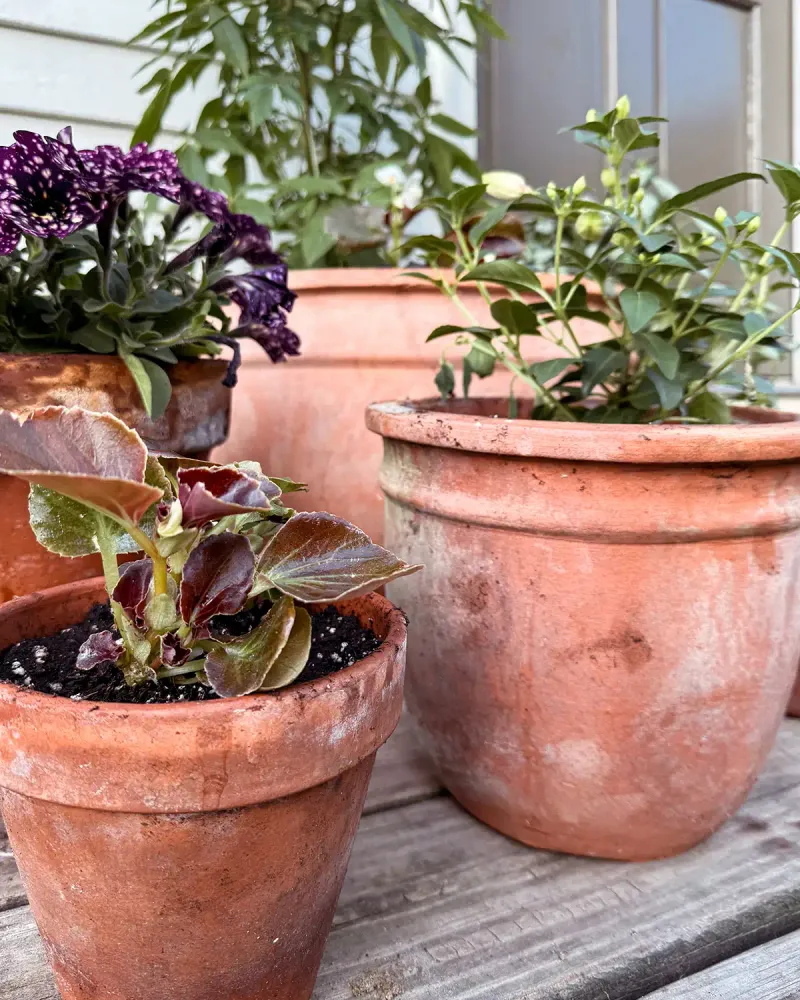
Even the best setup will fail if your containers are in the wrong place.
Even with excellent soil, regular watering, and the right fertilizer, a plant in the wrong location will struggle. Before you plant anything, it helps to understand how sun, wind, and heat move through your outdoor space in Illinois.
Most vegetables and flowering annuals need at least six hours of direct sunlight each day. Tomatoes, peppers, basil, petunias, zinnias, and geraniums all perform best in bright sun.
Without enough light, plants grow lanky, produce fewer blooms or fruits, and often look weak no matter how well you care for them. Shade-loving plants such as impatiens, ferns, caladiums, and coleus need protection from intense afternoon sun or they can scorch quickly.
Observe the space before placing containers permanently. A patio that gets beautiful morning light may turn harsh and reflective by late afternoon, while a porch might be shaded most of the day except for one strong blast of sun.
These details matter.
One of the best things about container gardening is flexibility. If a plant looks stressed, you can move it.
That freedom lets you adapt as the season changes or as the sun angle shifts. Rotating pots every few days can also encourage more balanced growth, especially for plants that lean toward the light.
Wind is worth considering too. Rooftops, balconies, and open patios can dry plants faster and stress tender stems.
In peak Illinois summer heat, even sun-loving plants may appreciate some afternoon relief.
The right placement brings out the best in every container. When light, airflow, and temperature match a plant’s needs, watering becomes easier, growth stays stronger, and the whole display looks healthier.
8. Protect Containers During Cold Weather
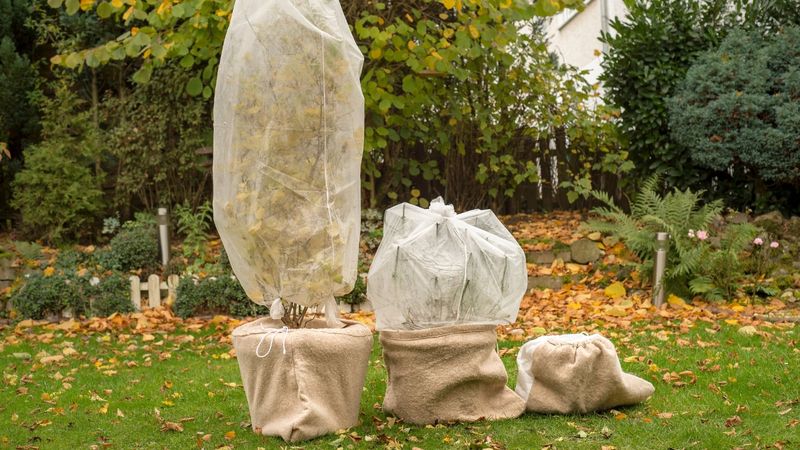
Cold weather is where many container gardens struggle, especially in Illinois.
Unlike in-ground plants, container plants have very little insulation. Their roots are exposed to freezing temperatures on all sides, which makes them far more vulnerable during cold snaps.
When frost is in the forecast, move sensitive plants indoors or into a garage where temperatures stay above freezing. Even a temporary move can make the difference between survival and loss.
For larger or heavier containers that cannot be moved, wrapping them in burlap, blankets, or bubble wrap adds a layer of protection. Grouping pots together can also help retain some warmth.
Certain materials, like terracotta and ceramic, are more likely to crack when frozen. These should be emptied and stored during winter to prevent damage.
Plastic and fiberglass containers are more durable and can often stay outside if properly managed.
At the end of the season, clean out old soil, wash your containers, and store them in a protected space. This not only extends their lifespan but also ensures they are ready to go when spring returns.
Preparing for cold weather keeps your container garden going strong year after year.