10 Must-Plant Spring Veggies For New York Gardens
Spring in New York is a gardener’s favorite season, and for good reason. The days get longer, the soil starts to warm up, and suddenly that backyard or rooftop plot is full of possibilities.
From urban Brooklyn beds to wide upstate gardens, the right vegetable choices set the stage for a successful harvest.
These spring veggies are perfectly suited to New York’s climate and will have you harvesting fresh, homegrown produce before summer even hits.
1. Peas
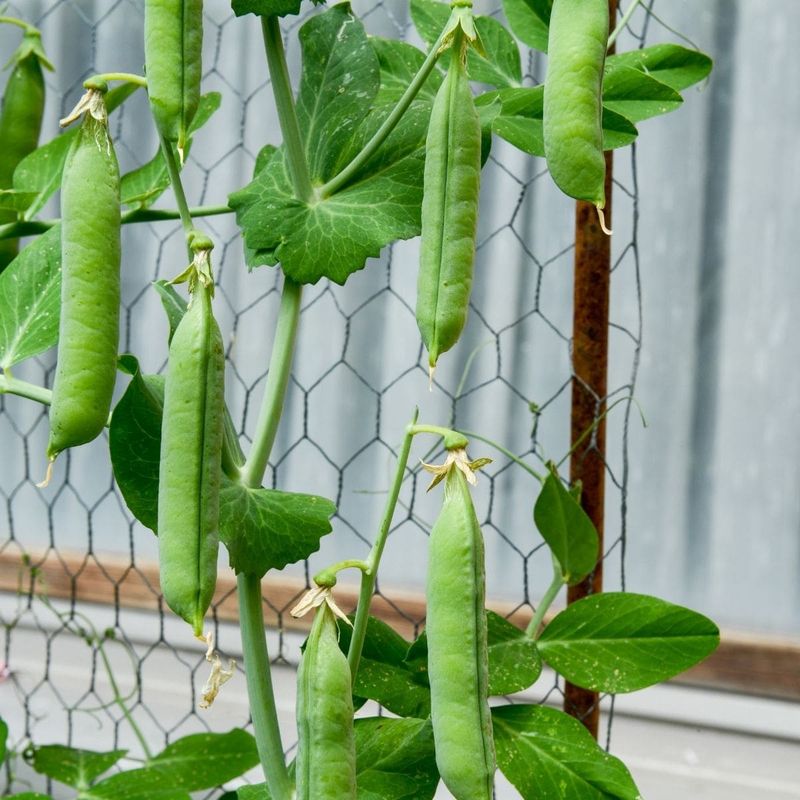
Nothing says spring quite like the satisfying snap of a fresh pea pod right off the vine.Peas are one of the earliest crops you can plant in New York, and they absolutely love the cool temperatures of April and May.
Gardeners across the state look forward to pea season every year for good reason.
Peas grow fast and reward your effort quickly.You can start planting them outdoors as early as late March, even if there’s still a slight chill in the air.
They actually prefer cooler soil, so don’t wait too long or the summer heat will slow them down.
Give your peas a trellis or some kind of support structure and they’ll climb happily toward the sun.Snap peas, snow peas, and shelling peas all do well in New York gardens.
Pick them regularly to keep the plant producing more pods throughout the season.
Peas are also incredibly nutritious, packed with protein, fiber, and vitamins.Kids love picking them straight from the garden and eating them fresh.
For beginner gardeners in New York, peas are one of the most forgiving and rewarding crops to start with this spring.
2. Lettuce
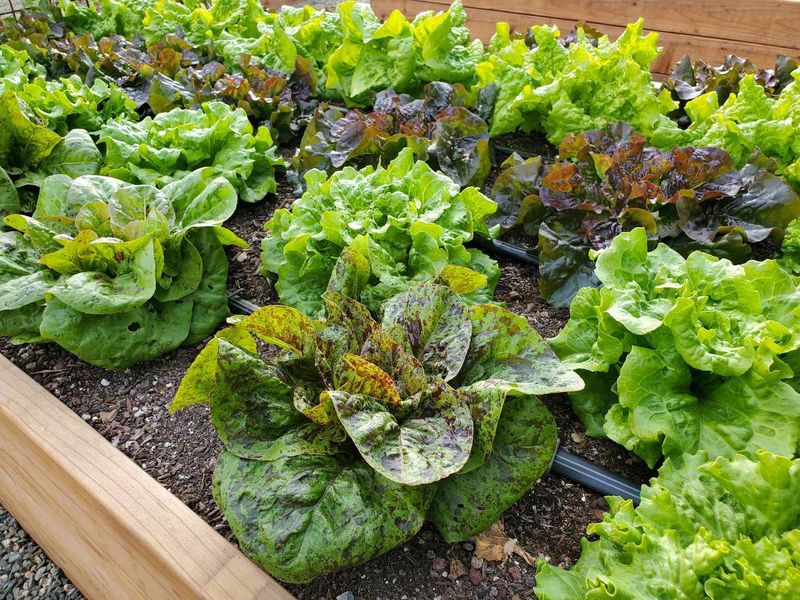
Lettuce is practically made for New York spring gardens. It thrives in cool weather and grows so fast you’ll be making salads within weeks.
Few vegetables are as satisfying to grow at home, especially when you can just snip a few leaves and toss them straight into a bowl.
It’s fresh, easy, and endlessly rewarding. You can start lettuce seeds indoors in late February and transplant them outside by mid-April.
Alternatively, direct sow seeds into the ground once temperatures consistently stay above freezing.
New York’s spring weather is practically a welcome mat for lettuce varieties like romaine, butterhead, and loose-leaf.
One clever trick is called “cut and come again” harvesting. Instead of pulling the whole plant, snip just the outer leaves and let the center keep growing.
This method gives you a continuous harvest for weeks without replanting. Lettuce bolts quickly once summer heat arrives, so timing is everything in New York.
Plant in a spot with partial shade to extend the growing season a little longer. With so many colorful varieties available, your garden will look just as beautiful as it tastes.
3. Spinach
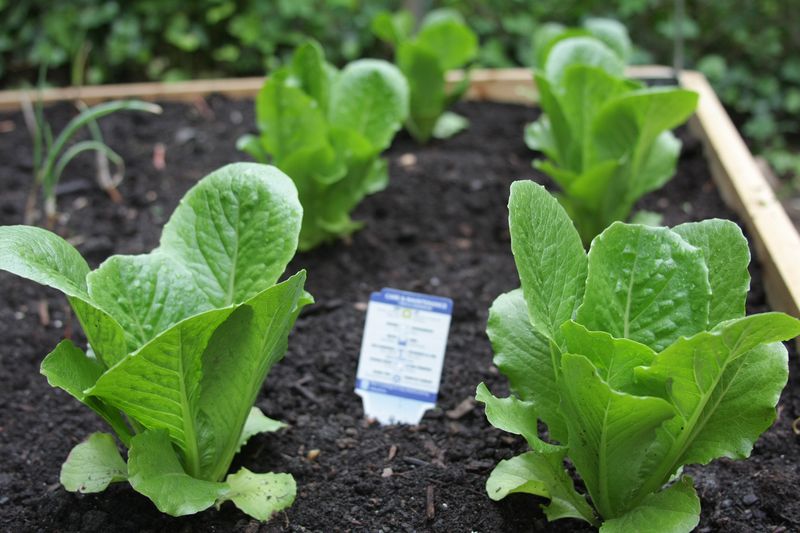
Spinach is a powerhouse in the garden and on the plate, making it one of the smartest choices for any New York spring planting list.
Popeye was onto something. This leafy green is loaded with iron, vitamins A and C, and antioxidants that make every meal more nutritious.
Best of all, it grows like a champ in cool weather. You can plant spinach seeds directly into the ground as early as four to six weeks before the last frost date.
For most of New York, that means getting seeds in the soil by late March or early April. Spinach actually needs cold to germinate well, so early planting is key.
Choose a spot with full sun or light shade and keep the soil consistently moist. Spinach has shallow roots, so raised beds and containers work perfectly for city gardeners with limited outdoor space.
A simple window box on a Manhattan fire escape can yield a surprisingly impressive harvest.
Harvest leaves when they reach about three inches long for the most tender texture and sweetest flavor. Baby spinach is ideal for salads, while larger leaves work great sauteed with garlic.
Few crops deliver this much nutrition with this little effort.
4. Radishes
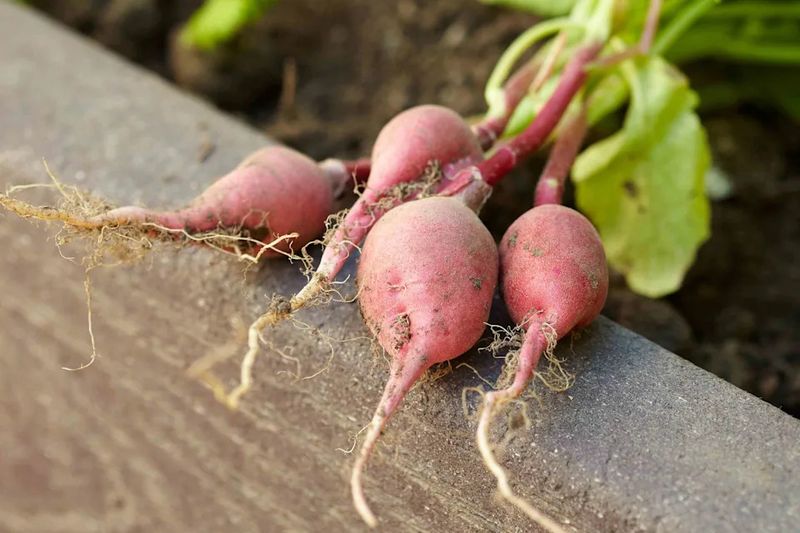
Want a vegetable that goes from seed to table in under a month?
Radishes are your answer, and they’re one of the most underrated crops in any New York spring garden. Their bold, peppery crunch adds serious personality to salads, tacos, and grain bowls.
Radishes are incredibly forgiving and fast. Sow seeds directly into the ground as soon as the soil can be worked, usually in late March across most of New York.
They grow so quickly that you can squeeze in multiple rounds of planting before summer even arrives. The key to great radishes is consistent watering and not letting them sit in the ground too long.
Once they’re ready, pull them promptly, leaving them in the soil too long causes them to become pithy and overly spicy. Check on them every few days once they’re close to maturity.
Cherry Belle and French Breakfast are two popular varieties that do especially well in New York’s spring conditions.
Radishes also make excellent companion plants, helping to deter certain pests from neighboring vegetables.
For new gardeners who want a quick confidence boost, radishes deliver every single time without fail.
5. Kale
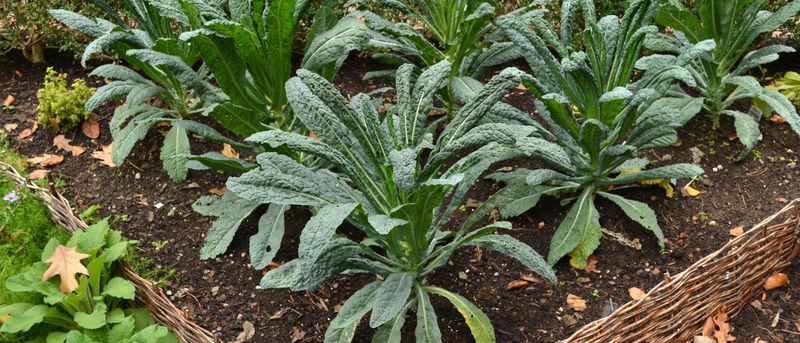
Kale has earned its superfood reputation, and it’s also one of the toughest, most cold-tolerant greens you can grow in a New York spring garden.
While trendy smoothie bars charge a premium for it, you can grow an entire season’s worth in your backyard for next to nothing. That’s a win worth celebrating.
Start kale seeds indoors about six weeks before the last frost date, then transplant seedlings outside in April. Kale can handle light frost without any trouble, which makes it perfectly matched to New York’s unpredictable spring weather.
Even a surprise late cold snap won’t rattle a well-established kale plant.
Lacinato kale, also known as dinosaur kale, and Red Russian kale are two standout varieties for New York gardens. Both offer excellent flavor and impressive cold hardiness throughout the season.
Lacinato has beautiful dark, textured leaves that look striking in any garden bed. Harvest outer leaves regularly to encourage the plant to keep producing fresh growth from the center.
Kale tastes sweeter after a light frost, so don’t rush to pull your plants at the end of the season. Roast it, blend it, or massage it raw.
Kale does it all beautifully.
6. Swiss Chard
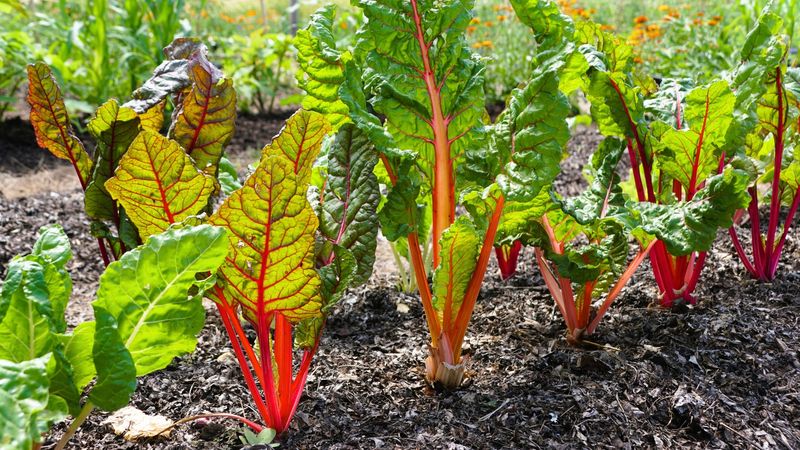
Swiss chard might just be the most visually stunning vegetable you can grow in a New York spring garden.
With stems that come in brilliant shades of red, yellow, orange, and pink, it looks more like a work of art than a vegetable patch. But don’t let the looks fool you, it’s just as impressive on the plate.
Plant Swiss chard seeds directly outdoors from late April onward, or start them indoors a few weeks earlier for a head start.
Unlike many spring greens, chard handles both cool spring temperatures and mild summer heat with ease. That flexibility makes it one of the longest-producing vegetables in a New York garden.
Chard grows best in well-drained soil enriched with compost, and it appreciates regular watering during dry spells. Container gardeners in the city will be happy to know it thrives in large pots on rooftops and balconies.
A single plant can produce leaves for months with proper care. Use the tender leaves like spinach in omelets, pasta, and stir-fries.
The colorful stems can be sauteed separately with olive oil and garlic for a delicious side dish. Swiss chard gives New York gardeners incredible value and beauty all in one plant.
7. Broccoli
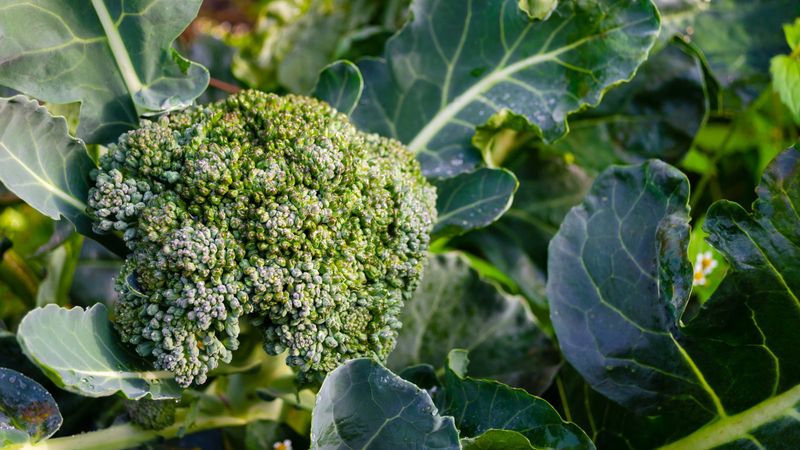
Growing your own broccoli in a New York spring garden is one of those experiences that genuinely changes how you think about vegetables.
Fresh-from-the-garden broccoli has a nutty sweetness that store-bought versions simply can’t match. Once you taste it, you’ll wonder why you ever bought the bagged kind.
Broccoli is a cool-season crop that needs to be started indoors about six to eight weeks before the last frost date.
For New York gardeners, that means starting seeds in late February or early March and transplanting outside in April. Timing matters with broccoli. Heat causes it to bolt and flower before forming proper heads.
Choose fast-maturing varieties like Calabrese or Belstar for the best results in New York’s spring window.
These varieties form tight, compact heads and hold up well against unexpected temperature swings. Space plants about 18 inches apart to give them enough room to develop full crowns.
Water consistently and watch for cabbage worms, which are the most common pest for broccoli in the Northeast.
Row covers can protect young plants early in the season when pest pressure is highest. Harvest the main head before the tiny florets begin to open for peak flavor and texture.
8. Carrots
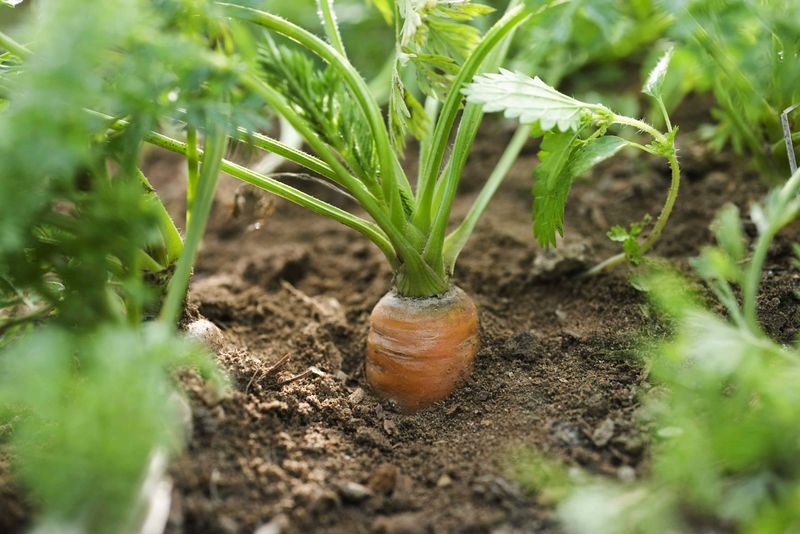
Carrots are one of those vegetables that kids and adults both get excited to pull straight out of the ground.
There’s something almost magical about reaching into the soil and pulling up a bright orange carrot you grew yourself. New York spring gardens are perfectly suited for this classic root vegetable.
Sow carrot seeds directly into the ground from mid-April onward, once the soil has loosened up a bit from winter.
Carrots need loose, deep, well-draining soil to develop properly, rocky or compacted ground leads to short, forked, or stunted roots.
Raised beds filled with sandy loam are ideal for growing long, straight carrots. Thin your seedlings to about two inches apart once they reach a couple of inches tall.
Skipping this step leads to overcrowding, and overcrowded carrots never reach their full potential.
It feels wasteful at first, but thinning is one of the most important steps in growing great carrots.
Nantes and Danvers varieties are excellent picks for New York gardens because they adapt well to varying soil conditions. Carrots take about 70 to 80 days to mature, so patience is part of the process.
The reward is sweet, crunchy, homegrown carrots, and it is absolutely worth every day of waiting.
9. Beets
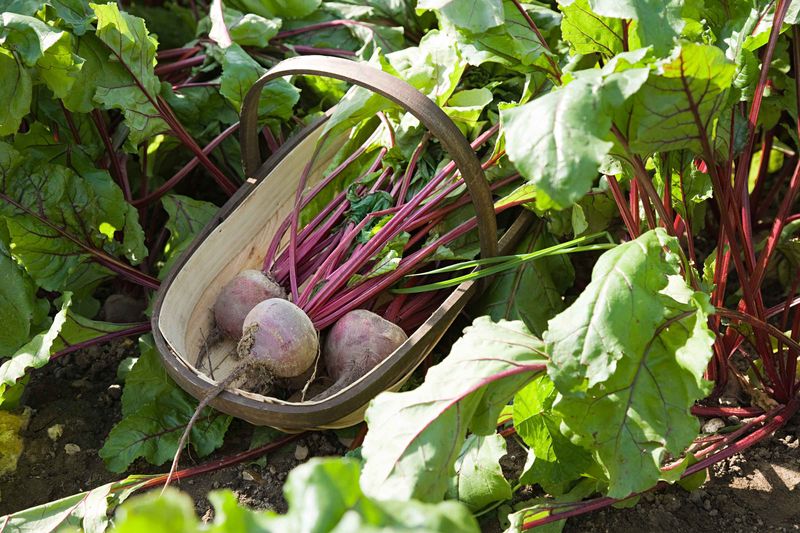
Beets are one of those vegetables that tend to surprise people, both in the garden and in the kitchen.
Many gardeners overlook them, but beets are actually one of the easiest and most productive crops you can grow in a New York spring garden. Plus, you get two vegetables in one: the root and the leafy greens are both edible.
Direct sow beet seeds into the garden from mid-April through May, once the soil temperature reaches at least 50 degrees Fahrenheit.
Beets prefer loose, well-amended soil and full sun, though they’ll tolerate partial shade without much fuss.
Soak seeds overnight before planting to improve germination rates and speed up sprouting. Thin seedlings to about three inches apart once they’re a few inches tall to give each root room to swell.
Beet greens can be harvested early and used just like spinach or chard in cooked dishes. This makes beets an especially efficient crop for gardeners working with limited space.
Detroit Dark Red and Golden beets are two varieties that consistently perform well in New York’s spring conditions.
Golden beets are milder in flavor and won’t stain your hands the way red varieties do. Roasted, pickled, or tossed in a salad, homegrown beets are genuinely hard to beat.
10. Cabbage
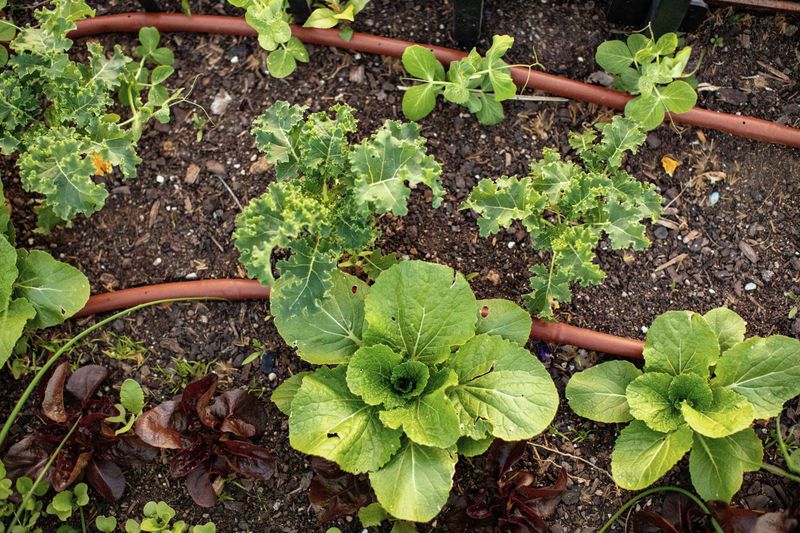
Cabbage has been feeding families through long winters and cool springs for centuries, and it’s just as valuable in a modern New York garden.
Few vegetables store as well or stretch as far in the kitchen. One head of homegrown cabbage can feed a family multiple times over. It’s hearty, versatile, and surprisingly easy to grow.
Start cabbage seeds indoors six to eight weeks before the last frost date, then transplant seedlings outdoors in early to mid-April.
Cabbage is frost-tolerant and actually develops better flavor after exposure to cool temperatures. New York’s unpredictable spring weather is no problem for a well-rooted cabbage plant.
Space plants about 12 to 18 inches apart and keep the soil evenly moist throughout the growing season.
Cabbage is a heavy feeder, so mixing compost into your bed before planting will give it the nutrients it needs.
A side dressing of balanced fertilizer midway through the season helps push heads to full size. Early Jersey Wakefield and Savoy Express are two compact varieties that work beautifully in smaller New York garden spaces.
Watch for slugs and aphids, which are common spring pests in the Northeast. Harvest heads when they feel firm and solid, that’s the sign your cabbage is ready to shine.