7 Must See Tropical Plant Exhibits In New York This Winter
New York steps out of winter’s shadow with tropical plant exhibits that sweep visitors into a world far from snowflakes and icy sidewalks.
Steamy conservatories, towering palms, and bursts of exotic color create a paradise that stands in bold contrast to the city’s frosty streets.
Each exhibit dazzles with rare foliage, dramatic blooms, and lush scenes that spark wonder the moment guests cross the threshold.
Crowds flock to these indoor escapes for a taste of sunshine when cold winds grip the city, finding warmth in every leafy arch and vibrant display.
As winter tightens its hold, these tropical showcases remind New Yorkers that summer magic still thrives—just behind a set of glass doors waiting to be opened.
1. The Enid A. Haupt Conservatory At New York Botanical Garden
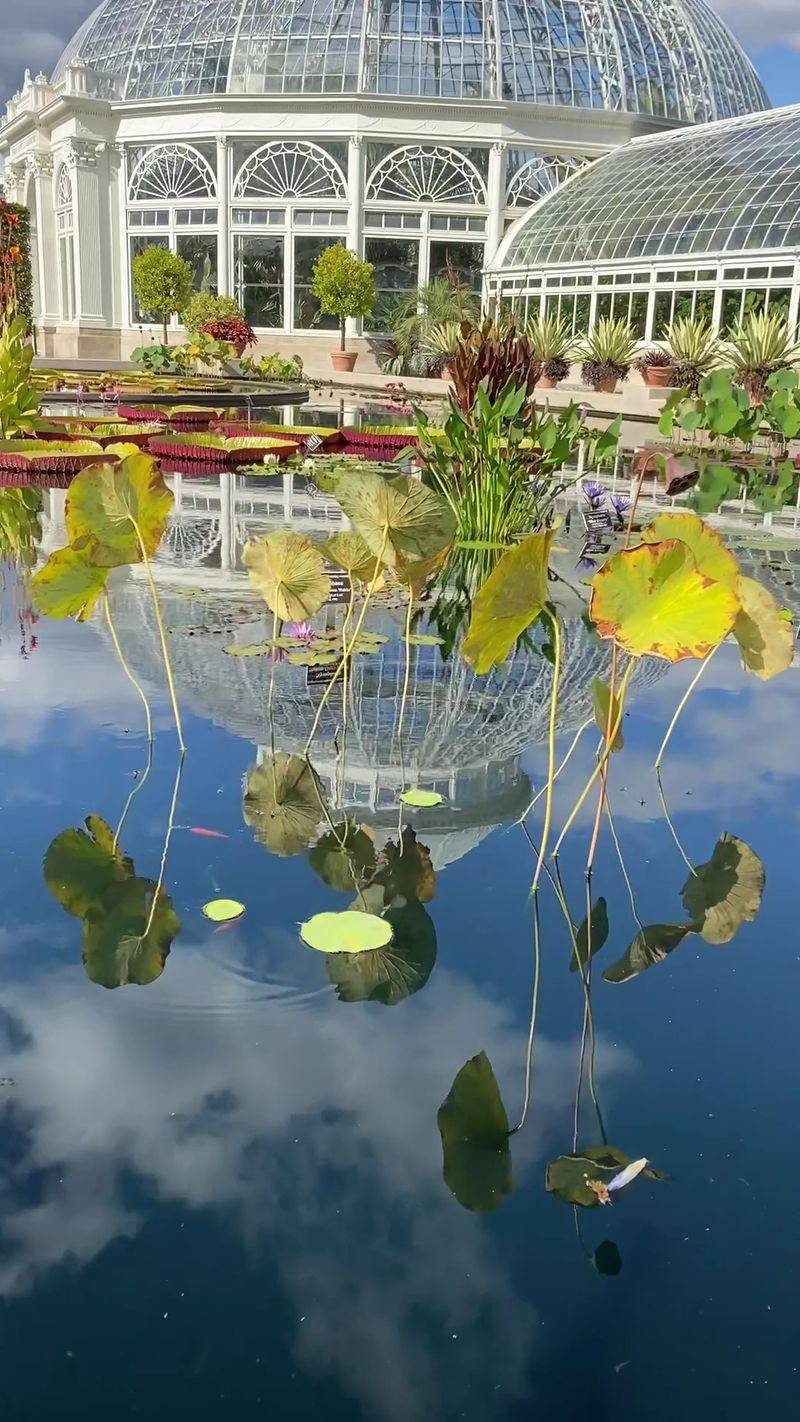
Standing tall in the Bronx, this Victorian glasshouse has welcomed visitors since 1902.
Its elegant glass panels curve upward like a crystal palace, housing thousands of tropical plants from around the world.
Walking through its doors feels like stepping into another continent entirely.
Inside, different rooms recreate various climates and ecosystems.
The rainforest gallery features towering palms that stretch toward the glass ceiling, while vines drape from above like natural curtains.
Orchids bloom in vibrant purples and yellows, and the air feels humid and warm against your skin.
One section showcases desert plants with thick, waxy leaves designed to hold water.
Cacti stand like sculptures, some reaching impressive heights.
Another area highlights aquatic plants that float peacefully in shallow pools.
During winter, special seasonal displays often feature poinsettias and other festive plants alongside the permanent tropical collection.
The contrast between snowy paths outside and steamy jungle paths inside makes the experience even more magical.
Plan to spend at least an hour exploring every corner of this historic conservatory, and don’t forget your camera for capturing the colorful blooms and architectural beauty.
2. Brooklyn Botanic Garden’s Tropical Pavilion
Brooklyn’s answer to winter blues sits within the Steinhardt Conservatory, where warm-weather plants thrive year-round.
Unlike older Victorian structures, this modern pavilion uses clean lines and contemporary design to showcase nature’s beauty.
Natural light floods through large glass panels, creating perfect growing conditions.
Banana trees spread their broad leaves like giant umbrellas overhead.
Their fruit sometimes hangs in green clusters, offering a glimpse of how tropical crops actually grow.
Colorful bromeliads cling to branches, their red and orange centers looking almost artificial in their brightness.
A winding path takes you past flowering ginger plants that fill the air with sweet fragrance.
Small placards explain where each plant comes from and how people use them in their native countries.
You’ll learn that chocolate comes from cacao trees and that vanilla orchids produce the flavoring we love in desserts.
The pavilion maintains consistent tropical temperatures, so dress in layers you can remove easily.
Water features add humidity and create soothing background sounds.
Benches placed strategically throughout let you sit and absorb the peaceful atmosphere, making it an ideal spot for quiet reflection during busy winter months.
3. Queens Botanical Garden’s Tropical House
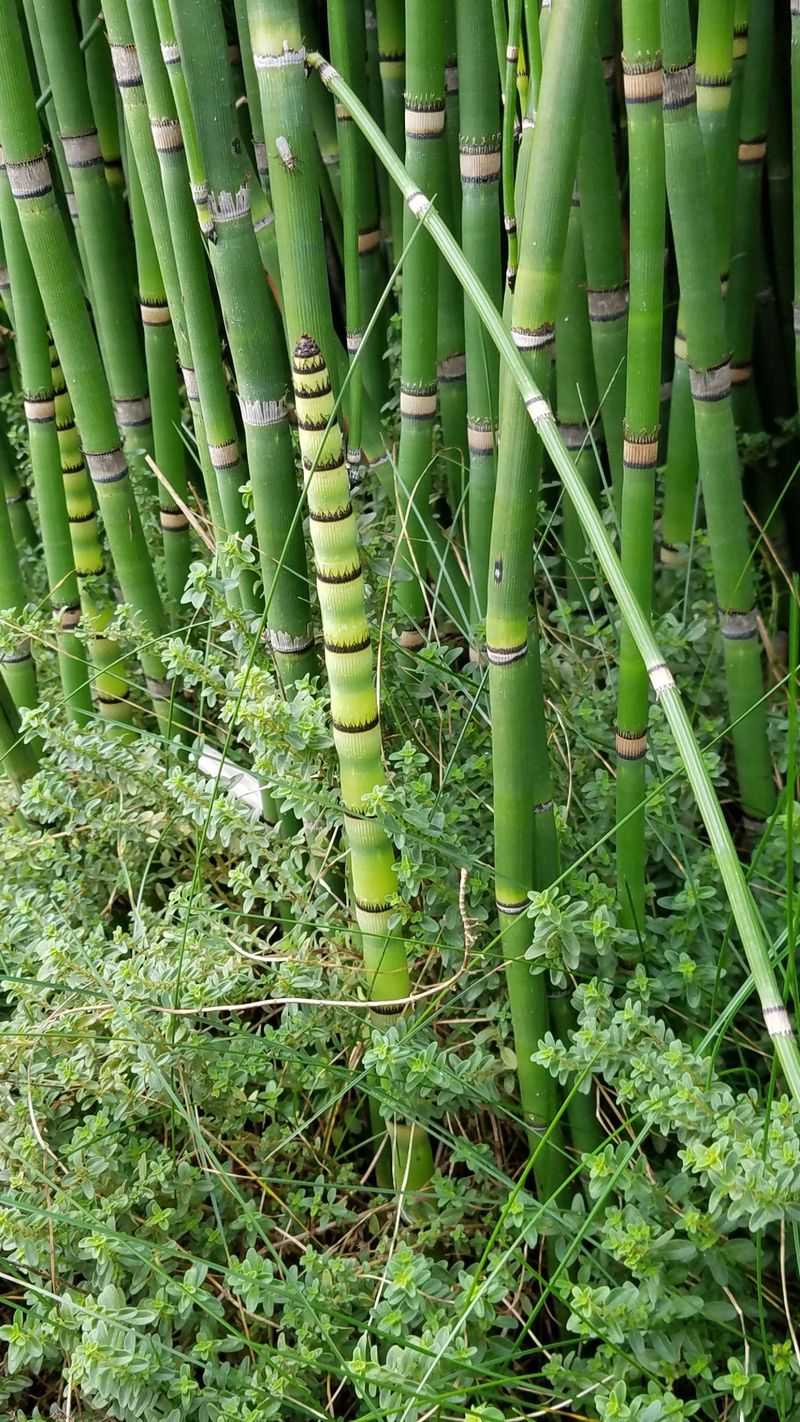
Tucked away in Flushing, this smaller greenhouse packs impressive variety into its compact space.
What it lacks in size, it makes up for with carefully curated plant collections that represent tropical regions worldwide.
The intimate setting allows for up-close encounters with exotic species you won’t find in many other places.
Fragrant jasmine vines climb wooden trellises, releasing their perfume as you brush past.
Papaya trees grow surprisingly well indoors, sometimes bearing fruit that gardeners harvest for educational programs.
Bird of paradise plants display their distinctive orange and blue flowers that really do resemble tropical birds in flight.
Educational signs throughout explain how tropical plants adapt to their environments.
You’ll discover why some leaves grow so large—to capture maximum sunlight beneath dense forest canopies.
Others have waxy coatings that repel heavy rainfall in their native habitats.
The greenhouse maintains comfortable warmth without feeling stuffy.
Its manageable size means you can explore everything in thirty to forty-five minutes, making it perfect for families with younger children or anyone short on time.
Free admission on certain days makes this hidden gem even more accessible to budget-conscious visitors seeking tropical beauty during winter’s grip.
4. Wave Hill’s Palm House And Tropical Collection

Perched on a hillside overlooking the Hudson River, Wave Hill offers spectacular views alongside its tropical plant collection.
The Palm House dates back to the estate’s private garden days, when wealthy families maintained elaborate greenhouses for exotic specimens.
Today, everyone can enjoy these botanical treasures.
Tall palms dominate the central space, their fronds spreading wide beneath the peaked glass roof.
Some specimens have lived here for decades, growing slowly but steadily in their protected environment.
Smaller tropical plants fill beds around the palms’ bases, creating layered displays of different textures and colors.
Seasonal rotations bring fresh blooms throughout winter months.
Hibiscus flowers open their large petals in reds, pinks, and yellows.
Passionflower vines twist around supports, producing intricate blooms that look almost alien in their complexity.
Staff members often work among the plants, happy to answer questions about care and cultivation.
The setting distinguishes Wave Hill from purely botanical institutions.
After warming up in the Palm House, you can bundle up and explore the outdoor grounds, where winter landscapes offer their own stark beauty.
The combination of tropical warmth and river views creates a unique experience that feels both exotic and distinctly New York.
5. The Conservatory Garden’s Secret Tropical Corner At Central Park
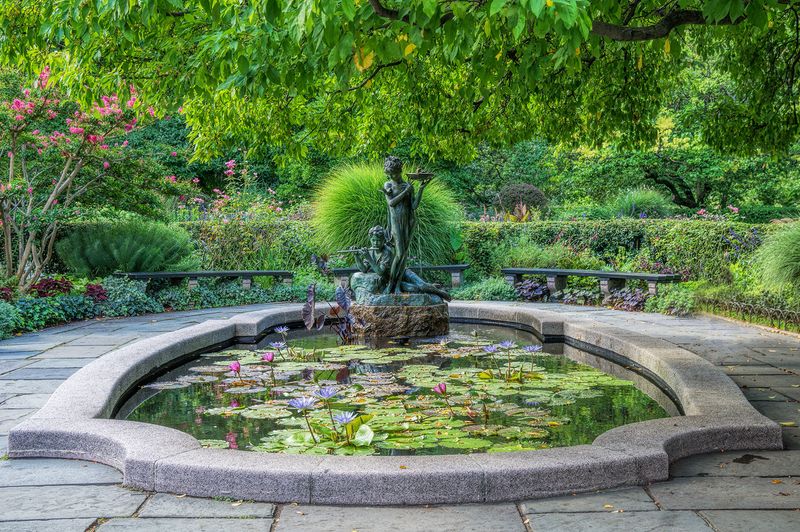
Most people associate Central Park with open lawns and deciduous trees, but a lesser-known spot harbors tropical treasures.
Within the formal Conservatory Garden at the park’s northeast corner, a sheltered area protects warm-climate plants during milder winter days.
While not a traditional greenhouse, strategic placement and microclimates allow certain tropicals to thrive longer than expected.
During warmer winter spells, you might spot potted palms and tropical specimens brought out for display.
Gardeners arrange them artfully among the garden’s classical elements, creating unexpected juxtapositions between Mediterranean-style architecture and jungle foliage.
The effect surprises visitors who stumble upon this hidden arrangement.
Container gardens allow staff to move plants indoors during harsh weather, then return them when conditions improve.
This flexibility means the tropical display changes throughout winter, keeping repeat visitors interested.
Some hardy tropical species actually overwinter outdoors here, protected by the garden’s walls and southern exposure.
The formal garden’s Italian, French, and English sections provide elegant backdrops for tropical plants.
Imagine finding a banana plant beside a classical fountain or seeing elephant ear leaves beneath blooming witch hazel.
These creative combinations showcase how different plant families can coexist beautifully, teaching valuable lessons about garden design and plant hardiness in unexpected environments.
6. Snug Harbor Cultural Center’s Botanical Garden Greenhouse

Staten Island’s cultural treasure includes a Victorian-era greenhouse that transports visitors to warmer climates.
Built when Snug Harbor served as a retirement home for sailors, the greenhouse provided fresh produce and beautiful surroundings for residents.
Restoration efforts have preserved its historical charm while updating growing systems for modern plant care.
Inside, tropical plants represent regions those retired sailors might have visited during their seafaring days.
Coconut palms recall Pacific islands, while rubber trees remind visitors of Southeast Asian ports.
This connection between maritime history and botanical collections adds meaningful context to your visit.
The greenhouse layout follows traditional Victorian design, with central walkways and raised beds along the sides.
Cast-iron supports and decorative details reflect 19th-century craftsmanship.
Modern climate controls maintain steady warmth and humidity, ensuring plants flourish regardless of outside temperatures.
Special programs often highlight the intersection of plants and culture.
You might attend workshops on tropical plant care, learn about medicinal uses of rainforest species, or participate in sketching sessions among the greenery.
The cultural center’s broader offerings—museums, galleries, and performance spaces—make this an all-day destination where tropical plants form just one part of a richer experience celebrating art, history, and nature together in surprising harmony.
7. The New York Aquarium’s Mangrove Exhibit
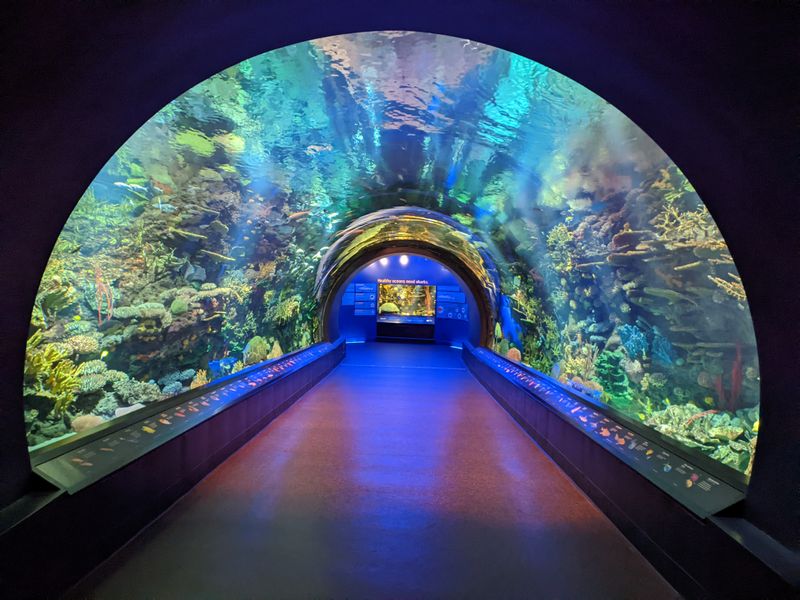
While primarily known for sea life, the New York Aquarium features an often-overlooked tropical plant exhibit.
Mangrove forests thrive in coastal areas where fresh water meets salt water, creating unique ecosystems that support incredible biodiversity.
This exhibit recreates that specialized environment, showing how plants and animals interact.
Mangrove trees send roots down into shallow water, creating tangles that look like wooden spider legs.
These roots provide shelter for young fish and crustaceans, demonstrating the trees’ importance to ocean health.
Above water, glossy green leaves photosynthesize in the humid air, while below, the root system filters nutrients and stabilizes shorelines.
Educational displays explain how mangroves survive in salty conditions that would kill most plants.
Special adaptations let them excrete excess salt through their leaves or store it in older leaves that eventually drop off.
Learning about these survival strategies makes you appreciate how tough and clever plants can be.
The exhibit combines living plants with fish tanks, creating an immersive experience.
You’ll see how different species depend on mangrove habitats, from tiny fiddler crabs to colorful tropical fish.
It’s a powerful reminder that protecting tropical plants means protecting entire ecosystems, making your winter visit both educational and inspiring for environmental awareness.