7 Must-Visit Gardens For Camellias This Winter In California
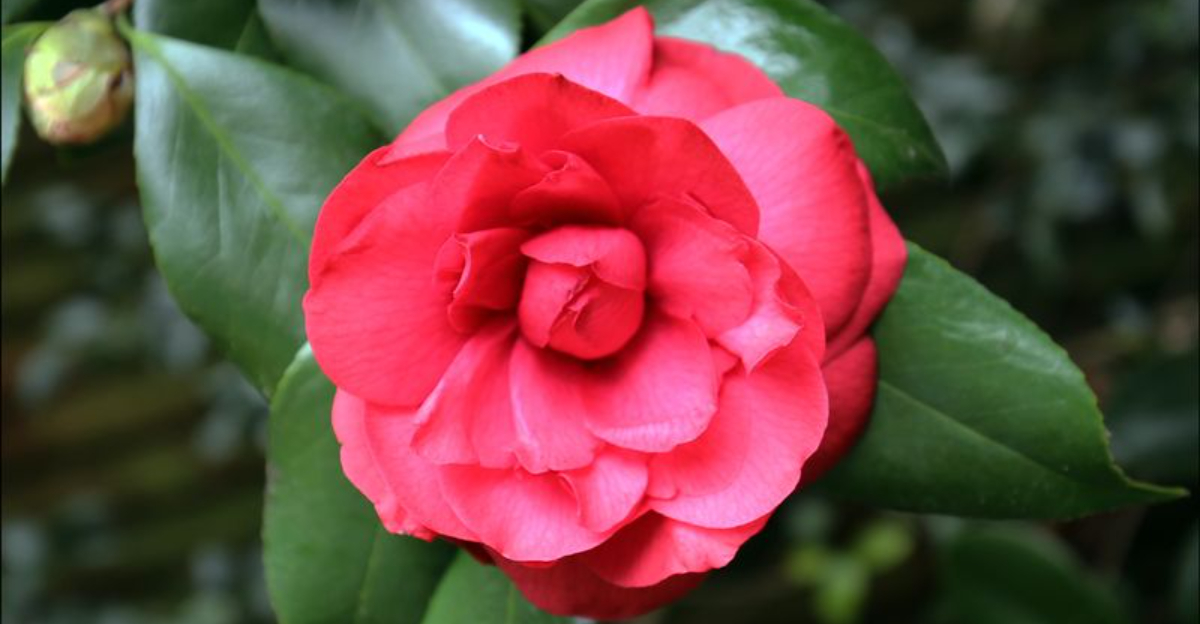
California winters may feel mild, but camellias bring vibrant color and elegance to gardens when most plants lie dormant.
Known for their glossy leaves and stunning blooms, camellias thrive in the state’s diverse climates, offering a burst of beauty during the colder months.
Several California gardens showcase these seasonal stars, featuring curated collections that highlight different varieties, colors, and forms—from classic pinks and whites to rich reds and layered petals.
Visiting these gardens gives enthusiasts a chance to admire expert cultivation, discover new varieties, and gain inspiration for their own landscapes.
Beyond visual delight, these gardens often provide tips on soil, pruning, and care specific to California conditions, helping gardeners replicate success at home.
1. Descanso Gardens
Nestled in the foothills of La Canada Flintridge, this garden boasts one of the largest camellia collections in North America.
Over 34,000 camellia plants call this place home, creating a forest of color that stretches as far as the eye can see.
The garden began in the 1930s when newspaper magnate E. Manchester Boddy started planting these Asian beauties on his estate.
Today, visitors can wander through the Camellia Forest, a five-acre wonderland where blooms appear from November through March.
The paths wind beneath oak trees, creating a canopy effect that makes you feel transported to another world.
More than 600 camellia varieties grow here, from tiny miniatures to dinner-plate-sized blooms.
Each turn reveals a new color combination or flower form.
The garden staff labels many plants, so you can learn the names of your favorites and maybe even find inspiration for your own yard.
Special events happen throughout winter, including guided tours led by camellia experts who share fascinating facts about these remarkable plants.
The garden also features a gift shop where you can purchase camellia plants to take home.
Bring your camera because every corner offers a perfect photo opportunity.
2. Huntington Library, Art Museum, And Botanical Gardens
San Marino’s crown jewel houses a camellia collection that rivals museums in its sophistication and beauty.
The Huntington features approximately 1,200 different camellia cultivars spread across its 120 acres of themed gardens.
What makes this location extraordinary is how camellias integrate into various garden styles, from formal European landscapes to tranquil Japanese settings.
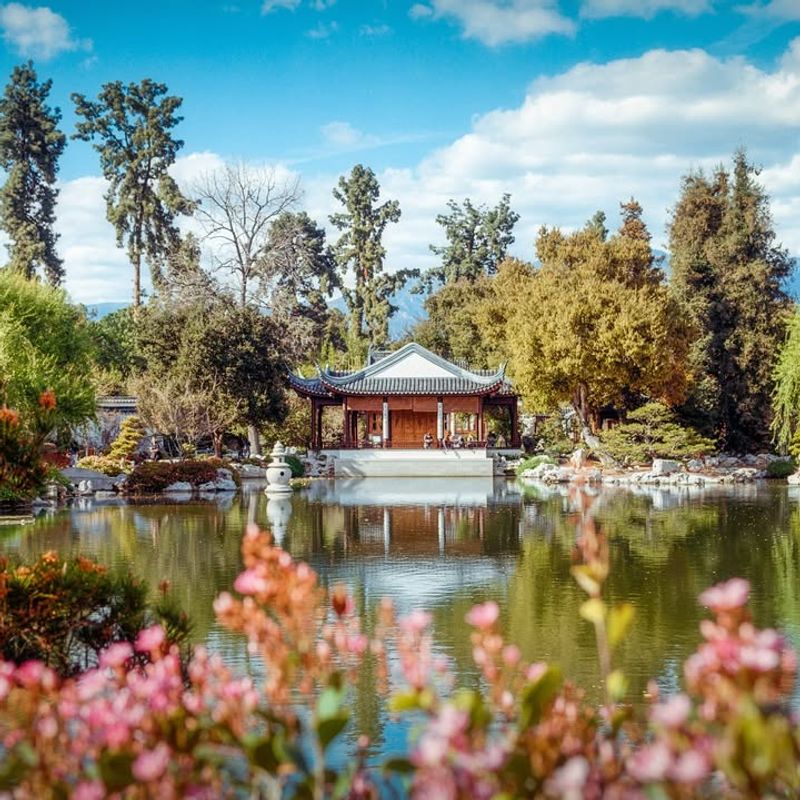
The Japanese Garden showcases camellias in their traditional context, planted alongside bamboo, bridges, and koi ponds.
You can watch how these flowers complement Asian garden design principles.
Meanwhile, the North Vista displays camellias in grand, formal arrangements that demonstrate their versatility.
Many specimens here are historic plants, some over 100 years old, with trunks as thick as tree limbs.
The Huntington hosts an annual Camellia Show each winter where enthusiasts display prize blooms and compete for ribbons.
Attending this event gives you a close-up look at competition-quality flowers and a chance to chat with serious camellia growers.
The garden’s research library also contains rare books about camellias, perfect for anyone wanting to deepen their knowledge.
After exploring the camellias, you can visit the art galleries or grab lunch at the on-site cafe.
3. Gamble Garden
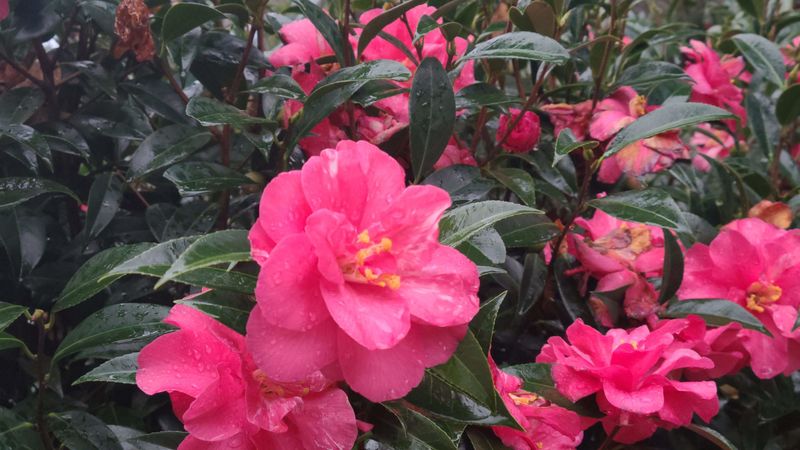
Palo Alto’s hidden treasure offers an intimate camellia experience in a charming historic setting.
This two-and-a-half-acre garden surrounds a beautiful 1902 home and features mature camellia plants that have grown here for decades.
Unlike larger botanical gardens, Gamble Garden feels like visiting a friend’s backyard, making it perfect for those who prefer a more personal atmosphere.
The camellias here demonstrate how homeowners can incorporate these plants into residential landscapes.
You can see them used as foundation plantings, privacy screens, and focal points in mixed borders.
This practical approach helps visitors imagine camellias in their own gardens.
The garden’s volunteer docents often work among the plants and love sharing growing tips and answering questions.
Their friendly presence adds warmth to every visit.
Gamble Garden also offers horticultural classes throughout the year, including sessions specifically about camellia care and propagation.
Winter visits reveal how camellias perform in Silicon Valley’s climate, which differs slightly from Southern California conditions.
The garden remains free to visit, though donations help maintain the property and support educational programs.
Pack a picnic and enjoy lunch on the lawn surrounded by blooming camellias.
4. UC Berkeley Botanical Garden
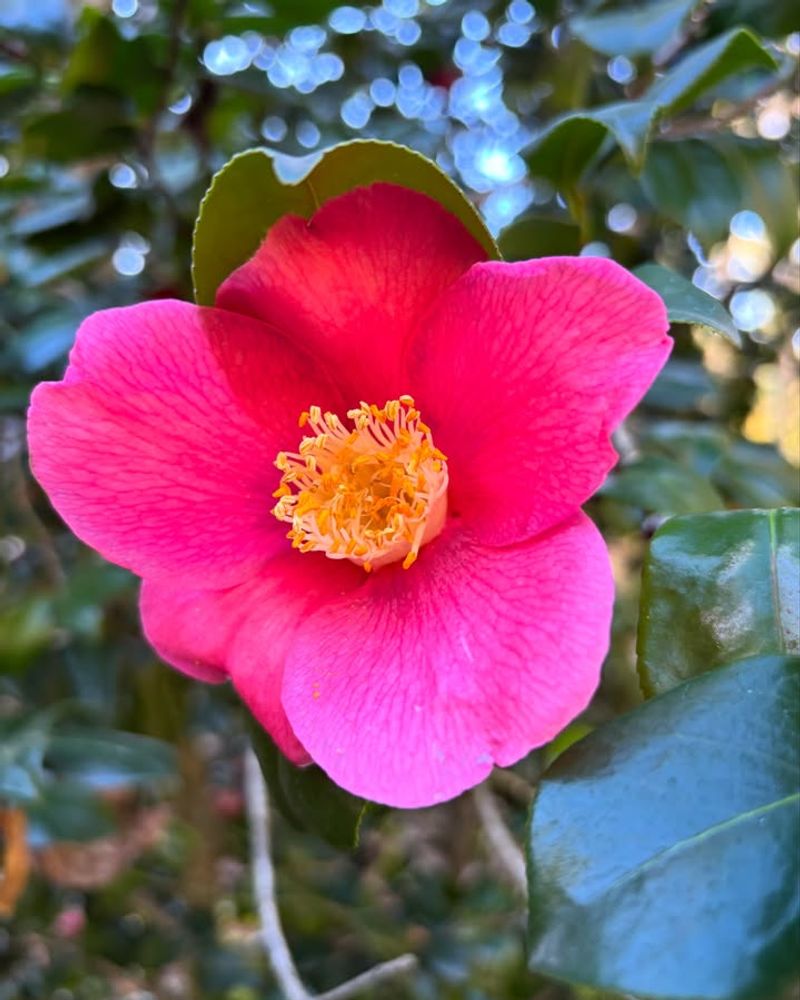
Perched in the Berkeley Hills, this university garden houses a world-class camellia collection within its Asian Plants section.
The location’s elevation and bay views create a stunning backdrop for winter camellia viewing.
On clear days, you can see San Francisco while surrounded by blooming flowers.
The garden emphasizes botanical diversity and conservation, so the camellia collection includes rare species from China, Japan, and Vietnam.
Many of these plants cannot be found in other American gardens.
Scientists use this collection for research, studying everything from flower genetics to climate adaptation.
Visitors benefit from excellent labeling that provides botanical names, origin information, and interesting facts about each plant.
The garden’s terraced design means you can view camellias from multiple angles and elevations.
Some paths take you above the plants, offering a bird’s-eye view of the blooms, while others bring you face-to-face with the flowers.
The garden hosts member events and workshops throughout winter, including photography sessions focused on capturing camellia beauty.
Students and faculty conduct tours that dive deep into plant science and conservation efforts.
The small admission fee supports ongoing research and garden maintenance.
5. Camellia Grove At Capitol Park
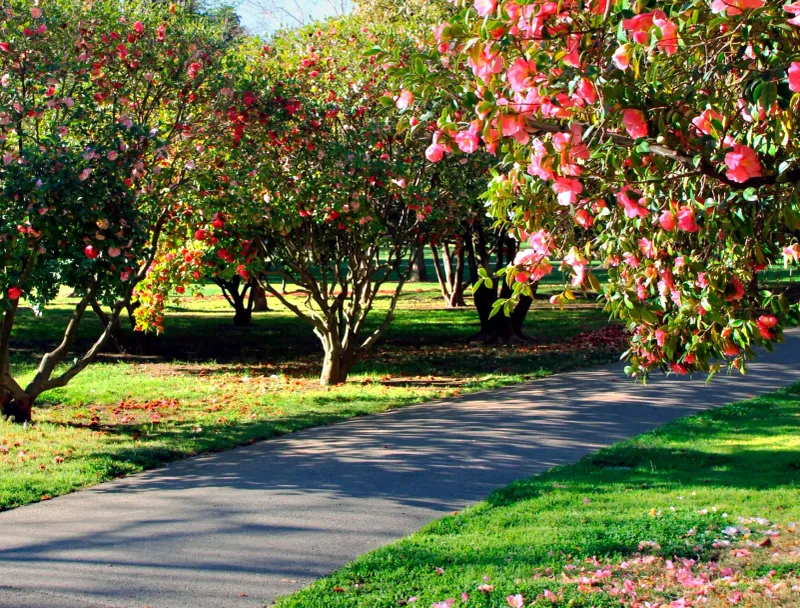
Sacramento’s Capitol Park surrounds the State Capitol building with 40 acres of gardens, including a remarkable camellia grove.
This urban oasis features over 400 camellia plants representing more than 200 varieties.
The grove dates back to the 1870s, making it one of California’s oldest public camellia plantings.
Walking through this grove feels like stepping back in time.
Many of the original trees have grown massive, with some reaching 20 feet tall.
Their thick trunks and sprawling branches create a canopy that explodes with color each winter.
The grove’s historic significance adds depth to your visit, as these same trees have witnessed California’s political history unfold.
The park’s central location makes it easy to combine a camellia visit with other Sacramento attractions.
You can tour the Capitol building, then stroll through the camellias during your break.
The garden is completely free and open to the public year-round.
Benches scattered throughout the grove invite you to sit and soak in the peaceful atmosphere.
Winter weekdays offer the quietest viewing times, though weekends attract fellow garden enthusiasts who enjoy sharing their appreciation for these remarkable plants.
6. Hakone Estate And Gardens
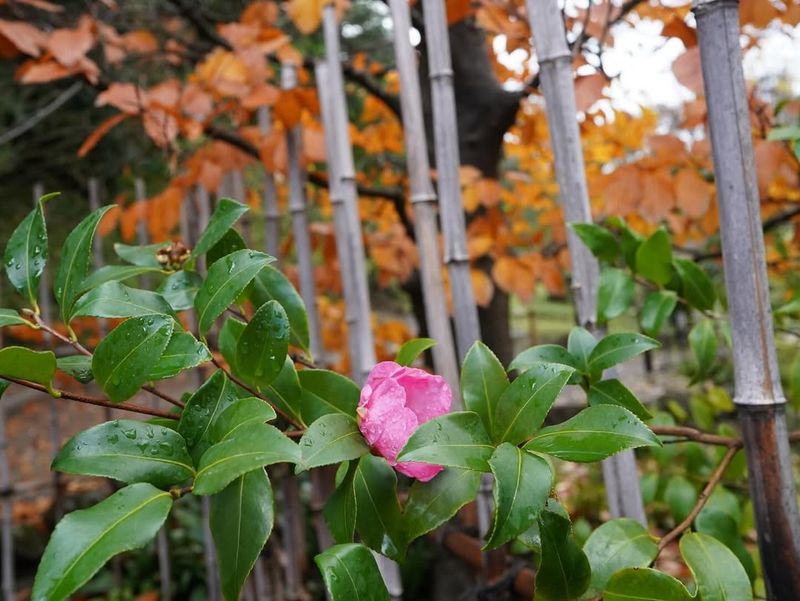
Tucked into the Saratoga hills, Hakone Gardens presents camellias in their most authentic cultural context.
This 18-acre Japanese estate garden, built in 1918, ranks as the oldest Asian residential garden in the Western Hemisphere.
Camellias play a crucial role in Japanese garden design, and Hakone showcases this tradition beautifully.
The garden’s designers positioned camellias to complement traditional elements like bamboo groves, moon bridges, and koi ponds.
You can observe how Japanese gardeners use camellias for both their blooms and evergreen foliage.
The plants provide year-round structure, then burst into flower during winter months.
Red and pink varieties dominate, chosen for their cultural significance in Japanese aesthetics.
Hakone offers a quieter, more contemplative camellia experience compared to larger botanical gardens.
The paths encourage slow walking and mindful observation.
Tea ceremonies held in the traditional teahouse sometimes feature camellia branches in floral arrangements, demonstrating their importance in Japanese culture.
The garden’s hillside location means you’ll encounter some stairs and slopes, but the effort rewards you with intimate garden spaces and mountain views.
Visit during weekday mornings for the most peaceful experience.
7. Filoli Historic House And Garden
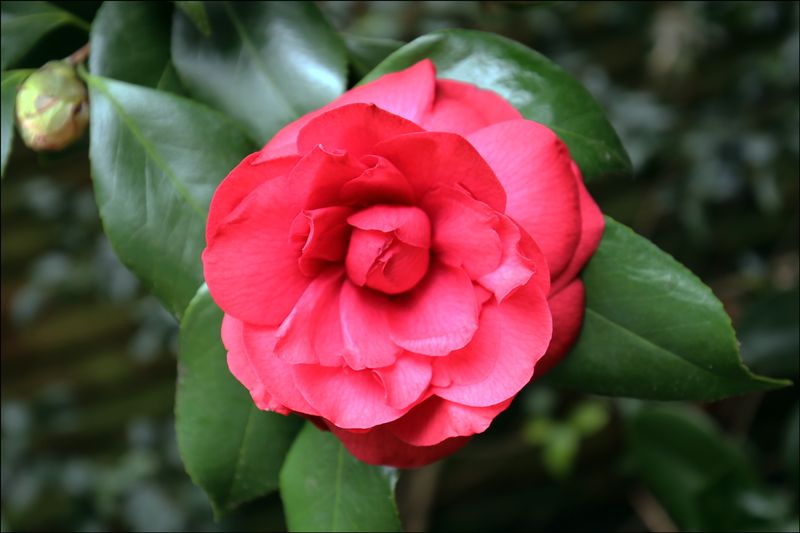
Woodside’s magnificent Filoli estate combines grand architecture with 16 acres of formal gardens where camellias shine as winter stars.
Built in 1917, this National Trust Historic Site features gardens designed by renowned landscape architect Bruce Porter.
Camellias appear throughout the property, from formal parterres to woodland paths.
The estate’s microclimate, nestled against the coastal hills, creates ideal conditions for camellias to thrive.
Morning fog and mild temperatures produce flowers with exceptional color and size.
Some blooms reach five inches across, displaying perfect form that makes them look almost artificial.
Filoli’s gardeners maintain the camellias to museum standards, pruning and feeding them for optimal performance.
You can see the results of professional horticultural care and learn techniques to apply at home.
The contrast between formal garden design and natural camellia beauty creates visual drama that photographers adore.
Guided tours explain the estate’s history and the role camellias played in early California gardens.
Special winter events include wreath-making workshops using camellia foliage and holiday teas served with views of blooming gardens.
The on-site cafe serves seasonal meals, and the gift shop offers garden-inspired items.