5 Native Arizona Plants You Can Trim In March And 3 That Should Wait
March is when many Arizona gardens begin to wake up again. New growth starts appearing on desert shrubs, native perennials begin pushing out fresh stems, and yards that looked quiet during winter slowly come back to life.
It is also the time when many gardeners start reaching for the pruners to clean things up. But with native Arizona plants, timing matters more than people often realize.
Some handle a March trim very well and actually respond with stronger, fuller growth once temperatures warm up. Others are better left alone a little longer, especially if they are preparing to flower or push out delicate new shoots.
Cutting too early can slow them down or reduce their seasonal display.
Knowing which native plants are ready for a light trim now and which ones should wait can help keep an Arizona landscape healthy, balanced, and looking its best as the desert growing season begins.
1. Desert Marigold Benefits From Light Spring Trimming
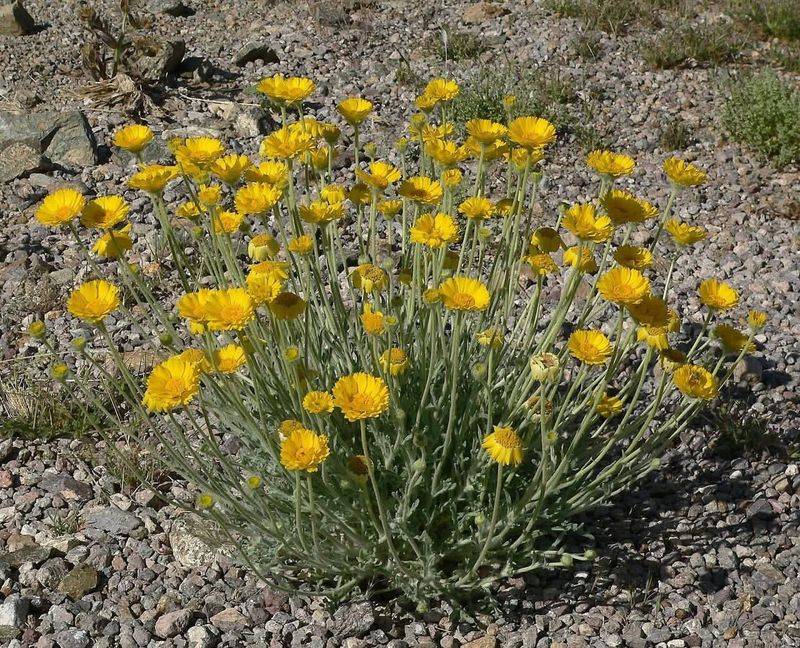
Bright yellow and tough as nails, Desert Marigold is one of those plants that practically asks you to deadhead it. Removing spent flower heads in March encourages a fresh round of blooms rather than letting the plant put all its energy into seed production.
You don’t need much more than a clean pair of scissors or hand pruners to do the job.
Focus on cutting back the old flower stalks to just above a set of healthy leaves. Avoid cutting into the woody base of the plant, which can stress it heading into the warmer months.
A light touch is all it takes to keep Desert Marigold looking tidy and productive across southern Arizona yards.
One thing worth knowing: Desert Marigold reseeds on its own pretty aggressively. If you want to limit spreading, trimming before seeds fully mature is smart.
If you enjoy watching it naturalize across a dry slope or gravel bed, leave a few spent heads behind. Either way, a March trim gives the plant a clear head start.
Sharp, clean tools matter here since ragged cuts can slow recovery and invite unwanted pests into open wounds.
Arizona gardeners often notice that plants trimmed in early spring keep producing flowers longer into the warm season. The plant naturally prefers dry, well-drained soil and plenty of sun, so avoid overwatering after trimming.
With just a little attention, Desert Marigold can continue brightening desert gardens well into early summer.
2. Brittlebush Can Be Shaped To Encourage Fresh Growth
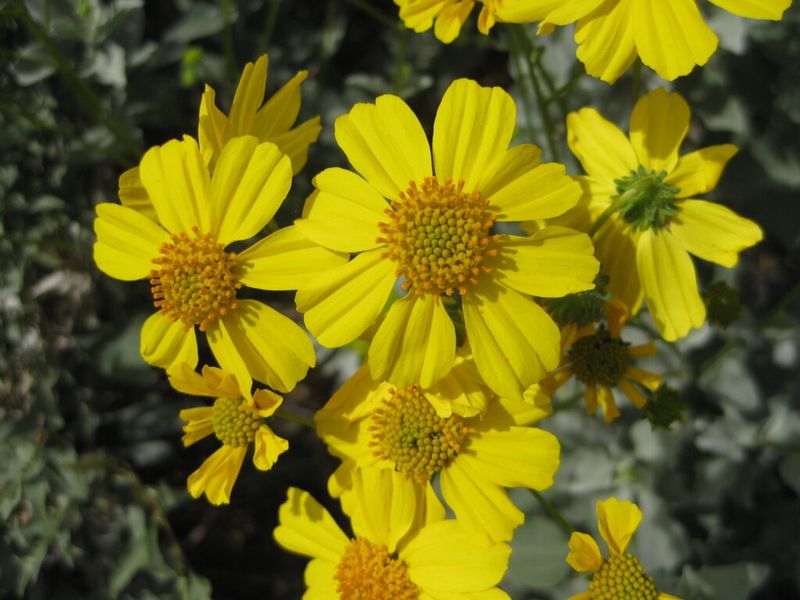
Walk through almost any Arizona hillside or roadside in spring and you’ll spot Brittlebush putting on a show. Those silver-gray leaves and cheerful yellow flowers are hard to miss.
March is actually a solid window to give this plant a light shaping before summer heat kicks in and slows everything down.
Keep cuts minimal. Snip back any damaged or broken stems to a healthy node, and remove growth that looks crowded or crossing over itself.
Brittlebush has a naturally rounded form, so you’re mostly just cleaning it up rather than dramatically changing its shape. Heavy pruning can set it back, so resist the urge to go overboard.
Here in Arizona, Brittlebush handles dry heat well on its own, but neglecting it entirely over several years can leave it looking leggy and tired. A light annual trim in late winter or early March keeps the canopy dense and the bloom production strong.
Always use clean blades to avoid spreading any fungal issues from plant to plant. If stems snap easily and look hollow or pale inside, those are the ones to prioritize removing first.
Let the healthy silver growth lead the way into the warmer season ahead.
Most pruning simply involves shortening a few long stems to keep the plant balanced.
Brittlebush responds best to light maintenance rather than major cutting. When trimmed carefully in early spring, it keeps its compact form while continuing to produce cheerful yellow flowers.
3. Autumn Sage Responds Well To Early Season Pruning
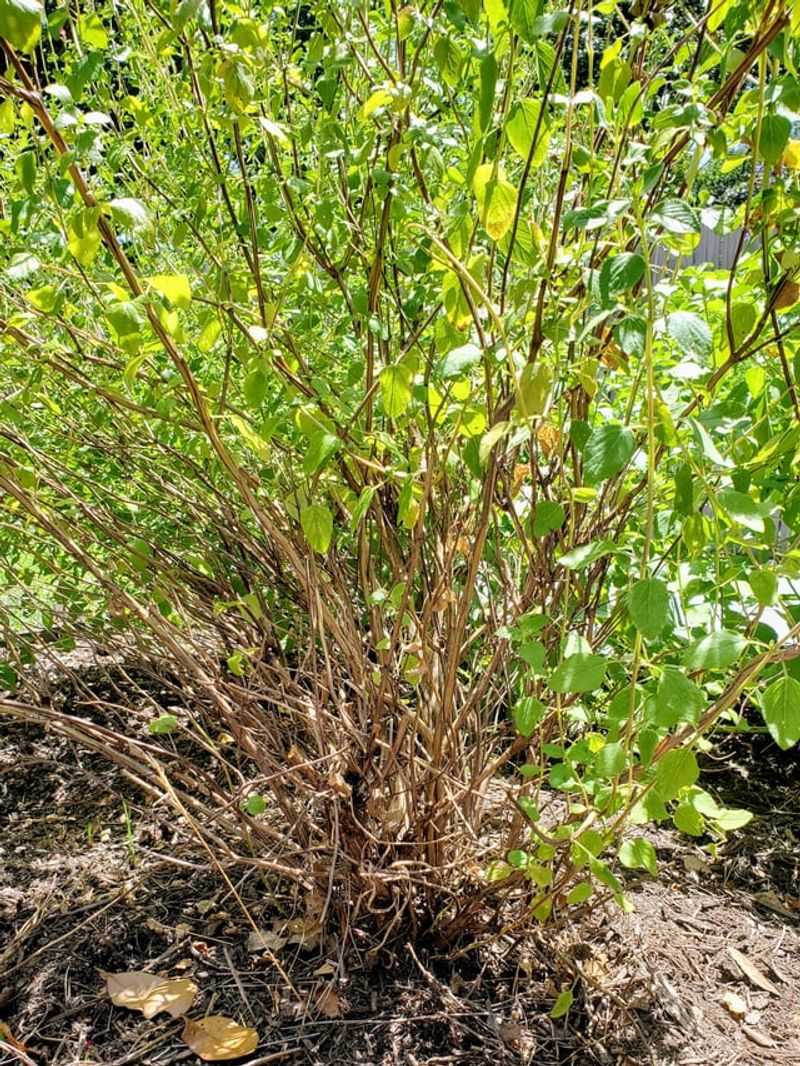
Cut it back and it comes back swinging. Autumn Sage is one of the most rewarding plants to prune in early spring because the response is fast and visible.
A good trim in March removes the woody, tired growth from last year and clears the way for fresh stems loaded with red, pink, or coral blooms.
Go ahead and cut the plant back by about one-third to one-half of its total height. Look for where new green growth is already pushing from the base or lower stems and aim to cut just above those points.
Leaving some of that new growth intact helps the plant recover quickly without losing too much momentum.
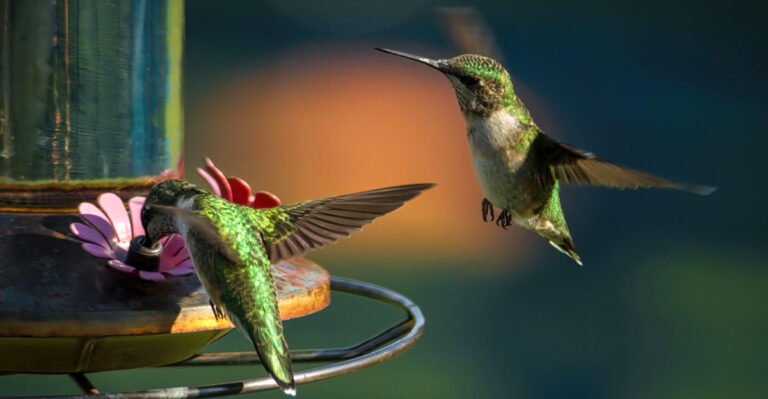
Autumn Sage is a hummingbird favorite across central and southern Arizona, so keeping it productive matters more than just keeping it neat.
Pruning in March gives it enough time to push new growth, branch out, and set buds before the summer bloom cycle really takes off. Use sharp bypass pruners rather than hedge shears for cleaner cuts that heal faster and reduce stress on the plant during the transition into warmer weather.
Many Arizona gardeners trim Autumn Sage every spring to keep it compact and encourage branching.
The more branching the plant produces, the more flowers it typically carries throughout the growing season. Once temperatures warm, new stems usually appear quickly after pruning.
4. Fairy Duster Handles Careful Spring Trimming
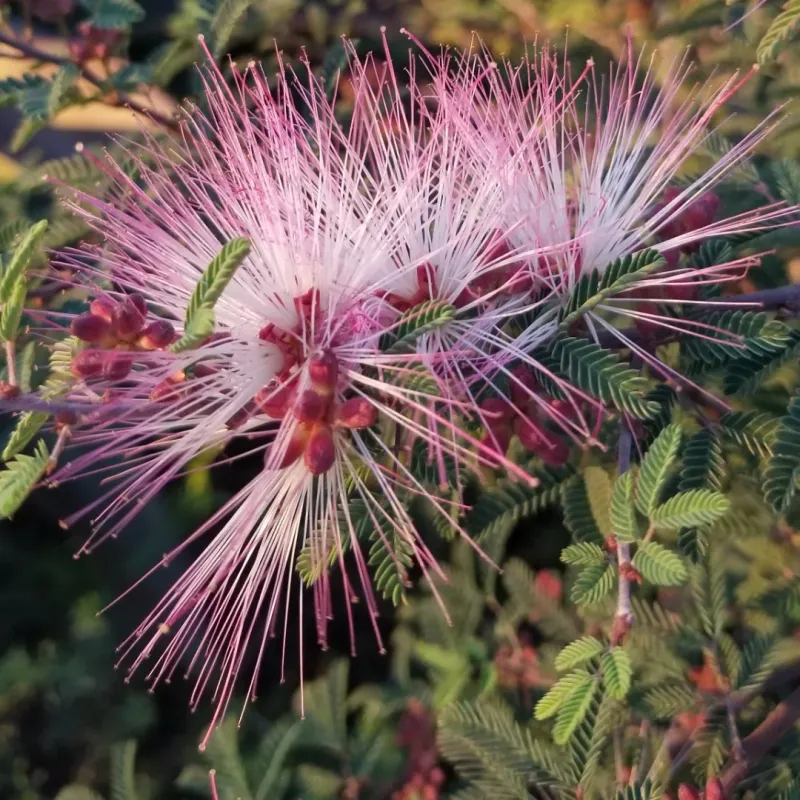
Fuzzy pink blooms and a naturally wild shape make Fairy Duster one of Arizona’s most charming native shrubs. Pruning it requires a light hand and a little patience since this plant grows slowly and doesn’t bounce back as fast as some of its desert neighbors.
Wait until after the first flush of blooms fades before making any cuts. In most Arizona locations, that lines up with late February through March.
Remove any stems that are crossing, rubbing together, or clearly damaged from winter cold. Thin cuts with sharp hand pruners work better than shearing the whole plant, which can destroy its natural airy structure.
Avoid removing more than about a quarter of the plant at one time. Fairy Duster’s branching pattern is part of what makes it attractive, and cutting too aggressively can leave it looking sparse for an entire season.
If a stem snapped during a cold snap or windstorm, cut it cleanly back to a healthy fork rather than leaving a jagged stub. Pollinators, especially native bees, rely heavily on Fairy Duster across the Sonoran Desert, so timing your trim to avoid peak bloom helps protect those visitors.
A careful March trim keeps the plant healthy, shapely, and ready to push another round of soft, feathery flowers as temperatures rise.
5. Globe Mallow Grows Back Strong After A Light Trim
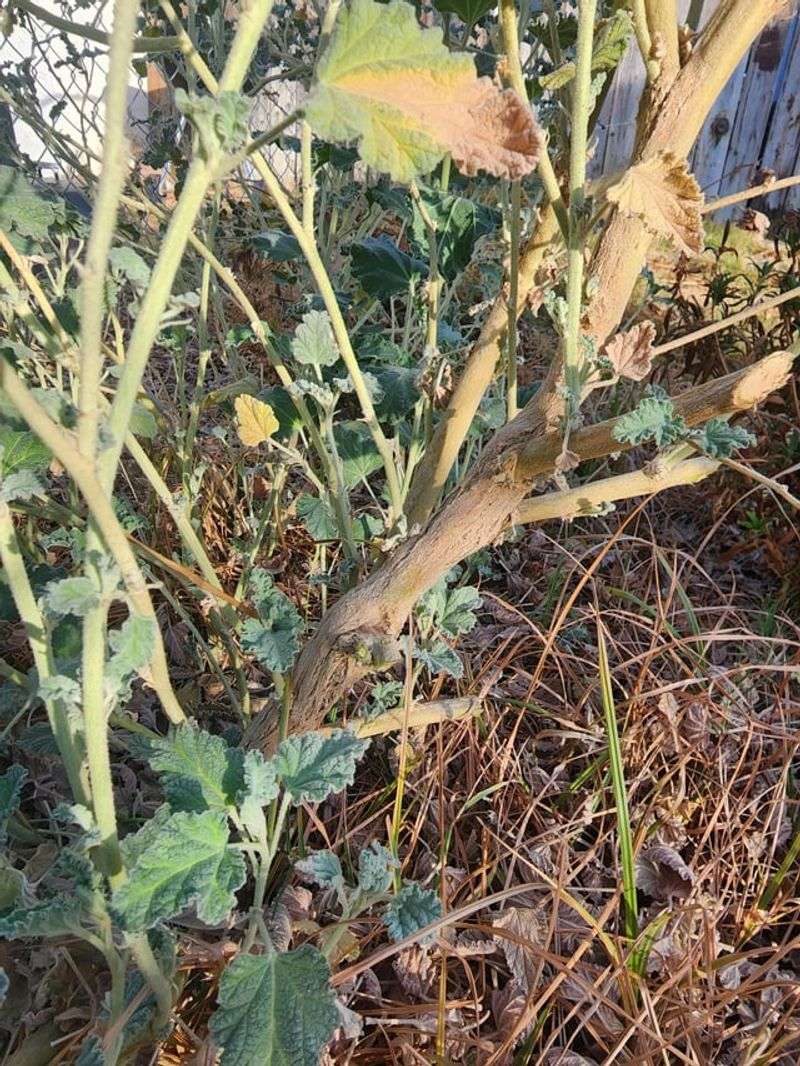
Orange blooms scattered across a dry hillside, Globe Mallow is one of those plants that looks effortless but benefits quietly from a little attention in March.
Trimming back the old growth before new stems fully push out encourages a denser, more floriferous plant through the warmer months ahead.
New growth typically emerges from the base, so you’re essentially clearing the clutter to let those fresh shoots come up without competition. Globe Mallow rebounds quickly and can put on significant new growth within just a few weeks of a good trim in early spring.
Across Arizona, Globe Mallow grows in some pretty tough spots, from roadsides to rocky slopes baked by afternoon sun. Because it’s so adaptable, it’s easy to assume it needs nothing from you.
Skipping a yearly trim isn’t catastrophic, but plants that go several years without any attention tend to get woody and produce fewer blooms near the base.
A quick March cleanup takes maybe ten minutes per plant and pays off with a fuller, brighter display from spring into early summer.
Wear gloves when handling it since the fine hairs on its leaves can irritate sensitive skin.
Many gardeners cut Globe Mallow back to about 6 to 12 inches above the ground to refresh the plant. New shoots quickly emerge once temperatures rise across the desert.
Within a short time, the plant begins producing its familiar bright orange flowers again.
6. Creosote Bush Is Usually Best Left Untrimmed
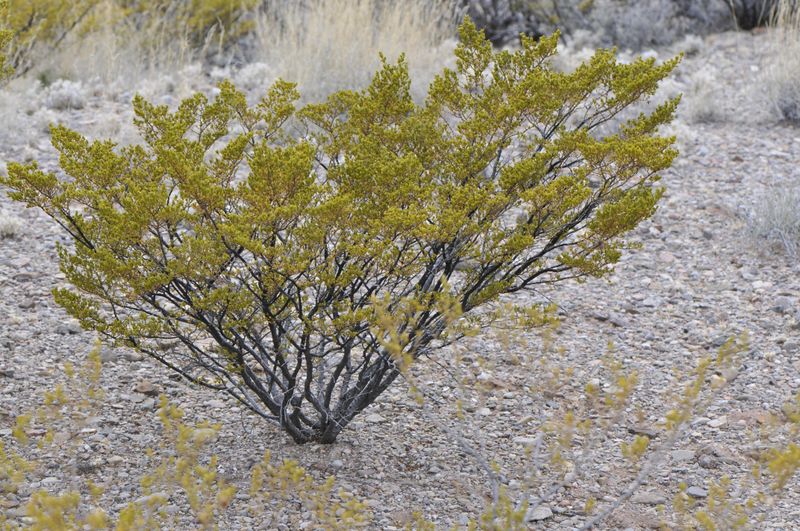
Few plants define the Arizona desert like Creosote Bush.
That unmistakable smell after rain, those small waxy leaves, and the way it spaces itself perfectly across open flats, Creosote has survived in this landscape for thousands of years without any help from gardeners.
Pruning Creosote in March, or really at any time, is generally a bad idea unless a branch is clearly damaged or blocking a walkway.
Its natural open form is the result of slow, deliberate growth, and cutting into it tends to produce awkward regrowth that looks out of place and takes years to normalize.
Heavy trimming can also stress the plant heading into summer, when it needs every resource it has to handle the heat.
Arizona gardeners who try to shape Creosote into a tidy rounded shrub usually end up disappointed. It doesn’t respond to shearing the way ornamental plants do.
If you genuinely need to remove a branch, make a single clean cut at the base of that stem and leave the rest alone.
Let the plant do what it has always done in the Sonoran Desert: grow slowly, spread wide, and anchor the landscape with minimal interference from anyone.
Sometimes the best garden advice is to put the pruners down and just appreciate what’s already there.
7. Desert Willow Is Better Pruned After Flowering
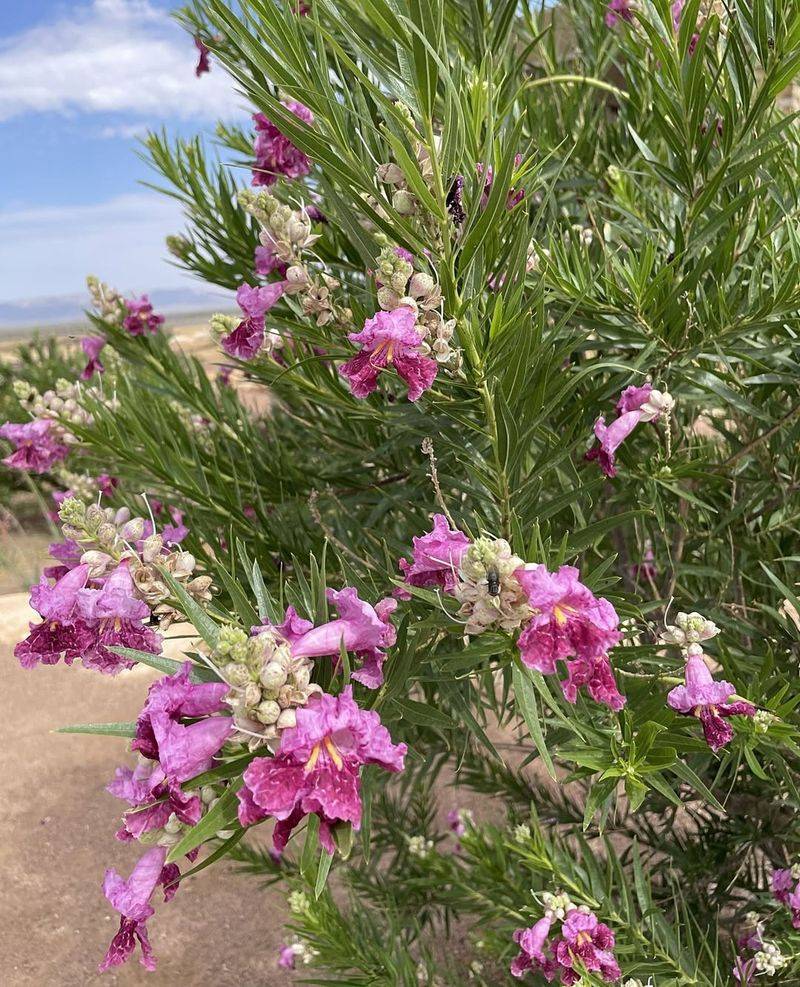
Pruning Desert Willow in March sounds reasonable on paper, but the timing usually works against you.
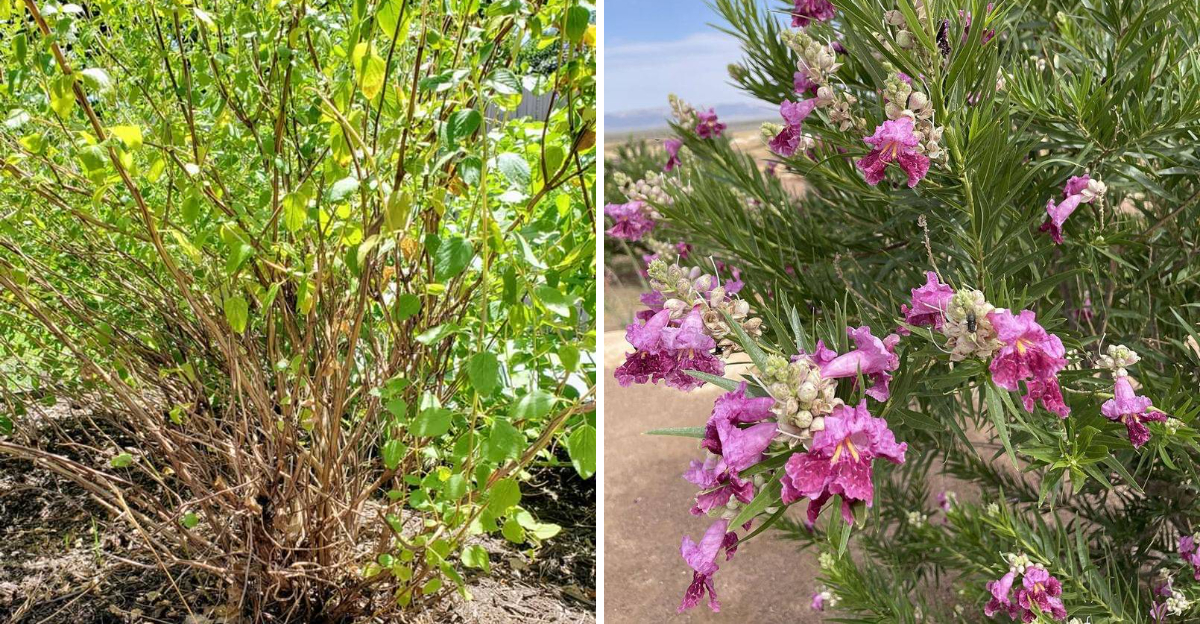
Cut it back too early in spring and you risk removing the buds that are already forming along last year’s branches, the same buds that will open into those spectacular trumpet-shaped flowers later in the season.
Patience pays off with this tree. Waiting until after the first round of blooms fades, typically late spring into early summer in most parts of Arizona, gives you a clearer picture of where the plant is thriving and where it needs cleanup.
Desert Willow is one of the most visually striking native trees in the Southwest, and it draws hummingbirds and bees in numbers that make any yard feel alive.
Rushing the pruning calendar to get it done in March can mean a noticeably lighter bloom season, which is a real shame when you consider how reliably this tree performs otherwise.
If there’s a branch that snapped in a winter storm or one that’s rubbing against a structure, go ahead and remove it cleanly. Beyond that, step back and let Desert Willow build up to its bloom before you start making cuts.
Arizona summers are worth the wait.
8. Ocotillo Should Only Be Trimmed When Necessary
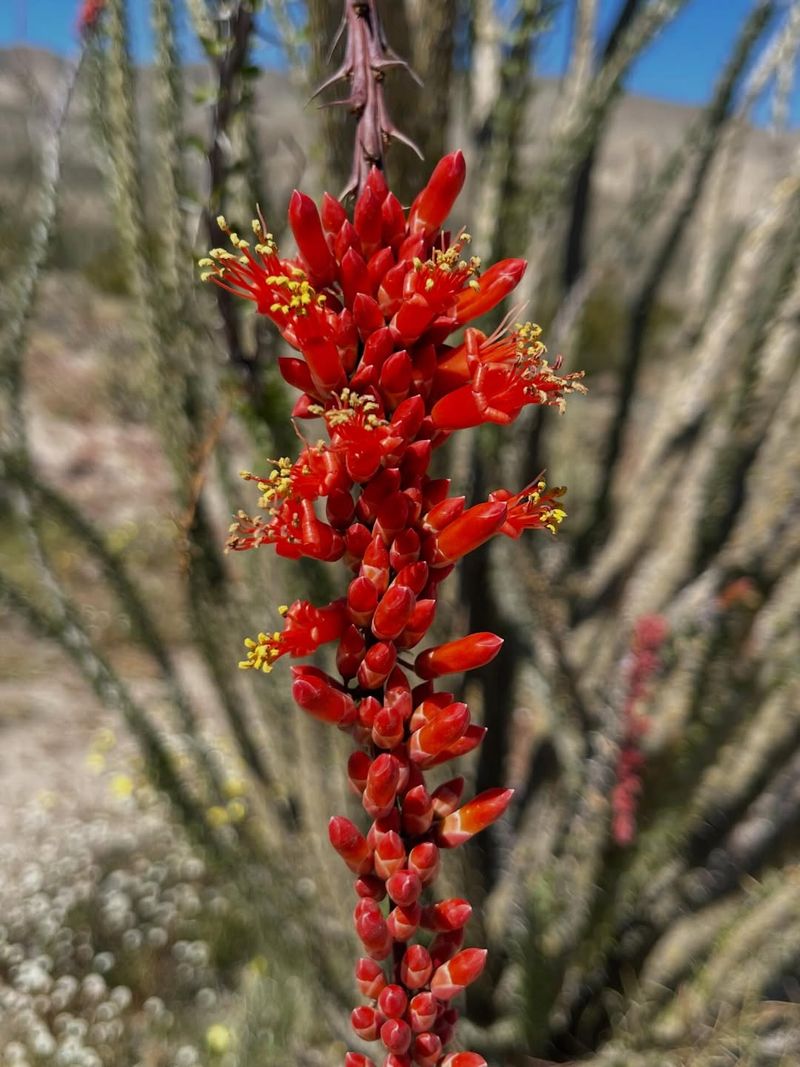
Ocotillo is not a cactus, but a lot of people treat it like one, assuming it needs no attention and can handle anything you throw at it.
Technically that’s mostly true, but it also means that when people do decide to prune it, they often do more harm than good by cutting at the wrong time or removing too much.
March pruning on Ocotillo should be reserved for canes that are clearly hollow, snapped, or showing no signs of life after winter.
Healthy canes, even ones that look bare and dry right now, will likely leaf out and bloom once temperatures and moisture levels trigger the plant.
Cutting live canes in early spring interrupts that process and can reduce the dramatic red flower display Ocotillo is known for across the Arizona desert.
If you’re unsure whether a cane is alive, scratch the surface lightly with your fingernail. Green tissue underneath means it’s still active.
Gray or brown all the way through usually indicates it’s safe to remove. Keep cuts clean and close to the base of the plant rather than leaving long stubs.
Ocotillo grows in a way that doesn’t hide bad pruning easily, so every cut you make stays visible for a long time. When in doubt, wait another few weeks and let the plant show you what it’s doing before you reach for the saw.