7 Native Arizona Trees To Plant Instead Of Crape Myrtle
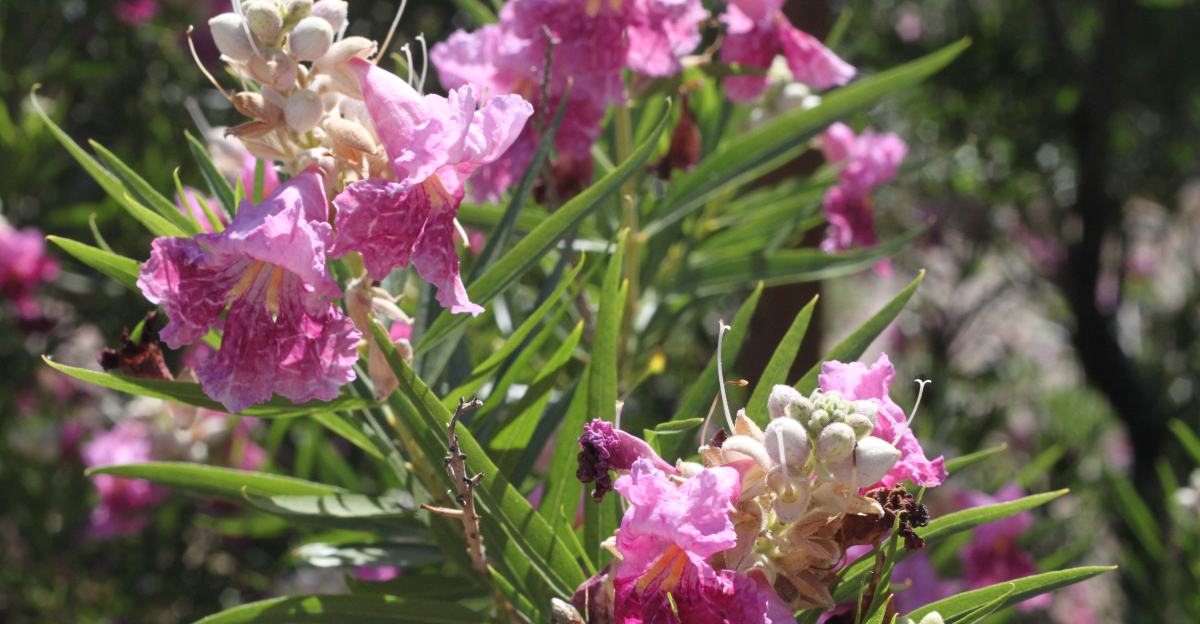
Crape myrtles show up in many Arizona yards, yet they do not always perform the way people expect once heat and dry air settle in.
Growth can look uneven, flowering may fall short, and the tree can require more attention than planned just to stay presentable.
That leads many to question whether it is the right fit at all for this climate. Arizona conditions favor trees that already match the environment, not ones that need constant adjustment to keep up.
Native options bring a different result from the start. They establish more smoothly, hold their structure through heat, and create a stronger presence without extra effort.
Choosing the right tree changes how the yard develops over time, and it often comes down to picking something that belongs here instead of trying to make something else work.
1. Desert Willow Grows Fast With Light Shade And Blooms
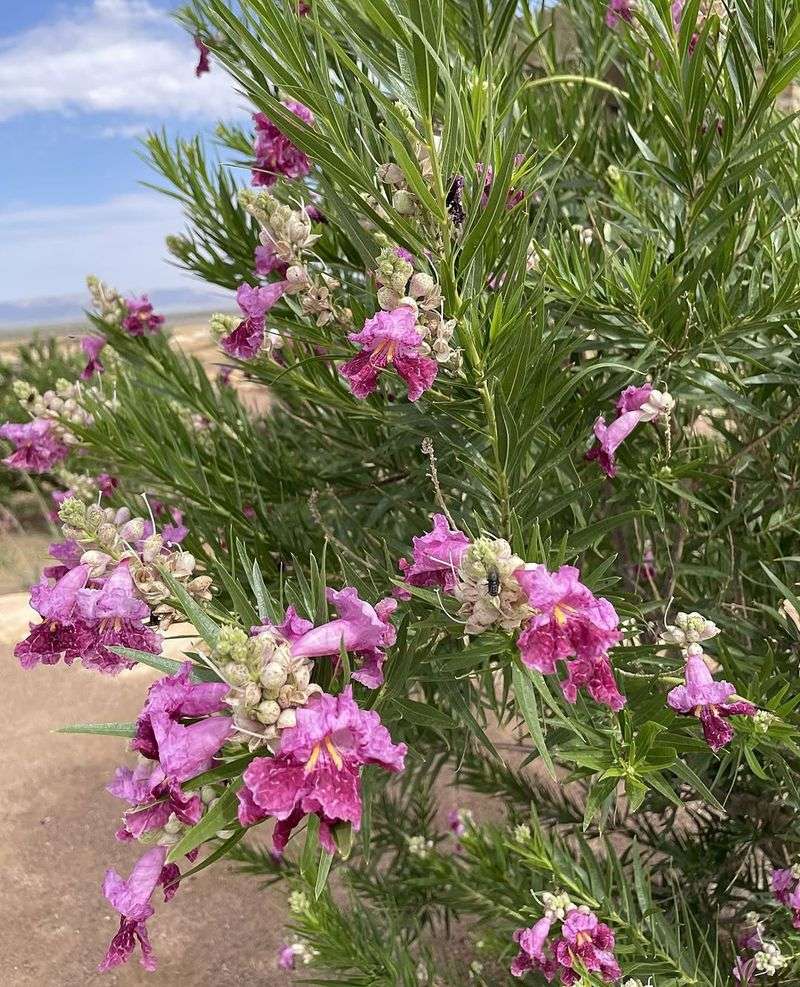
Pink flowers in the middle of a desert summer sound like wishful thinking — but Desert Willow pulls it off without complaint.
Chilopsis linearis produces long, trumpet-shaped blooms in shades of pink, lavender, and deep purple from late spring straight through summer.
Hummingbirds and butterflies track it down like clockwork, which makes it a genuinely lively addition to any Arizona yard.
It grows quickly compared to most native trees here, typically reaching around 15 to 25 feet tall with a somewhat open, airy canopy.
That canopy gives light, dappled shade rather than dense cover, which works well over patios or along fences where you want filtered sunlight instead of full blockage.
The branches have a natural, slightly weeping quality that gives it a relaxed look.
Plant it in full sun with well-drained soil and it will settle in reasonably well during its first year, though young trees do benefit from regular watering until roots spread out.
After that, it handles dry stretches much better than crape myrtle ever could in this climate.
Avoid clay-heavy soils where water pools, since roots can struggle in soggy ground.
Across the lower desert regions of Arizona, Desert Willow is one of the more reliable bloomers you can plant. It drops its leaves in winter, which surprises some people, but spring growth returns consistently.
If you want color, movement, and wildlife activity in your yard, this tree earns its space.
Light pruning in late winter helps shape the canopy and encourages stronger flowering once new growth begins.
2. Foothill Palo Verde Brings Bright Color With Easy Growth
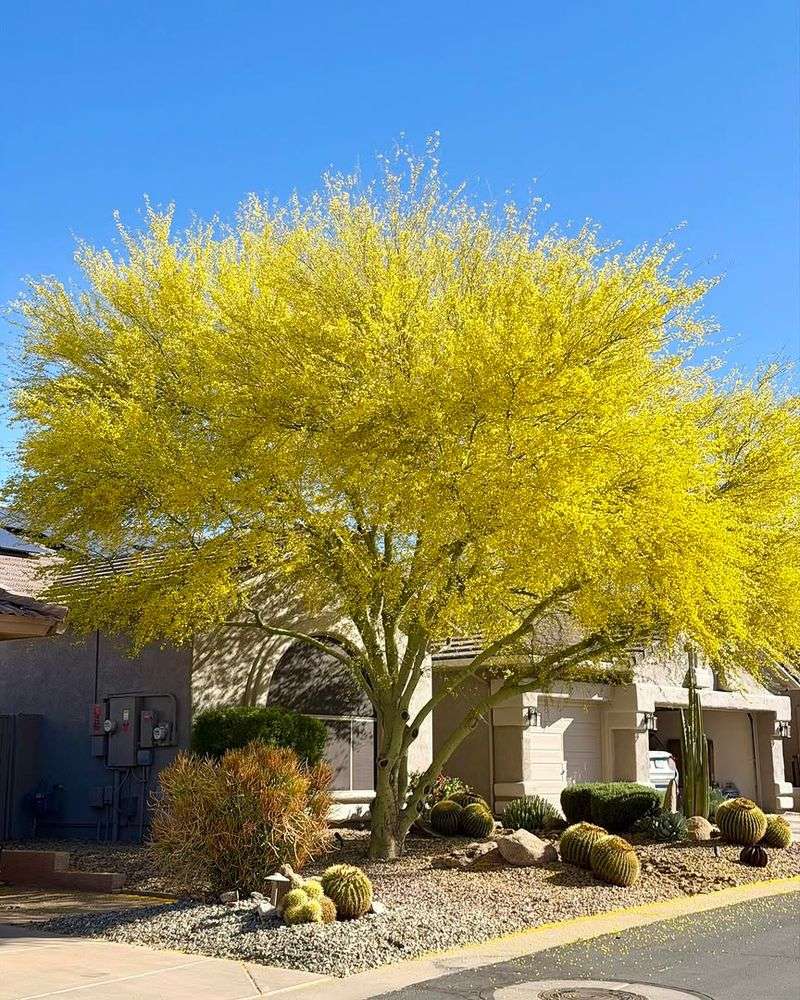
Few sights in Arizona are as striking as a Foothill Palo Verde covered in yellow flowers during spring.
Parkinsonia microphylla lights up hillsides and yards alike with a dense flush of bright yellow blooms, usually in April and May, that can make the entire tree look like it caught fire in the best possible way.
Bees absolutely swarm it during bloom season.
Outside of bloom time, the green bark is what sets it apart. Unlike most trees, the trunk and branches stay green year-round because the bark itself photosynthesizes.
That adaptation is part of why this tree handles extended dry periods so well — it keeps working even when it drops its tiny leaves during heat or drought stress. It is a genuinely well-designed tree for Arizona conditions.
Growth is moderate rather than fast, so patience helps. Foothill Palo Verde typically reaches 15 to 20 feet tall and wide over many years, forming a rounded, somewhat irregular canopy.
It looks most natural in rocky or gravelly soil, which drains quickly and matches the hillside environments where it grows wild across much of southern and central Arizona.
Thorns are part of the deal here, so plant it away from high-foot-traffic areas or spots where kids play regularly. That said, birds love nesting in its branches, and the structure it adds to a desert landscape year-round is hard to beat.
Crape myrtle simply cannot compete with that kind of built-in resilience in this state.
Overwatering is one of the most common mistakes with this tree, since too much moisture can weaken its natural drought tolerance and lead to poor growth.
3. Blue Palo Verde Builds A Wider Canopy Over Time
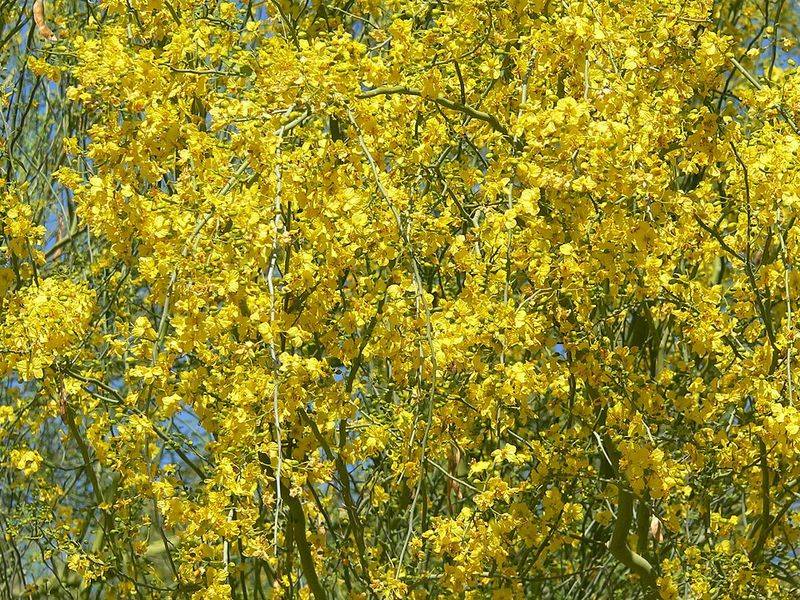
Blue Palo Verde grows wider than most people expect, and that spreading canopy is exactly what makes it so useful in Arizona yards.
Parkinsonia florida can eventually reach 30 feet tall with a canopy spread that rivals its height, giving it a generous, umbrella-like shape that provides real shade over time.
It just takes years to get there, so planting one is a long-term decision worth making early.
Spring bloom on Blue Palo Verde tends to be a bit showier than its Foothill cousin, with slightly larger yellow flowers that cover the canopy densely for several weeks.
The blue-green color of the bark and stems gives the tree a cool, distinctive look even when it is not blooming.
Against a desert backdrop or a stucco wall, that color combination stands out nicely.
It grows faster than Foothill Palo Verde, which is a point in its favor for people who want results sooner. Young trees benefit from supplemental watering during the first couple of summers in Arizona, especially in the lower desert around Phoenix and Tucson.
After roots establish, the tree handles dry stretches with considerably less help needed from you.
Seed pods drop in summer and can create some cleanup, which is worth knowing before you plant one over a driveway or pool deck. In a naturalistic yard or open area, though, that is a minor trade-off.
Wildlife use this tree heavily — from nesting birds to foraging insects — making it one of the more ecologically active choices on this list.
Deep, infrequent watering once established helps encourage strong root growth and keeps the tree more stable during dry periods.
4. Velvet Mesquite Creates Strong Shade With Natural Spread
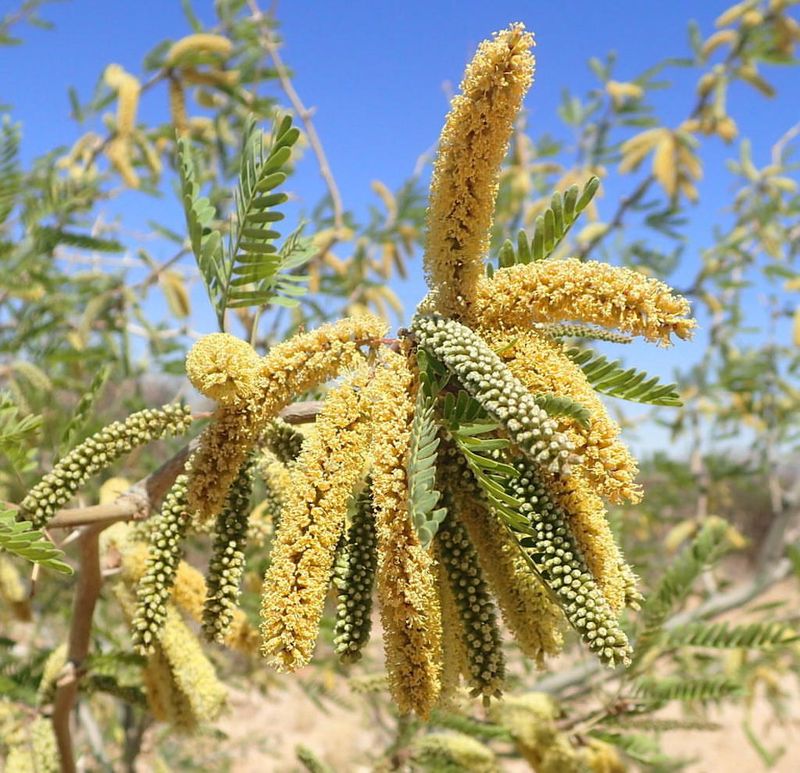
Velvet Mesquite is the shade tree that Arizona’s Sonoran Desert built from scratch over thousands of years.
Prosopis velutina grows into a wide, spreading canopy that can genuinely cool the ground beneath it on a hot afternoon — and in Arizona summers, that matters more than most people realize until they have one in their yard.
It is a tree with real presence and scale.
Mature trees can reach 30 feet tall with canopies spreading even wider, creating deep shade that is noticeably different from the filtered light of smaller native trees. The feathery, compound leaves give it a soft, layered texture that moves in the breeze.
In late spring, small yellow flower clusters appear and attract pollinators before turning into long seed pods that wildlife — from coyotes to birds — rely on heavily.
Velvet Mesquite is deeply rooted in Arizona culture and ecology. Indigenous communities across the region used every part of this tree for food, tools, and medicine for centuries.
Planting one connects your yard to that long history in a tangible way.
Be aware that roots are aggressive and can spread far in search of water, so keep it away from foundations, septic systems, and underground irrigation lines. Thorns are present on younger growth, though mature trees often have fewer.
In the right spot — open yard space, a large property, or along a dry wash — Velvet Mesquite delivers shade and ecological value that crape myrtle simply was never designed to offer in this climate.
5. Desert Ironwood Holds A Dense, Lasting Shape
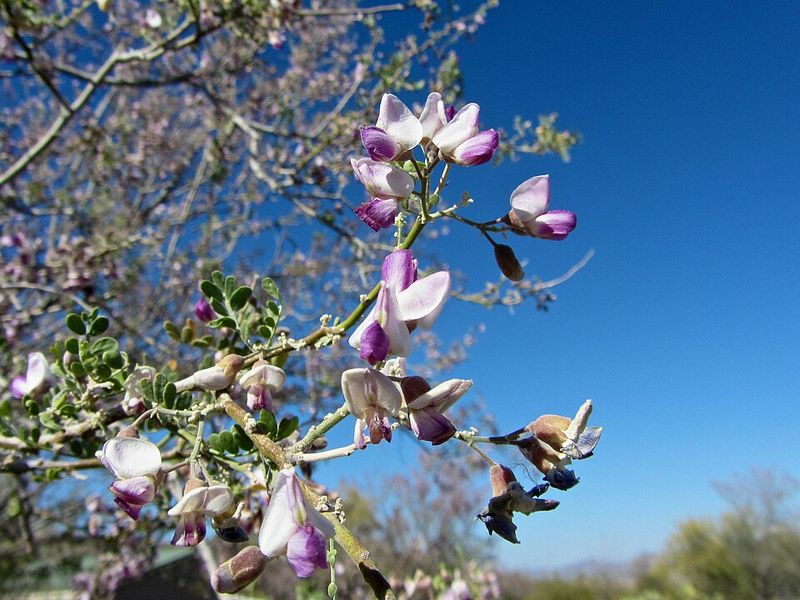
Desert Ironwood is one of the oldest living things you can plant in an Arizona yard, and it carries that weight with quiet dignity.
Olneya tesota grows slowly — very slowly — but over decades it builds into a dense, rounded tree with blue-green foliage that holds its shape through both scorching summers and mild winters.
Supplemental irrigation keeps it evergreen; without it, the tree may drop some leaves during extended dry periods.
Spring blooms are a soft pink and white, clustered along the branches in a way that looks almost delicate against the tough, thorny structure of the tree.
After flowering, flat brown seed pods develop and serve as a food source for desert animals, including birds, rodents, and larger mammals.
Very little goes to waste with this tree.
Ironwood is also what ecologists call a nurse plant — its canopy creates a cooler, slightly more humid microclimate underneath that allows other desert plants, including young saguaros, to get established.
Planting one in your yard supports an entire community of organisms over time, not just the tree itself.
In the Sonoran Desert portions of Arizona, Ironwood is a keystone species that shapes the landscape around it. It grows best in well-drained desert soils with full sun and does not appreciate overwatering, especially in heavy clay.
Young trees need some water to get roots going, but pushing too much water too fast can cause more harm than help. Patience and restraint are the right approach with this one.
Avoid pruning heavily, since this tree develops its natural shape slowly and unnecessary cuts can disrupt its long-term structure.
6. Catclaw Acacia Grows Tough With A Natural Form
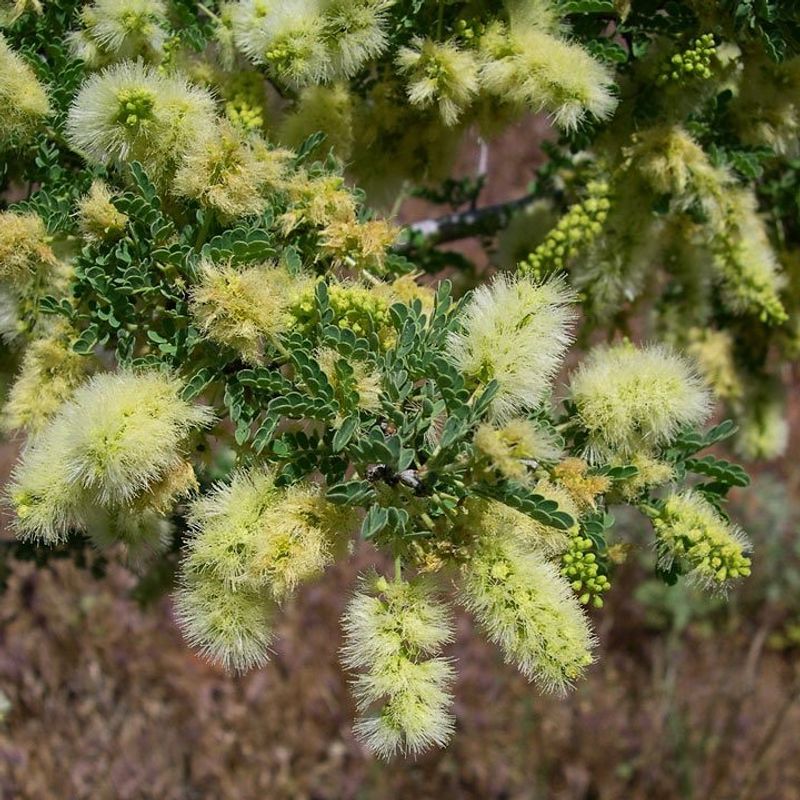
Catclaw Acacia gets its name honestly — those small, curved thorns along the branches will snag your clothing and skin if you brush past without paying attention. Senegalia greggii is not a polished, manicured tree, and that is actually part of its value.
It grows in a natural, irregular form that fits into Arizona’s desert landscape without looking out of place or forced.
Fluffy, pale yellow flower spikes appear in spring and again sometimes after summer rains, releasing a sweet fragrance that draws in native bees and other pollinators in large numbers. Seed pods follow and provide food for quail, doves, and small mammals.
In terms of wildlife support per square foot, Catclaw Acacia punches well above its size.
It handles rocky, gravelly, and sandy soils without complaint, which covers a huge range of Arizona terrain from the low desert around Phoenix up into foothill elevations.
Drought tolerance is genuinely strong — this is a tree that survives on rainfall alone in many parts of the state once it gets a foothold.
Young trees benefit from some supplemental watering during the first summer or two.
Because of those thorns, placement matters. Along property borders, dry washes, or areas where you want a natural barrier, it works well.
High-traffic areas near walkways or play spaces are not the right fit. Growth stays relatively modest — usually 15 to 20 feet — which makes it manageable for most yards.
If crape myrtle was your go-to for filler and color, Catclaw Acacia is a far more honest replacement in Arizona.
7. Arizona Rosewood Stays Evergreen And Structured
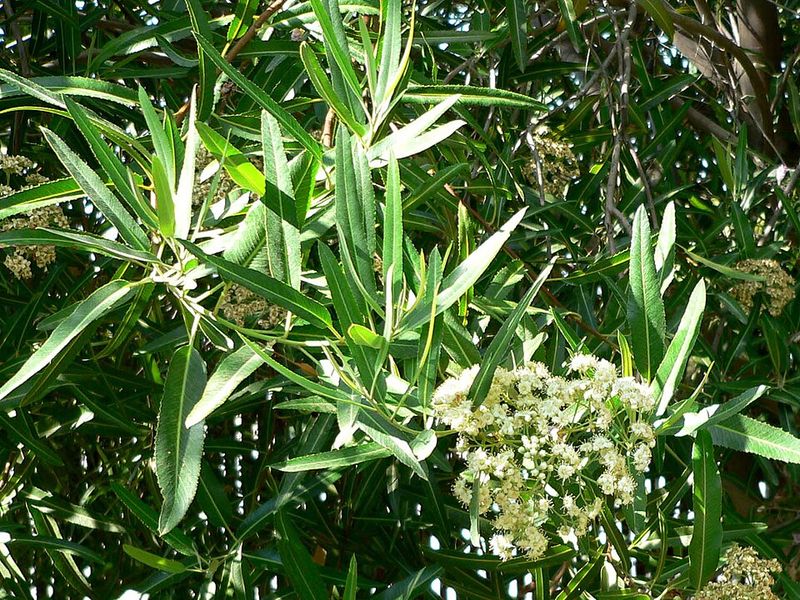
Year-round green in an Arizona landscape is not something to take for granted, and Arizona Rosewood delivers it without needing much in return.
Vauquelinia californica holds its dark, leathery leaves through every season, giving it a structured, tidy look that works well in both naturalistic desert yards and more formal landscape designs.
It does not drop everything in winter and leave you staring at bare branches.
White flower clusters appear in late spring, covering the tips of branches in a way that is understated but genuinely attractive up close.
The flowers attract native bees and other insects reliably, and the dense foliage provides good nesting cover for birds throughout the year.
It earns its space ecologically without making a dramatic show of it.
Mature height ranges from around 10 to 20 feet depending on conditions, with a naturally upright and somewhat columnar form that makes it useful as a screen or privacy planting.
Rocky, well-drained soils suit it best, which aligns well with the foothill and mountain terrain found across central and southern Arizona.
It does not perform well in heavy clay or areas with poor drainage.
Compared to other native Arizona trees, Rosewood is relatively slow-growing, so it rewards patient gardeners. Supplemental watering during dry stretches helps young plants establish, but mature specimens handle Arizona’s dry periods reasonably well.
If you have been relying on crape myrtle for year-round structure and color, Arizona Rosewood is a native alternative that actually belongs here — and looks like it knows it.