9 Native Berry Shrubs That Keep Oregon Wildlife Coming Back
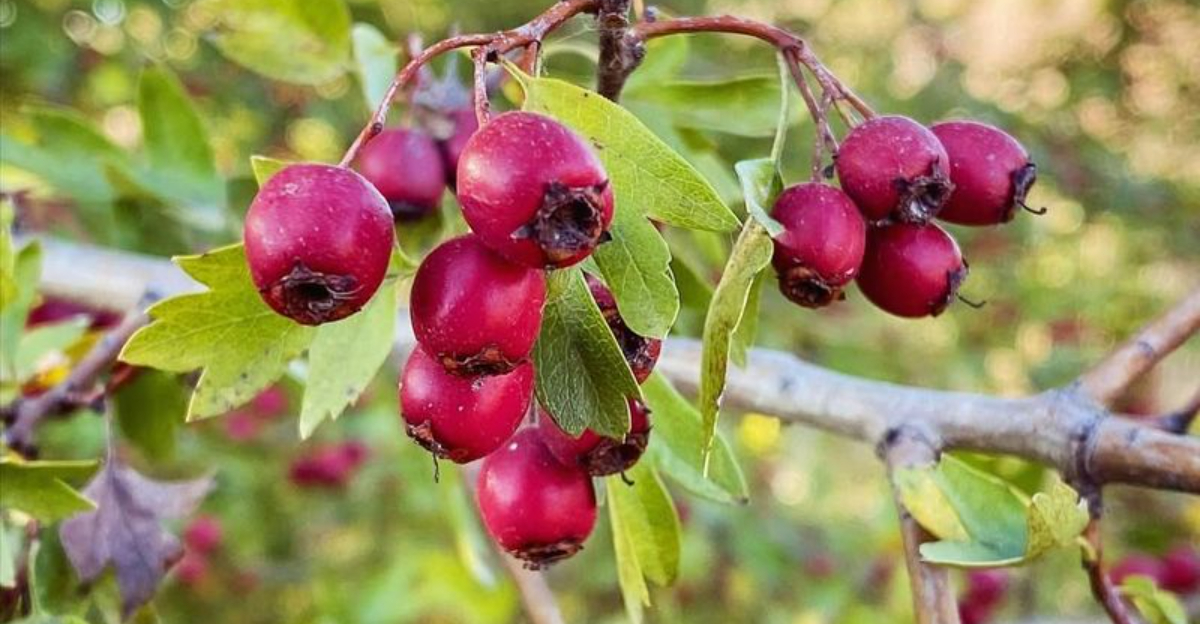
Native berry shrubs play a quiet but powerful role in Oregon landscapes, offering reliable food sources that local wildlife recognize and return to season after season.
Birds, small mammals, and beneficial insects quickly learn where these shrubs grow, turning yards into familiar pit stops rather than empty green spaces.
Unlike ornamental plants, native berries fit naturally into Oregon’s climate, requiring less fuss while supporting the rhythms of the surrounding ecosystem.
Once established, these shrubs create a steady cycle of nourishment that keeps wildlife visiting long after other food sources disappear.
1. Red Huckleberry
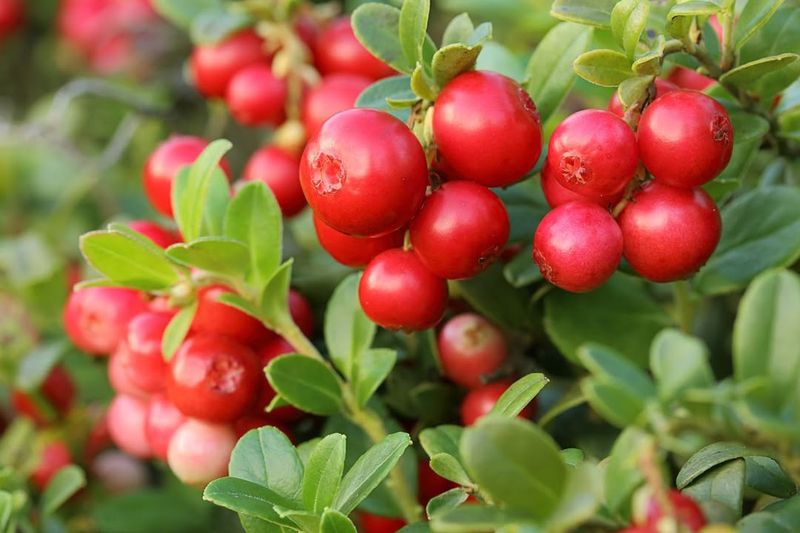
Woodland creatures go absolutely wild for the bright red berries dangling from these graceful shrubs that thrive in shady Oregon forest conditions beautifully.
Birds like thrushes and waxwings flock to feast on the tart fruits throughout summer while black bears enjoy munching them during their foraging adventures.
The delicate green stems create an airy appearance that looks stunning planted under taller trees where dappled sunlight filters through the dense canopy above.
Gardeners appreciate how this shrub tolerates acidic soil and shade better than most berry producers available at local nurseries throughout the Pacific region.
Hummingbirds visit the small pink flowers in spring before berries form, adding another layer of wildlife activity to your outdoor living spaces daily.
Oregon landscapes benefit tremendously when homeowners include this adaptable native that requires little maintenance once roots establish in moist woodland garden settings.
Expect heights reaching four to twelve feet depending on growing conditions, making it versatile for various landscape designs and wildlife habitat restoration projects statewide.
2. Salal
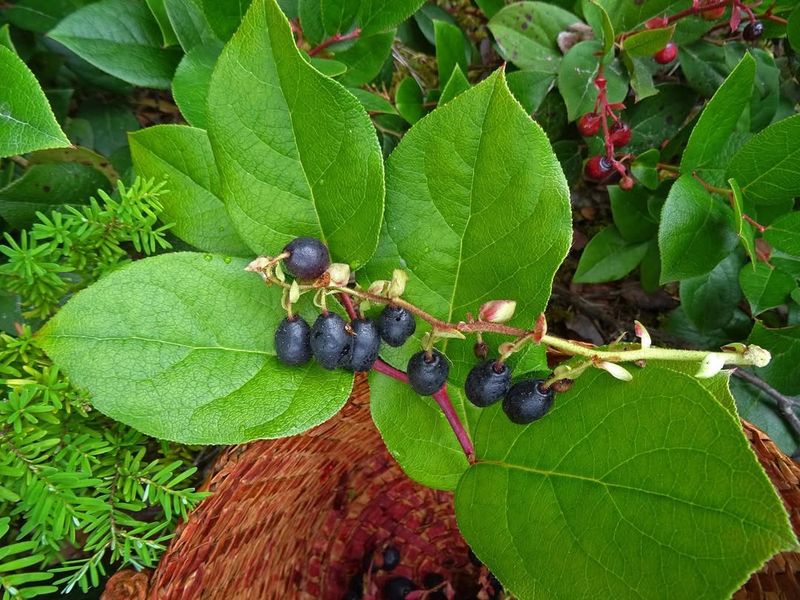
Few native shrubs match the reliability and wildlife appeal of this evergreen beauty that produces dark purple berries beloved by countless Oregon animal species.
Deer browse the glossy leaves while grouse, robins, and chipmunks feast enthusiastically on the fuzzy berries that ripen throughout late summer into early autumn.
Coastal and inland gardens both welcome this adaptable plant that tolerates various soil types and light conditions from full shade to partial sunny exposures.
The leathery foliage stays attractive year-round, providing valuable cover for small mammals and ground-nesting birds seeking protection from predators and harsh weather elements.
Commercial florists prize the branches for arrangements, but wildlife enthusiasts know the real treasure lies in watching creatures interact with this generous food source.
Oregon native plant gardens gain structure and texture when salal fills in understory spaces beneath towering conifers and deciduous trees throughout residential and public properties.
Spreading slowly through underground stems, this shrub eventually forms dense colonies reaching two to six feet tall that support entire wildlife communities across multiple seasons.
3. Evergreen Huckleberry
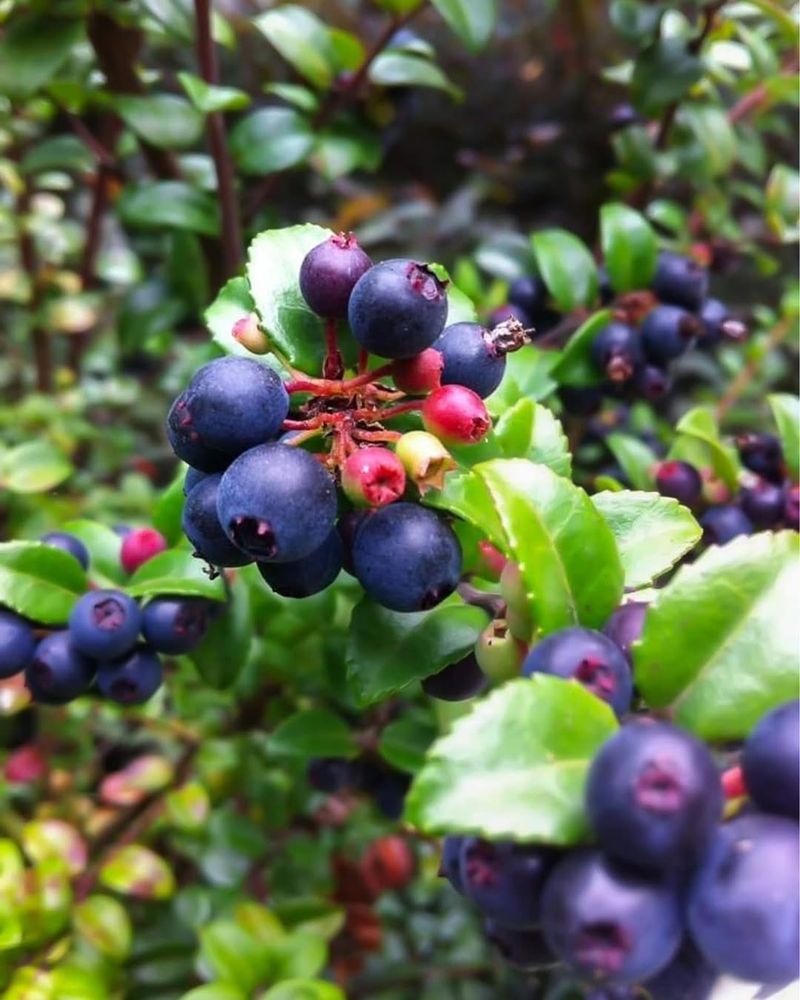
Black bears traveling through Oregon forests consider these shrubs essential dining destinations when the small dark berries ripen in late summer and early fall.
Songbirds including thrushes and towhees devour the sweet fruits while appreciating the dense branching structure that offers excellent nesting sites and protective shelter.
Shiny evergreen leaves reflect light beautifully in shaded garden areas where this slow-growing shrub develops into a compact rounded form over many years.
Acidic soil conditions found naturally in Oregon support healthy growth, making this plant perfect for pairing with rhododendrons and other acid-loving landscape companions nearby.
Spring brings delicate pink bell-shaped flowers that attract early-season pollinators before transforming into the nutritious berries that wildlife depends upon for survival.
Homeowners value the low-maintenance nature of this native that rarely needs pruning or special care once established in appropriate locations throughout their properties.
Growing three to ten feet tall, evergreen huckleberry fits nicely into smaller yards while still providing significant wildlife benefits that support Oregon biodiversity conservation efforts.
4. Oregon Grape
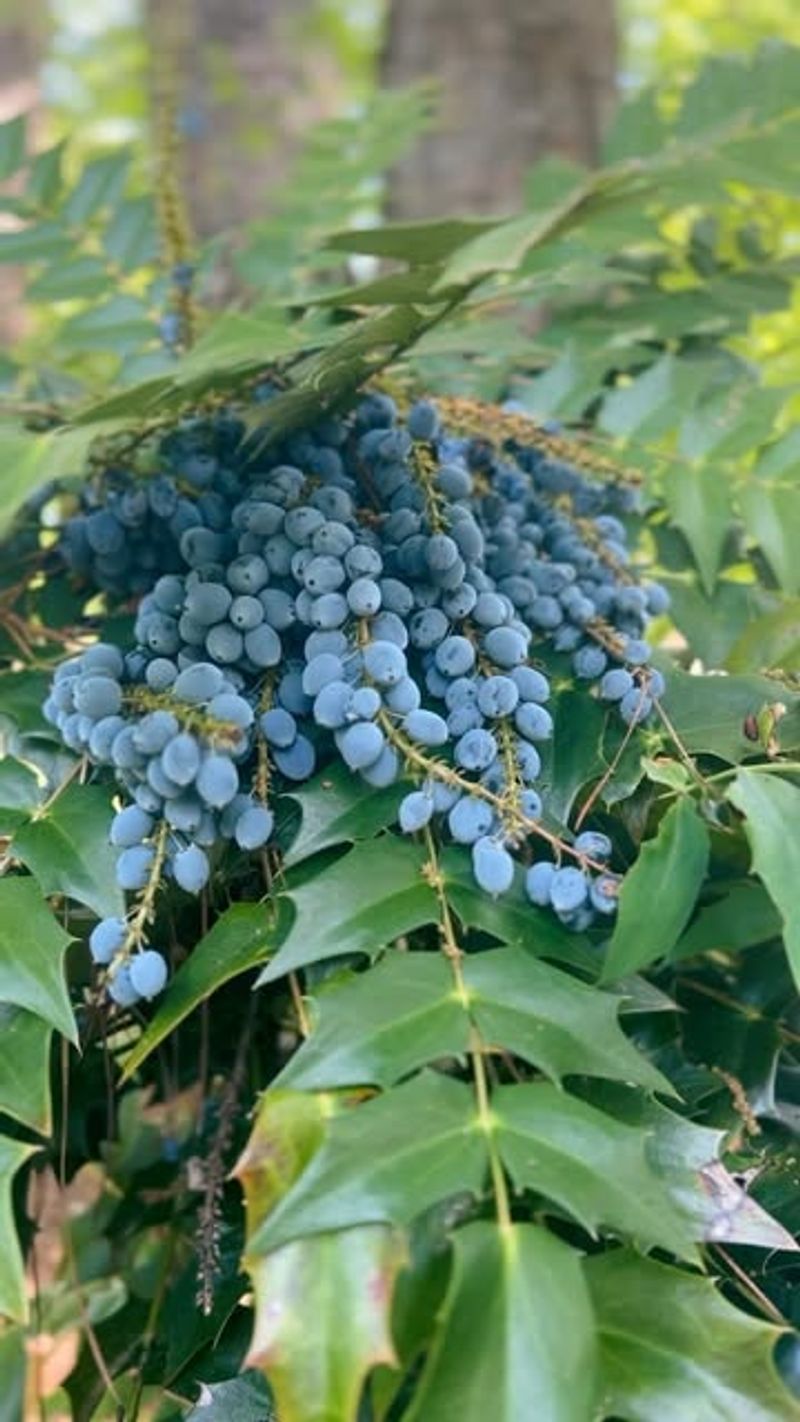
Holly-like foliage with spiny edges gives this state flower distinctive character while producing clusters of blue-purple berries that attract diverse wildlife across Oregon landscapes.
Robins, waxwings, and grouse consume the tart fruits despite their sour flavor, which humans find challenging but animals seem to tolerate quite well.
Bright yellow flower clusters appear in early spring, creating stunning visual displays that honeybees and native pollinators visit enthusiastically before berry production begins later.
Drought tolerance makes this shrub especially valuable for dry garden areas where other berry producers struggle to survive without supplemental irrigation throughout summer months.
The evergreen leaves turn attractive burgundy shades during cold weather, adding winter interest when many other plants look dormant and lifeless in gardens.
Oregon gardeners appreciate how this native thrives in both sun and shade, adapting to various exposures while requiring minimal attention from busy homeowners.
Reaching one to six feet tall depending on variety, Oregon grape works well as groundcover or taller accent plantings that support local ecosystems effectively.
5. Red-flowering Currant
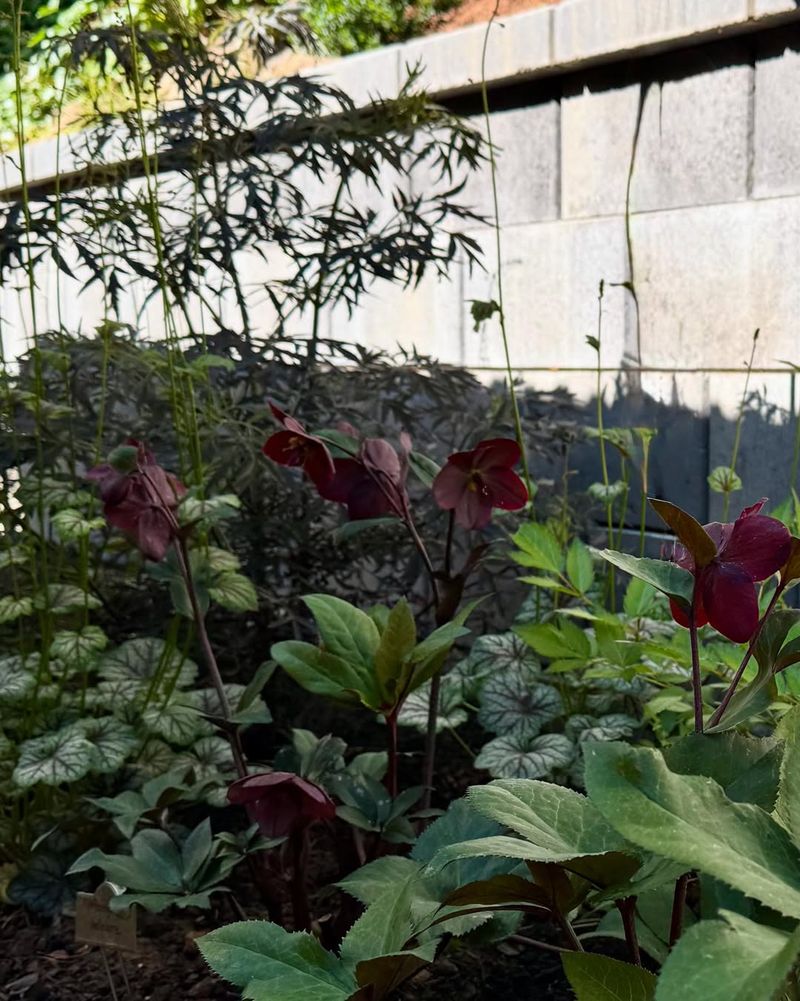
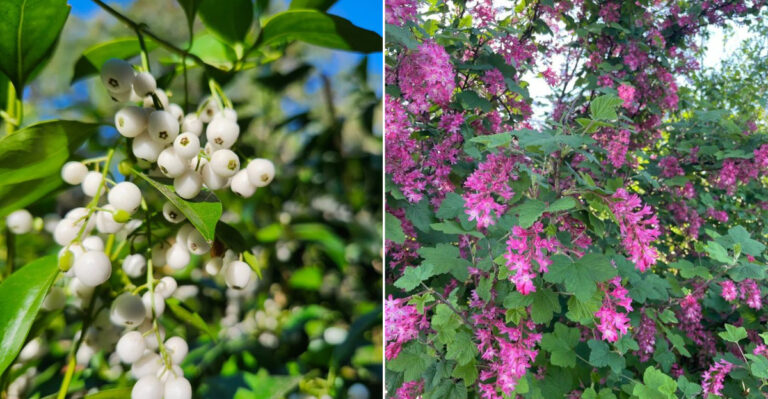
Hummingbirds arrive like clockwork each spring when drooping clusters of pink-red tubular flowers bloom abundantly on these deciduous shrubs throughout Oregon neighborhoods.
Blue-black berries follow the spectacular floral display, providing summer food for songbirds while adding ornamental interest to landscapes that benefit from native plant selections.
Butterflies and bees also visit the nectar-rich flowers, making this shrub a pollinator magnet that supports multiple wildlife groups throughout different seasons and life cycles.
Fast growth rates mean gardeners enjoy quick results when establishing new wildlife habitats or filling empty spaces in yards that need immediate screening or structure.
Oregon landscapes gain vibrant color from this adaptable native that tolerates various soil types and thrives in both full sun and partial shade exposures equally well.
Pruning after flowering maintains attractive shapes while allowing berry production to proceed uninterrupted for the benefit of hungry birds visiting your property throughout summer.
Growing four to ten feet tall, red-flowering currant creates beautiful focal points while serving critical ecological functions that support regional biodiversity and ecosystem health statewide.
6. Thimbleberry
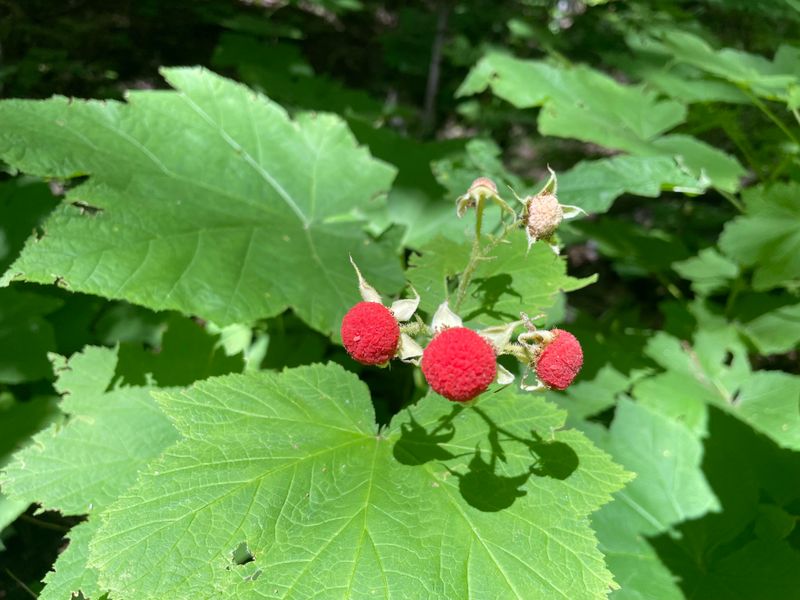
Large maple-shaped leaves create lush tropical-looking foliage that seems surprising for a native Oregon shrub producing soft red berries resembling delicate raspberries in appearance.
Black bears, raccoons, and birds eagerly consume the mild-flavored fruits that pull away easily from the plant, leaving hollow cone shapes behind after harvesting.
White flowers bloom in late spring, attracting bumblebees and other important pollinators that contribute to healthy berry crops benefiting both wildlife and curious gardeners.
Moist woodland edges and streamside locations suit this shrub perfectly, where Oregon soils stay consistently damp and filtered sunlight penetrates through overhead tree canopies.
The thornless stems make this plant safer around children and pets compared to prickly raspberry relatives that require careful handling during maintenance activities.
Spreading through underground rhizomes, thimbleberry gradually forms colonies that stabilize soil on slopes while creating valuable wildlife corridors connecting fragmented habitat patches across landscapes.
Reaching three to eight feet tall, this deciduous shrub offers seasonal interest with attractive foliage, pretty flowers, tasty berries, and golden fall colors before winter.
7. Serviceberry
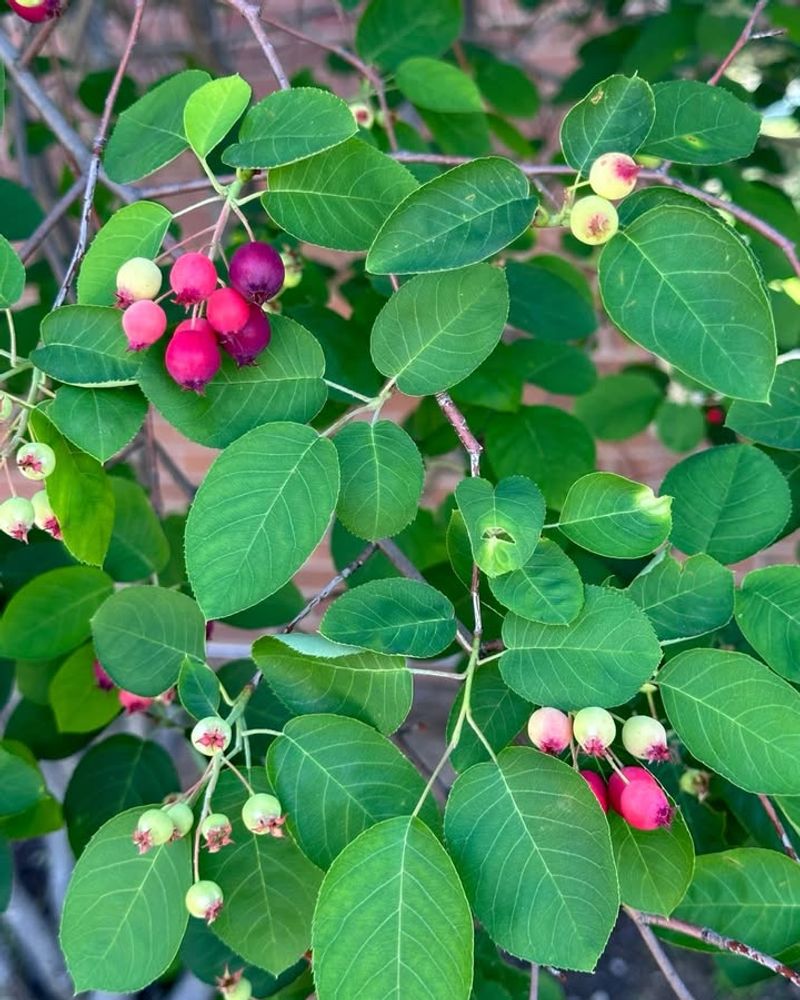
Cedar waxwings arrive in noisy flocks to strip these shrubs of their purple-black berries, creating entertaining wildlife watching opportunities for Oregon homeowners each summer.
Sweet fruits ripen in June, providing early-season food when many other berry sources remain unavailable to hungry birds and mammals recovering from lean spring months.
Delicate white flowers blanket branches in early spring before leaves fully emerge, creating clouds of blossoms that signal warmer weather arriving across Pacific landscapes.
Fall foliage turns brilliant orange and red shades, making serviceberry a four-season performer that offers year-round beauty and wildlife benefits in residential and public gardens.
Robins, grosbeaks, and thrushes compete enthusiastically for the nutritious fruits that also attract chipmunks and other small mammals foraging near ground level below.
Oregon gardeners find this shrub exceptionally versatile, tolerating various soil types and growing successfully in both full sun and partial shade locations throughout their properties.
Growing six to twenty feet tall depending on variety, serviceberry works as understory planting or small ornamental tree that enhances landscapes while supporting local ecosystems.
8. Osoberry
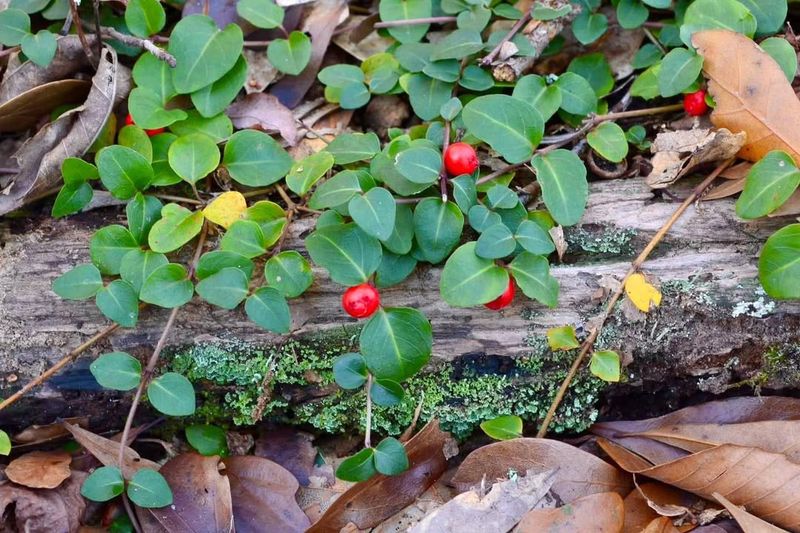
Early bloomers across Oregon landscapes, these shrubs produce drooping white flower clusters in late winter when few other plants offer nectar to emerging pollinators.
Blue-black berries ripen by early summer, providing crucial food during the breeding season when parent birds need abundant nutrition for raising hungry nestlings successfully.
Bitter flavor keeps humans from eating the fruits, but robins, thrushes, and band-tailed pigeons consume them eagerly without apparent concern about the unusual taste.
Deciduous leaves emerge very early, sometimes appearing while snow still covers higher elevations, making osoberry a harbinger of spring throughout Pacific Northwest mountain regions.
Oregon streamside habitats and moist forest edges provide ideal growing conditions where this adaptable native spreads slowly through suckering roots that stabilize erosion-prone slopes.
Male and female flowers appear on separate plants, so including both genders ensures berry production that maximizes wildlife benefits in restoration projects and home gardens.
Reaching six to fifteen feet tall, osoberry creates attractive screening while filling important ecological niches that support diverse animal communities throughout different seasons and years.
9. Black Hawthorn
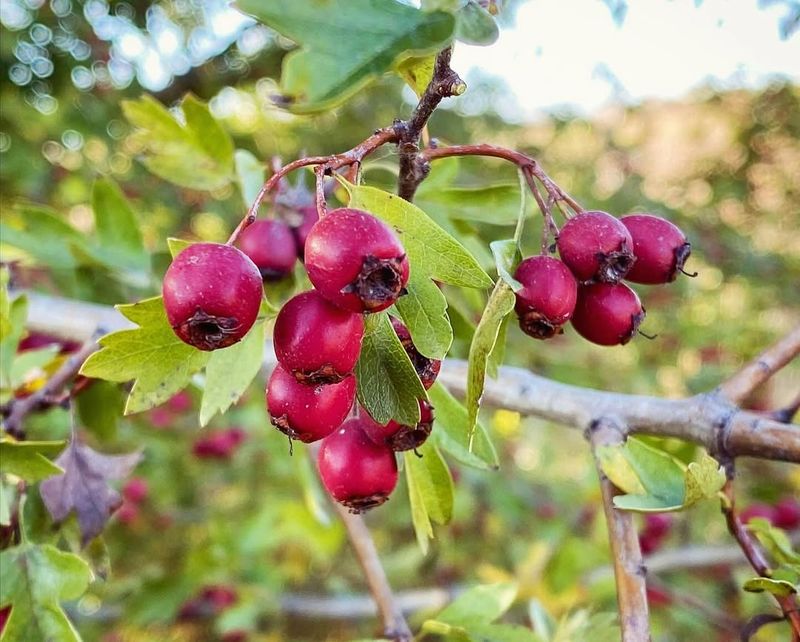
Thorny branches create impenetrable thickets that small birds use for protected nesting sites while enjoying the dark purple-black berries ripening throughout late summer.
Waxwings, thrushes, and grosbeaks feast on the fruits that persist into winter, providing emergency food when harsh weather limits other resources across Oregon landscapes.
White flower clusters appear in late spring, attracting countless pollinators including native bees that appreciate the abundant nectar and pollen available during this critical season.
Dense branching structure offers excellent cover for wildlife seeking shelter from predators and weather, making hawthorn valuable beyond just its berry production capabilities alone.
Oregon gardeners value this tough native that tolerates various soil conditions and exposures while requiring minimal care once established in appropriate landscape locations statewide.
Fall foliage turns attractive orange and yellow shades before dropping, revealing the berry clusters that remain available to hungry creatures throughout cold winter months ahead.
Growing ten to twenty-five feet tall, black hawthorn functions as small tree or large shrub that provides multiple wildlife benefits while creating natural property boundaries.