Native Flowers That Grow Easily In Michigan Gardens
Walk through a Michigan neighborhood in late spring and you can usually spot the yards that feel the most alive. Bees buzzing, butterflies drifting by, and flowers standing tall without constant care.
The secret is not fancy fertilizer or endless watering. It is native plants doing what they were designed to do.
These flowers already understand Michigan soil, shifting temperatures, and unpredictable weather, which makes them easier to grow than many store bought favorites.
Gardeners who switch to natives often notice fewer problems, stronger blooms, and less time spent fixing mistakes.
It also feels good knowing your garden is helping local wildlife instead of fighting against nature.
If you are tired of babysitting high maintenance plants and want something that actually works with your climate, this is the easiest place to start. These native flowers might be the low effort upgrade your garden has been waiting for.
1. Wild Bergamot (Monarda Fistulosa)
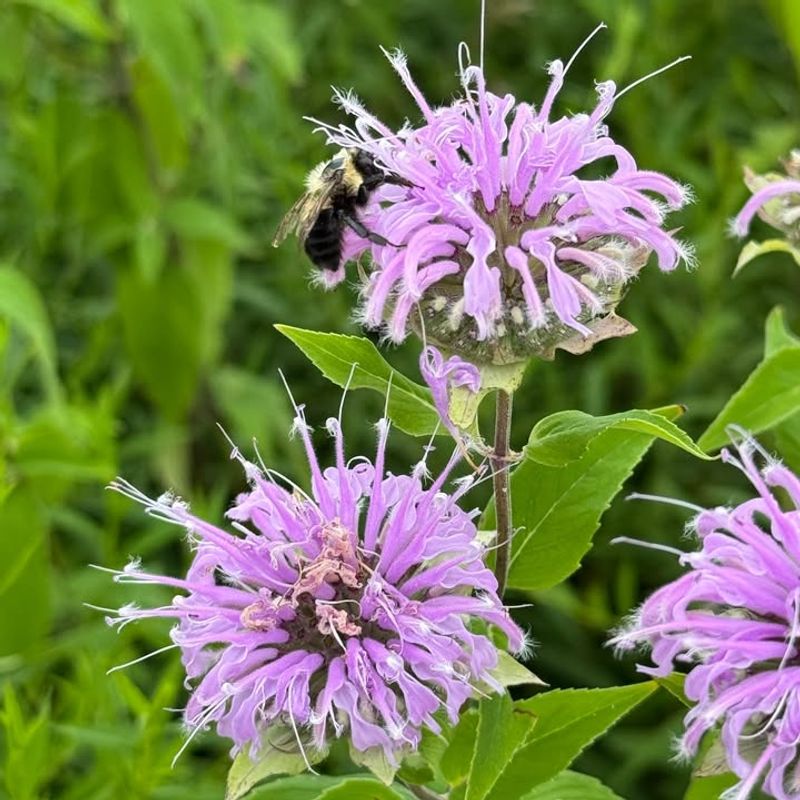
Fragrant lavender blossoms arranged in pompom-like clusters release a delightful minty aroma when brushed. Wild bergamot belongs to the mint family, explaining its aromatic foliage.
Blooms appear from July through August, providing mid-season garden interest. This versatile native adapts to various light conditions across Michigan landscapes. Plants grow equally well in full sun or light shade.
Their drought tolerance makes them perfect for low-maintenance garden designs. Pollinators find wild bergamot absolutely irresistible during peak blooming periods. Bumblebees, honeybees, and butterflies swarm around the tubular flowers constantly.
Hummingbirds also visit regularly, adding delightful movement to garden spaces. Average garden soil suits this plant perfectly without amendments or special preparation. It spreads gradually through underground rhizomes, forming attractive colonies over time.
Height ranges from two to four feet depending on growing conditions. Powdery mildew sometimes appears on foliage in humid conditions but rarely harms plants.
Providing adequate spacing and air circulation minimizes this cosmetic issue. The aromatic leaves have historically been used for herbal teas by indigenous peoples.
2. Black-Eyed Susan (Rudbeckia Hirta)
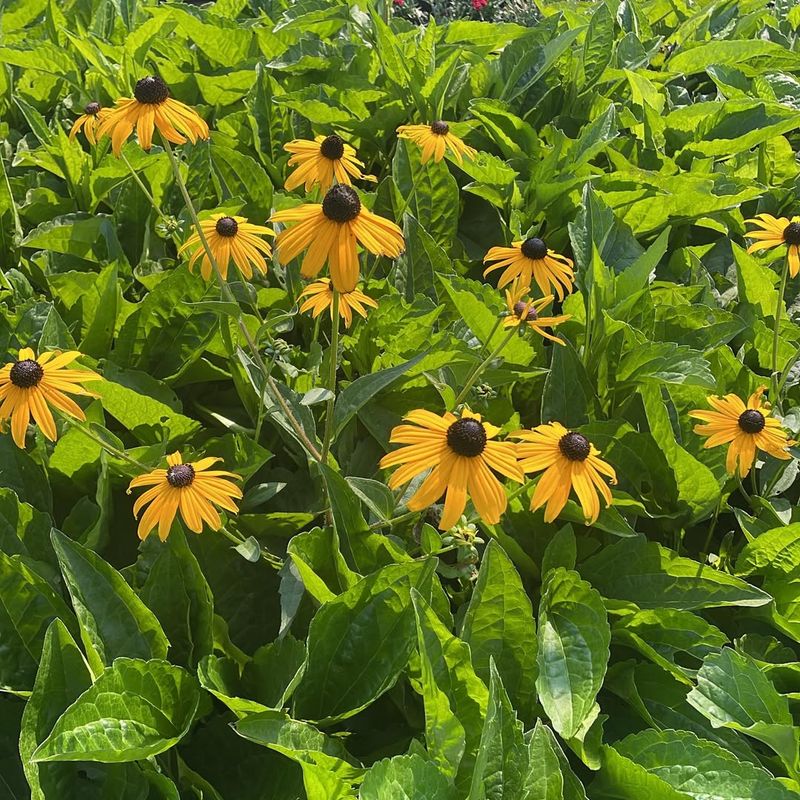
Golden petals radiating around chocolate-brown centers make this flower instantly recognizable across Michigan landscapes. Black-eyed Susans bloom reliably from June through September.
Their cheerful appearance brightens any garden space with minimal effort required. This prairie native thrives in full sunlight and tolerates drought remarkably well. Once established, these plants practically take care of themselves.
They spread gradually through self-seeding, creating natural drifts of color over time. Pollinators absolutely adore these sunny blooms throughout summer months. Bees and butterflies visit constantly for nectar and pollen.
Goldfinches enjoy the seed heads later in fall and winter. Plant them in average garden soil without special amendments or fertilizers. They adapt to clay, loam, or slightly sandy conditions easily.
Spacing plants 12 to 18 inches apart allows proper air circulation. Deadheading spent flowers encourages additional blooming but isn’t strictly necessary.
The plants look attractive even without constant grooming. Their sturdy stems rarely need staking, even in windy locations around the state.
3. New England Aster (Symphyotrichum Novae-Angliae)
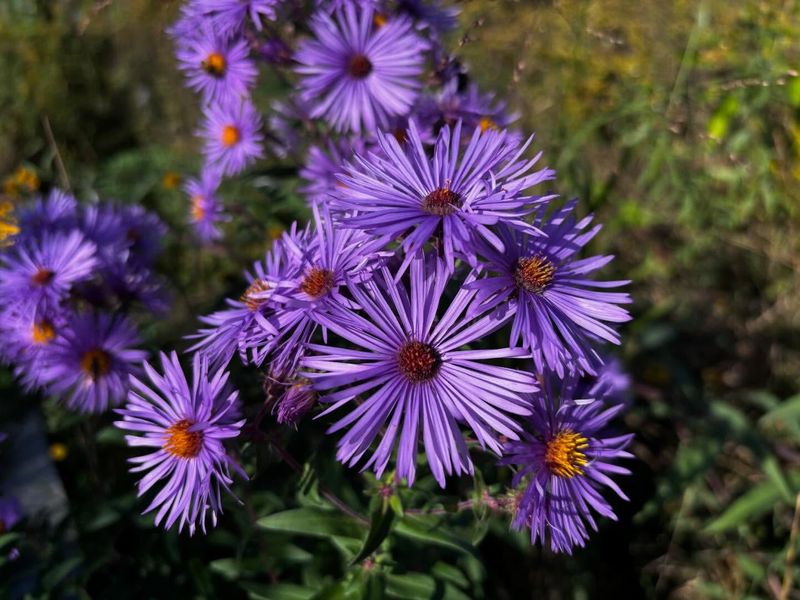
Clouds of purple daisy-like blooms transform autumn gardens into spectacular displays. New England asters bloom when most other flowers have finished their show.
This late-season timing provides crucial resources for migrating butterflies and hungry bees.
These sturdy perennials reach impressive heights of three to six feet. Their upright growth habit adds vertical interest to garden borders.
Once established, they require virtually no maintenance beyond occasional watering during extreme droughts.
September and October bring massive floral displays covering entire plants. Each stem produces dozens of small purple flowers with golden centers. The sheer abundance of blooms creates breathtaking visual impact in landscapes.
Full sun exposure produces the most prolific flowering each autumn season. Plants tolerate various soil types common throughout Michigan gardens. Spacing them 24 to 36 inches apart allows room for their spreading habit.
Cutting plants back by half in early June promotes bushier growth. This simple technique prevents legginess and reduces the need for staking. Monarch butterflies often stop at these flowers during their southern migration journey.
4. Purple Coneflower (Echinacea Purpurea)
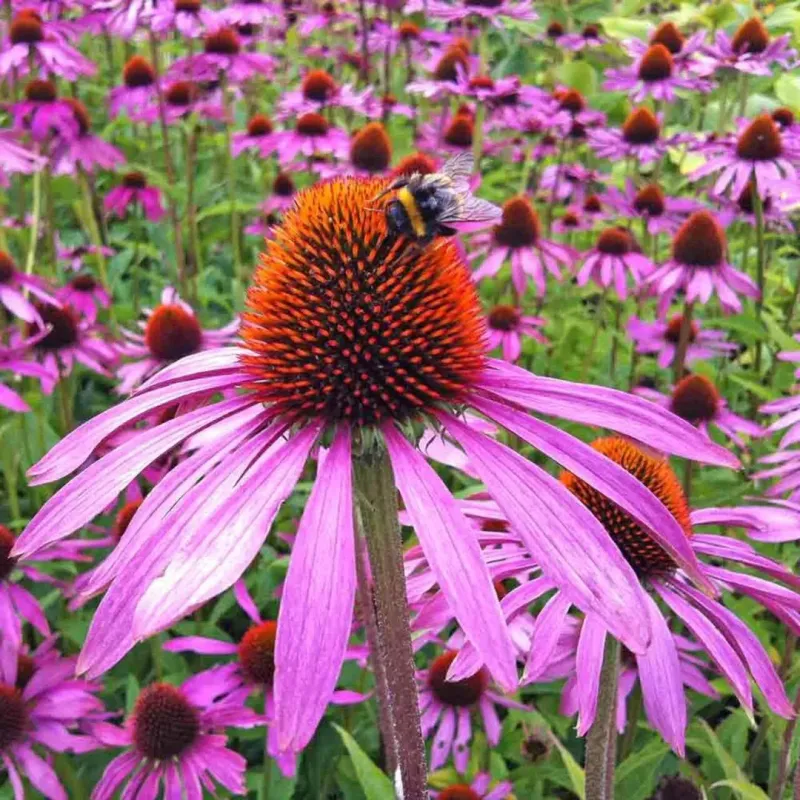
Spiky orange cones surrounded by rosy-purple petals create architectural interest in any planting bed. These towering perennials reach heights of two to four feet. Their bold presence commands attention from midsummer through early autumn.
Purple coneflowers demonstrate remarkable adaptability across different Michigan soil types. They flourish in everything from clay to rocky ground. Established plants withstand dry spells without wilting or losing their vibrant appearance.
Butterflies, bees, and hummingbirds frequent these blooms constantly during daylight hours. The flowers provide essential nectar for pollinators throughout their extended blooming period.
Later, songbirds feast on the nutritious seeds through fall and winter. Full sun locations produce the most abundant flowering displays each season. However, plants tolerate partial shade reasonably well in hotter garden spots.
Space individual plants about 18 to 24 inches apart for optimal growth. These hardy natives rarely suffer from pest problems or diseases.
Their natural resilience means less spraying and fewer worries for gardeners. Simply cut back old stems in early spring before new growth emerges.
5. Butterfly Weed (Asclepias Tuberosa)
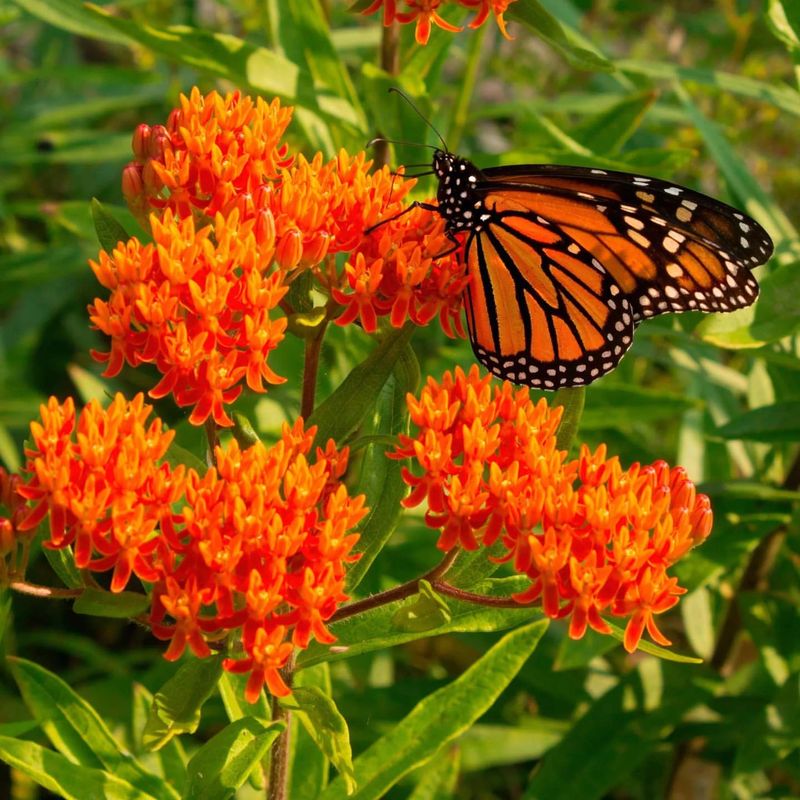
Brilliant orange flower clusters practically glow in summer sunlight across Michigan gardens. Butterfly weed belongs to the milkweed family but features showier blooms. Its vibrant color adds tropical flair to native plantings from June through August.
Monarch butterflies depend heavily on this plant for survival and reproduction. Females lay eggs exclusively on milkweed species, including this orange beauty. Caterpillars feed on the foliage before transforming into magnificent butterflies.
Extreme drought tolerance makes butterfly weed perfect for challenging garden locations. Deep taproots access moisture far below the soil surface. Once established, plants thrive with virtually no supplemental watering required.
Sandy or well-drained soils suit this native particularly well across Michigan. Heavy clay should be amended with compost to improve drainage. Full sun exposure produces the most abundant flowering and healthiest plants.
Starting from seed requires patience, as plants take time to establish. However, mature specimens provide years of reliable blooms with minimal care.
The stunning flowers also attract numerous other butterfly species, bees, and beneficial insects throughout summer.
6. Wild Columbine (Aquilegia Canadensis)
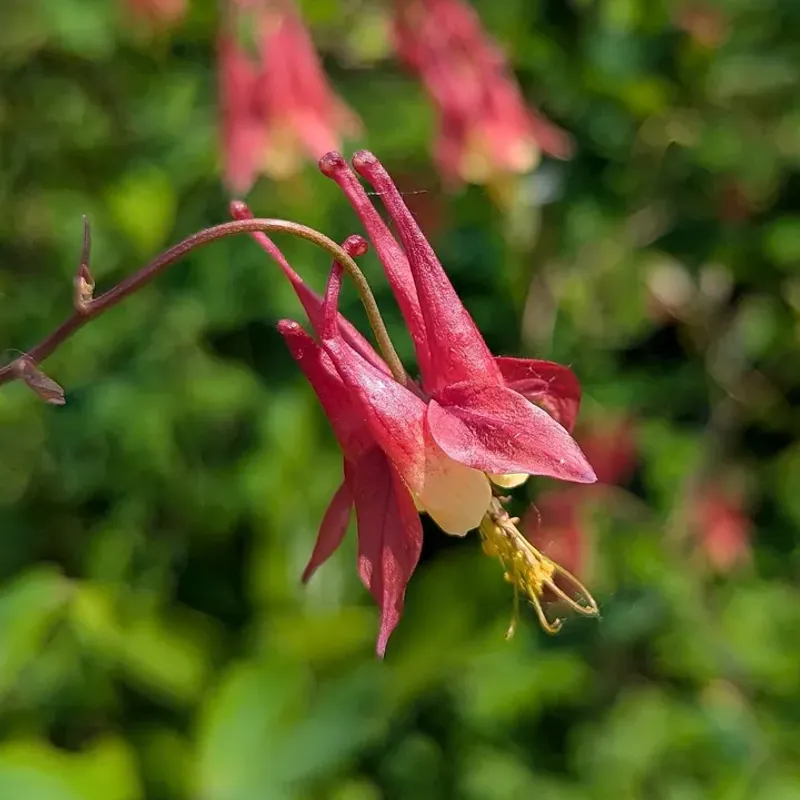
Delicate red and yellow blooms dangle gracefully from slender stems in spring. Wild columbine features unique spurred flowers that seem to dance in breezes. This charming native blooms from April through June across Michigan woodlands.
Hummingbirds zoom straight to these tubular flowers upon returning from migration. The red outer petals and yellow inner sections perfectly match hummingbird preferences. Watching these tiny birds hover and feed provides endless garden entertainment.
Partial shade suits wild columbine better than intense full sun exposure. Woodland edges or dappled shade beneath deciduous trees create ideal conditions.
Plants also tolerate sunnier spots if soil remains reasonably moist. Self-seeding allows wild columbine to naturalize beautifully throughout garden spaces. Seedlings appear reliably each spring, gradually expanding plantings without effort.
The ferny foliage remains attractive even after flowering finishes. Average garden soil supports healthy growth without special amendments or fertilizers. Plants reach heights of 12 to 24 inches at maturity.
Their airy appearance complements bolder native companions like ferns and woodland phlox perfectly in shaded garden settings.
7. Virginia Bluebells (Mertensia Virginica)
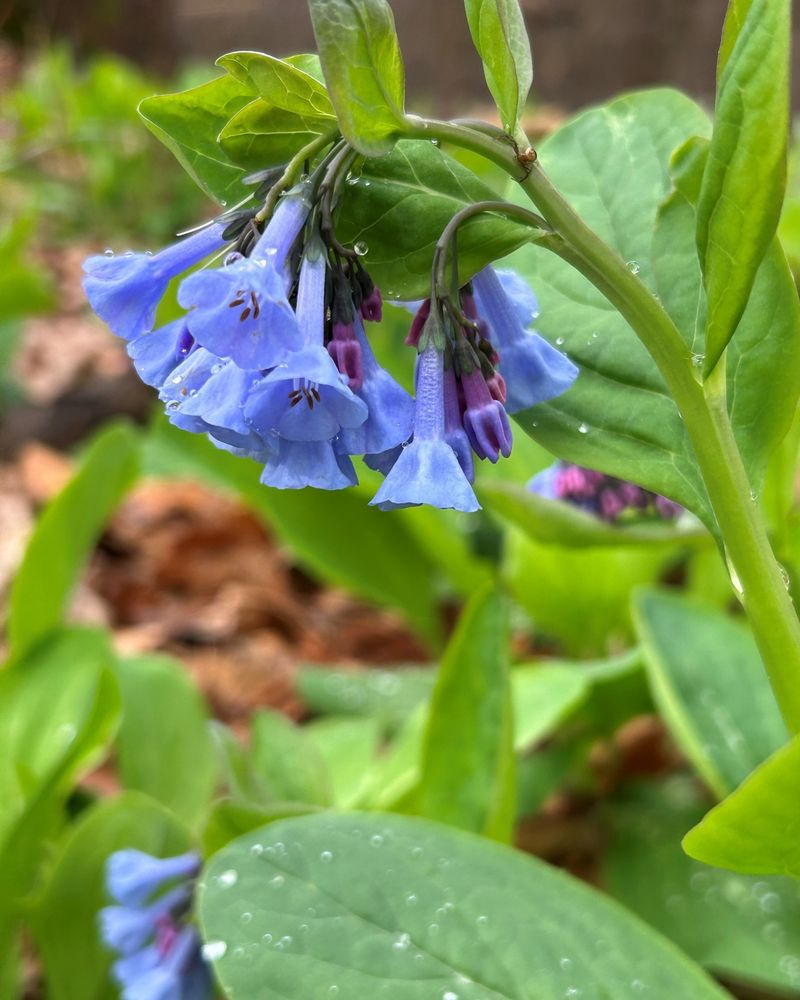
Clusters of sky-blue bell-shaped flowers herald spring’s arrival in Michigan woodlands. Virginia bluebells emerge early, blooming from April through May before trees leaf out.
Their fleeting beauty makes them precious to gardeners who appreciate ephemeral wildflowers.
Pink buds gradually open into stunning blue blooms, creating beautiful color transitions. This color shift adds extra visual interest to spring garden displays. The flowers practically glow in dappled woodland light during peak blooming.
Moist, rich soil in partial to full shade creates perfect growing conditions. Woodland gardens beneath deciduous trees provide ideal habitats for these natives.
Plants naturalize readily, forming impressive colonies that expand annually through self-seeding.
Foliage disappears completely by midsummer after plants finish blooming and setting seed. This ephemeral nature allows companion plants to fill the space later. Ferns, hostas, or other shade lovers can occupy the same garden area.
Planting bulbs or other spring ephemerals nearby extends the seasonal interest. Virginia bluebells require virtually no maintenance once established in appropriate locations.
Their early blooms provide crucial nectar for emerging native bees and other early pollinators.
8. Foamflower (Tiarella Cordifolia)
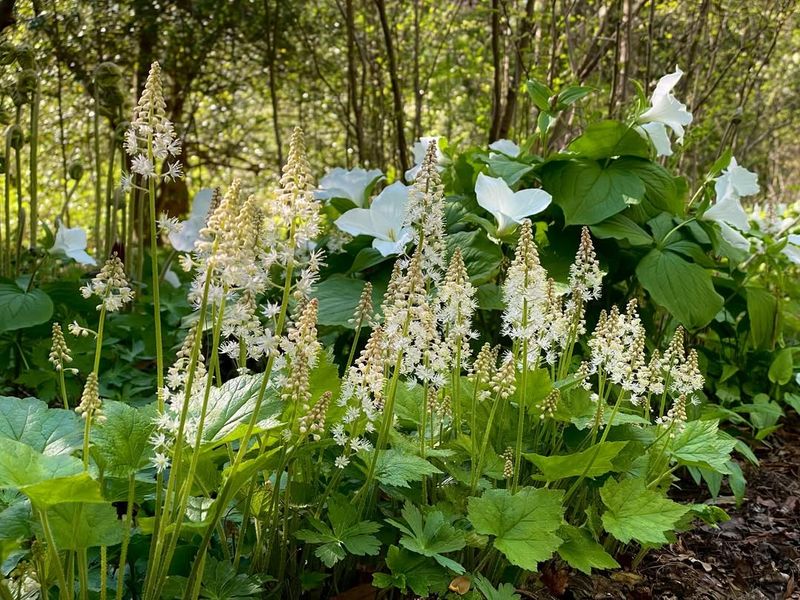
Foamy white flower spikes rise above heart-shaped leaves in shaded Michigan gardens. Foamflower serves double duty as both groundcover and flowering perennial.
Blooms appear in late spring, adding vertical interest to shady garden spots. Dense evergreen foliage suppresses weeds naturally throughout the growing season. The maple-like leaves often develop burgundy tints in cooler weather.
This attractive foliage provides year-round interest even when plants aren’t flowering. Shade beneath trees or along north-facing walls suits foamflower perfectly. Plants spread gradually through stolons, forming thick mats over time.
This spreading habit makes them excellent for covering bare ground in woodland gardens. Moist, humus-rich soil produces the healthiest, most vigorous growth patterns. Adding compost or leaf mold at planting time benefits long-term establishment.
However, plants tolerate average garden soil reasonably well once established. Maintenance requirements remain minimal after plants settle into garden spaces. Simply remove any damaged foliage in early spring before new growth begins.
Foamflower rarely suffers from pest or disease problems, making it wonderfully reliable for Michigan shade gardens.
9. Wild Geranium (Geranium Maculatum)
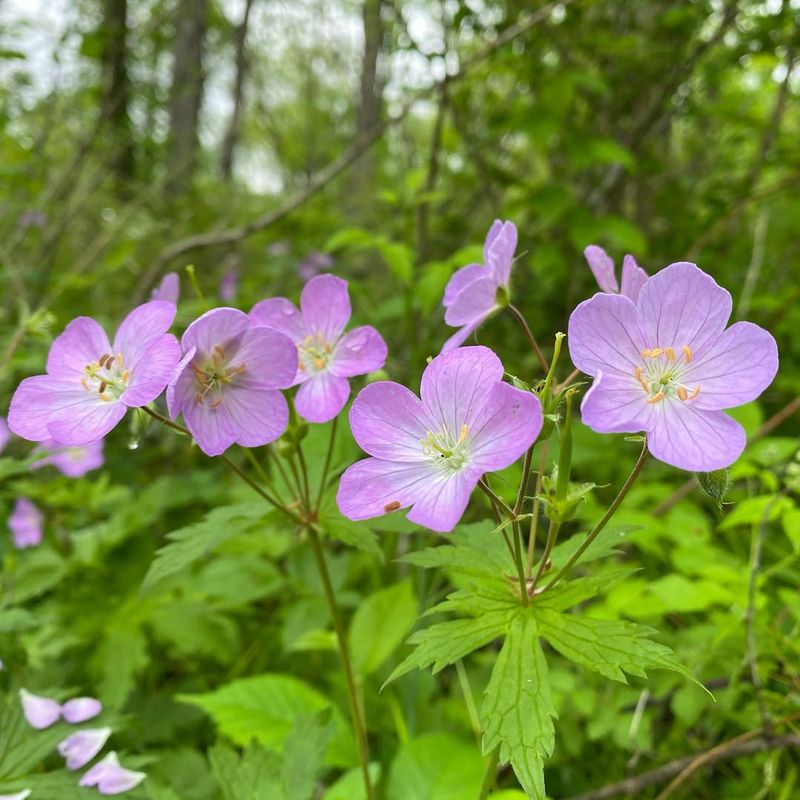
Cheerful pink to lavender blooms appear reliably each spring across Michigan landscapes. Wild geranium features delicate five-petaled flowers that seem almost hand-painted.
Blooming occurs from May through June, bridging spring and early summer seasons. This adaptable native thrives in both full sun and partial shade. Woodland edges provide ideal conditions, but garden beds work equally well.
Plants tolerate various moisture levels, from average to slightly moist soil. Attractive deeply-lobed foliage remains ornamental throughout the entire growing season. Leaves sometimes develop reddish tints in autumn before going dormant.
The mounding growth habit reaches 12 to 24 inches in height. Wild geranium spreads gradually through rhizomes, forming attractive clumps over time. It naturalizes beautifully in native plant gardens without becoming aggressive.
The plants coexist peacefully with other woodland natives and garden perennials. Virtually no maintenance is required once plants establish in appropriate locations. They rarely suffer from pest problems or diseases in Michigan gardens.
Bees visit the flowers regularly for nectar, supporting important pollinator populations throughout the spring blooming period.