5 Native Flowers To Plant In Oregon Right Now And 4 That Should Wait
If you are feeling the itch to plant something in your Oregon garden right now, native flowers are a smart way to scratch it.
They are already built for local conditions, they support pollinators, and once they settle in, many of them ask for a lot less fuss than flashy nursery divas.
But here is the catch: not every native flower wants to hit the ground running at the same moment. Some are perfectly happy getting planted now and will settle in like they have been waiting for the invitation.
Others are better off hanging back until conditions are a little more in their favor. Timing matters more than many gardeners realize, and getting it right can mean stronger roots, better blooms, and way less frustration later.
A little patience with the wrong plant can save a lot of disappointment, while the right picks can get your garden off to a seriously strong start.
1. Douglas’ Aster
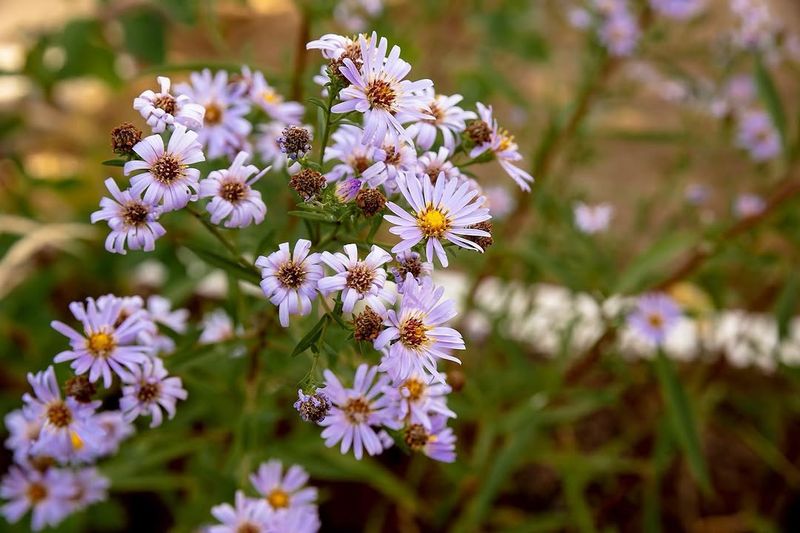
Purple petals surrounding a bright yellow center make Douglas’ Aster one of the most eye-catching native flowers in Oregon. This cheerful plant blooms from late summer into fall, but planting it now during spring gives it plenty of time to build strong roots before the big show begins.
Starting it early is the secret to getting the most flowers later.
Douglas’ Aster grows naturally along Oregon’s coastlines, stream banks, and open woodlands. It loves moist soil and can handle partial shade, which makes it a flexible choice for many different garden spots.
Whether you are gardening near the Willamette Valley or along the coast, this plant tends to feel right at home.
One fun fact about Douglas’ Aster is that it is a late-season favorite for monarch butterflies and native bees. Planting it now means you are setting up a pollinator buffet for later in the year.
It grows about two to four feet tall and looks beautiful when planted in groups. Water it regularly through spring and early summer, and then let the rain do the rest as Oregon’s wet season returns in fall.
2. Common Yarrow
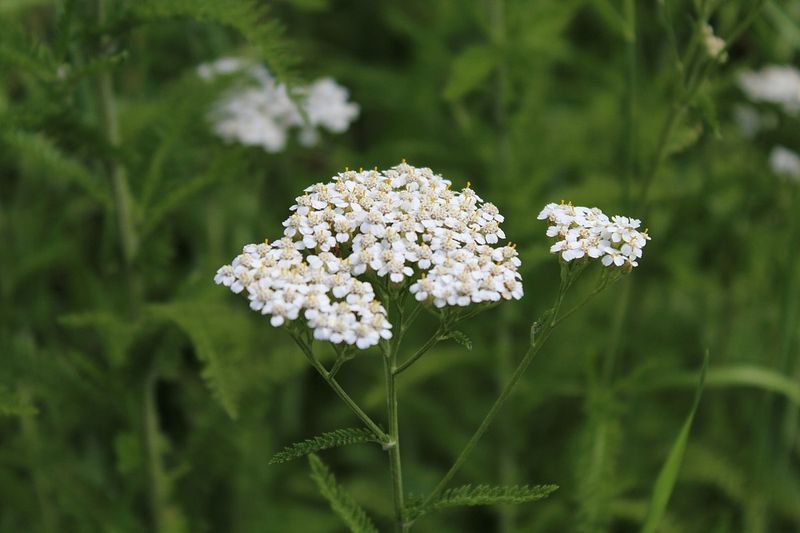
Few plants are as tough and cheerful as Common Yarrow. This native Oregon wildflower has been growing across meadows and roadsides for centuries, and it is easy to see why gardeners keep coming back to it.
The flat-topped clusters of tiny white or yellow flowers are hard to miss, and pollinators like bees and butterflies absolutely love them.
Right now is a great time to get Common Yarrow into the ground in Oregon. The cool, moist spring weather gives the roots a chance to settle in before summer heat arrives.
Plant it in a sunny spot with well-draining soil, and you will be rewarded with blooms from late spring all the way through summer.
Common Yarrow is also incredibly low-maintenance. It handles dry spells well once it is established, which makes it a smart pick for Oregon gardeners who want beauty without constant watering.
It spreads over time, filling in bare spots and creating a natural, wildflower look. Trim back spent flowers to encourage more blooms.
This plant is a true workhorse in any Oregon native garden.
3. Globe Gilia
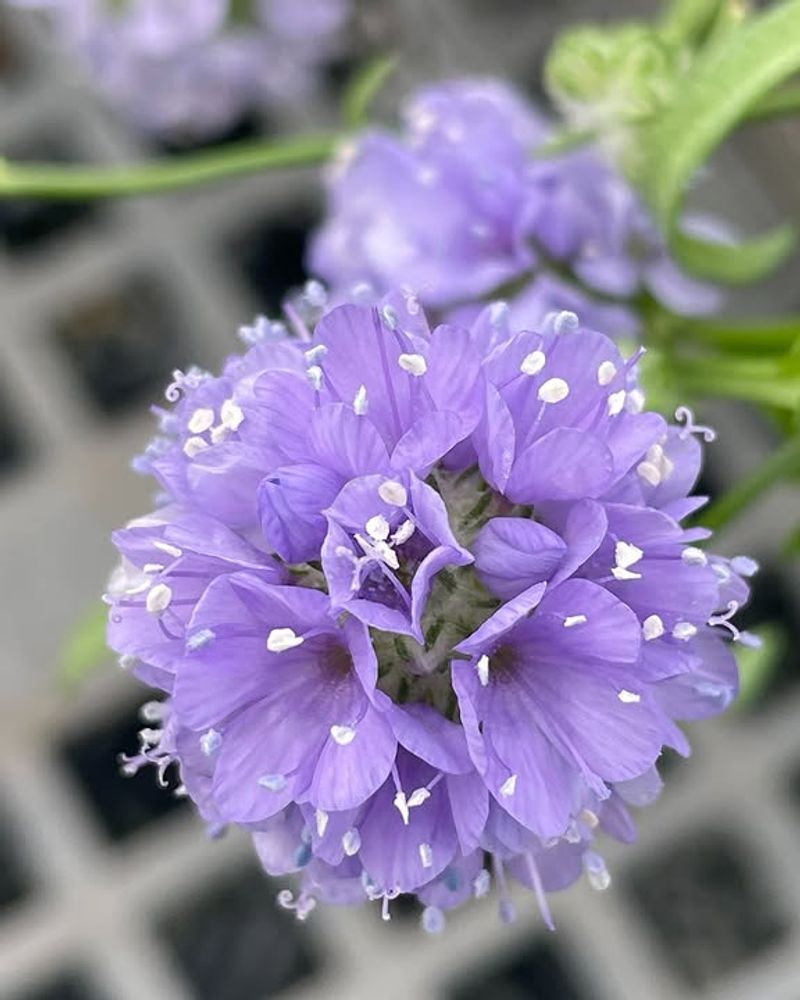
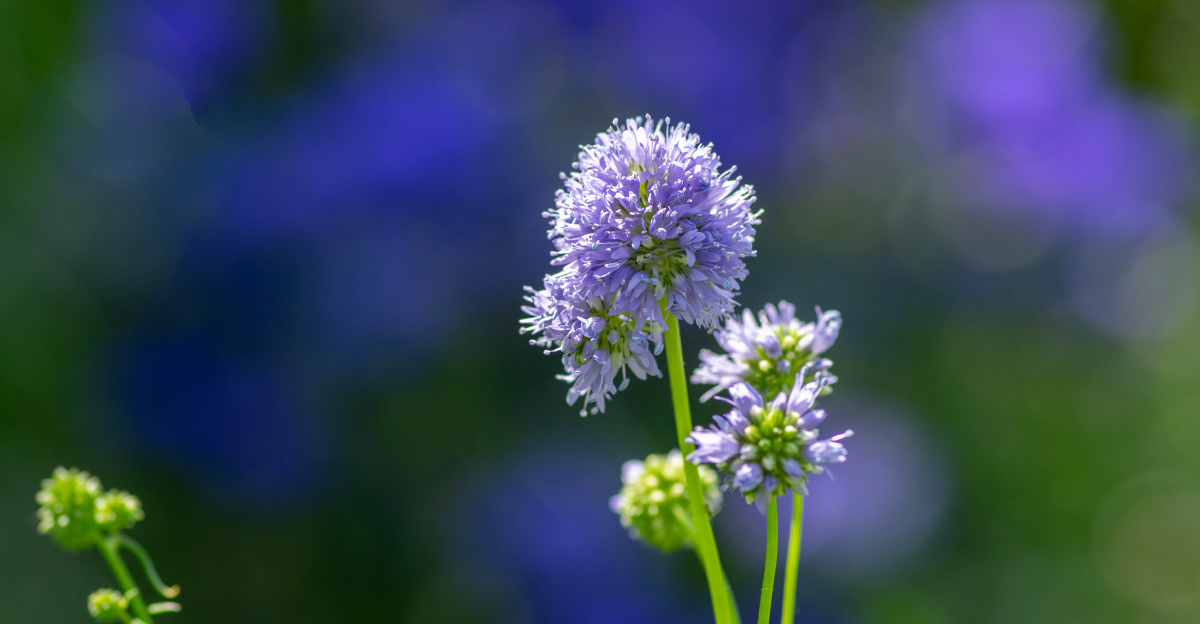
If you want something a little different in your Oregon garden, Globe Gilia is worth getting excited about. This native annual produces round, pom-pom-like clusters of tiny blue, lavender, or white flowers that look almost magical.
Hummingbirds and bees are drawn to it like a magnet, making your garden feel alive with activity.
Spring is the perfect window to sow Globe Gilia seeds directly into the ground in Oregon. The seeds need cool soil to germinate, and right now the conditions are just right.
Scatter seeds in a sunny, well-drained area and press them gently into the soil. You do not need to cover them deeply since they need light to sprout properly.
Globe Gilia grows quickly and typically blooms within a few weeks of germination. It thrives in dry to moderately moist soils, which suits many parts of Oregon beautifully, especially in the drier eastern regions.
Once it blooms, it self-seeds readily, so you may find it popping up again next year without any extra effort. It is a short-lived but spectacular plant that brings real wildflower energy to any garden space in Oregon.
4. California Poppy
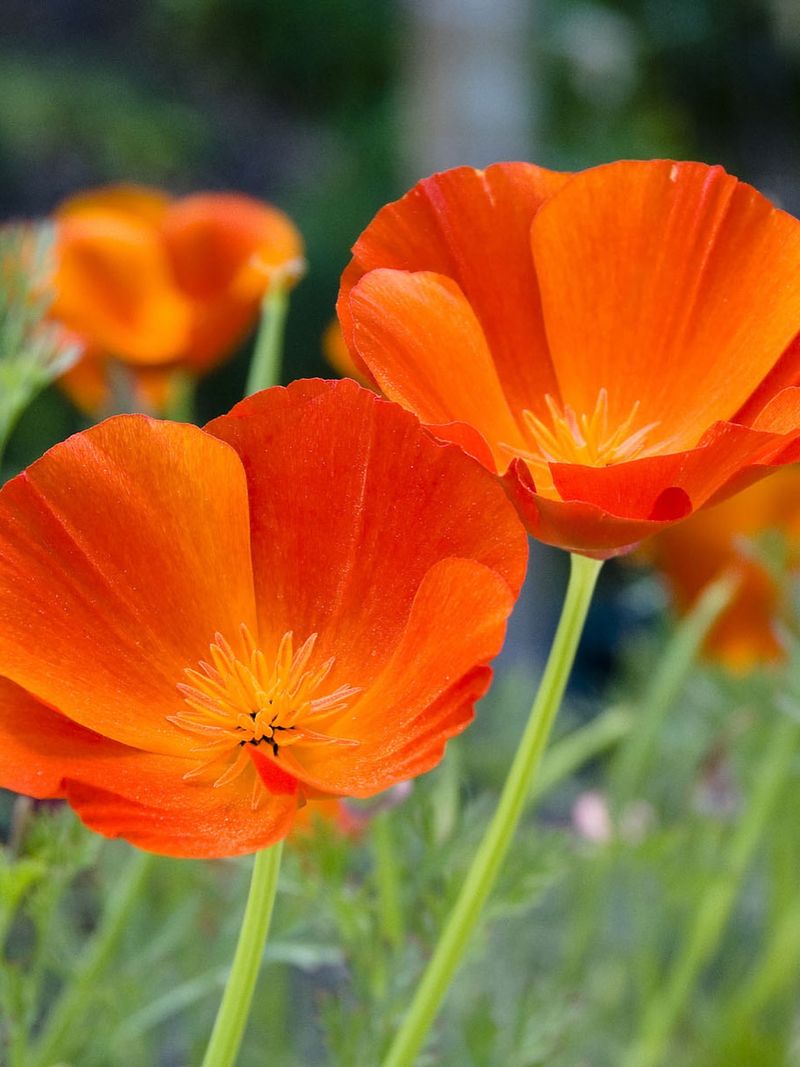
Bright orange and absolutely glowing in the sun, California Poppy is one of the most beloved wildflowers across the Pacific Northwest.
Even though the name says California, this cheerful annual grows beautifully throughout Oregon and is widely considered a regional favorite.
The silky petals open wide on sunny days and close up at night, giving the plant a fun personality all its own.
Now is a wonderful time to sow California Poppy seeds across Oregon. These plants actually prefer cool soil for germination, and the mild spring temperatures create the ideal environment.
Sprinkle seeds in a sunny spot and let nature do the work. They do not need rich soil and actually perform better in lean, well-drained conditions.
California Poppy is also extremely drought-tolerant once established, which is a big win for Oregon gardeners dealing with dry summers, especially east of the Cascades. It grows to about one foot tall and spreads freely, creating a stunning carpet of orange blooms.
Expect flowers from late spring through early fall. Let a few flowers go to seed at the end of the season, and the plants will return on their own next year without any extra effort from you.
5. Rose Checkermallow
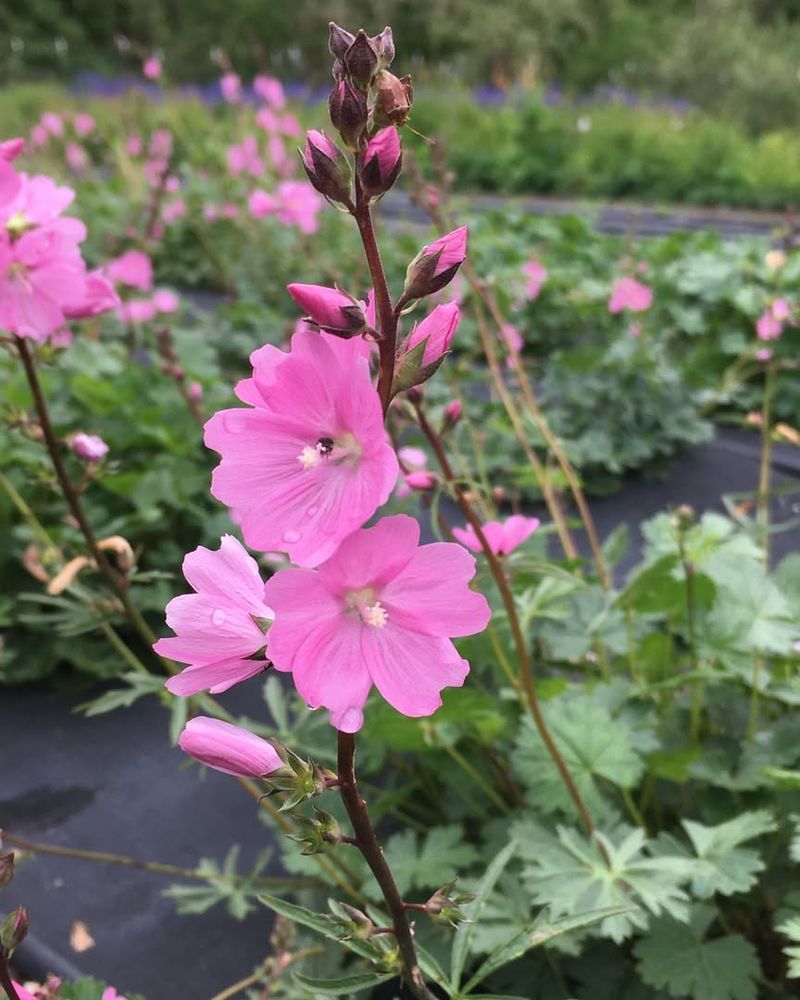
There is something undeniably charming about Rose Checkermallow. Its soft pink, cup-shaped flowers look delicate, but do not let that fool you.
This native Oregon perennial is surprisingly tough and well-suited to a wide range of growing conditions. It has been blooming across Oregon’s meadows and prairies for generations, and it deserves a spot in more home gardens.
Planting Rose Checkermallow now, in early to mid-spring, gives it enough time to establish a strong root system before summer. It prefers full sun and moist to moderately dry soil.
You will often find it growing naturally in wet meadows and along stream edges throughout the Willamette Valley and beyond, which tells you it can handle Oregon’s rainy springs just fine.
Rose Checkermallow blooms from late spring through summer, attracting native bees and other beneficial insects. It grows between two and four feet tall, making it a nice mid-height addition to any border or naturalized garden area.
Deadhead spent blooms regularly to keep the flowers coming. Over time, it spreads slowly by underground rhizomes, gradually expanding into a fuller clump.
For anyone building a native plant garden in Oregon, Rose Checkermallow is a reliable and rewarding choice worth growing.
6. Varileaf Phacelia
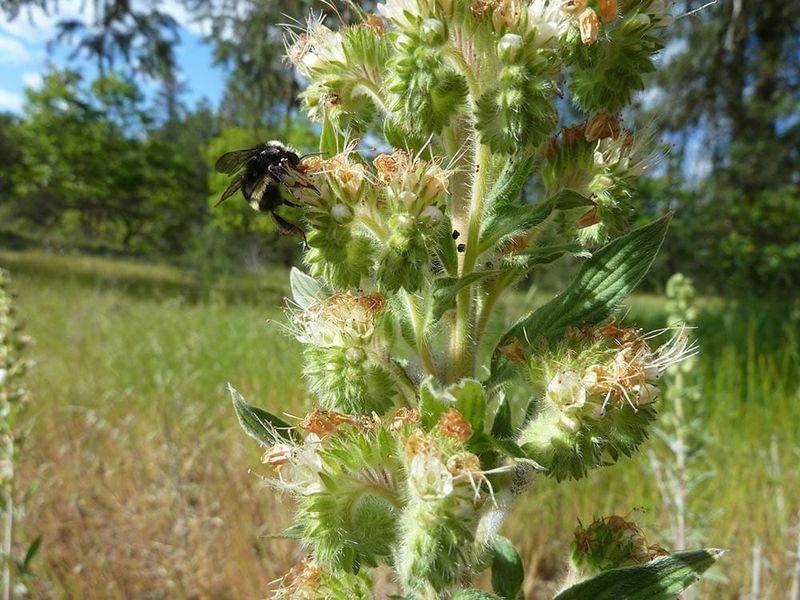
Varileaf Phacelia is one of those plants that stops you in your tracks. The small, bell-shaped flowers are a rich purple-blue color, and they grow in curling clusters that slowly unfurl as the plant matures.
Native bees absolutely love it, and it is one of the best early-season pollen sources you can offer Oregon’s native pollinators.
Even though this plant has a lot going for it, it is better to hold off on planting Varileaf Phacelia right now. It tends to perform best when sown in late spring or early summer in Oregon, when the soil has warmed up a bit more.
Planting too early in cold, wet soil can lead to slow germination and weak seedlings that struggle to get started.
Varileaf Phacelia is an annual that grows quickly once conditions are right. It prefers open, sunny spots with well-drained soil and handles dry summers fairly well.
Found naturally in rocky slopes and disturbed areas throughout Oregon, it is a rugged little plant with a big visual impact. Mark your calendar for late May or early June to direct sow seeds, and you will be rewarded with beautiful blooms that carry your garden right into late summer.
7. Farewell-To-Spring
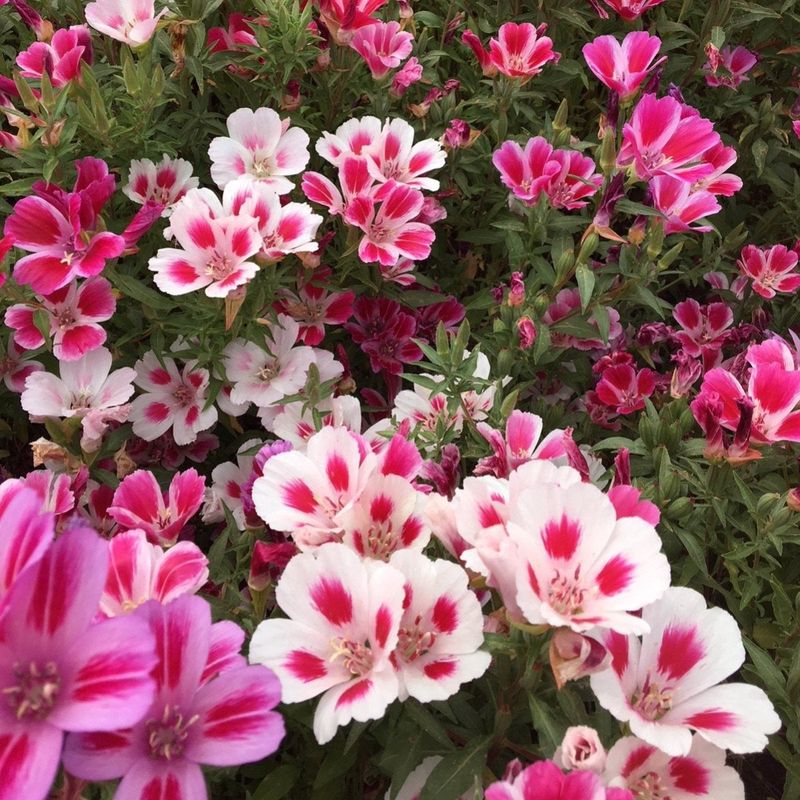
The name alone makes Farewell-To-Spring one of the most poetic wildflowers native to Oregon. It blooms in late spring and early summer, putting on a brilliant show of pink, lavender, or magenta flowers just as the rainy season winds down.
The timing is part of what makes this plant so special, but it is also why planting it right now is not quite the right move.
Farewell-To-Spring seeds need warm, dry soil to germinate successfully. Sowing them too early in the cool, wet conditions of early spring in Oregon can cause the seeds to rot before they ever sprout.
Waiting until late April or May, when the soil has dried out and warmed up, gives the seeds a much better chance of success.
Once it gets going, Farewell-To-Spring is a showstopper. It grows one to three feet tall and thrives in sunny, dry locations with well-drained soil, which makes it a great fit for Oregon’s drier inland valleys and hillsides.
It is an annual, so it completes its life cycle in one season. Let the flowers go to seed at the end of the season and they will naturally reseed for next year, giving you a recurring display with very little effort on your part.
8. Common Madia
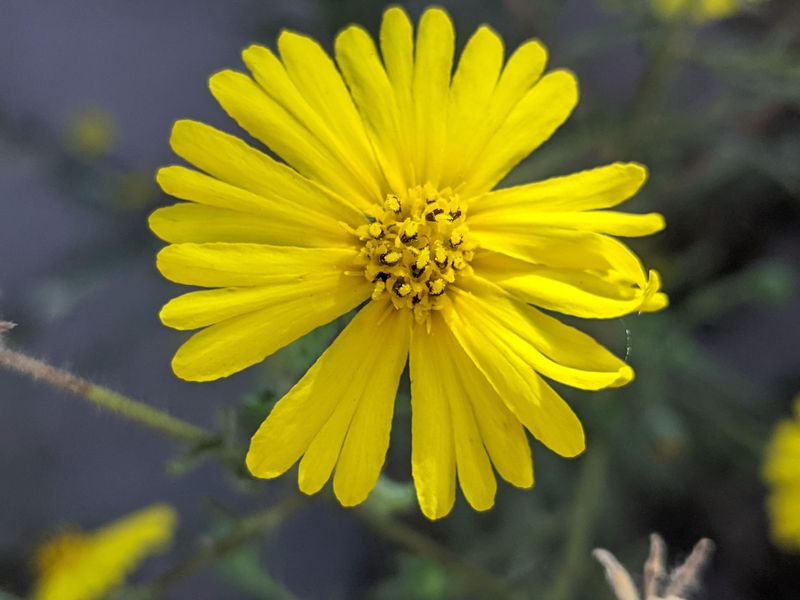
Common Madia might not be the most famous wildflower in Oregon, but it has earned a loyal following among native plant enthusiasts. The cheerful yellow, daisy-like flowers bloom on tall, slightly sticky stems and have a faint, pleasant scent.
It is a late-season bloomer that carries color into your garden long after other plants have finished for the year.
Waiting to plant Common Madia is the smart move for now. This Oregon native prefers to be sown in late spring or early summer when the soil has fully warmed.
Early planting in cold, wet spring soil tends to produce weak, leggy plants that do not perform as well as those started at the right time. Patience pays off with this one.
Common Madia is an annual that grows naturally in dry meadows, roadsides, and open woodlands throughout Oregon. It is very drought-tolerant, which makes it an excellent choice for gardens in eastern Oregon or areas with dry summers.
Plant it in full sun and lean, well-draining soil for the best results. It grows two to four feet tall and blooms from midsummer through fall, providing a steady food source for native bees and other pollinators when many other flowers have already finished blooming.
9. Rose Checkermallow Seedlings
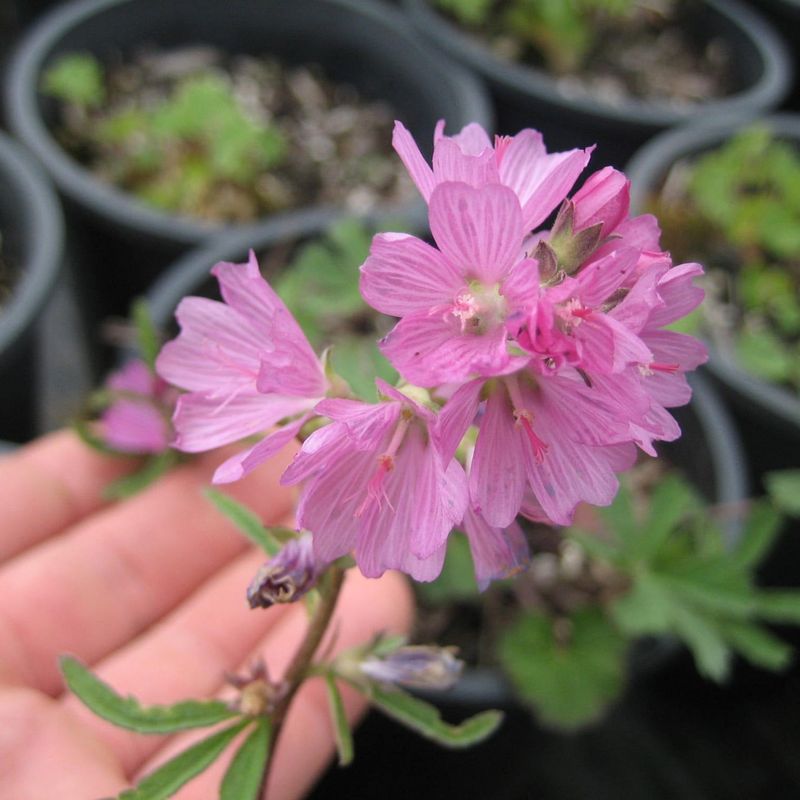
Growing Rose Checkermallow from seedlings is a slightly different experience than planting mature plants, and timing matters more than most people realize. While the established plant handles Oregon’s spring conditions well, young seedlings are more sensitive to cold snaps and soggy soil.
Starting seeds indoors right now is a great idea, but holding off on transplanting them outside is the wiser choice for a few more weeks.
Seedlings of Rose Checkermallow do best when transplanted outdoors after the last frost has passed and nighttime temperatures stay consistently above 40 degrees Fahrenheit. In most parts of Oregon, that window opens up in mid to late April.
Moving them out too soon risks exposing tender young roots to temperature swings that can set the plants back significantly.
Starting seeds indoors four to six weeks before your planned transplant date gives the seedlings a strong head start. Use a well-draining seed mix and keep the containers in a warm, bright spot near a window.
Harden off the seedlings gradually by setting them outside for a few hours each day before the final transplant.
Once they are in the ground and settled in, Rose Checkermallow seedlings grow quickly and reward your patience with gorgeous pink blooms all summer long across Oregon gardens.