Native Flowers To Plant In Pennsylvania During April And Those That Should Wait
Ever notice how some flowers seem to take off in spring while others just sit there and wait? In Pennsylvania, spring does not arrive all at once, and that timing plays a big role in how native flowers get established.
April brings cool soil, longer days, and the last hints of frost, creating ideal conditions for certain species while slowing others down.
Some wildflowers respond well to that early start, while others settle in more comfortably once the soil warms.
Understanding these differences can help Pennsylvania gardeners plant at the right moment and enjoy stronger, more successful blooms all season long.
1. Virginia Bluebells Thrive When Planted In Cool Early Spring Soil
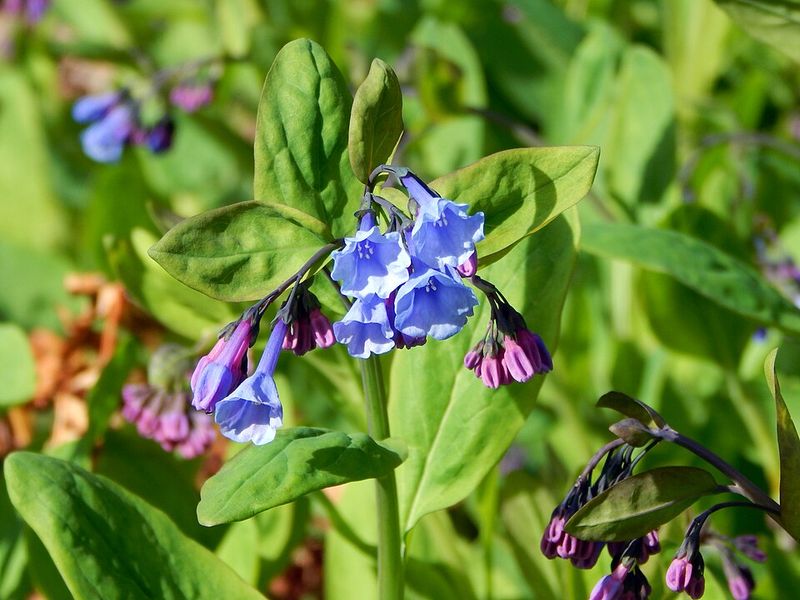
Few sights in a Pennsylvania spring garden feel as magical as a drift of Virginia Bluebells opening their soft blue blooms in the cool morning light.
These native woodland wildflowers are built for early spring conditions, emerging from the ground while temperatures are still low and the soil holds plenty of moisture from winter thaw.
April is genuinely one of the best months to get them established in Pennsylvania gardens.
Virginia Bluebells, or Mertensia virginica, prefer partial to full shade and rich, moist, well-drained soil, making them a natural fit for woodland edges and shaded garden beds.
Planting them in April gives their roots time to anchor before warmer weather arrives.
They tend to go dormant by early summer, so pairing them with later-emerging perennials helps fill any gaps they leave behind.
One fascinating thing about this plant is how quickly it completes its life cycle each season. From bloom to dormancy happens in just a few weeks, so getting them in the ground early really matters.
Gardeners in Pennsylvania who plant Virginia Bluebells in April often find them returning reliably year after year, slowly spreading into cheerful, low-maintenance colonies that support early pollinators like bumblebees and butterflies.
2. Wild Columbine Gets Off To A Strong Start In April
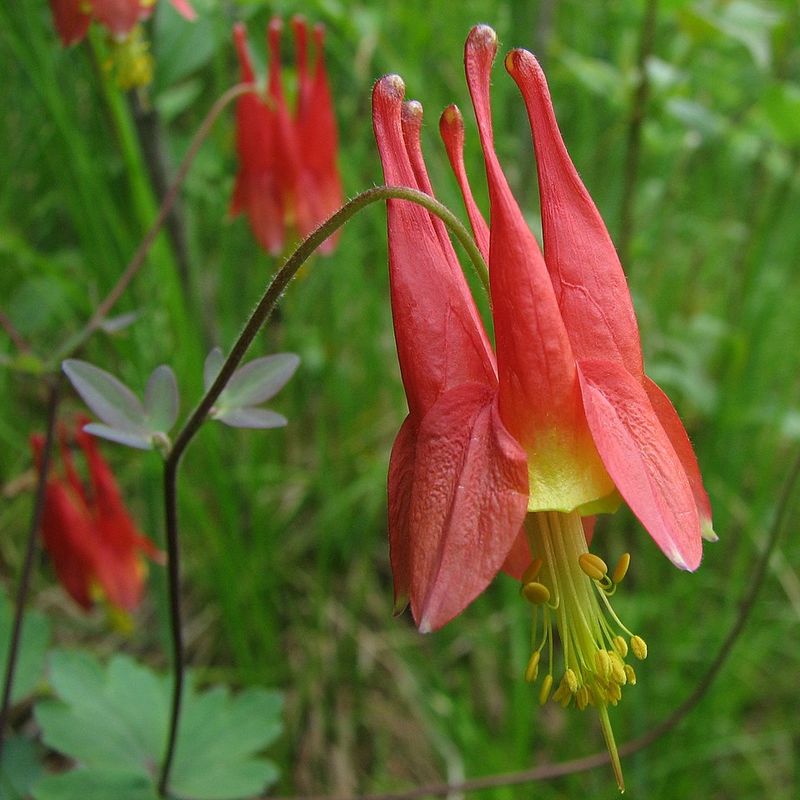
Hummingbirds have a way of showing up exactly where Wild Columbine is blooming, and Pennsylvania gardeners who plant this native gem in April often get front-row seats to that show.
Wild Columbine, known botanically as Aquilegia canadensis, is wonderfully well-suited to cool spring planting.
Its delicate red and yellow flowers nod gracefully from slender stems and begin appearing in late spring, right after April planting gives the roots a solid head start.
This native perennial prefers partial shade and moist, well-drained soil, though it can handle a surprising range of conditions once established. Rocky slopes, woodland edges, and shaded garden borders all work well.
April soil temperatures in Pennsylvania are typically in the range that encourages root development without stressing new transplants, making this a reliable planting window.
Wild Columbine also self-seeds readily, which means a single plant can spread into a lovely naturalized grouping over a few seasons.
Gardeners who want a low-effort native planting that rewards them with movement, color, and wildlife activity will find this species rewarding.
Planting in April gives it enough time before summer warmth arrives to settle in comfortably and prepare for a strong blooming season.
3. Foamflower Prefers Cool Conditions And Early Planting
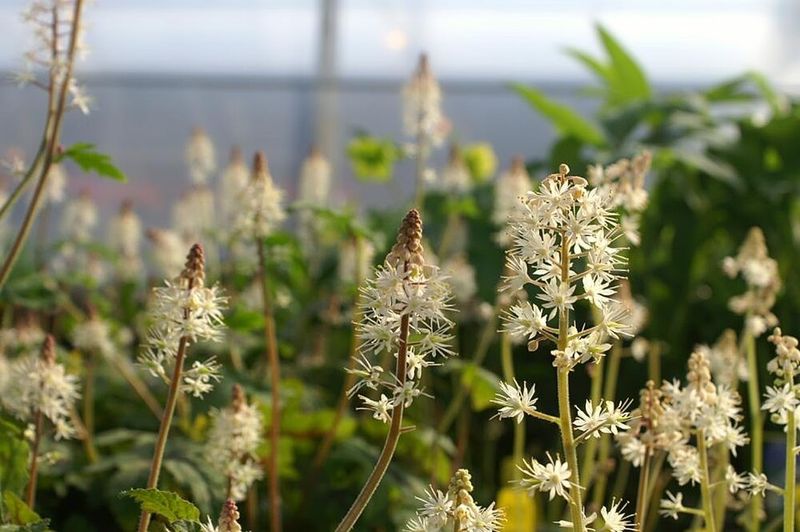
Walk through a Pennsylvania woodland in April and you might spot Foamflower already sending up its feathery white flower spikes along shaded stream banks and forest floors.
This native groundcover thrives in the kind of cool, moist conditions that April in Pennsylvania provides naturally.
Getting it into the ground early in the season takes advantage of that moisture and gives roots time to spread before summer heat arrives.
Foamflower, or Tiarella cordifolia, grows best in partial to full shade with consistently moist, humus-rich soil. It forms low, spreading mats of attractive lobed leaves that remain interesting even after blooming ends.
In Pennsylvania gardens, it works beautifully under deciduous trees, along shaded pathways, or as a groundcover in spots where other plants struggle to fill in.
One thing that makes Foamflower especially appealing is how adaptable it is once established. It handles
Pennsylvania’s variable spring weather without much fuss and spreads gradually through runners to form a lush, weed-suppressing carpet.
Early spring planting in April allows it to root in while the soil is soft and workable. Native bees and small insects visit the blooms, adding ecological value alongside the plant’s undeniable charm in a shaded garden setting.
4. Jacob’s Ladder Establishes Best Before Summer Heat Arrives
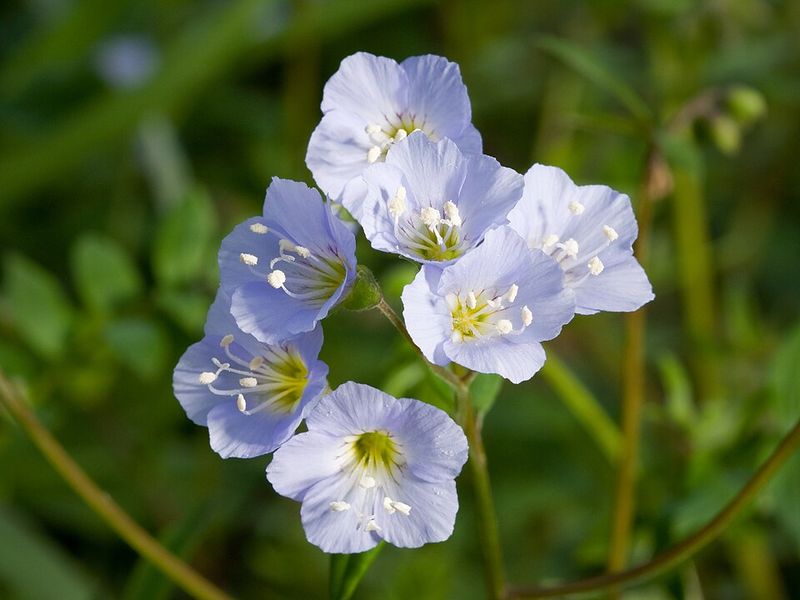
Cool soil and filtered light are two things Jacob’s Ladder genuinely appreciates, and April in Pennsylvania offers both in abundance.
This native perennial, Polemonium reptans, produces clusters of soft violet-blue flowers on upright stems and has distinctive ladder-like leaves that give the plant its memorable common name.
Planting it in April allows roots to establish slowly and steadily before summer temperatures begin climbing.
Jacob’s Ladder grows well in partial shade with moist, fertile soil that drains reliably. It tends to struggle in hot, dry conditions, so getting it rooted before the heat of summer is a practical advantage.
In Pennsylvania, planting in mid-to-late April often works well, especially in shadier spots where soil stays cooler longer into the season.
This plant has a quiet elegance that suits naturalized woodland gardens, shaded borders, and native plant landscapes. It blooms in mid-spring, and a well-timed April planting can sometimes result in flowers that same season.
After blooming, the attractive foliage continues to look fresh through much of summer when the plant has adequate moisture.
Pennsylvania gardeners who prioritize early planting with Jacob’s Ladder often find it returns more vigorously each year, slowly forming fuller clumps that add lasting structure to shaded garden spaces.
5. Golden Ragwort Spreads Well When Planted In Spring

Bright yellow blooms appearing in a shaded, moist corner of a Pennsylvania garden in early spring often belong to Golden Ragwort, one of the state’s most reliable and adaptable native wildflowers.
Packera aurea, as it is formally known, thrives in cool, damp conditions and responds well to early spring planting.
April is an excellent time to get it established because the cool soil encourages root development without stressing the plant.
Golden Ragwort handles a wide range of light conditions, from partial shade to full sun, as long as soil moisture remains consistent. It grows naturally along stream banks, in wet meadows, and at the edges of Pennsylvania woodlands.
In garden settings, it works as a groundcover in wet or shaded areas where many other plants underperform.
What makes this species especially useful is its tendency to spread steadily through both seeds and rhizomes, filling in bare spots over a few seasons. Early pollinators, including native bees and small flies, visit the flowers regularly.
Planting in April gives Golden Ragwort the cool, moist start it prefers and positions it to spread confidently through the growing season.
Pennsylvania gardeners often find it one of the most satisfying native plants to establish in challenging low-light or wet spots.
6. Butterfly Weed, However, Prefers Warm Soil Before Getting Established
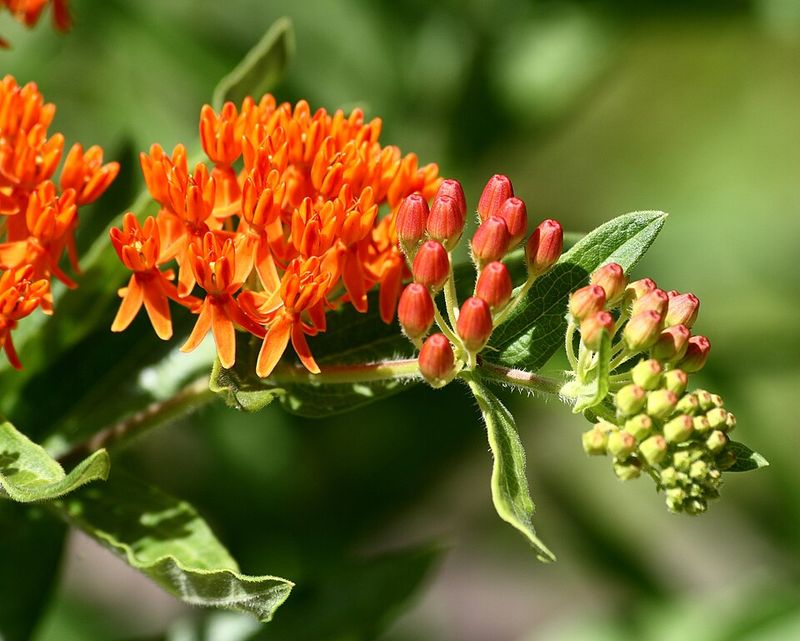
Patience pays off with Butterfly Weed, a native milkweed that genuinely needs warmer soil than April typically offers in Pennsylvania before it settles in well.
Asclepias tuberosa is one of the most vibrant native perennials you can grow, producing clusters of intense orange flowers that monarchs and other pollinators find irresistible.
But rushing it into cold spring soil often leads to sluggish establishment and disappointing results.
This plant develops a deep taproot that does not appreciate being disturbed or sitting in cold, wet conditions for extended periods.
Pennsylvania soil in April can still be quite cool, especially in northern counties and higher elevations where frost risk lingers into May.
Waiting until late May or early June, when soil temperatures have risen more consistently, gives Butterfly Weed a much better chance to root in successfully.
Butterfly Weed thrives in full sun and well-drained, even sandy or rocky soil. It is notably drought-tolerant once established, making it a low-maintenance choice for sunny borders and meadow gardens.
Because it emerges later than many perennials, gardeners sometimes worry it has not survived the winter, but it simply takes its time.
Marking its location in the garden helps avoid accidentally disturbing it during early spring cleanup when it has not yet emerged from the soil.
7. Purple Coneflower Settles In Better As Soil Warms

Among the most recognized native wildflowers in Pennsylvania, Purple Coneflower has a reputation for toughness that is well earned, but even tough plants benefit from thoughtful timing.
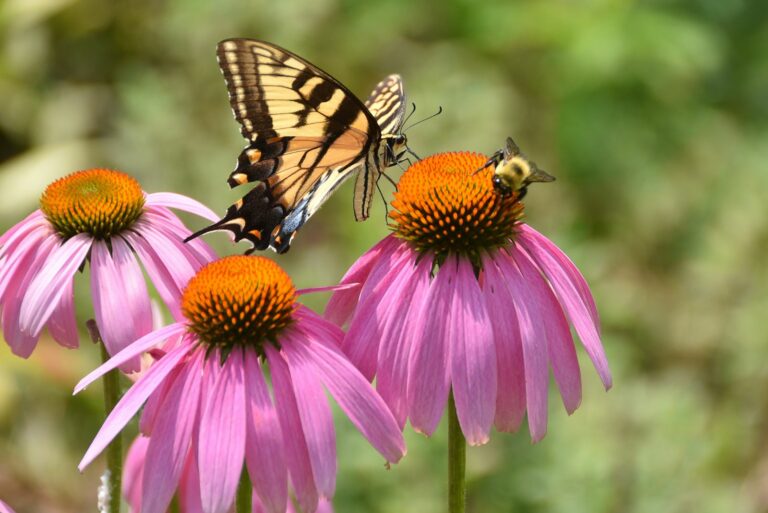
Echinacea purpurea roots in most successfully when soil temperatures are on the warmer side, making late spring a better planting window than early April for most Pennsylvania locations.
Cool, soggy spring soil can slow establishment and occasionally lead to root issues before the plant gets going.
This drought-tolerant perennial loves full sun and well-drained soil, producing its cheerful daisy-like flowers in shades of pink-purple through summer and into early fall.
It supports a wide range of pollinators, including bumblebees, butterflies, and goldfinches that visit the seed heads in late season.
Pennsylvania gardeners who hold off until late May often find transplants establish faster and bloom more reliably in their first season.
Purple Coneflower is a long-lived perennial that self-seeds moderately, so a small planting can expand into a generous colony over several years.
It handles Pennsylvania summers well once rooted, tolerating heat and occasional dry spells with minimal care.
Starting seeds indoors in late winter and transplanting after soil warms is another approach that works reliably and gives gardeners a head start on the season without risking early planting setbacks.
8. Black-Eyed Susan Grows Stronger With Late Spring Planting
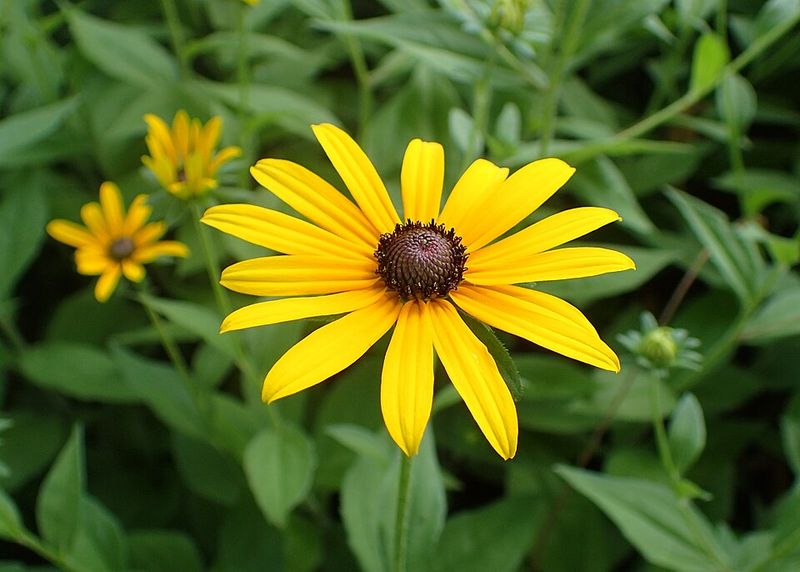
Warm soil and full sun are the two things Black-Eyed Susan counts on most, and Pennsylvania’s late spring delivers both more reliably than April does.
Rudbeckia hirta is a cheerful, adaptable native wildflower that produces bright yellow blooms with dark central cones from midsummer through early fall.
While it is not overly sensitive, planting it before soil temperatures rise consistently can slow rooting and reduce its performance in the first season.
Waiting until late May or even early June gives Black-Eyed Susan the warm, well-drained conditions it prefers.
It grows naturally in open meadows, roadsides, and sunny fields across Pennsylvania, and it adapts well to garden borders, rain gardens, and pollinator plantings.
Once established, it handles dry spells with ease and spreads through self-seeding to create naturalistic drifts over time.
Bees, butterflies, and beetles all visit the flowers, and birds feed on the seed heads as temperatures drop in autumn. Black-Eyed Susan also works well when direct-seeded in late spring after frost risk has passed.
Many Pennsylvania gardeners find that seeds sown directly into warm soil in May or June germinate quickly and produce flowering plants by late summer of the same year, making it one of the more rewarding native species to grow from seed.
9. Bee Balm Benefits From Stable Spring Temperatures
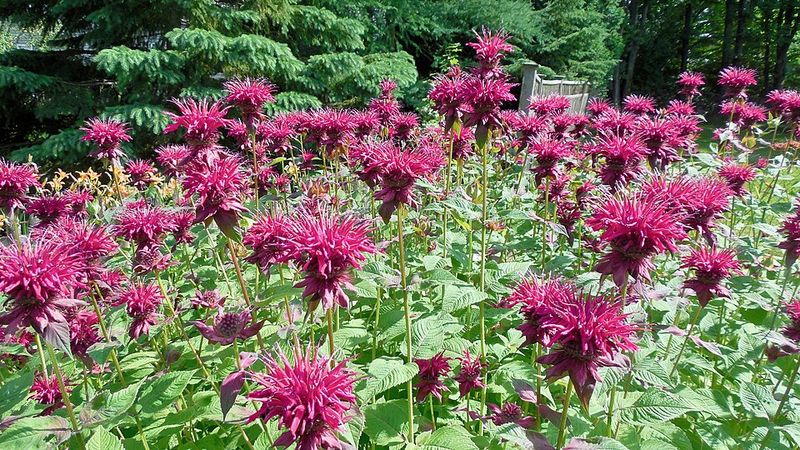
Gardeners who have grown Bee Balm know how enthusiastically it takes over a sunny border once it feels at home, but getting it to that point requires planting at the right time.
Monarda didyma, the red-flowered native species closely related to Wild Bergamot, establishes most reliably when spring temperatures have stabilized and soil has had time to warm beyond the cool readings typical of early April in Pennsylvania.
Fluctuating temperatures and cold, wet soil can stress young transplants before they have a chance to root properly.
Bee Balm prefers full sun to light shade and consistently moist, fertile soil. It spreads through rhizomes and can become quite vigorous once settled, making it a strong choice for naturalizing along garden edges or in rain garden plantings.
Waiting until mid-to-late May to plant in Pennsylvania gives it a more stable environment and tends to result in faster, healthier establishment.
The tubular red flowers are especially attractive to hummingbirds and long-tongued bees, and the aromatic foliage adds sensory interest to the garden even when the plant is not in bloom.
Dividing clumps every few years keeps Bee Balm looking its best and helps reduce powdery mildew, which can be an issue in humid Pennsylvania summers when air circulation around the plant is limited.
10. New England Aster Establishes More Easily In Warmer Soil
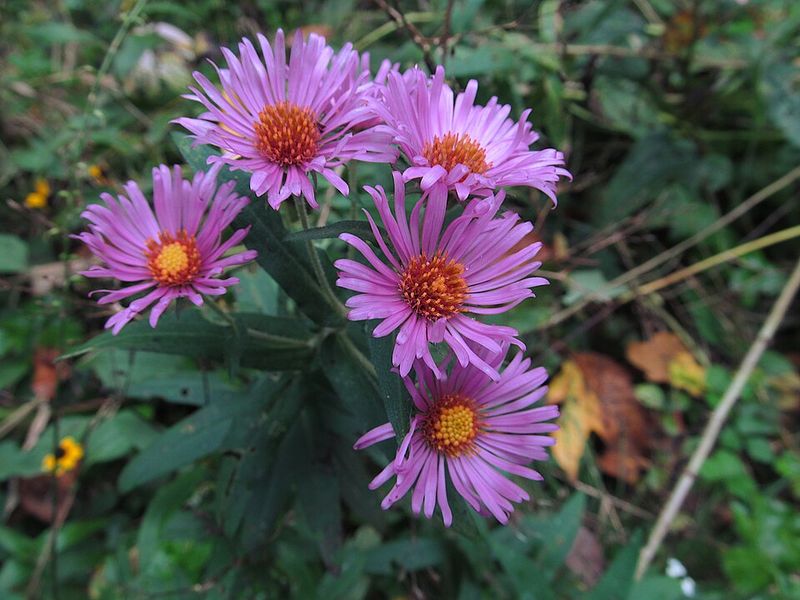
Late summer and fall color in a Pennsylvania native garden often comes down to one plant more than any other, and that is New England Aster.
Symphyotrichum novae-angliae produces stunning clusters of violet-purple flowers that monarchs rely on heavily during their fall migration.
Despite its importance in the garden calendar, this native perennial actually establishes more easily when planted after soil temperatures have risen beyond what early April typically offers across most of Pennsylvania.
New England Aster prefers full sun and moist, moderately fertile soil with good drainage.
It can grow quite tall, sometimes reaching four to six feet, and benefits from being pinched back in early summer to encourage bushier growth and more abundant blooms.
Planting in late May or early June gives it the warm soil it prefers and a full growing season to develop before it blooms in September and October.
Once established, New England Aster is a resilient and low-maintenance native plant that handles Pennsylvania’s summer heat and humidity reasonably well.
It supports an impressive variety of native bees, butterflies, and beneficial insects through its extended bloom period.
Gardeners who time their planting to match warmer soil conditions often find their New England Aster plants grow more vigorously and produce fuller, more floriferous clumps in their first and second seasons.