4 Native Flowers To Plant In Pennsylvania During March And 3 That Should Wait
March in Pennsylvania always feels like the garden is waking up after a long nap. The ground slowly begins to thaw, birds return, and early signs of green start peeking through the soil.
For gardeners who enjoy native plants, this is the moment when planning turns into action.
Still, early spring can be a bit unpredictable. Some native flowers handle chilly nights and cool soil without any trouble, making March a great time to plant them.
Others prefer warmer temperatures and more stable weather before they begin to grow. Putting those in the ground too soon can slow their progress or leave young plants struggling to establish.
Knowing the difference makes gardening much easier and far more rewarding. By choosing the right native flowers for early planting and waiting a little longer for others, you give each plant the conditions it needs to thrive.
With a little patience and good timing, your Pennsylvania garden can burst into color as spring moves forward.
1. Black-Eyed Susan (Rudbeckia Hirta)

Few wildflowers bring as much cheer to a Pennsylvania garden as the Black-Eyed Susan. Those bold yellow petals surrounding a rich, dark center are impossible to miss, and the good news is that this native beauty is tougher than it looks.
It handles cool March temperatures surprisingly well, making it one of the best choices for early spring planting in Pennsylvania.
Starting Black-Eyed Susans from seed directly in the ground during March works really well because the seeds actually need a cold period to sprout properly. This process, called cold stratification, happens naturally when you sow seeds early.
You can also transplant young seedlings started indoors, giving them a head start before warmer weather arrives.
Once established, this wildflower is incredibly low-maintenance. It tolerates drought, poor soil, and full sun without much fuss.
By midsummer, your garden will be buzzing with bees and fluttering with butterflies, all drawn to those cheerful blooms. Black-Eyed Susans also make excellent cut flowers for indoor arrangements.
In Pennsylvania, this plant fits naturally into meadow gardens, pollinator patches, and sunny borders. It spreads gently over time, filling in bare spots and creating a natural, cottage-style look.
Deadheading spent blooms encourages more flowers, but leaving some seed heads in place through winter gives birds a valuable food source. For a rewarding, wildlife-friendly garden start in March, Black-Eyed Susan is hard to beat.
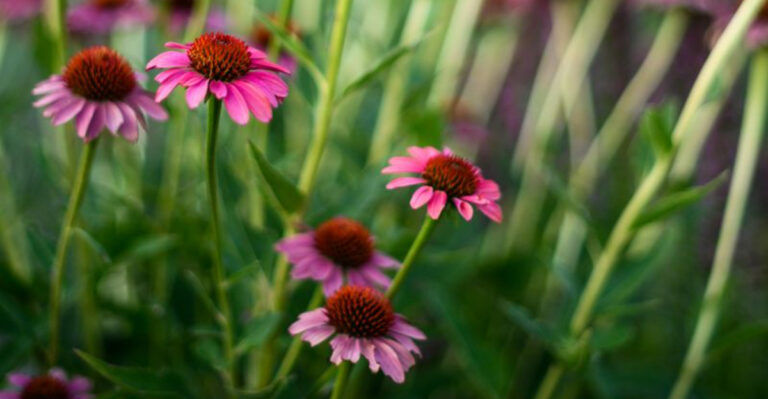
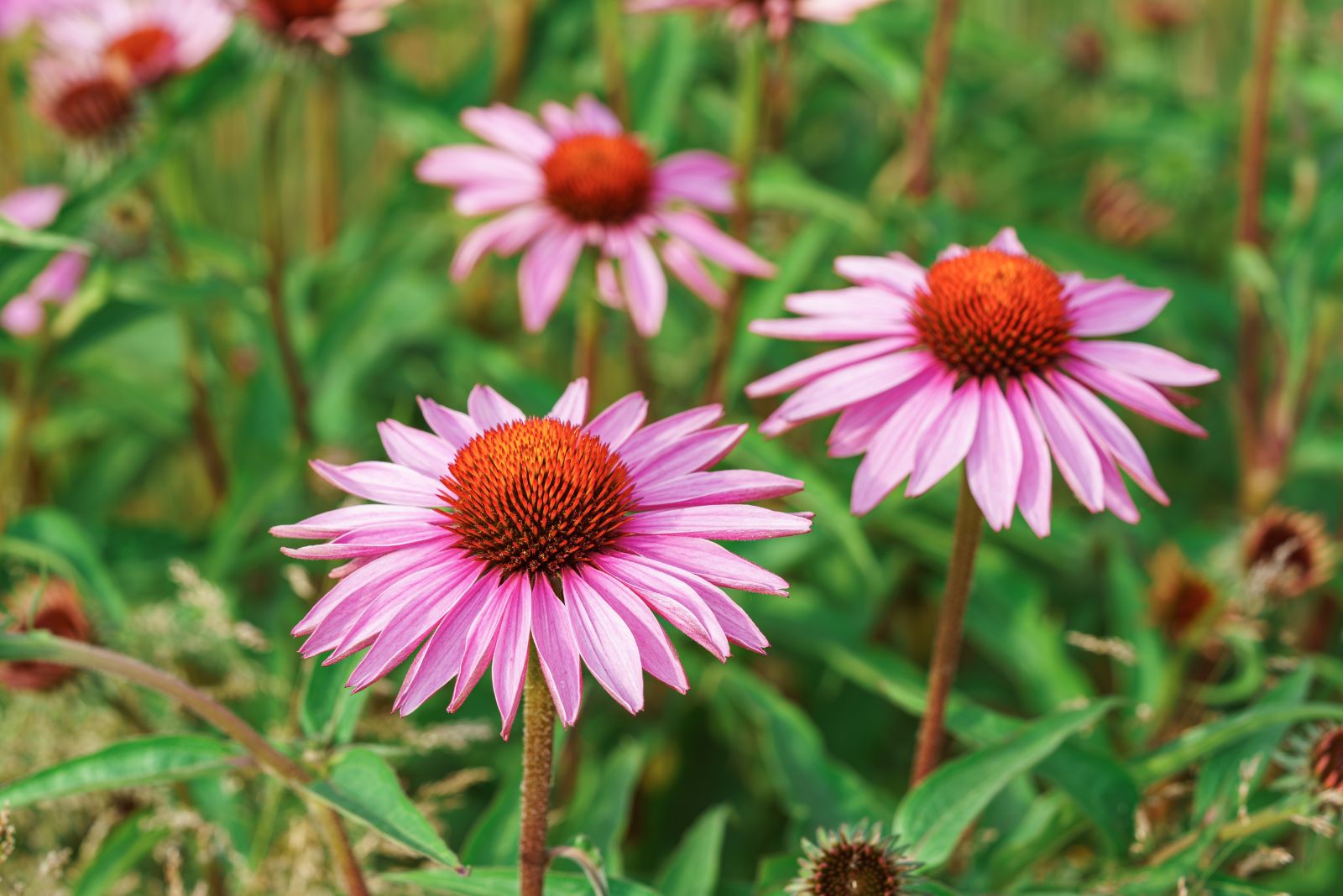
2. Purple Coneflower (Echinacea Purpurea)

Ask any experienced Pennsylvania gardener which native perennial they would never go without, and Purple Coneflower is almost always near the top of the list.
Its spiky orange-brown center surrounded by rosy-purple petals is iconic, and it has been supporting local pollinators for centuries.
Planting it in March gives the roots plenty of time to get comfortable in the soil before summer heat kicks in.
Echinacea purpurea is remarkably adaptable. It grows well in clay, loam, or sandy soil, and once established, it handles dry spells without complaint.
Starting plants from seed or transplanting nursery-grown seedlings in early spring both work well in Pennsylvania. Just make sure your planting spot gets at least six hours of sunlight per day for the best results.
Beyond its good looks, Purple Coneflower is a powerhouse for local wildlife. Bees, butterflies, and even goldfinches love this plant at different stages of its life cycle.
The seeds are especially popular with birds in fall and winter, so resist the urge to cut everything back too early.
Did you know that Echinacea has also been used in herbal medicine for hundreds of years? Native American communities across North America used various parts of the plant for wellness purposes long before it became a garden favorite.
Growing it in your Pennsylvania yard connects you to a rich natural history while also giving back to the local ecosystem. It is truly a plant with purpose.
3. Wild Columbine (Aquilegia Canadensis)

There is something almost magical about Wild Columbine. Its nodding red and yellow blooms look like tiny lanterns hanging from slender, arching stems, and they appear just when spring is starting to feel real in Pennsylvania.
Hummingbirds return to the state around the same time this flower blooms, which is no coincidence since the two have evolved together over thousands of years.
March is a great time to get Wild Columbine into the ground in Pennsylvania. The plant is native to woodland edges and rocky slopes throughout the state, so it is already well-suited to local conditions.
It prefers partial shade and well-drained soil, though it can tolerate more sun if the ground stays reasonably moist. Early planting lets the roots settle in before the blooming season begins in April and May.
One of the best things about Wild Columbine is how easygoing it is once established. It self-seeds freely, meaning new plants pop up naturally each year without much effort on your part.
This makes it a wonderful choice for naturalized garden areas where you want a wild, informal look that still feels intentional.
Beyond hummingbirds, this flower also attracts long-tongued bumblebees and various butterfly species. It works beautifully alongside ferns, wild ginger, and other shade-loving native plants.
If you have a shady corner of your Pennsylvania yard that feels bare in spring, Wild Columbine could be exactly what that space needs to come alive with color and wildlife activity.
4. Golden Alexanders (Zizia Aurea)

Golden Alexanders might not be the most famous native plant in Pennsylvania, but it absolutely deserves a spot in more gardens. This cheerful yellow wildflower blooms in late spring, lighting up moist meadows and woodland edges with clusters of tiny golden flowers.
Planting it in March gives the roots a solid head start, which is exactly what this perennial needs to thrive through the season.
One thing that makes Golden Alexanders especially valuable is its role as a host plant for the black swallowtail butterfly. Female swallowtails lay their eggs on the leaves, and the caterpillars feed on the plant as they grow.
Supporting that kind of life cycle in your Pennsylvania garden is incredibly rewarding to watch unfold over the course of a spring and summer.
Zizia aurea handles wet soil better than most native plants, making it an excellent choice for rain gardens or low-lying areas that stay damp after heavy rain. It also grows well in average garden soil with partial to full sun.
Once established, it spreads slowly to form a natural colony that looks right at home in any native planting.
Maintenance is minimal with this plant. It does not need much fertilizer, rarely has serious pest problems, and comes back reliably every year.
Pairing it with Wild Blue Indigo or Wild Columbine creates a stunning early-season display in a Pennsylvania native garden. For gardeners who want beauty and ecological value rolled into one plant, Golden Alexanders is an outstanding pick.
5. Butterfly Weed (Asclepias Tuberosa)

Butterfly Weed is one of those plants that makes people stop and stare. The clusters of vivid orange flowers are almost electric in their brightness, and on a warm summer day, the plant is practically covered in butterflies and bees.
It is native to Pennsylvania and plays a critical role in supporting monarch butterflies, but here is the thing: March is too early to plant it.
Unlike the other native flowers on this list, Butterfly Weed is very particular about soil temperature. It comes from a deep taproot that needs warm ground to wake up and start growing.
Planting too early in cold, wet March soil can cause the roots to rot before they ever get going. Patience really pays off with this one.
Wait until mid to late spring, when soil temperatures in Pennsylvania have climbed and overnight frost is no longer a concern.
Transplanting nursery plants works better than direct seeding for most home gardeners since seeds can take a long time to germinate and the plant may not bloom in its first year from seed.
Once it is in the right conditions, though, Butterfly Weed is surprisingly tough and drought-resistant.
Full sun and well-drained soil are the two most important factors for success with this plant. Avoid overwatering, and skip the mulch right around the base since good airflow helps prevent problems.
Mark where you plant it clearly because it is one of the last perennials to emerge in spring, and it is easy to accidentally disturb it while working in the garden.
6. New England Aster (Symphyotrichum Novae-Angliae)

New England Aster is the grand finale of the Pennsylvania native flower season. Its rich purple blooms with golden centers light up gardens from late summer all the way into October, providing a critical late-season food source for pollinators preparing for winter.
But while it blooms late, planting time matters, and March is not the right window for this one.
Young New England Aster plants are sensitive to late frost, which Pennsylvania can still experience well into April. Starting this plant too early exposes tender growth to freezing temperatures that can set it back significantly.
The better approach is to wait until frost risk has dropped in your area, typically late April to mid-May depending on where in Pennsylvania you live.
Once the timing is right, this aster is relatively easy to grow. It thrives in full sun with average to moist soil and can get quite tall, sometimes reaching four to six feet in height.
Pinching the plant back in early summer encourages a bushier shape and more blooms later on. Dividing established clumps every few years keeps the plant vigorous and healthy.
For pollinators, New England Aster is genuinely important. Bumblebees, monarchs, and many other butterfly species depend on late-blooming flowers like this one to fuel their fall migration or prepare for winter.
Planting it in your Pennsylvania yard is a meaningful way to support the local ecosystem right through the end of the growing season. Just wait until the weather is truly ready before putting it in the ground.
7. Cardinal Flower (Lobelia Cardinalis)
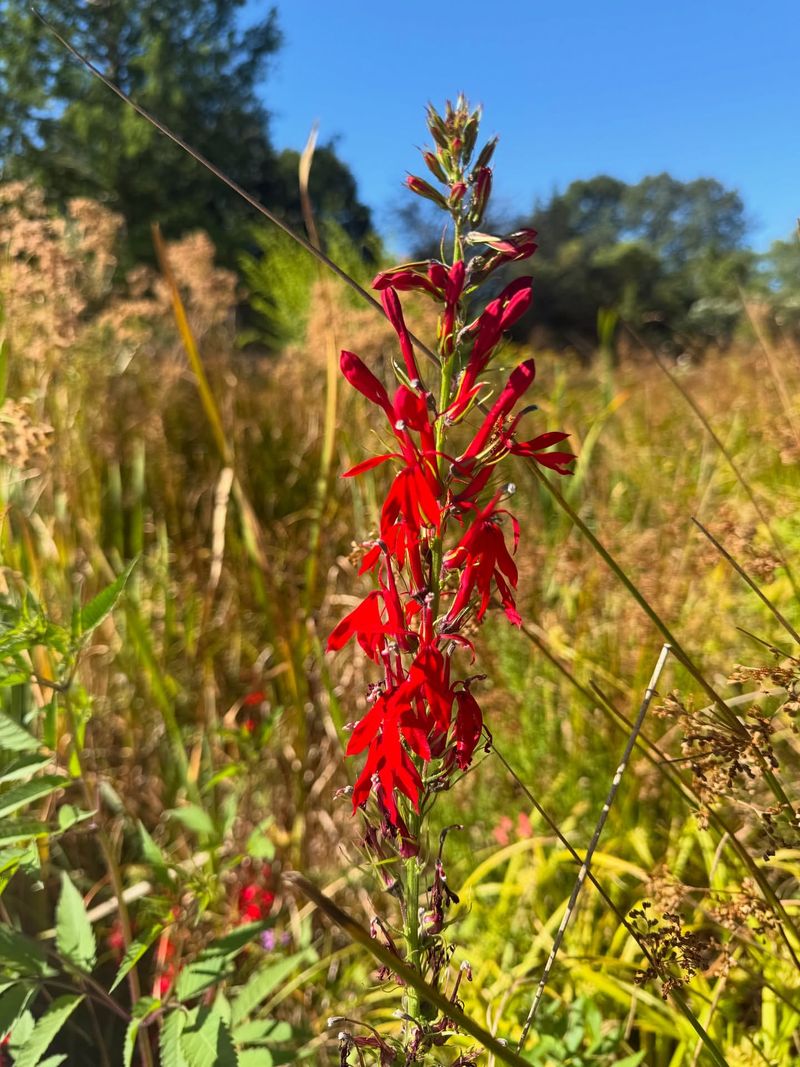
If you want to attract hummingbirds to your Pennsylvania garden, Cardinal Flower is your best friend.
The tall spikes of brilliant scarlet blooms are practically irresistible to ruby-throated hummingbirds, and the color is so intense it almost looks like something from a tropical rainforest. But as beautiful as this plant is, it is not one to rush into the ground in March.
Cardinal Flower is a native perennial that grows naturally along stream banks and in moist woodland areas throughout Pennsylvania. Young plants are quite sensitive to cold, and late-season frost can seriously damage or wipe out seedlings that were planted too early.
Waiting until the risk of frost has passed, usually late April or May in most parts of Pennsylvania, gives this plant the best possible start.
Moisture is everything for Cardinal Flower. It loves consistently moist to wet soil and will struggle in dry conditions.
Planting it near a rain garden, pond edge, or low-lying area in your yard mimics its natural habitat and keeps it happy through the growing season. Partial shade is ideal, though it can handle full sun if the soil stays reliably moist.
One fun fact: Cardinal Flower has one of the most specialized pollination relationships in the native plant world.
Its tubular flowers are shaped almost perfectly for hummingbird beaks, meaning the birds and the plant have evolved together in a beautiful, mutually beneficial partnership.
Growing it in Pennsylvania is not just a garden choice; it is an invitation to witness one of nature’s most remarkable connections up close.