7 Native Georgia Plants That Require Little Water Once Established
Anyone who has spent a few Georgia summers watching the grass turn crispy knows water is precious.
Hoses run longer, irrigation systems hum, and the water bill creeps up right along with the temperature.
Plenty of plants look beautiful in spring but demand constant attention once July arrives. Native species, on the other hand, evolved right here.
After they settle in, many can handle dry stretches with far less fuss, making them a smart fit for busy yards and changing rainfall patterns.
Some of these low-water champions might already be growing along roadsides and woodland edges near you, and a few may surprise you once you see what they can really do in your own landscape.
1. Butterfly Milkweed That Brings The Heat And The Butterflies
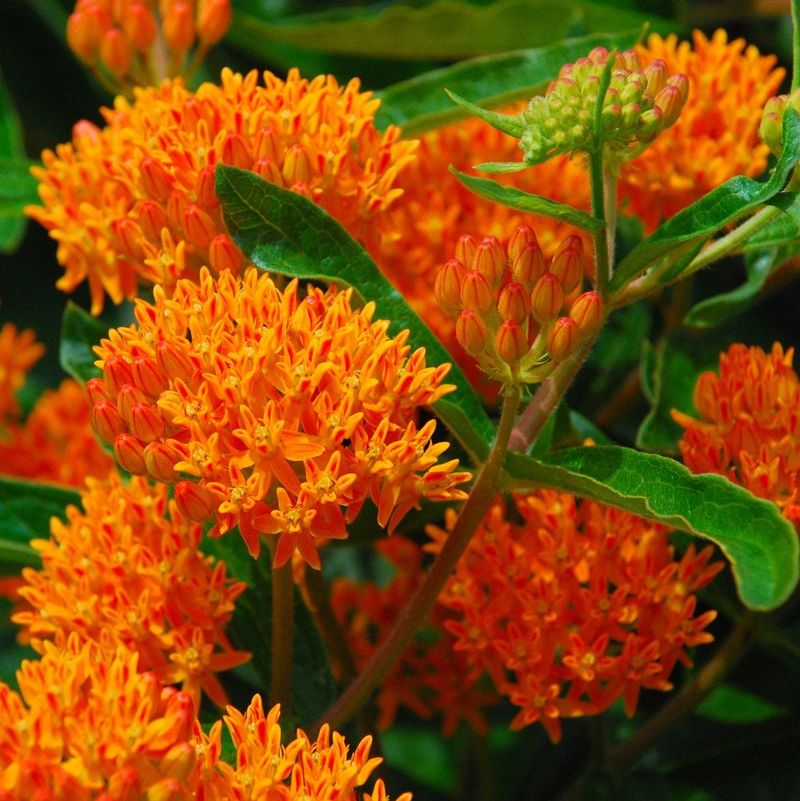
Few plants put on a show quite like butterfly milkweed. With its clusters of fiery orange blooms, this native Georgia wildflower practically glows in the summer heat, and the butterflies know it.
Monarchs, swallowtails, and other pollinators flock to it like it is the best restaurant in town, making it one of the most exciting plants you can add to any yard. Its vibrant colour and ability to attract wildlife make it a truly valuable addition to any garden.
Butterfly milkweed, known scientifically as Asclepias tuberosa, thrives in dry, well-drained soils across Georgia. It grows a thick, deep taproot that stores water and nutrients, which is exactly why it laughs in the face of summer droughts.
Once established, this plant needs almost no supplemental watering at all. Plant it in a sunny spot and mostly leave it alone for a low-maintenance garden addition.
It blooms from late spring to early summer, and with the right conditions, it may also flower again in the fall, offering continued beauty throughout the year. The seed pods that form after flowering are just as interesting as the flowers, splitting open to release silky white fibers that float on the breeze, adding extra charm to your garden.
Beyond looking fantastic, butterfly milkweed is the only host plant for monarch butterfly caterpillars, meaning you are not just growing a plant but actually helping to support a species that needs all the help it can get. If you want one plant that delivers colour, wildlife value, and toughness all in one package, butterfly milkweed belongs in your Georgia garden without question.
2. American Beautyberry With Its Show-Stopping Purple Berries
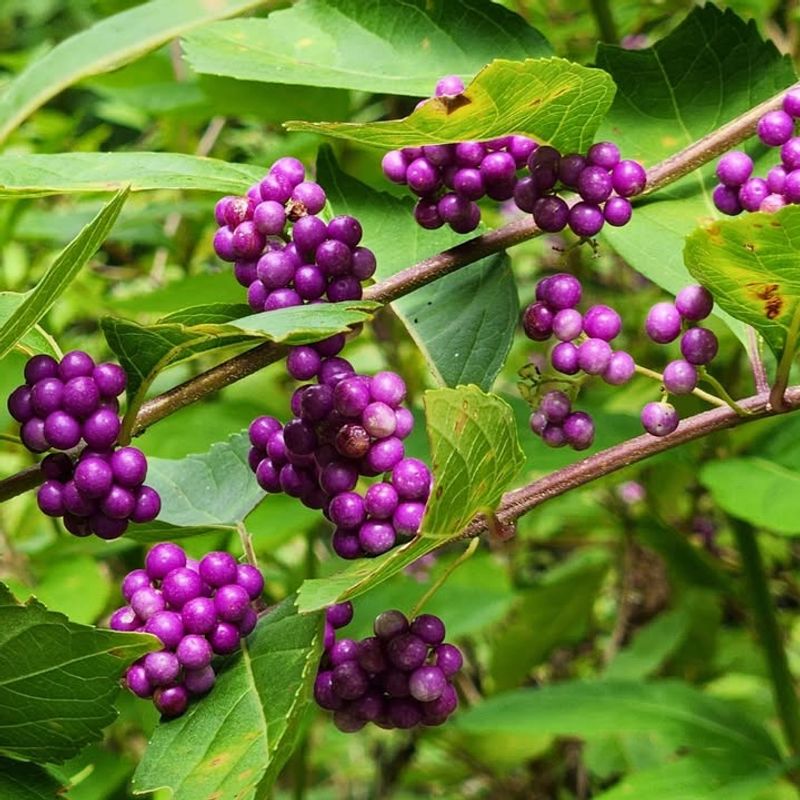
Imagine a shrub so bold and colorful that visitors stop mid-conversation just to ask what it is. That is the power of American beautyberry.
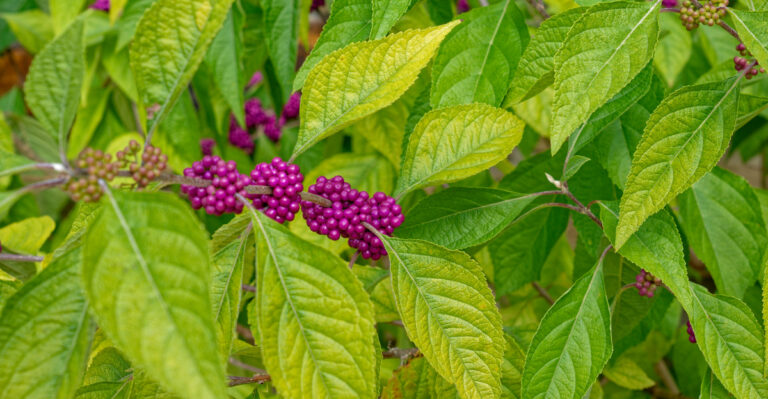
Native to the southeastern United States, including all across Georgia, this medium-sized shrub produces the most jaw-dropping clusters of magenta-purple berries you have ever seen on a plant. They practically look fake, like someone spray-painted them on, creating an eye-catching spectacle that brings beauty to any garden.
Callicarpa americana, as it is formally known, is surprisingly low-maintenance once it gets established in your yard. It tolerates drought well and actually prefers the kind of well-drained, slightly acidic soil that Georgia naturally provides.
Full sun to partial shade both work fine, making it flexible enough to fit into many different spots around your property. Give it room to spread, because it can reach six feet tall and wide when it is happy, providing a striking focal point in your landscape.
The berries appear in late summer and last well into fall, providing an important food source for birds like mockingbirds, robins, and cedar waxwings. Even deer browse the leaves occasionally, so this plant pulls double duty as both a garden showpiece and a wildlife feeding station.
In winter, after the leaves fall, the berry clusters remain on the branches, adding vibrant color to an otherwise dull landscape. Pruning it back hard in late winter encourages vigorous new growth and even more berry production the following season.
For dramatic fall color in a Georgia garden, American beautyberry truly stands in a class of its own, offering seasonal interest and wildlife value throughout the year.
3. Yaupon Holly That Stays Green And Gorgeous Through Dry Spells
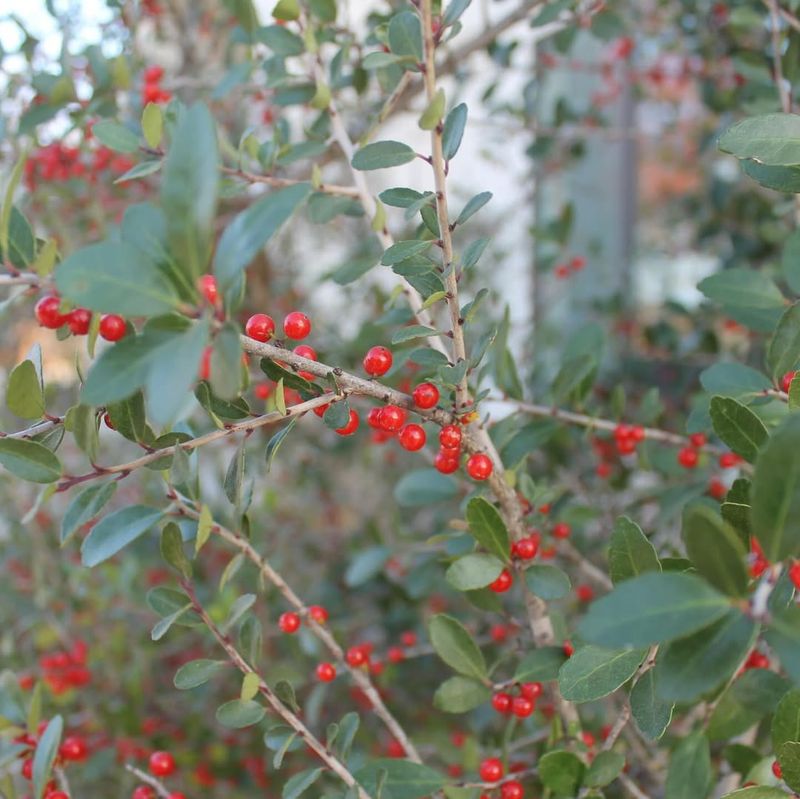
Reliability is a rare quality in the plant world, but yaupon holly has it in spades. This native evergreen shrub keeps its glossy green leaves all year long, shrugs off Georgia’s summer heat without complaint, and produces cheerful red berries that birds absolutely love.
It is the kind of plant that makes your yard look put-together even when you have not done a single thing to it in weeks, offering year-round beauty with minimal effort.
Ilex vomitoria is its scientific name, which sounds alarming but comes from a historical use by Native Americans who brewed a ceremonial drink from its leaves. The plant itself is completely fine to grow and admire, and it is actually one of the most drought-tolerant native shrubs available for Georgia landscapes.
Once established, it can go weeks without rain and still look fresh. It adapts to a wide range of soils, from sandy coastal plains to clay-heavy piedmont ground, making it genuinely useful across the entire state, providing a reliable green backdrop even during the hottest months.
Yaupon holly comes in many forms, from large screening shrubs to compact dwarf varieties that work perfectly as low borders. It handles pruning beautifully, so you can shape it however you like or let it grow naturally for a wilder look.
The female plants produce the showy red berries, so planting at least one male nearby helps ensure a good berry crop. Few plants offer this much year-round beauty with this little effort, and in a Georgia garden, that combination is worth its weight in gold, enhancing the garden’s overall aesthetic with vibrant, easy-care greenery.
4. Winged Sumac Adding Color To Your Garden
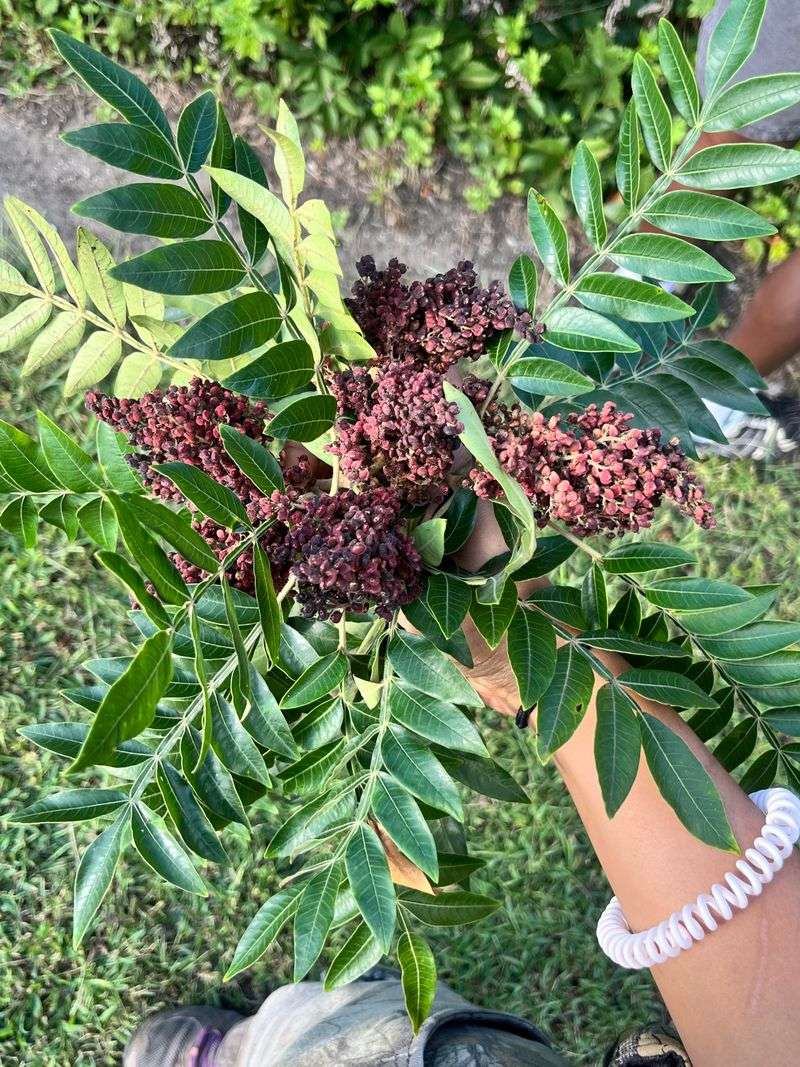
If you’re looking for a plant that thrives with minimal care, winged sumac could be just what you need for your Georgia garden. This hardy native shrub excels in dry, sun-soaked areas, offering an easy solution for gardeners who desire low-maintenance beauty.
With its ability to grow in a variety of conditions, winged sumac makes a perfect addition for those seeking a resilient plant that requires little upkeep, giving your garden a natural, relaxed feel without demanding too much attention.
Once established, winged sumac is highly drought-tolerant. According to the University of Georgia Extension, it can flourish with minimal watering after its initial growth, making it an excellent option for gardeners looking to reduce water usage without sacrificing aesthetics.
It naturally grows in dry slopes and sandy soils, adapting effortlessly to various environmental conditions, and remains vibrant even in areas with limited rainfall.
Beyond its tough exterior, winged sumac adds texture and vibrant colour to your landscape. The unique winged stems stand out throughout the growing season, and when autumn arrives, its foliage transforms into brilliant reds and oranges.
The red berries that follow are a favourite among birds, attracting wildlife during the colder months, and providing an ongoing food source when other plants are dormant, enhancing your garden’s ecosystem year-round.
Ideal for naturalized gardens or as a border plant, winged sumac can spread via underground shoots, making it useful for controlling erosion and filling larger spaces effortlessly. This eco-friendly, hardworking plant provides beauty and functionality, requiring very little attention, making it a smart choice for anyone looking to enhance their garden sustainably while supporting local wildlife.
5. Switchgrass Dancing Through Your Landscape
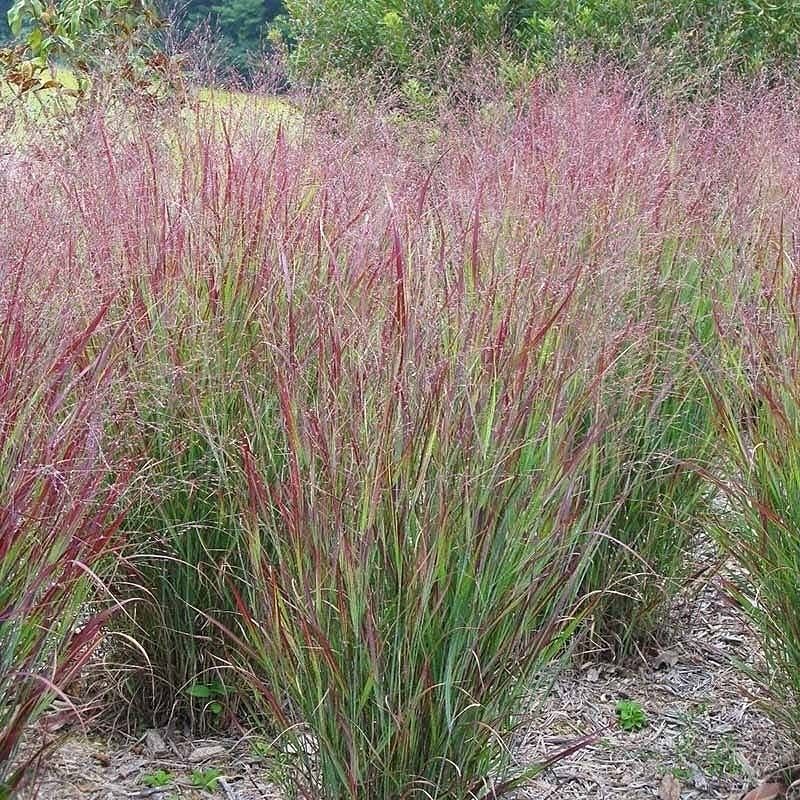
Native to North America, this grass thrives in a wide range of environments, from prairies to wetlands, making it an incredibly versatile choice for various landscapes. Not only does it add aesthetic appeal with its soft, feathery plumes, but it also provides essential environmental benefits.
The deep root system helps with soil erosion control, making it a perfect addition to slopes or areas prone to runoff, stabilizing the soil and preventing loss.
What makes this grass particularly attractive to homeowners and landscapers alike is its low-maintenance nature. Once established, it requires minimal water and can withstand drought conditions, making it ideal for water-conserving landscapes.
During the growing season, its vibrant green foliage sways in the breeze, while the autumn months bring a beautiful golden hue that catches the sunlight, creating a stunning seasonal display that enhances your landscape year-round.
Wildlife benefits greatly from its presence, as it provides shelter and nesting sites for birds and insects. Its seeds are a valuable food source for many bird species, especially during the winter months when other food sources may be scarce.
Additionally, its structure helps attract pollinators like bees, boosting biodiversity in your garden.
Its adaptability to different soil types, including both acidic and alkaline conditions, adds to its appeal for gardeners seeking a hassle-free, hardy addition to their yard. Whether used in mass plantings, as a border, or even in containers, it brings a touch of nature’s beauty without the hassle of constant upkeep.
Its ability to flourish with little intervention makes it a go-to plant for those looking to enhance their landscape in a sustainable, eco-friendly way, benefiting both the garden and the environment.
6. Muhly Grass With Its Cloud-Like Pink Plumes
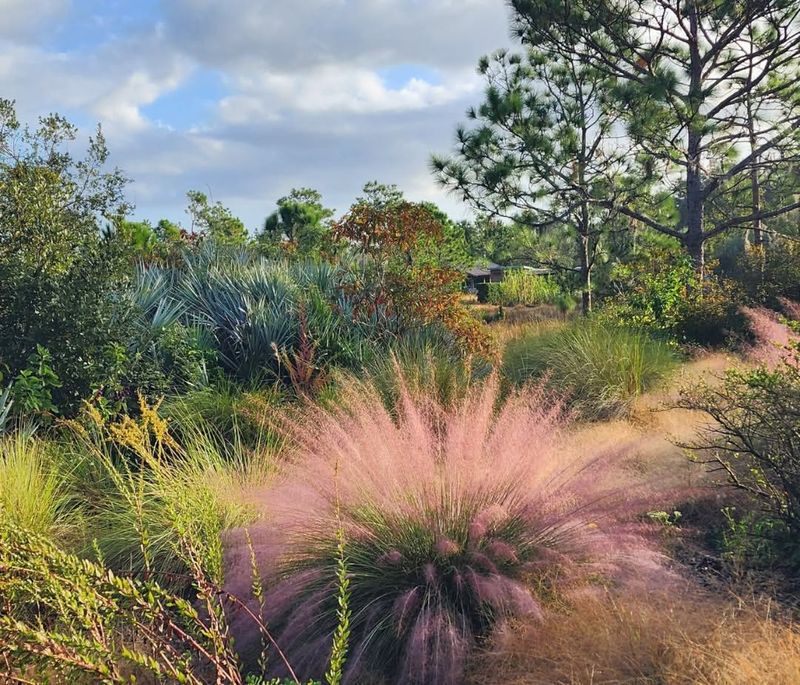
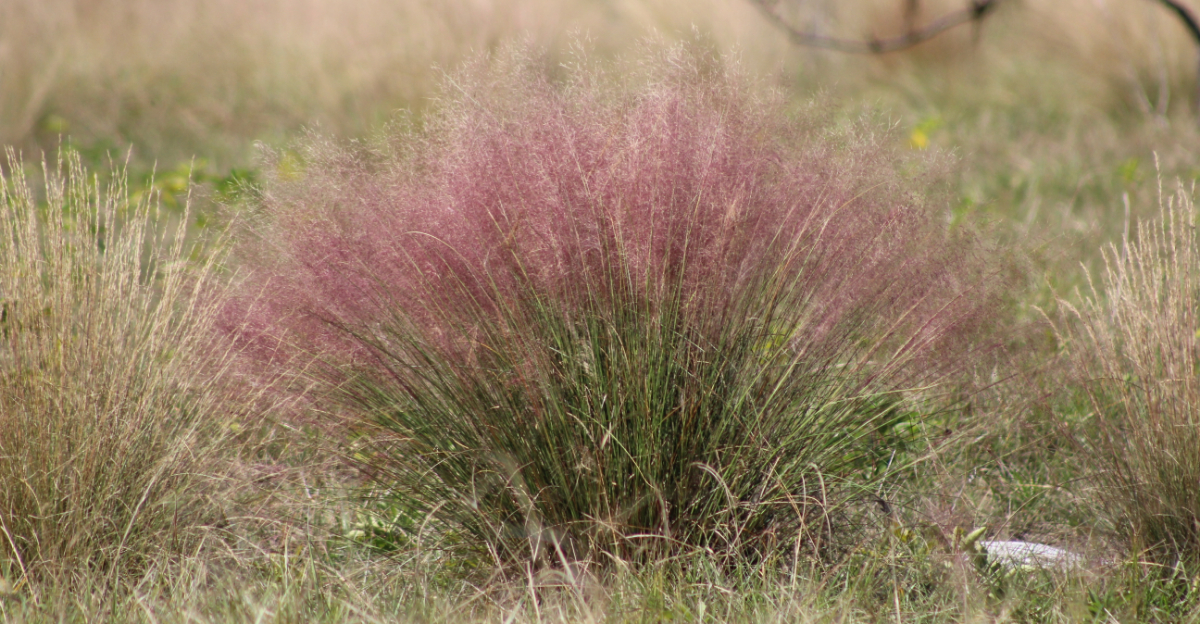
Every October, muhly grass does something almost magical. The entire plant erupts in a haze of soft pink and purple plumes that look less like a grass and more like a cotton candy cloud floating above the ground.
It is one of those plants that stops people in their tracks, and the best part is that it achieves all of this drama with almost no help from you.
Muhlenbergia capillaris is native to the southeastern United States and is extremely well-suited to Georgia’s climate. It loves full sun and thrives in sandy, well-drained soils, tolerating both drought and occasional wet spells with equal ease.
Once established, muhly grass is low-maintenance, thriving with little intervention. It typically requires no fertilization, needs minimal watering once established, and is relatively resistant to pests and diseases, making it an easy-care plant for any garden.
The plants form graceful, arching clumps that reach about three feet tall and wide, making them excellent choices for borders, slopes, or mass plantings where you want a dramatic seasonal display. Outside of its spectacular fall bloom period, the fine-textured green foliage looks tidy and attractive through spring and summer.
After the plumes fade, the seed heads provide food for songbirds, so the plant continues giving even after its main show is over. Cut the clumps back in late winter to keep them looking neat and encourage strong new growth in spring.
Across Georgia, muhly grass has become a favorite among gardeners who want breathtaking beauty without the fuss.
7. Black-Eyed Susan That Keeps Smiling Through The Drought
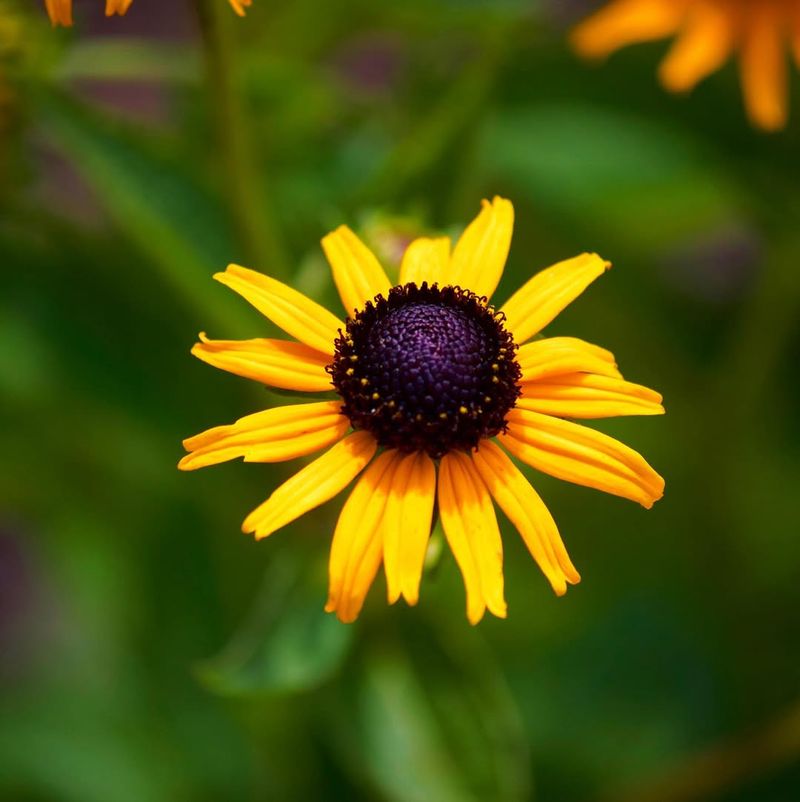
Cheerful, golden, and completely unintimidated by a Georgia summer, black-eyed Susan is one of those wildflowers that makes you happy just by looking at it. The bright yellow petals surrounding a dark chocolate-brown center are instantly recognizable and endlessly charming, whether you spot them along a roadside or growing in a carefully designed garden bed.
Rudbeckia hirta is a native wildflower found naturally across much of the eastern United States, and it is perfectly adapted to Georgia’s warm, sometimes dry conditions. It blooms from late spring through early fall, offering months of color when other plants are struggling in the heat.
Once established, it handles dry spells with remarkable composure, drawing on a sturdy root system to stay hydrated even when rainfall is scarce. Full sun and well-drained soil are really all it asks for.
Black-eyed Susan works beautifully in cottage gardens, wildflower meadows, pollinator gardens, and mixed perennial borders. Bees and butterflies visit the flowers constantly, and goldfinches love to perch on the dried seed heads in late fall and winter, picking out seeds one by one.
Deadheading spent blooms encourages more flowers, but leaving some seed heads in place feeds wildlife and allows the plant to self-seed, gradually filling in your garden over time. It is both a short-lived perennial and a reliable self-seeder, meaning once you plant it in your Georgia garden, it tends to come back on its own year after year without any extra effort from you.