8 Native Georgia Trees To Plant Instead Of Crape Myrtle
In Georgia, it is hard to miss how often crape myrtles take over front yards, lining streets and filling spaces almost by default. At first, they look like an easy choice, but over time, that same look starts to feel repeated everywhere you turn.
There are native trees that grow just as well here and often settle in with less effort once established.
They handle local conditions naturally and bring a look that feels more connected to Georgia rather than copied from one yard to the next.
Switching away from the usual does not have to be complicated or risky. It is simply about choosing something that already belongs in this environment and letting it grow the way it is meant to.
Once you start seeing those options, the idea of planting the same tree again does not feel quite as appealing anymore.
1. Flowering Dogwood Adds Classic Spring Blooms With Native Appeal
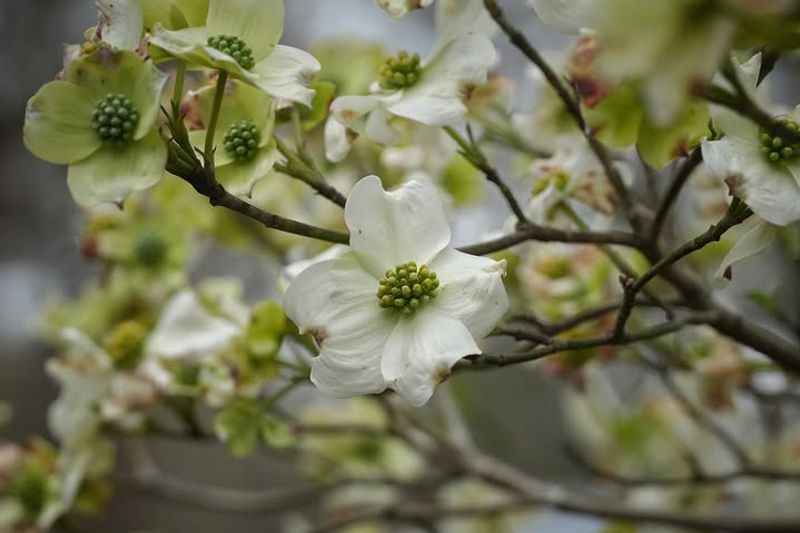
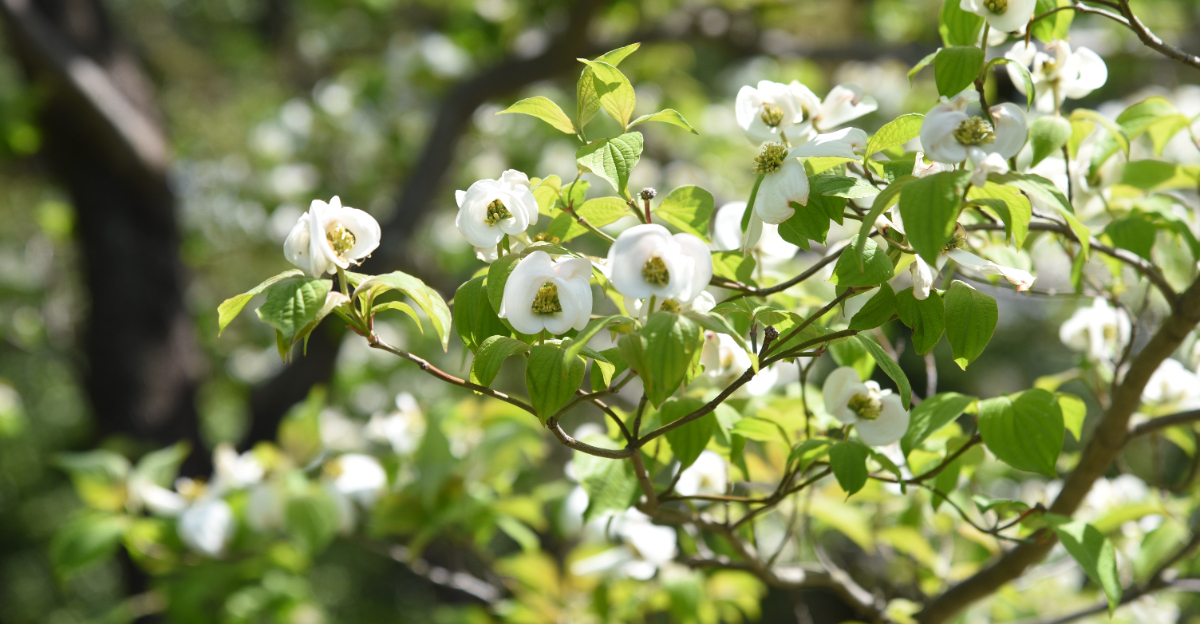
Ask almost any Georgia gardener what tree they remember from childhood, and there’s a good chance Flowering Dogwood comes up. Cornus florida is deeply woven into the fabric of Southern landscapes, and for solid reason — it earns its spot every single spring with clouds of white or soft pink blooms that show up before most other trees even think about leafing out.
Planted in the right spot, this tree stays relatively compact, usually topping out around 20 to 25 feet. It fits comfortably in smaller yards, near patios, or along the edge of a wooded area.
Partial shade suits it well, especially in Georgia’s hotter regions where afternoon sun can stress the leaves during summer months.
Beyond the flowers, Flowering Dogwood keeps giving all year long. Red berries ripen in fall and get snapped up quickly by migrating birds.
The foliage shifts to deep burgundy and purple before dropping, giving you solid fall color without much fuss.
One thing worth knowing — Dogwood anthracnose is a real issue in some parts of Georgia, particularly in cooler, wetter mountain areas. Choosing a planting spot with good air circulation and well-drained soil goes a long way toward keeping the tree healthy.
Avoid planting in low spots where water sits after rain.
Compared to crape myrtle, Flowering Dogwood supports far more native insects and birds, making it a genuinely useful addition to any Georgia yard rather than just a pretty face.
2. Eastern Redbud Brings Early Color Before Most Trees Leaf Out
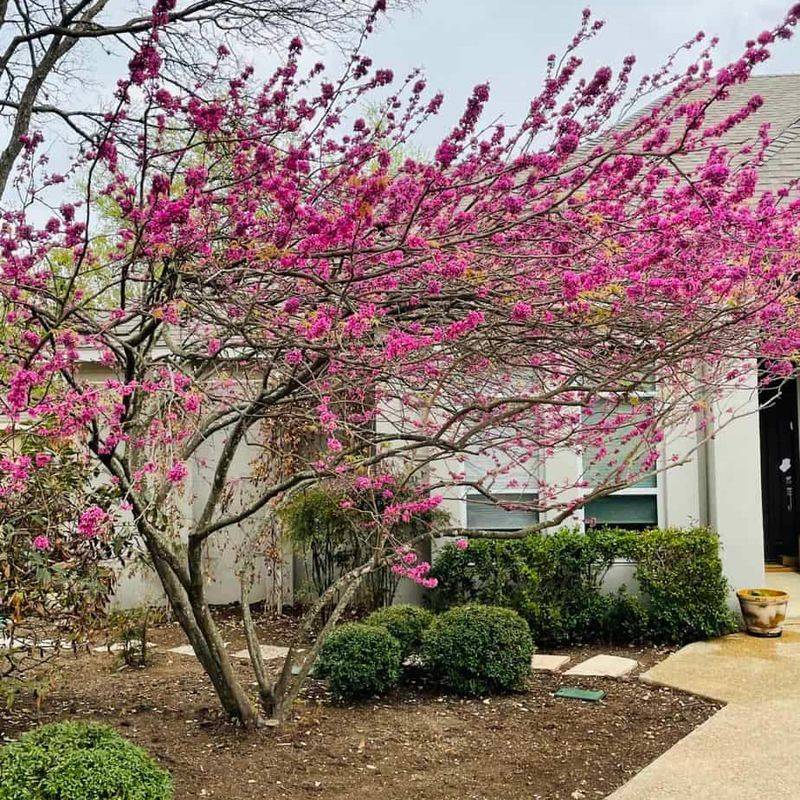
Nothing quite matches the jolt of color an Eastern Redbud throws at you in late February or early March. While most of the yard still looks like winter, Cercis canadensis lights up with clusters of magenta-pink flowers that coat every branch — even ones that look completely bare.
It’s a reliable signal that Georgia spring is actually coming.
Redbuds stay on the smaller side, usually between 20 and 30 feet tall, with a naturally rounded, spreading canopy. That shape makes them useful as a focal point in the yard, planted where you can see them from a window or the street.
Full sun to partial shade both work, and they handle Georgia’s clay soils better than a lot of trees will.
After the flowers fade, heart-shaped leaves fill in and stay attractive through summer. Come fall, they turn a clean yellow before dropping.
Flat seed pods hang on through winter, which some songbirds will pick at when other food runs low.
Native bees absolutely go after the early flowers, which is a big deal since not much else is blooming yet in Georgia at that time of year. Redbud essentially acts as an early-season fuel station for pollinators waking up from winter.
Compared to crape myrtle, Redbud blooms earlier, fits more naturally into Georgia’s woodland edges, and provides real ecological value. Planting one near a patio or along a driveway gives you color right when you need it most after a long winter.
3. Serviceberry Offers Spring Flowers And Edible Summer Fruit
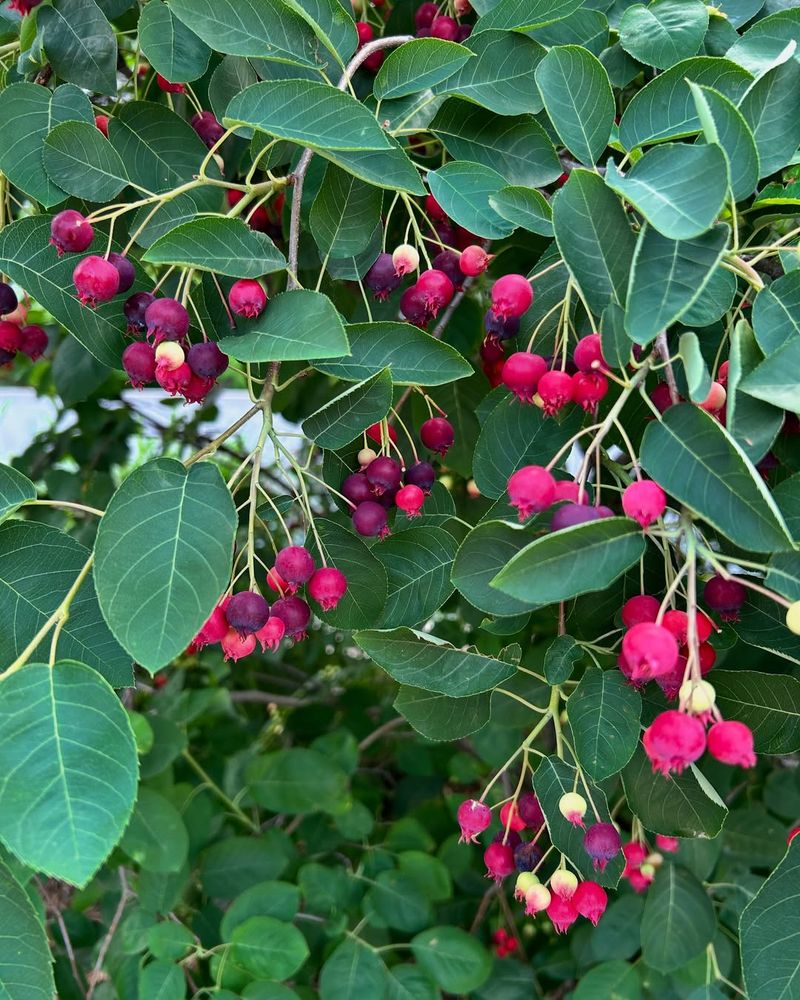
Serviceberry might be the most underused native tree in Georgia, and that’s a genuine shame. Amelanchier species bloom in early spring with delicate white flowers that appear right alongside — or even before — the leaves.
Up close, each flower has a simple, airy quality that’s easy to overlook from a distance but beautiful when you actually stop and look.
What makes Serviceberry stand out from most ornamental trees is what comes after the flowers. By early summer, small berries ripen from red to deep purple, and they’re genuinely edible.
Flavor-wise, they land somewhere between a blueberry and a mild cherry. Birds rarely give you the chance to collect many, but that’s kind of the point — you’re growing food for the whole yard, not just yourself.
In Georgia, Serviceberry grows well in both full sun and partial shade. It tends to develop a multi-stemmed form naturally, which gives it a soft, natural look that works well at the edge of a lawn or along a fence line.
Heights typically range from 15 to 25 feet depending on the species and conditions.
Fall color is another bonus — leaves shift to orange and red before dropping, giving you three distinct seasons of interest from one tree. Very few non-native ornamentals can match that kind of year-round contribution to the landscape.
For Georgia homeowners who want something that feeds wildlife, looks good year-round, and doesn’t demand constant attention, Serviceberry checks every box without any of the baggage that comes with crape myrtle.
4. Fringe Tree Produces Unique White Blooms In Late Spring
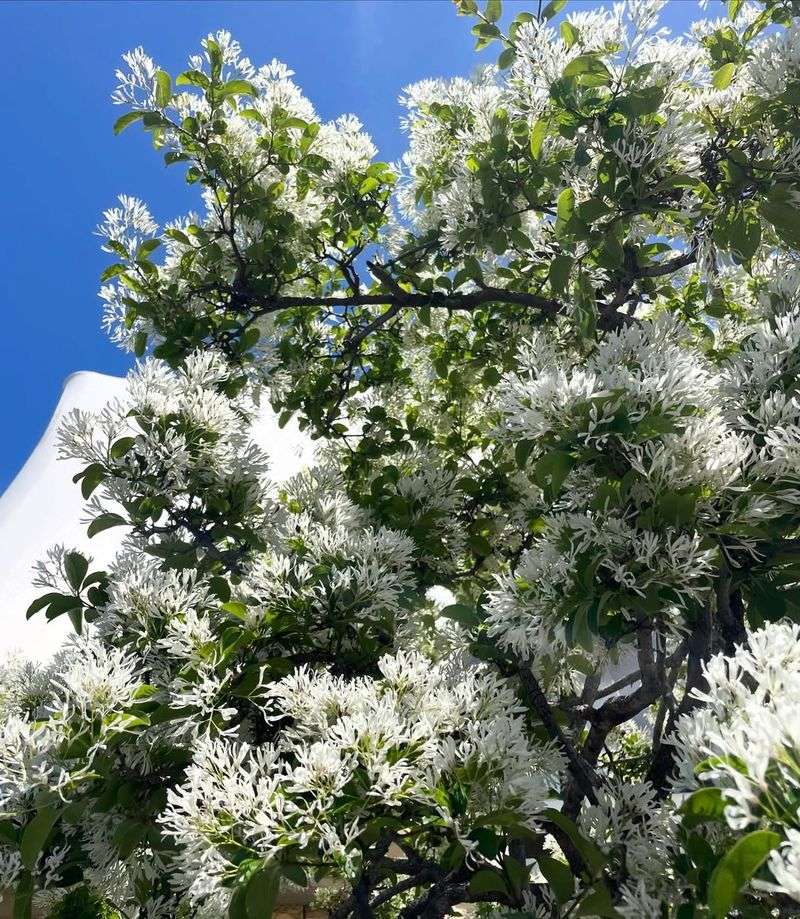
Fringe Tree stops people in their tracks. When Chionanthus virginicus blooms in late April or May across Georgia, it produces long, feathery clusters of white flowers that hang from the branches like soft white fringe — hence the name.
Up close, the fragrance is light and sweet, noticeable on a calm evening without being overpowering.
Growth is slow and steady. Most Fringe Trees in Georgia reach somewhere between 12 and 20 feet over many years, often developing a wide, multi-stemmed form rather than a single central trunk.
That spreading habit makes it a good candidate for a specimen planting in an open lawn area where it has room to show off its shape.
Male and female flowers appear on separate trees, and the females produce dark blue, olive-like fruits in late summer. Birds — especially larger species like robins and mockingbirds — go after those fruits quickly.
If you want fruit production, planting both a male and female tree near each other helps.
Fringe Tree handles Georgia’s heat and humidity without much struggle. It prefers moist, well-drained soil and does well in partial shade, though it blooms more heavily with a bit more sun.
Avoid compacted or consistently soggy spots.
One overlooked fact — Fringe Tree is closely related to olive trees, which explains those small fruits. It’s a genuinely unusual native that brings something crape myrtle simply can’t offer: a bloom time, flower form, and fragrance that feel completely one-of-a-kind in a Georgia spring garden.
5. Sourwood Delivers Summer Flowers And Outstanding Fall Color
Sourwood has a trick up its sleeve that most flowering trees don’t — it blooms in summer. While crape myrtle is doing its thing in July and August, Oxydendrum arboreum is right there beside it, covered in long, drooping clusters of small white flowers that look a lot like lily-of-the-valley.
Honeybees love those flowers, and sourwood honey is considered some of the finest in the entire Southeast.
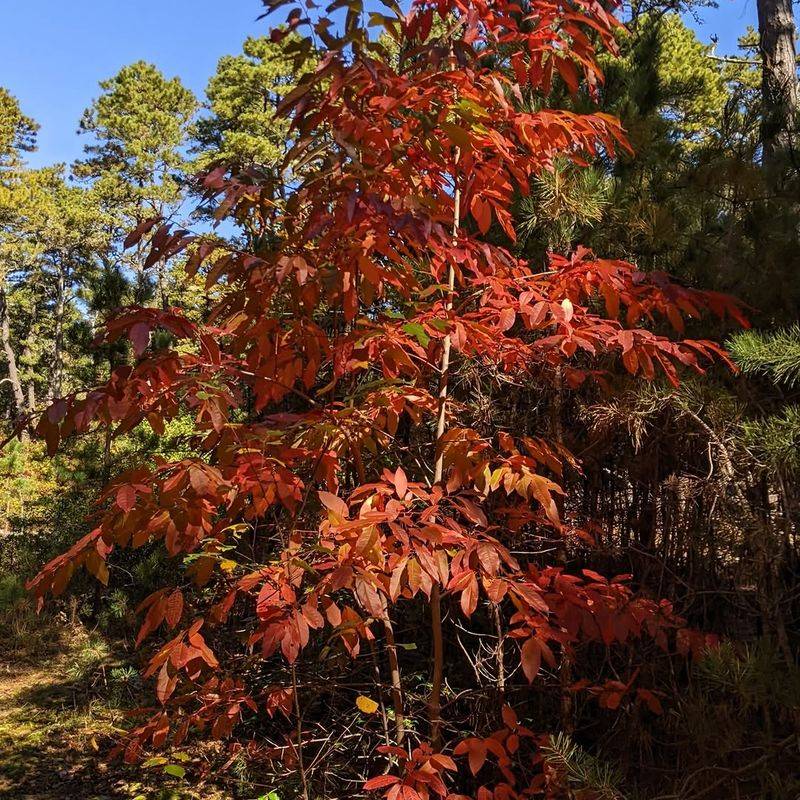
Come fall, Sourwood absolutely earns its place in any Georgia yard. Leaves shift from green to brilliant shades of scarlet, burgundy, and orange — sometimes all on the same tree at the same time.
In the North Georgia mountains, Sourwood is one of the earliest trees to turn and one of the most vivid. Even in the piedmont and warmer parts of the state, fall color is reliably strong.
Mature trees reach 25 to 35 feet with a slightly irregular, narrow crown. Sourwood prefers acidic, well-drained soil, which suits a lot of Georgia’s naturally acidic red clay regions well.
Full sun to light shade both work, but better sun typically means better bloom production and fall color intensity.
Bark on older trees develops attractive ridges and furrows over time, giving the tree winter interest even after the leaves have dropped. It’s one of those trees that looks like it belongs in a Georgia landscape because it genuinely does — it’s been growing here long before any ornamental imports arrived.
Planting a Sourwood near a patio or along a path gives you something to appreciate from late June all the way through November.
6. American Hornbeam Handles Shade And Adds Subtle Beauty
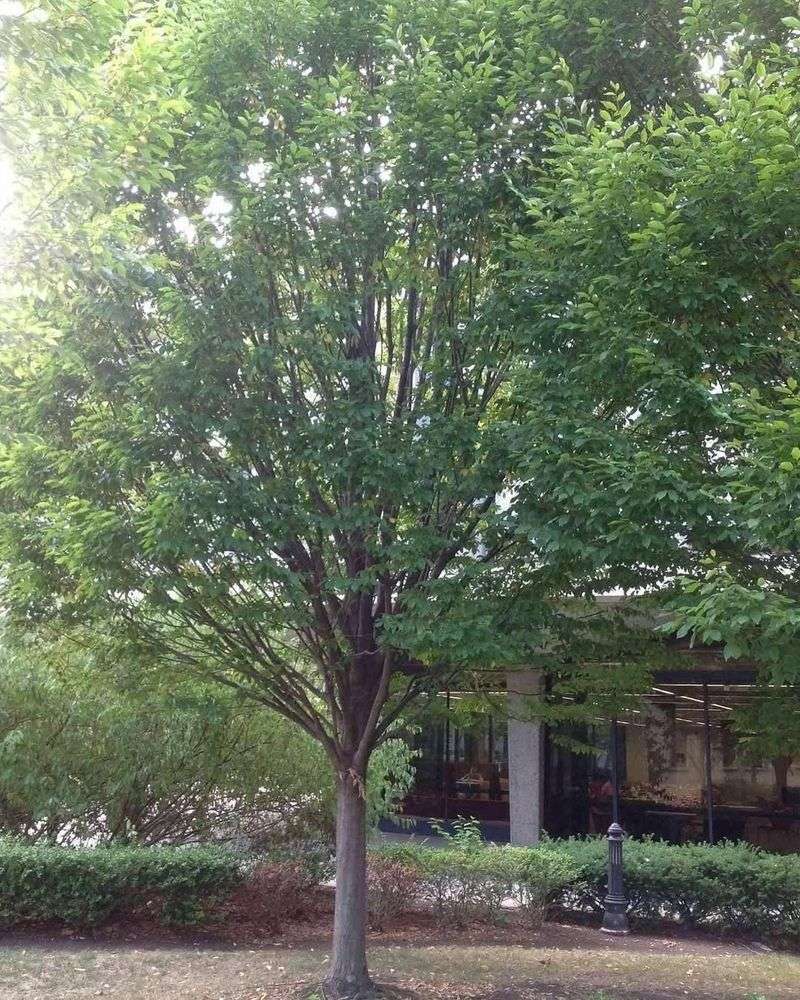
Shady spots in Georgia yards can be tough to plant. A lot of flowering trees want sun, and the ones that tolerate shade often look unremarkable.
American Hornbeam — Carpinus caroliniana — is the exception worth knowing about. It’s a native understory tree that genuinely thrives beneath taller trees, in spots where most ornamentals would struggle to survive.
The bark alone makes it worth planting. Smooth, blue-gray, and distinctly muscular-looking, the trunk and main branches have a rippled, sinewy quality that looks almost sculptural in winter.
That’s why it earned the nickname musclewood. Even without leaves, the tree has real visual character that holds up year-round.
Size stays manageable — usually 20 to 30 feet tall with a similarly wide canopy. Leaves are finely toothed and turn yellow-orange in fall, which is a pleasant surprise for a shade tree.
Small nutlets attached to leafy bracts develop in summer and fall, providing food for birds, squirrels, and other small wildlife moving through your Georgia yard.
Moist, well-drained soil is ideal, and it handles periodic flooding better than most trees its size. Stream edges, rain garden borders, and low spots in the yard that stay damp after heavy rain are all fair game for American Hornbeam.
Crape myrtle would struggle in those same spots.
Hornbeam steps in and fills that gap with character, wildlife value, and a quiet kind of beauty that rewards people who actually pay attention to their landscape rather than just glancing at it from the driveway.
7. Black Gum Brings Brilliant Fall Color And Wildlife Value
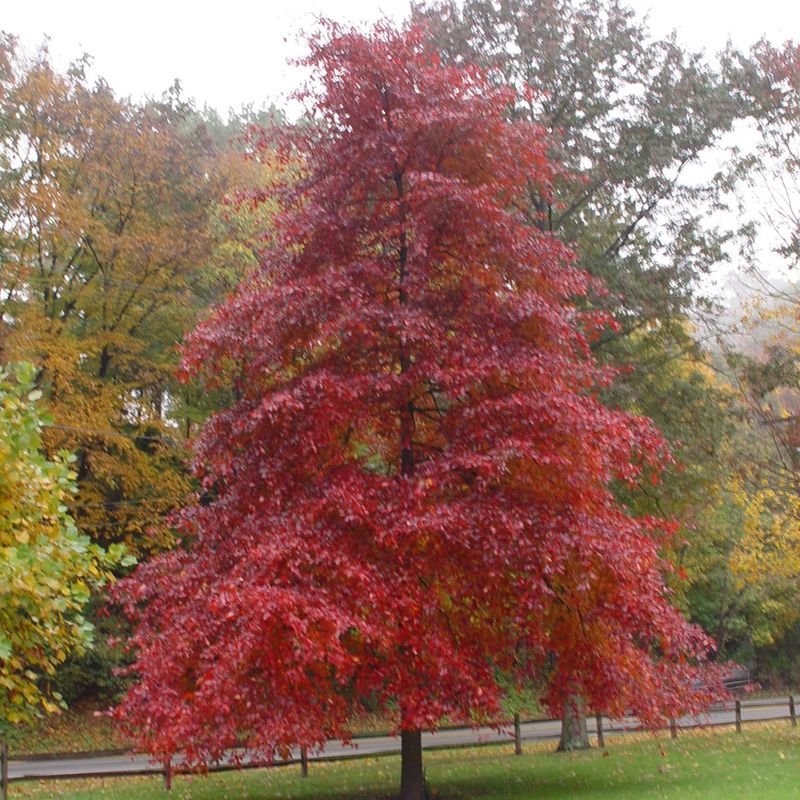
If fall color is what you’re after, Black Gum is the tree to plant. Nyssa sylvatica turns earlier and more intensely than almost anything else growing in Georgia.
Leaves shift from glossy green to scarlet, orange, and burgundy — sometimes beginning as early as late August in the mountains, a little later in the piedmont and coastal plain. It’s consistently one of the most reliable fall performers in the entire state.
Beyond the color show, Black Gum is a wildlife powerhouse. Small, dark blue fruits ripen in early fall and get eaten by over 30 species of birds, including wood thrushes, woodpeckers, and wild turkeys.
For Georgia homeowners who want to attract birds without putting out feeders, this tree essentially does the work for you.
Black Gum grows at a moderate pace and eventually reaches 30 to 50 feet with a narrow to rounded crown. It adapts to a wide range of soil conditions — from dry upland sites to wet bottomlands — which makes it one of the more flexible native trees you can choose for a Georgia property.
Acidic soil suits it best, which aligns well with what most of Georgia naturally offers.
Young trees can be a little slow to establish, but patience pays off. Older specimens develop deeply furrowed, blocky bark that adds strong textural interest to the winter landscape long after the leaves have dropped.
No crape myrtle can match this combination of fall color, wildlife food, and genuine adaptability to real Georgia growing conditions.
8. Sweetbay Magnolia Brings Fragrant Blooms And Handles Moist Georgia Soils Well
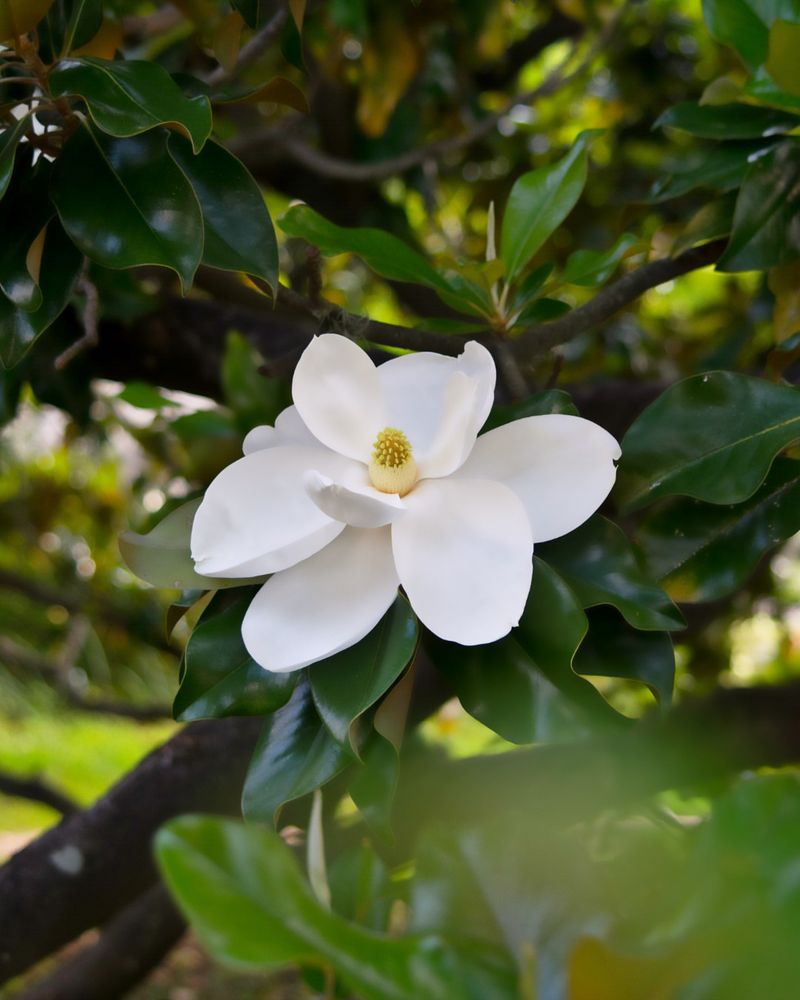
Sweetbay Magnolia is one of those trees that rewards you in ways you don’t always expect. Magnolia virginiana blooms from late spring into summer, producing creamy white, lemon-scented flowers that open a few at a time over several weeks rather than all at once.
You get a long, drawn-out bloom period instead of one short burst, which means fragrance in the garden for much longer than most flowering trees provide.
Unlike the big Southern Magnolia, Sweetbay stays smaller and more manageable — typically 10 to 20 feet in Georgia, sometimes taller in ideal conditions along the coast.
Leaves are semi-evergreen in the warmer parts of the state, holding on through mild winters and dropping in colder years.
The underside of each leaf is silvery-white, which catches the breeze and flashes a two-tone effect that looks great in summer.
Wet soil is where this tree really shines. Rain gardens, low spots near downspouts, areas that stay soggy after storms — Sweetbay handles all of it.
Very few ornamental trees tolerate wet feet the way this one does, which makes it genuinely useful in Georgia yards where drainage is a real challenge.
After flowering, cone-like seed clusters develop and open to reveal small red seeds that birds pick at through fall and into winter. It’s one more reason to choose this native over something that just sits there looking decorative without giving anything back.
For Georgia gardeners dealing with wet areas and wanting fragrance, Sweetbay Magnolia is a genuinely practical and beautiful solution.