9 Native Grasses That Thrive In Ohio’s Tough Clay Soil
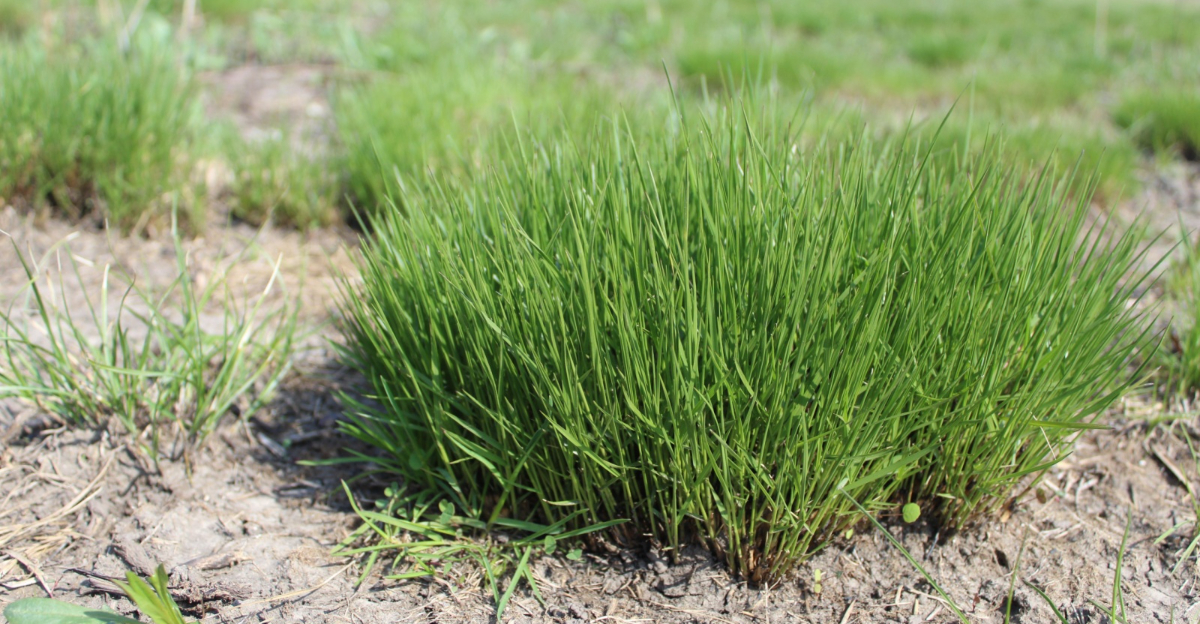
Ohio soil has a reputation, and not the friendly kind. Step into a typical yard after rain and you will feel it right away.
Heavy, sticky clay that clings to your boots and seems to fight every root you try to plant. Many gardeners pour time and money into plants that promise easy beauty, only to watch them stall, struggle, or fade out completely.
There is a smarter way to work with Ohio’s clay instead of battling it. Native grasses have spent centuries adapting to dense, compacted soil, deep freeze winters, and humid summers.
Their roots push through tough ground, improve structure over time, and create movement and texture that feels alive in every season. Once established, they ask for far less attention than most traditional landscape picks.
The right choices can turn stubborn soil into one of the most reliable parts of your garden.
1. Switchgrass Adds Height And Structure To Clay Soil Beds
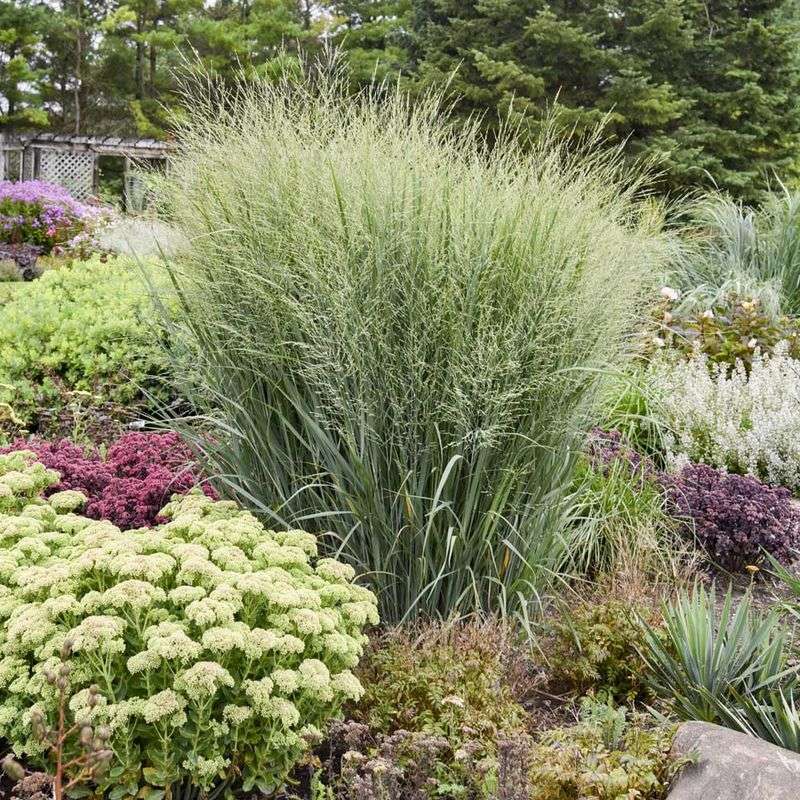
Few native grasses can match the sheer versatility of Switchgrass when it comes to Ohio’s notoriously heavy clay soils. Botanically known as Panicum virgatum, this warm-season perennial grows anywhere from 3 to 6 feet tall, producing upright clumps of blue-green foliage that shift to golden-red tones in autumn.
That seasonal color change alone makes it a standout in any Ohio landscape.
What really sets Switchgrass apart is its root system. Those roots can reach 6 feet or deeper into the ground, breaking up compacted clay layers and improving drainage over time.
It handles waterlogged Ohio spring conditions without skipping a beat, then powers through summer dry spells with ease. This adaptability makes it a go-to choice for Ohio prairie restoration projects and rain garden borders alike.
Plant Switchgrass in full sun for the best performance, spacing clumps about 3 feet apart. It works beautifully as a natural screen, an erosion-control planting on slopes, or a backdrop in mixed native borders.
Ohio State University Extension recognizes it as one of the most reliably adaptable warm-season grasses for the region. Cut it back to about 4 inches in late winter before new growth begins each spring.
2. Little Bluestem Brings Soft Color And Fiery Fall Interest
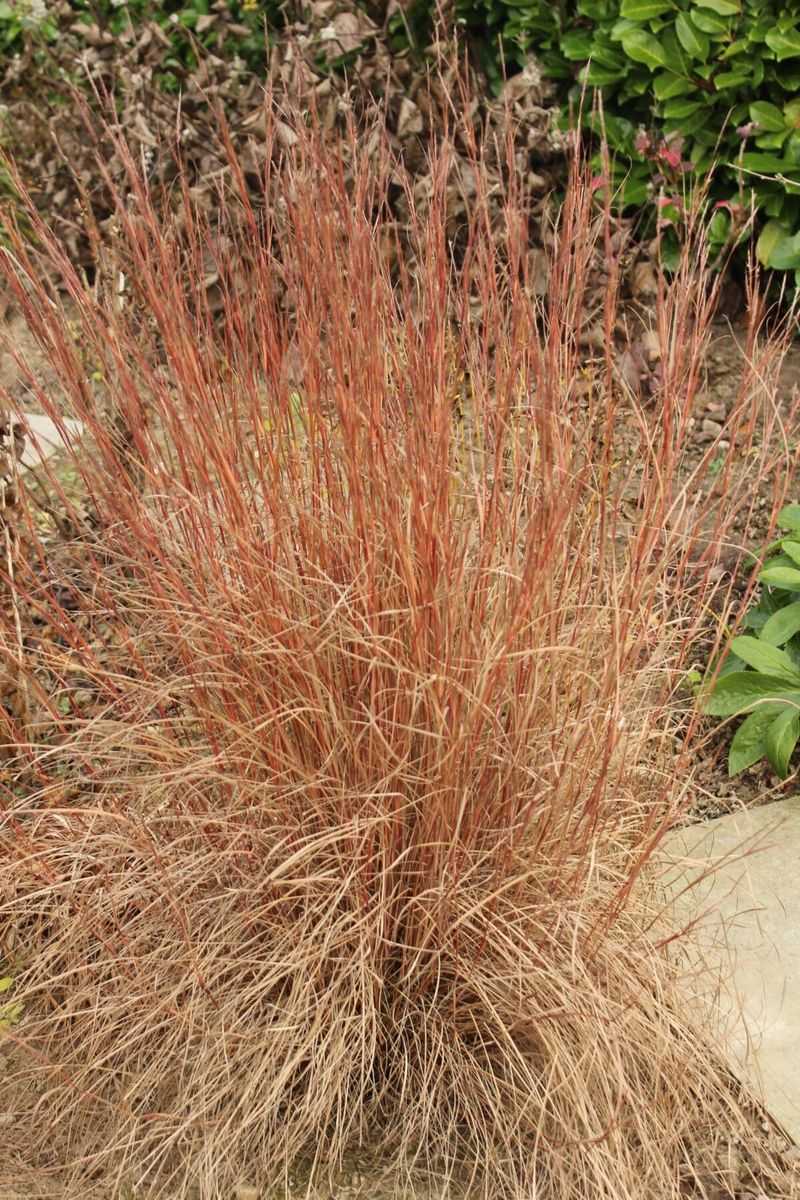
Walk past a patch of Little Bluestem in October and you might stop in your tracks. The reddish-bronze color this grass turns in fall is genuinely striking, especially when the morning light catches its fluffy white seed heads.
Known scientifically as Schizachyrium scoparium, it grows 2 to 4 feet tall and forms tight, upright clumps that look tidy without any fuss.
Little Bluestem is a warm-season perennial that does best in well-drained or lightly amended clay soils rather than persistently wet sites. If your Ohio yard has clay that drains reasonably well after heavy rain, this grass will reward you generously.
Its deep root system anchors it firmly in place, making it a solid choice for erosion-prone slopes or dry hillsides where other plants struggle.
Full sun is non-negotiable for Little Bluestem. It thrives with at least 6 hours of direct sunlight daily and actually performs better in lean soils than in rich, amended beds.
Spacing plants about 18 to 24 inches apart allows each clump to develop its natural form. Ohio gardeners will also appreciate that it supports native bees and provides winter seed for birds, extending its value well beyond the growing season.
3. Big Bluestem Creates Tall Native Screens In Heavy Soil
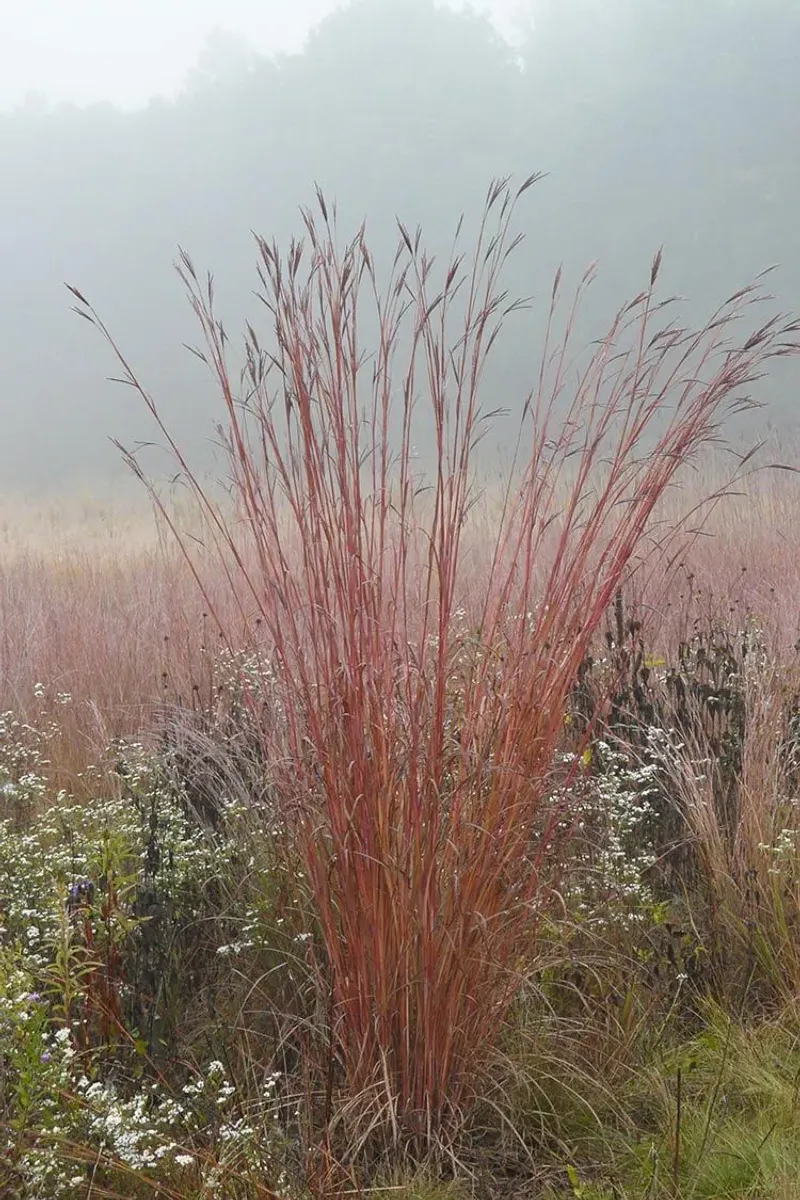
Once the dominant grass of North America’s tallgrass prairies, Big Bluestem still commands attention wherever it grows. Andropogon gerardii reaches an impressive 6 to 8 feet tall, making it one of the tallest native grasses suited to Ohio’s clay-heavy soils.
Those striking seed heads, which fan out into three prongs resembling a turkey’s foot, are one of the most recognizable features in any Ohio native planting.
Big Bluestem is built for dense soils. Its roots can extend 10 feet or more into the ground, a trait that developed over thousands of years on the American prairie.
That root depth means it tolerates clay compression, seasonal flooding, and summer drought cycles that are all too familiar across Ohio. It prefers fertile soils with adequate moisture but adjusts well to challenging conditions once established.
Use Big Bluestem as a living privacy screen along property lines, a windbreak, or a dramatic focal point in a large native garden. Space plants 3 to 4 feet apart in full sun.
Ohio gardeners should be aware that it spreads slowly by rhizomes, so give it room to fill in naturally over two to three seasons. Leaving the stalks standing through winter provides excellent cover and food for songbirds.
4. Indian Grass Delivers Golden Plumes In Tough Clay Ground
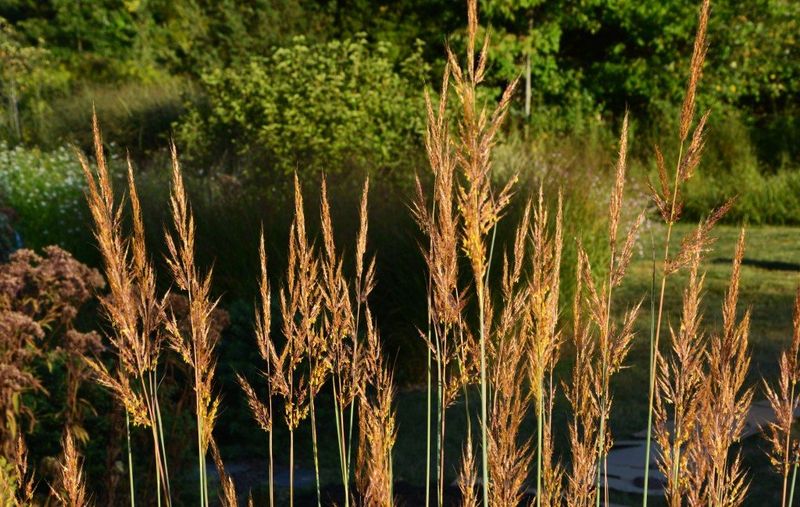
Late summer in Ohio takes on a warmer glow wherever Indian Grass is growing. Sorghastrum nutans produces shimmering golden-bronze plumes that emerge in August and September, creating a soft, feathery display that lasts well into winter.
Growing 3 to 6.5 feet tall, it brings genuine prairie character to Ohio yards without demanding a lot of attention.
Indian Grass is a warm-season perennial that performs reliably in full sun and heavy soils with decent drainage. It tolerates Ohio’s clay conditions well, particularly in sites that dry out somewhat between rain events.
While it does appreciate moisture during establishment, mature plants handle dry stretches without complaint. Its deep fibrous roots help loosen compacted clay over multiple growing seasons, gradually improving the soil beneath.
Pair Indian Grass with Big Bluestem or Switchgrass for a layered, naturalistic prairie planting that mirrors Ohio’s original landscape. Space plants about 2 to 3 feet apart and avoid over-fertilizing, since rich soil encourages floppy growth rather than the sturdy upright form this grass is known for.
It also supports native bees and provides winter seeds for sparrows and finches. Ohio State University Extension notes Indian Grass as a key component of regional prairie restoration plantings throughout the state.
5. Prairie Dropseed Forms Neat Clumps In Challenging Soil
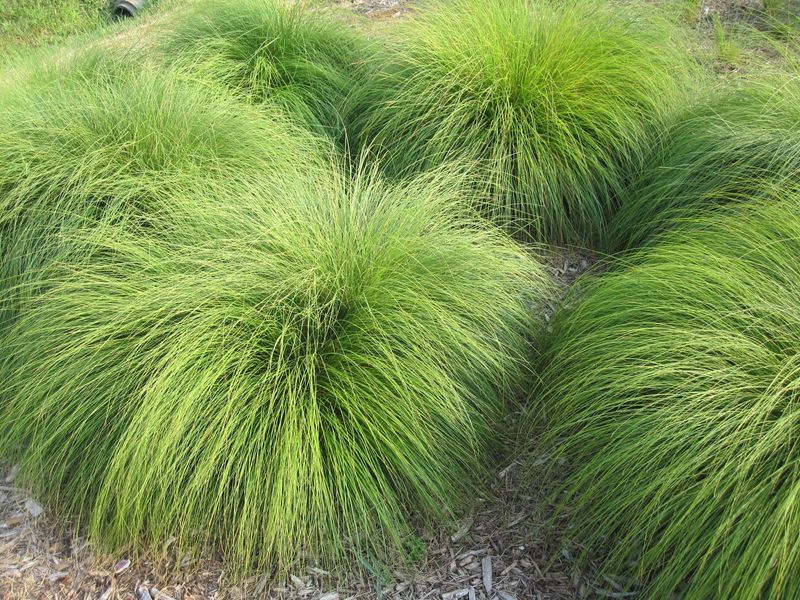
Not every native grass needs to be tall and dramatic to earn a place in your Ohio yard. Prairie Dropseed, or Sporobolus heterolepis, is proof that fine texture and tidy form can be just as compelling.
This warm-season perennial grows 18 to 24 inches tall with narrow, arching leaves that create a soft, fountain-like shape. In late summer, it sends up delicate seed heads with a subtle fragrance that some gardeners describe as buttery or coriander-like.
Prairie Dropseed does best in clay soils that have been lightly loosened or amended rather than in the most compacted, poorly drained sites. It is slower to establish than some other native grasses, often taking two to three seasons to reach its full potential.
Patience pays off, though. Once settled in, it is remarkably long-lived and low-maintenance, making it a smart investment for Ohio gardeners who want lasting results.
Full sun is ideal, and spacing plants 18 to 24 inches apart allows each clump to develop its graceful arching habit. Prairie Dropseed works well as an edging plant along pathways, in rock gardens, or as a ground-level filler between taller native grasses.
Its seeds attract ground-feeding birds throughout fall and winter, adding another layer of wildlife value to your Ohio landscape.
6. Canada Wild Rye Establishes Fast In Dense Clay Sites
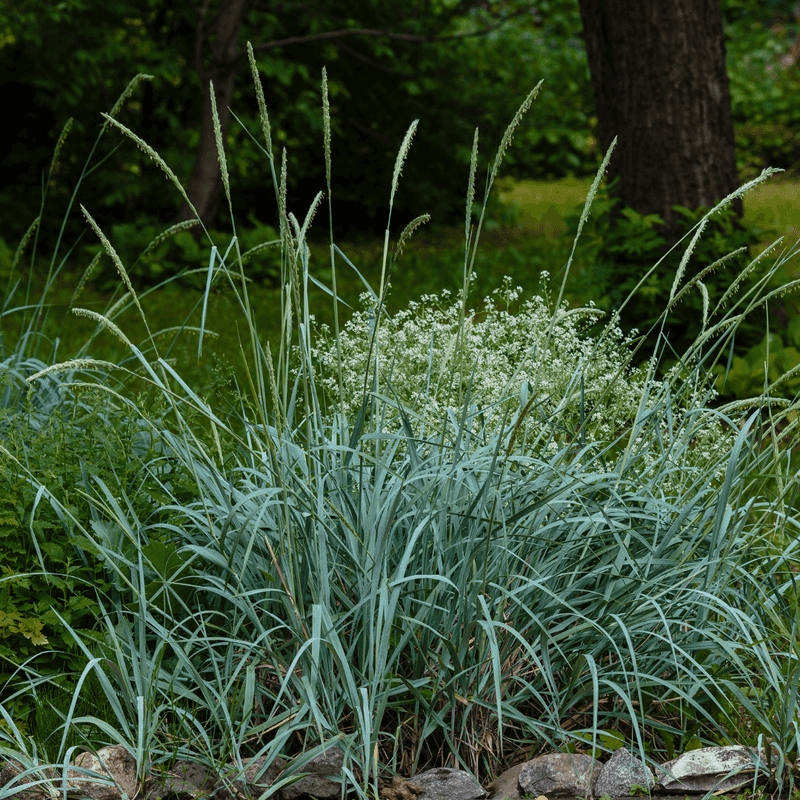
When you need a native grass that gets established quickly and starts holding soil right away, Canada Wild Rye is one of the most reliable options for Ohio gardeners. Elymus canadensis is a cool-season perennial that germinates and fills in faster than most native grasses, making it especially useful for disturbed sites, bare slopes, or areas where erosion is an immediate concern.
It grows 2.5 to 5 feet tall with broad, arching blue-green leaves and nodding seed heads that give it a loose, graceful look. Canada Wild Rye tolerates a surprisingly wide range of soil conditions, including dense clay, compacted roadside soils, and areas with variable moisture.
That adaptability is what makes it so valuable in early succession plantings, where you need something to stabilize the ground while slower-growing species get established.
One practical tip for Ohio gardeners: Canada Wild Rye is a short-lived perennial that typically peaks in its second or third year before gradually thinning out. Plan to interplant it with longer-lived species like Switchgrass or Big Bluestem so the planting stays full over time.
It does well in full sun to partial shade, which gives it an edge in sites with variable light. Seed sowing in fall works particularly well in Ohio’s climate.
7. Side Oats Grama Adds Texture With Unique Seed Heads
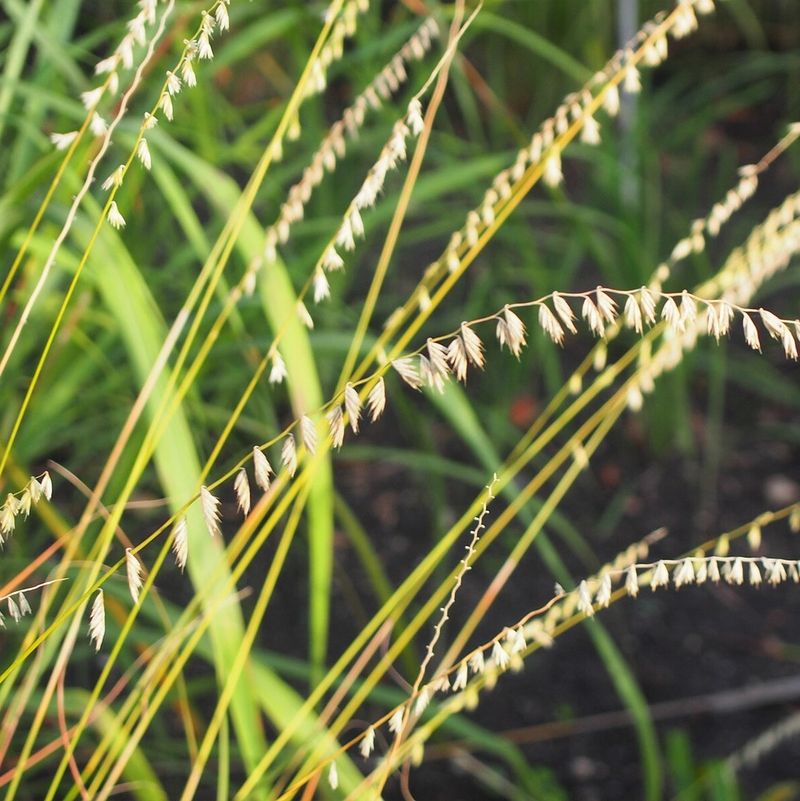
There is something genuinely charming about Side Oats Grama that sets it apart from most other native grasses. The seed heads, which dangle in a neat row along one side of each stem like tiny oats on a string, create a playful texture that catches the eye all summer long.
Bouteloua curtipendula grows 2 to 3 feet tall and has a fine-leaved, upright-to-arching form that works beautifully in both formal and naturalistic Ohio gardens.
This warm-season perennial handles moderately heavy clay soils well, particularly in sites that drain between rain events. It is notably drought-tolerant once established, which makes it a practical choice for sunny Ohio slopes or south-facing beds where moisture evaporates quickly.
It also performs well on limestone-influenced soils, which are common in parts of central and western Ohio.
Side Oats Grama is the state grass of Texas, but it is also native to Ohio and widely used in Midwest prairie restorations. Plant it in full sun with 12 to 18 inches of spacing for the best clumping effect.
It pairs well with Little Bluestem and Prairie Dropseed in mixed native borders. The seed heads attract small birds in fall, and the plant provides low-growing cover for ground-nesting insects throughout the warmer months.
8. Virginia Wild Rye Handles Shade And Heavier Soils Well
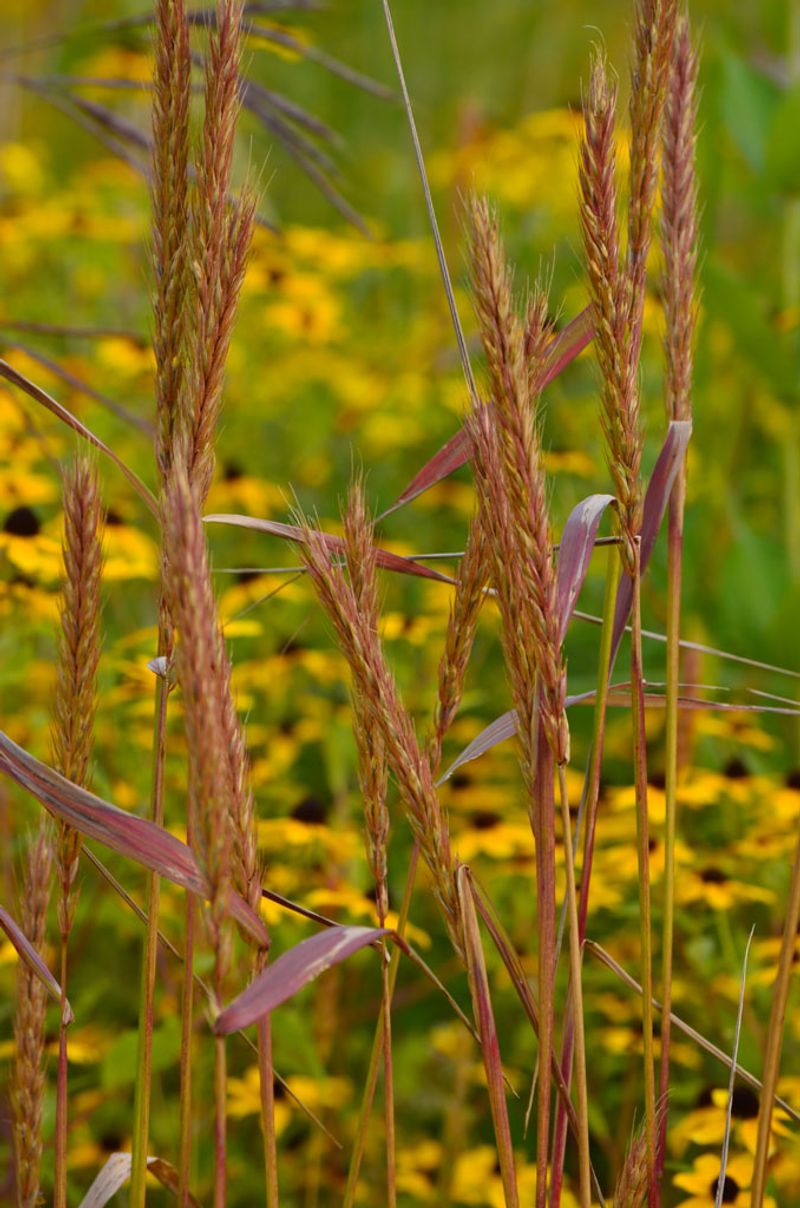
Most native grasses demand full sun, which can leave shady Ohio yards feeling left out of the native planting conversation. Virginia Wild Rye changes that.
Elymus virginicus is a cool-season perennial that genuinely thrives in partial to full shade, making it one of the few native grasses well-suited to woodland edges, north-facing slopes, and tree-lined backyards common throughout Ohio.
It grows 2 to 4 feet tall with upright, somewhat stiff stems and bristly seed heads that resemble wheat or rye. Virginia Wild Rye handles moist, heavy clay soils with notable tolerance, especially in sites that stay damp for extended periods after rain.
That combination of shade and moisture adaptability is rare in the native grass world and makes this species genuinely useful for problem spots that other plants avoid.
Ohio gardeners can use Virginia Wild Rye to stabilize shaded stream banks, fill in under large trees, or create a natural ground layer in a woodland garden design. Space plants about 18 to 24 inches apart and expect them to self-seed modestly over time, gradually thickening the planting.
Like Canada Wild Rye, it is shorter-lived but fills gaps quickly. Its seeds feed woodland birds, and its dense clumps offer shelter for ground-dwelling insects and small wildlife.
9. Bottlebrush Grass Thrives In Moist, Clay-Rich Areas
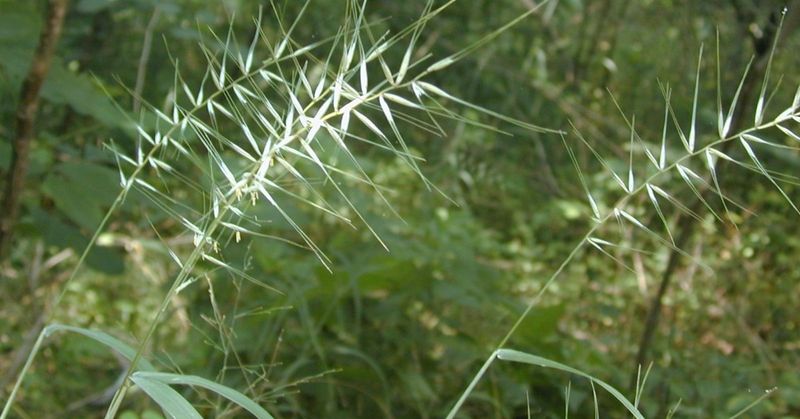
The seed heads on Bottlebrush Grass look like something a botanist dreamed up on purpose. Each stem produces a cylindrical spike with seeds arranged perpendicularly in all directions, creating a bristly, brush-like structure that is both unusual and genuinely beautiful when backlit by afternoon sun.
Elymus hystrix grows 3 to 5 feet tall and brings architectural interest to shaded Ohio landscapes that most ornamental grasses simply cannot reach.
This cool-season native thrives in moist, clay-rich soils and performs particularly well in woodland settings, shaded slopes, and areas near streams or rain gardens where moisture lingers. Ohio’s wooded suburban lots with dense clay subsoil are actually close to ideal conditions for Bottlebrush Grass.
It handles both partial and full shade, tolerates periodic flooding, and its deep roots help anchor soil in areas prone to erosion.
Birds, particularly finches and sparrows, actively seek out the seeds in fall and winter, making Bottlebrush Grass a strong wildlife habitat plant for Ohio yards. Space plants 18 to 24 inches apart under a canopy of native trees for the most natural effect.
It also works well in native shade gardens alongside ferns and woodland wildflowers. Allow self-seeding to occur naturally, and this grass will gradually spread to fill in bare shaded patches over time.