9 Native Ground Covers That Thrive In Arizona Landscapes
Arizona landscapes can feel harsh when large areas of soil sit uncovered under the desert sun. The ground heats quickly, dries fast, and often leaves a yard looking dusty or unfinished.
That’s where the right ground covers can completely change the picture. Native varieties stay low, spread naturally, and handle Arizona’s intense sun and dry conditions far better than many traditional landscape plants.
Once established, they fill empty areas with texture and subtle color while needing far less water and maintenance. A patch of bare ground can slowly turn into a living layer that softens the entire yard.
For anyone looking to make a landscape look fuller without adding demanding plants, these native ground covers offer a surprisingly simple way to make that transformation happen.
1. Trailing Dalea Forms A Soft Silver Carpet Across Dry Desert Soil
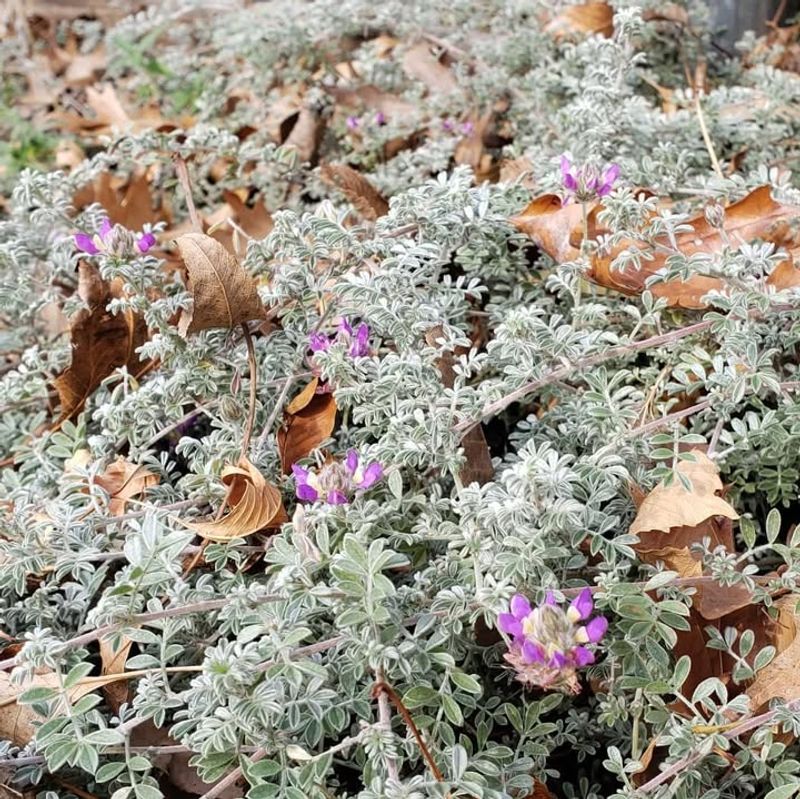
Silver-leafed and quietly tough, Trailing Dalea is one of those plants that earns its place in an Arizona yard without asking for much in return. It spreads out low and wide, forming a soft gray-green mat that looks almost velvety from a distance.
In a landscape full of brown dirt and gravel, that silvery texture really stands out.
Dalea greggii grows naturally across southern Arizona and into the Chihuahuan desert, so it already knows how to handle the punishing summers here. It roots down into dry, rocky ground and keeps spreading even when rainfall is minimal.
Planting it on slopes is a smart move because its roots hold loose soil in place during monsoon downpours.
In late spring, small purple flowers appear along the trailing stems, drawing in native bees before the intense heat arrives. After blooming, the plant settles back into its steady, spreading routine.
Space plants about three feet apart and let them fill in naturally over one or two seasons. Avoid overwatering, because too much moisture in heavy soil can cause root problems faster than any drought ever would.
In Arizona landscapes, less water usually means a healthier Trailing Dalea.
2. Arizona Frogfruit Spreads Quickly And Welcomes Pollinators
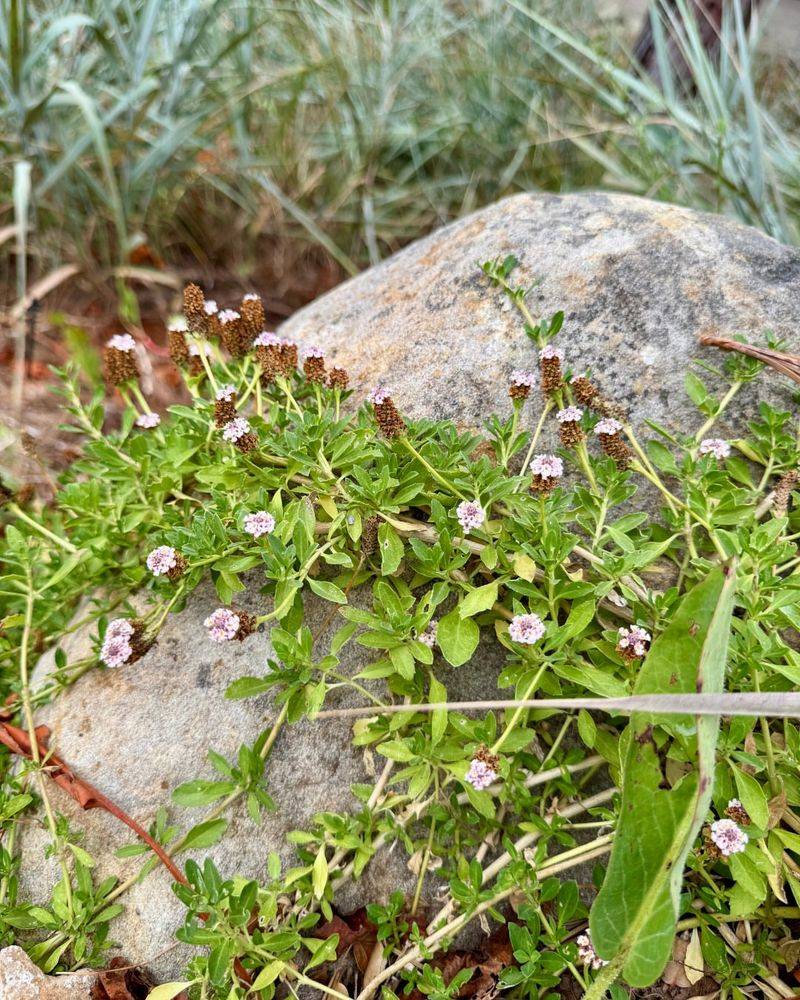
Walk through a moist wash in southern Arizona and you might step right over Frogfruit without noticing it. It stays flat against the ground, hugging the soil with small oval leaves and tiny white flowers that bloom nearly all season long.
What looks like a modest little plant is actually a pollinator magnet that butterflies and native bees absolutely rely on.
Phyla nodiflora handles foot traffic better than most native ground covers, which makes it genuinely useful near walkways or play areas. It spreads by runners, filling in bare patches fast once it gets going.
In the Phoenix and Tucson areas, it greens up in spring and keeps growing through summer if it gets occasional water during the hottest weeks.
Frogfruit works well mixed with gravel mulch, and it does not need rich soil to perform. Sandy or compacted ground suits it just fine.
Mow it occasionally if you want a tighter, lawn-like look, or let it grow freely for a wilder, more natural appearance. One thing worth knowing: it goes dormant in winter across most of Arizona, but it comes back reliably each spring.
Plant it once and it tends to take care of the rest on its own.
3. Goodding’s Verbena Covers Bare Ground With Color In Warm Seasons
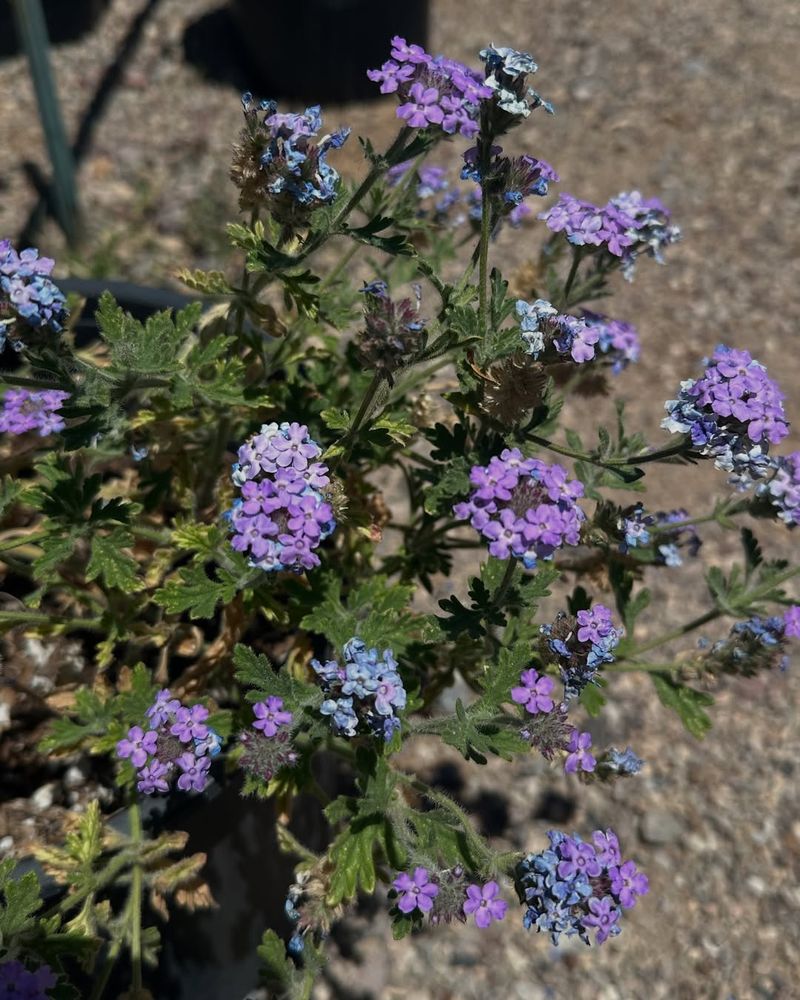
Few native plants put on a color show like Goodding’s Verbena does when spring shifts into early summer across Arizona. Clusters of bright pink to lavender flowers cover the sprawling stems, turning bare ground into something worth looking at.
It blooms heavily during warm weather, then slows down when the real desert heat sets in during July and August.
Glandularia gooddingii is native to rocky slopes and open desert terrain throughout Arizona and neighboring states. It handles sandy, fast-draining soils without complaint and actually prefers them over heavy clay.
Plant it in full sun and give it some water while it is getting established, then back off and let it find its own rhythm with the monsoon season.
This verbena spreads by reseeding, so one plant can gradually expand into a small colony over a couple of seasons. It works well along the edges of rock gardens or spilling over low walls where the trailing stems can hang naturally.
Butterflies visit the flowers constantly during bloom time, adding extra movement and life to the yard. In central and southern Arizona, it is one of the more reliable bloomers for adding seasonal color without fighting the climate every step of the way.
4. Desert Zinnia Brightens Dry Landscapes With Golden Blooms
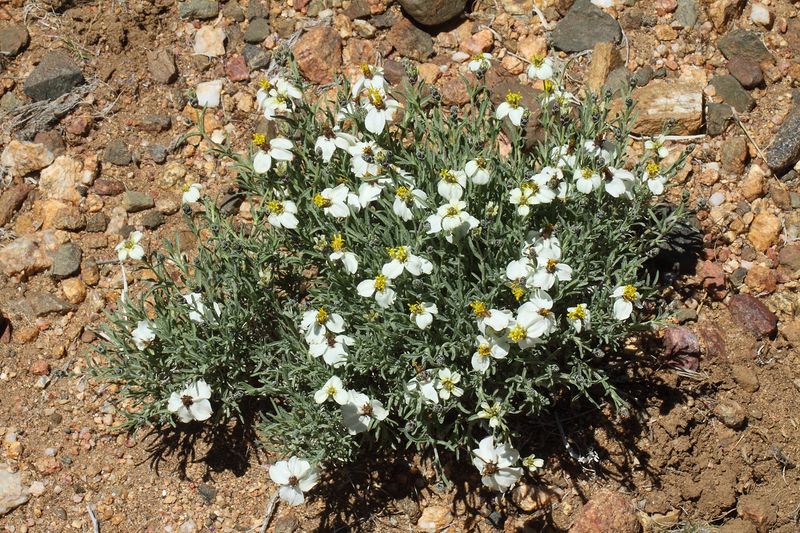
Desert Zinnia is one of those cheerful little plants that thrives exactly where many others struggle.
Native to the deserts of Arizona and northern Mexico, Zinnia acerosa grows naturally in rocky soil, gravel flats, and sunbaked slopes where water is scarce and temperatures climb well above what most plants tolerate.
Instead of growing tall like common garden zinnias, this species stays low and compact. It forms a loose mound of narrow gray-green leaves that sit close to the ground, making it useful for filling small gaps between rocks or softening the edges of gravel beds.
From spring through fall, bright golden-yellow flowers appear one after another on short stems. Each bloom looks simple, but when dozens open at once they create a warm splash of color across otherwise dry ground.
Desert Zinnia handles extreme sun without fading and rarely needs supplemental irrigation once established. In fact, too much water or overly rich soil often causes weaker growth.
Lean, well-draining soil suits it best.
Plant it along walkways, near patios, or among boulders where a small but steady burst of color makes the landscape feel more alive. Pollinators, especially native bees, visit the flowers frequently during the warmer months.
Because it stays compact and tidy, Desert Zinnia works especially well in smaller desert gardens where larger flowering plants would quickly take over.
In Arizona landscapes that rely on drought-adapted plants, it provides reliable color without asking for much in return.
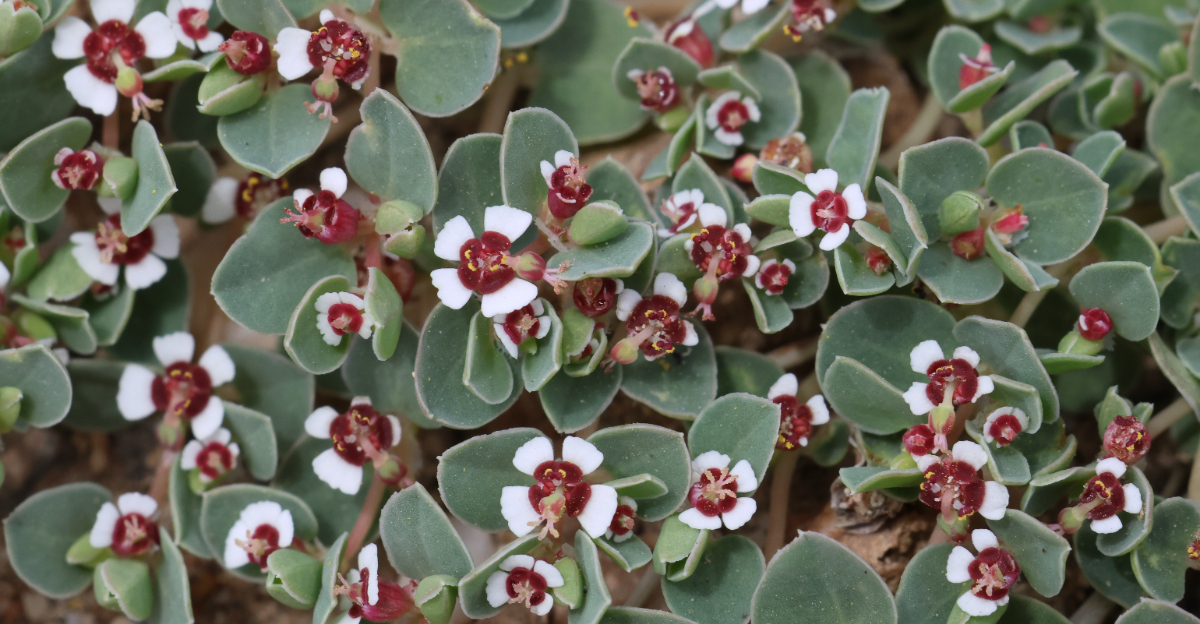
5. Whitemargin Sandmat Forms A Low Native Carpet Across Open Soil
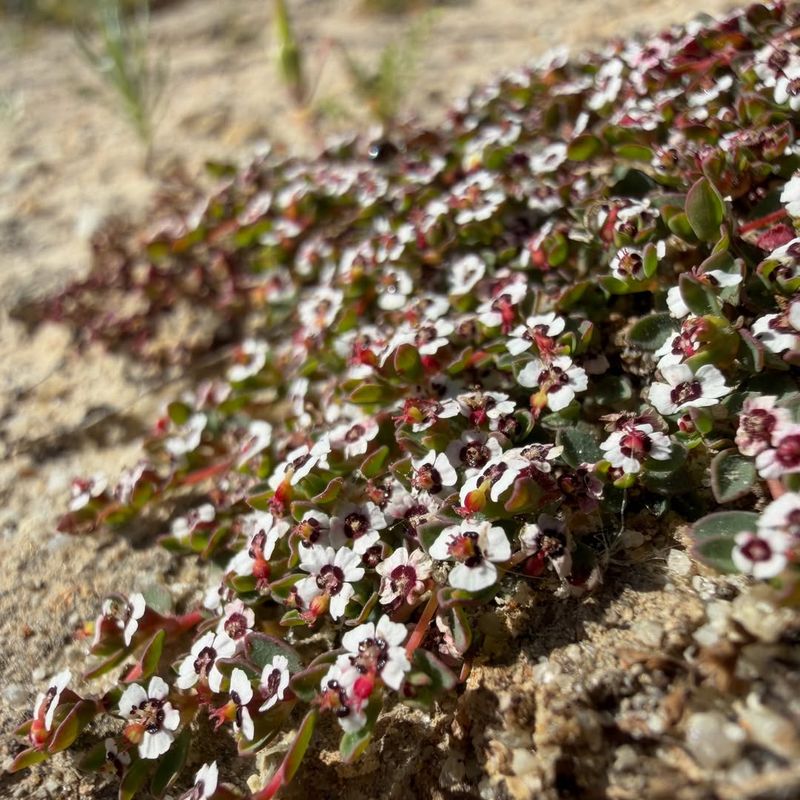
Whitemargin Sandmat might not look impressive at first glance, but in the right setting it becomes one of the most practical ground covers in the desert.
Euphorbia albomarginata spreads low and wide across open soil, forming a thin but effective living carpet that protects the ground from erosion and harsh sun.
Its small oval leaves grow along reddish trailing stems that hug the soil closely. When viewed up close, each leaf shows a thin pale edge, which is where the plant gets its name.
Tiny white flower clusters appear along the stems during the warm season. While they are subtle, they attract small native pollinators that rely on low desert plants for nectar.
This species naturally grows across Arizona deserts, often appearing along roadsides, sandy flats, and disturbed soils where many other plants fail to establish. Because of that, it adapts easily to tough landscape conditions.
Whitemargin Sandmat tolerates heat, dry soil, and reflected sunlight from gravel or stone surfaces. It spreads slowly by creeping stems that root as they move across the ground.
In home landscapes, it works well between stepping stones, along the edges of paths, or filling in bare patches where irrigation is limited. Once established, it usually survives on natural rainfall with little intervention.
It also reseeds lightly, allowing small new plants to appear nearby without becoming invasive or aggressive.
For Arizona gardeners looking for a native plant that quietly fills open ground without constant care, Whitemargin Sandmat proves surprisingly useful.
6. Creeping Muhly Adds Fine Texture While Covering Open Ground
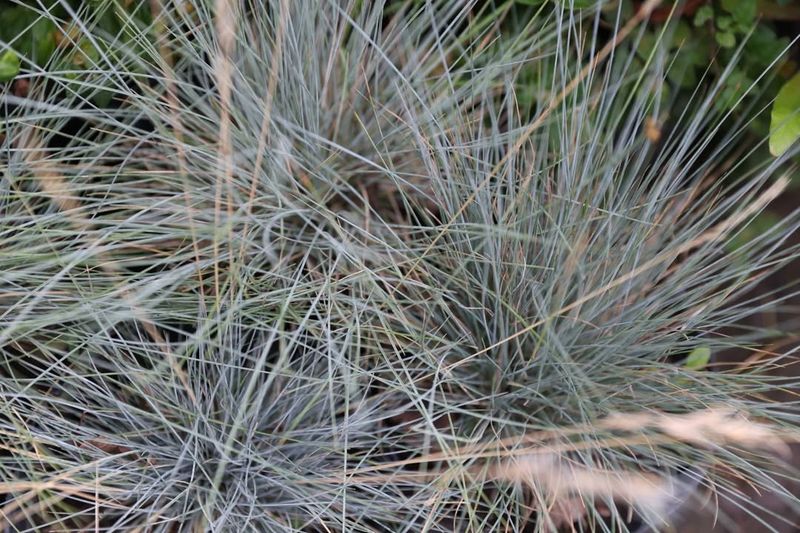
Not every ground cover needs flowers to earn its place in an Arizona yard. Creeping Muhly, or Muhlenbergia repens, brings a fine, grass-like texture that softens hard desert edges in a way that flowering plants simply cannot.
It forms a low, dense mat of thin green blades that ripple slightly in the breeze and turn a warm reddish tone in late fall.
Native to dry grasslands and rocky slopes across southern Arizona and into Mexico, it handles full sun and minimal water without any fuss. It roots into sandy or gravelly soils and spreads steadily by creeping stems that touch the ground and root as they go.
In Tucson-area landscapes, it is often used along slopes and berms where erosion is a real concern during the monsoon season.
Mowing or shearing it back once a year in late winter keeps the mat thick and prevents it from getting too woody or open in the center. It does not need fertilizer, and honestly, feeding it too much nitrogen just encourages floppy growth that looks messy.
Pair it with flowering natives like Verbena or Penstemon for contrast, or use it solo as a clean, understated carpet across a dry, sun-exposed section of your yard. It is genuinely one of the more underrated options in Arizona horticulture.
7. Desert Sand Verbena Brings Seasonal Color To Sandy Landscapes
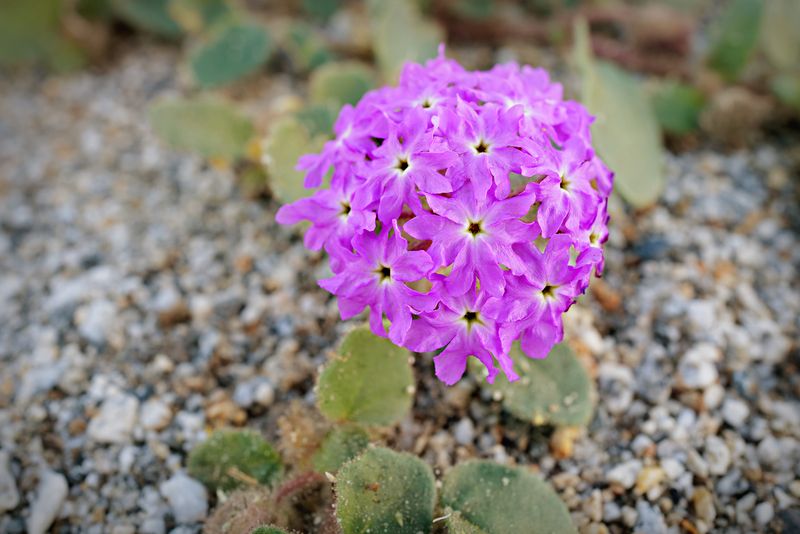
Fragrant and fast, Desert Sand Verbena is one of those plants that surprises people who are used to thinking of Arizona as endlessly brown. Abronia villosa pushes out clusters of bright pink to lavender flowers that carry a sweet scent, especially in the evening.
It grows naturally in sandy washes and open desert flats, which makes it a natural fit for similar spots in home landscapes.
It is an annual in most of Arizona, sprouting after fall or winter rains and blooming heavily through spring before the heat sets in. Scatter seeds in a sandy area in late fall and let winter moisture do the germination work.
Once it sprouts, it grows quickly and covers ground with a colorful tangle of stems and blooms that pollinators find irresistible.
Sandy, fast-draining soil is essential because compacted or clay-heavy ground prevents germination and stunts growth significantly.
In the low desert around Yuma, Wickenburg, and western Arizona where sandy soils are common, this plant naturalizes easily and returns year after year from self-seeding.
Mixing it with other spring annuals like Arizona Poppy creates a seasonal wildflower display that costs almost nothing to maintain. Rake the area lightly after seeds drop in late spring and let nature handle the rest of the planting process.
8. Longleaf Phlox Spreads Low With Delicate Spring Flowers
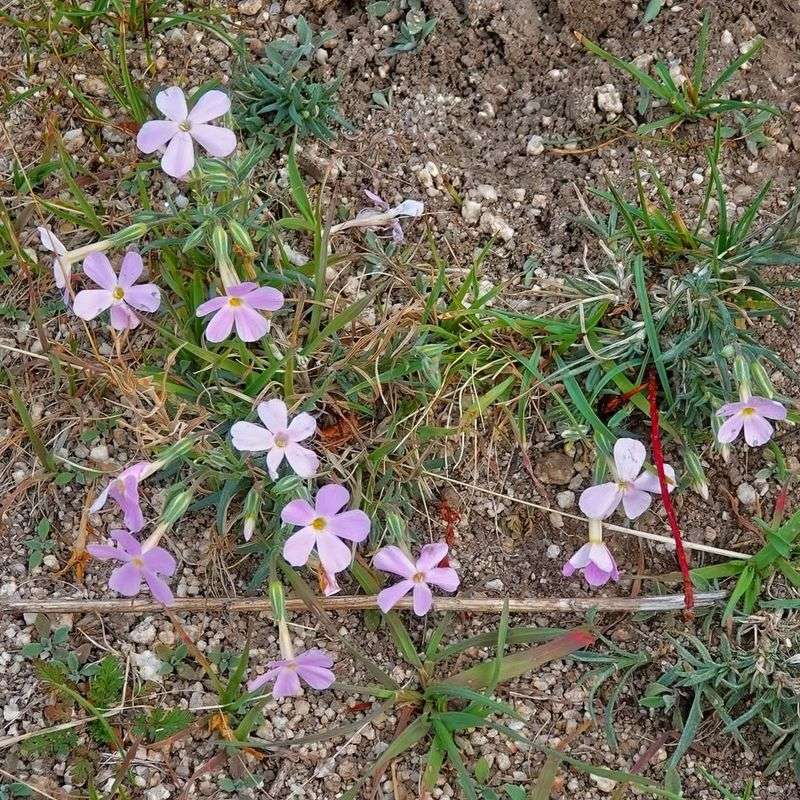
Rocky hillsides across central and northern Arizona come alive in early spring when Longleaf Phlox starts blooming. Phlox longifolia stays low, forming loose mats of narrow leaves topped with small five-petaled flowers in white, pink, or pale lavender.
It is a subtle plant, not flashy, but the kind of thing that makes a rocky slope look genuinely alive rather than just covered.
It grows naturally in dry, rocky soils from the high desert up through piñon-juniper elevations, so it handles cold winters and dry summers better than most low-growing flowering plants.
In the Prescott, Sedona, and Flagstaff areas of Arizona, it is one of the more reliable native options for covering rocky ground without needing regular irrigation after the first season.
Spring blooms attract early native bees and small butterflies that are active before most other flowering plants have opened up. After blooming, the foliage stays green and mat-forming through summer if the soil drains freely.
Plant it in full sun to part shade on slopes or in rock gardens where drainage is sharp. Avoid amending the soil too much because Longleaf Phlox actually performs better in lean, gritty ground than in rich, improved beds.
Let it spread at its own pace and it will reward you with more blooms each year.
9. Trailing Four O’Clock Spreads Naturally Across Sunny Ground
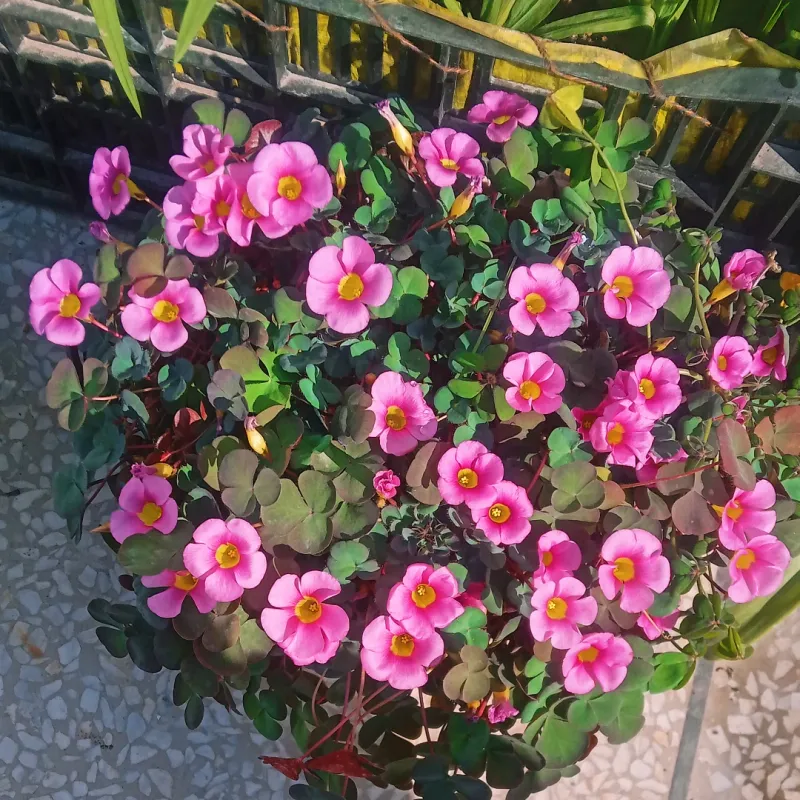
Trailing Four O’Clock is one of the more interesting native ground covers found across Arizona deserts. Mirabilis laevis grows low and spreading, forming a loose mat of green foliage that slowly expands across sunny ground.
Unlike the tall garden varieties of Four O’Clock, this native species stays close to the soil and spreads outward instead of upward. Thick stems creep across the ground while rounded leaves create a soft layer of greenery between rocks and gravel.
The flowers appear in warm weather, usually opening later in the afternoon or early evening. Each bloom is a bright pink to magenta funnel shape that stands out clearly against the green foliage.
As evening approaches, the flowers release a faint fragrance that attracts moths and nighttime pollinators. During the day, the plant quietly covers the soil and helps reduce heat buildup around nearby plants.
Trailing Four O’Clock grows naturally across desert slopes, rocky washes, and open desert flats throughout Arizona.
Because of this, it tolerates intense sunlight, dry soil, and irregular rainfall better than many ornamental ground covers.
Once established, it spreads steadily without becoming invasive. The plant also develops a strong root system that helps anchor soil during heavy monsoon storms.
In Arizona landscapes, it works well along the edges of pathways, across small slopes, or tucked between boulders where a natural spreading plant feels appropriate.
With very little irrigation required after establishment, it becomes an easy addition to desert-adapted yards that rely on hardy native plants to fill open ground.