8 Native Groundcovers That Establish Fast When Planted During February In Georgia
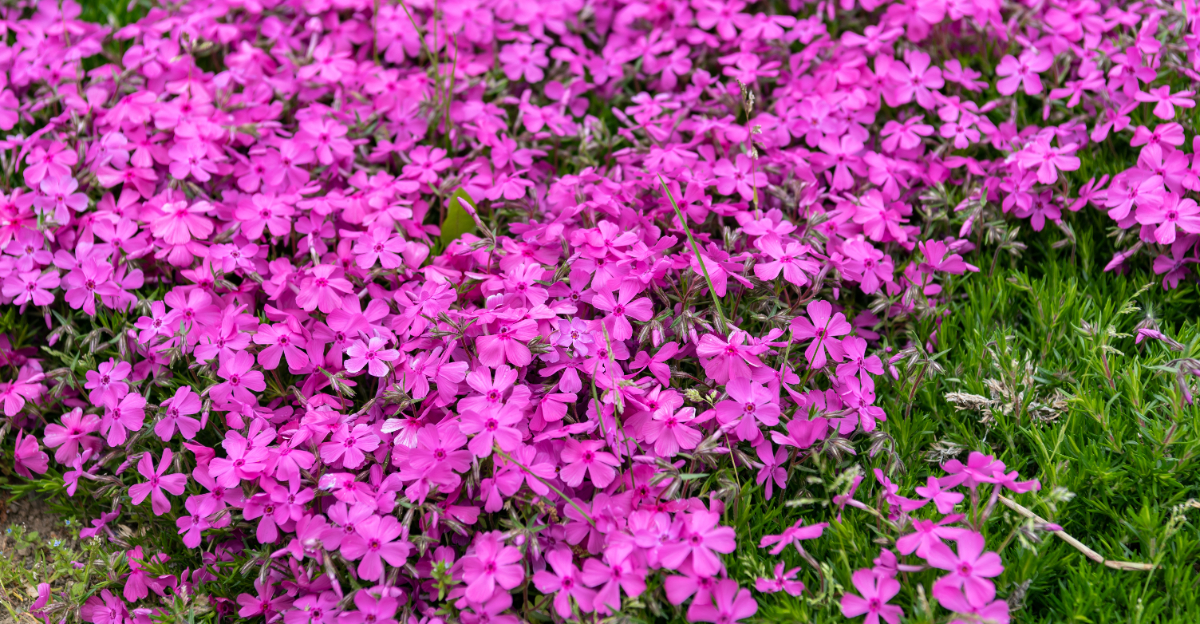
Native groundcovers in Georgia can transform bare soil into lush, low-maintenance green spaces, and planting at the right time gives them the best chance to establish quickly.
These plants are built to handle local soil, humidity, and seasonal changes, which means they grow faster and stay healthier than non-native options.
Fast-establishing groundcovers fill in gaps, reduce erosion, and create a more polished look in your garden with minimal effort.
Choosing the right species ensures strong roots, vibrant foliage, and long-lasting coverage without constant upkeep. Once planted correctly, these groundcovers thrive and spread naturally, giving your landscape a fuller, more resilient appearance.
These eight native options are perfect for Georgia gardens, helping soil stay protected while providing quick, reliable growth that enhances every yard.
1. Creeping Phlox Creates A Quick Spring Carpet Of Color
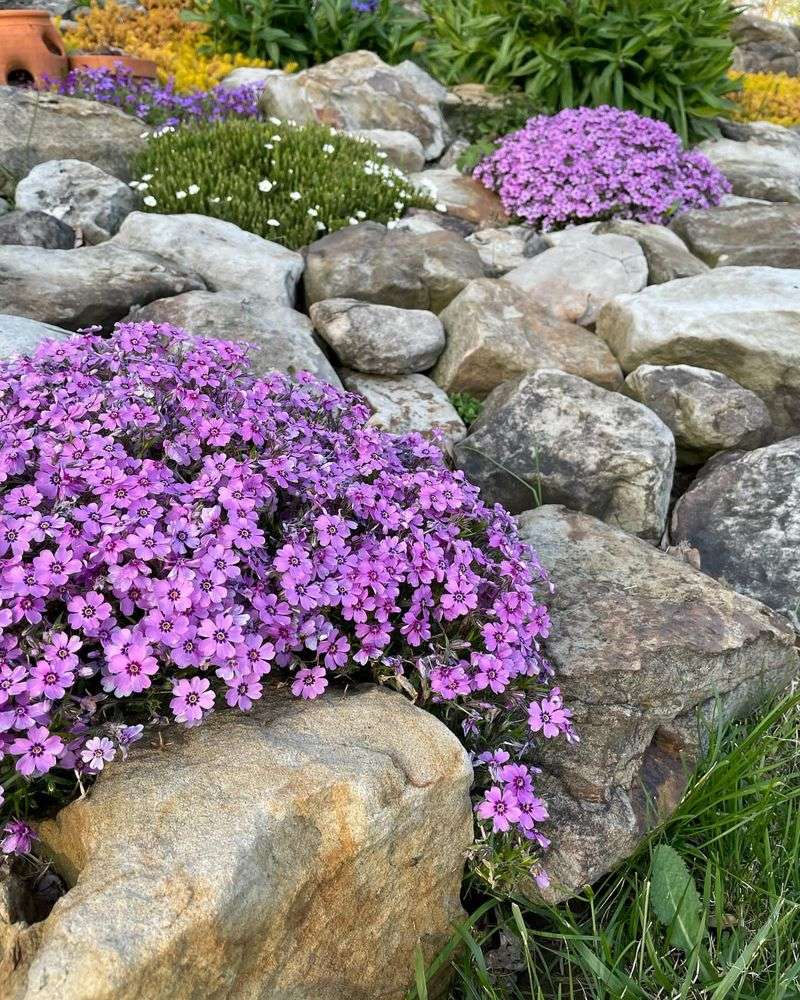
Bright blooms appear just weeks after planting when you get creeping phlox into Georgia soil during February. This low-growing native spreads horizontally with remarkable speed, sending out stems that root wherever they touch ground.
Pink, purple, white, or blue flowers blanket the foliage so completely in April and May that you can barely see the needle-like leaves underneath.
Sunny spots with decent drainage suit this groundcover best. Rocky areas, slopes, and raised beds all work wonderfully since creeping phlox tolerates dry conditions once its roots grab hold.
The plant reaches only four to six inches tall but can spread two feet wide in a single growing season when conditions favor it.
February planting means roots develop during cool, moist weeks before Georgia’s heat arrives. Water regularly for the first month, then back off as spring rains take over.
The plant needs almost no attention after establishment—just occasional trimming after flowering if it spreads beyond where you want it.
Deer usually leave creeping phlox alone, making it valuable for rural Georgia properties. Pair it with spring bulbs for extra color impact, or let it cascade over retaining walls where its flowers create stunning vertical displays.
This native handles Georgia’s summer humidity better than many groundcovers and bounces back reliably each spring with minimal fuss.
2. Green And Gold Spreads Fast In Part Shade
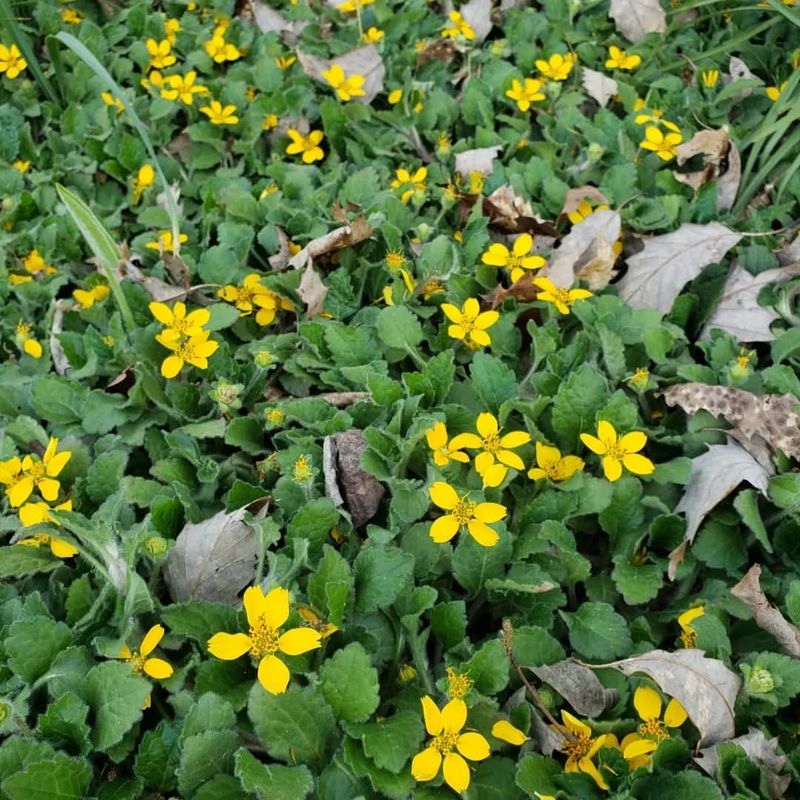
Woodland edges across Georgia host this cheerful native naturally, which tells you everything about where it thrives in home landscapes.
Green and gold produces bright yellow flowers starting in early spring, often continuing sporadically through summer if moisture stays adequate.
Heart-shaped leaves form dense mats that exclude weeds effectively once the plant fills in.
Part shade conditions make this groundcover happiest—think under deciduous trees or on the north side of buildings. Full sun stresses it during Georgia summers, while deep shade reduces flowering.
The plant spreads through stolons that root quickly, especially when February planting gives them cool soil to work with before heat arrives.
Growth rate impresses most gardeners who try green and gold. A single plant can cover a square foot by season’s end, and established patches spread reliably each year.
The foliage stays semi-evergreen in milder Georgia winters, providing year-round ground coverage in southern parts of the state.
Moisture matters more than soil type for this adaptable native. Clay, loam, or sandy soils all work fine as long as the ground doesn’t stay bone-dry for weeks.
Add a layer of leaf mulch at planting time to help retain moisture and mimic the forest floor conditions this plant evolved with.
Green and gold combines beautifully with ferns, wild ginger, and other shade-loving natives for a naturalistic Georgia landscape that practically maintains itself.
3. Golden Ragwort Spreads Fast In Moist Georgia Soil
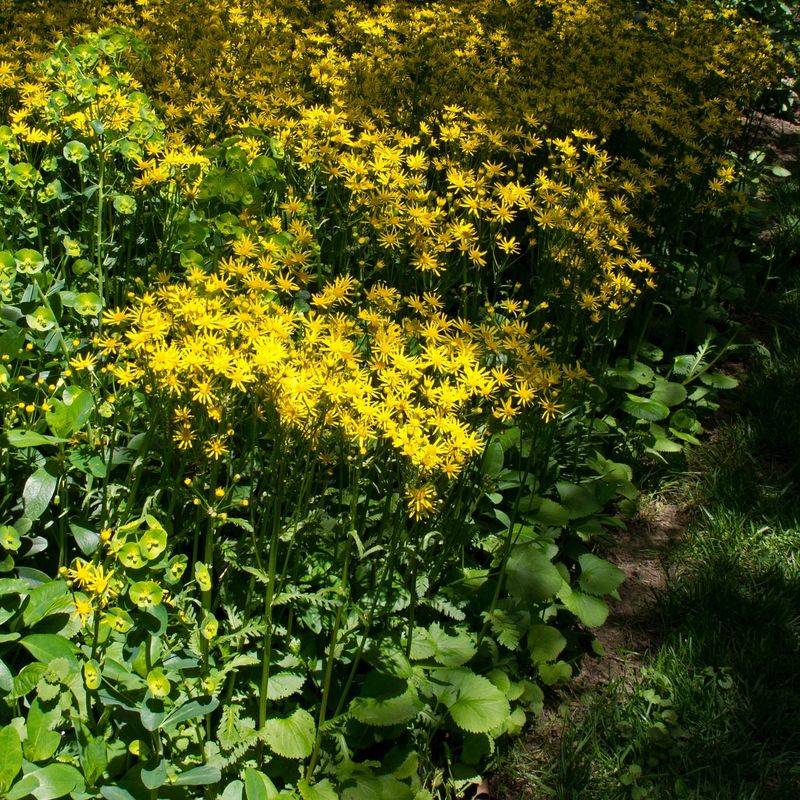
Golden ragwort, botanically known as Packera aurea, establishes quickly when planted during February across Georgia.
This reliable native naturally grows in woodlands, along streambanks, and in moist open meadows throughout the state, which makes it exceptionally well adapted to Georgia’s clay soils, seasonal rainfall, and humid summers.
At first, low semi evergreen rosettes hug the ground, forming a dense layer of foliage that helps suppress weeds and stabilize soil.
As early spring temperatures begin to rise, clusters of bright yellow, daisy like flowers emerge on upright stems above the leaves, creating a noticeable burst of color before many other native groundcovers come into bloom.
Golden ragwort spreads through underground rhizomes, allowing it to fill gaps steadily without becoming invasive or overwhelming nearby plants.
Part shade and consistently moist, well drained soil produce the fastest coverage, though the plant tolerates heavier soils better than many comparable natives.
Planting in February gives roots time to establish during cool, damp weeks before intense summer heat arrives. Once settled, this native handles Georgia humidity with ease and continues expanding each growing season with very little maintenance.
Golden ragwort works beautifully beneath deciduous trees, along woodland edges, and in naturalized plantings where dependable, fast ground coverage is essential.
It also provides valuable early nectar for native bees emerging in late winter, supporting pollinators when few other plants are in bloom.
The foliage remains attractive well into summer, maintaining consistent ground coverage even after flowering fades.
4. Wild Ginger Fills Shady Spots With Dense Coverage
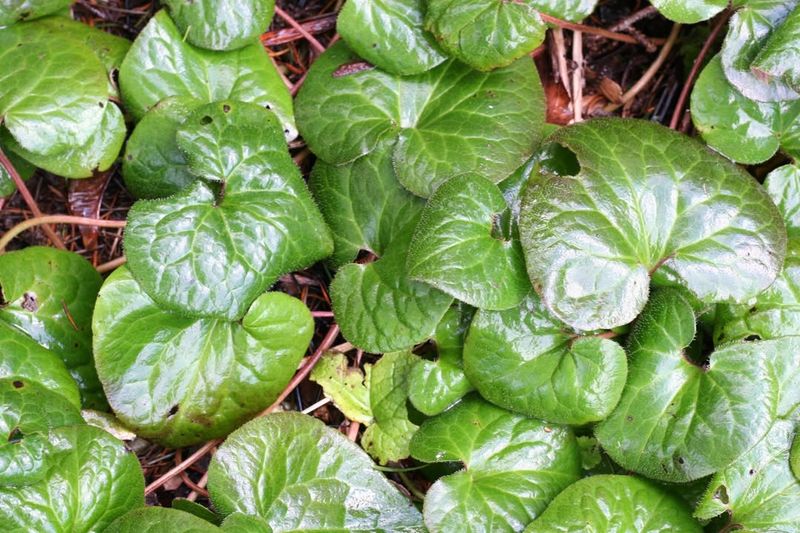
Deep shade stumps many groundcovers, but wild ginger thrives where sunlight barely penetrates. Large, heart-shaped leaves overlap to create a lush carpet that looks almost tropical in Georgia’s humid summers.
The plant spreads through underground rhizomes that march steadily outward, filling spaces between tree roots and around shade-loving shrubs.
Curious burgundy flowers hide beneath the foliage in spring, sitting right at ground level where they’re easily missed. Pollinators find them anyway, though the real garden value comes from the dense, weed-suppressing foliage that persists from spring through fall.
In mild Georgia winters, leaves may remain evergreen in protected locations.
Consistent moisture and rich soil produce the fastest establishment and spread. Wild ginger tolerates Georgia’s clay soils well when amended with compost or leaf mold at planting time.
February planting gives roots time to explore the soil before the canopy above leafs out completely, maximizing early growth.
This native works beautifully in woodland gardens, under mature trees, and in narrow side yards where grass struggles. It combines naturally with ferns, Solomon’s seal, and other shade-loving Georgia natives.
Wild ginger handles root competition from trees better than many groundcovers, making it valuable for filling difficult spots. Once established, it requires minimal care beyond occasional watering during extended dry periods.
The foliage emerges fresh each spring, quickly covering bare ground with its distinctive leaves.
5. Lyreleaf Sage Takes Off Before The Heat Hits
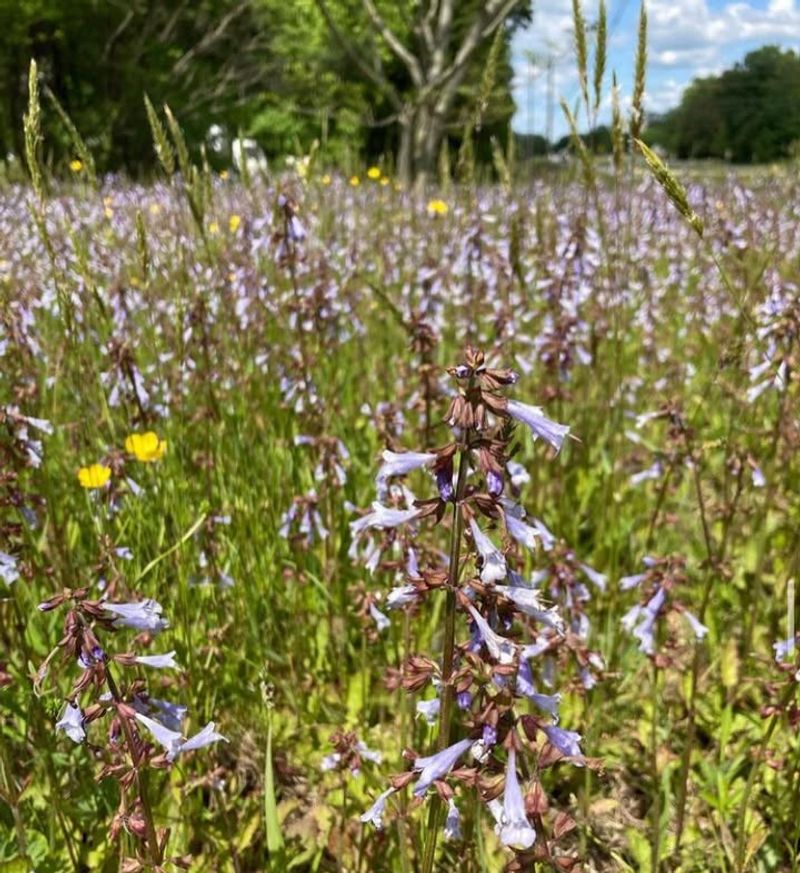
Watch this native sage explode into growth during Georgia’s spring months, producing rosettes of attractive foliage topped with spikes of blue-purple flowers.
February planting positions lyreleaf sage to capture cool-season moisture and mild temperatures, allowing rapid root development before summer’s demands begin.
By April, established plants bloom profusely, attracting bees and butterflies throughout the day.
Full sun to light shade suits this adaptable groundcover, though flowering peaks in brighter locations. Lyreleaf sage tolerates a wide range of soil types across Georgia, from heavy clay to sandy loam.
Drainage matters more than texture—standing water causes problems, but average garden soil works fine.
Growth habit differs from typical mat-forming groundcovers. Individual plants create expanding clumps rather than spreading runners, but they self-seed readily when conditions suit them.
Seedlings fill gaps between parent plants, creating effective coverage within a season or two. The basal rosettes stay low while flower spikes reach twelve to eighteen inches tall.
Heat tolerance impresses once roots establish, though growth slows during peak summer. Foliage may look tired by August in full sun locations, but plants bounce back with fall’s cooler temperatures.
Lyreleaf sage handles Georgia’s humidity without the powdery mildew issues that plague many salvias. Trim spent flower stalks to encourage additional blooming and prevent excessive self-seeding if desired.
This native combines well with ornamental grasses and other sun-loving perennials in meadow-style plantings throughout the state.
6. Partridgeberry Forms A Low Evergreen Mat
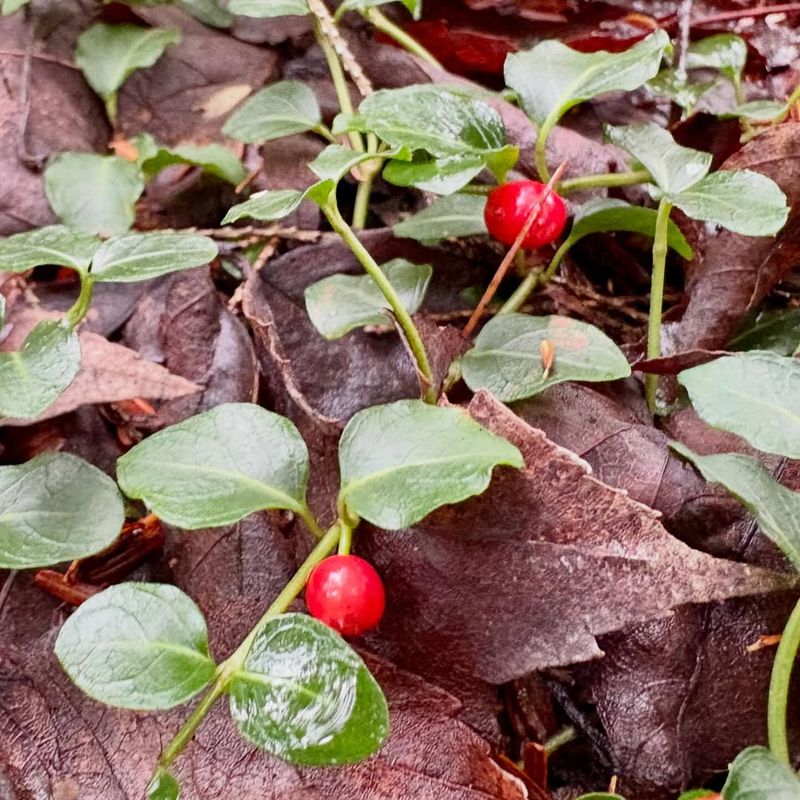
Evergreen foliage just inches tall makes partridgeberry a distinctive choice for shady Georgia gardens. Tiny, rounded leaves with white veining create intricate patterns across the forest floor, while bright red berries add winter interest when little else looks attractive.
This native creeps along slowly but surely, rooting at nodes to form dense mats that last for decades.
Acidic soil and shade define ideal growing conditions. Partridgeberry naturally inhabits pine and hardwood forests across Georgia, thriving in the leaf litter and dappled light beneath mature trees.
It tolerates deep shade better than most groundcovers, making it valuable for challenging spots where other plants struggle.
February planting works well since cool, moist conditions favor establishment. Growth proceeds slowly compared to more aggressive groundcovers, but patience pays off with a refined, permanent planting that requires almost no maintenance.
Water regularly the first season while roots develop, then let nature handle irrigation through rainfall and leaf litter moisture.
Small white flowers appear in pairs during late spring, eventually producing the distinctive red berries that persist through winter. Birds appreciate the fruit, though it’s not their first choice, so berries often remain decorative for months.
Partridgeberry combines beautifully with ferns, wild ginger, and other woodland natives in naturalistic Georgia landscapes. The evergreen foliage provides year-round ground coverage and visual interest when deciduous plants go dormant.
This native works particularly well around azaleas, rhododendrons, and other acid-loving shrubs.
7. Woodland Stonecrop Roots Quickly In Well-Drained Soil
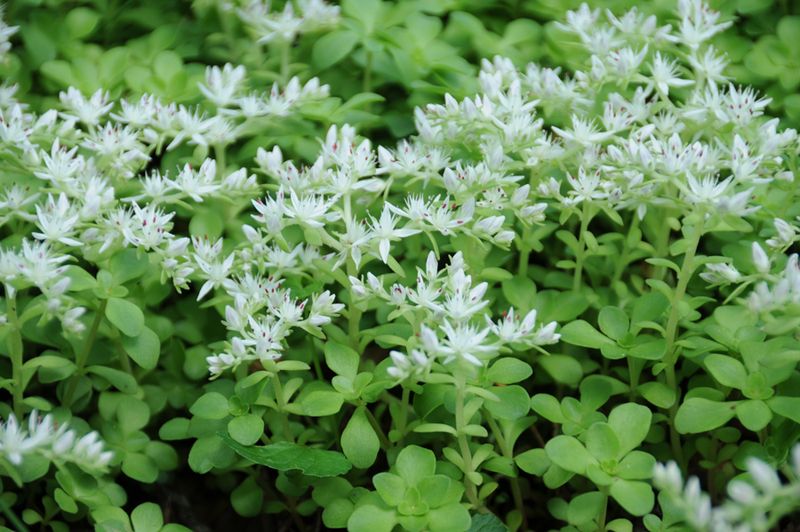
Succulent leaves distinguish this native stonecrop from typical woodland groundcovers, giving it unusual drought tolerance for a shade-loving plant. Fleshy, green foliage forms low mats that spread steadily through stolons, rooting wherever stems contact soil.
White flowers appear in late spring, creating a delicate display above the textured foliage.
Part shade to full shade works best in Georgia, particularly in locations with morning sun and afternoon protection. Woodland stonecrop tolerates more shade than most sedums, making it valuable for transitional areas between sunny and deeply shaded spaces.
Well-drained soil ranks as critical—this native evolved on rocky slopes and thin soils where water moves quickly.
Rooting speed impresses when conditions suit this groundcover. February planting allows establishment during cool weather, and by summer the plants show noticeable spread.
Sandy or rocky soils that challenge other groundcovers actually favor woodland stonecrop, though it adapts to amended clay if drainage stays adequate.
Heat tolerance combined with shade preference makes this native particularly useful in Georgia landscapes. The succulent foliage stores moisture, allowing plants to handle dry periods under tree canopies where rainfall doesn’t always penetrate.
Woodland stonecrop requires minimal care once established—no fertilizing, occasional watering during extreme drought, and virtually no pest or disease problems.
It combines well with other rock garden plants and looks natural tucked among stones or cascading over low walls.
The evergreen foliage provides year-round interest, and the plant handles Georgia winters without protection.
8. Frogfruit Covers Open Areas And Handles Light Foot Traffic
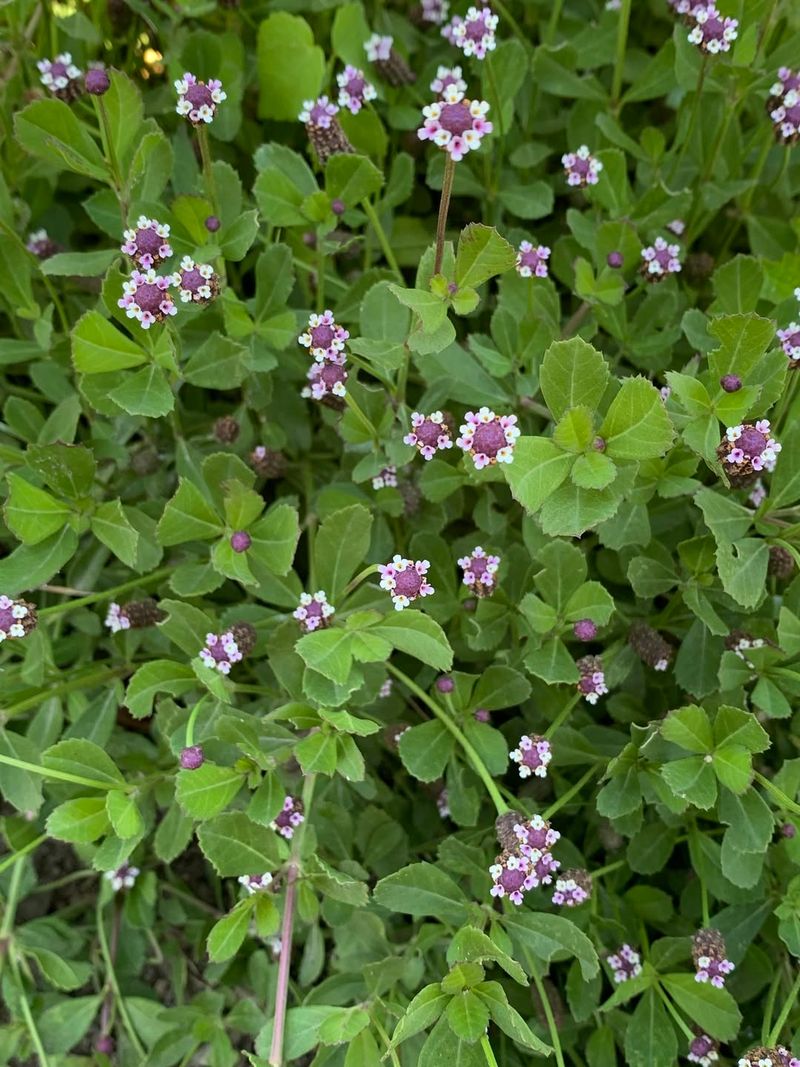
Lawn alternatives get serious consideration when frogfruit enters the picture. This tough native spreads aggressively through stolons, creating dense mats that handle occasional foot traffic better than most ornamental groundcovers.
Small, rounded leaves stay low—under three inches in mowed areas—while tiny white flowers attract butterflies and bees throughout warm months.
Full sun and moisture define ideal conditions, though frogfruit adapts to part shade and tolerates dry spells once established. It thrives in Georgia’s heat and humidity, actually growing most vigorously during summer when many groundcovers slow down.
Clay, loam, or sandy soils all work fine, and the plant tolerates occasional flooding in low spots.
February planting gives frogfruit time to root before its peak growing season begins. By midsummer, established plants spread with remarkable speed, filling bare spots and choking out weeds.
The aggressive nature makes it perfect for areas where you want fast coverage but potentially problematic in formal gardens where containment matters.
Mowing frogfruit occasionally keeps it dense and compact, creating a lawn-like appearance that requires far less maintenance than turfgrass. The plant stays green longer into fall than warm-season grasses and greens up earlier in spring.
Butterflies visit the flowers constantly, making frogfruit valuable for pollinator gardens and naturalistic landscapes.
It handles Georgia’s summer heat without the irrigation demands of traditional lawns, though occasional deep watering during drought keeps it looking best.
Consider frogfruit for pathways, between stepping stones, or anywhere you need tough, low-maintenance coverage.