7 Native Michigan Trees To Plant Instead Of Crape Myrtle
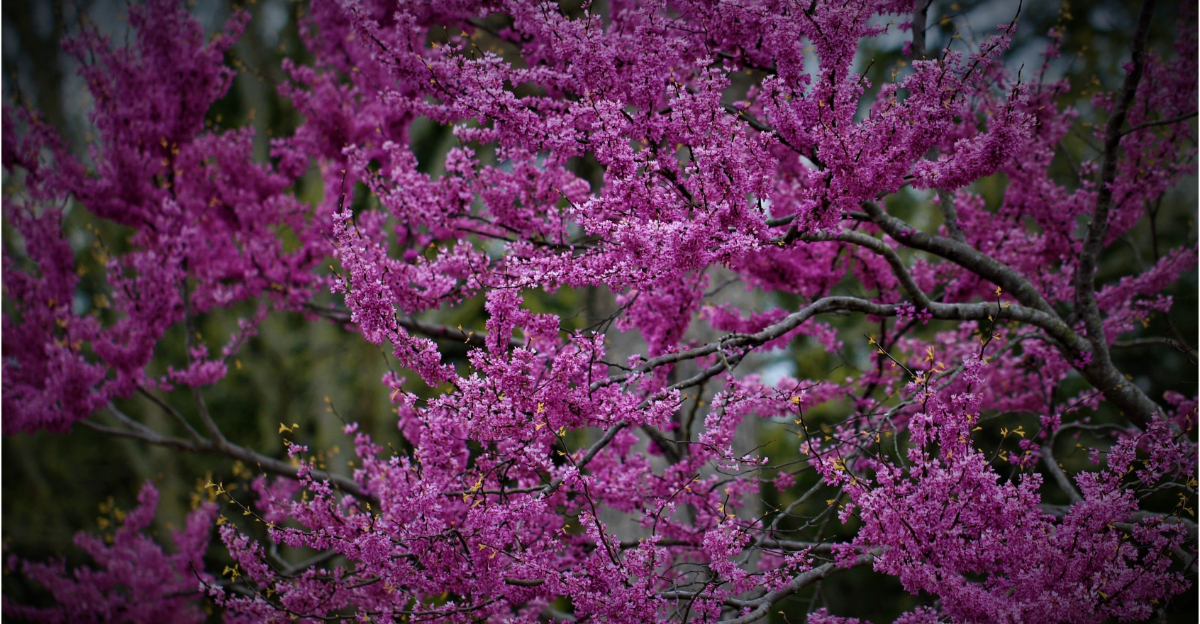
Crape myrtle may get a lot of attention for its bright summer color, but it is not always the best match for Michigan yards.
Michigan gardeners deal with colder winters, shorter growing seasons, and weather swings that call for tougher choices.
That is where native trees stand out. They are built for local conditions, which means they often grow with less trouble and offer benefits that go far beyond looks.
Many support birds, pollinators, and other wildlife while adding beauty through flowers, bark, berries, or fall color. Some create a bold focal point, while others bring a softer, more natural feel to the landscape.
If you want a yard that feels rooted in Michigan and performs well year after year, native trees are a smart place to start.
These standout choices prove you can skip crape myrtle and still enjoy a landscape full of color and character.
1. Downy Serviceberry (Amelanchier arborea)
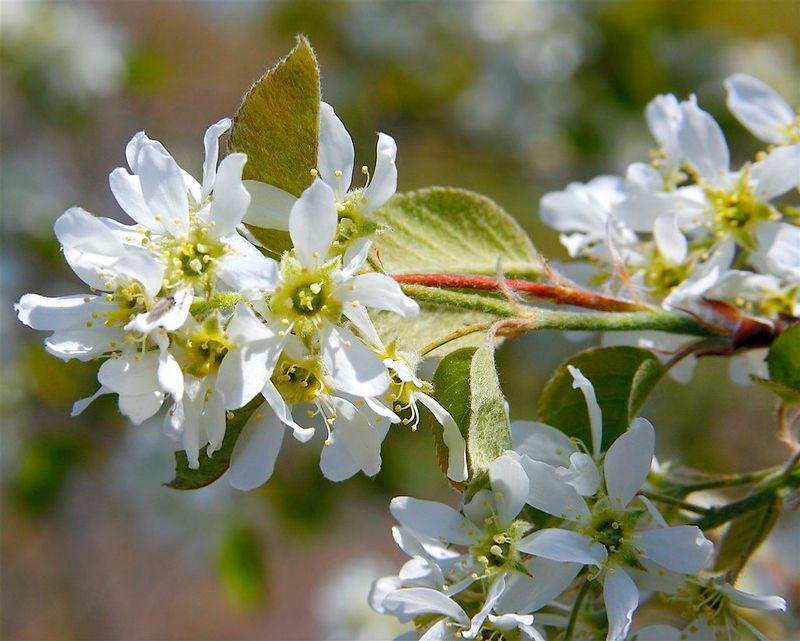
Serviceberry is one of those trees that earns its spot in the yard across every single season. It opens spring with delicate white flowers that appear just as the leaves begin to unfurl, creating a soft, airy look that feels almost dreamlike in a Michigan garden.
Michigan State University recommends serviceberry as an excellent landscape plant that is genuinely easy to grow, which is great news for busy homeowners.
By early summer, the tree produces sweet, edible berries that birds absolutely love. Robins, cedar waxwings, and other native Michigan birds flock to it reliably each year.
If you get there before the birds do, the berries taste similar to blueberries and work wonderfully in pies and jams.
Fall brings another round of color, with foliage shifting through shades of orange, red, and gold. The tree typically grows between 15 and 25 feet tall, fitting comfortably into smaller yards where crape myrtle might have been considered as an ornamental option.
Unlike crape myrtle, Downy Serviceberry is fully cold-hardy throughout Michigan, from the southern Lower Peninsula all the way to the Upper Peninsula.
It thrives in average soil, tolerates some shade, and requires very little maintenance once established, making it a truly rewarding choice.
2. Flowering Dogwood (Cornus florida)
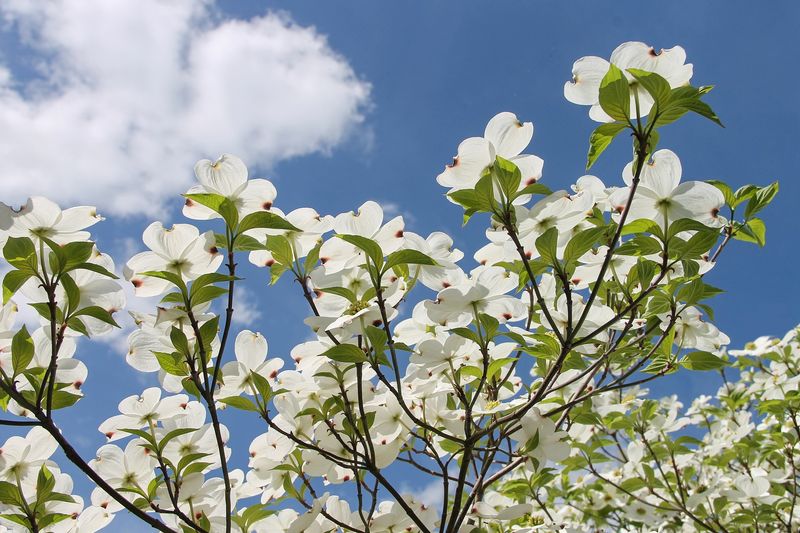
Few trees carry the kind of quiet elegance that Flowering Dogwood brings to a spring landscape. The blooms are technically bracts rather than petals, but they look like large, creamy white flowers that spread wide across every branch.
Michigan State University confirms that Cornus florida is native to the southern half of the Lower Peninsula, and it performs beautifully in the right Michigan setting.
The key is choosing a protected site with acidic, well-drained soil and some afternoon shade. Southern Lower Michigan homeowners with wooded or partially shaded yards will find this tree thrives with very little fuss.
It fills the same ornamental specimen role that crape myrtle is often chosen for, but with far better winter hardiness for Michigan conditions.
Come fall, the foliage turns a rich, deep burgundy red that looks stunning against the Michigan sky. Small red berries follow the flowers and attract a wide range of native birds, adding real wildlife value to your yard.
The tree usually stays between 15 and 30 feet tall, which keeps it manageable for most home landscapes.
Planting Flowering Dogwood in Michigan means you get spring drama, summer interest, brilliant fall color, and bird activity all wrapped into one beautifully structured native tree worth celebrating.
3. Pagoda Dogwood (Cornus alternifolia)
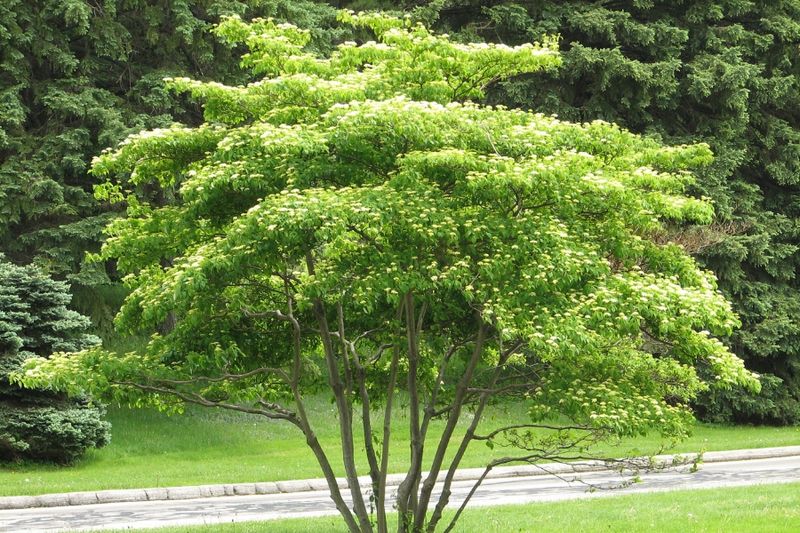
There is something almost architectural about the way Pagoda Dogwood grows. Its branches spread out in distinct horizontal layers, stacking one above the other in a pattern that looks intentional and refined even in the middle of winter.
Michigan State University notes that this tree is frequently overlooked for landscape use, which is honestly a shame because it is one of the most structurally beautiful native Michigan trees available.
In late spring, flat-topped clusters of small white flowers cover those layered branches and attract a wide variety of native pollinators.
By late summer, dark blue-black berries appear, and Michigan birds like thrushes and vireos feed on them enthusiastically.
The foliage takes on reddish tones in fall, adding another layer of seasonal interest to a yard that already has plenty going for it.
Pagoda Dogwood typically grows 15 to 25 feet tall and wide, making it a great fit for yards where you want a statement tree without something towering over the house.
It prefers partial shade and moist, well-drained soil, so spots near the edge of a tree line or on the north side of a building work especially well.
For Michigan gardeners who want elegance and structure over a long bloom season, this native tree is a far smarter pick than crape myrtle.
4. American Hornbeam (Carpinus caroliniana)
Run your hand along the trunk of an American Hornbeam and you will immediately understand why people call it musclewood. The bark is smooth and blue-gray, with sinuous ridges that look like flexed muscle beneath the surface.
It is one of the most visually interesting trunks of any Michigan native tree, and that four-season structure alone makes it worth considering over crape myrtle.
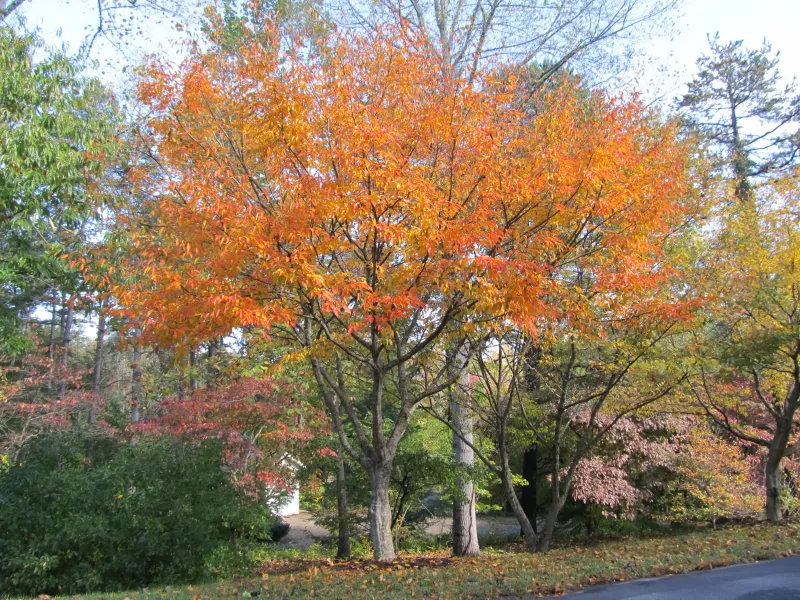
Michigan State University lists American Hornbeam as native to Michigan and highlights its striking orange-red fall color alongside its adaptability to moist soils.
It even handles periods of intermittent drought once it gets established, which makes it more flexible than many people expect.
Hardy to Zone 3b, it is genuinely built for Michigan winters in a way that crape myrtle simply is not.
The tree grows slowly and stays relatively compact, usually reaching 20 to 35 feet tall, which suits most residential Michigan yards well.
It thrives in partial to full shade, making it a fantastic choice for spots under larger canopy trees where other ornamentals might struggle.
Spring brings small catkins that add subtle texture, and the finely toothed leaves provide a delicate look all summer long.
For gardeners who want year-round visual interest without the headaches of a non-native tree, American Hornbeam is an easy and rewarding choice.
5. Eastern Redbud (Cercis canadensis)
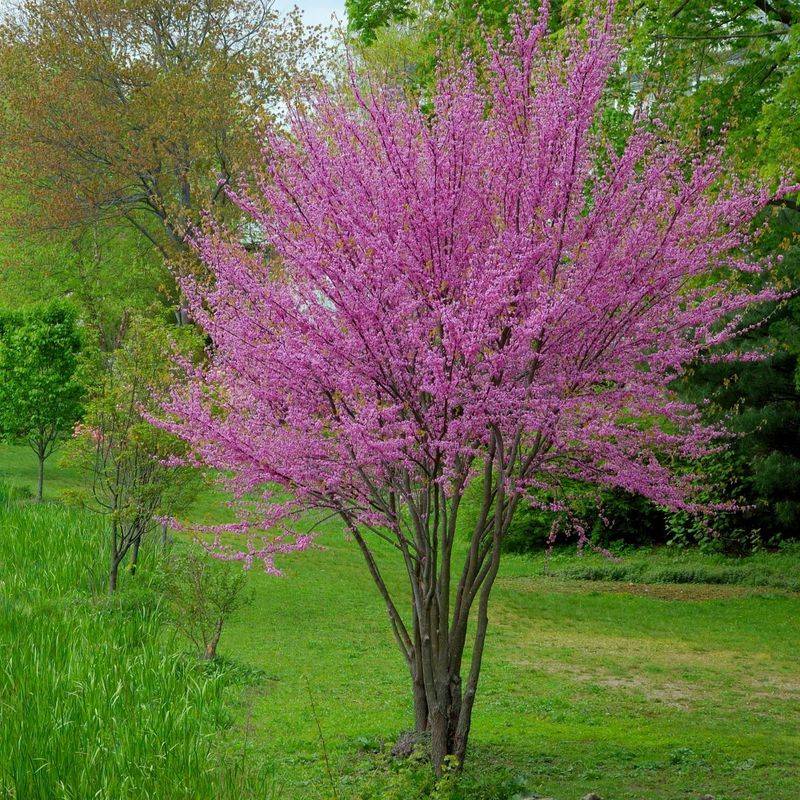
Before the leaves even show up, Eastern Redbud puts on a show that stops people in their tracks. Clusters of vivid magenta-pink flowers coat every branch in early spring, creating one of the most dramatic displays you can find in a Michigan yard.
It is native to southern Michigan, and Michigan State University describes it as a small understory tree that typically grows between 20 and 30 feet tall.
For gardeners in southern Lower Michigan who have been eyeing crape myrtle, this is genuinely the closest native match you will find.
Both trees share that small-scale, ornamental focal-point quality that works so well near patios, driveways, and front yards.
Eastern Redbud handles Michigan winters far better than crape myrtle ever could, because it actually belongs here.
After the flowers fade, heart-shaped leaves take over and stay a fresh green all summer before turning yellow in fall. The tree prefers well-drained soil and a spot with some protection from harsh northwest winds.
Plant it where it gets morning sun and afternoon shade for the best results. It also attracts early pollinators, which makes it a gift to your whole garden ecosystem right from the start of the season.
6. American Hophornbeam (Ostrya virginiana)
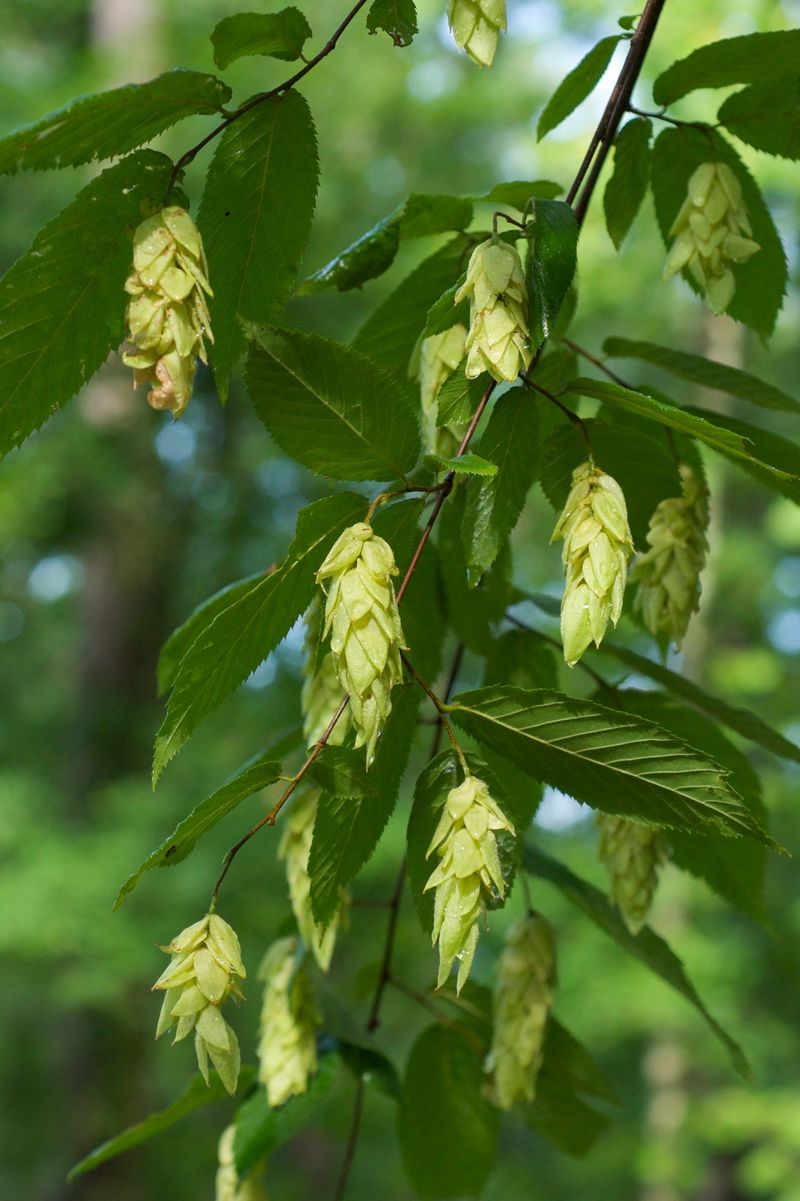
Toughness is not always glamorous, but American Hophornbeam makes it look pretty good. This native Michigan tree handles dry soils, cold winters, wind, heavy snow, and ice without missing a beat.
The USDA notes it is native well into northern Michigan and is remarkably free of major insect and disease problems, which means far less maintenance compared to the constant monitoring that crape myrtle sometimes demands.
Michigan State University describes it as useful in dry locations for lawns, parks, naturalized areas, and even street planting.
That kind of versatility is rare, and it makes Hophornbeam one of the most practical native trees you can add to a Michigan property.
The textured, shreddy brown bark gives the trunk a rugged, handsome character that holds visual interest through the long Michigan winter months.
In summer, the tree produces hop-like seed clusters that dangle from the branches and give it a quirky, distinctive look unlike most other ornamental trees. The foliage turns soft yellow in fall before dropping cleanly.
Hophornbeam usually grows between 25 and 40 feet tall at a slow, steady pace, making it a long-term investment in your Michigan landscape.
For spots where crape myrtle would freeze back and underperform, American Hophornbeam steps in with quiet confidence and genuine staying power season after season.
7. Black Gum (Nyssa sylvatica)
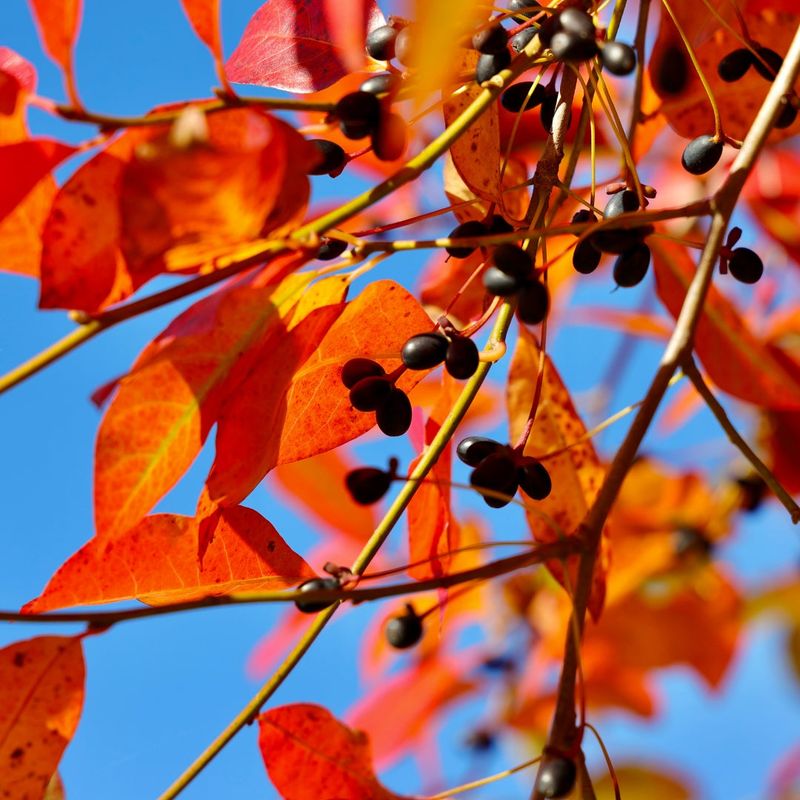
If fall color is what drew you toward crape myrtle in the first place, Black Gum will absolutely blow you away.
Michigan State University highlights its vivid orange, scarlet, and yellow fall foliage as some of the most brilliant color you can find on any native Michigan tree.
The leaves shift early in the season, often turning before most other trees even hint at changing, which gives your yard a head start on autumn beauty.
Black Gum is native to southern Lower Michigan and adapts well to a wide range of soil conditions, including wet clay soils that many ornamental trees simply cannot handle.
MSU also notes its tolerance of road salt, which makes it a strong candidate for properties near streets or driveways in Michigan communities.
The dark, deeply furrowed bark adds rugged texture that looks especially striking against a snowy Michigan winter backdrop.
Small, dark blue fruits appear in late summer and attract native birds including wood thrushes, robins, and woodpeckers, turning your yard into a regular wildlife stop.
The tree grows slowly to around 30 to 50 feet tall, developing a strong, broad shape over time.
For southern Michigan homeowners who want a specimen tree with multi-season ornamental value and genuine cold hardiness, Black Gum is a spectacular native alternative that outperforms crape myrtle in nearly every way that matters.