7 Native Michigan Wildflowers That Deserve A Bigger Place In Home Gardens
Michigan is filled with native wildflowers that bring beauty, color, and life to the landscape, yet many of them are still missing from home gardens.
Garden centers often focus on familiar picks, while some of the most charming native blooms are left out of the spotlight.
That is a missed chance for gardeners who want plants that are both beautiful and well suited to local conditions.
These wildflowers are made for Michigan’s seasons, which means they can offer strong performance with less trouble once they are established.
Many also attract butterflies, bees, and other pollinators that help gardens feel more lively and full of movement. Some have soft, delicate blooms, while others make a bold statement with bright color and unique shapes.
If you want a garden that feels more natural, more vibrant, and more connected to Michigan, these wildflowers deserve a much bigger role.
1. Wild Columbine (Aquilegia canadensis)
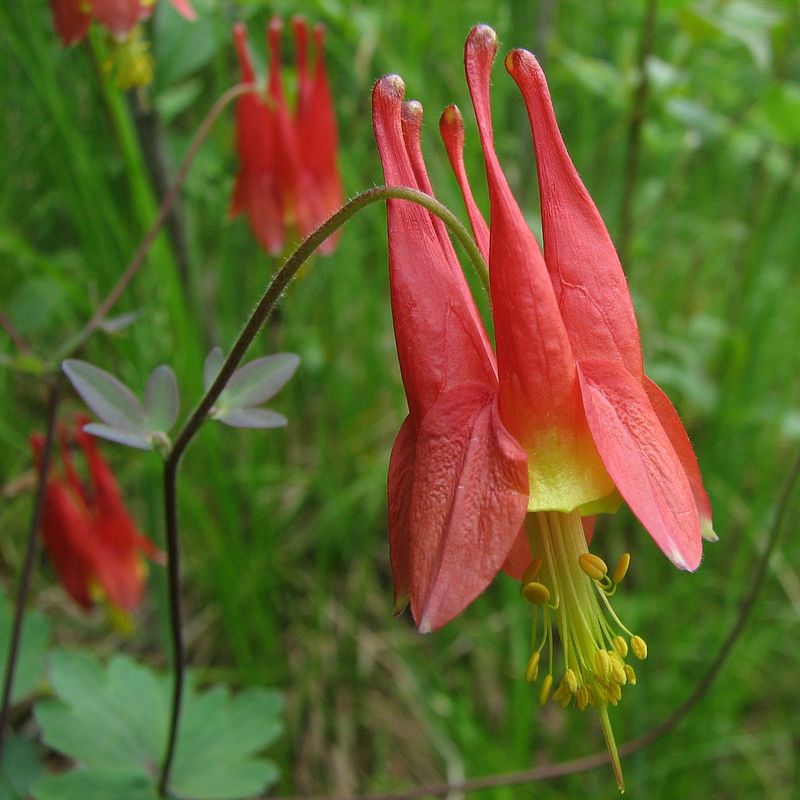
Few flowers can match the early-season charm of Wild Columbine, a true Michigan native that bursts into bloom when most other plants are just waking up. Its red and yellow bell-shaped flowers dangle like tiny lanterns, swaying gently in the spring breeze.
Hummingbirds absolutely love this plant, and watching them visit your garden is one of the most rewarding surprises a gardener can experience.
Wild Columbine thrives in rocky or well-drained soils where many garden plants simply give up. That makes it especially valuable in tricky spots around Michigan yards, like slopes, raised beds, or areas with thin topsoil.
Plant it in full sun to partial shade, and it will reward you with blooms from April through June without much fuss at all.
What makes this plant stand out is how naturally it fits into Michigan landscapes. It grows along woodland edges and tolerates the wild temperature swings that come with spring in the Great Lakes region.
Once established, it self-seeds gently, spreading slowly to fill in bare spots without becoming overwhelming. Pair it with Prairie Smoke or Wild Bergamot for a layered native garden that looks stunning from early spring through summer.
If you want a plant that works hard, looks gorgeous, and supports local wildlife, Wild Columbine belongs in your Michigan garden without question.
2. Prairie Smoke (Geum triflorum)
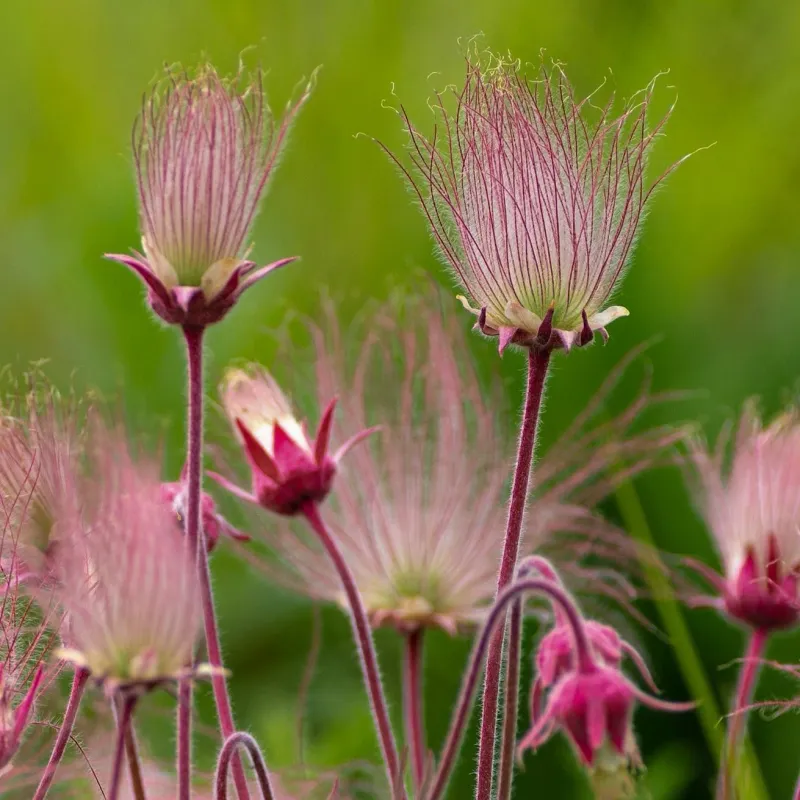
There is no other wildflower in Michigan quite like Prairie Smoke. Before the seed heads form, it produces nodding pink flowers that seem almost shy.
Then, as the season progresses, those flowers transform into wispy, feathery plumes that catch the light and seem to glow like tiny puffs of smoke rising from the ground. It is genuinely one of the most visually unique native plants you can grow.
Prairie Smoke is built for tough conditions. It thrives in sandy or well-drained soils and handles drought far better than most flowering perennials.
In Michigan’s Lower Peninsula, where sandy soils are common, this plant feels completely at home. Full sun is all it needs, and once it settles in, it asks for very little in return.
Gardeners often overlook Prairie Smoke because it is not as flashy as some of its native neighbors. But that understated beauty is exactly what makes it special.
It adds texture and movement to a garden that bold blooms simply cannot provide. The feathery seed heads persist well into summer, giving you weeks of visual interest after the flowers fade.
Plant it along borders or in rock gardens where its low, spreading form can shine. Combine it with Butterfly Weed or Wild Columbine for a stunning native Michigan display that practically takes care of itself through the season.
3. Blue Flag Iris (Iris versicolor)
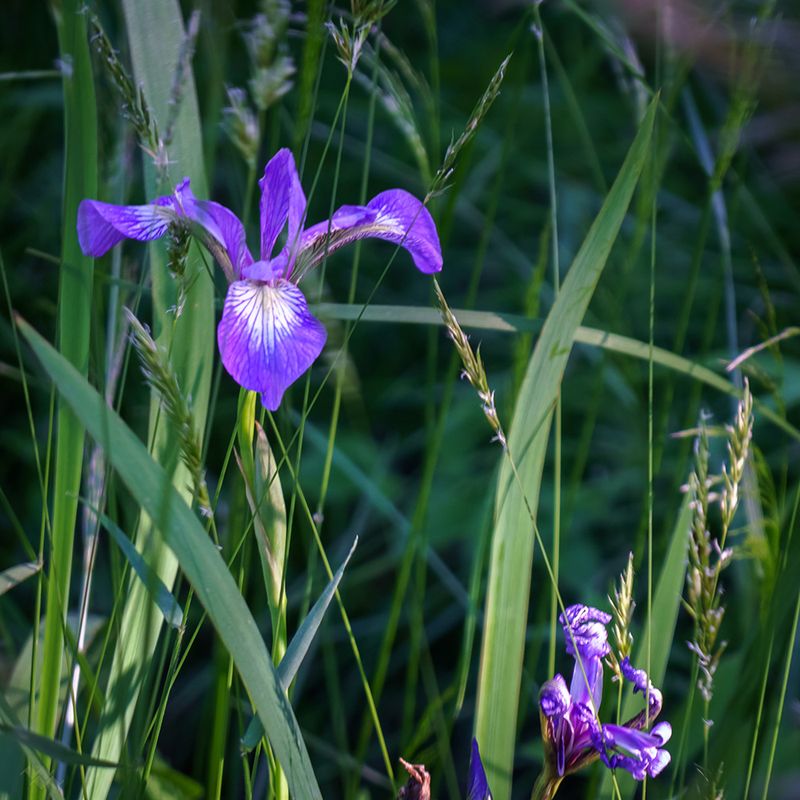
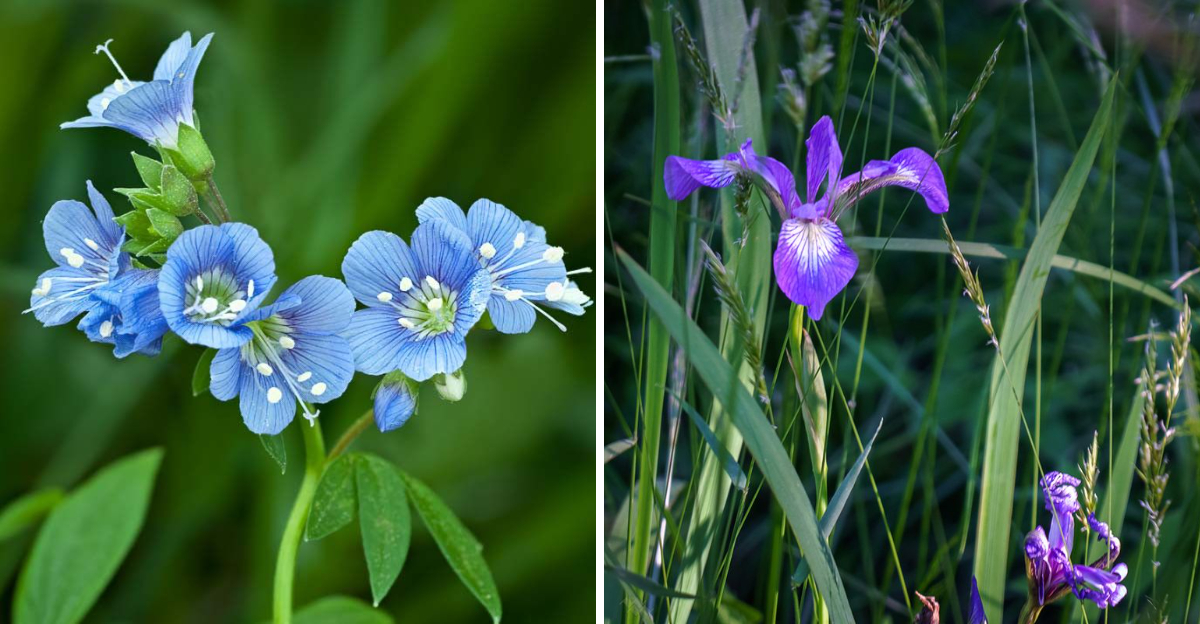
Standing tall with its striking violet-blue blooms, Blue Flag Iris is one of Michigan’s most elegant native wildflowers.
It grows naturally in wetlands and along the edges of lakes and streams across the state, but it adapts beautifully to home gardens with moist or wet soil conditions.
If you have a low-lying area in your yard that stays soggy after rain, this is the plant you have been looking for.
Rain gardens are becoming more popular across Michigan as homeowners look for smart ways to manage stormwater runoff.
Blue Flag Iris is one of the best plants you can add to a rain garden because it tolerates standing water and fluctuating moisture levels without skipping a beat.
Plant it in full sun to partial shade, and it will produce stunning blooms in late spring to early summer that stop people in their tracks.
Beyond its beauty, Blue Flag Iris plays an important role in supporting pollinators. Native bees and other insects rely on its early blooms for food.
The bold, sword-like foliage stays attractive even after the flowers fade, giving your garden structure all season long. It spreads slowly by rhizomes, gradually forming clumps that look more impressive every year.
For Michigan gardeners who want something dramatic, low-maintenance, and genuinely native, Blue Flag Iris delivers on every level with very little effort required from you.
4. Butterfly Weed (Asclepias tuberosa)
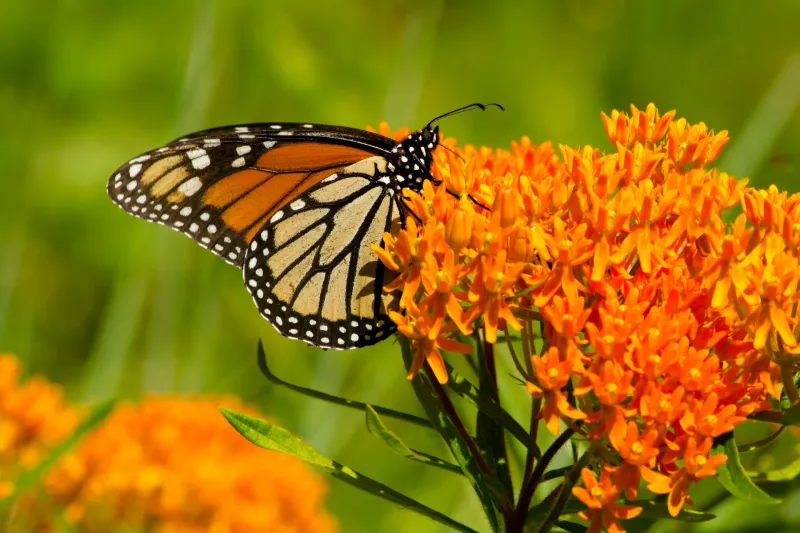
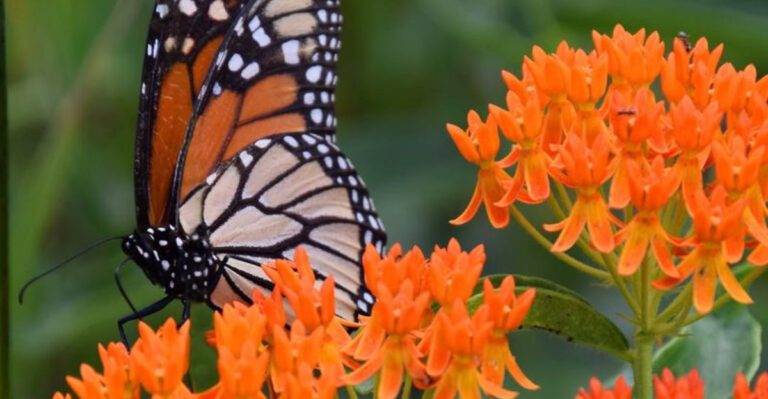
Bright, bold, and buzzing with pollinators, Butterfly Weed is one of the hardest-working native plants you can grow in Michigan. Its vivid orange flower clusters bloom from June through August, creating a focal point in any sunny garden bed.
Monarch butterflies depend on milkweed species like this one as the only plant where they lay their eggs, making Butterfly Weed more than just a pretty face.
One of its biggest strengths is its ability to thrive in dry, sandy soils with very little water. Many Michigan gardens, especially in the Lower Peninsula, have sandy or fast-draining ground that makes growing traditional garden plants a real challenge.
Butterfly Weed was made for exactly those conditions. Plant it in full sun with excellent drainage, and it will come back stronger every single year.
Unlike common milkweed, Butterfly Weed does not spread aggressively, making it a well-behaved addition to home gardens of any size.
It grows in clumps that expand slowly, and its long taproot means it handles summer heat and drought without any extra watering.
The seed pods that follow the blooms are also fascinating, splitting open in fall to release silky, wind-carried seeds.
Pair it with Prairie Smoke or Wild Bergamot for a pollinator-friendly Michigan garden that looks colorful from spring through early fall.
This plant truly earns its place in every yard.
5. Wild Bergamot (Monarda fistulosa)
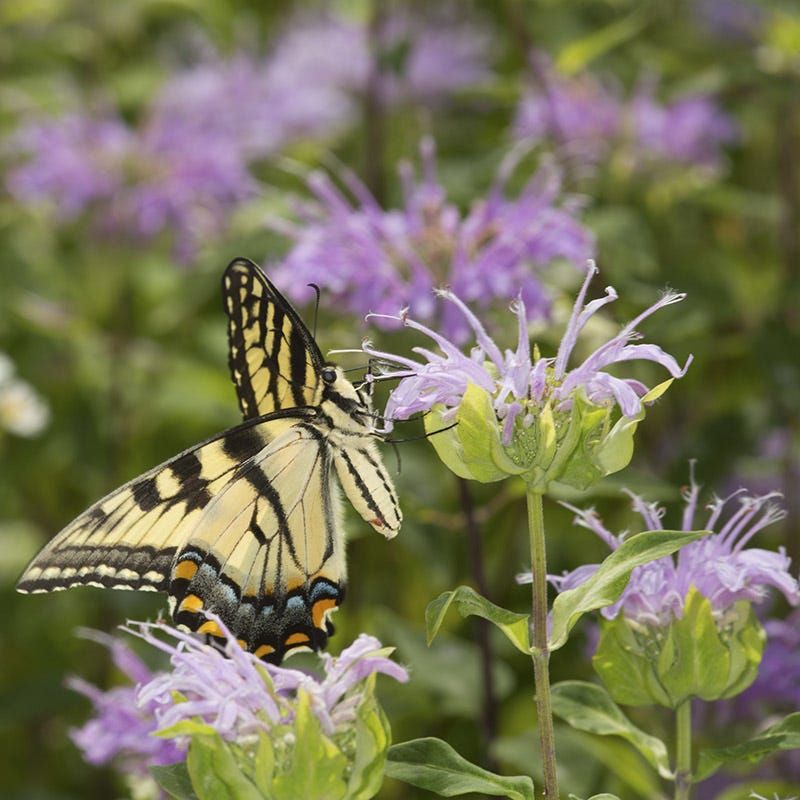
Walk past a patch of Wild Bergamot on a warm summer day and you will immediately notice two things: the soft lavender-pink blooms covering the plant and the incredible number of bees buzzing around them.
This native Michigan perennial is a pollinator magnet, attracting bumble bees, native bees, butterflies, and even hummingbirds throughout mid to late summer.
Few plants pull in that kind of wildlife activity so reliably.
Wild Bergamot is wonderfully adaptable, which is one reason it deserves far more attention from Michigan gardeners. It handles dry spells and moderately moist conditions equally well, growing in a wide range of soil types from sandy to loamy.
Plant it in full sun to partial shade with good airflow around the stems, and it will reward you with weeks of blooms without needing much attention.
The aromatic leaves are another bonus. They carry a pleasant oregano-like scent that adds a sensory layer to the garden experience.
Native Americans historically used Wild Bergamot for herbal teas and medicinal purposes, giving this plant a rich cultural history rooted in the Great Lakes region.
It grows two to four feet tall, making it a strong mid-border plant that pairs beautifully with Culver’s Root or Butterfly Weed.
If you want a tough, fragrant, wildlife-friendly flower that truly belongs in Michigan soil, Wild Bergamot is an easy and rewarding choice for gardeners at any skill level.
6. Jacob’s Ladder (Polemonium reptans)
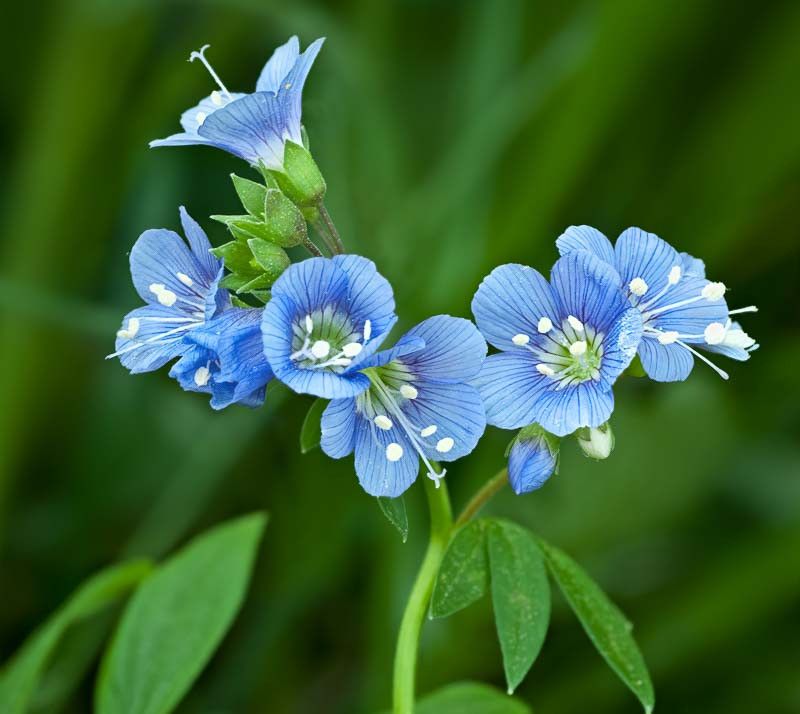
Tucked beneath the canopy of a shaded garden, Jacob’s Ladder brings a quiet, soft beauty that few native plants can match.
Its delicate blue-violet flowers appear in spring, hovering above finely divided leaves that are arranged in neat, ladder-like pairs along each stem.
That distinctive leaf pattern is actually how the plant earned its memorable name, and once you see it, you will never forget it.
Shade gardening in Michigan can feel limiting, but Jacob’s Ladder opens up real possibilities. It thrives in partial to full shade with moist, rich soil, exactly the kind of conditions found under large trees or along the north side of a house.
In Michigan’s forest understories, this plant grows naturally, which means it is perfectly tuned to the state’s climate and seasonal rhythms.
Jacob’s Ladder blooms in April and May, providing early-season color in spots where summer-blooming plants have not yet woken up.
After the flowers fade, the attractive foliage stays fresh and green through the season, keeping shaded areas looking lush and alive.
It spreads slowly and politely, never crowding out its neighbors. Pair it with Wild Columbine or Blue Flag Iris for a layered shade garden full of Michigan-native character.
Gardeners who have struggled with dark, damp corners of their yard will find Jacob’s Ladder to be a genuinely satisfying and beautiful solution that delivers results season after season.
7. Culver’s Root (Veronicastrum virginicum)
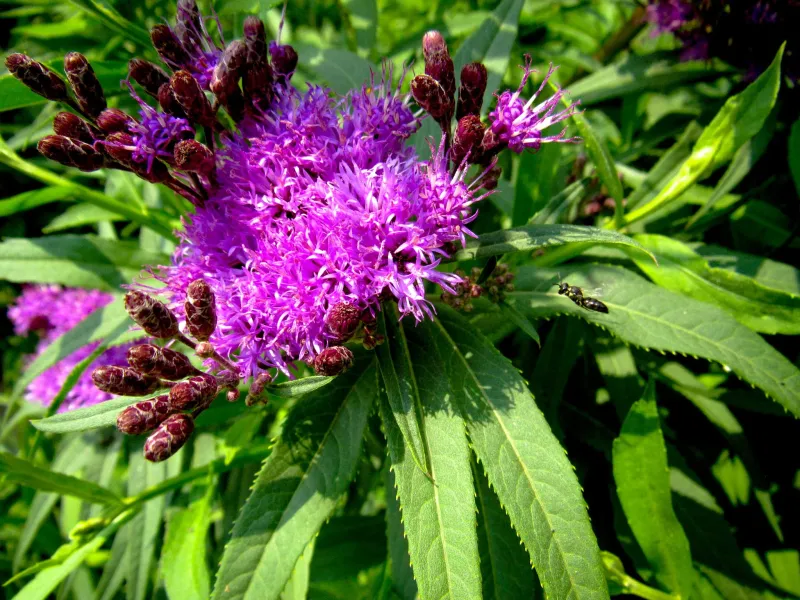
Tall, elegant, and absolutely covered in pollinators when in bloom, Culver’s Root is one of Michigan’s most underappreciated native wildflowers.
Its long, candle-like white flower spikes rise anywhere from four to six feet tall, creating dramatic vertical interest that most garden plants simply cannot offer.
When it blooms in mid to late summer, it becomes a hub of activity for bees, butterflies, and other beneficial insects.
Culver’s Root is native to prairies and open woodlands across Michigan, and it brings that natural, meadow-like quality into home gardens with ease.
It grows best in full sun with well-drained to moist soil, making it versatile enough to work in a range of garden settings.
Unlike some tall perennials, it stands upright on its own without staking, which is a big practical advantage for busy gardeners.
One of the most exciting things about growing Culver’s Root is watching it mature over time. In its first year, it focuses on establishing roots.
By the second and third years, it blooms more vigorously and becomes a true showstopper. Pair it with Wild Bergamot or Butterfly Weed to create a layered, prairie-inspired Michigan garden that peaks in late summer when many other plants are winding down.
For gardeners who want height, structure, and serious pollinator support in one plant, Culver’s Root delivers all of that and more with very little maintenance required.